Home Appliances

Search documents
2026国补方案出炉,不少好消息
猿大侠· 2025-12-31 04:12
支持家电以旧换新。个人消费者购买冰箱、洗衣机、电视、空调、电脑、热水器等 6 类家电 中 1 级能效或水效标准的产品, 按产品销售价格的 15% 给予补贴,每位消费者每类产品可 补贴 1 件,每件补贴不超过 1500 元 。 支持数码和智能产品购新。个人消费者购买手机、平板、智能手表手环、智能眼镜等 4 类产 品,按产品销售价格的 15% 给予补贴,每位消费者每类产品可补贴 1 件,每件补贴不超过 500 元。 支持智能家居产品购新补贴,具体补贴品类、补贴标准由地方结合实际自主合理制定。 优化支持范围。设备更新在总体延续的基础上, 增加老旧小区加装电梯、养老机构、消防救 援、检验检测、线下消费商业设施等领域 ,更好满足民生和安全需要。 消费品以旧换新方面,支持汽车以旧换新,家电以旧换新聚焦冰箱、洗衣机、电视、空调、 电 脑 、 热 水 器 等 6 类 产 品 ; 支 持 数 码 和 智 能 产 品 购 新 , 包 括 手 机 、 平 板 、 智 能 手 表 ( 手 环)、智能眼镜、智能家居产品(含适老化家居产品)。 优化实施方式,提升重点消费品"得补率"。 国家信息中心经济预测部宏观经济研究室副主任邹蕴涵介绍 ...


商务部等5部门发布关于做好2026年家电以旧换新、数码和智能产品购新补贴工作的通知
Di Yi Cai Jing· 2025-12-31 04:09
Core Viewpoint - The Ministry of Commerce and four other departments have announced a subsidy program for the replacement of old home appliances and the purchase of new digital and smart products starting January 1, 2026, aimed at promoting energy efficiency and consumer spending [1] Group 1: Subsidy Details - The subsidy will apply to six categories of home appliances: refrigerators, washing machines, televisions, air conditioners, water heaters, and computers, as well as four categories of digital and smart products: smartphones, tablets, smartwatches (bands), and smart glasses [1] - The subsidy standard is set at 15% of the final selling price after discounts for the aforementioned products, with a cap of 1,500 yuan for home appliances and 500 yuan for digital and smart products per item [1] - Each individual consumer is eligible for one subsidy per category of product, with a maximum of 1,500 yuan for home appliances and 500 yuan for digital and smart products [1]
2026年“两新”政策部署来了!“国补”有这些新变化
Xin Hua Cai Jing· 2025-12-31 00:10
Core Viewpoint - The 2026 "Two New" policy aims to enhance equipment updates and consumer goods replacement, addressing public concerns and promoting high-quality development through targeted subsidies and support measures [1][2]. Group 1: Policy Changes - The 2026 "Two New" policy expands support to include the installation of elevators in old residential areas, equipment updates in elderly care institutions, and updates for commercial facilities like shopping centers and supermarkets [2][4]. - The policy continues to support the replacement of old vehicles and household appliances, including cars, washing machines, and refrigerators, while also expanding subsidies for digital and smart products [2][3]. Group 2: Subsidy Standards - The subsidy standards for equipment updates have been optimized, with differentiated subsidies based on the number of floors for old elevators, potentially easing financial burdens for high-rise residential buildings [4][5]. - For automotive subsidies, the policy shifts from fixed amounts to percentage-based subsidies, with support for new energy vehicles at 12% of the vehicle price (up to 20,000 yuan) and for fuel vehicles at 10% (up to 15,000 yuan) [5][6]. Group 3: Implementation Mechanism - The policy introduces an optimized project application and review process, lowering investment thresholds and increasing support for small and medium-sized enterprises [7]. - A unified subsidy standard will be implemented nationwide for vehicle replacements and household appliances, addressing regional disparities in subsidy amounts [7].
625亿首批“国补”已下达!2026年汽车、家电换新福利来了
2 1 Shi Ji Jing Ji Bao Dao· 2025-12-31 00:05
Core Viewpoint - The Chinese government is launching a substantial subsidy program for 2026, aimed at promoting the replacement and upgrading of consumer goods, including vehicles and home appliances, with a total of 625 billion yuan allocated for the first phase of subsidies [1]. Group 1: Automotive Subsidies - Two main directions for automotive subsidies: scrapping old vehicles for new ones or trading in old vehicles for new purchases [2]. - For scrapping, buyers of new energy vehicles can receive a subsidy of 12% of the vehicle price, up to 20,000 yuan, while buyers of fuel vehicles with an engine size of 2.0 liters or less can receive a subsidy of 10%, up to 15,000 yuan [2]. - For trade-ins, new energy vehicles receive an 8% subsidy, capped at 15,000 yuan, and fuel vehicles receive a 6% subsidy, capped at 13,000 yuan [2]. Group 2: Home Appliance and Digital Product Subsidies - The subsidy program focuses on six major home appliances: refrigerators, washing machines, televisions, air conditioners, computers, and water heaters, with a 15% subsidy on the purchase price, capped at 1,500 yuan per item [3]. - Digital products such as smartphones, tablets, smartwatches, and smart glasses are eligible for a 15% subsidy, with a maximum of 500 yuan per item, provided the price does not exceed 6,000 yuan [3]. - The program emphasizes high energy efficiency, green technology, and smart products, aiming to encourage consumer upgrades and industry advancements [3]. Group 3: Broader Policy Implications - The policy also extends to the upgrading of facilities in old residential areas, nursing homes, and fire rescue equipment, with lowered investment thresholds for project applications, allowing more small and medium-sized enterprises to benefit from the subsidies [3]. - The overall message encourages consumers to take advantage of the subsidies for significant purchases and upgrades, focusing on energy-efficient and smart products [3].
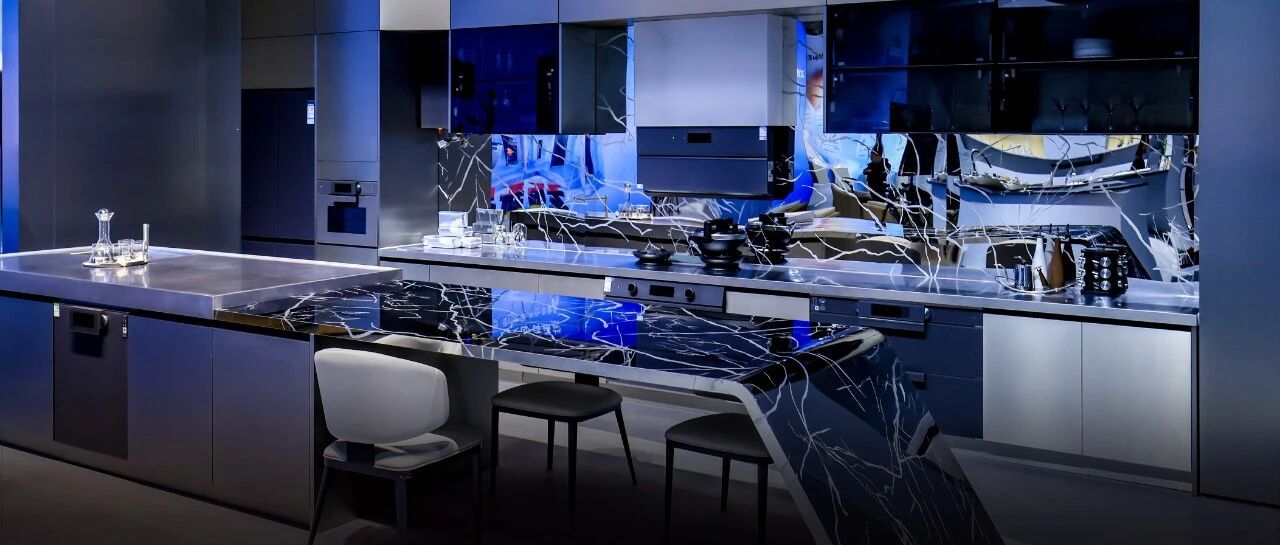
当AI开始理解烟火气,厨房或许会成为下一个超级入口
36氪· 2025-12-30 09:26
Core Insights - The article discusses the evolution of AI from a tool to a partner in the kitchen, emphasizing the need for AI to create real value in everyday life rather than just demonstrating capabilities [2][6] - The focus is shifting towards vertical applications of AI, particularly in complex environments like kitchens, which have been historically challenging for AI integration [3][5] Group 1: AI in the Kitchen - The kitchen is identified as a high-frequency, non-structured space that presents unique challenges for AI due to its complexity and the subjective nature of cooking [4][5] - The "Shishen" model by Boss Electric is highlighted as an AI cooking partner that learns user preferences and adapts cooking processes accordingly, moving beyond simple tool functionalities [12][13] - By 2025, the "Shishen" model will enhance user experience with features like AI photo analysis of ingredients and real-time voice interaction, making it more user-friendly [14] Group 2: Market Dynamics - The global AI kitchen appliance market is projected to grow from $3.763 billion in 2024 to $5.831 billion by 2031, indicating a strong demand for AI-integrated cooking solutions [18] - Despite the market's growth, there is a disconnect between consumer expectations for smart appliances and the current offerings, with 30% of AI appliances still in basic functionality stages [28][29] Group 3: Boss Electric's Strategy - Boss Electric's approach integrates hardware, algorithms, and content to create a comprehensive cooking experience, distinguishing it from competitors who focus on isolated functionalities [31] - The company has invested significantly in AI cooking technology, holding 9,448 patents, the highest in China related to AI cooking, establishing a strong technical barrier [16] Group 4: Cultural and Emotional Aspects - Cooking is framed as a cultural practice that fosters emotional connections, with AI's role extending beyond efficiency to enhancing relationships within families [18][22] - Initiatives like "National Cooking Day" and collaborations with Michelin chefs aim to democratize high-quality cooking experiences, making them accessible to everyday users [24][23] Group 5: Future Implications - The article posits that as AI becomes more integrated into daily cooking, it could transform kitchens into significant lifestyle hubs, reflecting broader societal changes [36]

2026年广告主的破局之道
36氪· 2025-12-30 00:13
Core Insights - The article emphasizes that in today's fragmented attention economy, traditional brand advertising often fails to create significant impact, likening it to "throwing salt into the sea" [1] - The key to breaking through lies not in chasing more channels, but in finding a "strategic fulcrum" that builds trust and creates long-term value [2] Trust as a Valuable Asset - Trust has become the most valuable form of traffic in an era where consumers are overwhelmed with choices, making authoritative partnerships essential for brands [3][4] - Collaborating with credible platforms allows brands to transfer the trust accumulated by these platforms, thereby reducing consumer decision-making risks [4] Case Study: Huawei - Huawei faced a trust deficit despite technological superiority, which was addressed through strategic partnerships with authoritative media, elevating its brand perception from a "technology supplier" to a representative of "Chinese intelligence manufacturing" [5] - The "Hongmeng Starry Night" event exemplified this trust-building, achieving over 203 million views and 11 billion topic reads, showcasing the deep integration of platform credibility and brand value [5] Effective Communication Strategies - Effective communication should focus on impactful messaging at key nodes rather than spreading weak signals everywhere [10] - The article highlights the importance of a structured approach to media engagement, utilizing both mainstream and social media to create a resonant narrative [10] Content as a Brand Driver - In a content-saturated environment, the scarcity lies in creating memorable and shareable content that resonates emotionally with audiences [15] - Platforms with strong content creation capabilities can provide brands with essential tools to integrate their narratives into national storytelling [15][16] Ecosystem Collaboration - The shift from "traffic cooperation" to "value co-creation" is crucial for sustainable marketing [24] - Collaborations that transform cultural IP into tangible products can enhance brand visibility and drive commercial growth [27] Conclusion: Emphasizing Certainty - The paradox of modern marketing is that despite having abundant tools, building a lasting brand seems more challenging [34] - The core of brand loyalty lies in trust, resonance, and certainty, suggesting that strategic partnerships and quality content are vital for long-term brand asset cultivation [35]
Chinese robot vacuum maker Dreame gives gifts of gold and trip to Antarctica to employees
Yahoo Finance· 2025-12-29 09:30
Core Insights - Dreame Technology is enhancing employee satisfaction by providing gold bonuses and a trip to Antarctica, reflecting its strong business performance in the robot vacuum cleaner market [1][2][4] Company Performance - Dreame's total gold giveaway is estimated to cost approximately 26 million yuan (US$3.7 million), based on an internal staff count of around 18,500 [3] - The company has experienced significant growth, with its 2025 midyear revenue surpassing the total revenue of 2024, maintaining a compound annual growth rate above 100% for six consecutive years [5] - Dreame holds a 12.4% share of the global robot vacuum cleaner market as of the first three quarters of 2025, ranking among the top five vendors globally [5][4] Market Position - The global market for robot vacuum cleaners is dominated by Chinese vendors, with Dreame being one of the leading companies alongside Roborock, Ecovacs, Xiaomi, and Narwal, which collectively accounted for nearly 70% of worldwide shipments [4] - The company is diversifying its product portfolio beyond smart cleaning, venturing into home appliances, outdoor smart equipment, personal care electronics, smartphones, and drones [6] Future Prospects - Dreame announced plans to enter the electric vehicle market, with its first ultra-luxury pure-electric car expected to debut in 2027 [7] - The company has recorded the fastest growth in new job listings among Chinese companies this year, indicating robust expansion and hiring [7]
美的集团:伏拥军辞任副总裁
Zhi Tong Cai Jing· 2025-12-28 13:11
Core Viewpoint - Midea Group announced the resignation of Vice President Fu Yongjun due to personal reasons, effective December 26, 2025 [1] Group 1 - Fu Yongjun will not hold any other positions within the company after his resignation [1]

追觅科技春节给每位员工额外奖励1克黄金,或需花费2600万元
Sou Hu Cai Jing· 2025-12-28 07:54
Group 1 - The core message of the news is that Chasing Technology's CEO, Yu Hao, announced an additional reward of 1 gram of gold for each employee during the upcoming Spring Festival, reflecting the company's commitment to employee welfare amid rising gold prices [1][3] - The recent surge in gold prices has seen London spot gold and COMEX gold futures surpass $4500 and $4550 respectively, while domestic gold jewelry prices have exceeded 1400 yuan per gram [1] - Chasing Technology has approximately 18,539 employees, which means the total cost of providing 1 gram of gold to each employee would be around 26 million yuan, based on current gold prices [1] Group 2 - Chasing Technology, founded by Yu Hao in 2017, has become one of the "Four Little Dragons" in the domestic robotic vacuum market, holding a global market share of 12.4% as of the first three quarters of 2025, ranking third after Stone Technology and Ecovacs [3] - In addition to its core robotic vacuum business, Chasing Technology has been expanding into new sectors such as large home appliances, drones, and smartphones, and has announced plans to enter the automotive industry with a luxury electric vehicle set to debut in 2027 [3]
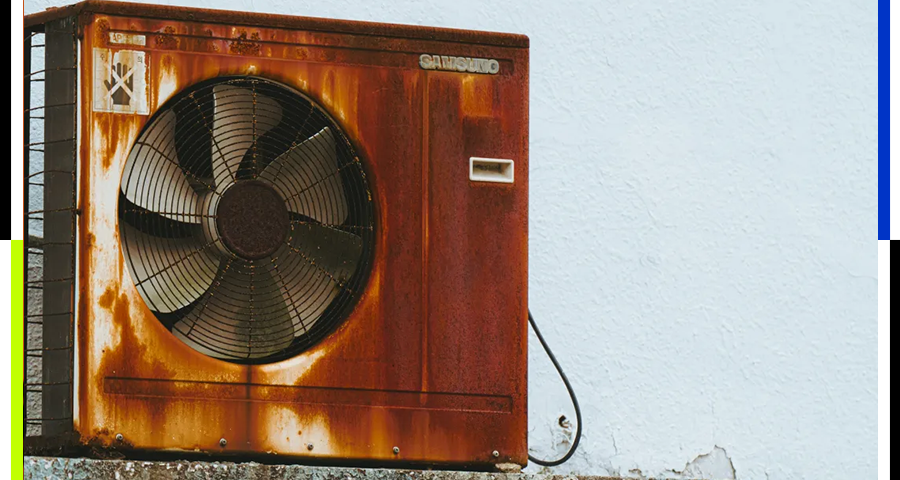
罗永浩炮轰,空调售后成「暴利江湖」?
3 6 Ke· 2025-12-27 13:16
Core Viewpoint - The air conditioning after-sales market is a lucrative but often overlooked sector, with high service costs and a lack of regulation, leading to consumer dissatisfaction and potential investment opportunities for companies willing to innovate in service quality [2][11][24] Group 1: Consumer Sentiment - Consumers are increasingly frustrated with high after-sales service costs, feeling that they often pay more for repairs than for new units, leading to a perception that "repairing is more expensive than buying" [5][7][10] - The high costs associated with air conditioning maintenance, such as filter replacements and cleaning, have sparked discussions among users, indicating a widespread concern about pricing transparency and service quality [4][11] Group 2: Market Dynamics - The air conditioning market is currently experiencing a price war, with many brands offering units at significantly lower prices, while after-sales service remains a high-margin area that lacks oversight [2][21] - Major brands like Gree and Midea are enhancing their after-sales service networks to address consumer pain points, with Gree boasting over 15,000 authorized service points and Midea expanding its service offerings [18][21] Group 3: Service Quality and Competition - The after-sales service landscape is characterized by a mix of brand-owned teams, large retailers, and third-party service providers, leading to inconsistencies in service quality and pricing [16][24] - Companies are recognizing the importance of after-sales service as a competitive differentiator, with some brands implementing policies like "365 days only replace, not repair" to improve customer satisfaction [18][21] Group 4: Regulatory and Industry Trends - There is a growing need for standardized regulations in the after-sales service market to protect consumers and ensure fair pricing practices [24] - The air conditioning industry is expected to continue facing pressure from both price competition and the need for improved service quality, making it essential for companies to adapt and innovate [21][24]