
乡村旅游

Search documents
农业大省的乡村富民产业图景
He Nan Ri Bao· 2026-01-02 23:22
Core Insights - The conference on rural revitalization highlighted the integration of traditional agriculture with modern industry in Henan, aiming to increase farmers' income and reshape rural landscapes through diversified development [1] Group 1: Agricultural Production - Henan has maintained a stable grain production of over 130 billion jin for nine consecutive years, leading the nation in oilseed, edible fungi production, and live pig stock [1] - The province is actively developing specialty agriculture, with products like Lingbao apples and Huanchuan's "rice-shrimp-turtle" model gaining national recognition and market access [1] Group 2: Agricultural Processing Industry - Henan has developed a robust agricultural processing sector with over 6,103 enterprises, including 119 national-level agricultural industrialization leading enterprises, ranking second in the country [2] - The province is focusing on deep processing of agricultural products, enhancing value through products like frozen dumplings and trending items such as spicy sour noodles and tea beverages [2] Group 3: Labor and Market Expansion - The labor force and large market in Henan have fostered the growth of labor-intensive industries like rural garment processing and handicrafts, creating local employment opportunities [3] - The improvement of rural logistics networks and cold chain systems has facilitated the movement of agricultural products from villages to cities, enhancing market access [3] Group 4: Cultural and Ecological Integration - Henan is promoting rural tourism by integrating agricultural culture and scenic landscapes, creating new income channels for villagers through dining, accommodation, and direct sales of agricultural products [4] - The average disposable income for rural residents is projected to reach 21,330 yuan by 2024, with a reduction in the urban-rural income gap from 2.16 in 2020 to 1.97 [4] - By 2027, Henan aims to establish a well-structured rural industry framework with 18 industrial chains generating a total output value of 2.5 trillion yuan, benefiting over 12 million farmers [4]
南京江宁:乡村游引燃跨年消费
Yang Zi Wan Bao Wang· 2026-01-02 12:39
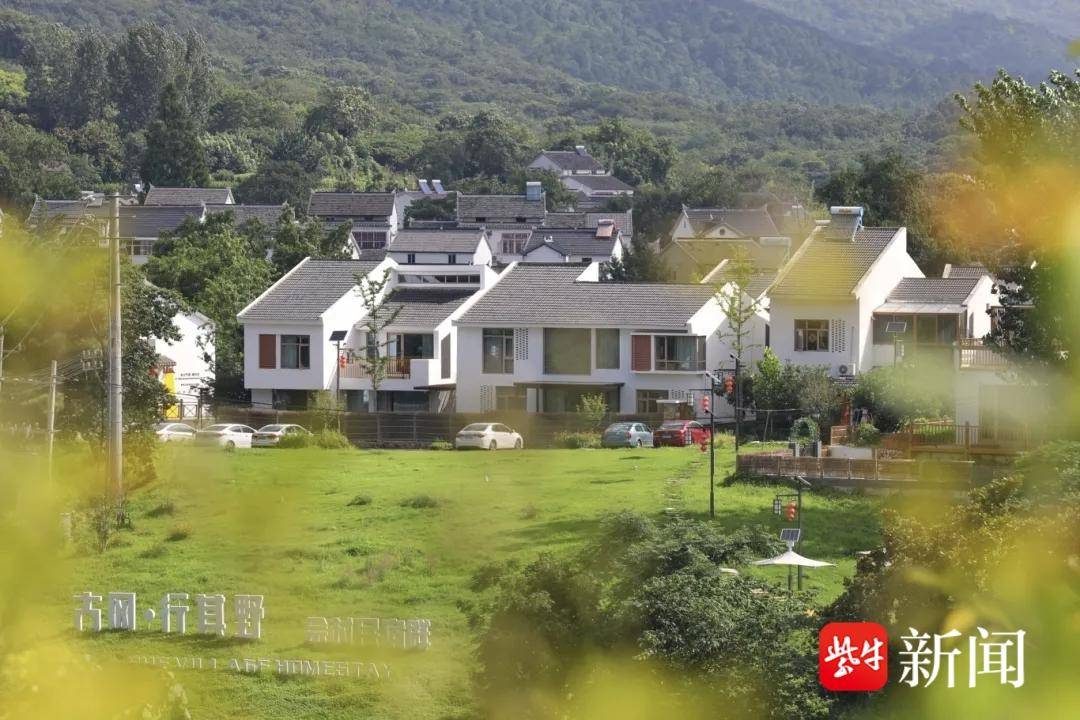
Core Insights - The article highlights the rising popularity of rural tourism in Jiangning District, Nanjing, particularly during the New Year holiday, with a significant increase in visitors to local attractions and accommodations [1][6]. Group 1: Tourism Trends - Rural tourism in Jiangning District has seen a surge, with nearly 90% of accommodations in She Village fully booked during the New Year period [1][3]. - The demand for family-oriented and immersive rural experiences is growing, with over 70% of bookings during the holiday being family orders [3][6]. - Young tourists are increasingly engaging in camping and outdoor activities, with the Qinglongshan No. 7 campsite becoming a popular destination for New Year celebrations [5]. Group 2: Economic Impact - The influx of tourists has revitalized the local economy, transforming it into a multi-faceted experience that combines accommodation with various activities [6]. - Local businesses, including farm product sales and traditional cuisine, are thriving due to the increased visitor interest [6]. - Jiangning District has established itself as a model for ecological and comprehensive tourism, with 550 beautiful rural areas and numerous national accolades for its villages [5][6].

动静十周年人物丨余留芬:让贵州乡村振兴故事更有“动静”
Xin Lang Cai Jing· 2026-01-02 09:14
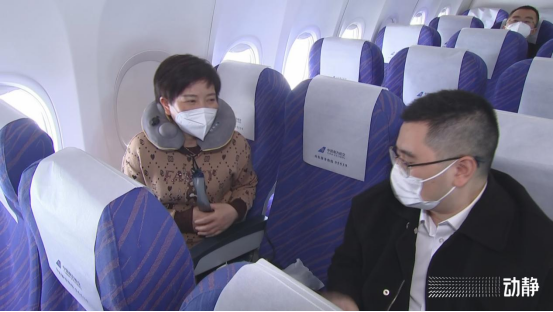
党的二十大代表余留芬,是贵州省盘州市淤泥乡岩博联村党委书记、岩博村党委书记。从脱贫攻坚的战 场到乡村振兴的新征程,她连续四届当选党代表,她带领岩博村从曾经的贫困村蜕变为人均年收入达 3.3万元的小康村。其个人奋斗史恰是贵州过去十年间,万千乡村实干突围、奔向共同富裕的奋进缩 影。 2025年12月24日中午,我刚处理完村里的各项事务,就接到了动静记者的约稿电话。我毫不犹豫,欣然 应允。 在与媒体打交道的这些年里,我和动静记者之间的互动一直十分默契。 而谈及这份默契的由来,思绪不由得回到2022年。 2022年10月14日,飞机穿过云层,向着首都北京平稳飞行。机舱里,我作为党的二十大代表,前往北京 参会。刚忙完登机后的事宜,动静记者曹浩就对我进行了采访。 京的航班上采访余留芬 他是这一路上第一个采访我的记者。 博村村貌 "最难的时候,为了修路,我和家里人吵了一架,委屈得眼泪止不住地流。"回忆起过往的艰辛,我的眼 眶不禁微微泛红,"当时,有位老人安慰我,说'别哭!将来你老了,要是家人不管你,我们大家管 你'。"这句朴实无华的话语,成为我担任村支书20多年来最坚实的支撑。"永远不能辜负老百姓的希 望",这是我克服一切 ...
中山市“百千万工程”乡村青年创业大赛落幕
Nan Fang Du Shi Bao· 2026-01-02 07:44
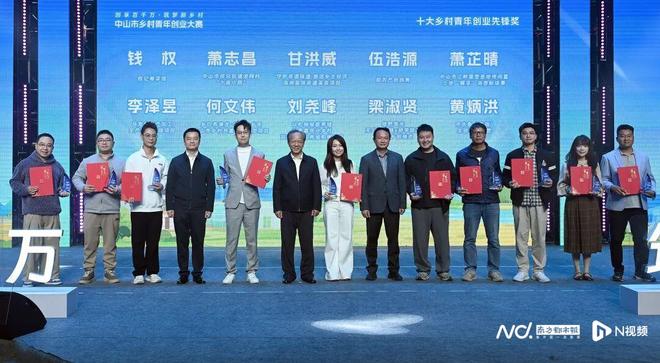
Group 1 - The "Bai Qian Wan Project" rural youth entrepreneurship competition in Zhongshan aims to promote innovation and entrepreneurship among young people in rural areas, with a focus on modern agriculture, digital transformation of traditional manufacturing, and rural tourism development [1][3][4] - The competition attracted 60 projects from various regions, including Hong Kong, Macau, and Taiwan, showcasing diverse entrepreneurial initiatives that enhance local culture and economy [1][3] - Award-winning projects will receive post-competition support, including operational diagnostics, strategic optimization, financial assistance, and opportunities to participate in national entrepreneurship contests [4] Group 2 - The event highlighted the stories of young entrepreneurs who have successfully revitalized rural industries and cultural heritage, demonstrating a commitment to rural development and community progress [3][4] - The "Bai Qian Wan Project" has shown initial success in achieving coordinated urban-rural development and promoting collective economic growth in rural areas [3]

让每个“小家”热气腾腾
Liao Ning Ri Bao· 2026-01-02 00:34
Group 1 - The New Year message emphasizes the importance of improving people's livelihoods and addressing urgent issues faced by the community, encouraging local leaders to focus on practical solutions for residents [1][2][3] - Community initiatives, such as the "雷锋代办站" in Fushun, have successfully served nearly 400 residents in 2025, highlighting the commitment to enhancing local services and support for vulnerable populations [2] - The establishment of the first bio-chemical industrial park in Liaoning, with a total investment of 32 billion, signifies a step towards high-quality development and innovation in the region [4][5] Group 2 - The agricultural sector is increasingly adopting smart technologies, such as unmanned vehicles and drones, to improve efficiency and yield, reflecting a trend towards modernization in farming practices [5] - The high-speed rail industry relies on skilled technicians, with a focus on precision and innovation to ensure safety and reliability, indicating the critical role of human capital in infrastructure development [6] - The transformation of local economies through tourism and agricultural development, as seen in the revitalization of villages like Zhujiagou, showcases the potential for rural areas to thrive through targeted investments and community efforts [8][9]
研之有理|双向奔赴 促进城乡融合发展
Xin Lang Cai Jing· 2026-01-01 22:54
Core Viewpoint - The integration of urban and rural development is a necessary requirement for Chinese-style modernization, with significant achievements noted in Heilongjiang Province during the 14th Five-Year Plan period, although challenges such as regional imbalances and inefficient resource allocation remain [1]. Group 1: Key Strategies for Urban-Rural Integration - Establish a dual-direction flow mechanism for population, enhancing the management of migrant populations and improving policies for urbanization of agricultural workers [2]. - Develop a multi-source funding mechanism to encourage financial institutions to innovate agricultural credit products and attract social capital for rural infrastructure [2]. - Optimize land resource allocation by matching land supply with population growth and enhancing land management practices [2]. Group 2: Public Service Equitability - Create a public resource allocation mechanism based on permanent population, ensuring that educational, medical, and cultural resources are distributed equitably across urban and rural areas [3]. - Improve rural infrastructure to enhance living conditions and establish a long-term maintenance mechanism for facilities [3]. - Promote digital transformation of public services by building a comprehensive digital service platform that bridges urban-rural information gaps [3]. Group 3: Industrial Collaboration - Break traditional barriers between urban and rural industries, promoting deep integration of agriculture with secondary and tertiary industries [4]. - Focus on developing new types of urban-rural industries such as deep processing of agricultural products and rural tourism, leveraging local resources [4]. - Establish a modern rural industrial system that utilizes technology to meet market demands and encourages urban capital and talent to flow into rural areas [4][7]. Group 4: County-Level Development Mechanism - Recognize counties as fundamental units for urban-rural integration, tailoring development strategies based on local resources and industrial foundations [5]. - Strengthen the functional roles of counties by fostering leading industries and enhancing mechanisms that connect agriculture with rural development [6]. - Create modern supply chain systems for agricultural products within counties to facilitate market access for small farmers [6].
数字全面赋能,四川乡村更宜居、更善治、更富有
Xin Lang Cai Jing· 2026-01-01 11:33
Core Insights - Sichuan province has officially released the "Fifth Batch of Excellent Cases for Digital Rural Construction (2025)", showcasing 60 innovative cases across nine fields that demonstrate the integration of digital technology with rural revitalization [1] - The province aims to achieve comprehensive 5G coverage in all administrative villages by the end of 2024, with rural broadband users reaching 17.03 million, leading the nation in scale [1] Group 1: Digital Infrastructure - The upgrade of information networks in rural areas has significantly improved connectivity, with average monthly data traffic for 4G and 5G base stations reaching 1000GB and 1500GB respectively [2] - The average access speed for fiber broadband in administrative villages exceeds 70Mbps, well above national telecom service standards [2] - Traditional infrastructure has also seen digital transformation, with 79 county-level smart water management platforms launched, enabling online monitoring of water quantity, quality, and pressure [2] Group 2: E-commerce and Cold Chain Logistics - Chengdu's Pujiang County has established a successful e-commerce ecosystem, housing over 240 cold chain enterprises and 7,800 e-commerce entities, resulting in a network retail sales of high-quality agricultural products exceeding 3.8 billion yuan in 2024 [3] - Sichuan has cultivated 40 provincial-level agricultural cold chain distribution centers, guiding over 13,000 businesses to build cold storage facilities, leading to an average price increase of over 20% for fruits and vegetables [3] Group 3: Digital Governance and Services - The "Chuan Shanzhi" app, adopted in 93% of villages, enhances rural governance by allowing villagers to address issues and access services digitally, significantly improving administrative efficiency [4] - The "5G + Telemedicine" network has facilitated over one million remote consultations and over 20 million remote imaging diagnoses, providing healthcare access even in remote areas [4] Group 4: Cultural and Educational Digitalization - The "Sichuan Provincial Public Library Digital Resource Sharing Platform" allows villagers to access a vast array of digital books and resources, enhancing cultural engagement [5][6] - Digital technologies are being utilized to protect and revitalize cultural heritage, with over 200 traditional patterns digitized and a focus on integrating traditional crafts with modern design [5][6] Group 5: Future Directions - Sichuan plans to deepen the integration of digital technology with rural revitalization, solidifying its digital foundation and enriching application scenarios to ensure that digital achievements benefit rural areas continuously [6]
(乡村行·看振兴)福建宁德老区村蝶变:“红”为底色,“绿”促发展
Xin Lang Cai Jing· 2026-01-01 10:31
Core Viewpoint - Huanxi Village in Fujian Province is transforming its economy through a combination of red tourism and green development, focusing on educational experiences related to its revolutionary history and enhancing its natural attractions [3][6]. Group 1: Red Tourism Development - Huanxi Village is leveraging its rich revolutionary history, including sites associated with notable figures like Cu Yu and Ye Fei, to attract visitors and promote educational tourism [2][3]. - The village has developed a systematic approach to utilize its red resources by creating study programs that convert revolutionary stories into educational courses, making the red base a central attraction [3][6]. Group 2: Green Development Initiatives - The village has invested 1.5 million yuan to build forest trails and camping sites, enhancing the landscape with features like a lotus pond and cherry blossom forest [3][6]. - Huanxi Village is adopting an "ecology + research study" model for rural revitalization, creating a development pattern that combines red tourism with green initiatives [6]. Group 3: Economic Impact and Community Engagement - In 2024, Huanxi Village is expected to receive 100,000 visitors, including over 5,000 students for educational programs, contributing an additional 300,000 yuan to village finances and increasing per capita income by over 8,000 yuan [6]. - The rise of red tourism has encouraged new farmers to return and start businesses, such as the "Huanxi Red" tea factory, which has positively impacted local tea farmers [6].
21社论丨科技与产业双轮驱动,筑牢乡村振兴根基
21世纪经济报道· 2026-01-01 06:58
Core Viewpoint - The recent Central Rural Work Conference emphasizes the importance of strengthening key agricultural technologies and promoting efficient transformation of scientific achievements to address critical issues in rural development and modernize agriculture [1][2]. Group 1: Agricultural Modernization - The modernization of agriculture relies on technological innovation to enhance development momentum, with the agricultural science and technology contribution rate reaching 63.2% in 2024 and total grain production exceeding 1.4 trillion jin for the first time [1][2]. - Challenges remain in food security, agricultural production efficiency, and environmental resource issues that need urgent attention [1]. Group 2: Key Technology and Results Transformation - Key technology breakthroughs and results transformation are essential for transitioning agriculture to a "technology-driven" model, focusing on critical areas such as seed industry foundations and high-end agricultural machinery development [2]. - A collaborative transformation mechanism involving research institutions, leading enterprises, cooperatives, and farmers is crucial for addressing existing issues in technology promotion and acceptance [2]. Group 3: County-Level Prosperity Industries - Cultivating and expanding county-level industries is fundamental for broadening farmers' income channels and achieving common prosperity, with a focus on leveraging counties as key hubs connecting urban and rural areas [2][3]. - The potential for farmers' operating income can be maximized by exploring new channels for participation in industrial development, particularly in extending income sources beyond primary production [3]. Group 4: Synergy Between Technology and County Industries - Agricultural technology development and the cultivation of county-level industries are mutually supportive, with technological breakthroughs providing support for industry competitiveness and county industries offering practical applications for technological advancements [4]. - A robust policy support system is necessary to establish a "technology-industry-wealth" cycle, including increased financial investment in agricultural technology and infrastructure, innovative financial services, and improved rural governance [4][5].
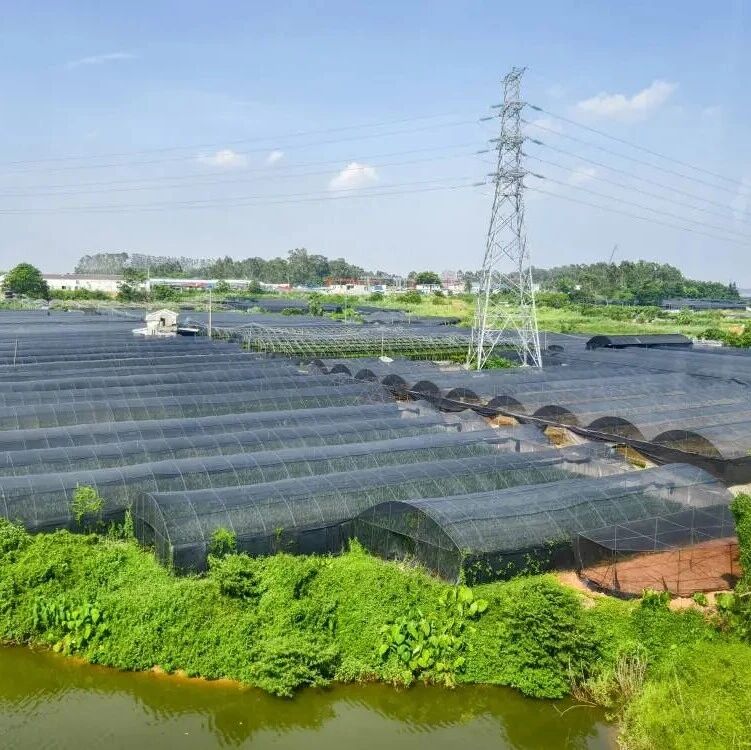
三峡库区乡村新貌:农产品出海,游客、年轻人进山
Zhong Guo Xin Wen Wang· 2026-01-01 01:16
Group 1: Tourism Development - The local government is promoting a four-season tourism strategy, including activities like flower viewing in spring, water activities in summer, and hiking in autumn and winter [2][4] - The number of tourists in Pinghe Township is expected to increase significantly, with local accommodations and dining facilities expanding to meet demand, raising daily capacity to nearly 3,000 visitors [3] - In 2023, Pinghe Township attracted nearly 100,000 tourists, generating approximately 6 million yuan in tourism revenue [3] Group 2: Agricultural Innovation - Pinghe Township is focusing on "agriculture + tourism" and "agriculture + education" models, with plans to expand strawberry cultivation from 30 acres to potentially hundreds of acres, targeting both domestic and international markets [5] - A fish farming initiative has transformed previously idle ponds into productive sites, generating over 200,000 yuan in sales from fish sold to regions like Hubei and Hunan [6] - The return of young people to their hometowns is contributing to agricultural and tourism development, fostering a new wave of rural revitalization [7]
