能源供应

Search documents
阿波罗高管:对欧洲市场乐观程度达二十年之最
Zhi Tong Cai Jing· 2025-09-24 07:09
Group 1 - Apollo Global Management has a heightened optimism towards the European investment market, marking a significant shift after 20 years of operations in the region [1] - The company highlights that government actions in Germany reflect a willingness to support private capital in achieving market progress, particularly in defense, infrastructure, and green energy transitions [1] - Recent data shows that the eurozone private sector is expanding at its fastest pace in 16 months, driven by strong performance in the German services sector [1] Group 2 - Apollo has invested nearly $50 billion in large enterprises across Europe, with significant transactions including a €3.2 billion ($3.8 billion) investment in German energy company RWE AG for grid expansion [1] - The company plans to open more offices in Europe, with a new office set to open in Frankfurt and a recently established office in Zurich, while its main European headquarters is in London [2] - Apollo focuses on companies that can serve the defense and AI sectors rather than directly investing in those stocks, as seen in its acquisition of cooling equipment company Kelvion, which has potential for growth in data center cooling services [2]

杭州能源集团发布党建品牌
Mei Ri Shang Bao· 2025-09-24 02:17
Group 1 - The core concept of the "Energy Power · Create Future" party building brand focuses on four dimensions: "Ability," "Power," "Creation," and "Future" [1] - "Ability" emphasizes empowering party building to strengthen energy security and enhance service development capabilities [1] - "Power" aims to stimulate the internal motivation of party members and promote collaborative dynamics to support the overall situation [1] - "Creation" focuses on leading energy technology innovation to drive the company's development and pursue excellence in management [1] - "Future" is about creating a competitive enterprise landscape and promoting industry transformation for urban prosperity and people's happiness [1] - The company has established a party building brand matrix system consisting of "1 (parent brand) + 7 (core business sub-brands) + X (grassroots characteristic brands)" and has cultivated 2 national-level model workers and 38 provincial and municipal model craftsmen [1] Group 2 - The "Energy Partner Program" aims to gather key forces in the industry chain to collaboratively focus on new energy systems, green manufacturing upgrades, low-carbon city construction, and energy infrastructure optimization [2] - The "Energy Technology Transformation Center" is designed to address the bottlenecks in technology innovation and facilitate the transformation from "laboratory" to "production line" [2] - The center leverages resources from various institutions, including Zhejiang Tsinghua Yangtze River Delta Research Institute and Zhejiang University Technology Transfer Center, to enhance the city's future competitiveness through technological innovation [2]
梅赛德斯-奔驰与字节跳动升级战略合作:波音提出补救措施
Xin Lang Cai Jing· 2025-09-24 00:20
Group 1 - Mercedes-Benz and ByteDance have upgraded their strategic cooperation to promote AI technology integration across various business areas including intelligent driving and digital marketing [1] - The new Keling 2.5 Turbo model has been launched, offering a nearly 30% price reduction compared to the previous model, while significantly enhancing text understanding and response capabilities [2] - Jingce Electronics' controlling shareholder plans to transfer 5.02% of the company's shares at a price of 60.24 yuan per share to optimize the equity structure [3] Group 2 - Meikailong announced that the detention measures against its general manager have been lifted by the Yunnan Provincial Supervisory Committee [4] - Poly Developments plans to issue corporate bonds not exceeding 15 billion yuan to fund debt repayment, working capital, and project construction [5] - Ganli Pharmaceutical signed a supply framework agreement worth no less than 3 billion yuan with Brazilian partners for insulin technology transfer and supply [6] Group 3 - Alibaba's research team has launched a new terminal AI agent, iFlow CLI, which allows users to execute tasks through natural language commands [7] - Boeing has proposed remedial measures to seek EU approval for its acquisition of Spirit AeroSystems [8] - Sempra announced the sale of a 45% stake in its infrastructure subsidiary for $10 billion, valuing the subsidiary at $31.7 billion [9] Group 4 - The incoming European Central Bank board member emphasized the need to maintain monetary policy flexibility amid controlled inflation [10] - Gatik is expanding its partnership with Loblaw to deploy autonomous trucks in the Greater Toronto Area [11] - McDonald's China plans to invest over 400 million yuan in talent training and development over the next three years [12] Group 5 - The EU and Indonesia have signed a free trade agreement that will eliminate over 98% of tariffs, benefiting various industries [13] - The brand "Second Life" has completed a multi-million equity financing round to focus on 3D printing and global store network development [14] - "Noitom Robotics" has completed a multi-million angel round financing, with a core team comprising former executives from major tech companies [15]
能源价格上涨 德国居民今年取暖费用大幅增加
Yang Shi Xin Wen· 2025-09-23 07:42
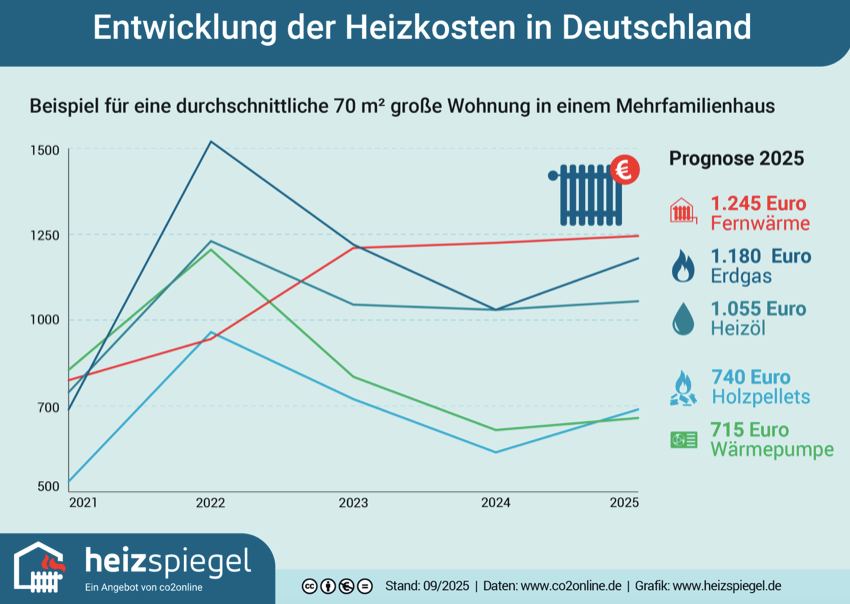
Core Insights - The latest "Heating Costs Report 2025" indicates a significant increase in heating expenses for German residents due to rising energy prices and a cold winter at the beginning of the year [3] Summary by Category Heating Costs - The average annual heating cost for a 70 square meter apartment using natural gas is expected to rise by approximately 15%, reaching €1,180 [3] - Households using district heating are projected to see a 2% increase in costs, totaling €1,245 [3] - Residents relying on oil heating are anticipated to experience a 3% increase, bringing their costs to €1,055 [3]

明确拒绝美国对中俄加征关税,日本怎么敢的?
Sou Hu Cai Jing· 2025-09-23 05:55
Group 1 - The core viewpoint of the article is that Japan has rejected the U.S. proposal to impose higher tariffs on China and Russia, reflecting the complexities of international trade relations and the shifting strategic landscape in the Asia-Pacific region [1][5][7] Group 2 - The U.S. proposed a coordinated action with Japan to impose higher tariffs on Chinese and Russian products, aiming to create a broader economic pressure alliance against these countries [5][7] - Japan's rejection is based on economic considerations, as China is Japan's largest trading partner, and imposing tariffs would harm Japanese businesses and increase operational costs [7][10] - Japan's energy and food security is also at stake, as it has a certain level of dependency on Russia, and increasing tariffs could weaken this relationship [7][8] Group 3 - Japan's decision reflects a geopolitical strategy to balance relations between the U.S. and China, maintaining its strategic autonomy while being a traditional ally of the U.S. [10][12] - Japan emphasizes the importance of multilateral trade systems and has consistently supported the WTO framework, opposing unilateral tariff measures [12][19] Group 4 - The rejection of the tariff proposal may lead to significant implications for trilateral relations among the U.S., China, and Japan, potentially causing dissatisfaction from the U.S. but also a better understanding of Japan's geopolitical situation [13][15] - Japan's stance supports regional economic integration in the Asia-Pacific, particularly in light of the Regional Comprehensive Economic Partnership (RCEP) [15][17] Group 5 - Japan's refusal to follow the U.S. in imposing tariffs signifies a shift in its foreign policy towards a more independent and balanced approach, moving away from sole reliance on the U.S. [18][19] - The importance of economic security is increasingly recognized in Japan's national strategy, as it seeks to maintain economic ties with both the U.S. and China [19][20]
13只股中线走稳 站上半年线
Zheng Quan Shi Bao Wang· 2025-09-23 03:46
Core Viewpoint - The Shanghai Composite Index is currently above the six-month moving average, with a slight decline of 1.04% and a total trading volume of 1.262 trillion yuan [1] Group 1: Market Performance - As of 10:29 AM today, the Shanghai Composite Index stands at 3788.76 points, indicating a trading volume of 12,621.13 million yuan [1] - There are 13 A-shares that have surpassed the six-month moving average today, with notable stocks including Air China Ocean, Guisheng Co., and Samsung Medical, showing divergence rates of 4.09%, 2.35%, and 1.79% respectively [1] Group 2: Individual Stock Analysis - The top three stocks with the highest divergence rates are: - Air China Ocean (Code: 833171) with a price increase of 4.78%, a turnover rate of 10.78%, a six-month moving average of 10.52 yuan, and a latest price of 10.95 yuan, resulting in a divergence rate of 4.09% [1] - Guisheng Co. (Code: 600992) with a price increase of 4.08%, a turnover rate of 5.15%, a six-month moving average of 14.45 yuan, and a latest price of 14.79 yuan, resulting in a divergence rate of 2.35% [1] - Samsung Medical (Code: 601567) with a price increase of 4.73%, a turnover rate of 2.47%, a six-month moving average of 23.27 yuan, and a latest price of 23.69 yuan, resulting in a divergence rate of 1.79% [1]





济南市市场监管局督导济阳区特种设备安全工作
Qi Lu Wan Bao Wang· 2025-09-22 08:27
Group 1 - The Jinan Market Supervision Bureau conducted a safety inspection of special equipment in the Jiyang District, focusing on the "Nine曲黄河万里情" cultural tourism project [1] - The inspection included assessments of large amusement facilities, food safety supervision, and the promotion of the "Prepaid Treasure" program [1] - The inspection team reviewed the installation and maintenance of special equipment, including pressure vessels and pipelines, as well as the qualifications and skills of the operators [1] Group 2 - The inspection team acknowledged the important role of the Jiyang District Market Supervision Bureau in advancing the "Nine曲黄河万里情" project, highlighting their thorough work arrangements and effective measures [2] - With the upcoming National Day and Mid-Autumn Festival holidays, the team emphasized the critical importance of safety production and the challenges in special equipment safety supervision [2] - The team outlined specific responsibilities for special equipment enterprises to ensure safety, including a daily control, weekly inspections, and monthly assessments to eliminate safety risks [2]
日本做出明智决定,拒绝特朗普要求给中国加税,找的理由也很给力
Sou Hu Cai Jing· 2025-09-22 07:37
Group 1 - The G7 summit concluded with President Trump urging traditional allies like Japan and Germany to impose high tariffs on goods from China and India, ranging from 50% to 100% [1][3] - Japan's Finance Minister, Taro Kato, stated that Japan would not impose additional tariffs on China and India, citing World Trade Organization (WTO) rules as a defense [5][7] - Japan emphasized the principles of most-favored-nation treatment and non-discrimination under WTO rules, arguing that raising tariffs based solely on energy trade with Russia is prohibited [9] Group 2 - Japan's refusal to comply with Trump's demands reflects its deep economic ties with China, as evidenced by a nearly balanced trade volume of $206.4 billion in the first eight months of 2025 [10] - Historical lessons from the Plaza Accord in 1985, which led to Japan's economic stagnation, have influenced Japan's current independent stance on economic policies [12] - Japan's energy security strategy includes diversifying energy sources, with Russian energy imports being a key component, while also preparing to increase purchases from other regions [14] Group 3 - The political environment in Japan, particularly the impending resignation of Prime Minister Shigeru Ishiba, has provided a favorable context for rejecting U.S. demands [14] - China's strong opposition to unilateral sanctions and potential retaliatory measures has also played a crucial role in Japan's decision [15] - The U.S. has not immediately retaliated against Japan's refusal, indicating the complexity of U.S.-Japan relations and the ongoing security cooperation between the two nations [17] Group 4 - Japan's decision to reject Trump's tariff demands may signal a shift in global trade dynamics, where even close allies begin to prioritize national interests and international rules over blind allegiance [19]
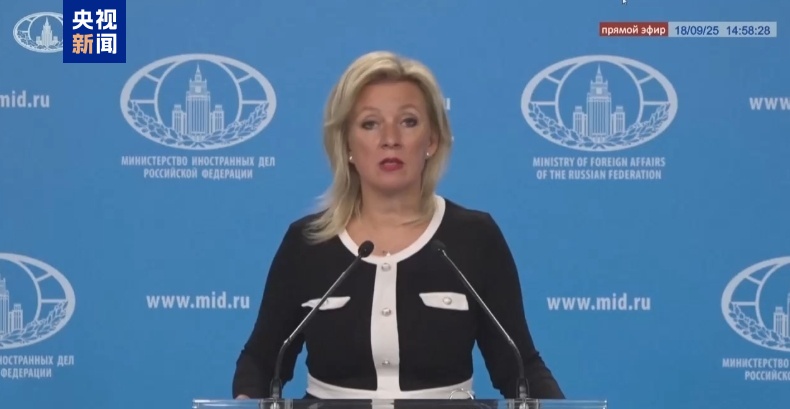
俄称欧盟不断缩减俄罗斯能源进口是“自残行为”
Yang Shi Xin Wen Ke Hu Duan· 2025-09-20 04:16
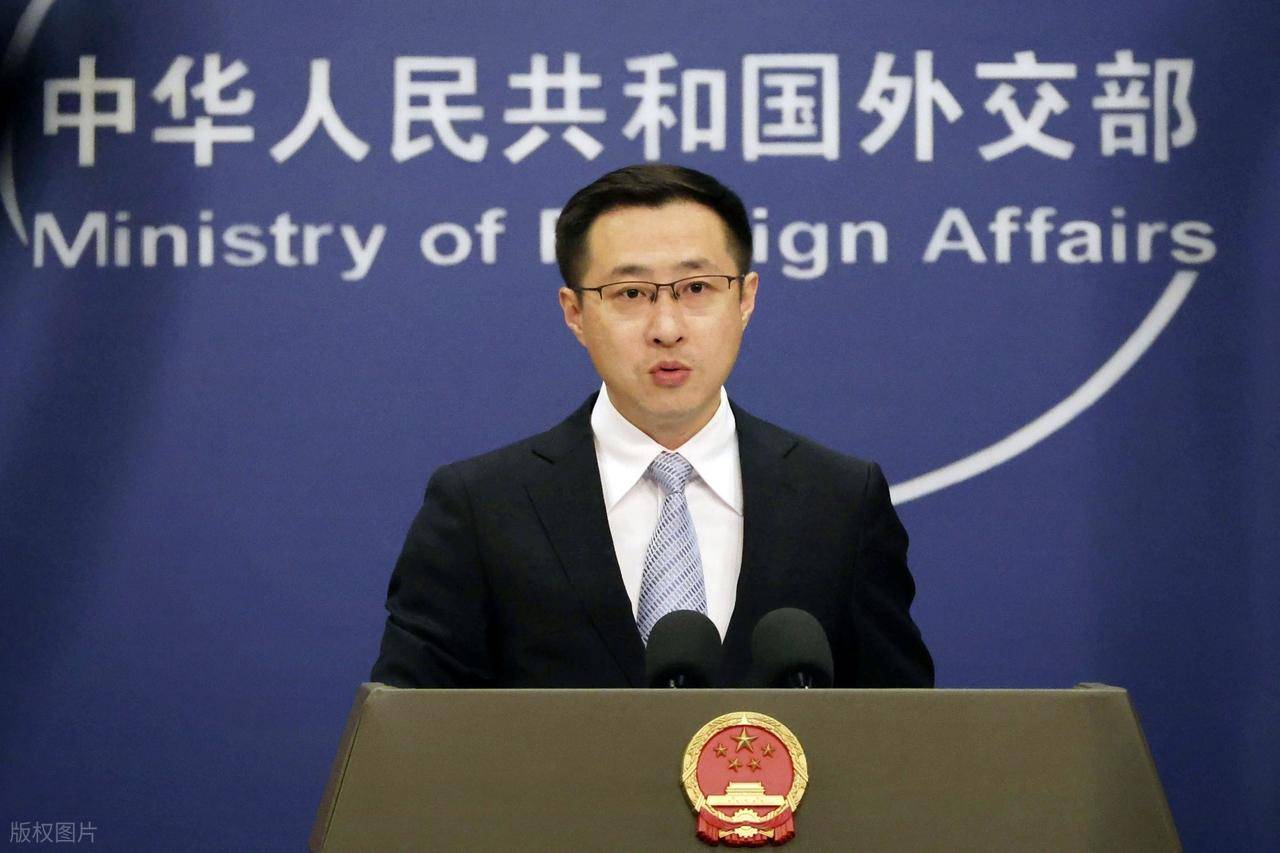
Core Viewpoint - The ongoing tensions between the EU and Russia regarding energy imports are escalating, with Hungary opposing the EU's plans to reduce reliance on Russian fossil fuels, citing national energy security concerns [1][4][6]. Group 1: EU's Energy Policy - The EU Commission is preparing to submit the 19th round of sanctions against Russia, which includes measures to reduce energy imports [1]. - The EU's legislative proposal aims to phase out imports of Russian gas and oil by the end of 2027, facing opposition from Hungary and Slovakia [6]. Group 2: Hungary's Position - Hungary's Energy Ministry has reiterated its stance against prematurely halting imports of Russian fossil fuels without viable alternatives, emphasizing the risk to national energy security [4]. - Hungary argues that energy policy is a matter of national sovereignty, and the EU's proposed plan threatens this sovereignty and the country's energy security [6]. Group 3: Russia's Response - Russia's Foreign Ministry spokesperson criticized the EU's approach as self-destructive, warning of severe consequences if the EU continues its current energy import reduction strategy [3].
中美对账之后发现,欧洲才是最大赢家!中美俄给他打了三十年的工
Sou Hu Cai Jing· 2025-09-20 03:49
Group 1 - Europe's comfortable lifestyle has been supported by three main pillars: Russian energy, American military presence, and Chinese investment [2] - The EU has historically relied on Russia for energy, with 40% of natural gas and over 25% of oil coming from Russia, leading to lower manufacturing costs in Germany compared to China [6][8] - The Nord Stream pipeline explosion in 2022 significantly increased energy prices in Germany, causing major companies like BASF to shut down operations [6] Group 2 - The U.S. military presence in Europe has allowed countries to allocate funds to social welfare instead of defense, with Germany spending only 1.5% of its GDP on military [8] - European companies have benefited greatly from the Chinese market, with significant sales of vehicles and luxury goods, but are now facing increased competition from Chinese electric vehicles and solar products [9] - The ongoing Ukraine conflict has led to a decline in manufacturing and increased social unrest in Europe, with strikes and protests over wages and retirement age [11] Group 3 - Europe is now confronted with the need to increase military spending by €300 billion annually while also facing challenges from China's industrial advancements [12] - The shift in global dynamics requires Europe to become more self-reliant, as the support from its traditional pillars is diminishing [12]