
航天科技

Search documents
SpaceX或2026年IPO
Guo Ji Jin Rong Bao· 2025-12-15 09:17
Core Viewpoint - SpaceX is accelerating preparations for a potential initial public offering (IPO), with plans to select Wall Street investment banks and internal signals to employees indicating a serious evaluation of going public as early as 2026 [1][3]. Group 1: IPO Preparation - SpaceX's executive team has begun screening investment banks to provide advisory services for the IPO, with several banks scheduled to present to SpaceX this week [3]. - The company has communicated internally to employees about preparations for a possible public listing next year, emphasizing the potential to raise significant funds if executed well and market conditions are favorable [3]. - CFO Bret Johnsen mentioned an internal share price of $421, suggesting an overall valuation of approximately $800 billion, significantly higher than previous estimates of around $400 billion [3]. Group 2: Company Overview - Founded in 2002 by Elon Musk, SpaceX has become a key contractor for the U.S. government, handling critical tasks such as satellite and astronaut launches [4]. - The company is recognized as one of the busiest rocket launch companies globally, primarily using the Falcon 9 rocket to deploy satellites and its Starlink service, which has rapidly expanded to provide high-speed internet via over 9,000 satellites [4]. Group 3: Funding and Future Plans - If the IPO is successful, the funds raised may be used to increase the launch frequency of the Starship rocket, deploy AI data centers in space, and advance both crewed and uncrewed missions to Mars [6]. - SpaceX faces significant capital expenditure pressures, including investments in the Starship project, expanding Starlink production capabilities, and acquiring wireless spectrum resources, making public financing appear necessary [6]. Group 4: Management Perspectives - Elon Musk has historically expressed reservations about the governance of publicly traded companies, citing conflicts between long-term project goals and short-term market expectations [6]. - SpaceX President Gwynne Shotwell noted that the primary purpose of going public would be to provide liquidity for employees, which the company has partially achieved through internal mechanisms allowing stock sales [7]. - Musk indicated that SpaceX expects to generate approximately $15.5 billion in revenue this year and has maintained positive cash flow for several years [7].
SpaceX真要上市了:消息称已开始挑选投行 为IPO担任顾问
Sou Hu Cai Jing· 2025-12-15 08:27
北京时间 12 月 15 日,据《华尔街日报》报道,知情人士称,SpaceX 高管开始启动挑选华尔街银行的程序,为公司的首次公开招股 (IPO) 提供顾问服务。 上周五,SpaceX 已告知员工,公司正为明年可能进行的公开上市做准备。SpaceX CFO 布雷特・约翰森 (Bret Johnsen) 在发给员工的信息中写道:"我们的想 法是,如果我们执行得足够出色,同时市场环境配合,公开上市将有可能筹集到相当可观的资金。" 约翰森还表示,至于上市能否成行,何时上市,仍然"存在高度不确定性"。 SpaceX 的上市决定令一些接近该公司的人士感到意外。SpaceX 成立已超过二十年,并已发展成为美国政府的重要承包商,负责发射卫星和运送宇航员。 SpaceX 估值也随着时间的推移而增长,最近更因其星链卫星互联网业务的客户增长而得到提振。 本月早些时候,《华尔街日报》报道称,SpaceX 还在推进一项二级市场股份出售,相关交易对公司的估值约为 8000 亿美元,高于今年夏天的 4000 亿美 元。 知情人士表示,各大投行将在本周进行首轮提案陈述,也就是"投行竞标"(bake-off)。这标志着,SpaceX 朝着完成 ...

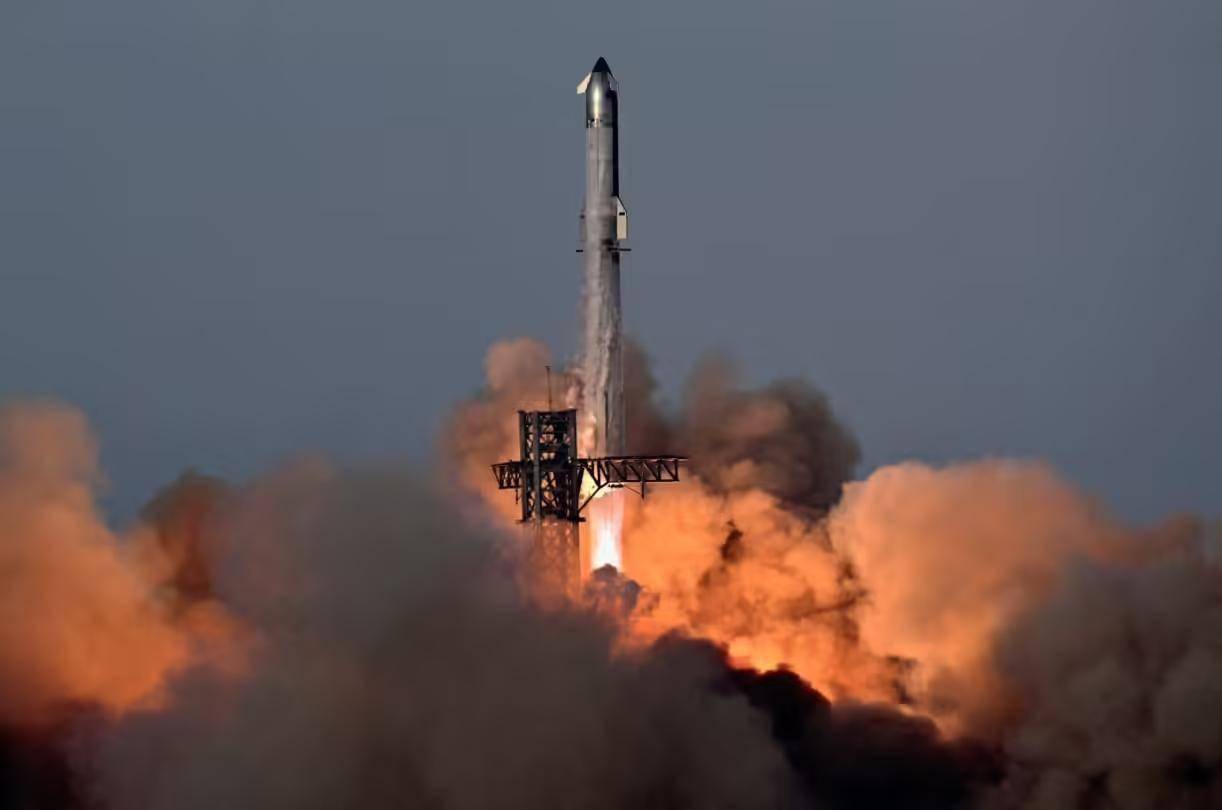
SpaceX启动IPO进程,已开始挑选投行顾问
Sou Hu Cai Jing· 2025-12-15 07:11
上周五,SpaceX 已告知员工,公司正为明年可能进行的公开上市做准备。SpaceX CFO 布雷特・约翰森 (Bret Johnsen) 在发给员工的信息中写道:"我们的想 法是,如果我们执行得足够出色,同时市场环境配合,公开上市将有可能筹集到相当可观的资金。" 约翰森还表示,至于上市能否成行,何时上市,仍然"存在高度不确定性"。 SpaceX 的上市决定令一些接近该公司的人士感到意外。SpaceX 成立已超过二十年,并已发展成为美国政府的重要承包商,负责发射卫星和运送宇航员。 SpaceX 估值也随着时间的推移而增长,最近更因其星链卫星互联网业务的客户增长而得到提振。#SpaceX上市# 来源:IT之家 #曝SpaceX已开始为上市挑选投行#【#SpaceX真要上市了#:消息称已开始挑选投行,为 IPO 担任顾问】12 月 15 日,据《华尔街日报》报道,知情人士 称,SpaceX 高管开始启动挑选华尔街银行的程序,为公司的首次公开招股 (IPO) 提供顾问服务。知情人士表示,各大投行将在本周进行首轮提案陈述,也 就是"投行竞标"(bake-off)。这标志着,SpaceX 朝着完成一桩可能震动市场的 I ...
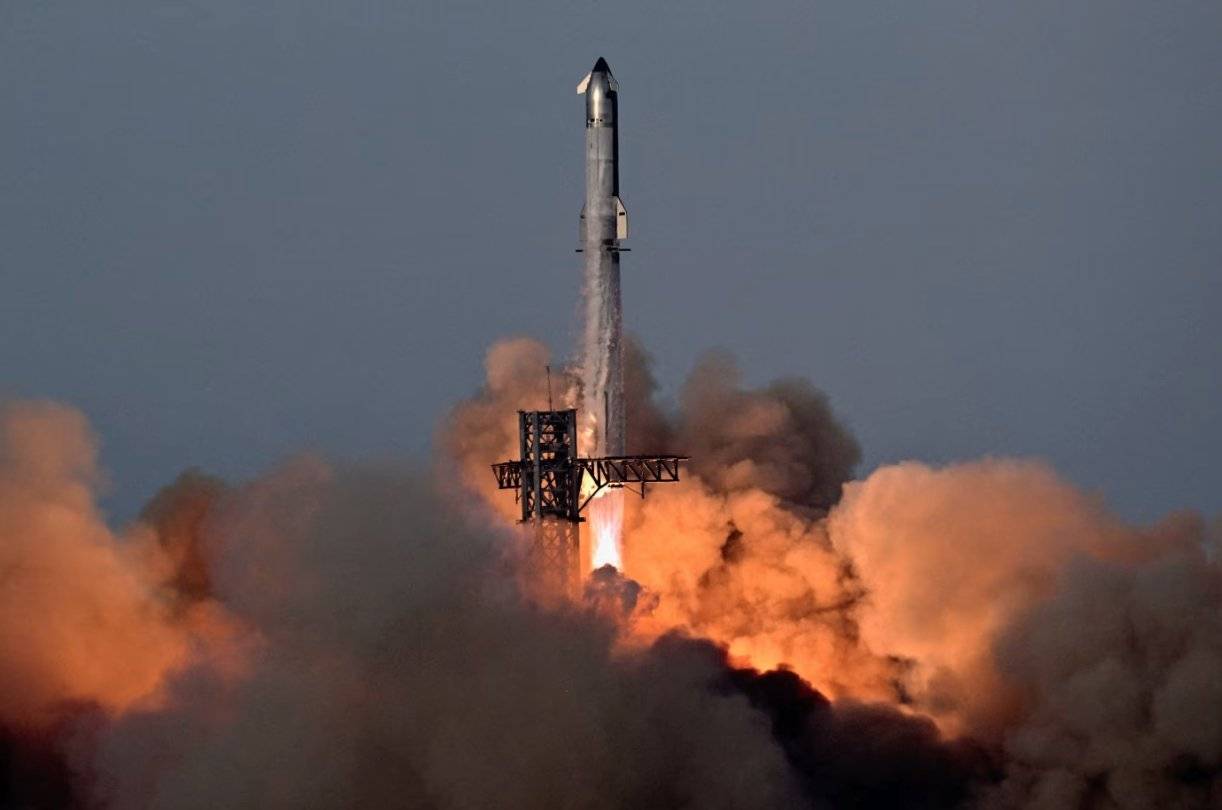
SpaceX真要上市了:消息称已开始挑选投行,为IPO担任顾问
Jin Rong Jie· 2025-12-15 07:05
据《华尔街日报》报道,知情人士称,SpaceX 高管开始启动挑选华尔街银行的程序,为公司的首次公 开招股 (IPO) 提供顾问服务。 知情人士表示,各大投行将在本周进行首轮提案陈述,也就是"投行竞标"(bake-off)。这标志着, SpaceX 朝着完成一桩可能震动市场的 IPO 迈出了迄今为止最为具体的步伐。 上周五,SpaceX 已告知员工,公司正为明年可能进行的公开上市做准备。SpaceX CFO 布雷特・约翰森 (Bret Johnsen) 在发给员工的信息中写道:"我们的想法是,如果我们执行得足够出色,同时市场环境配 合,公开上市将有可能筹集到相当可观的资金。" 本月早些时候,《华尔街日报》报道称,SpaceX 还在推进一项二级市场股份出售,相关交易对公司的 估值约为 8000 亿美元,高于今年夏天的 4000 亿美元。 本文源自:凤凰网科技 约翰森还表示,至于上市能否成行,何时上市,仍然"存在高度不确定性"。 SpaceX 的上市决定令一些接近该公司的人士感到意外。SpaceX 成立已超过二十年,并已发展成为美国 政府的重要承包商,负责发射卫星和运送宇航员。SpaceX 估值也随着时间的推移而增 ...
马斯克猛猛带货太空数据中心!“能耗比地球香太多”
量子位· 2025-12-15 05:57
Core Viewpoint - The article discusses the emerging trend of space data centers as a new frontier for AI infrastructure, driven by key figures like Elon Musk and supported by other tech giants such as Amazon and Google [1][12]. Group 1: Space Data Centers and AI Infrastructure - Space data centers are becoming a focal point in discussions within Silicon Valley and beyond, with significant interest from major tech leaders [2][12]. - Elon Musk has been a prominent advocate for space data centers, indicating that SpaceX plans to deploy data centers in space and expressing support for Google's similar initiatives [4][6]. - Musk argues that the energy potential in space is vastly greater than on Earth, suggesting that deploying AI systems in space could be more cost-effective within the next 4-5 years [8][27]. Group 2: Advantages of Space Data Centers - Space offers abundant and stable energy sources, as solar panels in space can provide continuous power without the interruptions caused by weather or day-night cycles [24]. - Cooling in space is more efficient due to the extreme cold temperatures, allowing for effective heat dissipation without the need for complex cooling systems [25]. - The cost of launching payloads into space is decreasing, with estimates suggesting it could drop to $100 per kilogram in the near future, enhancing the feasibility of space data centers [30]. Group 3: Industry Response and Developments - Major companies are actively pursuing space data center projects, with Starcloud successfully launching a satellite to train a language model in space [38]. - Google is working on "Project Suncatcher," which aims to create a constellation of solar-powered satellites equipped with their tensor processing units (TPUs) [41][42]. - Jeff Bezos has also indicated that moving data centers to orbit is a rational approach, predicting that costs will surpass terrestrial AI infrastructure within 20 years [46]. Group 4: Future Prospects and Challenges - The article highlights the potential for space data centers to alleviate the energy shortages projected for data centers on Earth, particularly in the U.S., where demand for electricity is expected to exceed supply due to AI growth [33][34]. - The construction of space data centers could provide a solution to the regulatory and environmental challenges faced by terrestrial data centers, offering a more agile and sustainable approach to meet increasing computational demands [36]. - The article concludes that both domestic and international players are recognizing the potential of space data centers, marking a significant shift in the landscape of AI infrastructure [50][55].

硬科技浪潮涌动大湾区:电子科大校友企业路演展现新质生产力
Quan Jing Wang· 2025-12-15 05:16
Core Insights - The event showcased 14 selected alumni companies from the University of Electronic Science and Technology, focusing on innovative technologies across various sectors including AI, integrated circuits, aerospace, hydrogen energy, and pet technology [1][5][34] - The event attracted nearly 100 investment institutions and industry representatives, highlighting the strong momentum of technology-driven industrial upgrades by alumni [1][34] Group 1: Event Overview - The event was held on December 10, 2025, in Shenzhen, organized by the alumni venture capital club of the University of Electronic Science and Technology, along with several financial institutions [1][35] - The format included both online screening and offline presentations, selecting 14 high-quality alumni enterprises from 39 applicants [1][34] Group 2: Key Participants - Notable attendees included leaders from the alumni venture capital club, representatives from financial institutions, and key figures in academia and industry [2][3][5] Group 3: Company Highlights - Chengdu Tereis Technology Co., Ltd. focuses on AI-driven chip design, offering comprehensive solutions for various smart devices [7] - Shenzhen PetLink Technology Co., Ltd. has developed the first AI health ecosystem for pets, integrating IoT and AI technologies [9] - New Communications Technology specializes in lightweight 5G communication technology and is among the top four global suppliers of commercial 5G Redcap terminal baseband SoC chips [10] - Beijing Aichi Dongfang Hydrogen Energy Co., Ltd. leads in solid oxide fuel cell technology, achieving high efficiency in energy generation [12] - Xiangmai Technology Co., Ltd. utilizes IoT devices to enhance retail operations, significantly improving product availability and market monitoring [14] - Shenzhen Taiji Health Technology Co., Ltd. combines AI with traditional Chinese medicine to provide comprehensive healthcare solutions [16] - Shenzhen Aerospace Satellite Technology Co., Ltd. focuses on satellite communication and has developed a complete satellite communication industry system [18][19] - Saifeier Technology Group specializes in intelligent warehousing and logistics equipment, with projected revenues of 200-250 million in 2025 [21] - Shenzhen Beteng Technology Co., Ltd. innovates in high-quality drying technology for industrial applications, with over 100 patents [23] - Shenzhen Weishi Optoelectronics Technology Co., Ltd. operates in the medical endoscope display sector, with significant revenue growth expected [25] - Shanghai Penghe Intelligent Technology Co., Ltd. provides smart grid solutions, with products certified by authoritative laboratories [27] - Suzhou Yuguang Technology Co., Ltd. specializes in optical interconnect products for industrial and medical applications [29] - A company focused on AI and RF chip technology aims to revolutionize chip design with automated systems, projecting significant revenue growth [30] - Shenzhen Yitu Visual Automation Technology Co., Ltd. develops automation equipment for the semiconductor industry, with expected revenue doubling by 2026 [32] Group 4: Future Outlook - The event exemplified the strong alumni network and its role in fostering innovation and collaboration between academia and industry [34] - The alumni venture capital club plans to continue hosting similar events to connect alumni wisdom with industry capital, supporting the growth of technology enterprises [34]

如何发挥新型举国体制优势?听听专家和企业家怎么说
Sou Hu Cai Jing· 2025-12-15 00:46
Group 1 - The new type of national system is crucial for accelerating the establishment of a technology powerhouse in China, integrating government leadership with market mechanisms to enhance scientific research and innovation [11][12][13] - The space science pilot project initiated in 2011 exemplifies a systematic approach to scientific satellite planning, achieving breakthroughs in technology through a closed-loop management system that covers the entire cycle from design to application [13][14] - The collaboration between private enterprises and state-owned entities in major technology projects, such as the "Hualong One" nuclear power project, demonstrates the effectiveness of the new national system in fostering innovation and overcoming challenges [15][16] Group 2 - The aerospace sector is highlighted as a high-tech field that requires a combination of effective markets and proactive government involvement to drive sustainable development and innovation [18][19] - The emphasis on aligning scientific research with national needs is essential for achieving significant advancements in core technologies, as seen in the development of ion membrane technology [20][21] - The integration of financial support for hard technology development is vital, with a focus on knowledge value investment to attract capital into strategic emerging industries [23][24]
SpaceX估值半年翻倍至8000亿美元确认计划于2026年IPO
Sou Hu Cai Jing· 2025-12-14 16:59
Core Viewpoint - SpaceX is preparing for a potential IPO in 2026, with its valuation doubling to $800 billion in just six months, making it the most valuable startup globally [1][3][5]. Group 1: Valuation and IPO Plans - SpaceX's valuation has reached $800 billion, surpassing OpenAI's previous record of $500 billion [3]. - The company aims to raise significant funds through the IPO, potentially exceeding $30 billion, which would make it one of the largest IPOs in history [5][14]. - The specific timing and valuation for the IPO remain uncertain, with the company targeting an overall valuation of approximately $1.5 trillion [14]. Group 2: Business Segments - SpaceX's valuation is supported by three core business segments: Starlink satellite internet, rocket launch services, and the ambitious Starship project [7]. - Starlink has shown strong growth, currently serving over 8 million active customers and aiming to become a major global internet service provider [9]. - The Falcon 9 rocket remains dominant in the commercial launch market, providing services to NASA and other government agencies [9]. - The Starship project has made significant progress, with the latest test flight achieving a complete re-entry loop, marking a critical milestone for future missions [10]. Group 3: Market Context - The U.S. IPO market is showing signs of recovery after a three-year slump, with optimism for a return to normal levels by 2026 [12]. - The decision to explore an IPO has surprised some close to the company, given its long-standing focus on Elon Musk's vision of sending humans to Mars [12].
“押注”太空计算,国内首个太空计算联合实验室落地上海
Xin Lang Cai Jing· 2025-12-14 09:04
Core Insights - Guoxing Aerospace and Shanghai Jiao Tong University have signed a cooperation agreement to jointly establish a Space Computing Joint Laboratory, focusing on the development of autonomous and controllable space computing chips, robotic satellites, and in-orbit additive manufacturing [1] Group 1 - The laboratory aims to address the demand for space-based computing networks and is committed to creating a leading technology and autonomous controllable space computing network [1] - The initiative is expected to promote the formation of a globally influential space computing industry cluster [1] Group 2 - On the same day, the Oriental TianSuan Company, an industrialization platform for the Space Computing Joint Laboratory, was officially established at Shanghai Jiao Tong University under the guidance of the Shanghai Municipal Science and Technology Commission [1]
迪迩五号中国科技城号发射成功 率先实现小型货运飞船商业化
Bei Ke Cai Jing· 2025-12-13 07:00
Core Viewpoint - The successful launch of the Di'er No. 5 - China Science and Technology City (B300-L02) space experimental device by Ziwei Technology (AZSPACE) marks a new phase for China's private spaceflight industry, laying the groundwork for broader space scientific research, technology validation, application development, and cargo transportation [1] Group 1 - Ziwei Technology's self-developed space experimental device was successfully launched aboard the Kuaizhou-11 rocket from the Jiuquan Satellite Launch Center [1] - The mission achieved its objective by successfully entering the designated orbital altitude [1] - This launch signifies a significant advancement for China's private space vehicles [1]