
花卉种植

Search documents
冬闲人未歇 乡村增收忙
Ren Min Ri Bao Hai Wai Ban· 2025-12-23 01:00
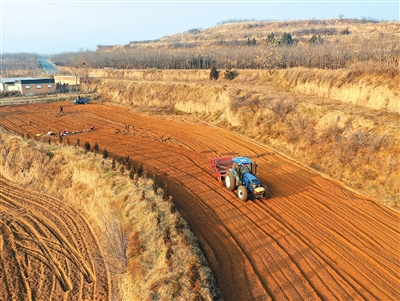
Group 1 - Shanxi Province's Pinglu County is promoting the cultivation of traditional Chinese medicinal herbs such as Chaihu, Huangqin, and Dihuang, leveraging the geographical and climatic characteristics of the Loess Plateau [2] - Hunan Province's Taoyuan County is developing rural workshops to create job opportunities close to home, exemplified by the production of wind turbine blade fasteners at Hunan Feiwo New Energy Technology Co., Ltd. [4] - Zhejiang Province's Huzhou City is utilizing bamboo resources for deep processing, producing bamboo products like chopsticks, curtains, chairs, and mats [5] Group 2 - Anhui Province's Hefei City is exploring land intensification, integrated services, and smart agriculture, resulting in over 300 villagers achieving employment [7] - Jiangxi Province's Fengcheng City is enhancing its handmade noodle industry by adopting new food processing technologies and leveraging e-commerce platforms for nationwide sales [9] - Guangxi Zhuang Autonomous Region's Liuzhou City is advancing the industrialization and standardization of scallion production, with an area of 43,000 acres and an annual output of approximately 100,000 tons [14] Group 3 - The national scale of agricultural product processing enterprises is projected to exceed 100,000, with an estimated revenue of around 18 trillion yuan in 2024 [14] - The rural landscape is evolving, with various regions exploring new paths and models for development based on their unique characteristics and resources, contributing to a comprehensive rural revitalization [14] - In Henan Province's Luoyang City, the production of peony potted flowers is expected to reach 1 million, becoming a distinctive industry for local prosperity [14]

浙江绍兴市柯桥区整合资源构建产业链—— 兰花产业带动更多群众增收
Ren Min Ri Bao· 2025-12-21 22:46
冬日江南,兰花幽香。浙江省绍兴市柯桥区漓渚镇的千亩花市,层层叠叠的盆栽鲜花五彩缤纷,来自全 国各地的花商正在为即将到来的元旦、春节采购鲜花。 在盆景园区,10多名主播在粉黛花海,参加一场短视频大赛。"这次活动,带动销售兰花上千盆。"活动 组织者、漓渚镇千亩花市党支部书记蒋标表示。 不远处,国兰家庭农场的智慧大棚里:兰花一眼望不到头,扑鼻的兰花香让人神清气爽。主播郑文萍架 起手机开始直播。"这里的兰花,是组培的'科技兰',智能大棚的温度、湿度都能自动控制,兰花生长 快、品相也好,很受消费者欢迎。"国兰家庭农场负责人童水标介绍,国兰家庭农场有兰花大棚20多 个,在棚兰花80余万盆,年销量近30万盆,"生意是以前的好几倍"。 "党建联建把兰花产业链和花木专业村凝聚起来,真正实现组团发展。"漓渚镇党委书记蒋红红表示,今 后将深化党建引领、科技赋能,让兰花产业带动更多群众增收,推动乡村全面振兴。 (文章来源:人民日报) 为助力兰农拓展销路,兰花产业链党委推出"漓渚兰花"公共品牌并成立品牌管理服务中心,设立品牌形 象店"兰花小馆"。2025年,漓渚镇花木从业者已超5000名,兰花年销售额突破2亿元。 "'花满棠棣'是棠棣 ...
兰花产业带动更多群众增收
Ren Min Ri Bao· 2025-12-21 22:41
冬日江南,兰花幽香。浙江省绍兴市柯桥区漓渚镇的千亩花市,层层叠叠的盆栽鲜花五彩缤纷,来自全 国各地的花商正在为即将到来的元旦、春节采购鲜花。 在盆景园区,10多名主播在粉黛花海,参加一场短视频大赛。"这次活动,带动销售兰花上千盆。"活动 组织者、漓渚镇千亩花市党支部书记蒋标表示。 不远处,国兰家庭农场的智慧大棚里:兰花一眼望不到头,扑鼻的兰花香让人神清气爽。主播郑文萍架 起手机开始直播。"这里的兰花,是组培的'科技兰',智能大棚的温度、湿度都能自动控制,兰花生长 快、品相也好,很受消费者欢迎。"国兰家庭农场负责人童水标介绍,国兰家庭农场有兰花大棚20多 个,在棚兰花80余万盆,年销量近30万盆,"生意是以前的好几倍"。 传统兰花培植时间长,再加上销售渠道单一,产业发展在几年前曾碰到"天花板"。对此,漓渚镇汇合生 产、销售、研发、文化四大链条,于2024年8月成立兰花产业链党委,重点在技术人才引进和品牌推广 上发力,与中国农机院和本地多所高校达成合作,设立青年入乡实践站点,推广科技种兰、招募青年主 播。 为助力兰农拓展销路,兰花产业链党委推出"漓渚兰花"公共品牌并成立品牌管理服务中心,设立品牌形 象店"兰花小馆 ...
争分夺秒,让鲜切花带着露珠出海
Xin Hua Ri Bao· 2025-12-21 22:40
Core Viewpoint - The article highlights the successful export of fresh-cut chrysanthemums from Xuzhou, facilitated by efficient customs services and advanced agricultural practices, contributing to local economic growth and international market expansion [1][2]. Group 1: Company Overview - Jiangsu Lingyuan Yian Technology Co., Ltd. has been cultivating fresh-cut chrysanthemums for 17 years, operating over 1,000 acres of ecological planting gardens and more than 60 greenhouses, benefiting over 200 local families [1]. - The company has focused on expanding its overseas market, receiving precise support from Xuzhou Customs [1]. Group 2: Export Market and Customs Support - Xuzhou currently has six fresh-cut flower export enterprises, primarily exporting to Japan and South Korea, with products favored for their high quality [1]. - The characteristics of fresh-cut flowers necessitate high efficiency in customs clearance and regulatory services, as delays can lead to significant losses [1]. - Xuzhou Customs has tailored regulatory service plans for fresh-cut flower exporters, enhancing the efficiency of customs processes [1][2]. Group 3: Customs Facilitation Measures - Prior to the peak export season, Xuzhou Customs has streamlined common issues in flower exports through a combination of on-site guidance and online Q&A, focusing on pest control and compliance with import country standards [2]. - The introduction of a "green channel" for flower exports has allowed for online document submission and expedited inspections, improving transport efficiency by at least 30% [2]. - Xuzhou Customs has conducted research activities to understand the export plans and challenges faced by enterprises, helping them align with international market requirements [2].
连云港海州冬闲“育”美景 “美丽经济”促增收
Yang Zi Wan Bao Wang· 2025-12-21 09:37
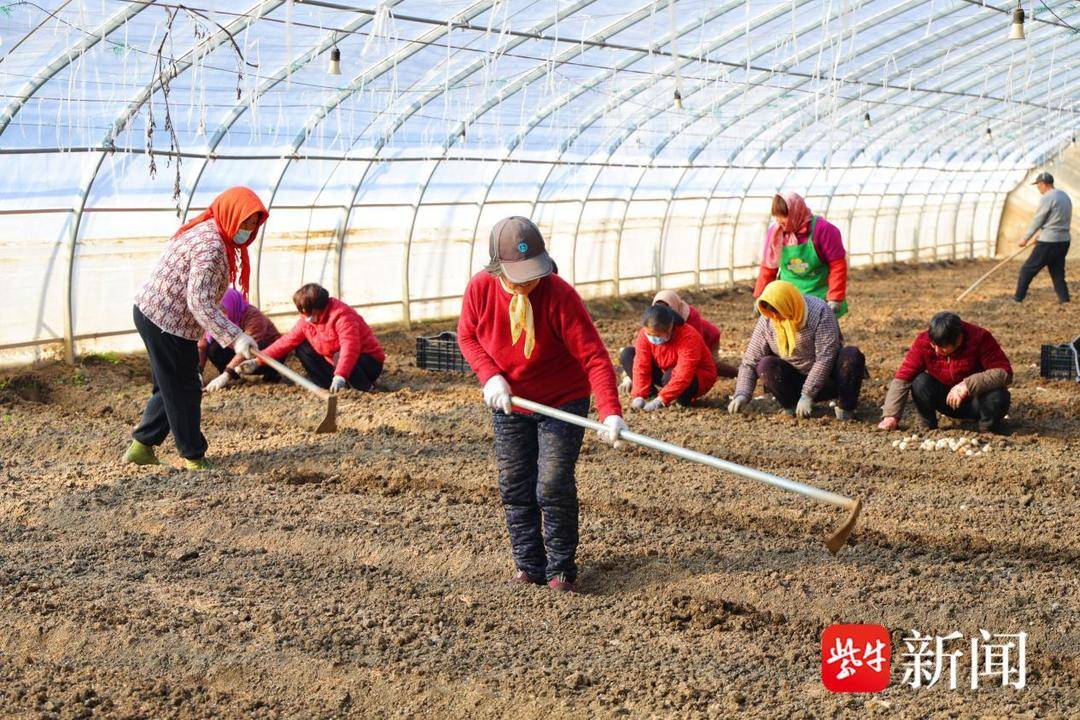
Core Insights - The article highlights the transformation of a winter idle period into a productive season for the Gao Bu Agricultural Demonstration Park in Lianyungang, focusing on the cultivation of tulips as part of the "beautiful economy" initiative [1][3]. Group 1: Agricultural Practices - The 28th greenhouse, covering an area of 1 mu, is currently experiencing a peak planting season after a summer fallow period, during which soil improvement and disinfection were conducted [3]. - The park's management emphasizes the importance of soil quality, with expert guidance to optimize pH levels for tulip growth, ensuring maximum productivity from the land [3][4]. Group 2: Market Potential - The tulip varieties being planted include eight classic types such as "Little Prince" and "Dynasty," which cater to diverse consumer preferences and are positioned as potential bestsellers in the New Year flower market [4]. - The cultivation cycle from planting to flowering is approximately 50 days, strategically timed to ensure availability before the Spring Festival, capitalizing on the increasing demand for ornamental flowers [4]. Group 3: Economic Impact - The flower industry has created local employment opportunities, with workers earning between 80 to over 100 yuan daily, allowing them to balance work with family responsibilities [6]. - The development of the flower industry is contributing to local economic growth and rural revitalization, with the park expanding its cultivation scale and integrating various aspects of the flower industry from breeding to sales [6].

特色兴产
Jing Ji Ri Bao· 2025-12-20 06:03
Group 1 - The flower farmers in Luoyang, Henan Province are utilizing online platforms for live streaming sales of催花牡丹 (forced blooming peonies) [2] - In Yichun City, Jiangxi Province, local villagers are drying sweet potatoes, pumpkins, and ginger, as the county extends the industrial chain of local specialties to increase farmers' income [4] - In Yichang City, Hubei Province, a new development model combining "e-commerce + supply chain + farmers" is being promoted to expand the sales channels for navel oranges [6] - The crab farming industry in Weishan County, Shandong Province, has an annual output value of nearly 2 billion yuan, supported by ecological farming methods such as mixed farming of crabs and shrimp [6] - In Lianyungang City, Jiangsu Province, there is a strong focus on developing green leisure bases centered around tomato picking and tasting, along with related industries [8] - A vegetable garden in Dianjiang County, Chongqing, employs advanced technologies like temperature control, drip irrigation, and smart monitoring, supplying an average of 5,000 jin of fresh vegetables daily [10]

乡村振兴齐鲁新实践:片区推进,协同共赢
Xin Hua Wang· 2025-12-20 02:40
Core Viewpoint - The article discusses the transformation of rural areas in Shandong Province, China, through the establishment of integrated rural revitalization zones that leverage local resources and promote industrial development, resulting in significant economic growth and improved living standards for residents [1][3][12]. Group 1: Industrial Development - Shandong has established 2,070 rural revitalization zones, covering approximately one-third of its administrative villages, creating a "Qilu model" for rural revitalization [3][11]. - The integration of industries, such as the "colorful tomato" initiative in Shouguang, has led to increased market bargaining power and significant sales growth, with one village achieving a transaction volume exceeding 60 million yuan from 500,000 jin of tomatoes [2][3]. - The development of specialized agricultural zones has resulted in substantial income increases for farmers, with average annual incomes in some villages rising from less than 50,000 yuan to over 200,000 yuan [2][3]. Group 2: Resource Optimization - The article highlights the importance of resource integration across villages to enhance efficiency and service delivery, with examples of successful collaborations leading to increased collective income [6][7]. - The establishment of cooperative models, such as the "rural revitalization partner" initiative, has facilitated the development of new business ventures and job creation in rural areas [10][11]. - The integration of cultural and natural resources in areas like Yangjiashan has attracted significant tourism, generating over 100 million yuan in annual revenue [5][11]. Group 3: Policy and Governance - Shandong's government has implemented policies to support the development of rural revitalization zones, including financial incentives and a structured policy framework to guide local initiatives [11][12]. - The establishment of a "development community" model aims to create self-sustaining rural economies by fostering collaboration among neighboring villages [11][12]. - The focus on coordinated development within rural revitalization zones addresses challenges related to infrastructure, public services, and resource management, promoting a holistic approach to rural growth [11][12].
要美丽更要幸福!看“美丽产业”如何变身“幸福产业”
Ren Min Ri Bao· 2025-12-19 23:42
Core Insights - The flower industry in Yunnan, particularly in Kunming, is thriving due to a complete industrial chain from seed research to market circulation, with approximately 70% of China's fresh-cut flowers originating from this region [1][2] - The development of the flower industry is supported by government initiatives aimed at enhancing the entire industrial chain, focusing on both beauty and the well-being of the community [1][3] Group 1: Industry Development - The flower industry in Yunnan has seen significant advancements in self-reliance, with the introduction of over a thousand domestically cultivated "Chinese-style" rose varieties, reducing dependency on imported species and associated patent fees [2] - Technological innovations in agriculture, such as automated environmental control systems and soilless cultivation, have improved flower quality and yield, allowing for a more efficient production process [2][3] Group 2: Economic Impact - The flower industry has created substantial employment opportunities, with direct employment reaching 380,000 and indirect employment exceeding 1 million, contributing to the economic uplift of local communities [3] - The integration of various agricultural sectors, including flowers, coffee, and tea, is enhancing rural revitalization and establishing a robust industrial foundation for sustainable economic growth [3][4]
特色产业激活乡村振兴动能
Xin Hua Wang· 2025-12-19 01:49
Core Viewpoint - The article highlights the vibrant development of specialized industries under the rural revitalization strategy, showcasing various successful agricultural and cultural initiatives across different regions in China. Group 1: Economic Impact of Rural Industries - The Cangzhou Grand Canal top road has led to over 100,000 entrepreneurial and employment opportunities for local villagers, with an expected 4 million tourists in 2024, resulting in an annual income growth of over 10% for nearby villages [4] - The rose planting industry in Huan Cheng has achieved value growth despite winter challenges through facility upgrades and technical support, becoming a significant contributor to local income [9][13] - The ceramic industry in Yunnan's Liao Hu village has formed an industrial cluster with 83 enterprises, projecting a total output value of 480 million yuan in 2024 and approximately 260 million yuan in the first half of 2025 [16] Group 2: Agricultural Developments - In Wuzhishan, the oil tea harvest season has seen over 5,000 acres of oil tea cultivation, becoming a crucial income source for local villagers [7] - The fresh oil tea fruits are efficiently processed into oil, transforming the local ecological resources into significant economic benefits for the community [10] - The cultivation of custard apples in Yuanjiang has established a complete industry chain from seed breeding to marketing, contributing to local wealth generation [19] Group 3: Cultural and Tourism Integration - The integration of cultural heritage with rural tourism is exemplified by the scenic beauty of the Grand Canal and the development of the "most beautiful rural road," enhancing local cultural engagement [2] - The ancient ceramic craftsmanship in Liao Hu village, combined with modern production techniques, has revitalized the local tourism and cultural landscape [12]

让“美丽产业”成为“幸福产业”(现场评论)
Ren Min Ri Bao· 2025-12-17 22:11
Core Insights - The "beautiful industry" in Yunnan is expanding its industrial chain and increasing added value, contributing to ecological economics that promotes green prosperity and urban-rural integration [1][3] Industry Development - The flower industry in Yunnan benefits from a complete chain from seed research, technological planting, to market circulation, with approximately 70% of fresh-cut flowers in China sourced from Yunnan [1] - The introduction of over a thousand self-bred "Chinese style" rose varieties in May 2025 marks a significant step towards reducing reliance on imported varieties and enhancing local production capabilities [2] - Technological advancements in agriculture, such as automated environmental control systems and soilless cultivation, are improving flower quality and yield, thus driving modernization in the agricultural sector [2] Economic Impact - In 2024, Yunnan's fresh-cut flower production reached 20.6 billion stems, employing 380,000 people directly and over 1 million indirectly, showcasing the industry's role in poverty alleviation and economic growth [3] - The integration of various agricultural products, such as flowers, coffee, and tea, is strengthening the foundation for rural revitalization and enhancing the overall economic landscape in Yunnan [3][4]