智能网联汽车

Search documents
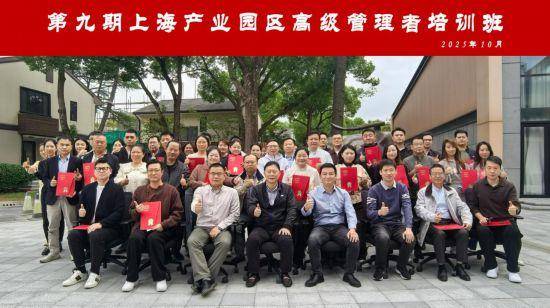
【沪企行】第九期上海产业园区高级管理者培训班顺利结业
Sou Hu Cai Jing· 2025-12-04 17:25
Core Insights - The training program for senior managers of industrial parks in Minhang District aims to enhance management capabilities and promote high-quality development in the region [4][5][7] Group 1: Training Program Overview - The ninth session of the senior management training program for industrial parks was successfully held in Hongqiao Fund Town, focusing on empowering park upgrades and supporting enterprise growth [4] - The program was co-hosted by the Shanghai Small and Medium Enterprises Development Service Center and the Minhang District Economic Committee, with participation from 55 senior executives [4] Group 2: Key Themes and Expert Insights - Experts provided insights on various topics including global technology innovation trends, industrial park investment strategies, digital transformation, and policies for cultivating specialized enterprises [3] - The training included a visit to the National Intelligent Connected Vehicle (Shanghai) Demonstration Base, allowing participants to gain firsthand experience of cutting-edge developments in the intelligent vehicle industry [3] Group 3: Expectations and Future Directions - The director of the Minhang District Economic Committee expressed hopes for participants to apply their learning practically, serve enterprises effectively, and lead innovation [5] - The Shanghai Small and Medium Enterprises Development Service Center aims to continue focusing on industrial development needs, innovating training models, and optimizing course content to cultivate more excellent management talent [7]

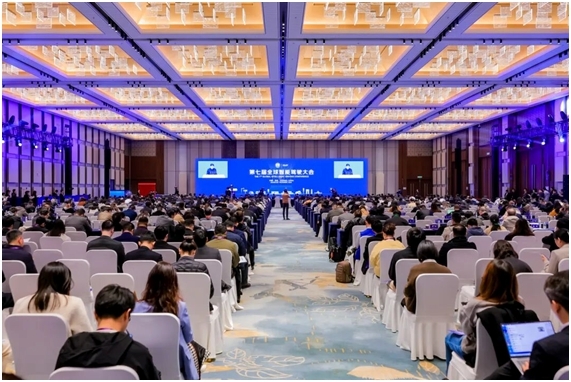
第七届全球智能驾驶大会苏州启幕 助力构建智能驾驶全球化发展新格局
Zhong Guo Jing Ji Wang· 2025-12-04 09:19
Core Insights - The seventh Global Intelligent Driving Conference was held in Suzhou, focusing on the theme "Intelligent Connected World Driving the Future," aiming to explore trends in intelligent driving technology, industry policies, and collaboration paths [1] Group 1: Industry Development - Leading figures from various sectors shared insights on the current state and future of the intelligent connected vehicle industry, including topics such as the internationalization of China's automotive intelligence and the new phase of intelligent assisted driving [3] - The conference provided an authoritative interpretation of the "Guidelines for Commercial Demonstration Applications of Unmanned Driving Equipment in Jiangsu Province," which supports the marketization and large-scale application of unmanned driving technology [3] Group 2: Innovation and Collaboration - A series of significant cooperation projects and platforms were launched during the conference, including the establishment of the Jiangsu Provincial Intelligent Driving Technology Key Laboratory, which aims to integrate resources from government, industry, academia, and research [5] - The Global New Energy Vehicle Cooperation Organization (GREEM) initiated a global best practice action for the new energy vehicle industry, aiming to select demonstration projects and innovative models for international collaboration [7] Group 3: Regional Cooperation - The conference highlighted substantial breakthroughs in regional cooperation, with the launch of a cloud control platform for interconnected pilot cities, enabling data sharing and service interconnectivity among Nanjing, Wuxi, and Suzhou [9] - The collaboration between Shanghai and Suzhou was upgraded, achieving data interconnectivity for cloud control platforms, facilitating cross-city testing and commercial operations [11] Group 4: Technological Innovation - The conference initiated a project for the joint development and application of a world model based on "vehicle-road-cloud integration" data, leveraging Suzhou's rich data resources to enhance the core capabilities of intelligent driving [13] - An initiative was launched to address the bottlenecks in the internationalization of intelligent connected vehicles, focusing on building a service ecosystem and sharing global market opportunities [15] Group 5: Industry Ecosystem in Suzhou - Suzhou is actively building a leading "Intelligent Driving City," with over 800 related enterprises and an intelligent vehicle networking industry scale of 110 billion yuan, having received multiple national and provincial pilot qualifications [17] - The city has formed an industry chain centered on intelligent vehicles, covering over 30 sub-sectors, and has established more than 100 intelligent vehicle networking application scenarios, including 11 routes for unmanned buses [19]
城市“引才”进入2.0时代,产业链协同与生态赋能破局
Di Yi Cai Jing· 2025-12-04 07:42
Group 1 - The core idea emphasizes the transformation of global top talent into a driving force for high-quality regional development, with cities like Shenzhen and Wuhan implementing strong policies to attract high-quality talent in key industries such as semiconductors and biomedicine [1][2] - Shenzhen focuses on the "20+8" industrial clusters, providing entrepreneurial subsidies and comprehensive supply chain support to become a hub for returning overseas talent [1][2] - Wuhan's Optics Valley targets hard technology sectors like optoelectronic information and new energy, offering substantial project funding to attract top innovation teams [1][2] Group 2 - The concept of "industry-oriented talent attraction" is highlighted, where industries serve as the core carrier for talent aggregation, and talent is seen as the fundamental driving force for industrial upgrades [2] - The "attract, cultivate, utilize, and retain" framework is being developed in the Hongqiao International Central Business District to create a multi-level international talent ecosystem [2] - Key industries such as biomedicine, new energy, and intelligent connected vehicles are forming clusters, with leading companies establishing a presence in the area, enhancing industrial agglomeration effects [2] Group 3 - The Hongqiao International Talent Service Center has introduced a platform for overseas talent to streamline work permits and residency applications, while also supporting domestic talent's international needs [3] - Companies are increasing their R&D investments significantly, with a focus on high-level technical talent to drive innovation, as seen in Ankai Micro's growth from under 300 to over 400 employees [3] Group 4 - Attracting talent is just the first step; the challenge lies in facilitating the transition from laboratory breakthroughs to industrial applications, which is crucial for building a tech innovation ecosystem [4] - Collaboration with upstream and downstream partners in the industry chain is essential for the successful development of hard technology, as highlighted by experts from Tsinghua University and Imperial College [4] - Long-term funding and market patience are necessary for hard technology startups, which need to connect with enterprises early for technology iteration under real operating conditions [4] Group 5 - The role of incubators is emphasized as platforms for nurturing innovation rather than just providing resources, with a focus on long-term support despite potential conflicts with short-term capital return demands [5] - New Micro Innovation Source is exploring a "investment-incubation linkage" model to transform incubators into "co-creation partners" with startups, sharing risks and incentives [6] Group 6 - Cultural differences pose challenges in cross-border entrepreneurship, with Western business being more transaction-oriented while Asian cultures prioritize building trust before collaboration [6] - Flexibility in addressing initial ambiguities in partnerships is recommended, along with leveraging high-quality content and deep interactions to activate the innovation ecosystem [6]
毅达资本应文禄:错过人工智能,就是错过一个时代
Xin Lang Cai Jing· 2025-12-04 03:41
Core Insights - The conference theme "Towards the Future, Empowering New Life" emphasizes the need for investment strategies that adapt to changing market conditions and focus on long-term growth opportunities [1][18] Investment Opportunities - Three major investment opportunities are identified: 1. Technological self-reliance, driven by increased internal innovation in response to external pressures [3][20] 2. AI-driven industrial transformation, where companies must either successfully leverage AI or face obsolescence [3][20] 3. Mergers and acquisitions in a stock economy era, where leading companies will increasingly use M&A to enhance their supply chains and realize significant "stock value" [3][20] Market Trends - The investment landscape is undergoing structural changes, with a focus on innovation as the main driver of growth. This is evidenced by the significant rise in technology stock weights in global funds, which have increased by nearly 10 percentage points over the past five years [6][24] - The Chinese market has seen substantial advancements in technology sectors, including leadership in renewable energy and significant developments in semiconductors and AI [7][25] Entrepreneurial Focus - The essence of investment is shifting back to "investing in people," emphasizing the importance of selecting entrepreneurs who can navigate through economic cycles rather than just focusing on industries [10][28] - The ability of entrepreneurs to evolve from technical experts to comprehensive leaders is crucial for the success of their companies [11][29] Core Competencies - Investment firms must maintain a market-oriented approach and develop four core capabilities: 1. Professional return capabilities centered on DPI (Distributions to Paid-In) to meet investor expectations [14][32] 2. Comprehensive compliance and risk management integrated into all investment processes [15][32] 3. Ecosystem symbiosis capabilities to create value beyond financial investment [16][32] 4. Market adaptability to navigate changing environments and adjust strategies accordingly [16][33] Conclusion - The focus should be on identifying the 5% of key variables that can change the world, which includes innovative technologies and adaptable entrepreneurs. Investment firms must uphold their market-oriented principles to remain relevant and impactful in the evolving landscape [34][34]

毅达资本应文禄:投资的本质是投“人” 选对企业家才是决胜关键
Xin Lang Cai Jing· 2025-12-04 03:36
Core Insights - The investment landscape is undergoing significant structural changes, with three major trends identified: technological self-reliance, AI-driven industrial transformation, and mergers and acquisitions in a stock economy era [3][9][26] Group 1: Investment Opportunities - The first trend is technological self-reliance, where increased external pressures lead to stronger internal innovation efforts, becoming a societal norm [3][9] - The second trend is the AI-driven industrial transformation, emphasizing that companies will either successfully leverage AI or face obsolescence, marking a critical era [3][9] - The third trend involves mergers and acquisitions as a primary exit strategy, with leading companies using restructuring to unlock significant "stock value" [3][9][27] Group 2: Market Dynamics - The venture capital industry is experiencing a profound structural transformation, with a focus on three reshaping elements: global technology landscape, economic order reconstruction, and revaluation of Chinese assets [5][22] - The capital market is witnessing a resurgence in primary market investments, with a notable shift towards technology-driven structural trends [5][22] - The influx of foreign capital into China's technology sector has doubled compared to the previous year, indicating a strong international interest [7][25] Group 3: Entrepreneurial Focus - The essence of investment is shifting back to "investing in people," highlighting the importance of selecting entrepreneurs capable of navigating through economic cycles [3][10][28] - The transition from a "technical specialist" to a "comprehensive leader" is crucial for entrepreneurs to succeed in scaling their businesses [10][29] Group 4: Core Competencies - The need for venture capital firms to maintain market-oriented value creation capabilities is emphasized, especially in the context of state-owned limited partners dominating the landscape [12][30] - Four core competencies are identified for venture capital firms: professional return capability centered on DPI, comprehensive compliance and risk control, ecosystem symbiosis, and market adaptability [14][32][33] Group 5: Future Vision - The mission of the venture capital industry is to identify and invest in the 5% of key variables that can change the world, focusing on "creative destruction" technologies and adaptable entrepreneurs [34]
到2027年,我国将培育3个万亿级消费领域与10个千亿级消费热点
Sou Hu Cai Jing· 2025-12-03 11:44
Core Insights - The Chinese government has introduced an implementation plan to enhance the adaptability of consumer goods supply and demand, aiming for significant optimization of the supply structure by 2027, with the goal of creating three trillion-level consumption sectors and ten hundred-billion-level consumption hotspots [1][3]. Group 1: Consumption Trends and Market Potential - The development goals are based on a comprehensive assessment of current consumption trends, industrial foundations, and technological changes, focusing on both "stock optimization" and "incremental creation" [3]. - The elderly care market is projected to grow from 2.6 trillion yuan in 2014 to 5.4 trillion yuan by 2024, with a compound annual growth rate of 7.3%, highlighting its potential as a core driver of the silver economy [3][4]. Group 2: Key Consumption Sectors - The three trillion-level consumption sectors identified are elderly products, smart connected vehicles, and consumer electronics, which are seen as high-potential areas for growth [3][4]. - The ten hundred-billion-level consumption hotspots include diverse categories such as baby products, smart wearables, cosmetics, fitness equipment, outdoor products, pet supplies, civilian drones, trendy toys, jewelry, and national trend clothing, reflecting a vibrant and diversified market [4]. Group 3: Strategic Development Approach - The government plans to adopt a multi-faceted and layered approach to continuously cultivate and expand various consumption hotspots, enhancing the resilience and vitality of the domestic consumption market [4].
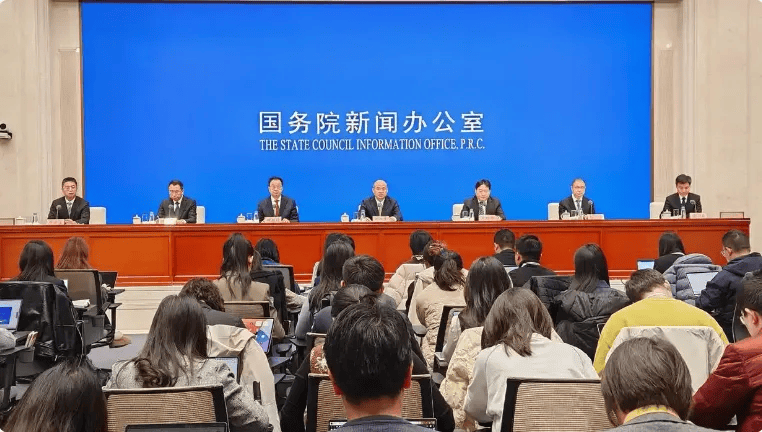
毅达资本应文禄:GP的灵魂拷问
投资界· 2025-12-03 09:38
Core Viewpoint - The core message emphasizes the importance of adhering to market-oriented principles and returning to the original intent of venture capital, which serves as a guide for future direction and a source of revitalization for the industry [3]. Group 1: Structural Changes in the Industry - The venture capital industry is undergoing profound structural changes, with three key transformations: reshaping of the global technology landscape, reconstruction of economic order, and revaluation of Chinese asset values [5]. - Predictions made at the beginning of the year regarding a favorable funding environment and active primary market investments are being validated, with significant capital flow into technology assets [5]. Group 2: Global Consensus on Innovation - A clear global consensus has emerged that innovation-driven growth is the main theme of the era, as evidenced by the significant rise in technology stocks in the U.S. capital markets since the 2009 financial crisis [6]. - The weight of technology stocks in global mutual funds and ETFs has increased to 28.5%, reflecting a nearly 10 percentage point rise over the past five years [6]. Group 3: Domestic Innovation Practices - Since 2018, China's focus on high-quality development driven by technological innovation has yielded substantial results, with advancements in various sectors such as renewable energy and artificial intelligence [7]. - The success of the Sci-Tech Innovation Board has provided crucial financing platforms for hard-tech enterprises, leading to a systemic revaluation of technology assets [8]. Group 4: Investment Opportunities - Three definitive investment opportunities have been identified: 1. Technological self-reliance driven by external pressures [9]. 2. The pervasive impact of AI across all industries [9]. 3. Mergers and acquisitions in the context of a stock economy, as the market shifts towards high-quality development [9]. Group 5: Returning to the Original Intent - The essence of investment lies in investing in people, with a focus on the transformation of founders from technical experts to comprehensive leaders capable of guiding companies through various stages of growth [10][11]. - The majority of failures in startups can be traced back to the limitations of the founders, highlighting the need for their continuous evolution [10]. Group 6: Upholding Market-Oriented Principles - The importance of maintaining market-oriented value creation capabilities is emphasized, especially in the context of the increasing dominance of state-owned limited partners (LPs) [12]. - Four core capabilities are essential for venture capital firms: 1. Professional return capabilities centered on DPI [12]. 2. Comprehensive compliance and risk control abilities [12]. 3. Ecosystem symbiosis as "super connectors" [12]. 4. Market adaptability to navigate through cycles [13]. Group 7: Conclusion - The mission of the venture capital industry is to identify and invest in the 5% of key variables that can change the world, which includes "creative destruction" technologies and exceptional entrepreneurs [14]. - To fulfill this mission, venture capital firms must remain committed to market-oriented principles and maintain independent judgment to become rare variables in the industry [14].
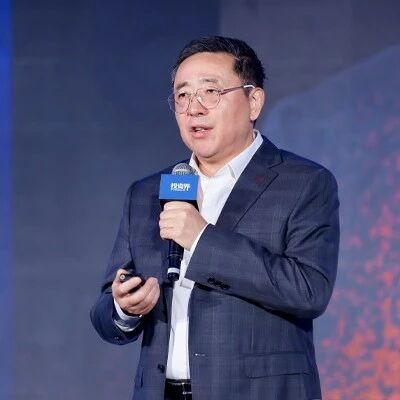
湖南湘江新区多项指标跻身全国前列 创新实力与民生保障双提升
Zhong Guo Xin Wen Wang· 2025-12-02 11:16
Core Insights - During the "14th Five-Year Plan" period, the Hunan Xiangjiang New Area's GDP has crossed three trillion thresholds, entering the "five trillion" category, ranking 6th among China's 19 national-level new areas [1] - The number of listed companies and the number of national manufacturing champions in the area remain second nationally among national-level new areas [1] - The Xiangjiang New Area aims to become a key player in building advanced manufacturing, technological innovation, and reform and opening up in inland regions [1] Economic Development - The total number of enterprises in the Xiangjiang New Area exceeds 170,000, with 11 new listed companies and 843 new high-tech enterprises added [2] - The area has seen significant improvements in infrastructure, including the completion of four new rail transit lines and the renovation of 199 roads [2] - The sewage treatment capacity has increased by nearly 70% with the construction and renovation of 317 kilometers of sewage pipelines [2] Social Progress - Over the past five years, the Xiangjiang New Area has added 98,000 urban jobs, with 30% of new entrepreneurial entities being university graduates [2] - The area has constructed or renovated 110 primary and secondary schools and kindergartens, adding 123,000 new student places [2] - The region has experienced a net inflow of approximately 300,000 residents, enhancing the overall sense of well-being and security among the population [3]
晶采观察丨六部门划定三大万亿级消费赛道 带来哪些利好?
Yang Guang Wang· 2025-12-02 01:29
Core Viewpoint - The implementation plan aims to enhance the adaptability of supply and demand in the consumer goods sector to address pain points in consumption [1][2] Group 1: Goals and Targets - The plan sets a target to cultivate three trillion-level consumption sectors and ten hundred-billion-level consumption hotspots by 2027 [2] - The three trillion-level sectors include elderly products, smart connected vehicles, and consumer electronics [2] - The ten hundred-billion-level hotspots focus on specific categories such as baby products, smart wearable devices, cosmetics, fitness equipment, outdoor products, pet food, civilian drones, trendy toys, jewelry, and national trend clothing [2] Group 2: Targeted Consumer Groups - For the young demographic, the plan emphasizes "individual expression" and "fashion leadership," supporting the development of culturally rich and fashionable products like national trend clothing and designer collaborations [2][3] - In addressing the needs of infants and students, the plan promotes the integration of traditional toys and stationery with smart technology, aiming for products that facilitate personalized interaction and learning [3] - For the elderly, the focus is on practical convenience and quality of life, with plans to enhance the development of products like elderly care robots, suitable clothing, and easy-to-swallow foods [3] Group 3: Market Dynamics - The plan anticipates the creation of a new consumption market worth trillions in key sectors by 2027, driven by both "stock optimization" and "incremental creation" [3] - Stock optimization refers to the growing popularity of culturally significant domestic products, while incremental creation involves developing new products and services for emerging demographics and scenarios [3] Group 4: Economic Impact - The multi-faceted approach is expected to significantly enhance the resilience and vitality of the domestic consumer market, providing solid support for the construction of a new development pattern [4] - The goal is to achieve a dynamic balance of supply and demand at a higher level within approximately five years, allowing consumers to enjoy higher quality products and services [4]
“供需适配”将释放多少消费潜力
Sou Hu Cai Jing· 2025-12-02 00:48
Core Viewpoint - The article discusses China's new implementation plan aimed at enhancing the adaptability of supply and demand in consumer goods, focusing on collaborative efforts between supply and demand sides to stimulate consumption potential and drive economic growth [3][5]. Group 1: Implementation Plan Overview - On November 26, six government departments released a plan with 19 key tasks to enhance supply-demand adaptability, focusing on expanding new markets, exploring existing markets, segmenting markets, empowering scenarios, and optimizing the environment [3][5]. - The plan emphasizes a shift from a one-sided consumption stimulation model to a collaborative approach, addressing structural contradictions in consumption and promoting high-quality economic development [3][5]. Group 2: Market Insights and Data - As of now, China has a total of 230 million consumer goods varieties, with over 100 categories like home appliances and furniture leading global production [5]. - The plan aims to create three trillion-yuan-level consumption sectors and ten hundred-billion-yuan-level consumption hotspots by 2027, focusing on areas such as elderly products, smart connected vehicles, and consumer electronics [8][9]. Group 3: Consumer Trends and Needs - The plan highlights the need for supply to match diverse consumer demands, particularly for different age groups and lifestyles, indicating a shift from quantity expansion to structural optimization in the consumer market [11][12]. - The elderly population in China is projected to reach 310 million by the end of 2024, with the elderly goods market expected to grow from 2.6 trillion yuan in 2014 to 5.4 trillion yuan by 2024, reflecting a compound annual growth rate of 7.3% [12]. Group 4: Technological Integration - The plan emphasizes the integration of artificial intelligence (AI) in consumer goods, aiming to enhance precision in supply and demand matching through AI applications across the industry [14][17]. - AI is expected to transform traditional supply methods into personalized manufacturing, allowing for rapid and flexible production that meets evolving consumer preferences [14][16].