
智能穿戴设备

Search documents
AR眼镜产业链全透视:上游芯片、中游制造、下游应用的机遇在哪里?丨热门赛道
创业邦· 2025-10-18 03:20
Core Insights - The article discusses the evolution and potential of Augmented Reality (AR) glasses, highlighting their applications across various sectors such as education, healthcare, and industrial maintenance [6][14][16]. Industry Definition - AR glasses utilize augmented reality, optical waveguide, and sensor technologies to overlay virtual information onto the real world, enabling users to interact with digital data while perceiving their surroundings [6][11]. Technological Components - Key components of AR glasses include optical modules, chips, sensors, computing units, and interaction systems, with optical display solutions significantly impacting image quality and user comfort [14][15]. Market Trends - From 2020 to 2025, the number of financing events in the AR glasses sector showed an initial increase, peaking at 34 events in 2022, followed by a decline to 32 in 2023 and projected further decreases in subsequent years [17]. Key Players - Zhige Technology focuses on AR diffraction waveguide and micro-nano optical products, achieving significant breakthroughs in performance metrics and production capacity [20]. - Zhi Jing Wei Technology specializes in AR glasses and interactive technology, with a focus on integrating optical display and spatial perception [24]. - Afalon Technology develops AR smart glasses for various industries, emphasizing lightweight and high-interactivity solutions [27]. Recent Developments - XREAL's new generation AR glasses were recognized in Time magazine's Best Inventions of 2025, marking a significant achievement for Chinese technology in the global market [32]. - Meta announced plans to release dual-screen smart glasses and true AR glasses by 2027, indicating ongoing advancements in the AR space [33]. Market Dynamics - The XR market showed a stark contrast in performance, with AR headset shipments increasing by 50% in the first half of 2025, while VR headset shipments declined by 14% [34]. - Google and XREAL collaborated to launch Project Aura, a new AR glasses model, showcasing the integration of technology from multiple leading companies [35].


中国新型智能穿戴产品总量突破18.1万种
Zhong Guo Xin Wen Wang· 2025-10-15 08:36
Core Insights - The total number of smart wearable products registered in China has surpassed 181,000, with a significant growth of 91.4% since September 2020, indicating a steady and rapid market expansion [1] Summary by Category Market Growth - The average annual growth rate of smart wearable products is 13.9% [1] - Smartwatches have reached 29,000 varieties, with an impressive annual growth rate of 46.8% [1] - Smart glasses have 2,000 varieties, growing at an annual rate of 23.5% [1] - Smart headphones account for 122,000 varieties, with a 14.0% annual growth rate [1] - Smart bands have 28,000 varieties, with a modest annual growth rate of 1.2% [1] Regional Distribution - By September 2025, the top five provinces in terms of smart wearable product varieties are Guangdong (158,400), Beijing (6,500), Zhejiang (3,200), Shanghai (3,100), and Fujian (2,800) [1]
前三季度我国新型智能穿戴产品总量突破18.1万种
Bei Jing Shang Bao· 2025-10-15 07:46
Core Insights - The total number of registered smart wearable products in China reached 181,000 in the first three quarters of this year, involving 6,000 companies, marking a 91.4% increase compared to September 2020, with an average annual growth rate of 13.9% [1] Summary by Category Product Categories - The number of smartwatches has reached 29,000, with an average annual growth rate of 46.8% [1] - Smart glasses have reached 2,000 types, with an average annual growth rate of 23.5% [1] - Smart headphones account for 122,000 types, with an average annual growth rate of 14% [1] - Smart wristbands have 28,000 types, with a modest average annual growth rate of 1.2% [1] Market Trends - The market for smart wearable products is showing a steady and rapid growth trend, with smartwatches and smart glasses growing significantly faster than the industry average [1]
我国使用商品条码新型智能穿戴产品总量突破18.1万种
Xin Jing Bao· 2025-10-15 06:48
Core Insights - The total number of smart wearable products registered with barcodes in China reached 181,000 in the first three quarters of this year, involving 6,000 enterprises, marking a 91.4% increase compared to September 2020, with an average annual growth rate of 13.9% [1] Industry Summary - The variety of smartwatches has reached 29,000, with an average annual growth rate of 46.8% - Smart glasses account for 2,000 varieties, growing at an average annual rate of 23.5% - Smart headphones total 122,000 varieties, with a 14.0% average annual growth rate - Smart bands have 28,000 varieties, showing a modest average annual growth rate of 1.2% [1] Regional Distribution - By September 2025, the top five provinces and cities in terms of the number of smart wearable products registered with barcodes are Guangdong with 158,400 varieties, Beijing with 6,500 varieties, Zhejiang with 3,200 varieties, Shanghai with 3,100 varieties, and Fujian with 2,800 varieties [1]
我国使用商品条码新型智能穿戴产品总量达18.1万种
2 1 Shi Ji Jing Ji Bao Dao· 2025-10-15 06:21
Core Insights - The market for smart wearable products in China has shown significant growth, with a total of 181,000 registered products in the first three quarters of this year, involving 6,000 companies, representing a 91.4% increase compared to September 2020, with an average annual growth rate of 13.9% [1] Summary by Category Product Categories - The number of smartwatches has reached 29,000, with an average annual growth rate of 46.8% [1] - Smart glasses have 2,000 varieties, growing at an average annual rate of 23.5% [1] - Smart headphones account for 122,000 products, with a 14.0% average annual growth rate [1] - Smart wristbands have 28,000 types, showing a modest average annual growth rate of 1.2% [1] Market Trends - The growth rates of smartwatches and smart glasses are significantly higher than the industry average, indicating a strong market demand for these products [1]
首超苹果!华为手表何以爆火?
财联社· 2025-10-15 03:08
Core Viewpoint - Huawei has surpassed Apple in smartwatch shipments, becoming the global leader in the market with a significant increase in sales and market share [4][5][10]. Group 1: Market Performance - In Q2 2023, Huawei's smartwatch shipments reached 7.2 million units, a 53% year-on-year increase, capturing 21% of the global market share [4][5]. - Apple's smartwatch shipments declined by 3% to 5.8 million units, resulting in a market share of 17% [5]. - The overall global smartwatch market saw a growth of 8% in Q2 2023, totaling 34.4 million units shipped [5]. Group 2: Product Strategy - Huawei's success is attributed to its diverse product lineup that caters to various consumer segments, from entry-level to high-end models [5][10]. - The Watch5 series focuses on health monitoring features, while the Watch GT6 series targets fitness enthusiasts [9][10]. - Huawei's frequent product updates throughout the year enhance its market presence compared to Apple's more seasonal release strategy [5][9]. Group 3: Consumer Preferences - Consumers are increasingly drawn to Huawei's smartwatches due to superior battery life and compatibility with multiple smartphone brands, unlike Apple, which is limited to iPhone users [9][10]. - The integration of health monitoring features such as ECG and blood pressure tracking has improved user satisfaction and repeat purchases for Huawei [11]. Group 4: Channel Strategy - Huawei has expanded its global retail presence, with flagship stores and smart living centers, enhancing its offline sales strategy [12][13]. - The company collaborates with local partners to strengthen its brand recognition and market penetration in overseas markets [13]. Group 5: Industry Trends - The smartwatch market is evolving from a smartphone accessory to an independent health management platform, with a focus on health monitoring capabilities [14]. - Future trends include the integration of AI for personalized health insights, the development of medical-grade health features, and the adoption of eSIM technology for independent connectivity [15].

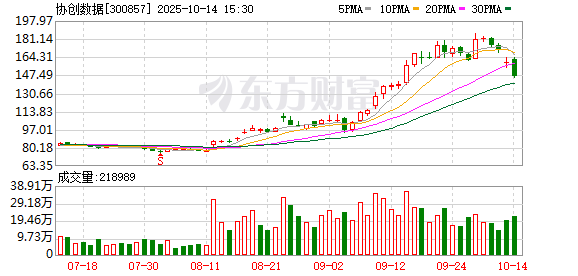
协创数据:Dreamworld AI眼镜项目新产品正按计划推进产品化进程,预计将于12月完成工程样机
Mei Ri Jing Ji Xin Wen· 2025-10-14 13:26
每经AI快讯,有投资者在投资者互动平台提问:协创数据投资项目Dreamworld AI眼镜荣获深创赛企业 组一等奖,请问相关产品有无量产计划? (文章来源:每日经济新闻) 协创数据(300857.SZ)10月14日在投资者互动平台表示,公司密切关注并支持Dreamworld AI眼镜项目 的进展,该项目上一代开发的产品已经量产了,结合最新人工智能技术的新产品正按计划推进产品化进 程,相关产品预计将于今年12月完成工程样机,并计划于明年第一季度启动量产。 ...
与Meta正面“对抗”,苹果AI眼镜被曝加快开发进度
Xuan Gu Bao· 2025-10-13 23:36
Group 1 - Apple is developing at least two types of smart glasses, one without a display (code-named N50) for use with iPhone, and another with a display that may compete with Meta's recently released Ray-Ban Display smart glasses [1][3] - The smart glasses will run on the same visionOS operating system as Vision Pro, with compatibility for both iPhone and Mac systems, allowing for a full visionOS experience when paired with Mac and a lighter interface when connected to iPhone [1] - The industry is expected to enter a "mass production year" from 2H25 to 2027, with new product lines from companies like Meta, Apple, Xiaomi, ByteDance, and Alibaba [1][2] Group 2 - The AI smart glasses technology landscape is divided into three main camps: those focusing on light waveguide technology (like Thunder and Rokid), the "voice-first" approach from Meta and Huawei, and the mixed reality segment led by Google and Apple [2] - Companies like Rongqi Technology and GoerTek are actively involved in the smart glasses sector, with GoerTek being one of the deepest players in the field, collaborating with Xiaomi and maintaining a long-term partnership with Apple [3]
智行产业空间:打造智能网联+新能源汽车智慧园区
2 1 Shi Ji Jing Ji Bao Dao· 2025-10-13 08:53
Core Insights - The Kaicheng Intelligent Transportation Industrial Space serves as a core engine for the smart connected and new energy vehicle industries, attracting numerous enterprises with its high-end manufacturing resources and comprehensive service system [1] Group 1: Industrial Focus - The industrial park is located at No. 9 Xinrui Road, Guangzhou Science City, covering an area of 85,000 square meters with a total construction area of approximately 324,000 square meters [1] - It focuses on clusters in smart connected vehicles, new energy vehicles, embodied intelligent robots, and smart wearable devices, integrating R&D testing, manufacturing, and office space [1] - Notable brands such as Yizhao Technology, FAW Audi, BYD, and Zhuiguang Technology have already settled in the park [1] Group 2: Service System - The park has established a comprehensive enterprise service system with a professional management team that tailors service plans based on the needs of resident companies [1] - It offers one-stop policy application services to help companies obtain various subsidies, benefiting from the "National-level Intelligent Manufacturing Industry Cluster" policy package [1] - The investment group provides direct investment in quality projects through its mother fund and multiple sub-funds, with a "one enterprise, one policy" service team offering lifecycle support including business registration, intellectual property, and industry connections [1] Group 3: Infrastructure and Accessibility - The park is divided into three functional areas (A, B, C) featuring high-rise factories, super high-rise factories, office buildings, and talent apartments, with rental prices ranging from 37 to 55 yuan per square meter per month [1] - It includes a conference roadshow center, apartments, dining, sports facilities, and a smart canteen, with nearby amenities such as the Meihua Lizhihotel to cater to high-level technical experts [2] - The park is conveniently located 1 kilometer from the Xiangxue Interchange Expressway entrance, with a 40-minute drive to Zhujiang New Town and Baiyun Airport, and is well-connected by public transport including two metro lines and multiple bus routes [2] Group 4: Future Development - The Kaicheng Intelligent Transportation Industrial Space aims to continue focusing on the development of the smart mobility industry, promoting the transformation of technological innovations and industrial upgrades, and aspires to become a benchmark industrial park in Guangzhou Science City [2]
中国银河证券:Meta眼镜供不应求,看好产业链相关标的
Xin Lang Cai Jing· 2025-10-13 07:56
Core Viewpoint - The smart glasses sector is experiencing high demand, with Meta's glasses being in short supply, indicating a positive outlook for related companies in the industry [1] Industry Summary - The report from China Galaxy Securities highlights the strong growth potential in the smart glasses market, driven by high demand and supply constraints [1] - There is an optimistic view on Apple's supply chain, with expectations for shipment volumes to exceed forecasts, presenting additional investment opportunities [1] Company Recommendations - Recommended companies include: - Crystal Optoelectronics - Jiebang Technology - Tianyue Advanced [1] - Companies to watch include: - Luxshare Precision - GoerTek - Linyit Technology - Lens Technology - Yian Technology [1]


