芯片制造

Search documents
美股新年首个交易日:能源等防御性板块领涨,科技股下跌
Hua Er Jie Jian Wen· 2026-01-03 06:20
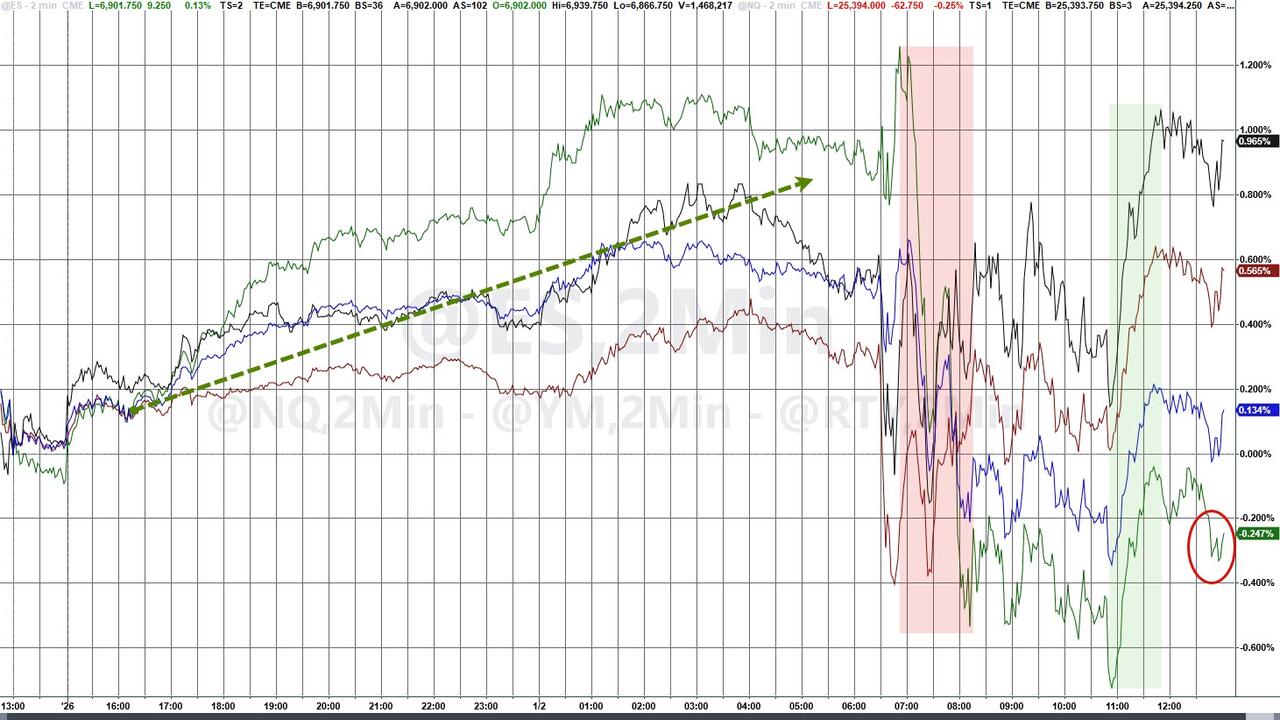
Core Viewpoint - The U.S. stock market continues the trend of rotation observed at the end of 2025, with investors shifting from technology stocks to defensive sectors like energy and utilities, resulting in the Dow Jones outperforming the Nasdaq and S&P 500 indices [1]. Group 1: Market Performance - On the first trading day of 2026, the S&P 500 index rose by 0.2%, the Dow Jones Industrial Average increased by 0.7%, while the Nasdaq Composite index fell by 0.1%, marking its fifth consecutive day of decline [1]. - Technology stocks, including Palantir Technologies, AppLovin, and Microsoft, negatively impacted the major indices, while sectors such as energy, materials, and utilities saw price increases [1]. Group 2: Technology Sector Trends - The technology sector exhibited mixed performance, with Amazon and Meta experiencing stock price declines, and Tesla's stock dropping by 2.6% due to another year of declining delivery numbers, marking its longest consecutive decline in over a year [4]. - In contrast, chip manufacturers like Nvidia and Micron Technology saw stock price increases, along with data storage companies Western Digital and SanDisk, which were among the few bright spots in the tech sector [4]. Group 3: Investor Sentiment and AI Concerns - Investor concerns regarding the valuation and profitability of the artificial intelligence sector continue to grow, leading traders to favor more defensive or diversified industry choices [3]. - The market's focus on AI's ability to drive major indices higher in 2026 is a key concern for investors, with skepticism about the high valuations of tech stocks and cyclical transactions among major industry players [6]. Group 4: Market Outlook - Despite a relatively quiet trading week influenced by the New Year holiday, a clear rotation in investor strategy is evident, with the Dow Jones outperforming the Nasdaq and S&P 500 in November and December [7]. - Many investors still anticipate a continued rise in the stock market for 2026, supported by the "January Barometer" hypothesis, which suggests a 79% probability of the S&P 500 rising for the year if it increases in January [7].


特朗普,强制“中国关联公司”剥离涉美芯片资产
半导体行业观察· 2026-01-03 03:40
Core Viewpoint - The article discusses the U.S. government's decision to prohibit Hanpho Optoelectronics from acquiring semiconductor-related assets from Emcore Corporation, citing national security concerns [1][2]. Group 1: Acquisition Details - Hanpho Optoelectronics, although headquartered in California, was founded and is controlled by a Chinese citizen, which raised national security alarms regarding the acquisition [1]. - The acquisition was originally agreed upon in 2024 for $2.92 million, involving Emcore's digital chip business and indium phosphide (InP) wafer manufacturing assets [1]. - The deal would have allowed Hanpho to inherit Emcore's core technology team and over 40 years of expertise in the optoelectronics field [1]. Group 2: Regulatory Actions - The executive order mandates that Hanpho must divest the related assets within 180 days unless an extension is granted by the Committee on Foreign Investment in the United States (CFIUS) [2]. - CFIUS is responsible for reviewing foreign investments in U.S. companies based on national security considerations [2]. Group 3: Company Background - Hanpho Optoelectronics describes itself as a California-based company focused on producing and developing efficient InP photonic devices for the optical communication industry [2]. - The company claims its story began with a management buyout (MBO) of Emcore's wafer manufacturing and chip-related assets, allowing it to retain key scientists, engineers, and operators [2].

新年书单 | 技术、泡沫与权力(2026)(申万宏观·赵伟团队)
Xin Lang Cai Jing· 2026-01-02 16:23
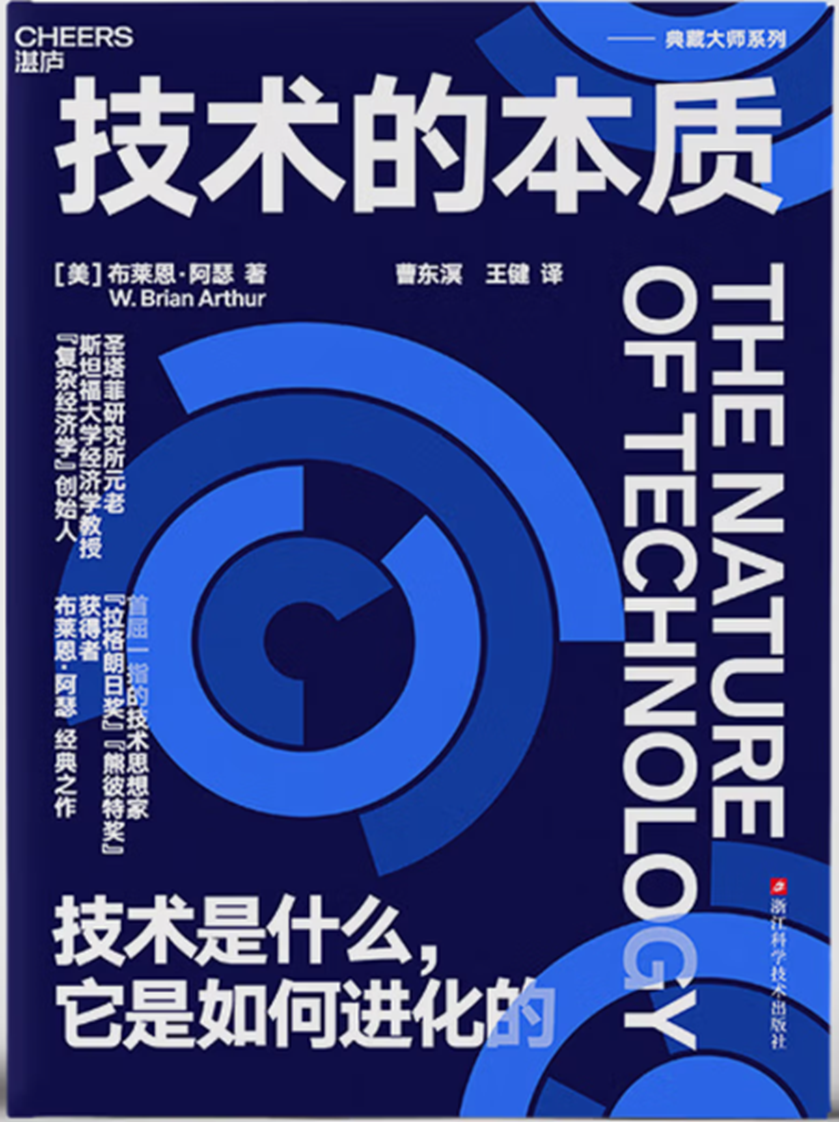
Core Viewpoint - The article discusses the "AI bubble" as a significant topic among global investors and investment banks, particularly in the context of the 2026 outlook, highlighting concerns about the sustainability of AI capital expenditure cycles and the prospects for AI application and profitability [4]. Group 1: AI Market Dynamics - Since the emergence of ChatGPT at the end of 2022, AI has been a major theme in capital markets, with companies like Nvidia seeing their stock prices and valuations reach new highs [4]. - There are growing concerns among investors regarding the volatility in capital markets, influenced by financing gaps in some US AI firms and expectations of interest rate cuts by the Federal Reserve [4]. Group 2: Technological and Economic Paradigms - The article emphasizes the need for a macro perspective to deconstruct the "AI bubble," integrating a "technology-economy-power" paradigm that views technological innovation as interconnected with economic and social evolution [5]. - Historical experiences since the Industrial Revolution indicate that core countries often lead in innovation, while peripheral countries can catch up through institutional innovation and learning effects [6]. Group 3: Recommended Literature - The article recommends 20 classic books categorized into three units: - **Technology**: Focuses on the essence of technology, diffusion of innovation, and conditions for innovation-friendly institutions [6]. - **Economy**: Concentrates on economic long cycles shaped by technological innovation, including several works on American economic history [6]. - **Power**: Addresses how technology shapes the global system [6].
新年书单 | 技术、泡沫与权力(2026)(申万宏观·赵伟团队)
赵伟宏观探索· 2026-01-02 16:04
Core Viewpoint - The article discusses the "AI bubble" as a significant topic among global investors, particularly in the context of the 2026 outlook from various investment banks, highlighting the volatility in capital markets and concerns over the sustainability of AI capital expenditure cycles and profitability realization [1]. Group 1: Technology - The article emphasizes the complex system of innovation and technology evolution, proposing a "technology-economy-power" paradigm that integrates technological innovation with economic and social institutional evolution [2]. - It notes that historically, core countries have been the main providers of innovation, while peripheral countries can catch up through institutional innovation and learning effects [2]. Group 2: Economic Cycles and Bubbles - The article outlines that technological innovation and total factor productivity are the primary explanations for the increase in per capita GDP, which is also the main path for a country to enhance its global economic power [2]. - It references historical examples of industrial revolutions, indicating that to transition from a peripheral to a core country, a new wave of technological revolution is often necessary [2]. Group 3: Recommended Literature - The article lists 20 classic books categorized into three units: technology, economy (cycles and bubbles), and power, with a focus on the essence of technology, the economic long cycles shaped by technological innovation, and how technology influences the world system [3][4].

一款火了四十年的芯片
半导体行业观察· 2026-01-02 03:33
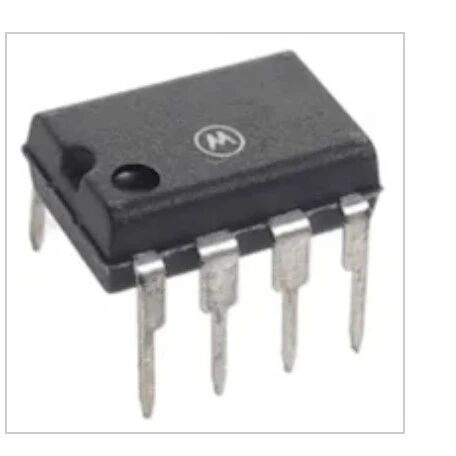
Core Viewpoint - The MC34063, introduced by Motorola in the early 1980s, has become a universal solution for "good enough" power conversion, offering a low-cost, highly versatile DC-DC conversion option despite not being the most efficient [1][4]. Group 1: Historical Context and Development - The MC34063 integrates key elements of a switching regulator into an 8-pin IC, allowing for buck, boost, or inverting conversions with minimal external components [1][3]. - At the time of its release, most low-cost designs relied on linear regulators, which were inefficient. The MC34063 provided a single-chip solution that was flexible and cost-effective, addressing the industry's need for affordable DC-DC converters [4][5]. Group 2: Technical Specifications and Performance - The MC34063 supports input voltages from 3V to 40V and includes features like a 1.25V reference voltage source, comparator, driver stage, and a 1.5A peak current switch [3][4]. - Although it is not the most elegant or efficient design, its flexibility has led to widespread adoption in various applications, including automotive adapters and consumer electronics [5][12]. Group 3: Market Position and Longevity - The MC34063's success is attributed to its practicality and low expectations, making it a staple in low-cost designs where simplicity and cost are prioritized over performance [13]. - Despite advancements in technology leading to more efficient controllers, the MC34063 remains relevant in markets such as small appliances and industrial controllers, where its functionality meets the needs of cost-sensitive applications [13][12].

一位碳化硅销售的死局
芯世相· 2026-01-02 01:04
以下文章来源于碳化硅内参 ,作者雨茉 碳化硅内参 . 碳化硅产业一线洞察、商业逻辑和长期跟踪的深度分析 我是芯片超人花姐,入行20年,有50W+芯片行业粉丝。 有很多不方便公开发公众号的, 关于芯片买卖、关于资 源链接等, 我会分享在朋友圈 。 扫码加我本人微信 0 1 序曲 :两个数 字 ,与 一阵 胃痛 凌晨两点十七分,陈默收到研发的邮件。附件里是那颗代号 "玄冰" : 专为大功率充电桩电源模 块设计的碳化硅 MOSFET最终成本核算表。他盯着衬底、外延、流片、封测那一行行拆到骨子里 的数字看了三分钟,最终在Excel里加上公司规定的毛利。新数字跳出来时,他的胃先于大脑给出 了反应。 这是 老毛病了。自从三年前公司开始冲刺车规认证,陈默的胃就成了公司的晴雨表 ——流片失败 时是灼烧感,拿到认证时是 兴奋产生的 痉挛,而看到这种死亡数字时,是一种沉坠的、冰冷的绞 痛,像有只手在里面慢慢攥紧。 几乎同时,手机屏幕亮了。是那个在国内充电桩 电源 龙头 "海达" 研发部、收过他三盒明前龙井 的电源工程师发来的微信: "兄弟,刚开完会。你们要报的那个 4 0kW 电源 模块主功率器件料 号,我们采购给的预算天花板是 ...

新年书单 | 技术、泡沫与权力(2026)(申万宏观·赵伟团队)
申万宏源宏观· 2026-01-01 16:03
关注、加星,第一时间接收推送! 文 | 赵伟、陈达飞 写在前面的话 2025 年底," AI 泡沫"成为全球投资者热议的话题,也是国内外投行 2026 年展望的一个关键词(包括我们海外年度展望《刚 性"泡沫"》)。 从 2022 年底 ChatGPT 诞生以来, AI 始终都是资本市场的一大主线,以英伟达为代表的美国头部芯片制造商的股价、估值与市 值屡创新高。在此背景下,叠加部分美国 AI 厂商出现融资缺口和美联储降息预期的扰动等,资本市场的波动性有所抬升,投资 者开始担忧 AI 资本开支周期的可持续性,以及 AI 应用落地和盈利兑现的前景。 关于 AI ,过去几年主要是自下而上分析技术和产业趋势,可一旦要解构" AI 泡沫",自上而下的宏观视角或不可或缺。 创新与技术的演化是一个复杂系统。宏观视域下的"技术 - 经济"范式将技术创新与经济、社会制度的演变视为一个相互作用、协 同演化的整体系统。如果将其与世界体系的"中心 - 外围"秩序的演进结合起来,就可以将"技术 - 经济"范式拓展为"技术 - 经济 - 权力"范式。长周期而言,技术创新和全要素生产率是一国人均 GDP 提升的最主要解释、进而也是一国在全球 ...

宏利投资管理Colin Purdie:中国市场对科技、创新的政策支持力度空前
Zhong Guo Ji Jin Bao· 2026-01-01 13:40
Colin Purdie为宏利投资管理公开市场全球首席投资官,常驻伦敦办公室。他领导公开市场投资团队,负责公开市场投资流程的各个方面,以及 股票、固定收益和解决方案导向型策略的投资业绩。他还负责制定和实施公司的投资理念、风险管理,以及环境、社会和治理(ESG)整合工 作。 【导读】宏利投资管理Colin Purdie:中国市场对科技、创新的政策支持力度空前 全球保险巨头宏利集团旗下宏利投资管理公开市场全球首席投资官Colin Purdie日前接受中国基金报专访时表示,中国支持技术发展、创新和可 持续增长的政策力度是空前的,这将推动技术发展。关于中国的"十五五"规划建议,他表示关注重点包括创新和技术、绿色能源和消费升级。 宏利投资管理在中国拥有独资的公募基金和QDLP业务。 中国市场支持技术发展、创新和可持续增长的政策力度是空前的 "我们仍处于本轮技术革命的早期阶段。尽管人们谈论AI已久,但市场真正关注的时间还很短。AI技术仍有巨大的颠覆性和变革性空间。"Colin Purdie表示。 中国市场支持技术发展、创新和可持续增长的政策力度是空前的,这将鼓励进一步发展。在自动化和机器人领域,中国已经取得巨大成就。会 ...

宏利投资管理Colin Purdie:中国市场对科技、创新的政策支持力度空前
中国基金报· 2026-01-01 13:34
Core Viewpoint - The article emphasizes that China's policy support for technology development, innovation, and sustainable growth is unprecedented, which will drive technological advancements and create significant investment opportunities [4]. Group 1: Policy Support and Focus Areas - China is in the early stages of a technological revolution, with substantial achievements in automation and robotics, supported by significant capital and policy backing [4]. - The "14th Five-Year Plan" highlights three key areas of focus: innovation and technology, green energy, and consumption upgrades, which are expected to attract international investment [5]. - The article notes that China is a leader in solar and renewable energy, with impressive infrastructure projects that will receive more attention in the five-year plan [5]. Group 2: Investment Opportunities - There is a renewed interest in Chinese assets from overseas investors, particularly if breakthroughs in technology and innovation occur [6]. - The shift of global capital from the West to the East is noted, with funds flowing from U.S. assets into European and some Asian markets [6]. Group 3: Economic Outlook and Challenges - The article discusses the challenges faced by the Federal Reserve, including the need for careful decision-making amid uncertain economic signals [8]. - Different sectors are evolving at varying paces, with technology and AI continuing to grow rapidly, while housing and labor markets face issues [9]. - The article highlights the potential for a divergence in returns among technology companies, with some likely to benefit significantly from investments in AI while others may not [9].


最高补贴2万元,汽车以旧换新补贴实施细则出炉|首席资讯日报
首席商业评论· 2026-01-01 04:42
Group 1 - The Ministry of Commerce and other departments have released the implementation details for the 2026 vehicle trade-in subsidy, offering a maximum subsidy of 20,000 yuan for consumers who scrap older vehicles and purchase new energy or low-emission vehicles [2] - The new revenue-sharing model for movies on iQIYI will take effect from January 15, 2026, covering both online story films and short window period films [3] - The National Development and Reform Commission has announced the early batch of "two heavy" project lists and central budget investments for 2026, totaling approximately 295 billion yuan, aimed at accelerating the pace of fund allocation and usage [4] Group 2 - Shenzhen Yujiang Technology Co., Ltd. has initiated the process for its A-share listing, with the underwriting broker being Guotai Junan Securities [5][6] - Xiaomi's chairman Lei Jun has postponed a New Year's live stream due to health issues, emphasizing the importance of health [7] - Weijing Medical has completed a B+ round financing of over 100 million yuan, with exclusive investment from Guotai Junan Innovation Investment Co., Ltd. and additional investment from strategic shareholder Kangji Medical [7] Group 3 - SoftBank has completed an additional investment of $22.5 billion in OpenAI, raising its total stake to approximately 11% [8] - Jin Xun Resources plans to globally issue 36,765,600 H-shares at a price of 30.00 HKD per share, with trading expected to begin on January 9, 2026 [9] - Changxin Technology has submitted its prospectus for listing on the STAR Market, reporting a revenue of 32.084 billion yuan for the first three quarters of 2025 [10] - OmniVision Technologies plans to globally issue 48,500,000 H-shares at a maximum price of 104.80 HKD per share, with trading expected to start on January 12, 2026 [11] Group 4 - The U.S. government has approved Samsung and SK Hynix to export chip manufacturing equipment to China in 2026, benefiting from exemptions from export restrictions [12]