
半导体设备

Search documents
阿斯麦2025年业绩创新高,2026年展望积极
Jing Ji Guan Cha Wang· 2026-02-11 14:31
Financial Performance - In Q4 2025, the company reported a net sales of €32.7 billion and a net profit of €9.6 billion, both reaching historical highs [1] - The order intake for Q4 was €13.158 billion, with EUV orders accounting for €7.4 billion, and the order backlog reached €38.8 billion, significantly exceeding market expectations [1] - The company projects net sales for 2026 to be between €34 billion and €39 billion, with a gross margin maintained in the range of 51% to 53% [1] Stock Performance - As of February 10, 2026, the company's stock price was $1,413.62, with a 5-day change of 1.38% and a 20-day change of 10.45% [2] - On February 6, the stock experienced a single-day increase of 4.66% following the positive earnings report, but saw a slight decline of 0.98% on February 10, indicating a market reaction to growth expectations [2] - The trading volume reached $8.493 billion, reflecting a positive market sentiment towards the company's growth prospects [2] Institutional Insights - Analysts noted that the company has a solid competitive moat in 2026, with advancements in High-NA EUV technology commercialization [3] - The strong EUV orders and growth in installation service revenue support the long-term outlook, although there are concerns regarding geopolitical risks and cost pressures associated with High-NA equipment [3] Recent Developments - On February 9, 2026, the Belgian Microelectronics Research Center launched a €2.5 billion chip pilot line, with the company being the largest private investor involved [4] - The high numerical aperture extreme ultraviolet lithography machine is expected to be delivered in March, aimed at enhancing semiconductor R&D capabilities in Europe [4]
东京电子FY26Q3跟踪报告:AI驱动DRAM与逻辑资本开支高增,中国投资重心向逻辑芯片切换
CMS· 2026-02-11 13:19
Investment Rating - The report maintains a positive outlook on the semiconductor manufacturing equipment industry, with expectations for the industry index to outperform the benchmark index [57]. Core Insights - Tokyo Electron (TEL) reported FY26Q3 revenue of 552 billion yen, down 15.7% year-on-year and 12.4% quarter-on-quarter, with a gross margin of 42.7% [1][19]. - The semiconductor production equipment segment generated revenue of 385.1 billion yen, with DRAM, NVM, and non-storage chips contributing 36%, 8%, and 56% respectively [2]. - The company raised its FY2026 full-year guidance, projecting a revenue of 2.41 trillion yen, with a gross margin of 45.3% and operating margin of 24.6% [3][34]. Summary by Sections Financial Performance - FY26Q3 revenue was 552 billion yen, with a gross profit margin of 42.7%, reflecting a decrease due to changes in product mix and increased fixed costs [1][19]. - The net profit attributable to owners was 118.5 billion yen, down 24.6% year-on-year [1]. Business Segments - The semiconductor production equipment segment saw a revenue decline of 24.6% year-on-year, while the after-sales service segment grew by 14.2% year-on-year [2]. - DRAM revenue was 138.6 billion yen, showing resilience despite overall segment declines [2][22]. Market Outlook - The global wafer front-end (WFE) market is expected to exceed 130 billion USD in 2026, driven by strong demand for AI servers and advanced semiconductor investments [3][27]. - The report anticipates a 20% growth rate in the WFE market, with significant investments in DRAM and logic chips [28][39]. Investment and Returns - The company plans to increase its capital expenditure to 240 billion yen, focusing on R&D and production capacity expansion [3][36]. - The dividend per share is projected to rise to a historical high of 601 yen, with total shareholder returns expected to reach 426.2 billion yen [38].

光刻机市场洞察:国产技术突破,行业进入爆发元年?
Tou Bao Yan Jiu Yuan· 2026-02-11 12:40
Investment Rating - The report does not explicitly provide an investment rating for the lithography machine industry Core Insights - The lithography equipment market is crucial for semiconductor manufacturing, holding a 20.13% market share, second only to etching equipment [2] - The demand for mature process lithography machines is driving growth, with a total shipment of 471 units in 2024, reflecting a 4.2% year-on-year increase [7] - ASML dominates the high-end lithography market, while Japanese companies focus on mature processes, indicating a clear market segmentation [10] Summary by Sections Importance of Lithography Machines - Lithography technology accounts for approximately one-third of manufacturing costs and 40-50% of production time, with advanced chips requiring around 30 lithography steps [3] - The evolution of lithography technology has progressed through five generations, with the latest being extreme ultraviolet (EUV) lithography, essential for nodes of 7nm and below [4] Global Lithography Machine Shipment Trends - In 2024, quarterly shipments of lithography machines increased steadily, reaching a record high of 209 units in Q4, a 22% quarter-on-quarter growth [7] - High-end models (EUV, ArFi, ArF) saw a slight decline in shipments, while mature process models (KrF, i-line) showed strong growth [7] Competitive Landscape - The global lithography machine market is highly concentrated, with ASML, Canon, and Nikon accounting for 61.2%, 34.1%, and 4.7% of the market share, respectively [10] - ASML's dominance in advanced processes is evident, with a significant market share in EUV and ArFi machines, while Nikon and Canon focus on mature DUV equipment [10] Market Developments and Future Outlook - ASML plans to increase EUV production to 90 units per year by 2025-2026, while Canon is advancing its nanoimprint technology [12] - The Chinese semiconductor industry is moving towards self-sufficiency, with significant advancements in domestic lithography machine capabilities [29]
光刻机市场洞察:国产技术突破,行业进入爆发元年?
Tou Bao Yan Jiu Yuan· 2026-02-11 12:24
Investment Rating - The report does not explicitly state an investment rating for the lithography machine industry Core Insights - The lithography equipment market is crucial for semiconductor manufacturing, holding a 20.13% market share, second only to etching equipment [2] - The technology evolution in lithography is pivotal for advancing chip manufacturing processes, with significant implications for performance, power consumption, and area [3] - The report highlights a shift in China's semiconductor industry towards self-reliance and domestic production capabilities, particularly in mature process nodes [29] Summary by Sections Importance of Lithography Machines - Lithography equipment accounts for approximately 20% of capital expenditures in wafer fabrication, with 70%-80% of spending directed towards equipment [2] - The technology is essential for determining line width precision and integration density in chip manufacturing, with advanced chips requiring up to 30 lithography steps [3] Global Lithography Machine Shipment Trends - In 2024, lithography machine shipments showed steady quarterly growth, reaching a record high of 209 units in Q4, a 22% increase from the previous quarter [7] - High-end models (EUV, ArFi, ArF) saw a slight decline in shipments, while mature process models (KrF, i-line) experienced a 4.2% year-on-year growth [7] Competitive Landscape - The lithography machine market is highly concentrated, with ASML, Canon, and Nikon accounting for 61.2%, 34.1%, and 4.7% of the market share, respectively [10] - ASML dominates the advanced process segment with its EUV technology, while Nikon and Canon focus on mature process equipment [10] Key Players and Developments - ASML plans to increase EUV production to 90 units per year by 2025-2026, with significant advancements in machine performance and throughput [12] - Canon is pursuing a differentiated path with its nanoimprint technology, aiming for 10nm line width capabilities [12] Import Dependency of China's Semiconductor Industry - In 2024, China's lithography machine imports exceeded $10.7 billion, with ASML being the primary supplier [16] - The report indicates a significant reliance on Dutch imports, with ASML's machines accounting for 88.7% of the total import value [16] Strategic Shifts in China's Semiconductor Sector - China's semiconductor industry is transitioning from passive defense to proactive breakthroughs, with significant investments in domestic lithography capabilities [29] - The report notes that while ASML's sales to China are substantial, demand is expected to decline as local companies stockpile equipment [29]


中微公司:董事长尹志尧已减持0.033%
Xin Lang Cai Jing· 2026-02-11 10:34
中微公司公告,董事长、总经理尹志尧原直接持股415.94万股,占公司总股本0.664%。其减持计划自1 月30日至2月10日通过集中竞价减持20.84万股,占0.033%,成交价336~359元/股,套现7245.94万元。 因税务资金需求已满足,尹志尧决定提前终止减持计划,目前持股395.1万股,占0.631%。 ...

刻蚀机行业前景:竞争格局高度集中且激烈,中国企业将扮演越来越重要的角色
Xin Lang Cai Jing· 2026-02-11 10:33
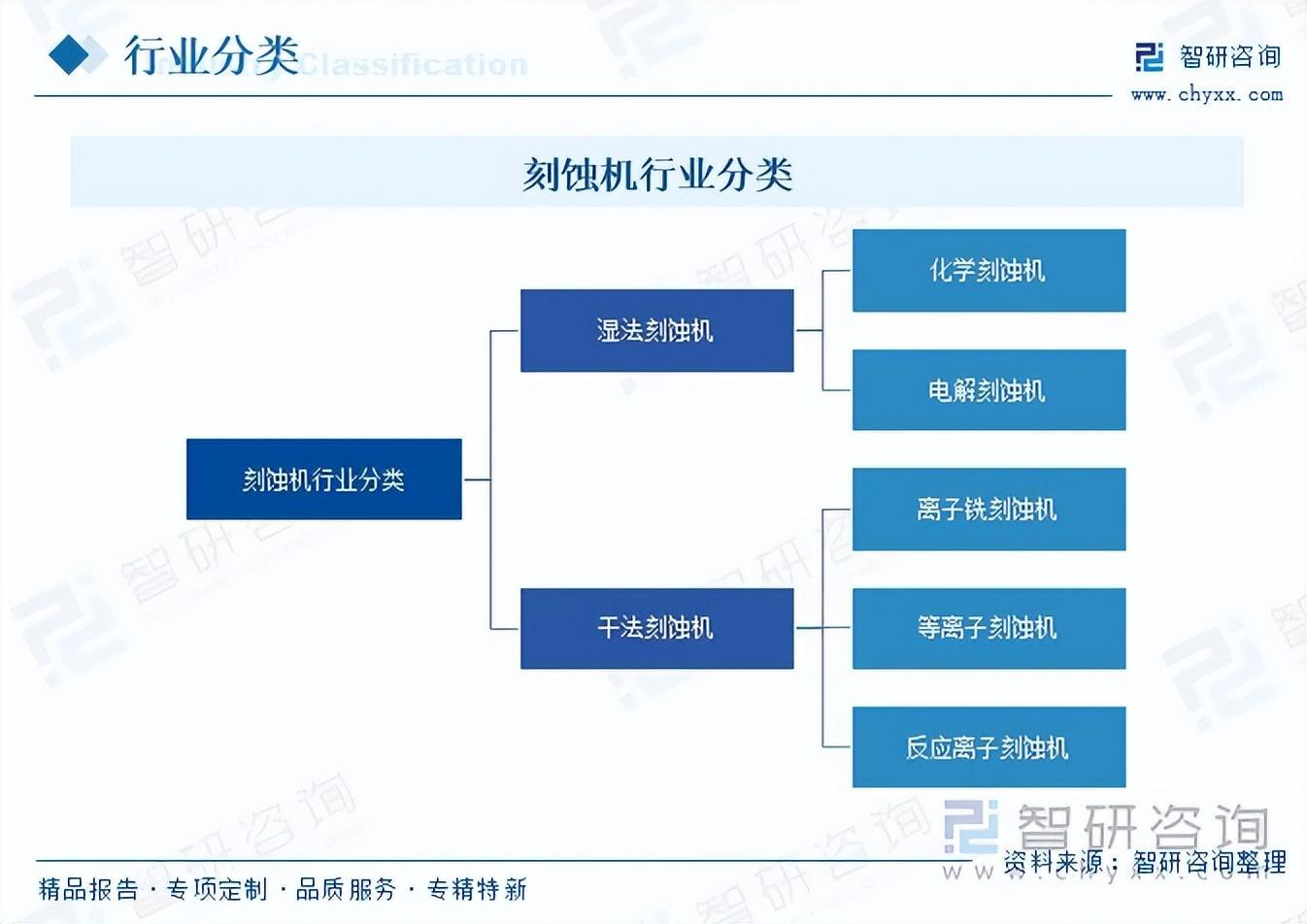
Core Insights - The global etching machine market is experiencing growth, with a market size of approximately $14.82 billion in 2023, representing a year-on-year increase of 5.93%. The market is projected to reach $15.65 billion in 2024 and $16.48 billion in 2025 [3][23][20]. Etching Machine Industry Definition and Classification - Etching machines are essential tools in semiconductor manufacturing, utilizing chemical reactants and physical energy to remove material from surfaces to create fine structures. They are primarily classified into wet etching machines and dry etching machines, with wet etching further divided into chemical and electrochemical etching, and dry etching into ion milling, plasma etching, and reactive ion etching [20][23]. Current Development Status of the Etching Machine Industry - The etching machine industry is crucial for manufacturing semiconductor devices, photovoltaic cells, and micro-mechanical systems. The market has shown a consistent upward trend in recent years, with significant growth expected in the coming years [3][23]. Etching Machine Industry Supply Chain - The supply chain for the etching machine industry consists of upstream components such as pre-vacuum chambers, etching chambers, gas supply systems, and vacuum systems. The midstream involves the manufacturing and system integration of etching machines, while the downstream applications include micro-electromechanical systems (MEMS), advanced packaging, and nanotechnology in semiconductor, optical, and electronic industries [5][25]. Development Environment and Relevant Policies - The etching machine industry is supported by various government policies aimed at enhancing the semiconductor manufacturing sector. Recent policies include initiatives to promote the development of high-end semiconductor manufacturing materials and equipment, as well as plans to strengthen the domestic semiconductor supply chain [7][27]. Industry Barriers - The etching machine industry has high entry barriers, primarily due to technological complexity, significant capital requirements, and the need for customer recognition. These barriers make it challenging for new entrants to compete effectively [11][31]. Competitive Landscape of the Etching Machine Industry - The etching machine market is characterized by high concentration and intense competition. Major global players include Lam Research, TEL, and AMAT, which dominate the market with advanced technologies and extensive product lines. Domestic companies such as Northern Huachuang, Zhongwei Company, and Yitang Semiconductor are emerging as leaders in the industry, leveraging their R&D capabilities [11][31][34].


766亿港元!无锡传奇父子今日再敲钟,人手一个IPO
Xin Lang Cai Jing· 2026-02-11 10:33
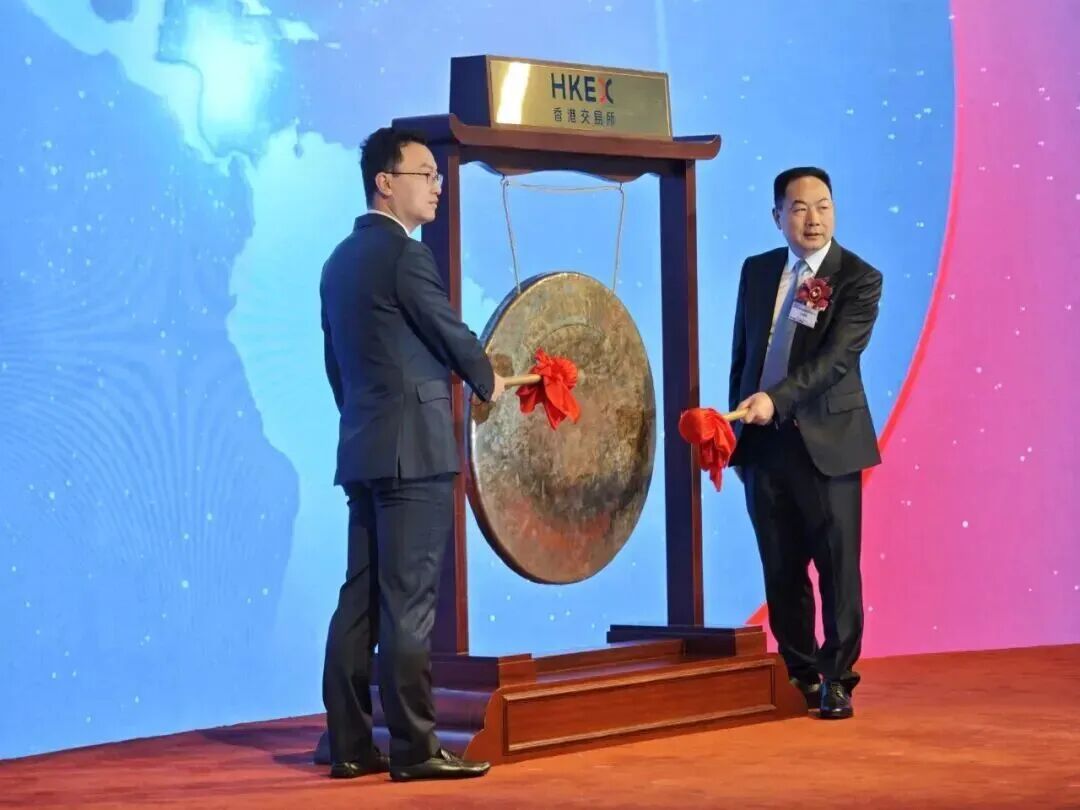
Core Insights - Wuxi Xian Dao Intelligent Equipment Co., Ltd. successfully listed on the Hong Kong Stock Exchange on February 11, raising a net amount of HKD 4.8 billion with a market capitalization of approximately HKD 76.6 billion [2][43] - The company forecasts a net profit of between RMB 1.5 billion and RMB 1.8 billion for 2025, representing a year-on-year growth of 424.29% to 529.15% [2][43] - The founders, Wang Yanqing and his son Wang Lei, each have their own IPO, with a combined market value exceeding RMB 120 billion [3][44] Company Overview - Xian Dao Intelligent was founded by Wang Yanqing, who started his career in a small warehouse and later transformed the company into a leading player in the global new energy equipment market [12][53] - The company has become the largest supplier of lithium battery, photovoltaic, and hydrogen energy equipment, maintaining a leading market share in the new energy equipment sector [12][53] - As of 2022, the company employed nearly 20,000 people, with over 5,000 in R&D, and holds more than 2,400 authorized patents [12][53] Historical Background - Wang Yanqing was born in 1966 in Wuxi and began his career as an assistant engineer before starting his own business in 1999 [6][48] - The company was officially established in 2002 and began scaling operations, eventually becoming a key supplier for major international brands like Panasonic and Tesla [10][51] - In 2015, the company went public on the Shenzhen Stock Exchange, achieving a peak market value of RMB 130 billion [12][51] Wang Lei's Journey - Wang Lei, the son of Wang Yanqing, took a different path by establishing Jiangsu Weidao Nano Technology Co., Ltd., which went public in 2022 [14][56] - Under Wang Lei's leadership, the company has seen significant growth, particularly in the semiconductor and photovoltaic sectors, with a 2.96-fold increase in new orders in 2023 [19][60] - The company has achieved a market value of RMB 36.25 billion as of February 10, 2026 [21][62] Economic Impact - The success of Wang Yanqing and Wang Lei reflects the evolution of Wuxi's private economy, showcasing resilience and innovation in high-end manufacturing [3][44] - Their entrepreneurial journeys illustrate the transition from grassroots enterprises to global leaders in the new energy sector, embodying the spirit of Wuxi's business community [24][65]
技术新突破 | 海目芯微成功研制12英寸碳化硅单晶晶锭
Xin Lang Cai Jing· 2026-02-11 10:32
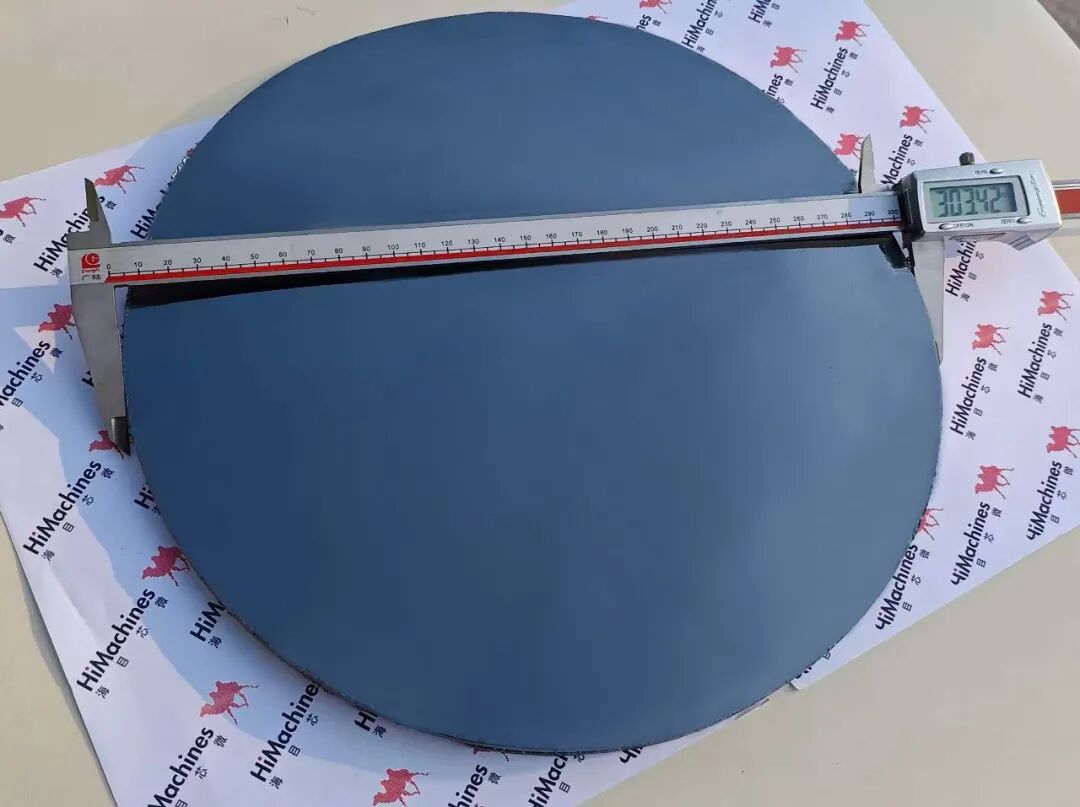
Core Viewpoint - The company has achieved a significant milestone by successfully developing a 12-inch silicon carbide (SiC) single crystal ingot, demonstrating full autonomy in the technology chain for 6, 8, and 12-inch crystal growth [1][9]. Group 1: Technological Advancements - The company has controlled the defect rate of the 8-inch SiC crystal growth process to a stable value and has now made breakthroughs in 12-inch crystal growth technology [1][9]. - By enhancing thermal field lifespan and reducing power consumption, the company has significantly lowered the cost of crystal growth [3][11]. - The successful development of the 12-inch ingot involved overcoming complex internal thermal gradients and radial temperature fields, ensuring high-quality SiC single crystal production [5][13]. Group 2: Strategic Focus - The company is focusing on addressing core challenges in crystal growth and substrate processing to break through technological barriers and build core competitiveness through continuous innovation [7][15]. - The company aims to drive sustainable development by leveraging its technological innovations and industrial advancements [15]. Group 3: Company Overview - Shenzhen Haimeixin Microelectronics Equipment Technology Co., Ltd. was established in March 2021 and is a subsidiary of Haimeixing Laser [8][16]. - The company has a strategic layout with a headquarters in Shenzhen and production bases in Chengdu and Jiangxi, covering 14,000 square meters for efficient equipment mass production [16]. - The company operates in four core areas: ultra-fast laser equipment for display panels, micron-level lithography equipment, third-generation semiconductor (SiC) equipment, and other laser equipment [16].

中微公司董事长尹志尧减持股份,股价短期承压但基本面支撑仍存
Jing Ji Guan Cha Wang· 2026-02-11 09:24
Core Viewpoint - The recent share reduction by the chairman of the company due to personal tax arrangements may exert short-term pressure on market sentiment and stock prices, but the company's strong business growth and industry-leading position provide long-term value support [1]. Executive Changes - Since February 2026, the chairman and general manager has repeatedly reduced his shareholding through centralized bidding, including reductions of 30,000 shares at an average price of 350.88 CNY/share on February 9, 2026, 14,000 shares at 354.46 CNY/share on February 6, 2026, 22,000 shares at 350.86 CNY/share on February 4, 2026, and 32,000 shares at 345.11 CNY/share on February 3, 2026. These reductions are due to personal tax arrangements and do not exceed 0.046% of the total share capital, in line with prior disclosure plans [2]. Stock Price and Fund Performance - Following the reduction announcement, the company's stock price fell to 346.86 CNY on February 11, 2026, a decrease of 1.04% from the previous day, with a net outflow of 55.32 million CNY in main capital, indicating that the reduction event may exacerbate short-term selling pressure. The current price-to-earnings ratio stands at 113.48, significantly higher than the industry average, suggesting that executive reductions may amplify valuation correction risks [3]. Performance and Operating Conditions - The company's fundamentals show resilience, with revenue of 8.063 billion CNY in the first three quarters of 2025, representing a year-on-year growth of 46.40%. Revenue from thin-film deposition equipment reached 403 million CNY, a staggering increase of 1332.69%, and the acquisition of a CMP equipment manufacturer is expected to enhance the upstream process layout. Strong performance growth may partially offset the negative impact of the share reductions [4]. Institutional Perspectives - Despite recent reductions by some index funds, institutional ratings remain predominantly "buy" or "add," indicating that long-term confidence has not fundamentally wavered [5]. Industry Policy and Environment - The trend towards domestic production of semiconductor equipment is clear, and the company's technological leadership supports long-term value. However, attention should be paid to the potential diversion of investment focus due to the self-research wave in AI chips [6]. Future Development - Potential risks include further share reductions by major shareholders, which may suppress stock prices; concentrated executive reductions could trigger retail investor sell-offs, raising liquidity risks; and a slowdown in global semiconductor equipment capital expenditure growth may impact the company's order growth momentum. Overall, while the executive reductions may increase stock price volatility and capital outflow pressure in the short term, the company's fundamentals and industry prosperity still provide support [7].
研报掘金丨中邮证券:维持金海通“买入”评级,三温、大平台超多工位测试分选机持续放量
Ge Long Hui A P P· 2026-02-11 07:55
Core Viewpoint - The demand for semiconductor packaging and testing equipment is continuously growing, leading to significant sales increases for the company's testing sorting machines [1] Group 1: Company Performance - The company is expected to achieve a net profit attributable to shareholders of 160-210 million yuan in 2025, representing a year-on-year increase of 103.87%-167.58% [1] - The non-recurring net profit attributable to shareholders is projected to be 155-205 million yuan, with a year-on-year increase of 128.83%-202.64% [1] Group 2: Market Demand - The demand for testing sorting machines is driven by advancements in computing power, automotive applications, and advanced packaging [1] - The global System on Chip (SoC) testing machine market is expected to grow from 6.8-6.9 billion USD in 2025 to 8.5-9.5 billion USD in 2026 [1] - The storage testing machine market is projected to increase from 2-2.1 billion USD in 2025 to 2.2-2.7 billion USD in 2026 [1] Group 3: Product Synergy - The demand for sorting machines is expected to rise in tandem with testing machines, particularly in the finished product testing phase [1]
