
本地生活服务

Search documents
美团首款AI Agent产品“小美”公测 搭载自研模型
Zheng Quan Shi Bao Wang· 2025-09-12 09:27
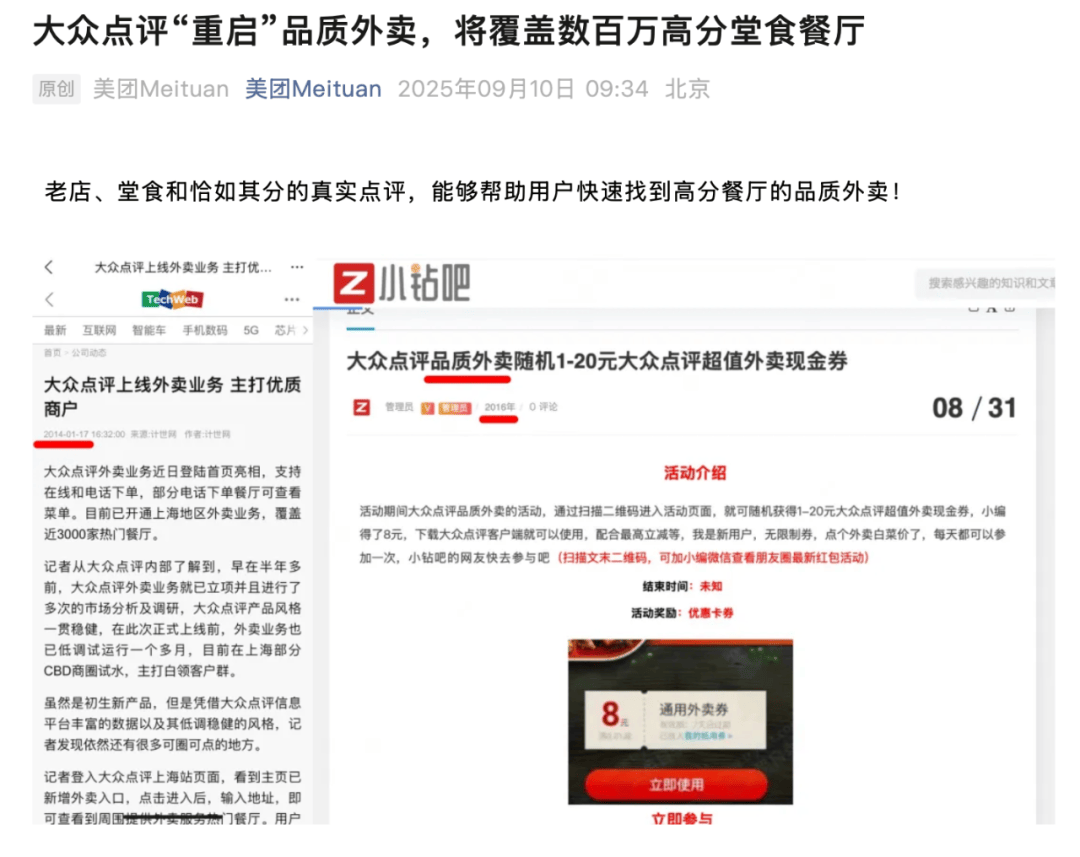
Group 1 - Meituan's first AI Agent product, "Xiao Mei" App, has officially launched public testing, utilizing the self-developed model LongCat-Flash-Chat for local life services [1][2] - "Xiao Mei" aims to provide a full-chain local life service experience, allowing users to place orders, receive restaurant recommendations, and navigate reservations through simple natural language interactions [1][2] - The product is designed to cater to a wide range of user needs, including those of elderly and children who may find it difficult to operate smartphones, emphasizing ease of use without complex interfaces [1][2] Group 2 - Future developments for "Xiao Mei" include deeper personalization and proactive services, aiming for comprehensive coverage of users' life scenarios [2] - Unlike traditional AI assistants, "Xiao Mei" is an independent C-end intelligent agent rather than a feature embedded within the Meituan App, focusing on serving users directly [2] - The launch of "Xiao Mei" comes at a critical time as competition in the local consumption sector intensifies among internet giants [2][3] Group 3 - Alibaba's release of the "Gaode Street Ranking" directly targets Meituan's "Dazhong Dianping," intensifying competition in the local life service market [3] - Meituan has responded by officially restarting its quality takeaway service, leveraging B-end self-developed models and real review data to enhance user decision-making [3] - The competitive landscape is shifting, with Meituan's ability to utilize AI and other new tools being a focal point for potential recovery in market positioning [3]

大众点评迎来对手高德
经济观察报· 2025-09-12 01:46
Core Viewpoint - Gaode Map aims to transition from being a mere navigation tool to becoming a key player in local consumption, leveraging its massive user traffic to connect offline services and enhance user experience in local life services [1][22]. Group 1: Product Development and Launch - In June, a secret team of over 20 product managers from Gaode was relocated to Alibaba's headquarters in Hangzhou to develop a new product called "Gaode Street Ranking," which was officially launched on September 10 [2][4]. - The "Gaode Street Ranking" is based on real user behavior data and incorporates the Sesame Credit system to filter out false reviews, ensuring the authenticity of the rankings [4][5]. - The ranking system competes directly with Meituan's "Must Eat List" and includes various categories such as food, attractions, and hotels, aiming to provide a more reliable evaluation system for users [4][13]. Group 2: Data and Evaluation Mechanism - The evaluation metrics for the "Gaode Street Ranking" rely on navigation behavior data, including arrival rates and repeat customer frequency, combined with user credit scores [5][7]. - The ranking updates in real-time based on user behavior, contrasting with Meituan's monthly updates, which rely on user-generated content [5][8]. - The team behind the ranking has expanded significantly, indicating the importance and urgency of the project, especially with the upcoming peak traffic during the National Day holiday [8][12]. Group 3: Competitive Landscape - The launch of the "Gaode Street Ranking" has intensified competition with Meituan, which responded by revamping its quality takeaway services and leveraging AI for better user decision-making [4][17]. - Gaode's strategy reflects a broader trend in the local service market, where platforms like Douyin are also increasing support for small businesses, indicating a competitive shift in the landscape [19][21]. - The rivalry is characterized by significant financial backing, with Gaode committing over 1 billion in subsidies to support local businesses, while Meituan also announced financial incentives for quality restaurants [17][18]. Group 4: Strategic Goals and Future Outlook - Gaode's long-term vision includes establishing a robust local service ecosystem that not only enhances user experience but also supports small and medium-sized businesses [21][27]. - The company aims to create a healthy consumption environment by promoting trustworthy services and businesses, thereby driving user engagement and satisfaction [21][26]. - Gaode's recent profitability indicates a successful pivot towards local services, contrasting with the ongoing losses in the competitive takeaway market, suggesting a more sustainable business model in the local consumption space [26][27].



阿里高德10亿补贴推“扫街榜”,本地生活大战烧向“到店”服务
Cai Jing Wang· 2025-09-11 12:18
Core Insights - Alibaba is leveraging its high-frequency traffic and platform advantages through the launch of the "Gaode Street Ranking" to penetrate the local lifestyle market, aiming to reshape the credit system based on user behavior data [1][4][9] - The competition in the local lifestyle sector is intensifying, with Meituan quickly responding by revamping its quality takeaway services and enhancing its user trust through AI and real reviews [7][8] Group 1: Alibaba's Strategy - The "Gaode Street Ranking" aims to create a non-manipulable ranking system that integrates user behavior and credit scores, addressing the long-standing issues faced by restaurant businesses regarding review credibility [2][4] - The ranking system will consider factors such as navigation visits, repurchase rates, and user demographics, with plans to introduce more niche rankings in the future [2][3] - Alibaba's previous attempts in the local lifestyle market have not significantly challenged Meituan's dominance, but the integration of Gaode's capabilities may provide a new opportunity for growth [4][9] Group 2: Competitive Landscape - Meituan has responded to the launch of the Gaode Street Ranking by reintroducing its quality takeaway service, emphasizing AI-driven real reviews and offering substantial consumer coupons [7][8] - The competition is not limited to Alibaba and Meituan; Douyin has also entered the local lifestyle market, achieving significant transaction volumes and posing a challenge to both companies [8][9] - Analysts suggest that both companies need to differentiate their services to avoid a homogenized user experience, as they both aim to optimize their respective ecosystems [9]
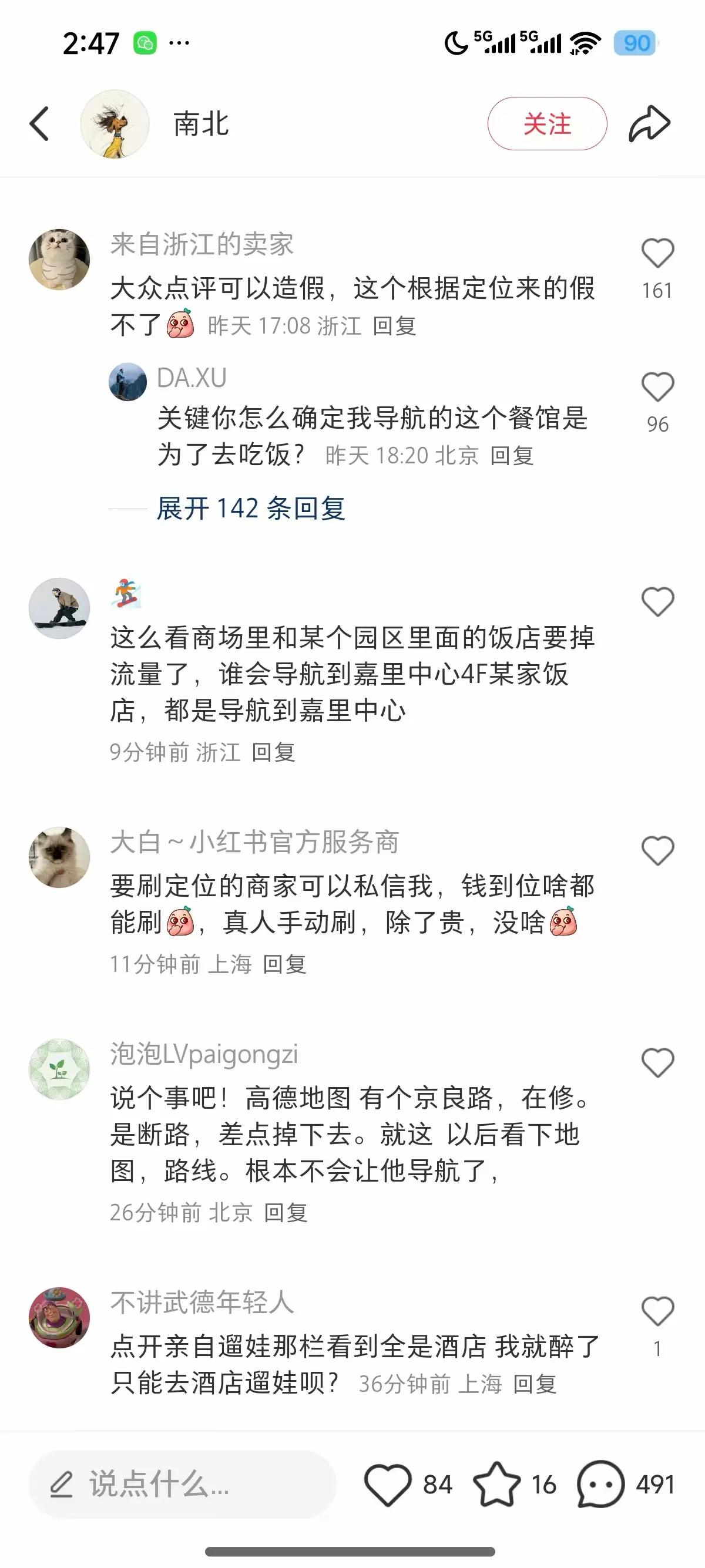
大众点评失去“大众”,高德扫街榜精准“点穴”美团
Sou Hu Cai Jing· 2025-09-11 11:52
Core Insights - The launch of Gaode's "Street Scanning List" represents a significant shift in the local service credit system, aiming to support offline dining and service consumption [1][26] - Meituan's reintroduction of Dazhong Dianping's quality takeaway service indicates a defensive strategy against Gaode's new offering, highlighting the competitive landscape in local services [1][2] Company Strategies - Gaode's "Street Scanning List" utilizes user behavior data to create a credible ranking system, contrasting with Dazhong Dianping's perceived decline in trustworthiness [18][19] - Meituan's reliance on Dazhong Dianping for revenue generation remains strong, despite the latter's reduced visibility and user engagement [5][7] - The competitive dynamics are shifting, with Gaode's focus on authenticity and user-generated data posing a direct challenge to Meituan's established market position [24][26] Market Positioning - Dazhong Dianping, once a leading UGC platform, has seen its influence wane post-acquisition by Meituan, which has gradually diminished its independent identity [3][12] - Meituan's market share in the takeaway segment is projected to be 65% in 2024, down from 74% in 2020, indicating a slight contraction but still maintaining a dominant position [8] - Gaode's strategy includes free merchant entry and AI-driven authenticity checks, aiming to create a more equitable platform for businesses compared to Meituan's fee structure [24][25] Consumer Trust and Engagement - The erosion of consumer trust in Dazhong Dianping is evident, with users increasingly skeptical of the platform's ratings and reviews, leading to a search for alternative dining recommendations [12][16] - Gaode's approach to integrating user navigation and behavior data into its ranking system aims to restore credibility in local service evaluations [19][25] - The shift towards a more transparent and user-driven evaluation system could redefine consumer engagement in the local services market [26]
摩根士丹利:电商中更看好阿里,“高德扫街榜”将重塑本地生活竞争格局
美股IPO· 2025-09-11 11:29
Core Viewpoint - Morgan Stanley believes that the launch of the "Gaode Street Ranking" by Alibaba is a clear signal of the company's renewed focus on the in-store business, which is expected to lead to more related services and products being launched, potentially increasing its market share in the local life services sector [1][3][10]. Summary by Sections Alibaba's Strategy - The "Gaode Street Ranking" is seen as a strategic move to compete directly with Meituan and Dianping, reshaping the competitive landscape in local life services [3][4]. - Alibaba's expansion in the local services sector may extend on-demand service competition into in-store services, putting further pressure on Meituan's profit margins [4][11]. User Engagement and Growth - Gaode Map, as China's largest navigation app, has nearly 200 million daily active users (DAU), providing a natural traffic entry point for Alibaba's in-store services [5]. - In August, Alibaba's monthly active users (MAU) grew by 25% year-on-year, indicating strong user engagement [8]. Financial Projections - Morgan Stanley has lowered its long-term profitability forecast for Meituan's in-store business from 2.5% to 2% due to increased competition from Alibaba [12]. - Meituan's core local business is expected to incur an operating loss of 10 billion yuan in Q3, with a significant decline in profitability projected for the 2025 fiscal year [12]. Investment Preferences - Morgan Stanley ranks Alibaba as the top preference among Chinese e-commerce giants, citing its cloud business as a leading AI enabler and anticipating continued double-digit growth in its core e-commerce customer management revenue [13]. - Despite the intensifying competition in local life services, Alibaba is expected to gain a larger share of this rapidly growing market due to its technological capabilities, user base, and financial investment capacity [14].

高德扫街榜上线,美团&大众点评压力山大?
Qi Lu Wan Bao· 2025-09-11 10:58
Core Viewpoint - Alibaba's Gaode Map has launched the "Gaode Street Ranking," which is expected to significantly impact competitors like Meituan and Dazhong Dianping in the local service market [1][5]. Group 1: Gaode Street Ranking Features - The new feature includes various information categories such as "Top Performers," "Street Rankings," "Popular Check-ins," and "City Guides," covering food, attractions, hotels, and more, with comprehensive merchant ratings and rankings [1]. - The ranking system is based on real user behavior, utilizing data from 42.05 million users and 910 million navigation instances over the past year, focusing on 1.18 million stores [3]. Group 2: Unique Evaluation System - Gaode's evaluation system incorporates user ratings and Alipay credit scores, making merchant credit status a crucial evaluation dimension, which addresses issues like fake reviews prevalent in traditional platforms [5]. - The launch includes a "Good Store Support Plan," offering over 1 billion yuan in subsidies to encourage consumer visits to physical stores, aiming to increase daily foot traffic by 10 million [5]. Group 3: Competitive Response - On the same day as the Gaode Street Ranking launch, Meituan announced the relaunch of its "Quality Takeaway" service, leveraging its self-developed model and high-rated restaurants to enhance its competitive edge [5]. - Dazhong Dianping is also issuing 25 million various types of large consumption coupons and has onboarded numerous high-rated restaurants to strengthen its market position [5][6]. Group 4: Market Dynamics - Dazhong Dianping has built a substantial user base and merchant resources over the years, but faces challenges such as fake reviews and overly commercialized content, which could provide opportunities for competitors [6]. - The competition in the local service market is expected to intensify, raising questions about whether Meituan and Dazhong Dianping can maintain their positions against the new Gaode Street Ranking [6].

阿里向美团发起全面进攻
商业洞察· 2025-09-11 09:24
Core Viewpoint - Alibaba and Meituan have initiated a new competitive front, with Alibaba's Gaode Map launching the "Gaode Street Ranking," a behavior-based ranking system aimed at supporting offline dining and service consumption, emphasizing that the ranking will "never be commercialized" [4][6]. Summary by Sections Gaode "Street Ranking" Implementation - Gaode's approach leverages large-scale verifiable "behavior data," with 170 million daily users contributing to a sample pool through searches, collections, navigation, and visit trajectories [11]. - Key factors include store visit numbers, repurchase rates, purpose-driven visits, and local versus national appeal, which differ from traditional UGC reviews that rely on subjective ratings [11]. - The ranking system incorporates a credit evaluation weighted by Sesame Credit and employs AI risk control to filter noise, with various rankings updated daily based on dynamic data [11]. Commercial Intentions Behind the Ranking - The ranking aims to rebuild trust by establishing a new standard based on trajectories and credit, transforming "good stores" into reusable credit assets [12]. - Gaode seeks to expand its offline entry points, with daily searches exceeding 120 million and restaurant coverage over 7 million, transitioning from a "tool" to a "decision-making" platform [12]. - The initiative includes a "Good Store Support Plan" with over 1 billion yuan in subsidies and incentives to drive foot traffic to stores, indicating a direct intervention in offline consumption [12]. Competitive Landscape with Meituan - The Gaode Street Ranking fits into Alibaba's broader strategy to compete with Meituan, with Taobao Flash Sale corresponding to Meituan's delivery services, and Fliggy targeting Meituan's travel segment [17][18]. - Taobao Flash Sale combines e-commerce with instant fulfillment, leveraging Alibaba's supply chain to address Meituan's SKU breadth and product strength [18]. - Fliggy aims to integrate e-commerce advantages into travel services, potentially enhancing Alibaba's competitiveness in the travel sector against Meituan [19]. Strengths and Weaknesses of the Ranking System - The ranking's strength lies in its reliance on actual consumer behavior, providing a more accurate reflection of popularity compared to traditional review systems [20]. - However, the data may not always lead to correct consumption decisions, as trending restaurants may not necessarily offer quality food [20]. - Meituan's advantages remain in delivery density and community engagement, but if Gaode's standards gain traction, Alibaba could increasingly challenge Meituan's market position [20].

中食民安(08283)计划将业务范围拓展至数字化本地生活服务领域
智通财经网· 2025-09-11 09:20
Core Viewpoint - The company is expanding its business into the digital local life service sector to capitalize on growth potential brought by new economic trends and technological advancements [1][2] Group 1: Business Expansion - The company plans to leverage digital means to empower merchants and reshape the ecosystem, focusing on the integration of AI, dining, retail, cultural tourism, and trendy IP resources [1] - The new business initiative aims to address traditional merchants' pain points in digitalization, response speed, and precision marketing through new media operations and digital tools [1][2] Group 2: Technological Innovation - The company is set to launch an AI-integrated smart wine cabinet within the year, marking a significant breakthrough in industrial digital innovation [1] - This smart wine cabinet will utilize a model of "intelligent interaction + scenario experience + data-driven operation," enhancing local life through multi-dimensional traffic empowerment [1] Group 3: Industry Impact - The integration of diverse advertising formats and AI-driven interactions is expected to usher in a new era of digital media, transforming the wine cabinet from a storage tool into a "mini-experience store + traffic entry + data terminal" [2] - This strategic expansion not only aims to maintain stable development of core businesses but also to create new growth curves, injecting new vitality into the local life industry ecosystem [2]
阿里兵临城下,美团迎来至暗时刻?
3 6 Ke· 2025-09-11 08:40
Core Insights - The main challenge for Meituan is not the aggressive competition from Alibaba and Douyin, but rather its ability to break path dependence and find its position in the new round of "platform migration" [1][15][16] Group 1: Competitive Landscape - Alibaba's launch of the "Gaode Street Ranking" aims to establish a new credit system for offline services, posing a significant threat to Meituan's core business [1][9] - The competition in the flash purchase market has intensified, with major players like JD and Taobao aggressively advertising, impacting Meituan's market position [2][3] - Meituan's net profit has decreased by 89% year-on-year, despite record user transaction frequency and peak order volumes in instant retail [3][4] Group 2: Business Performance - Meituan's in-store business saw over 40% year-on-year growth in order volume during Q2 2025, indicating a potential area for recovery despite challenges in the flash purchase sector [3][4] - The in-store and travel business contributed significantly to Meituan's operating profit, with a reported operating profit of 141 billion yuan, which is 2.27 times that of its takeaway business [3][4] Group 3: Strategic Challenges - The introduction of the "Gaode Street Ranking" could undermine Meituan's existing business model, particularly its in-store services, which are crucial for profitability [4][10] - Meituan faces a dilemma of either defending its current business or innovating to adapt to new market dynamics, as highlighted by the concept of the "in incumbents' dilemma" [12][13][15] - The need for Meituan to evolve and potentially create a new growth narrative is emphasized, as the existing business model may not suffice in the face of emerging competition [15][17]

每经热评︱ “外卖大战”升维,让“到烟火里去”成为全民共识
Mei Ri Jing Ji Xin Wen· 2025-09-11 08:36
每经评论员 付克友 9月10日,阿里巴巴推出"高德扫街榜",保密3个月的神秘项目,一出手就成了"王炸"。那句"出发,到 烟火里去"的口号,温情脉脉,充满号召力和吸引力。 守护烟火,需要重构平台与商家的共生环境。曾几何时,平台依赖高额补贴与流量倾斜争夺市场,许多 中小商家陷入"抽成高、流量贵、利润薄"的生存困境。新的竞争逻辑下,平台应该是公平经营环境的构 建者,而不能继续成为流量的垄断分配者。 守护烟火,需要重建商家与消费者的信任关系。在一些生活服务平台上,刷单炒信、虚假点评、营销注 水等乱象普遍,严重破坏了商家与消费者之间的信任基础。这样的评价机制必须改变。当商家只需专注 提升产品与服务品质,便能通过真实消费行为积累声誉,消费者才能获得可信赖的决策参考,平台则重 新扮演起信任桥梁的角色。 值得注意的是,就在"高德扫街榜"发布前夕,市场监管总局今年第三次约谈主要外卖平台,相关平台承 诺"严守法律法规,杜绝不正当竞争,抵制恶性补贴,推动行业规范有序发展"。 "高德扫街榜"的推出正当其时,可以看作是"外卖大战"进入新阶段,在更高维度竞争的产物。它的本 质,是希望用真实的行为数据、良性的生态循环,来重塑本地生活服务的 ...