
玩具

Search documents
深夜大跳水!白银跌9% 黄金跌超4%;宇树首店将开业丨每经早参
Mei Ri Jing Ji Xin Wen· 2025-12-29 22:17
Market Overview - US stock indices experienced slight declines, with the Dow Jones down 0.51%, Nasdaq down 0.5%, and S&P 500 down 0.35% [5] - Major tech stocks mostly fell, with Tesla dropping over 3% and Nvidia down over 1% [5] - International oil prices rose significantly, with WTI crude oil up 2.01% at $57.87 per barrel and Brent crude up 1.96% at $61.42 per barrel [7] - Precious metals saw substantial declines, with spot gold down over $200, a drop of 4.36%, and spot silver down 9% [7] Company News - BYD clarified rumors regarding the launch of flying cars, stating there are no such plans [16] - BAIC's Baojun brand announced the launch of the Huajing S model in the first half of next year, featuring Huawei's technology [17] - SMIC plans to acquire a 49% stake in SMIC North for approximately 40.6 billion yuan, aiming to enhance its semiconductor capabilities [21] - China Eastern Airlines will offer free Wi-Fi on all domestic wide-body flights starting January 1, 2026, enhancing customer experience [23] - Vanke is expected to deliver approximately 117,000 homes this year, achieving about 70% of the delivery target for the past two years [25] - Huayi Brothers and its founders are facing legal and financial issues, with restrictions on high consumption due to a 74.73 million yuan enforcement case [27] Industry Developments - The logistics sector is set to benefit from a new standardization plan issued by six government departments, focusing on 101 national standards from 2025 to 2027 [9] - The advertising and business promotion expenses for certain industries will be tax-deductible up to 30% of annual sales revenue starting January 1, 2026 [10] - The People's Bank of China announced that digital yuan wallets will start earning interest from January 1, 2026, marking a shift towards a "digital deposit currency" era [11] - The price of weight-loss drugs, such as Eli Lilly's tirzepatide, has dropped significantly, with discounts nearing 50% in the market [12]


企业凭什么抢滩AI玩具赛道
Jing Ji Ri Bao· 2025-12-29 22:00
萌趣的毛绒公仔,能变换表情,陪用户聊天解闷;智能机器狗,既会唱歌跳舞讲故事、实时回答问题, 也是孩子的"成长搭子"……在消费市场中,这些能互动、能养成的AI玩具正受到越来越多消费者欢迎。 京东平台数据显示,2025年上半年,AI玩具销量环比增长6倍,同比增速超200%。 AI玩具火爆的背后是技术的突破,一些大模型技术日趋成熟,以及芯片、传感器等硬件成本下降等, 为玩具智能化与情感化提供了可行性;同时也反映了消费市场的变革,现代年轻人更愿意为"情 绪"和"依赖感"付费,AI玩具精准踩中消费者需求,为其提供个性化、沉浸式的学习、陪伴或娱乐体 验。 随着AI玩具赛道热度上升,资本蜂拥而至,创业者摩拳擦掌。据不完全统计,2024年至今,国内AI玩 具赛道至少超30起投融资事件,其中2025年以来的主要投融资就有16起,且不乏多起亿元级、千万元级 投资。同时,不少科技创新企业、传统玩具厂商、互联网科技公司等争相入局,试图取得一席之地。前 瞻产业研究院发布的报告显示,截至2025年6月,我国AI玩具存续/在业企业数量已经达到1766家。 热潮之下,AI玩具赛道隐忧也在显现。从产品设计来看,部分企业为AI而AI,热衷堆砌传 ...
广东21地市齐聚深圳揽才
Zhong Guo Jing Ji Wang· 2025-12-29 14:17
Group 1 - The "Million Talents Gathering in Nanyue" autumn recruitment fair was launched in Shenzhen, featuring over 7,000 job positions from Dongguan [1] - Dongguan's recruitment team showcased 332 key enterprises and institutions, including top scientific platforms and leading companies in various fields such as artificial intelligence and integrated circuits [1] - The China Spallation Neutron Source offered over 40 high-paying positions for PhD graduates, with annual salaries ranging from 400,000 to 500,000 yuan, focusing on cutting-edge areas like neutron physics and AI applications [1] Group 2 - Shantou, as a provincial sub-center city, organized 50 quality units with 1,595 job positions, emphasizing its commitment to attracting talent [2] - The Shantou recruitment team included 36 enterprises, covering advanced manufacturing, high-tech, healthcare, education, and cross-border e-commerce sectors [2] - The recruitment fair featured a city exhibition showcasing the characteristics, industrial clusters, technological achievements, and cultural ecology of 21 cities in Guangdong, providing an immersive experience for job seekers [2] Group 3 - The Shantou exhibition area highlighted the city's "three new, two special, and one big" industries, featuring a 4.3-meter tall model of the Long March 5B rocket made from 210,000 building blocks [3] - The exhibition presented six thematic sections, illustrating Shantou's transition from traditional manufacturing to smart innovation [3] - Since the implementation of the "Million Talents Gathering in Nanyue" action plan, Shantou has hosted 153 recruitment fairs, resulting in 39,800 job applications [3]
群兴玩具:2025年第二次临时股东会决议公告
Zheng Quan Ri Bao Zhi Sheng· 2025-12-29 13:09
Core Viewpoint - The company, Qunxing Toys, announced the approval of several key resolutions during its second extraordinary general meeting of shareholders for 2025, including the reappointment of the accounting firm and the extension of the validity period for specific A-share issuance resolutions [1] Group 1 - The company approved the resolution regarding the reappointment of the accounting firm [1] - The company extended the validity period of the resolution for the issuance of A-shares to specific targets for the year 2024 [1] - The company proposed to extend the authorization for the board of directors to handle matters related to the issuance of A-shares to specific targets [1]

“大孩子”为自己买玩具,撑起法国玩具市场逆势增长
Xin Lang Cai Jing· 2025-12-28 22:35
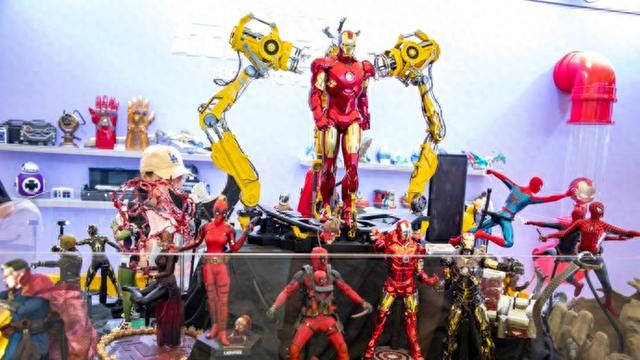
五年来罕见的增长水平"。 这批"大龄玩家"从新冠疫情时期涌现,在禁足期间借着拼图和填色书等消遣,开始"名正言顺"地给自己 买玩具。他们是"宝可梦"(Pokémon)卡牌、星球大战或漫威手办的收藏者,也是乐于和家人、朋友一 起玩桌游、拼图的社交玩家。 (来源:上观新闻) 在家庭消费低迷的背景下,法国玩具市场却展现了出人意料的活力,销售额出现"二十五年来罕见"的强 劲增长。而在逆势中撑起玩具市场的是一群有能力为自己爱好买单的"大孩子"们。 玩具业者称这一新兴客群为"kidultes"——12岁以上的青少年和成年人。据市场研究机构Circana统计, 面向12岁以上消费者的玩具销售额今年大涨22%。连锁玩具店JouéClub集团总裁博多兹称,这是"二十 原标题:《"大孩子"为自己买玩具,撑起法国玩具市场逆势增长 | 新民侨梁》 栏目编辑:梅璎迪 文字编辑:梅璎迪 来源:作者:欧时 研究机构JuniorCity近期发布的调查显示,在13至55岁人群中,有47%会为自己购买玩具或收到过玩具 礼物,人均拥有12件玩具。20至55岁的"kidultes"为自己购买玩具的投入每年接近200欧元,其中26至35 岁男性尤其舍得 ...
抢滩1500亿市场,卡牌巨头的第二增长曲线
2 1 Shi Ji Jing Ji Bao Dao· 2025-12-27 03:09
Core Insights - The article highlights the unexpected success of KAYOU, a leading card game manufacturer in China, in the stationery market, particularly with its neutral pens that have received positive user feedback [1][4] - The rise of KAYOU's pen products reflects a broader trend in the Chinese market towards consumption upgrades, where consumers seek products that combine aesthetic appeal and practical functionality [1][3] Group 1: Market Trends - The Z generation's consumption preferences have shifted from "cost-performance ratio" to "emotional value," emphasizing the importance of obtaining emotional satisfaction from purchases [2] - The stationery market in China is projected to reach a scale of 132.2 billion yuan in 2024, showing significant growth from 71.2 billion yuan in 2019, with expectations to exceed 150 billion yuan by 2025 [5] Group 2: KAYOU's Strategy - KAYOU's strategy involves deep development of its IP (intellectual property) in its card products, enhancing aesthetic appeal and offering diverse gameplay, which has become a symbol of identity for consumers [3][4] - The company has successfully integrated its brand identity with quality stationery products, leveraging its established IP connections to penetrate the stationery market [4][5] Group 3: Product Quality and Production - KAYOU's neutral pens are produced with high precision, requiring 5-6 sets of molds and over 1,000 high-precision parts, ensuring superior product quality [8] - The production process includes 24 steps for the pen tip alone, which helps prevent issues like ink skipping, thereby enhancing user experience [8] Group 4: Distribution and Marketing - KAYOU has built a robust retail distribution network that includes supermarkets, specialty stores, and campus shops, facilitating effective product placement and consumer reach [9] - The company has developed a mature online marketing system that supports social media promotion and sales for its stationery products, aligning with the preferences of the Z generation [9][10] Group 5: Brand Positioning - KAYOU aims to establish a strong brand identity that resonates with young consumers, focusing on high-quality, stylish, and emotionally engaging products [9][10] - The company’s approach combines aesthetics, functionality, and emotional value, positioning it well in the evolving consumer landscape [10]
星辉娱乐:2025年前三季度公司实现营业总收入17.27亿元
Zheng Quan Ri Bao· 2025-12-26 14:11
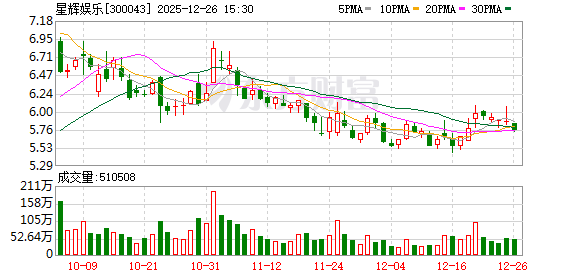
证券日报网讯 12月26日,星辉娱乐在互动平台回答投资者提问时表示,2025年前三季度,公司实现营 业总收入17.27亿元,较上年同期增长67.03%;实现归属于上市公司股东的净利润2.68亿元,较上年同 期实现扭亏为盈。 (文章来源:证券日报) ...

人民币破7!打工人海淘狂省,出口厂却哭晕在厕所
Sou Hu Cai Jing· 2025-12-26 02:27
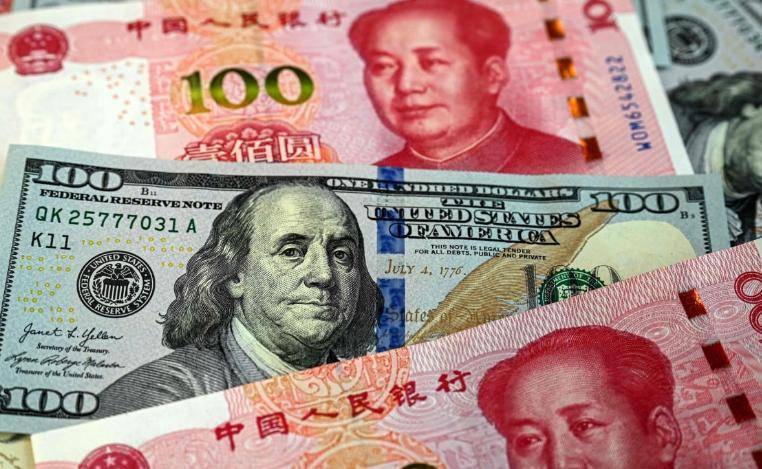
Group 1 - The offshore RMB exchange rate broke the 7.0 mark for the first time in 15 months, reaching a high of 6.9965, causing mixed reactions among different sectors of the economy [1][3] - The appreciation of the RMB is attributed to the expectation of interest rate cuts by the Federal Reserve, a record trade surplus exceeding $1 trillion, and significant foreign capital inflows into A-shares, with net inflows exceeding 150 billion [3][6] - For ordinary citizens, the stronger RMB translates to lower costs for overseas expenses, with the cost of exchanging $10,000 decreasing by nearly 1,700 yuan compared to the beginning of the year [3][6] Group 2 - Export-oriented businesses, particularly in labor-intensive sectors like textiles and toys, are facing significant challenges, with profit margins severely impacted by the RMB's appreciation [6] - The shift in China's foreign trade structure indicates a move away from relying on currency devaluation to boost exports, focusing instead on technology, branding, and added value, with new energy vehicles and solar components showing growth [6][8] - The recent RMB appreciation reflects the resilience of the Chinese economy and serves as a push towards high-quality development, highlighting the need for industries to adapt and upgrade [8]
没等中国出手,美国就送印度上绝路:这一次把印度制造打成筛子!
Sou Hu Cai Jing· 2025-12-25 11:46
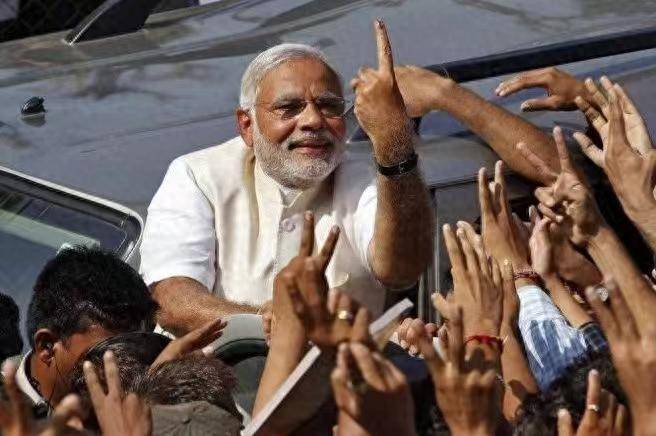
Core Insights - The imposition of a 50% tariff on Indian toys by the Trump administration has severely impacted India's toy manufacturing industry, leading to significant order cancellations and unsold inventory [1][3][5] - India's aspirations to replace China as a major toy manufacturing hub have been dashed by these tariffs, revealing the harsh realities of global supply chain dynamics [1][10] Group 1: Impact of Tariffs - The tariffs have resulted in the cancellation of $15 million in new orders and left $20 million worth of Christmas toys unsold in warehouses [1][3] - The factory owner, Vijendra Babu, described the situation as a "pause button," with expected growth of 40% now turning into a projected decline of 15% [5] - The tariffs have affected not just individual companies but have exposed the vulnerabilities of India's manufacturing sector in the context of global trade [10] Group 2: India's Toy Industry Performance - Despite a reported 239% increase in toy exports from 2022 to 2023 compared to 2014 to 2015, India's actual global market share remains minimal at approximately $100 million, compared to China's $11 billion and Vietnam's $3 billion [7][8] - The Indian toy industry is heavily reliant on imports for key components, indicating a lack of competitiveness in the global market [8][9] Group 3: Future Prospects and Strategies - Indian toy manufacturers are exploring strategies to adapt to the new tariff environment, including focusing on the domestic market and collaborating with competitors to share production facilities [14] - Long-term success for India's manufacturing sector hinges on building a complete supply chain and reducing dependency on Chinese imports, alongside enhancing technological innovation [14][10] - The ongoing global supply chain reorganization is favoring Southeast Asian countries, which are attracting investments that could have otherwise gone to India [10][11]
2025大湾区AI玩具创新发展大会举办
Zhong Guo Jing Ji Wang· 2025-12-25 08:06
据悉,此次大会是响应"人工智能+"战略、落实《广东省加快推动人工智能赋能玩具产业行动方案 (2025-2027年)》的具体实践。走进AI产品及技术展示区,从搭载情感识别功能的陪伴机器人,到融合 AR技术的沉浸式教育玩具,再到基于大模型的智能交互玩偶,一件件展品诠释了科技对玩具定义的重 塑,展现了AI玩具产业在技术创新与场景应用方面的成果。"别看它只是一个小玩偶,它也可以成为人 类身边愿倾听、懂陪伴、共成长的伙伴。"在镜象科技展台,公司联合创始人黎志杰在向现场观众介绍 他们与巴博智能联合推出的全球首款AI心理疗愈玩偶Bao-ao(抱抱)时说,"传统玩具搭载的模型共情 力差、安全性低、价值单一,Bao-ao搭载了镜象M1心理大模型,基于千万级真实对话数据训练,能精 准识别人类情绪波动,懂倾听、会聊天;启动沉浸式冥想模式后,可以通过播放内置自然界白噪音与引 导呼吸节奏等方式,帮助人类快速抽离杂乱思绪,找回内心安宁;还能以助眠音乐与个性化心理干预手 段,帮助人类科学调节睡眠节律。" 由广东省工业和信息化厅指导,广东省玩具协会、深圳市玩具行业协会联合主办的2025大湾区AI玩具 创新发展大会日前在深圳举办。本次大会以" ...