
电子信息

Search documents
“中国最强县”昆山2025年预计完成地区生产总值约5600亿元
Xin Lang Cai Jing· 2026-01-19 04:45
中新网苏州1月19日电 (记者 钟升)昆山市第十八届人民代表大会第五次会议18日召开。会上公布,昆山 市2025年预计完成地区生产总值5600亿元左右,一般公共预算收入465亿元,规上工业总产值超1.3万亿 元,进出口总额达8248亿元。 同时,昆山扎实推进乡村振兴,新增高标准农田2.1万亩,耕地总量连续5年净增长,粮食总产量超2.6亿 斤。新增省级特色田园乡村3个、宜居宜业和美乡村12个。村均经营性收入超750万元。 昆山市市长范建青表示,新的一年,昆山将重点抓好推动经济运行更加稳健、推动产业体系更加完备、 推动创新动能更加强劲、推动改革开放更加深入、推动城乡发展更加协调、推动群众生活更加幸福、推 动社会治理更加高效七个方面的工作,实现"十五五"良好开局。(完) 昆山是中国工业总产值"万亿俱乐部"中的首个县级市。2025年,昆山市完成工业投资304.9亿元,占固 定资产投资比重提升至38.7%。战略性新兴产业、高技术制造业产值占比分别提高至62%和65.6%,人工 智能核心产业规模超800亿元。 作为长三角的外贸"重镇",昆山2025年对东盟进出口增长12.3%,对"一带一路"共建国家和地区进出口 占比提升 ...
昆山市两大主导产业整体破万亿
Su Zhou Ri Bao· 2026-01-19 00:31
Core Insights - Kunshan aims to achieve a GDP of approximately 560 billion yuan by 2025, with growth rates surpassing those of Suzhou and the provincial average [1] - The city has experienced an average GDP growth of 5.5% over the past five years, with its main industries, electronic information and equipment manufacturing, exceeding a combined output of 1 trillion yuan [1] - Kunshan's industrial output has consistently increased, averaging a growth rate of 7.7% and crossing four thresholds of 100 billion yuan [1] Group 1: Economic Development - The city is transitioning its main industries from "pen chain" to "fruit chain" and "vehicle chain," while also expanding into "intelligent chain" sectors [1] - Emerging industries such as artificial intelligence, high-end food, and low-altitude aircraft are rapidly developing, with over 4,000 technology-based SMEs and 3,500 national high-tech enterprises [1][2] - Kunshan has been recognized as one of the first innovative counties (cities) in China and has been awarded "China's Best Talent City" for three consecutive years [1] Group 2: Industrial Innovation - Kunshan is advancing its "2+3+3" emerging industry system, with strategic emerging industries and high-tech manufacturing accounting for 62% and 65.6% of total output, respectively [2] - The core industry of artificial intelligence has surpassed 80 billion yuan in scale, indicating significant growth in this sector [2] - The city has established 22 new provincial-level smart factories, 35 green factories, and 27 enterprise technology centers, showcasing its commitment to green development [2] Group 3: Business Environment - The "Kun Ruyi" brand is leading the optimization of the business environment, with precise policies such as "enjoy without application" resulting in over 14 billion yuan in tax reductions and fee cuts [2] - By 2025, Kunshan plans to add 44,000 new business entities, including over 2,900 industrial enterprises, and update more than 6,000 acres of industrial land [2] - The city aims for a GDP growth of over 5% in 2023, with industrial output and resident income growth aligned with economic growth [3]
瞄准重点产业 “蓉漂人才荟”杭州引才
Xin Lang Cai Jing· 2026-01-18 17:25
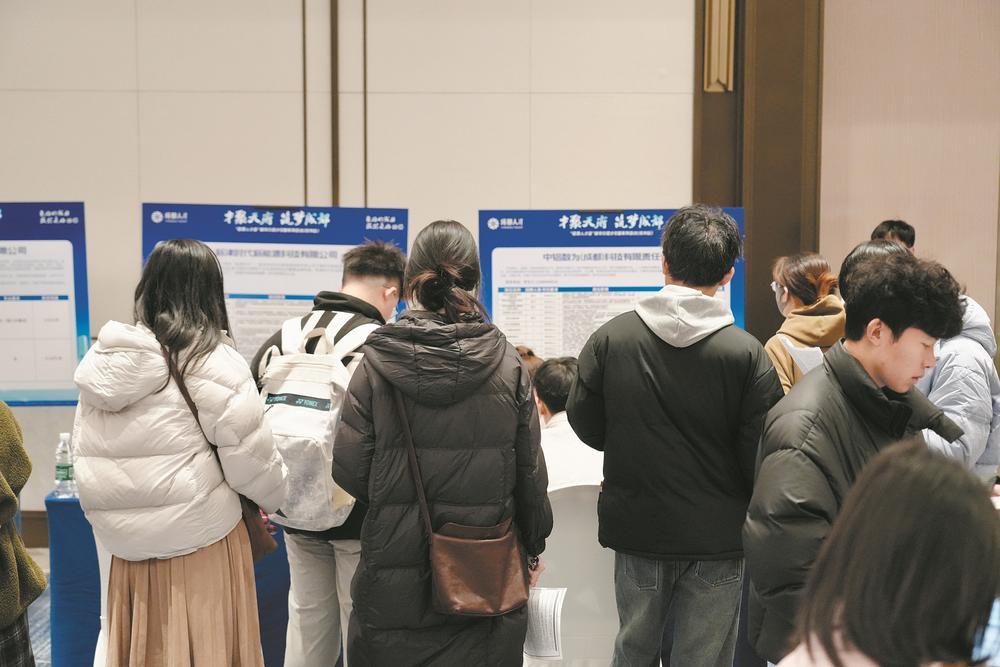
Group 1 - The "Rongpiao Talent Fair" in Hangzhou aims to attract talent to Chengdu, featuring over 50 employers offering 277 quality job positions, facilitating direct interaction between talent and urban development needs [1] - The recruitment event focuses on key sectors such as artificial intelligence, software, information services, advanced energy, and new materials, with significant participation from state-owned enterprises, research institutions, and private companies [2][3] - High-paying positions include AI Chief Scientist with a maximum salary of 1 million yuan per year, reflecting the demand for skilled professionals in the AI and robotics sectors [2] Group 2 - The afternoon session of the job fair emphasizes advanced energy and new materials, with job openings for lithium battery R&D engineers and new energy storage materials researchers, targeting candidates with practical project experience [3] - The event also features a job service area and policy consultation zone, providing candidates with information on various talent policies, enhancing the efficiency and precision of their job search [5] - The ongoing recruitment activities will include city promotion, project matching, and immersive experiences to showcase Chengdu's development opportunities and urban appeal to talent from the Yangtze River Delta [5]

新材料产业周报:三星显示正式启动第8.6代OLED面板量产,力鸿一号圆满完成亚轨道飞行试验-20260118
Guohai Securities· 2026-01-18 12:21
Investment Rating - The report maintains a "Recommended" rating for the new materials industry [1] Core Insights - The new materials sector is positioned as a crucial direction for the chemical industry, currently experiencing rapid growth in downstream demand. With policy support and technological breakthroughs, domestic new materials are expected to accelerate into a long-term growth phase. The report emphasizes that "one generation of materials leads to one generation of industry," highlighting the foundational nature of the new materials industry as the material basis for other sectors [3][4]. Summary by Sections 1. Electronic Information Sector - Focus areas include semiconductor materials, display materials, and 5G materials. Samsung Display has officially launched mass production of the 8.6 generation OLED panels, which will be used in new laptops this year [5][20]. 2. Aerospace Sector - Key materials of interest are PI films, precision ceramics, and carbon fibers. The successful suborbital flight test of the Lihong No. 1 vehicle demonstrates advancements in low-cost and flexible launch capabilities [7]. 3. New Energy Sector - Focus on photovoltaic materials, lithium-ion batteries, proton exchange membranes, and hydrogen storage materials. India is projected to become the second-largest solar market globally by 2026, driven by steady installation growth [9]. 4. Biotechnology Sector - Key areas include synthetic biology and scientific services. A team from Tsinghua University in Shenzhen has developed a 3D-printed "mini heart" that mimics the rhythmic beating of a real heart, with future applications in organ printing anticipated [11]. 5. Energy Conservation and Environmental Protection Sector - Focus on adsorbent resins, membrane materials, and biodegradable plastics. The Ministry of Industry and Information Technology has launched an action plan to promote high-quality development of industrial internet platforms, aiming for over 450 influential platforms by 2028 [13]. 6. Key Companies and Earnings Forecast - The report highlights several companies with their respective stock prices and earnings per share (EPS) forecasts for 2024A, 2025E, and 2026E, along with their price-to-earnings (PE) ratios and investment ratings. Notable companies include: - Ruihua Tai (688323.SH): EPS forecast of 0.26 for 2026E, rated as "Increase" [14] - Guangwei Composite (300699.SZ): EPS forecast of 0.97 for 2026E, rated as "Buy" [14] - Zhongfu Shenying (688295.SH): EPS forecast of 0.23 for 2026E, rated as "Buy" [14] - Wanrun Co., Ltd. (002643.SZ): EPS forecast of 0.53 for 2026E, rated as "Buy" [14] - Dinglong Co., Ltd. (300054.SZ): EPS forecast of 0.96 for 2026E, rated as "Buy" [14]





海客谈|封关后首次赴外省考察交流,海南省党政代表团有何收获?
Hai Nan Ri Bao· 2026-01-18 03:12
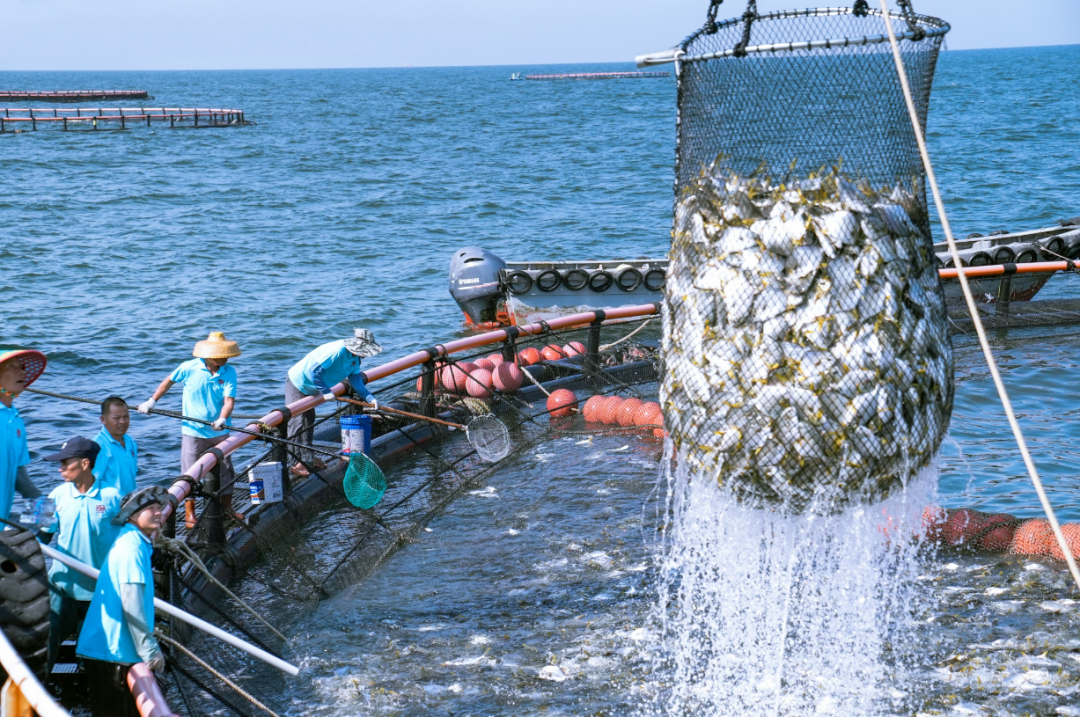
Core Viewpoint - The Hainan provincial party and government delegation's visit to Guangdong marks a significant step in enhancing cooperation and learning from Guangdong's successful development experiences, particularly in the context of the Hainan Free Trade Port's recent full closure operation [1][3]. Group 1: Reasons for the Visit - The choice of Guangdong for the first post-closure visit is strategic, as both the Guangdong-Hong Kong-Macao Greater Bay Area and Hainan Free Trade Port are major national strategies personally planned and promoted by President Xi Jinping [1]. - The visit aims to implement Xi Jinping's directives on strengthening regional coordinated development and enhancing the integration of Hainan with the Greater Bay Area [1][3]. - Guangdong's status as a leader in reform and innovation, with a strong track record in technological advancement and industrial development, provides valuable lessons for Hainan as it enters a new development phase [3]. Group 2: Observations from Guangdong - The delegation visited various innovation and technology platforms, including the Southern Base of the National 863 Program for Marine Aquaculture Seed Engineering, and observed Guangdong's economic vitality and technological innovation capabilities [4][6]. - Guangdong's GDP exceeded 10.5 trillion yuan in the first three quarters of 2025, with significant growth in key sectors such as industrial robotics, new energy vehicles, and solar cells [6]. - The delegation noted the importance of a robust industrial ecosystem, as seen in Guangdong's thriving electronic information and new energy sectors, which provide a solid foundation for resilience and continuous upgrading [7]. Group 3: Future Cooperation Directions - The visit resulted in practical cooperation agreements, emphasizing the need for enhanced learning and collaboration between Hainan and Guangdong across various sectors [8][11]. - Both provinces agreed to strengthen industrial cooperation, focusing on emerging fields such as commercial aerospace, low-altitude economy, and marine economy, leveraging Hainan's advantages in application scenarios and free trade policies [8][11]. - The collaboration will also extend to tourism and cultural exchanges, aiming to maximize shared advantages and explore new market opportunities [11].
封关后首次赴外省考察交流,海南省党政代表团有何收获?
Hai Nan Ri Bao· 2026-01-18 01:24
Core Viewpoint - The Hainan provincial government delegation's visit to Guangdong marks a significant step in enhancing cooperation and learning from Guangdong's successful development experiences, particularly in the context of the Hainan Free Trade Port's recent full closure operation [1][3]. Group 1: Purpose of the Visit - The visit aims to implement President Xi Jinping's directives on strengthening the coordinated development between the Guangdong-Hong Kong-Macao Greater Bay Area and Hainan Free Trade Port [3]. - Hainan is entering a new development phase post-closure, facing challenges in institutional innovation and industrial optimization, necessitating the learning of advanced experiences from Guangdong [3][4]. Group 2: Observations from Guangdong - The delegation visited various innovation platforms and enterprises, gaining insights into Guangdong's economic vitality, technological innovation, and resilient industrial structure [5][7]. - Guangdong's GDP exceeded 10.5 trillion yuan in the first three quarters of 2025, with significant growth in industrial robots, new energy vehicles, and solar cells, showcasing the province's dynamic economic landscape [7]. - The delegation noted the importance of innovation efficiency, with Guangdong's research institutions creating a closed-loop system from basic research to industrial incubation, which could serve as a model for Hainan [7]. - The development of industrial clusters in Guangdong, particularly in electronics and new energy, provides a robust foundation for risk resilience and continuous upgrading, offering valuable lessons for Hainan's industrial development [7]. Group 3: Future Cooperation Directions - The visit resulted in practical cooperation agreements, emphasizing the need for enhanced learning and collaboration between Hainan and Guangdong [9]. - Both provinces agreed to deepen industrial cooperation, focusing on emerging sectors such as commercial aerospace, low-altitude economy, and marine economy, leveraging Hainan's unique advantages [9][10]. - Strengthening tourism market collaboration and enhancing product promotion between the two provinces were identified as key areas for future development [10].
时尚是城市骨子里的新锐气质
Xin Lang Cai Jing· 2026-01-17 23:55
Group 1 - VOGUE Business has included Quanzhou in its 2025 New Fashion Capital Index, ranking fifth in both cultural charm and development power, highlighting its deep cultural heritage and vibrant manufacturing clusters [1] - Quanzhou boasts 726 items of intangible cultural heritage, including unique Minnan craftsmanship and the historical Silk Road civilization, which are recognized as key cultural resources for engaging with fashion [1] - The city has been revitalizing traditional cultural symbols within modern fashion contexts through various initiatives, successfully integrating intangible cultural heritage techniques into contemporary fashion design [1] Group 2 - Quanzhou is home to over 13,000 textile and footwear enterprises, with a textile and apparel output value exceeding 700 billion, accounting for 10% of the national output and 40% of the national sports shoe production, as well as 20% globally [2] - The local brands are deeply exploring the cultural core, achieving a cross-border integration of traditional elements with modern fashion, transitioning from "Quanzhou manufacturing" to "Quanzhou design" and "Quanzhou fashion" [2] - The city's robust manufacturing strength and comprehensive industrial ecosystem, including nine major trillion-yuan manufacturing clusters, contribute to its ambition of becoming a fashion capital [2] Group 3 - The "Three-Year Action Plan for Building 'World Heritage Quanzhou Fashion Capital' (2025-2027)" aims to enhance the entire fashion industry chain through initiatives like intangible heritage revitalization, design empowerment, technological support, and brand upgrades, targeting an industry output value of over 800 billion by 2027 [3] - The plan emphasizes the need for collaboration among government, industry, academia, and research to identify breakthroughs and continuously drive efforts towards establishing Quanzhou as a leading fashion capital [3]


刘宁到驻马店市泌阳新蔡正阳调研推动工作时强调 抓牢粮食生产 做强特色产业 全力推动县域经济高质量发展
He Nan Ri Bao· 2026-01-17 11:07
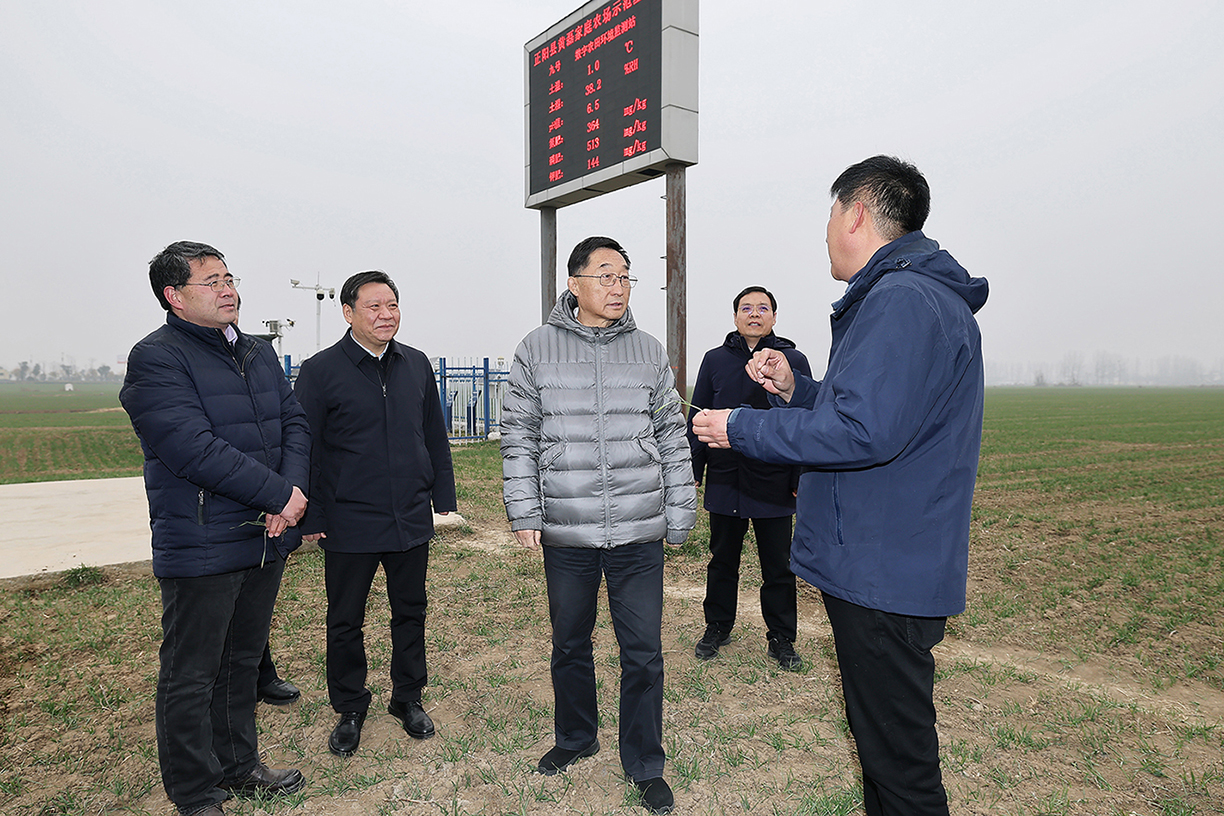
Group 1: Agricultural Development - The provincial secretary emphasized the importance of implementing measures for winter wheat management and agricultural specialty industries to ensure high-quality county economic development [2][4] - The overall condition of wheat seedlings is good, and preparations for upcoming low-temperature and snowy weather are crucial for agricultural disaster prevention [2] - Companies are encouraged to adopt a comprehensive view of agriculture, integrating resources and research to enhance technological innovation and product quality [4] Group 2: Advanced Manufacturing - The region is focusing on cultivating advanced manufacturing clusters and attracting leading enterprises to enhance the completeness of the industrial chain [6] - Companies are urged to innovate in niche markets, prioritize environmental protection, and promote high-end, intelligent, and green development in advanced manufacturing [6] - The provincial secretary highlighted the need for companies to take responsibility for safety production and eliminate risks to ensure orderly operations [6] Group 3: Economic and Social Development - There is a strong emphasis on high-quality development and building a modern industrial system with county characteristics, while actively attracting industrial transfers from the eastern regions [7] - Key areas of focus include grassroots governance, safety production, and ensuring the well-being of citizens, especially in response to adverse weather conditions [7] - The need for effective emergency response mechanisms and support for vulnerable populations was also highlighted to maintain social stability [7]
“广货行天下”春季行动启动!“惠州制造”“惠州品牌”等你来pick
Sou Hu Cai Jing· 2026-01-16 20:02
Group 1: Overview of "Guanghuo Goes Global" Spring Action - The "Guanghuo Goes Global" Spring Action was launched on January 15, aiming to enhance the exposure and market influence of high-quality Guangdong products through promotional platforms and product showcases [1] - The initiative involves over 6,000 enterprises across various categories, including home appliances, electronics, clothing, food, and automotive, supported by more than 10 major commercial platforms [1] - The campaign aims to drive online sales of high-quality products from Guangdong, marking a significant promotional effort [1] Group 2: Huizhou's Industrial Strength - Huizhou is recognized as a key city in the Guangdong-Hong Kong-Macao Greater Bay Area, with a robust industrial foundation and a focus on modern industrial clusters [2] - The city has been awarded as a national model city for the "Three Products" strategy in consumer goods, showcasing a complete range of consumer goods industries [2] - Huizhou's manufacturing sector has seen significant growth, with brands like TCL and others gaining popularity both domestically and internationally [2] Group 3: Key Industries in Huizhou - The ultra-high-definition television industry in Huizhou accounts for 30% of the province's smart TV production, with major companies like TCL and others leading the market [3] - The automotive electronics sector includes products such as central control screens and HUDs, with companies like Desay SV and Huayang Group being prominent players [5] - Huizhou's new energy battery industry is recognized as one of China's top 100 industrial clusters, with a projected output value exceeding 100 billion yuan by 2024 [7] Group 4: Specialty Products from Huizhou - Huizhou is known as a major production base for women's shoes, with over 6,000 shoe manufacturing enterprises and an expected output of 910 million pairs in 2024 [9] - The guitar industry in Huizhou has developed into a global hub, producing a significant portion of the world's guitars and ukuleles, with an annual output value of 405 million yuan [11] - The city has a strong presence in sports equipment manufacturing, particularly in skateboards and bicycles, with a substantial share of the global market [14]
拼万亿级产业,江苏“十三太保”也很上头!
Xin Lang Cai Jing· 2026-01-16 13:38
Core Insights - The article emphasizes the significance of trillion-level industries as a marker of regional strength and economic development in Jiangsu, which is recognized as a top performer in China's economic landscape [1][6] - Jiangsu's government officials are actively planning and competing to establish "trillion-level cities" and industries, highlighting the strategic importance of these sectors in the province's economic growth [1][6] Group 1: Industry Development Plans - Nanjing aims to become the first city in Jiangsu with a software industry exceeding one trillion yuan by 2025, leveraging its strengths in communication, electricity, and security software [1][6] - Nantong has established six key industrial clusters, with its shipbuilding and marine engineering sectors accounting for 10% and 25% of the national market, respectively, and expects its marine industry to surpass one trillion yuan by 2025 [1][6] - Changzhou's new energy industry is nearing 900 billion yuan, with a target to exceed 1.2 trillion yuan by 2030, focusing on enhancing vehicle production and brand recognition [2][7] Group 2: Existing Trillion-Level Industries - Suzhou has three trillion-level industries in electronic information, equipment manufacturing, and advanced materials, while also maintaining a reserve of 11 industries exceeding 100 billion yuan [2][7] - Wuxi's mechanical industry has reached a trillion yuan, with a focus on smart and high-end manufacturing driving growth in sectors like CNC machine tools and aerospace [2][7] Group 3: Strategic Importance of Trillion-Level Industries - The emphasis on trillion-level industries is driven by the need for scale in a global competitive landscape, which directly impacts regional influence and risk resilience [3][8] - Landmark industries are expected to drive collaborative upgrades across the industrial chain, fostering a self-reinforcing innovation ecosystem [4][9] - The construction of landmark industries will reshape regional economic geography, enhancing cross-regional collaboration and urban integration [4][9] Group 4: Jiangsu's Industrial Cluster Strategy - Jiangsu is focusing on industrial cluster development, with a strategy to cultivate leading enterprises and enhance collaborative innovation within the industrial chain [5][9] - The province has 14 national-level advanced manufacturing clusters, the highest in the country, with a significant portion of industrial revenue coming from its "1650" industrial system [5][9] - The "14th Five-Year Plan" includes goals to strengthen advantages in new-generation information technology, new energy, and high-end equipment, aiming to create internationally competitive strategic emerging industry clusters [5][10]