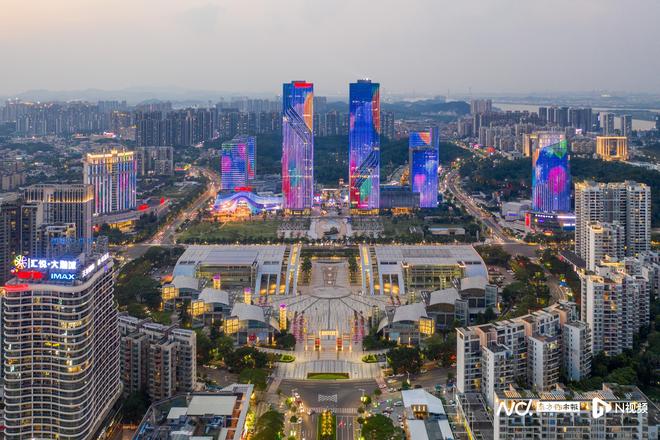
高端装备

Search documents
【滨州日报评论员文章】聚焦实体经济打造先进制造业强市——论深入学习贯彻市委十届十次全会精神
Xin Lang Cai Jing· 2025-12-21 16:36
Group 1 - The core viewpoint emphasizes the importance of manufacturing as the foundation of the nation and the basis for a strong country, with a focus on building a modern industrial system and advanced manufacturing city during the "14th Five-Year Plan" period [1] - The city aims to enhance the high-end development of traditional industries and scale up emerging industries, while promoting the park-based development of characteristic industries [2] - The strategy includes fostering new and future industries as growth drivers, with a focus on high-end equipment, new energy materials, and healthcare sectors [3] Group 2 - The plan highlights the need for high-quality service support and solid factor guarantees to enhance the advanced manufacturing sector, including the development of modern service industries and infrastructure [4] - It calls for the establishment of a quality infrastructure and brand-building initiatives to create high-end regional public brands with local characteristics [4] - The city is committed to implementing a comprehensive standardization innovation action to improve quality and ensure safety in water resources [4]
黄奇帆:今后十年人民币将逐步升值至6.0左右
Bei Jing Shang Bao· 2025-12-21 14:43
Group 1 - China's foreign trade achievements are a natural result of deep transformation and high-quality development in the manufacturing sector over the past decade [2] - China's industrial added value accounts for 32% of the global total, establishing a "one-third" structure where Chinese manufacturing represents one-third, developed countries one-third, and other developing countries one-third [2] - China has formed global competitive advantages in five key sectors: automotive, shipbuilding, high-speed rail, power equipment, and renewable energy (photovoltaics) [2] Group 2 - The structure of foreign investment in China continues to optimize, with actual foreign investment doubling over the past decade to an average of approximately $120 billion annually [3] - Foreign-funded enterprises contribute about 30% of national exports, 50% of high-value-added equipment and electronic product exports, and 15% of industrial and commercial tax revenue [3] - Exports have shifted from a focus on processing trade to a cluster-based export model with embedded domestic value [3] Group 3 - China should promote a balanced approach to imports and exports, enhance trade quality, and increase the internationalization of the Renminbi [4] - An appropriate appreciation of the Renminbi is suggested to enhance purchasing power and promote import growth, aiming for a doubling of per capita GDP in USD terms over the medium to long term [4] Group 4 - It is recommended to moderately reduce export tax rebates based on industry differences and overall needs, reallocating fiscal resources to domestic welfare and innovation [5] - There is an emphasis on improving minimum wage standards and implementing paid leave to promote common prosperity and consumption upgrades [5] Group 5 - The need to prevent "involution" domestically from affecting international trade is highlighted, with a focus on enhancing the brand value and overall profit levels of Chinese manufacturing [6] - China aims to improve service trade, targeting that by 2040, service trade will account for 20% of the total volume of goods and service trade, aligning with the global average [6]


小巨人企业科创力如何?最新报告:头部者不再单纯追求专利数
Nan Fang Du Shi Bao· 2025-12-21 13:04
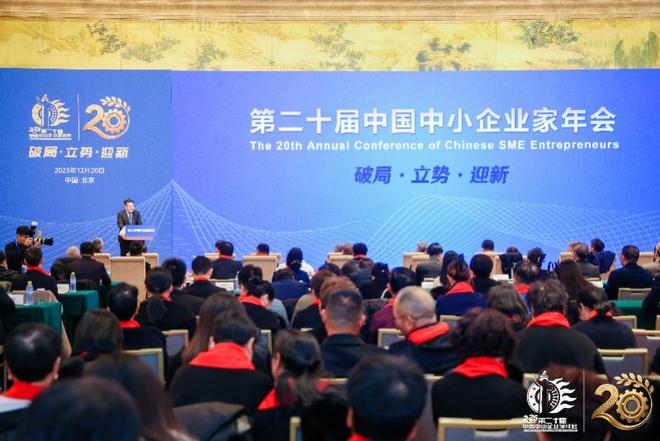
南都讯 记者杨文君 发自北京 12月20日,第20届中国中小企业家年会在北京开幕,会上,一份系统性评 估国家级专精特新"小巨人"企业科技创新能力的权威报告——《专精特新小巨人科创力报告》(以下简 称《报告》)正式向全社会发布。本次报告由中国中小商业企业协会与智慧芽创新研究中心联合研究编 制,清华五道口数字中国&AI项目组提供支持。 智慧芽中国区总经理朱立亚代表课题组进行正式发布,并对《报告》的核心价值进行了深度解读。据朱 立亚介绍,《报告》基于自主研发的"企业科创力评估模型",对全国超过1.76万家国家级专精特新"小 巨人"企业进行了全景扫描与量化评估。 《2025年中国专精特新小巨人科创力报告》。 《报告》通过专利授权率、发明专利占比、技术布局复杂度等指标评估发现,头部"小巨人"企业不再单 纯追求专利数量,其专利的技术先进性、法律稳定性和布局策略性显著提升,创新"含金量"不断提高。 具体来看,"小巨人"企业整体授权发明专利数量超40万件,约占总量的21%,接近于1557家制造业单项 冠军企业24%的授权发明专利占比,符合"小巨人"企业作为国家战略性新兴产业中创新能力强、成长潜 力大的领跑者和核心骨干力量的定 ...
科技超市“架桥梁” 超3000项高校成果亮相科交会
Shen Zhen Shang Bao· 2025-12-20 19:52
在需求端,科交会邀请行业头部企业发出技术攻关英雄帖,实行"揭榜挂帅"。 来自全国及粤港澳地区的技术经理人,法律、金融、投融资等机构服务团队深度参与,在现场为科技成 果转化提供专业的全链条服务。 【深圳商报讯】(驻穗记者张莹)近日,2025高校科技成果交易会(以下简称"科交会")在广州举行。从新 一代信息技术到生物医药,从高端装备到低空经济,来自638所高校的3332项成果汇聚于此。 在展馆,记者看到,在"高校成果超市区",北京大学"自驱式管道机器人"、清华大学"飞展翼变体飞机 技术"等成果的实物或模型整齐陈列,高校参展人员手持手册演示原理、操作模型,企业采购商围绕技 术参数、合作模式等发问,不少人俯身观看样品细节。 本次科交会在高校成果与企业需求之间搭建了一条"高速公路"。"高校成果超市区"集中推介高价值专 利,"港澳高校成果推介区"深化湾区资源互通,"大学生创业示范区"挖掘新生代科创潜力。 在供给端,本届科交会围绕新一代电子信息、人工智能+、高端装备等关键领域,组织成果持有人与大 学生创客现场路演,展示高校的硬核实力。 此外,记者了解到,为降低转化门槛,大会创新设立"先使用后付费"专区,构建"高校供成果、企 ...
寻标对标、创优争先 山东3家省属企业进入世界500强
Feng Huang Wang Cai Jing· 2025-12-20 00:03
Core Viewpoint - The Shandong Provincial State-owned Assets Supervision and Administration Commission (SASAC) is actively promoting the reform and high-quality development of state-owned enterprises (SOEs) in Shandong Province, focusing on building first-class enterprises and enhancing their competitiveness [1][3]. Group 1: Measures and Achievements - The SASAC has implemented 28 benchmarking indicators and incorporated the results into the performance assessment of provincial enterprises, providing additional points for those with significant achievements [5]. - Four provincial state-owned enterprises have been selected as world-class industry leaders, with 22 enterprises listed as "Double Hundred Enterprises" and 25 as "Science and Technology Reform Enterprises," ranking first, second, and second respectively among all provinces [5]. - Three provincial enterprises have entered the Fortune Global 500, with 34 new manufacturing champions, 2 unicorns, 61 gazelle companies, and 25 specialized and innovative "little giants" identified in 2023 [5]. Group 2: Technological Innovation and Industry Upgrade - The focus on technological innovation has led to an average annual compound growth rate of over 20% in R&D expenditure from 2021 to 2024, with 186 national and provincial awards received since 2023 [6]. - The provincial enterprises are optimizing their industrial layout and enhancing service quality in key sectors such as infrastructure, high-end equipment, advanced chemicals, new-generation information technology, and modern services [6]. Group 3: Governance Improvement - The governance structure of provincial enterprises has been strengthened through the implementation of new systems that enhance the role of party leadership and clarify the responsibilities of the party committee, board of directors, and management [7]. - The SASAC is advancing the construction of a treasury management system and improving the management of bank accounts, transitioning from decentralized control to comprehensive collaboration [7]. - By 2025, the goal is to achieve full coverage of ESG reporting across provincial enterprises, integrating ESG principles into the governance process [7].
人民日报头版头条!福建深入实施新时代山海协作
Xin Lang Cai Jing· 2025-12-19 12:49
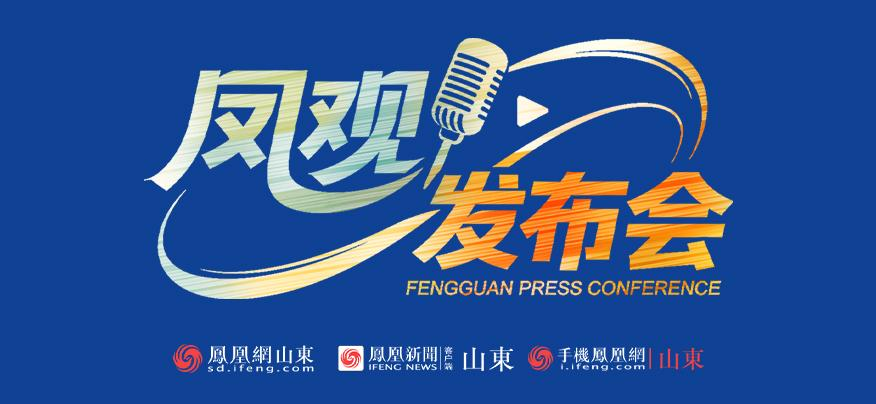
(来源:石狮市金融服务中心) 12月18日,人民日报头版头条刊发题为《福建深入实施新时代山海协作》通讯。近年来,福建深入贯彻 落实习近平总书记重要指示精神,统筹"山"与"海"、联动"城"与"乡"、促进基本公共服务均等化,着力 念好新时代"山海经",探索具有福建特色的共同富裕之路。 全文如下—— 泉州、三明两地联手打造"科创飞地""产业飞地",加快构建优势互补、互利共赢的山区与沿海一体化高 质量发展新格局。福建深化新时代山海协作工作机制,建立福州—南平及宁德,厦门—龙岩,泉州—三 明对口协作关系,优化32对县级协作关系。 山海携手共进,区域协调发展动能澎湃。截至今年10月,福建山海协作重点项目达218个、总投资约595 亿元。"产业联动发展、资源优势整合,全省区域生产力布局不断优化,山区'造血'能力持续增强。"福 建省发展改革委主任孟芊介绍。 联动"城"与"乡",工农互促、城乡互补、协调发展、共同繁荣的新型工农城乡关系加速形成。 傍晚,漳州市东山县陈城镇澳角村码头,一艘艘渔船满载归来。履带翻转,鳗鱼、各类虾蟹等进入冷藏 保鲜车,再通过电商销往全国。 福建深入实施新时代山海协作 投料、研磨、分离、提纯……在福建龙 ...
滨州市产业生态向优向强:连续四年入选全国先进制造业百强市
Qi Lu Wan Bao· 2025-12-19 08:45
Core Insights - The "14th Five-Year Plan" period is marked as an extraordinary and significant five years for Binzhou City, focusing on high-quality development and achieving historical accomplishments in economic and social progress [1] Economic Growth - The regional GDP is projected to grow from 261.43 billion yuan in 2020 to 340.47 billion yuan in 2024, with an average annual growth rate of 6% [3] - The revenue from industrial enterprises above designated size has surpassed 1 trillion yuan, while total retail sales of consumer goods and total imports and exports have both exceeded 100 billion yuan [3] - General public budget revenue and tax revenue have both surpassed 30 billion yuan and 20 billion yuan, respectively [3] Income and Living Standards - Per capita GDP is expected to rise from 66,600 yuan in 2020 to 87,500 yuan in 2024, with an anticipated increase to over 90,000 yuan this year [3] - The income ratio between urban and rural residents has decreased from 2.09 in 2020 to 1.91 in 2024, indicating a significant reduction in income disparity [3] Industrial Development - The city has established itself as a stronghold for manufacturing, being recognized as one of the top 100 advanced manufacturing cities in the country for four consecutive years [4] - Key industries have shown robust growth, with five major industrial clusters generating over 1.27 trillion yuan in revenue, including high-end aluminum, fine chemicals, intelligent textiles, food processing, and aquaculture [4] - The production capacity of high-end aluminum ranks first globally, while intelligent textiles are among the top in the world [4] Emerging Industries - New industries such as high-end equipment and new materials are gaining momentum, with 32 enterprises recognized for their innovative products [5] - The proportion of high-tech industry output value in the total industrial output has reached 46.45%, an increase of 5.87 percentage points since 2020 [5] Digital Economy - The city has accelerated its digital economy initiatives, establishing the first intelligent computing cluster in the province and nurturing five national-level 5G factories [5] - A total of 517 projects related to smart manufacturing have been developed, including six national-level exemplary smart factories [5] Business Landscape - The number of industrial enterprises above designated size has increased to 2,040, with a net addition of 724 since 2020 [5] - In 2024, there are expected to be 44 enterprises with revenues exceeding 5 billion yuan and 17 with revenues over 10 billion yuan [5] - Weiqiao Group has been listed among the Fortune Global 500 for 14 consecutive years, with four companies making it to the top 500 Chinese enterprises [5]
山东:省属企业总资产5.7万亿元,战新产业营收占比超25%
Xin Lang Cai Jing· 2025-12-19 08:34
Core Viewpoint - Shandong Province is advancing the reform and high-quality development of state-owned enterprises, with significant growth in assets, revenue, and investment in recent months [1] Group 1: Financial Performance - As of the end of November, the total assets of Shandong state-owned enterprises reached 5.7 trillion yuan [1] - From January to November, these enterprises achieved operating revenue of 2.3 trillion yuan and total profits of 868.6 billion yuan, maintaining strong performance nationally [1] - Fixed asset investment by state-owned enterprises amounted to 165 billion yuan, reflecting a year-on-year growth of 20.7% [1] Group 2: Market Development - A special action plan for the high-quality development of state-controlled listed companies has been established, leading to the addition of 3 new listed companies, increasing the total to 53 [1] - The total market value of listed companies in Shandong exceeds 1.2 trillion yuan, with 3 companies valued over 100 billion yuan [1] Group 3: Industry Focus - Revenue from emerging industries within state-owned enterprises has increased to 25.1%, up by 6.2 percentage points from the previous year [1] - Shandong's "6997" modern industrial system includes 6 traditional industries, 9 advantageous industries, 9 emerging industries, and 7 future industries, with state-owned enterprises covering 19 fields and a coverage rate of 60% [1]
冲刺千亿!蓬江的发展底气藏在哪里?
Nan Fang Du Shi Bao· 2025-12-19 07:44
Core Insights - The core message of the news is the ambitious goal of the Pengjiang District to achieve a GDP of 955.25 billion yuan in 2024 and to surpass the 1 trillion yuan mark in 2025, marking a significant milestone in regional development [1] Economic Development - Pengjiang District has been recognized as a top performer in high-quality development, consistently ranking among the top 100 districts in China [1] - The district's industrial output value and retail sales are among the highest in the city, demonstrating its strong economic foundation [1] - The transition from 955.25 billion to 1 trillion yuan is seen as a testament to the district's commitment to enhancing the real economy and optimizing the business environment [1] Industrial Foundation - The foundation for the "trillion yuan Pengjiang" is rooted in a robust real economy, with a focus on industrial upgrading as the core engine for achieving this goal [2] - Key enterprises such as Hisense, Dazhongjiang, and Kangshifu have been cultivated, contributing to a complete industrial ecosystem that supports the district's economic growth [2] Investment and Infrastructure - Industrial investment in Pengjiang is set to increase to 48% in 2024, up by 16 percentage points from the previous year, with 84 projects planned, totaling an investment of 22.464 billion yuan [3] - The Pengjiang Industrial Park is expected to generate nearly 55 billion yuan in industrial output and over 10 billion yuan in tax revenue in 2024, marking it as a key industrial hub [3] Urban Development - The district is enhancing its infrastructure to support its economic ambitions, including major transportation projects that integrate Pengjiang into the Greater Bay Area's economic network [4] - Urban development initiatives are aimed at improving living conditions and supporting industrial growth, creating a symbiotic relationship between industry and urban life [5][6] Business Environment - The optimization of the business environment is a priority for Pengjiang, with significant improvements in government services leading to a 79.6% acceleration in the approval of business-related matters [7] - The district has introduced innovative policies to support patent commercialization and financing, facilitating a conducive environment for business growth [8]
预期突破千亿!蓬江的发展底气藏在哪里?
Nan Fang Du Shi Bao· 2025-12-19 06:13
Core Insights - The core message of the news is the ambitious goal of the Pengjiang District to achieve a GDP of 955.25 billion yuan in 2024 and to surpass the 1 trillion yuan mark in 2025, marking a significant milestone in regional development [1][3]. Economic Development - Pengjiang District has been recognized as a top performer in high-quality development, consistently ranking among the top 100 districts in China [1]. - The district's industrial output value and retail sales have remained at the forefront of the city, showcasing its robust economic foundation [1]. - The transition from 955.25 billion yuan to over 1 trillion yuan is not just a numerical achievement but a testament to the district's commitment to enhancing the real economy and optimizing the business environment [1][3]. Industrial Foundation - The foundation of the "trillion Pengjiang" initiative is deeply rooted in the real economy, with a focus on industrial upgrading as the core engine for achieving this goal [3]. - Pengjiang has cultivated leading enterprises in various sectors, including Hisense and Master Kong, and has established a complete industrial ecosystem that supports its economic ambitions [3][4]. - In 2024, industrial investment in Pengjiang is expected to rise to 48%, an increase of 16 percentage points from the previous year, with 84 projects planned, totaling an investment of 224.64 billion yuan [4]. Infrastructure Development - The district is enhancing its urban infrastructure to support its economic growth, with major transportation projects like the Shenzhen-Zhongshan Corridor and Huangmaohai Cross-Sea Channel improving connectivity [7]. - Internal infrastructure improvements, such as the expansion of transportation networks and the redevelopment of underutilized land, are aimed at increasing the district's capacity to support industrial growth [7][8]. Urban Integration - The integration of industry and urban development is creating a favorable living environment, with projects enhancing public amenities and green spaces [8]. - The development of cultural and recreational facilities is designed to attract talent and improve the quality of life for residents, fostering a cycle of economic and urban growth [8]. Business Environment - The optimization of the business environment is a key competitive advantage for Pengjiang, with significant reforms aimed at improving administrative efficiency and service quality [10]. - The district has implemented measures to accelerate the approval process for business-related services, achieving a 79.6% speed increase for 97 high-frequency business matters [10][11]. - Innovative financing solutions, such as the "use first, pay later" model for patent commercialization, are being explored to reduce costs and risks for enterprises [11]. Future Outlook - As the district approaches its goal of a trillion yuan GDP, the focus will shift to converting this scale into higher quality development, which will be crucial for the long-term value of "trillion Pengjiang" [13].