
家具零售

Search documents
宜家正排队关门
投资界· 2026-01-12 01:00
Core Viewpoint - IKEA's recent store closures in China represent a significant strategic shift in response to economic uncertainties, digital transformation, and changing consumer behaviors, marking a departure from its previous successful model in the market [2][4]. Group 1: Store Closures and Financial Performance - IKEA announced the closure of seven stores in China, the largest closure since entering the market in 1998, equivalent to one-sixth of its total stores [2]. - In the fiscal year 2024, IKEA's sales in China dropped to approximately 11.15 billion RMB, a decrease of nearly 1 billion RMB compared to the previous year and a reduction of nearly 30% from its peak in 2019 [4]. - Despite a net increase in store numbers, sales have declined, indicating a troubling trend for the company [4]. Group 2: Pricing Strategy and Consumer Perception - Since 2023, IKEA has implemented a series of price reductions, with over 500 products marked down in fiscal year 2024, including items like a 9.9 RMB socket and a sofa reduced from 1499 RMB to 499 RMB [5]. - The aggressive discounting strategy has attracted customers but risks damaging IKEA's mid-range brand image, potentially leading to a perception of being a discount store [5]. - The shift to lower prices has not guaranteed sustained sales growth, as the company faces challenges in retaining customer loyalty and brand perception [5]. Group 3: Market Competition and Consumer Behavior - The Chinese real estate market's downturn has cooled demand for home furnishings, shifting the market from growth to competition for existing customers [8]. - Consumers are increasingly cautious with spending, leading to a more discerning approach to non-essential purchases [8]. - The rise of local competitors who can quickly adapt to market demands and offer better pricing and service has put IKEA at a disadvantage [9]. Group 4: Changing Role of IKEA in Society - IKEA has transformed from a destination for home furnishings to a social space, serving as a public gathering area and dining venue, with its food offerings becoming a major draw [12][13]. - The brand is now perceived as a place for budget-conscious consumers rather than a lifestyle choice, reflecting a shift in consumer priorities towards value and practicality [12]. - The evolving consumer landscape indicates that IKEA's traditional value proposition may no longer resonate with the new generation of consumers who seek diverse and personalized home solutions [14][15].

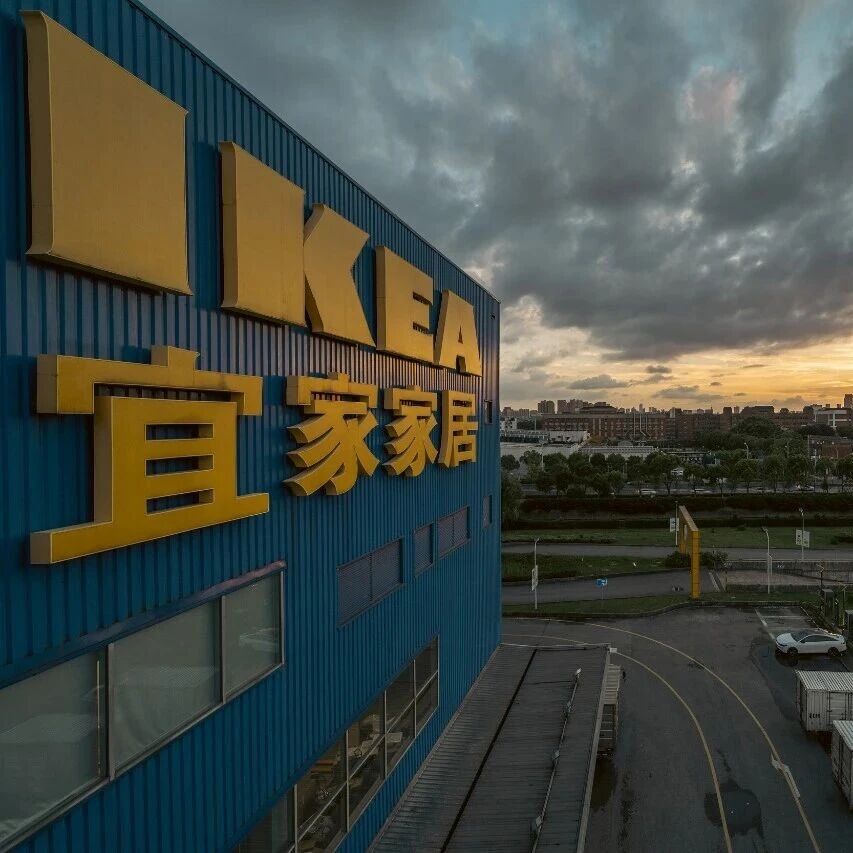
宜家关店潮,从来不买的人最伤心
3 6 Ke· 2026-01-09 08:24
Core Viewpoint - IKEA is undergoing a significant transformation, closing seven stores in China as part of a strategic shift to adapt to global economic uncertainties, digitalization, and changing consumer behaviors. This marks the largest store closure wave since its entry into China in 1998, representing one-sixth of its total stores in the country [1][6]. Group 1: Store Closures and Financial Performance - IKEA announced the closure of seven stores in Shanghai, Guangzhou, Tianjin, Nantong, Xuzhou, Ningbo, and Harbin, effective February 2, marking a major shift in its operational strategy [1]. - For the fiscal year 2024, IKEA's sales in China are projected to be approximately 11.15 billion RMB, a decrease of nearly 1 billion RMB compared to the previous fiscal year and a decline of nearly 30% from its peak in 2019 [6][8]. Group 2: Changing Consumer Perception - The brand, once a symbol of middle-class aspirations, is now perceived as a "poor man's paradise," a "family restaurant," and a "dating spot for the elderly," reflecting a shift in consumer sentiment and usage [1][21]. - The once-appealing IKEA experience has transformed into a space where consumers seek value over brand prestige, with many now viewing it as a discount store rather than a lifestyle choice [21][28]. Group 3: Competitive Landscape and Market Challenges - The decline in the real estate market has cooled the demand for home furnishings, shifting the market from growth to competition for existing customers [11]. - Local competitors have gained an edge over IKEA by offering faster product development cycles and better service, such as free delivery and assembly, which IKEA struggles to match [14][16]. Group 4: Strategic Responses and Future Directions - In response to declining sales, IKEA has implemented aggressive pricing strategies, with over 500 products marked down in the fiscal year 2024, but this has led to a perception of the brand as a discount retailer [8][10]. - IKEA is shifting its focus from large-scale stores to smaller, centrally located "design inspiration centers," planning to open over 10 new small stores in key markets like Beijing and Shenzhen [10][28].

竞争加剧、需求疲软之际 宜家将关闭在中国的七家门店
Xin Lang Cai Jing· 2026-01-07 08:59
Core Viewpoint - IKEA is closing seven of its iconic blue box furniture stores in China and shifting towards smaller store formats to address long-term market sluggishness and increasing competition from local rivals [1] Group 1: Store Closures and Strategy - The company will cease operations in multiple cities, including Shanghai, Guangzhou, and Tianjin, starting February 2 [1] - Despite the closures, IKEA will continue to operate 34 physical stores, two flagship e-commerce stores, and other online channels in China, reaching over 1 billion consumers [1] - The restructuring aims to allocate resources to channels that are closer to consumers [1] Group 2: Market Conditions and Competition - There has been a decline in demand for IKEA furniture among Chinese consumers, with cheaper online brands eroding IKEA's market share [1] - The shift to smaller stores aligns with IKEA's global strategy to bring stores closer to customers and accelerate delivery speed [1] Group 3: E-commerce Collaboration - IKEA is collaborating with Chinese e-commerce giant JD.com to enable instant delivery of its products in seven cities across China [1]
开盘:美股周五高开 科技股延续2025年涨势
Xin Lang Cai Jing· 2026-01-02 14:31
Core Viewpoint - The U.S. stock market opened higher on the first trading day of 2026, with technology stocks attempting to continue the upward momentum from the previous year [1][4]. Group 1: Market Performance - The S&P 500 index has historically closed lower on the first trading day for the past three years, with a roughly 48% probability of closing higher since the 1950s [3][6]. - In 2025, the S&P 500 index rose over 16%, marking its third consecutive annual increase, while the Nasdaq Composite surged over 20% and the Dow Jones Industrial Average increased by approximately 13% [3][6]. - All three major indices reached historical highs last year [3][6]. Group 2: Technology Sector - Technology stocks, particularly Nvidia and Palantir, continued their strong performance from 2025, with Nvidia rising about 39% and Palantir soaring 135% [3][6]. - Other tech giants like Apple, Alphabet, and Microsoft also saw significant gains [3][6]. Group 3: Tariff Impact - The stock prices of online home goods company Wayfair and luxury furniture retailer RH increased following President Trump's announcement to delay tariff hikes on upholstered furniture, kitchen cabinets, and vanities by one year [3][6]. - The tariffs that were postponed include a 30% tariff on upholstered furniture and a 50% tariff on kitchen cabinets and vanities, while maintaining a 25% tariff that has been in effect since September [3][6]. Group 4: Economic Outlook - Deutsche Bank strategists noted that 2025 was a strong year due to sustained economic growth, optimism around artificial intelligence, and additional central bank rate cuts, despite significant volatility [4][7]. - Wall Street strategists predict further gains for U.S. stocks in 2026, with an average target for the S&P 500 index set at 7629 points, indicating an upside potential of 11.4% [4][7].





百年零售巨头,宣布破产
Sou Hu Cai Jing· 2025-12-13 03:43
Core Insights - American Signature Inc. (ASI) has filed for Chapter 11 bankruptcy protection, marking a significant event in the retail market and signaling the end of an era for a company that has served American families for generations [3][10] - The downfall of ASI is attributed to a series of strategic missteps during the pandemic, where management mistook temporary consumer demand spikes for a permanent shift, leading to unsustainable long-term commitments [4][15] - The company's struggles reflect broader trends in the retail industry, including the impact of high interest rates, changing consumer behavior, and the rise of e-commerce competitors [6][14] Company Overview - ASI, headquartered in Columbus, Ohio, has a rich history dating back to 1917, originally starting as a general merchandise store before evolving into a furniture retail giant [10][11] - At its peak, ASI operated nearly 300 stores and surpassed $1 billion in annual revenue, becoming a significant player in the discount furniture market [12] Strategic Missteps - During the pandemic, ASI experienced a surge in sales, prompting management to sign long-term, high-cost warehouse leases and aggressively expand, believing the demand would last [4][15] - The turning point came in late 2022 when rising interest rates led to a cooling real estate market, significantly impacting furniture sales, which are closely tied to home purchases [5][14] Financial Challenges - ASI's core customer base, primarily first-time homebuyers, vanished as consumer confidence plummeted due to rising prices of essential goods, leading to a decline in discretionary spending on furniture [5][7] - The company faced a "death spiral" of cash flow issues, unable to purchase new inventory, resulting in empty store shelves and further declining sales [8][9] E-commerce Competition - The rise of online retailers like Wayfair and Amazon, which offer flexible supply chains and lower operational costs, severely impacted ASI's market position [6][14] - ASI's attempts to adapt to e-commerce were hampered by its reliance on a large physical store network and outdated IT systems, making it difficult to compete effectively [6][13] Lessons Learned - The case of ASI serves as a cautionary tale for traditional retailers, emphasizing the importance of not mistaking temporary market conditions for permanent trends [15] - Speed and flexibility in supply chain management and digital transformation are critical in the current retail landscape, where consumer preferences are rapidly changing [16] - Companies must be willing to innovate and adapt to new market realities, as clinging to outdated business models can lead to significant risks [17]

Why RH Stock Popped on Friday
The Motley Fool· 2025-12-13 00:35
Core Insights - Investors reacted positively to RH's recent performance, with the stock rising nearly 6% after the third-quarter earnings report, despite a bottom-line miss and guidance cuts [1] Financial Performance - RH's net revenue for the third quarter increased by 9% year-over-year to $884 million, while net income rose by 4% to $36.3 million [2] - The company slightly exceeded the average analyst estimate for revenue but missed the adjusted net income estimate [4] - Non-GAAP profitability per share decreased to $1.71 from $2.48 in the previous year [2] Market Position - CEO Gary Friedman noted that RH is gaining market share from various segments, including fragmented design showrooms and regional high-end furniture stores [4] - RH's revenue performance in the third quarter was favorable compared to competitors like Wayfair (up 8%), West Elm (up 4%), and Ethan Allen Interiors (down 5%) [4] Guidance Adjustments - RH adjusted its full-year guidance for 2025, now expecting revenue growth of 9% to 9.2% for 2024, down from a previous range of 9% to 11% [6] - The adjusted operating margin forecast was lowered to 11.6% to 11.9%, compared to the previous 13% to 14% [6] - The forecast for free cash flow remains unchanged at $250 million to $300 million [6] Market Data - RH's current market capitalization is $2.9 billion, with a gross margin of 44.65% [6]


常州经开区横林俊鑫汇家具销售经营部(个体工商户)成立 注册资本5万人民币
Sou Hu Cai Jing· 2025-12-12 22:56
天眼查App显示,近日,常州经开区横林俊鑫汇家具销售经营部(个体工商户)成立,法定代表人为曹 相阳,注册资本5万人民币,经营范围为一般项目:家具销售;家具零配件销售;智能家庭消费设备销 售;纸制品销售;塑料制品销售;包装材料及制品销售;金属材料销售;橡胶制品销售;五金产品零 售;日用品销售;办公设备销售;办公用品销售;互联网销售(除销售需要许可的商品)(除依法须经 批准的项目外,凭营业执照依法自主开展经营活动)。 ...
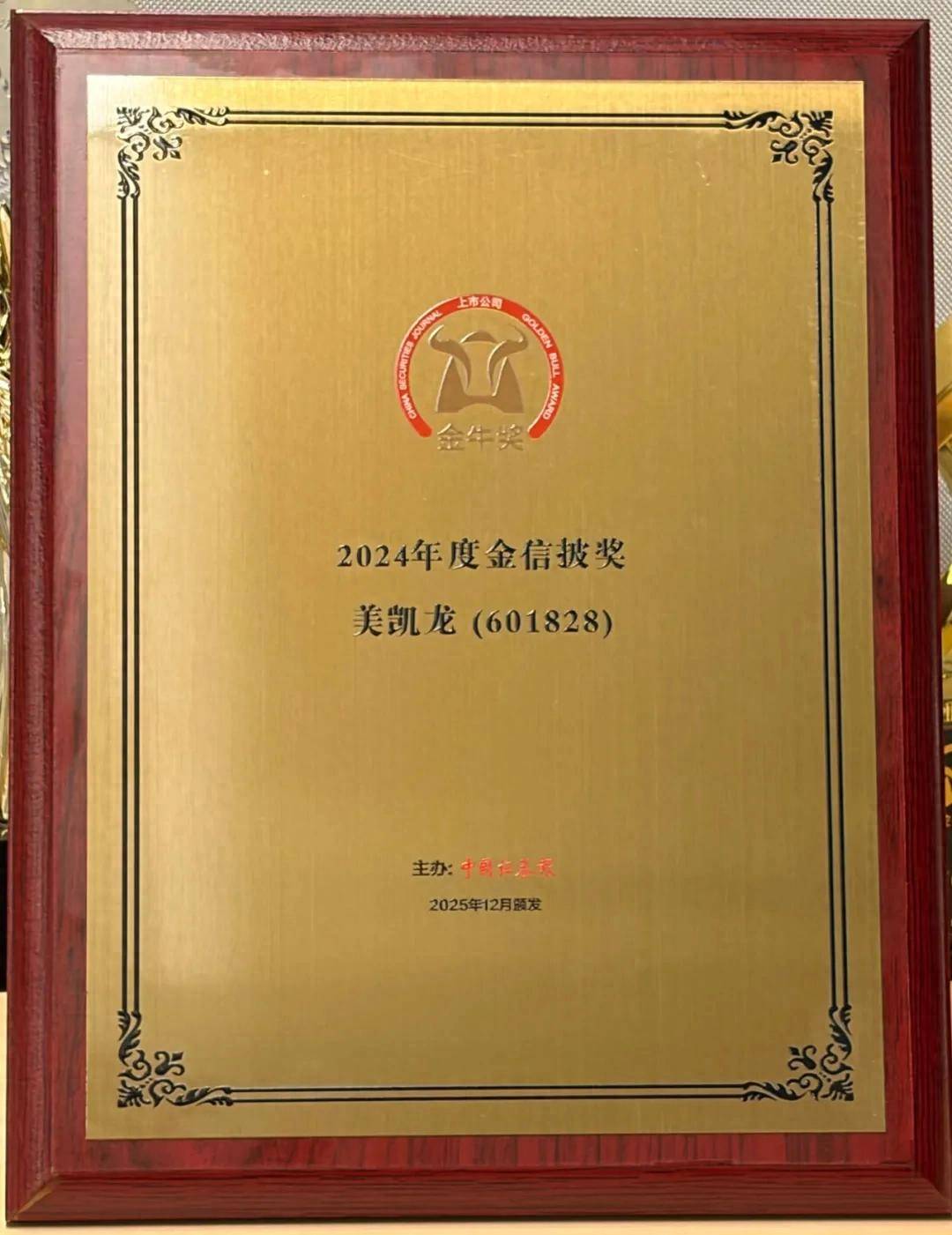
美凯龙荣获“上市公司金信披奖”
Sou Hu Cai Jing· 2025-12-11 08:19
12月6日,由中国证券报主办的"2025科创投资大会"在合肥举行。大会以"科技金融新生态、双创融合新动能"为主题,汇聚政、产、学、研、金多方力 量,共同探讨科创与投资融合发展之路。同期,备受瞩目的金牛奖评选结果揭晓—红星美凯龙借其在上市公司规范治理、信息披露与稳健经营方面的卓越 表现,荣获"上市公司金信披奖"。作为中国资本市场最具权威性与公信力的年度评选之一,金牛奖此次授予红星美凯龙,充分体现了市场对其公司治理与 透明的高度认可。这场年度盛会500余位上市公司高管、数十家高成长企业代表以及众多行业翘楚齐聚一堂,共同见证中国股权投资领域这一荣耀时刻。 红星美凯龙荣获"上市公司金信披奖"。金牛奖是中国资本市场最具权威与公信力的年度评选之一。该奖项充分肯定了红星美凯龙在上市公司规范治理、信 息披露与稳健经营方面的卓越表现。 ...
【数字营销】在地化表达,只靠“方言梗”够吗?
Sou Hu Cai Jing· 2025-12-11 02:42
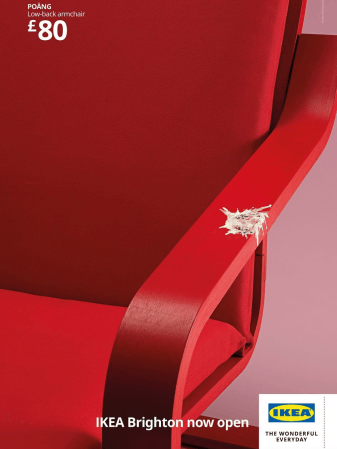
Core Insights - The article emphasizes the importance of "localization" in brand marketing, highlighting how brands are increasingly focusing on smaller, more personalized markets rather than just major metropolitan areas [1][5] - Successful examples of localized marketing strategies are provided, showcasing how brands like IKEA and Heytea have effectively connected with local consumers through culturally relevant narratives and products [1][6] Group 1: Localization Strategies - Brands are shifting their focus from international cities to smaller, more personalized locales, integrating local dialects and cultural references into their marketing [1] - IKEA's campaign in Brighton featured local seagulls, using humor to resonate with the community and create a relatable brand image [1] - Heytea's "Snowy Yak Milk Tea" became a regional sensation in Tibet, showcasing the power of localized product offerings and storytelling [7][14] Group 2: Case Studies - Heytea's product name "Snowy Yak Milk Tea" incorporates local language and cultural elements, enhancing its appeal to both local and external consumers [14][19] - The brand organized offline tea tasting events in cities like Wuhan and Chengdu, allowing consumers to engage with the product and local culture, further solidifying its market presence [30] - Nike's marketing campaign featuring local athlete Su Bingtian highlights everyday life in Guangdong, using familiar cultural references to build a connection with consumers [35][39] Group 3: Cultural Engagement - Pupu Supermarket's entry into the Quanzhou market involved a culturally significant "prayer for business" ceremony at a local temple, demonstrating respect for local traditions [46][49] - The supermarket's ongoing engagement with local culture through themed activities has helped establish trust and recognition among consumers in a competitive market [49]
美凯龙(601828.SH):不存在应披露而未披露的重大信息
Ge Long Hui A P P· 2025-12-10 10:16
格隆汇12月10日丨美凯龙(601828.SH)公布,公司股票价格于2025年12月8日、12月9日、12月10日连续 三个交易日内日收盘价格涨幅偏离值累计达到20%。根据上海证券交易所的相关规定,属于股票交易异 常波动情形。经公司自查并向公司控股股东及其一致行动人发函核实确认,截至本公告披露日,不存在 应披露而未披露的重大信息。 ...