汽车芯片

Search documents
完善认证体系、强化产业链上下游协同 提升汽车芯片可靠性与产业安全水平
Jing Ji Ri Bao· 2025-11-20 00:01
Core Insights - The domestic automotive chip sector has achieved significant milestones, with 20 million certified chips deployed and a market value exceeding 10 billion yuan, enhancing the self-sufficiency of China's automotive supply chain [1] - Five industry standards related to automotive chip certification have passed expert review, which will reduce evaluation costs and help meet international standards in reliability, functional safety, and information security [1] Group 1: Industry Challenges and Developments - The rapid development of China's new energy vehicle industry faces challenges such as unstable yield rates of domestic automotive chips, insufficient reliability, and difficulties in chip selection [1] - The traditional development cycle for fuel vehicles is 3-4 years, while new automotive players can update products annually, indicating a potential explosive growth in demand for smart automotive chips by next year [1] Group 2: Certification and Quality Standards - Currently, there is no platform or institution in China capable of completing comprehensive testing across chip-level, system-level, and vehicle-level for automotive chips, highlighting a gap in the existing certification and evaluation framework [2] - The "Quality Strong Chain" project aims to address the reliance on imported chips by establishing a complete certification system and revising multiple standards to enhance quality management and transparency in the industry [2] Group 3: Collaboration and Innovation - The importance of automotive chip reliability and industrial safety is emphasized for mastering core technologies and enhancing the resilience of the supply chain [3] - Collaboration across the automotive and chip industries is essential for high-quality development, with the market regulatory authority planning to continue the "Quality Strong Chain" project to foster deep cooperation among automotive companies, chip manufacturers, and certification bodies [3]
完善标准与认证体系,助力国产汽车芯片加快发展
2 1 Shi Ji Jing Ji Bao Dao· 2025-11-19 22:33
Core Insights - The "Quality Strong Chain" project has made significant progress in establishing a quality assurance system for domestic automotive chips, with the release of the upgraded "Automotive Chip Certification Review Technical System 2.0" [1][3] - The Chinese electric vehicle market is projected to exceed 2 trillion yuan in consumption by 2024, driving rapid development in the upstream and downstream industries [1] - The automotive chip market is currently dominated by a few Western manufacturers, and while Chinese companies have entered the field, their overall market share remains low [2] Industry Development - The transition from electric vehicles to smart vehicles is increasing the demand for automotive chips, with the number of chips required per electric vehicle expected to rise from 600-700 in traditional fuel vehicles to around 1600 [1] - The automotive chip industry in China is closely linked to the overall semiconductor industry, which is currently facing challenges in advanced manufacturing processes and equipment [2] - The reliability and consistency of automotive-grade chips are critical, as they must operate under extreme temperatures for up to 20 years, necessitating extensive testing and validation [2] Standards and Certification - The lack of a comprehensive standard and certification system for automotive chips in China is a key constraint on industry development, affecting trust in domestic products [3] - The newly released certification system aims to address the challenges of "not daring to use, not knowing how to use" domestic chips by establishing a complete review mechanism and digital platform [3] - Future efforts should focus on the continuous upgrade of the certification system and the establishment of review centers to ensure compliance and safety across the entire supply chain [3]
晚点独家丨蔚来智驾芯片首次技术外供
晚点LatePost· 2025-11-19 10:09
Core Viewpoint - NIO is beginning to generate revenue from its high-cost project by licensing its self-developed advanced intelligent driving chip, "Shenji NX9031," to an automotive chip company [3][4]. Group 1: Chip Development and Commercialization - The Shenji NX9031 chip, developed using 5nm automotive-grade technology, has a computing power approximately four times that of NVIDIA's Orin-X [6]. - The project team for NX9031 consists of over 600 people and has a development cost comparable to building 1,000 battery swap stations, estimated at tens of billions of yuan [7]. - NIO's CEO, Li Bin, has indicated that the chip and operating system will be open to the industry, suggesting that NIO aims to position itself as a leading supplier of high-quality chips [7][8]. Group 2: Strategic Partnerships and Investments - NIO has established a joint venture, Chongqing Chuangyuan Zhihang Technology Co., Ltd., with Aixin Yuanzhi Semiconductor and Haowei Integrated Circuit Group, with a registered capital of 100 million yuan [8]. - Aixin Yuanzhi, a major shareholder in the joint venture, has shifted its focus to automotive chips after acquiring a subsidiary of Dahua Technology [8].



谷歌最强AI模型Gemini 3登场;优必选回应量产交付质疑
2 1 Shi Ji Jing Ji Bao Dao· 2025-11-19 03:41
Group 1: AI Developments - Google launched its new AI model Gemini 3, claiming it to be the "most intelligent" and "most factually reliable" AI system to date, with enhanced capabilities for handling text, images, and audio simultaneously [2] - Tesla plans to build its own chip factory due to slow progress from existing suppliers, estimating a need for 100 billion to 200 billion AI chips annually, which current suppliers cannot meet [4] - Arm and Nvidia are deepening their collaboration on AI chips, allowing integration of Arm-based CPUs with Nvidia's AI technology [9] Group 2: Company Financials - Baidu reported Q3 revenue of 31.174 billion yuan, a 7% year-over-year decline, with a net loss of 11.232 billion yuan primarily due to asset impairment, but AI-driven business revenue grew over 50% to approximately 10 billion yuan [10] - Pinduoduo's Q3 revenue reached 108.2765 billion yuan, a 9% increase year-over-year, with a net profit of 29.3282 billion yuan, up 17% [11] - Xiaomi's Q3 revenue was 113.12 billion yuan, a 22.3% year-over-year increase, with adjusted net profit rising 80.9% to 11.31 billion yuan [12] Group 3: Product and Market Developments - UBTECH responded to criticism regarding its Walker S2 robot delivery video, releasing an unedited version to confirm the presence of multiple robots [3] - Xiaomi secured a long-term memory supply agreement for 2026 to mitigate market volatility and prepare for AI computing demands [5] - Cloudflare experienced a network outage affecting access to platforms like ChatGPT and X, with ongoing investigations into the issue [6] Group 4: Industry Innovations - The Chinese government announced advancements in the certification and quality assurance system for domestic automotive chips, marking a significant step in establishing a self-sufficient automotive chip quality framework [8] - Quark app integrated the Qianwen dialogue assistant, positioning itself as an AI browser, with plans for a major upgrade [17]
独家丨蔚来智驾芯片首次技术外供
晚点Auto· 2025-11-19 03:00
Core Viewpoint - NIO is beginning to generate revenue from its high-cost project by licensing its self-developed advanced intelligent driving chip, "Shenji NX9031," to an automotive chip company [2][4]. Group 1: Chip Development and Commercialization - The Shenji NX9031 chip, developed using 5nm automotive-grade technology, has a computing power approximately four times that of NVIDIA's Orin-X [4]. - The project team for NX9031 exceeds 600 people, indicating a scale comparable to an independent chip company, with R&D investments amounting to tens of billions of yuan [4]. - NIO's CEO, Li Bin, mentioned that the R&D expenditure for NX9031 is equivalent to the cost of building 1,000 battery swap stations, estimated at 1.5 to 3 million yuan each [4]. - The chip has been integrated into models such as ET9 and the 2025 ES6 and EC6, with Li Bin stating it could optimize costs by approximately 10,000 yuan per vehicle [4]. Group 2: Strategic Moves and Partnerships - Under pressure for cash flow and a promise of profitability in Q4, NIO is further reducing expenses and seeking new revenue sources, leading to the commercialization of its chip business [5]. - In March, Li Bin announced that NIO's chips and operating systems would be open to the industry, inviting others to purchase their chips [5]. - NIO established Anhui Shenji Technology Co., Ltd. to manage chip R&D, production, and licensing, maintaining absolute control over the operations [5]. - Recently, NIO's chip subsidiary formed a joint venture with Aixin Yuanzhi Semiconductor and Haowei Integrated Circuit, with a registered capital of 100 million yuan [5][6]. Group 3: Market Position and Competitors - Aixin Yuanzhi, founded in 2019, initially focused on AI visual chips and has since entered the automotive chip market after acquiring a subsidiary of Dahua Technology [6]. - Aixin Yuanzhi completed a C-round financing of over 1 billion yuan in April 2023 and has produced chips for basic assisted driving, with higher-level chips still under development [6].

新能源车,凭什么能用消费级芯片?
电动车公社· 2025-11-18 16:48
Core Viewpoint - The debate over whether to use consumer-grade chips or automotive-grade chips in vehicles continues, with strong arguments on both sides regarding safety and performance [3][5]. Group 1: Differences Between Consumer-grade and Automotive-grade Chips - Automotive-grade chips are governed by industry standards, specifically AEC-Q100, which includes rigorous testing for environmental stress, longevity, packaging integrity, manufacturing reliability, electrical validation, and defect screening [18][23]. - Consumer-grade chips typically have less stringent temperature requirements, often ranging from 0 to 70°C, compared to automotive-grade chips that can operate in extreme conditions from -40°C to +150°C [20][22]. - The automotive industry recognizes AEC-Q100 as a benchmark for reliability, even though it lacks legal enforcement, leading to widespread acceptance across the supply chain [24]. Group 2: Reasons for Using Consumer-grade Chips - Automotive-grade chips face challenges such as insufficient computing power and higher costs, prompting some manufacturers to opt for consumer-grade chips [25][26]. - Companies like Tesla have consistently used consumer-grade chips for their infotainment systems, citing their superior performance and cost-effectiveness [26][29]. - The rapid evolution of automotive technology demands higher performance from chips, which consumer-grade options can provide more readily than automotive-grade alternatives [30][40]. Group 3: Future of Automotive Chips in China - The automotive industry is evolving quickly, and existing standards may not adequately address the needs of modern smart vehicles, necessitating a reevaluation of chip standards [41][46]. - The establishment of a national automotive chip standard verification platform in China indicates a move towards developing relevant standards for the industry [47][49]. - The future direction of automotive chips may involve either enhancing automotive-grade chip performance or allowing consumer-grade chips with compliance processes, but the AEC-Q standard should remain a fundamental guideline [52][51].

国产车芯,不惧“安世之乱”
3 6 Ke· 2025-11-17 10:33
Group 1: Company Updates - Ansem Semiconductor welcomes the U.S. authorities' decision to suspend the "penetration rule" for one year, which could have impacted its operations as a subsidiary of Wingtech Technology [1] - Ansem has had to suspend direct wafer supply to its factories in China since October 29, while operations in Europe and other regions continue normally [1] - Honda is adjusting its strategy to manage existing parts amid ongoing semiconductor supply chain issues affecting the automotive industry [1][2] Group 2: Automotive Industry Insights - The automotive industry has faced multiple production disruptions due to natural disasters and supply chain issues, highlighting the importance of supply chain stability [2] - China's automotive production and sales are projected to reach 31.28 million and 31.43 million units in 2024, with a year-on-year growth of 3.7% and 4.5% respectively [3] - The penetration rate of new energy vehicles in China is expected to exceed 40%, providing significant market demand for automotive chip manufacturers [3] Group 3: Semiconductor Market Developments - Domestic automotive chip production is accelerating, with a high import ratio still present in the automotive chip market [4] - Horizon Robotics announced that its chip family has surpassed 10 million units in production, indicating a strong growth trajectory in the SoC segment [5] - Black Sesame Technologies has successfully integrated its A1000 chip into multiple vehicle models, with plans for further production in 2025 [5][6] Group 4: MCU and Power Device Trends - The automotive MCU market is expected to exceed 100 billion by 2029, with domestic MCU production rapidly increasing [7] - Chip manufacturers like Chipone Technology and GigaDevice have reported significant milestones in MCU and SoC product lines, indicating robust growth in the automotive electronics sector [7] - Power devices are becoming increasingly critical in hybrid and electric vehicles, with domestic manufacturers like Silan Microelectronics gaining market share [11][12] Group 5: Industry Challenges and Future Outlook - The automotive semiconductor industry faces challenges in high-end product capacity, while domestic brands are covering mid-to-low-end products [8] - The Chinese automotive semiconductor market is expected to grow, but collaboration among automakers, Tier 1 suppliers, and chip manufacturers is essential for a complete development model [14] - The future of the semiconductor supply chain will require a shift from linear models to collaborative networks among various stakeholders [14][15]


中国汽车芯片创新联盟:与若干家汽车主机厂成立了RISC-V工作组
Zheng Quan Shi Bao Wang· 2025-11-12 10:43
Core Viewpoint - The RISC-V working group has been established by the China Automotive Chip Industry Innovation Strategic Alliance in collaboration with major automotive manufacturers like Dongfeng Motor and Great Wall Motors to promote the large-scale application of RISC-V chips in the automotive sector [1] Group 1 - The RISC-V working group aims to enhance collaboration between the automotive and battery sectors, indicating a strategic alignment in technology development [1] - Recent discussions with several overseas automotive manufacturers revealed a shared interest in utilizing RISC-V for improved open-source content, suggesting a growing trend towards open-source solutions in the automotive industry [1] - The expectation of new product launches in the near future indicates a proactive approach to innovation within the automotive chip sector [1]


A股收评:三大指数集体调整,沪指跌0.39%,深证成指、创业板指跌逾1%,培育钻石、光伏设备逆市走高!近2800股上涨,成交2.01万亿缩量1805亿
Ge Long Hui· 2025-11-11 07:19
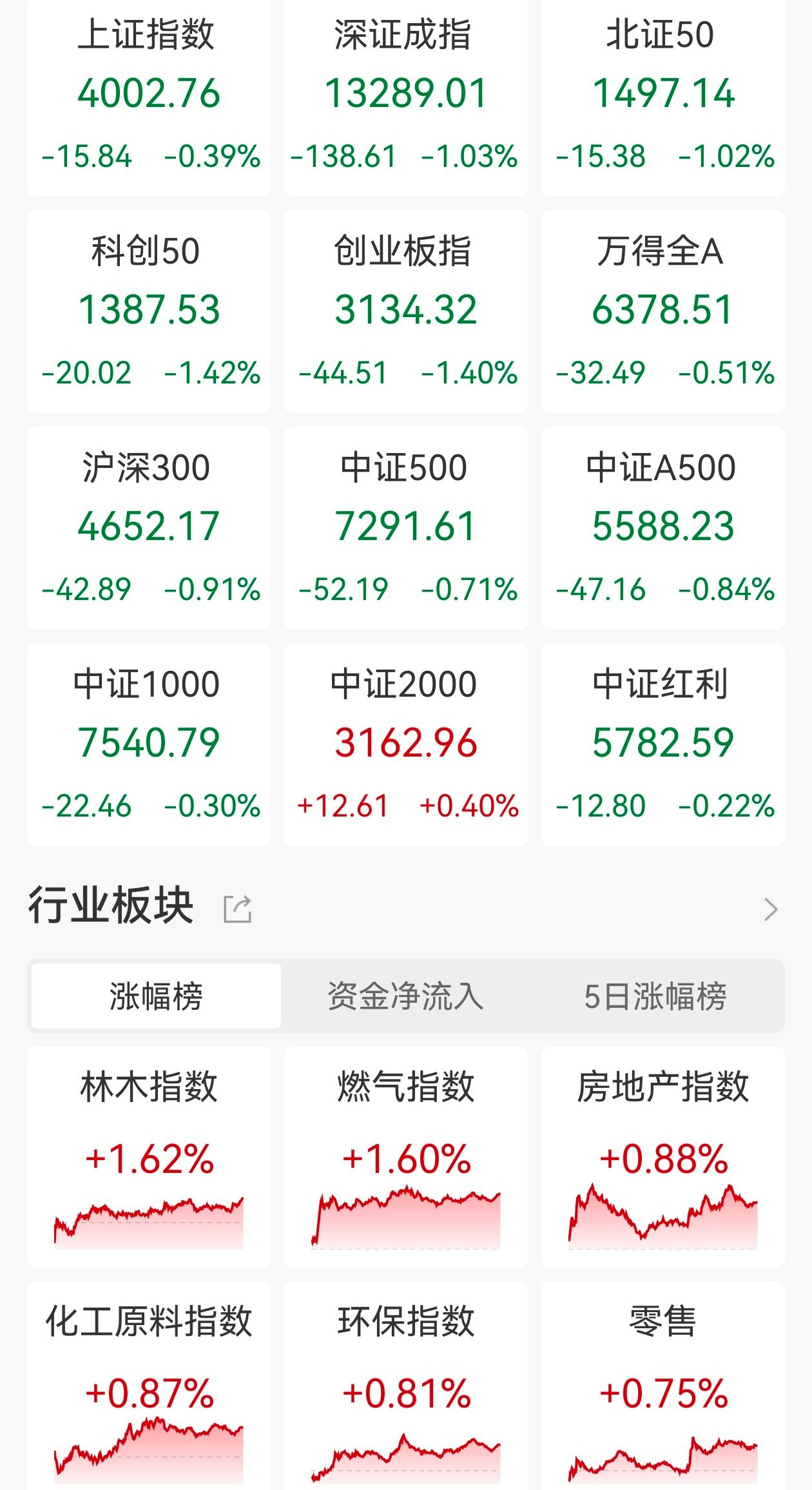
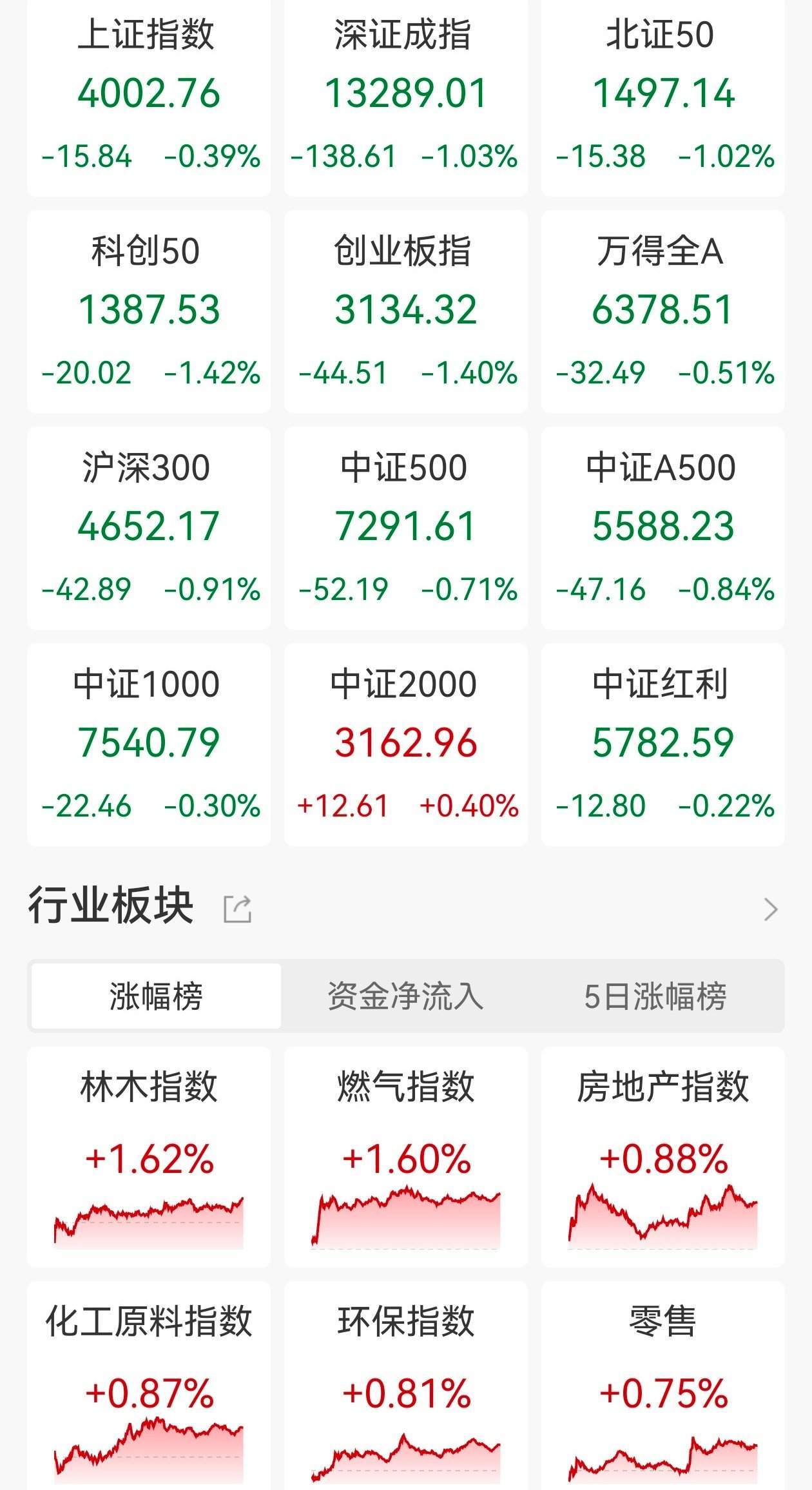
Market Overview - The three major A-share indices collectively adjusted, with the Shanghai Composite Index down 0.39% to 4002 points, the Shenzhen Component Index down 1.03%, and the ChiNext Index down 1.4% [1] - The total market turnover was 2.01 trillion yuan, a decrease of 180.5 billion yuan compared to the previous trading day, with nearly 2800 stocks rising and over 2500 stocks falling [1] Index Performance - Shanghai Composite Index: 4002.76, down 15.84 points (-0.39%) [2] - Shenzhen Component Index: 13289.01, down 138.61 points (-1.03%) [2] - ChiNext Index: 1497.14, down 15.38 points (-1.02%) [2] - Other indices such as the CSI 300 and CSI 500 also showed declines of 0.91% and 0.71% respectively [2] Sector Performance - The cultivated diamond sector continued to rise, with Sifangda (300179) hitting the daily limit [3] - The photovoltaic equipment sector surged following guidance from two departments to promote new energy consumption, with stocks like Yijing Optoelectronics (600537) and GCL-Poly Energy (002506) reaching the daily limit [3] - The perovskite battery sector saw significant gains, with Zhonglai Co. (300393) and Hangxiao Steel Structure (600477) also hitting the daily limit [3] - Other sectors such as dairy, titanium dioxide, food and beverage, and chemical raw materials showed notable increases [3] - Conversely, the storage chip and automotive chip sectors declined, with companies like Shannon Semiconductor dropping nearly 10% [3] - The Hainan sector continued to retreat, with Jinpan Technology falling nearly 8% [3] - Sectors related to virtual robots, Tencent Cloud, Kimi concepts, and 6G concepts experienced significant declines [3]

A股收评:调整!深证成指、创业板指跌逾1%,培育钻石、光伏设备板块逆市走高
Ge Long Hui· 2025-11-11 07:09
Market Overview - The three major A-share indices collectively adjusted, with the Shanghai Composite Index down 0.39% to 4002 points, the Shenzhen Component Index down 1.03%, and the ChiNext Index down 1.4% [1] - The total market turnover was 2.01 trillion yuan, a decrease of 180.5 billion yuan compared to the previous trading day, with nearly 2800 stocks rising and over 2500 stocks falling [1] Sector Performance - The cultivated diamond sector continued to rise, with Sifangda hitting the daily limit of 20% [1] - Two departments issued guidance to promote the consumption and regulation of new energy, leading to a surge in the photovoltaic equipment sector, with stocks like Yijing Optoelectronics and Xiexin Integration hitting the daily limit [1] - Significant progress was made in the perovskite battery field, resulting in a rally in the perovskite battery sector, with stocks such as Zhonglai Co. and Hangxiao Steel Structure also hitting the daily limit [1] - The dairy, titanium dioxide, food and beverage, and chemical raw materials sectors saw notable gains [1] - Conversely, the storage chip and automotive chip sectors declined, with Xiangnong Chip falling nearly 10% [1] - The Hainan sector continued to retreat, with Jinpan Technology dropping nearly 8% [1] - Sectors related to virtual robots, Tencent Cloud, Kimi concepts, and 6G concepts experienced significant declines [1] Index Performance - Shanghai Composite Index: 4002.76, down 15.84 points (-0.39%) [1] - Shenzhen Component Index: 13289.01, down 138.61 points (-1.03%) [1] - ChiNext Index: 3134.32, down 44.51 points (-1.40%) [1] - Other indices such as the Sci-Tech 50 and CSI 300 also showed declines [1]