生态治理

Search documents
黄沙终披绿 点绿已成金——解码恩格贝生态示范区获评国家“两山”实践创新基地绿色答卷
Zhong Guo Jin Rong Xin Xi Wang· 2026-01-05 08:53
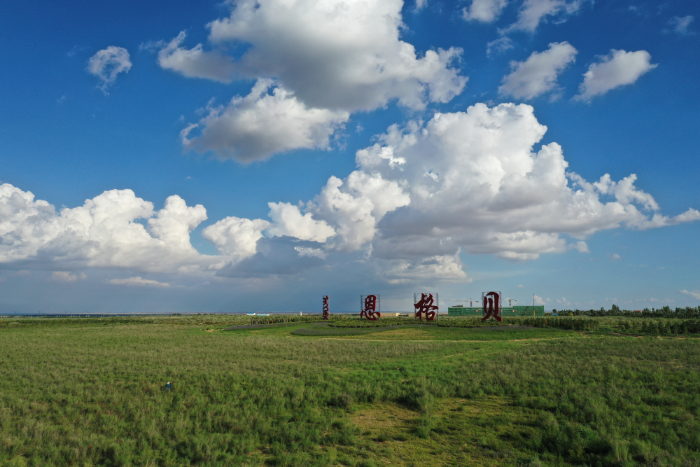
Core Viewpoint - The Engebei Ecological Demonstration Zone in Ordos City, Inner Mongolia, has been awarded the title of "Practice Innovation Base for Green Mountains and Clear Waters are Gold and Silver Mountains" by the Ministry of Ecology and Environment, highlighting its successful transformation from a desert to a lush oasis over the past 40 years and its role in promoting ecological protection and high-quality development in the Yellow River Basin [1][3]. Group 1: Ecological Transformation - Engebei has transformed from a barren land with a vegetation coverage of less than 3% to a thriving ecosystem with a vegetation coverage of 78% and a forest coverage of 41% [4]. - Over 7 million trees have been planted, along with more than 5 million mu of shrubs and 5,000 mu of high-quality forage, significantly enhancing biodiversity from around 20 species to over 600 species [4]. - The area has achieved stable air quality, with PM2.5 annual average concentrations around 20 micrograms per cubic meter and a high level of negative oxygen ions [4]. Group 2: Economic Development - The Engebei Ecological Demonstration Zone has successfully integrated ecological protection with economic development, creating a replicable "Engebei Model" that promotes ecological industrialization and industrial ecology [5]. - The implementation of the "work-for-relief" mechanism has mobilized over 6,000 people for ecological construction, resulting in an average annual income increase of over 20,000 yuan per person [7]. - The area has developed a sand industry system that includes the production of microalgae biological products and the cultivation of specialty crops, contributing to local farmers' income and employment [7]. Group 3: Technological and Policy Support - The establishment of the Engebei Ecological Quality Comprehensive Monitoring Station has provided robust technological support for ecological protection, being recognized as a national monitoring site [4]. - The local government has implemented a coordinated management mechanism to enhance policy support and ensure effective ecological governance [9][10]. - The integration of photovoltaic energy with ecological restoration has led to innovative models that combine clean energy with environmental protection [7]. Group 4: Cultural and Tourism Development - Engebei has developed a four-in-one industry system that includes technology, ecology, research, and health, enhancing its cultural and tourism offerings [8]. - The area has hosted significant events and received over 185,000 visitors, generating tourism revenue of 120 million yuan, showcasing the potential for ecological and cultural tourism integration [8]. Group 5: Future Vision - The local government aims to position Engebei as a global showcase for desertification control and ecological technology innovation, contributing to the ecological security of northern China [12].

2025国考断面优Ⅲ比例94.8% 连续4年达到优级水平绿水青山装点江苏靓丽底色
Xin Hua Ri Bao· 2026-01-03 01:07
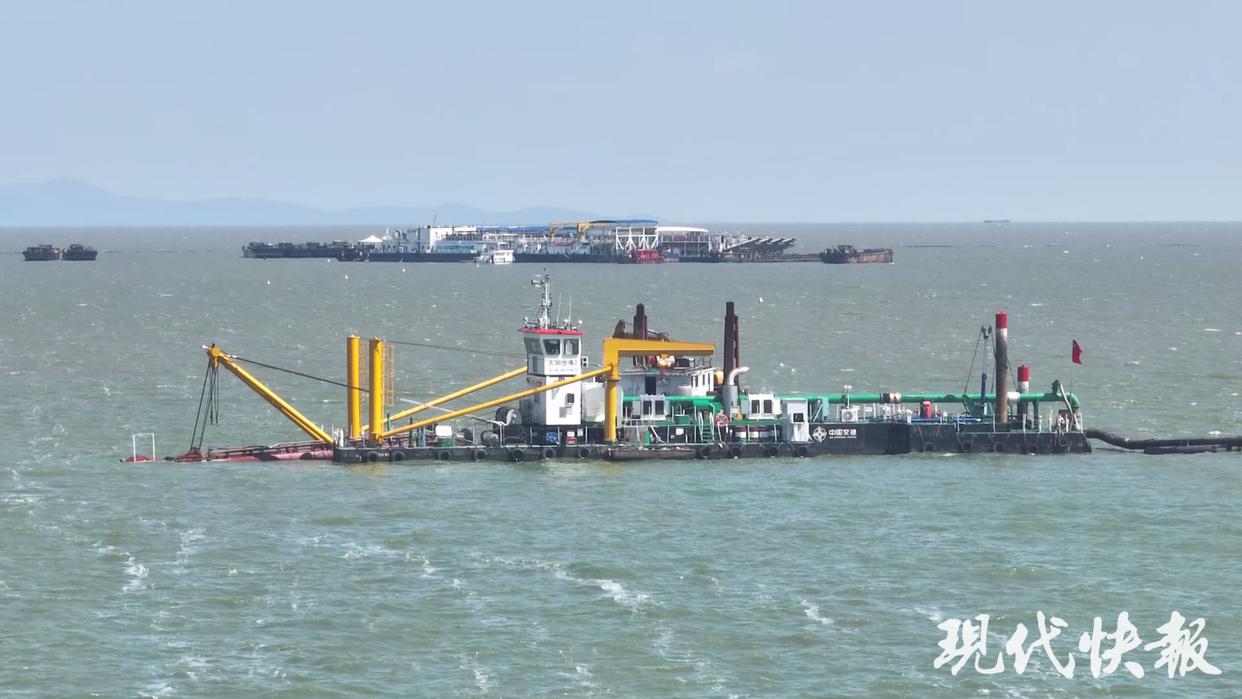
Group 1: Environmental Improvement and Achievements - Jiangsu province has achieved a significant improvement in its ecological environment, with the proportion of national monitoring sections rated as Grade III or better reaching 94.8% in 2025, an increase of 1.0 percentage points year-on-year [1] - The PM2.5 concentration in Jiangsu was recorded at 31.3 micrograms per cubic meter by the end of 2025, showing a 3.1% improvement compared to the previous year, with an excellent days ratio of 81.6% [1] - Jiangsu has successfully transitioned from severe ecological degradation to notable improvement during the "14th Five-Year Plan" period, while also achieving a GDP growth that crossed three trillion yuan milestones [1] Group 2: Water Quality and Management Initiatives - The "Taihu Light" ecological dredging platform, set to be operational in 2025, will have a daily dredging capacity of 8,000 cubic meters, contributing to the reduction of pollution in Taihu Lake [2] - Jiangsu has implemented a classification system for industrial and domestic wastewater, leading to significant improvements in water quality across major rivers and lakes, with the Yangtze River's main stream achieving Grade II quality for eight consecutive years [2][3] Group 3: Air Quality and Emission Control - Jiangsu has shifted its focus from traditional pollutants to volatile organic compounds (VOCs), with nearly 300 coal-fired units undergoing deep denitrification by 2025, covering about 90% of the province's coal-fired capacity [3] - The province has initiated the "Green Island" project to promote proactive VOCs emission reduction strategies, enhancing the overall air quality [3] Group 4: Regulatory and Service Enhancements - Jiangsu has optimized its environmental impact assessment (EIA) processes, reducing approval times from 30 days to under 5 minutes in pilot areas, thus facilitating faster project initiation [4][5] - The province has introduced 12 measures to support the private economy, streamlining EIA processes for 3,000 major projects [5] Group 5: Low-Carbon Development Initiatives - Jiangsu is advancing low-carbon transitions across various sectors, with two regions being selected as national-level zero-carbon park construction sites by December 2025 [6] - The province has conducted carbon verification for 515 key enterprises in major industries, achieving a 100% compliance rate for carbon market obligations [6] Group 6: Institutional Framework for Sustainable Development - Jiangsu has established the first provincial-level "14th Five-Year" ecological environment infrastructure construction plan, with 2,386 key projects enhancing environmental infrastructure capabilities [7] - The province has introduced various regulations to protect biodiversity and marine environments, laying a legal foundation for high-quality ecological development [7]
绿水青山装点江苏靓丽底色
Xin Hua Ri Bao· 2026-01-02 20:00
Group 1: Environmental Improvement and Achievements - Jiangsu province has achieved a significant improvement in its ecological environment, with the proportion of national assessment sections rated as Grade III or above reaching 94.8% in 2025, an increase of 1.0 percentage points year-on-year [1] - The PM2.5 concentration in Jiangsu was recorded at 31.3 micrograms per cubic meter by the end of 2025, showing a 3.1% improvement, with a good air quality days ratio of 81.6%, marking the best levels since monitoring began [1] - Jiangsu has seen a historical transformation in its ecological environment, moving from severe degradation to noticeable improvement during the "14th Five-Year Plan" period, while also achieving a GDP growth crossing three trillion yuan milestones [1] Group 2: Water Quality and Management Initiatives - The "Taihu Light" ecological dredging platform, set to be operational in 2025, will efficiently dredge 8,000 cubic meters of sediment daily, helping to improve the water quality of Taihu Lake [2] - Jiangsu has implemented a classification system for industrial and domestic wastewater, leading to significant improvements in water quality across major rivers and lakes, with the Yangtze River's main stream achieving Grade II quality for eight consecutive years [2][3] Group 3: Air Quality and Emission Control - Jiangsu has shifted its focus from traditional pollutants to volatile organic compounds (VOCs), with nearly 300 coal-fired units undergoing deep denitrification by 2025, covering about 90% of the province's coal-fired capacity [3] - The province has initiated the "Green Island" project to promote proactive VOCs emission reduction strategies, moving from passive responses to active management [3] Group 4: Regulatory and Service Enhancements - Jiangsu has optimized its environmental impact assessment (EIA) processes, reducing approval times significantly, exemplified by a five-minute turnaround for EIA exemption approvals in the Nantong Economic and Technological Development Zone [4] - The province has launched 12 measures to promote the private economy and streamline EIA processes, facilitating the approval of 3,000 major projects [5] Group 5: Low-Carbon Transition and Innovation - Jiangsu is advancing low-carbon transitions across various sectors, with two areas being recognized as national-level zero-carbon parks by December 2025 [6] - The province has conducted carbon audits for 515 key enterprises in major industries, achieving a 100% compliance rate for carbon market obligations [6] Group 6: Institutional Framework and Future Plans - Jiangsu has established the first provincial-level "14th Five-Year" ecological environment infrastructure construction plan, with 2,386 key projects enhancing environmental infrastructure capabilities [7] - The province aims to accelerate green, low-carbon, and high-quality development while continuing to combat pollution and promote ecological conservation as it enters the "15th Five-Year" period [7]
四川巴中巴州区:以改革之笔绘就“两山”转化新图景
Xin Lang Cai Jing· 2025-12-29 20:21
Core Insights - The article emphasizes the successful implementation of the "Green Mountains and Clear Water are Gold and Silver Mountains" concept in Bazhou District, Sichuan, leading to high-quality ecological transformation [1] Group 1: Urban Innovation - Bazhou District has utilized the river and lake chief system to address pollution issues in the Jin Qiao Lake area, effectively cutting off pollution at the source [1] - The district has developed ecological protective slopes and waterfront walkways, creating 160,000 square meters of green space [1] - This urban renewal has stimulated the development of surrounding real estate, activating a commercial economy over an area of 150,000 square meters [1] Group 2: Rural Transformation - The Yutang Street Fangshan Yan Village has innovated a model combining household small three-chamber systems with centralized large three-chamber systems and resource utilization networks, turning wastewater into irrigation "liquid fertilizer" [1] - This initiative not only improves the environment but also benefits local livelihoods [1] Group 3: Ecological Governance - Over the past five years, Bazhou District has established the first GEP (Gross Ecosystem Product) accounting system in the city, completing the first ecological value assessment at the prefecture level in the province [1] - The district has successfully created the first national ecological civilization construction demonstration zone at the prefecture level in the province [1]
太湖上的“巧克力工厂”有多神奇?
Xin Lang Cai Jing· 2025-12-27 13:34
Core Viewpoint - The article highlights the significant advancements in the ecological governance of Taihu Lake, emphasizing the successful implementation of innovative technologies and reforms that have led to improved water quality and effective sediment management [1][7]. Group 1: Ecological Governance Achievements - In 2024, Taihu Lake's water quality is expected to reach Class III, marking the best level in 30 years and achieving national standards for good lakes for the first time [1][7]. - The "Taihu Light" project, which is a world-first integrated ecological dredging platform, is set to be fully operational by August 15, 2025, contributing to the lake's ecological restoration [1][5]. Group 2: Technological Innovations - The "Taihu Light" consists of five vessels, including a dredging ship and a water treatment ship, capable of dredging up to 8,000 cubic meters per day, which is 1.6 times more efficient than its predecessor, "Taihu Star" [5][7]. - The platform utilizes advanced composite water treatment technology, ensuring that treated water meets Class III surface water standards, allowing for direct discharge into the lake [5][8]. Group 3: Environmental Impact and Future Plans - The dredged sediment, referred to as "chocolate," is repurposed for wetland restoration and environmental construction materials, demonstrating a circular economy approach [5][7]. - Over the next six years, "Taihu Light" aims to complete over 10 million cubic meters of dredging, significantly reducing sediment accumulation in the lake [7].
相城区386条幸福河湖高标准建成
Su Zhou Ri Bao· 2025-12-26 02:58
Core Viewpoint - Xiangcheng District has been awarded the title of National Ecological Civilization Construction Demonstration Zone, marking a significant achievement in ecological development and environmental protection efforts in the region [1] Group 1: Ecological Achievements - The water quality of Yangcheng Lake has stabilized at Class III, making it the first open lake in the Taihu Plain region to reach this standard [1] - Comprehensive governance actions have been implemented for North Taihu and Caohu, establishing a water quality monitoring system covering all rivers, lakes, and key tributaries in the district [1] - A total of 386 "Happy Rivers and Lakes" have been constructed to high standards, with 100% of the monitoring sections meeting the Class II standard [1] Group 2: Biodiversity and Conservation - The critically endangered species, the Baikal Teal, has been frequently spotted in Yangcheng Lake, indicating a positive trend in biodiversity [1] - A biodiversity survey recorded a total of 1,232 species in Xiangcheng, including 26 nationally protected species and 22 endangered species listed in the China Species Red List and IUCN [1]
苏浙沪联建国家“两山”基地
Su Zhou Ri Bao· 2025-12-25 22:33
五年来,吴江与上海青浦、浙江嘉善协同,累计出台10余项跨区域制度方案,形成24项一体化制度 创新成果,其中11项已向全国复制推广。其中"吴江长三角一体化战略下生态与发展'双优势'转化"获评 中国改革典型案例,一条"共保联治、绿色发展"的新路日益清晰。 记者了解到,吴江累计投资超200亿元实施东太湖综合整治,国省考断面水质优Ⅲ率达100%, 较"十三五"末提升14.3个百分点,太浦河入选全国美丽河湖优秀案例。太湖吴江水域连续18年安全度 夏,吴江太湖水环境综合治理提升模式入选长江大保护优秀实践案例;建设用地安全利用率始终保持 100%;生态质量指数(EQI)稳步提升、"十四五"以来提升了4.8%,入选2025全国市辖区生态系统生产 总值(GEP)百强榜;探索打造"工业发达和人口稠密地区生物多样性样板区",相关经验在联合国生物 多样性大会(COP15)上向全球展示;在工业主战场,全国首创的工业企业资源集约利用系统引导着产 业向绿而生,创新开展"长三角生态绿色贷""跨省排污权交易",全区已建成国家级绿色工厂24家、绿色 工业园区1个,绿色发展水平稳居全国百强区前列。 前昨(12月24日-12月25日)两天,2025 ...
山西首个黄河流域生态价值转化项目成功落地
Zheng Quan Shi Bao Wang· 2025-12-25 00:29
Core Viewpoint - The successful transaction of land management rights in Wangjiahe Village marks a significant breakthrough in the ecological value transformation mechanism in Shanxi Province, particularly within the Yellow River Basin [1] Group 1: Transaction Details - The land management rights transaction amount reached 4.1818 million yuan [1] - The funds from this transaction will be specifically allocated for ecological environment governance and rural revitalization projects in the region [1] Group 2: Ecological and Economic Integration - The project aims to promote the deep integration of "soil and water conservation + ecological tea gardens + cultural tourism and leisure" industries [1] - A virtuous cycle system of "governance - transformation - feedback" is being established to achieve a win-win situation between ecological environment protection and socio-economic development [1]
“青藏门户”青海海东五年累计植绿276万余亩
Zhong Guo Xin Wen Wang· 2025-12-19 01:16
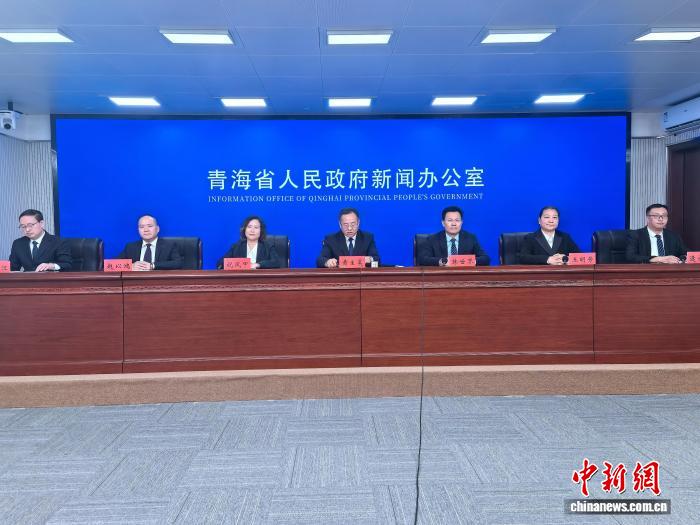
Core Points - The city of Haidong in Qinghai Province has planted over 2.76 million acres of greenery and more than 35 million trees in the past five years, aiming to protect the ecological environment as a priority [1][3] - The local government has implemented integrated protection and restoration of mountains, rivers, forests, fields, lakes, grasslands, and deserts, promoting a green transformation of development methods [3][4] Environmental Achievements - Water quality in the Yellow River and Datu River has maintained a Class I standard for five consecutive years, while the quality of the Huangshui River has reached Class II for the first time [4] - The air quality has consistently remained above 92% for good quality, with a reported PM2.5 concentration of 27 micrograms per cubic meter, achieving historical best levels [4] Ecological Initiatives - Haidong has focused on three green initiatives: green barriers, green river valleys, and green urban areas, leading to the implementation of ten major greening projects along the Huangshui River [4] - The city has established a solid waste management system that emphasizes classification and resource utilization, with comprehensive coverage of urban and rural waste disposal [4]
从“长江下游”到“工作上游”:南通“十四五”生态治理获国家级表彰
Yang Zi Wan Bao Wang· 2025-12-17 14:11
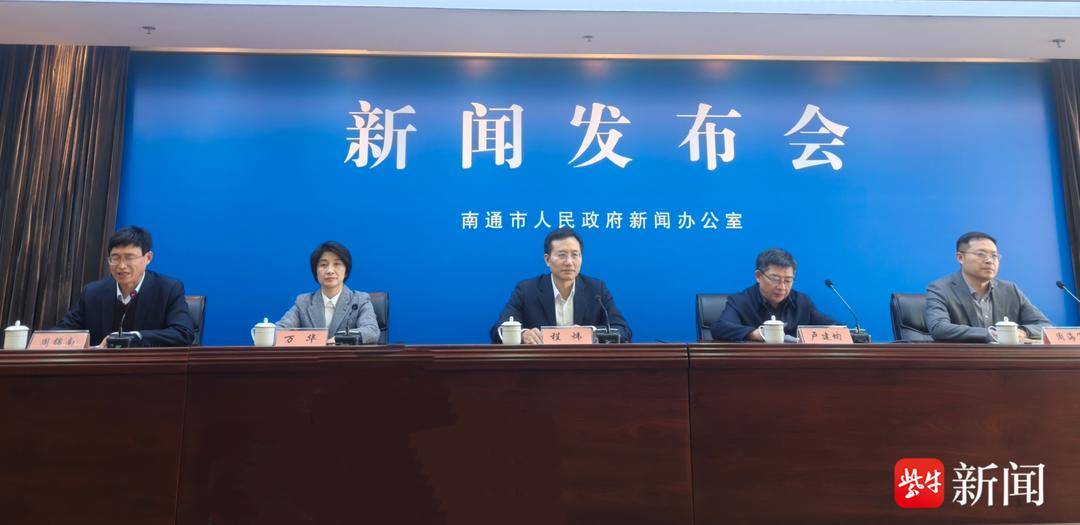
Core Viewpoint - Nantong City has achieved significant progress in ecological and environmental protection during the "14th Five-Year Plan" period, with improvements in air and water quality, and a commitment to sustainable development practices [1][3][4]. Group 1: Air Quality Improvement - PM2.5 concentration decreased from 34 micrograms per cubic meter in 2020 to 25 micrograms per cubic meter in 2024, maintaining the best air quality in the province for three consecutive years [3]. - Nantong was the first in the province to meet the World Health Organization's transitional phase target for air quality [3]. Group 2: Water Quality Enhancement - The proportion of national monitoring sections with water quality rated as good (Class III) increased from 80% in 2020 to 93.8% [3]. - The water quality in the Yangtze River section in Nantong has consistently maintained Class II standards [3]. Group 3: Soil and Public Satisfaction - Soil environmental safety has been effectively ensured, contributing to a consistent public satisfaction rate of over 90% regarding ecological conditions [3]. Group 4: Governance and Legal Framework - Nantong established a city-level pollution prevention command led by major city leaders, pioneering a comprehensive environmental governance structure [3]. - The city introduced the first local regulations on ecological environmental damage compensation procedures in the country [4]. Group 5: Green Development Initiatives - Nantong is advancing a green transformation of its development model, establishing a modern industrial system known as "616," with key sectors like marine engineering and high-end textiles [4]. - The installed capacity for renewable energy generation reached 17.236 million kilowatts, ranking second in the province [4]. - The proportion of new energy vehicles in new car registrations reached 45.3%, with the number of green ports also ranking second in the province [4]. Group 6: Future Plans - Looking ahead to the "15th Five-Year Plan," Nantong aims to further implement Xi Jinping's ecological civilization thought, enhance modern environmental governance systems, and promote green development innovation [4].