社区商业

Search documents
扩围升级!推动城市一刻钟便民生活圈建设相关政策将出台
Zhong Guo Zheng Quan Bao· 2025-09-16 02:17
Core Viewpoint - The Chinese government is implementing measures to expand and upgrade the "15-minute convenient living circle" in cities, focusing on services for the elderly and children, and extending these services to eligible county towns [1][2]. Group 1: Policy Initiatives - The initiative aims to create a community service radius of approximately 15 minutes on foot, targeting basic and quality consumption needs of residents [1]. - The "15-minute convenient living circle" is part of the "Consumption Promotion Special Action Plan" issued by the Central Committee and the State Council in March [1]. - A total of 30 regions have been selected as pilot areas for the second batch of the "15-minute convenient living circle" initiative, announced by the Ministry of Commerce and 11 other departments [1]. Group 2: Development Report - According to the "2024 Annual Development Report on the 15-Minute Convenient Living Circle," by the end of 2024, 210 pilot areas will have established 5,188 convenient living circles, serving 118 million community residents [1]. - The commercial outlets within these living circles have created a total of 7.324 million jobs, reflecting a year-on-year growth of 44.9% [1]. Group 3: Future Directions - The report suggests that the next steps should include extending the convenient living circle from major cities to eligible county towns, while continuously upgrading its functions [2]. - There is an emphasis on building a multi-layered and diversified service system that caters to residents of all age groups, particularly focusing on the needs of the elderly and children [2].
第二批城市一刻钟便民生活圈 全域推进先行区试点名单公示 长沙市入选
Chang Sha Wan Bao· 2025-08-08 03:35
Core Viewpoint - The Ministry of Commerce has announced the second batch of pilot cities for the "15-Minute Convenient Living Circle," with Changsha included among 30 selected regions, aiming for full coverage in urban and county communities within approximately two years [1][2]. Group 1: Pilot Program Details - The "15-Minute Convenient Living Circle" is defined as a service radius of approximately 15 minutes on foot, designed to meet residents' basic and quality consumption needs through a variety of community business formats [1]. - Changsha was selected as a pilot city in August 2022 and has since developed a construction implementation plan that integrates the living circle with community service systems, urban renewal, and other social services [1]. Group 2: Current Achievements - As of now, Changsha has established 150 high-quality living circles serving 1.75 million residents, achieving a resident satisfaction rate of 96% [2]. - Chain stores within the pilot living circles account for 40% of the total commercial outlets, with over 5,000 brand chain convenience stores, placing Changsha among the top three in convenience store development index nationwide [2]. Group 3: Future Plans - The Changsha Municipal Bureau of Commerce plans to optimize community commercial facility layouts and introduce more quality brands and chain enterprises while expanding convenient service scenarios and enhancing service intelligence through online and offline integration [2].
湖北两地新入选商务部先行区试点 持续扩大一刻钟便民生活圈范围
Chang Jiang Shang Bao· 2025-08-04 05:40
Core Insights - The Ministry of Commerce has announced the second batch of cities for the "15-Minute Convenient Living Circle" pilot program, with Yichang and Shiyan in Hubei province successfully selected, making Hubei the leading province in central China with three cities included [1][2] - The pilot program aims to enhance community services and urban convenience systems, promoting innovation and upgrading in public services [1][2] Group 1: Pilot Program Details - The "15-Minute Convenient Living Circle" refers to community business districts that meet residents' daily consumption needs within a 15-minute walking radius, covering both essential and higher-level consumption demands [2] - The second batch of pilot cities includes 30 cities across 23 provinces, with Hubei's inclusion highlighting its commitment to improving community commercial services and urban governance [2][5] - The pilot program will follow a "two-year trial, three-year promotion" plan to gradually expand the coverage of convenient living circles [1][2] Group 2: City-Specific Initiatives - Yichang is focusing on high standards and digitalization in its living circle construction, planning to launch 43 provincial pilot circles by 2024, including an innovative "Yilife" VR map platform for residents [2][3] - Shiyan has developed a unique approach centered on elderly care services, with plans to establish 79 living circles by the end of 2024, covering 55.4 million residents and addressing challenges in elderly dining and childcare [3][5] Group 3: Policy and Support Measures - Hubei's provincial government has set a goal to achieve "full coverage, demonstration circles, and community co-construction" by the end of 2025, supported by various action plans to enhance consumer services [4][5] - Yichang has allocated financial incentives for the development of quality living circles, providing up to 1 million yuan in support for pilot areas [4][5] Group 4: Community Engagement and Economic Impact - Shiyan has organized over 10 community service festivals, engaging 1,123 merchants and serving 350,000 residents, with a brand chain rate of 38% in the living circles, creating 30,000 jobs [5][6] - The satisfaction rate for elderly dining services in Shiyan is reported at 96%, showcasing the effectiveness of the dual approach of public service and commercial operation [5][6]
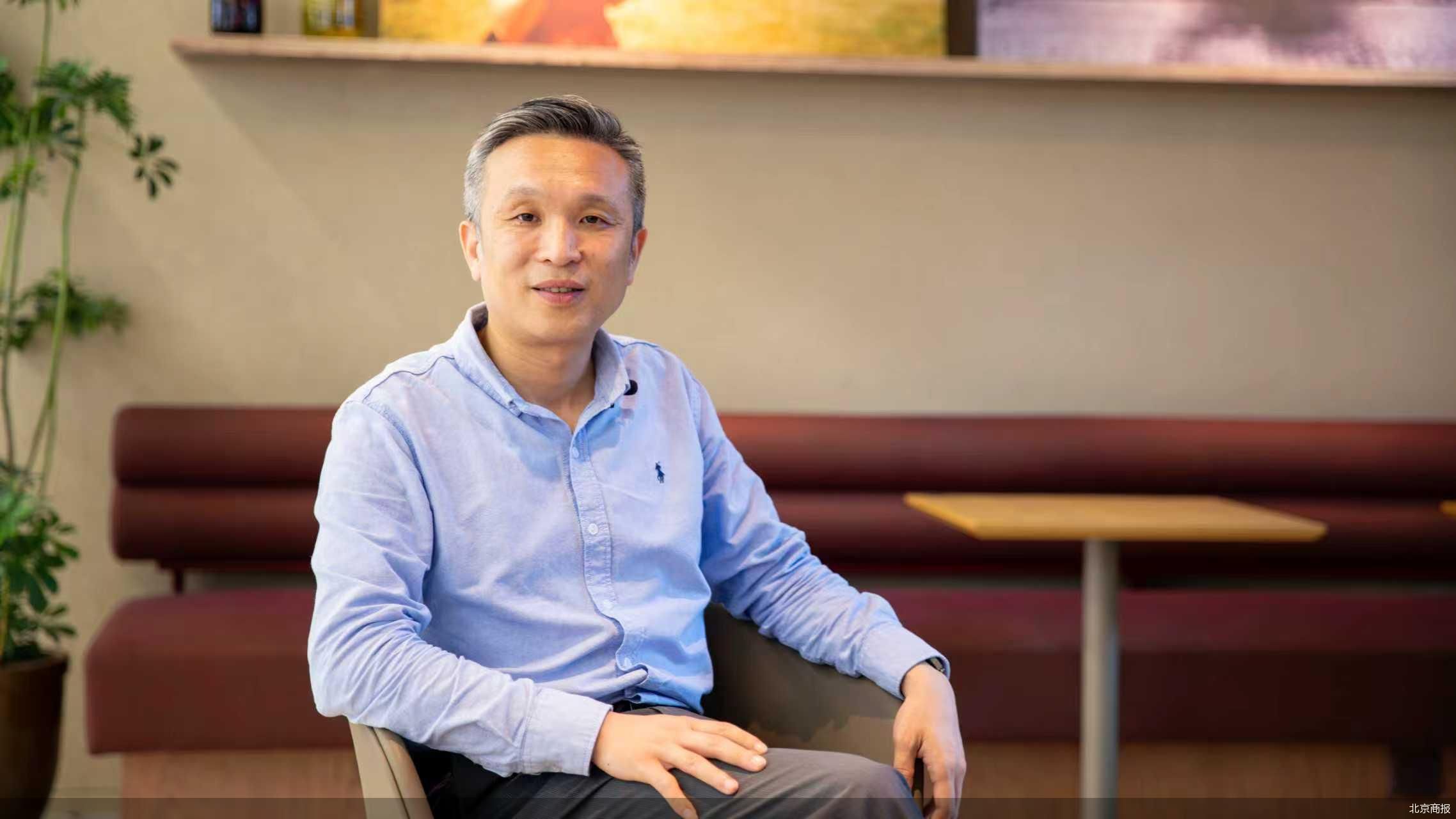
专访新辰商业集团联合创始人及COO王纯:社区商业的改造不是大型购物中心的同比例缩小
Bei Jing Shang Bao· 2025-07-22 07:53
Core Insights - Community commerce is emerging as a significant development direction in the current business environment, with Xincheng Commercial accelerating its layout in this field, having established nearly 10 community commercial entities in Beijing over the past two years [1] - The transformation of community commerce should not merely be a scaled-down version of large shopping centers but should focus on distinctive business formats to create a clear regional identity [1] Group 1: Project Performance - The Huadong Xinchenghui project, a recent transformation by Xincheng Commercial, has shown remarkable results since its opening on April 29, achieving an average daily foot traffic of approximately 20,000, a significant increase from the previous 5,000-6,000 [3][4] - Monthly sales for the project reached around 60 million yuan, with daily sales averaging about 2 million yuan, surpassing the total sales of four floors before the transformation [3] Group 2: Business Strategy - Xincheng Commercial employs a "one store, one strategy" approach, focusing on strong categories such as dining, with over ten coffee and tea brands introduced, and plans to adjust offerings based on consumer demand [4][5] - The marketing strategy for community commerce emphasizes low-cost, high-interaction activities, with plans for approximately 500 community events annually, costing only about 1,000 yuan per event, significantly lower than traditional shopping centers [4][5] Group 3: Market Positioning - Xincheng Commercial's community projects are designed with three core logics: focusing on short-distance customer groups within a 1.5-2 km radius, creating strong categories to attract consumers, and maintaining rapid iteration capabilities based on operational data [8] - The company aims to avoid the pitfalls of traditional community commerce, such as oversaturation and lack of planning, by ensuring that each project is tailored to local needs and consumer preferences [8][9] Group 4: Youthful Innovation - The essence of commercial renewal lies in integrating youthful and personalized elements, with Xincheng Commercial focusing on attracting young brands and creating dynamic consumer experiences [10][11] - The strategy balances the needs of young consumers with those of family-oriented customers, ensuring that the commercial space embodies a youthful spirit while serving community functions [11][12] Group 5: Investment Approach - Xincheng Commercial adopts a "medium asset" investment strategy, revitalizing old retail spaces and integrating community services, rather than pursuing either light asset management or heavy asset development [12]

政策红利驱动下,37%转化率提升背后:社区门店“体验+私域直播”融合策略
Sou Hu Cai Jing· 2025-07-10 09:36
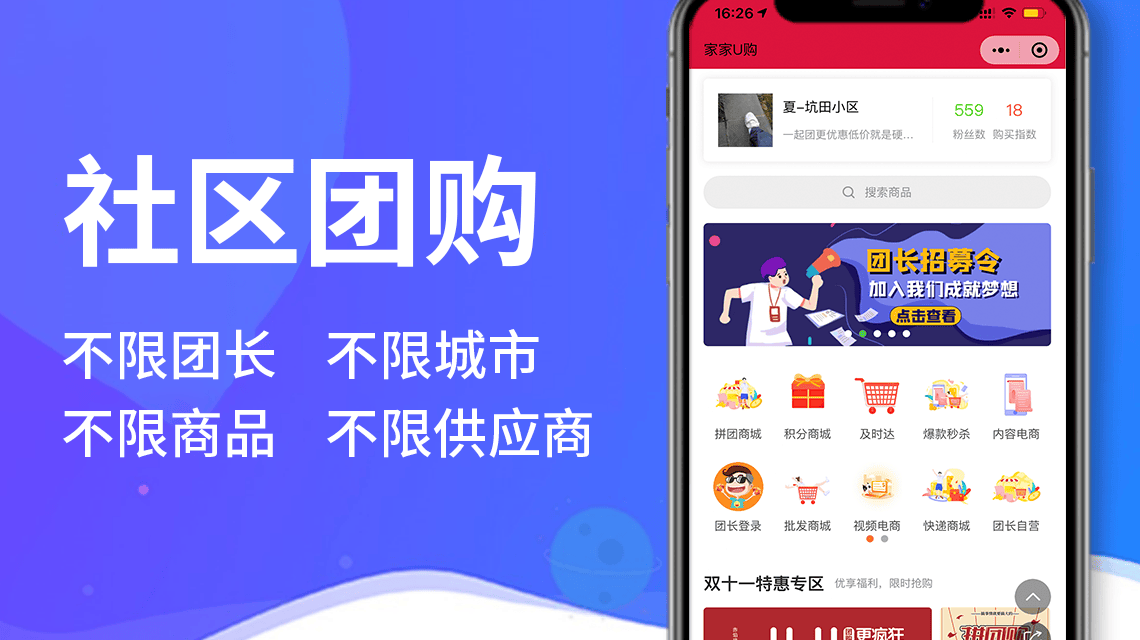
Core Insights - The consumer market is undergoing a transformation characterized by a "speed and disruption" dynamic, with offline store traffic halved and online traffic costs soaring, leading to a "store + private domain + live streaming" model that has enabled early adopters to double their performance in three years [1] Group 1: Community Store Innovations - Community stores are being redefined as connection hubs between experience and live streaming, with a chain supermarket in Beijing reporting a 37% higher conversion rate for in-store live streaming compared to purely online [3] - The dual scenario model of "offline touch + online clarification" addresses experiential pain points in categories like beauty and home appliances, allowing customers to test products in-store while viewing detailed product information through live streaming [3] Group 2: Policy Support for Business Upgrades - Local government policies are creating a multi-dimensional support system for business upgrades, with Jiangsu province offering a 30% reimbursement for live streaming equipment modifications and Chengdu establishing a "15-minute live streaming life circle" standard [4] - These policies lower transformation costs for businesses and foster an ecosystem where government facilitates, businesses perform, and residents benefit, exemplified by a community in Hangzhou training market vendors as "fresh food anchors," resulting in a 29% increase in local vegetable repurchase rates [4] Group 3: Successful Operational Models - Different regions are exploring innovative operational models, such as Shandong's "street live streaming base" with a "1+N" structure that integrates supply chains and allows community convenience store owners to serve as part-time anchors, generating over 10,000 yuan in monthly revenue per store [5] - In Guangdong, a lychee farm was transformed into a "field live streaming room," reducing fruit loss rates from 25% to 8% and extending the freshness period of lychees by over three days for consumers [5] Group 4: User Asset Management - The underlying logic of user asset management is "trust compounding," with a maternal and infant brand's private domain data showing that users from live-streamed communities have a consumption frequency 2.3 times higher than regular members [7] - This shift from "one-time conversion" to "long-term value extraction" is facilitated by anchors sharing parenting knowledge and organizing offline family activities, transforming commercial relationships into emotional connections [7] Group 5: Core Competencies - The synergy of technology, localization, and precise service creates a multiplier effect, as demonstrated by a pharmacy chain using AI to analyze live streaming comments, leading to a 40% increase in sales by adjusting themes based on consumer inquiries [8] - Localized operations require deep integration into community dynamics, with community store anchors using local dialects and market price comparisons to enhance relatability [9] - Precision service is exemplified by a fresh food platform that analyzes user interaction data to automatically suggest small portion meals for elderly individuals living alone, lowering their purchasing decision barriers [10] Group 6: Actionable Strategies for Businesses - Companies should establish a "lightweight trial and error" mechanism, with startups testing product selections through private domain communities and validating acceptance via store traffic before scaling up [11] - Established enterprises can explore resource integration models, such as partnering with community property management to convert idle spaces into shared live streaming rooms, reducing costs while reaching targeted customer groups [11] - Maintaining flexibility is crucial, as evidenced by a company adjusting live streaming times to cater to older users' preferences, resulting in a 17% increase in conversion rates [11] Group 7: Transformative Value of the New Model - The deep value of the "store + private domain + live streaming" model lies in reconstructing the "people, goods, and scene" relationship in commerce, transforming consumers from passive recipients to active co-creators [13] - This model repositions stores as experience entry points and live streaming as a trust-building tool, indicating that this transformation is just beginning and will lead to more consumer possibilities as technology and scenarios continue to integrate [13]
提振消费促进经济高质量发展(调查研究 凝聚共识)——民革中央开展二〇二五年度重点考察调研
Ren Min Ri Bao· 2025-06-25 22:16
Core Viewpoint - The central economic work conference and the government work report emphasize the importance of boosting consumption and enhancing investment efficiency to expand domestic demand by 2025 [1] Group 1: Research and Development - A research team led by Zheng Jianbang and He Baoxiang conducted in-depth investigations in Shaanxi and Guangdong to explore the role of consumption in promoting high-quality economic development [1][2] - The team visited various locations, including community businesses and cultural tourism sites, to understand the current development status and consumer behavior [2] Group 2: Findings and Observations - The research team noted that consumption is becoming a key driver for enhancing economic resilience and promoting high-quality development [2] - In Shaanxi, the integration of cultural tourism products has significantly boosted the local economy and consumer market potential [3] Group 3: Challenges and Recommendations - The team identified several challenges, including seasonal fluctuations in tourist numbers and the need for better consumer engagement strategies [4][5] - Recommendations include developing year-round product offerings, enhancing second-time consumption, and creating joint ticketing systems for nearby attractions [4][5] Group 4: Policy Suggestions - The research team suggested that a focus on reform and innovation is essential to stimulate consumption and address structural and systemic challenges [8] - Emphasizing the importance of improving the consumption environment and increasing residents' income can create a virtuous cycle of consumption driving production and employment [8]
北京织补社区商业设施 占道经营高发点补位便民服务
Bei Jing Shang Bao· 2025-06-25 09:31
Core Viewpoint - Beijing plans to implement a "convenience commercial facility补补" initiative at 14 high-demand locations by 2025 to address street vendor issues and improve public services [1][2][3] Group 1: Initiative Overview - The initiative aims to integrate environmental order management with public service guarantees, providing solutions for street vendor issues through targeted commercial facility补补 [1][2] - The program will focus on areas with high street vendor activity and urgent public demand, utilizing a multi-faceted approach to enhance convenience for residents [1][2] Group 2: Implementation and Impact - The "vegetable direct delivery vehicle" initiative in Songzhuang Town has successfully sold over 3,000 pounds of fresh produce on its first day, indicating strong community demand [1] - Since the launch of the "relief, rectification, and promotion" action in 2017, over 3,500 high-frequency street vendor locations have been addressed, resulting in an 80% decrease in public complaints from 135,000 in 2016 to 26,000 in 2024 [1][2] Group 3: Collaboration and Future Plans - The collaboration between the Urban Management Enforcement Bureau and the Commerce Bureau includes regular meetings to address common issues and share information [3] - As of now, 11 urgent commercial facility补补 locations have been successfully completed, with plans to continue refining the collaboration mechanism and expand the initiative across the city [3]
超5500个便民生活圈已建成 市民幸福感提升就在这些细节里
Yang Shi Xin Wen· 2025-06-15 06:17
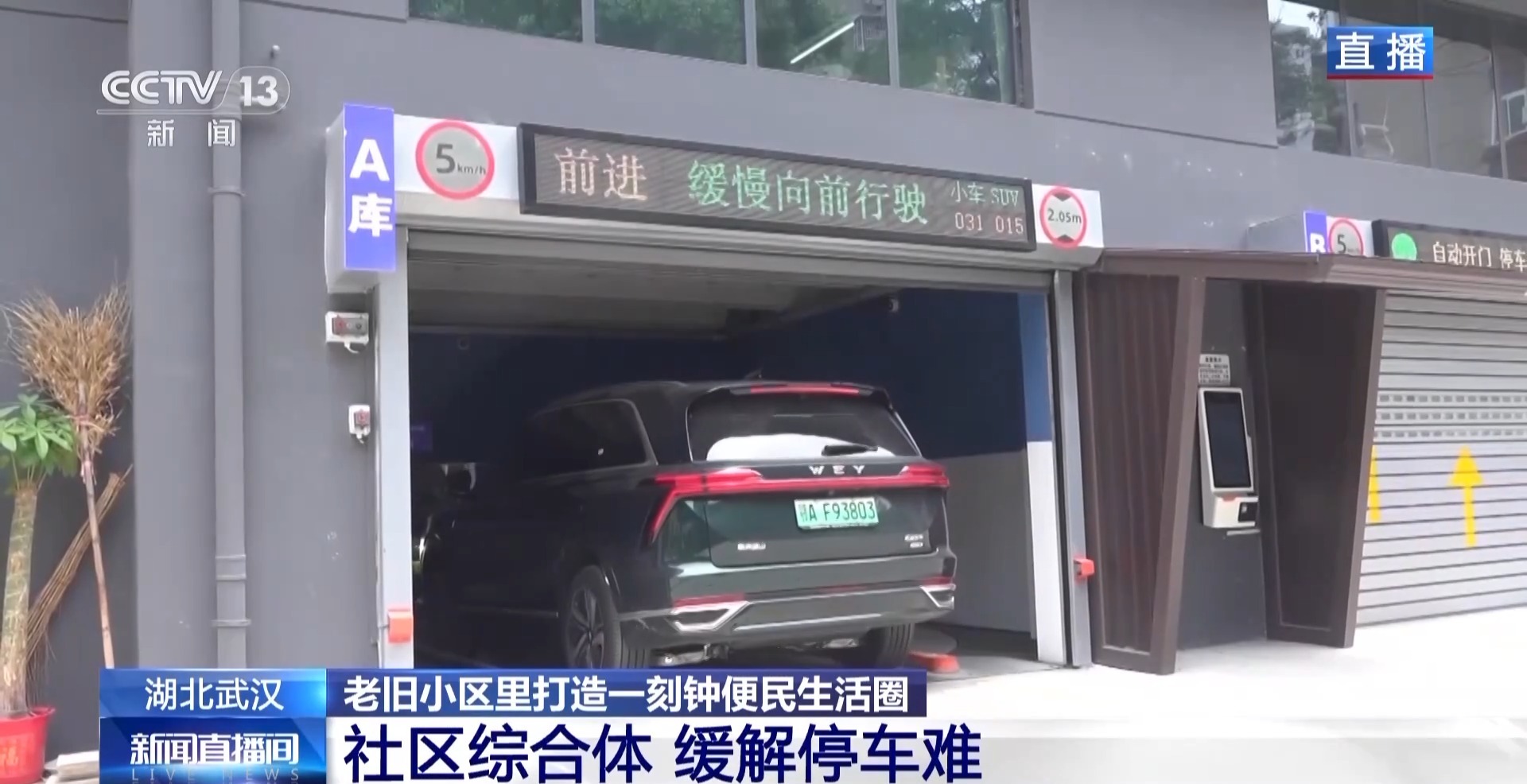
Core Insights - The article discusses the development of "15-minute convenience living circles" across various regions in China, focusing on enhancing community services and improving the quality of life for residents [1][14][15] Group 1: Community Development - Wuhan's Zhiyin Xiyuan community has transformed an old vacant area into the city's first "parking lot + neighborhood center" community complex, addressing issues like lack of amenities and parking difficulties [3][5] - The neighborhood center offers various services such as free medical consultations and community birthday celebrations for elderly residents, fostering social interaction [1][5] Group 2: Nationwide Initiatives - The construction of convenience living circles has accelerated in China, with over 5,500 circles established in four years, serving approximately 125 million residents [14][15] - The Ministry of Commerce plans to initiate a second batch of pilot projects for convenience living circles, aiming to create age-friendly environments for all residents [14][16] Group 3: Diverse Services - Various regions are customizing their convenience living circles to include cultural, sports, and elderly care services, such as "baby houses" for childcare and "health houses" for elderly health consultations [6][7][9] - The integration of smart technology in public spaces, like parks, enhances the experience for residents, making fitness activities more engaging [11] Group 4: Economic Impact - The development of these living circles not only facilitates daily life but also stimulates community consumption by introducing new retail formats and services, thereby diversifying consumer options [15]
史诗级变革!医疗、养老、教育迎利好
Wind万得· 2025-06-09 22:24
重磅利好来了, 中国民生保障体系从"兜底型"向"发展型"跃迁。 6 月 9 日,据新华社等权威媒体披露,中共中央办公厅、国务院办公厅联合印发《关于进一步保障和改善民生 着力解决群众急难愁盼的意 见》(以下简称《意见》)。 机构认为,《意见》的出台标志着在人口结构变化与消费升级的双重背景下, 政策红利将加速释放,为教育、医疗、养老、社区服务等产 业打开万亿级增长空间。 // 4大维度重塑民生保障体 系 // 1、社会保障公平性显著增强 《意见》明确提出" 全面取消在就业地参加社会保险的户籍限制",打破城乡二元壁垒,推动劳动力要素自由流动。 据新华社报道,政策还将支持有条件地区将生育保险生育津贴直接发放至参保人账户,并合理提高最低工资标准。 中证网分析称, 这一举措将直接降低企业用工成本中的隐性负担,同时增强劳动者消费能力,预计每年释放约 2000 亿元潜在消费力。 2、公共服务均衡化加速推进 文件要求"以县域为基本单元,推进公共服务城乡一体化",并推动人口流入地城市"一城一策"制定常住地服务标准。医疗、教育等资源将 向中西部及县域倾斜,例如 新建改扩建 1000 所以上优质普通高中,新增高等教育资源向中西部人口 ...

商场招商人转行指南:这五个新赛道比收租更香
Sou Hu Cai Jing· 2025-05-19 04:28
Group 1 - The traditional retail industry is facing significant challenges, with vacancy rates approaching 30% and merchants demanding rent reductions due to the impact of e-commerce and changing consumer behaviors [1][3] - Many professionals in the industry are considering transitioning to other shopping centers, but the entire sector is experiencing a downturn, leading to a search for new opportunities in emerging fields [3][4] - The concept of "15-minute living circles" is gaining popularity, with a focus on community commerce that combines essential services like convenience stores and fresh food markets, which is seen as more practical than high-end shopping centers [3][4] Group 2 - New retail experiences are emerging, such as escape rooms and immersive dining, catering to younger consumers seeking novelty [3][4] - Innovative uses of vacant retail spaces are being explored, such as transforming them into shared live-streaming studios or helping physical stores transition online, which can be more profitable than traditional rent collection [3][4] - The IT industry is viewed as a lucrative field, with high employment rates and attractive salaries for graduates from practical training programs [4] Group 3 - The trend of "second landlords" is rising, where individuals manage brand operations and shop renovations for owners, generating stable income without the risks associated with direct ownership [4] - Caution is advised for those transitioning to new ventures, emphasizing the importance of not blindly investing in unfamiliar industries and testing the waters before fully committing [4] - Successful transitions often involve leveraging past experiences in commercial logic, resource integration, and negotiation skills, with many individuals enhancing their skill sets by learning IT [4]