童装

Search documents
私域增长新思路:ALLBLU幼岚用AI和内容打造高复购体系
Sou Hu Cai Jing· 2025-09-18 11:19
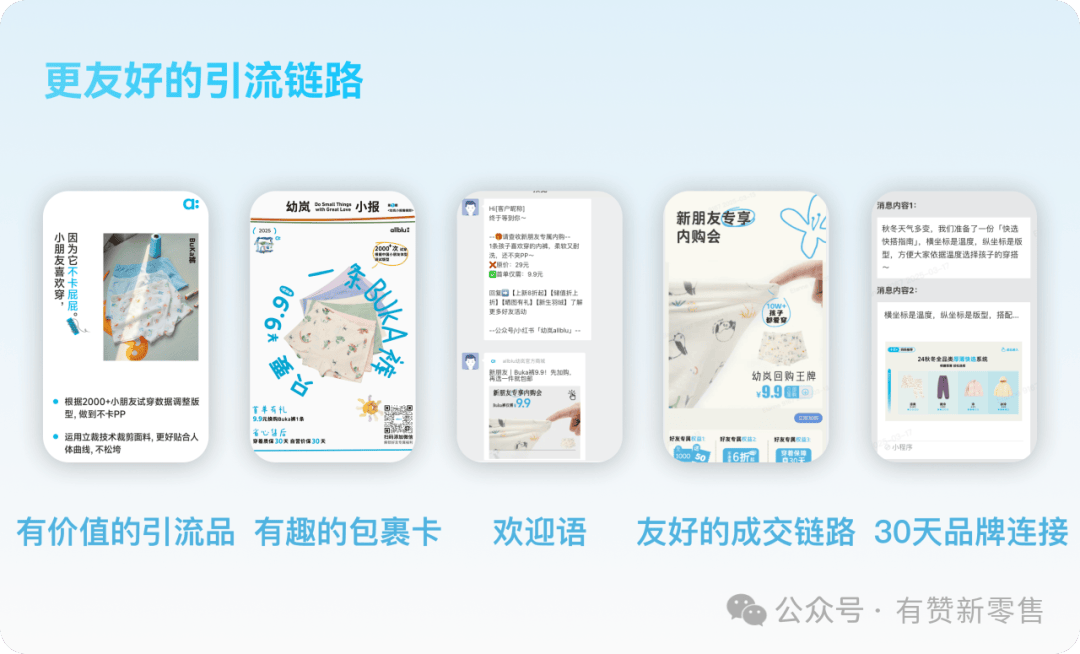
Core Insights - ALLBLU is a children's clothing brand that emphasizes comfort, practicality, and aesthetics, aiming to create a warm user communication space through a non-promotional strategy focused on AI, products, content, and services [1][24]. Group 1: Brand Background - ALLBLU focuses on designing comfortable, practical, and aesthetically pleasing clothing for children, with a philosophy of "Do Small Things with Great Love" [1]. - The brand started on Tmall and has since opened offline flagship stores, aiming for an integrated online and offline user experience [1]. Group 2: Challenges and Solutions - The brand faced three main challenges in its private domain strategy: lack of promotional pricing, reliance on public domain traffic, and a fragmented online-offline experience [3][4]. - To address these challenges, ALLBLU built a sustainable private domain operation system centered around "product + content + service" instead of traditional promotions [1][3]. Group 3: Private Domain Strategy - In the cold start phase, ALLBLU attracted users through valuable consensus-driven products, engaging packaging, and friendly transaction processes [2]. - The brand implemented a 30-day connection plan to build trust through welcome messages, content pushes, and trial experiences [5]. - ALLBLU introduced exclusive private domain products and utilized interactive topics to generate interest and engagement among users [9]. Group 4: Online and Offline Integration - With the opening of offline flagship stores, ALLBLU reinforced its "neighbor" concept by inviting users to stores and providing a seamless shopping experience [16]. - The brand utilized live streaming and trial services to enhance customer experience and increase average transaction value [16]. Group 5: AI Empowerment - ALLBLU integrated AI to enhance brand warmth, creating a product knowledge base and generating marketing content [21]. - AI was also used to develop brand-related materials and assist in fabric research and product design [21]. Group 6: Results and Impact - The brand's private domain mini-program sales increased by 194%, with repeat purchases and high average transaction values rising by 203% year-on-year [25]. - ALLBLU demonstrated that private domain strategies can thrive without price cuts, relying instead on value consensus and self-circulating content and services [25].

探路者19.3亿定增:稳健财务下的“补流”迷局与地产商的资本游戏 | 深度
Tai Mei Ti A P P· 2025-09-18 00:17
Core Viewpoint - The company, Tanshan (探路者), has announced a plan to raise 1.93 billion yuan through a private placement, which has raised significant market skepticism due to its financial stability and the vague purpose of the funds [2][21]. Financial Status - Tanshan's financial condition is robust, with operating cash flows of 202 million, 409 million, and 225 million yuan from 2022 to 2024, totaling 836 million yuan in net inflow [3][4]. - The company has substantial cash reserves, with 827 million yuan in cash and 139 million yuan in financial assets, totaling nearly 1 billion yuan [4]. - Tanshan's debt burden is minimal, with short-term loans of only 10 million yuan and long-term debt of 100 million yuan, resulting in an asset-liability ratio of 20.55%, significantly lower than industry averages [4][7]. Fundraising Details - The proposed fundraising of 1.93 billion yuan is intended solely for "supplementing working capital," which is unusual given the company's strong financial position [2][21]. - The placement price of 7.28 yuan per share is significantly lower than the market price of 9.22 yuan at the time of the announcement, raising concerns about potential harm to minority shareholders [2][21]. Control Structure - Following the completion of the fundraising, the controlling shareholder, Li Ming, is expected to increase his stake from 13.68% to 33.60%, significantly consolidating his control over the company [3][19]. - The actual control of Tanshan appears to be shifting towards Huang Tao, the second-generation leader of Century Jinyuan Group, who has been quietly increasing his influence over the company [3][15]. Market Reactions and Speculations - The market has expressed doubts regarding the necessity and transparency of the fundraising, especially given the lack of specific project plans associated with the raised funds [2][21]. - Potential uses for the raised funds include enhancing the chip business, facilitating asset operations, or supporting other companies controlled by Huang Tao [20][21]. Regulatory Considerations - The recent amendments to the regulations by the China Securities Regulatory Commission emphasize that raised funds should be used for specific projects related to the main business, raising questions about the compliance of Tanshan's fundraising plan [4][21].


年产量20亿件卖给谁?中国童装之都“要活下去”
第一财经· 2025-09-14 14:59
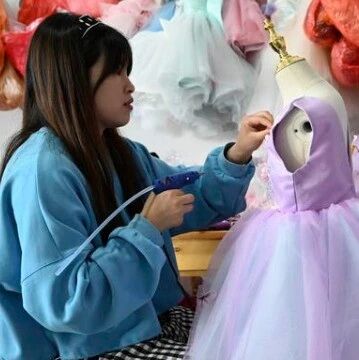
Core Viewpoint - The article highlights the challenges and opportunities faced by the children's clothing industry in China, particularly in the context of declining domestic demand and the need for companies to adapt and explore international markets for growth [2][4]. Group 1: Market Trends and Challenges - The domestic children's clothing market is expected to decline by over 30% in the second half of the year due to a continuous drop in birth rates since 2017 [2]. - Zhejiang Province's Huzhou City, known as the "Children's Clothing Capital of China," has over 14,000 children's clothing enterprises, producing 2 billion pieces annually, which accounts for two-thirds of the national market share [2]. - Companies are urged to actively seek change to survive in a contracting domestic market while maintaining a cautious approach to risks [2]. Group 2: International Expansion Strategies - A children's clothing company has shifted its focus to overseas markets, expecting a growth of around 10% this year, driven primarily by international business [4]. - The company has established overseas warehouses in Southeast Asia and Russia, leveraging local e-commerce platforms for sales [5]. - Despite the challenges posed by the Russia-Ukraine conflict, the company views the potential rewards as justifying the risks, given the lower operational costs in regions like Kursk compared to Moscow [4][5]. Group 3: E-commerce and Cost Challenges - The company faces rising costs in local e-commerce platforms, with commission rates increasing from over 20% to over 30%, alongside high shipping costs and return rates [5]. - The reliance on the "overseas warehouse + local e-commerce" model is deemed unstable, necessitating the development of offline wholesale channels [5]. Group 4: Opportunities in School Uniform Market - Zhejiang Maikaisdun Brand Management Co., a school uniform manufacturer, has achieved a 20% growth this year by tapping into the marketization of school uniforms and participating in public procurement projects [8]. - The shift towards open bidding for school uniforms has provided more opportunities for small and medium-sized enterprises to compete [8]. Group 5: Digital Transformation in the Industry - The article emphasizes the importance of digitalization in the children's clothing industry, with Huzhou promoting a "platform + industry" dual empowerment strategy to enhance market reach [11][12]. - The integration of digital tools is expected to improve product development and market expansion, moving from experience-based decision-making to data-driven approaches [11][12]. - Huzhou aims to leverage platform advantages to help local enterprises match procurement needs and transition to on-demand production [12]. Group 6: Economic Performance and Future Plans - As of last year, Huzhou had nearly 79,900 online business entities, with a 20.6% year-on-year growth, and a network retail sales of 39.19 billion yuan in the first half of this year, marking a 10.7% increase [13]. - The city plans to cultivate a number of "live-streaming +" industries with over 100 million scale, aiming for significant growth in platform enterprises and network retail sales over the next three years [13].
年产量20亿件卖给谁?中国童装之都“要变,要活下去”
Di Yi Cai Jing· 2025-09-14 13:10
Group 1: Market Trends and Challenges - The domestic children's clothing market is expected to decline by over 30% in the second half of the year due to a shrinking market and low birth rates since 2017 [2] - Zhejiang Province's Wuzhen Town, known as the "Children's Clothing Capital of China," has over 14,000 children's clothing enterprises, producing 2 billion pieces annually, accounting for two-thirds of the national market share [2] - Companies are urged to adapt and innovate to survive in a contracting domestic market while maintaining a cautious approach to risk-taking [2] Group 2: International Expansion and Strategy - A children's clothing company has shifted focus to overseas markets, expecting a 10% overall growth this year, driven by international business despite global demand contraction [3] - The company has established overseas warehouses in Southeast Asia and Russia, leveraging local e-commerce platforms for sales [4] - The operational costs in new markets are high, with local e-commerce platform fees increasing from over 20% to over 30%, necessitating a dual approach of online and offline sales channels [4] Group 3: Opportunities in School Uniform Market - A school uniform manufacturer has capitalized on market reforms that allow for more competitive bidding, enabling them to secure contracts with over 10,000 schools [6] - The shift towards market-driven procurement for school uniforms has provided opportunities for small and medium-sized enterprises to compete effectively [6] - The company emphasizes design as a key factor for schools, which are increasingly open to diverse suppliers [6] Group 4: Digital Transformation and Industry Support - The digitalization of the industry is seen as an essential trend for market expansion, with local government initiatives supporting this transformation [8] - The "platform + industry" model aims to enhance the integration of e-commerce and traditional manufacturing, helping companies adapt to market demands [9] - By leveraging data and digital tools, companies can shift from blind production to demand-driven customization, improving efficiency and market responsiveness [9][10] Group 5: Economic Performance and Future Goals - As of the end of last year, Huzhou had nearly 79,900 online business entities, with a 20.6% year-on-year growth [10] - The city's online retail sales reached 39.19 billion yuan in the first half of this year, growing by 10.7% [10] - Huzhou aims to cultivate a number of "live commerce" industries with over 100 million yuan in scale over the next three years, focusing on increasing the number of platform enterprises and their revenue [10]
湖州携手阿里巴巴,利用平台经济助推五大产业发展
Xin Lang Cai Jing· 2025-09-11 04:01
Core Viewpoint - The event aims to promote the deep integration of the digital economy and the real economy in Huzhou, enhancing industrial capabilities through a "platform + industry" dual empowerment strategy [1] Group 1: Event Overview - The Huzhou Market Supervision Administration and Alibaba (China) Network Technology Co., Ltd. held a conference to launch the "Platform + Industry" dual empowerment initiative [1] - The initiative focuses on five key industries: children's clothing, beauty products, specialty agricultural products, Anji white tea, and food and beverage [1] - The conference outlined specific measures and development goals to enhance industrial upgrading and platform development [1] Group 2: Cooperation Agreement - A cooperation agreement was signed between Huzhou Market Supervision Administration and Alibaba to establish a deep cooperation mechanism in six core areas [1][2] - The areas include building a credit system, promoting innovative development, protecting consumer rights, governing illegal activities, enhancing intellectual property protection, and optimizing the development environment [1][2] Group 3: Economic Impact - Huzhou has seen rapid development in platform economy, with 54 platform enterprises and nearly 80,000 operating entities, directly driving 196,000 e-commerce practitioners [2] - In 2024, the city's online retail sales reached 133.54 billion yuan, a year-on-year increase of 7.6% [3] - The cross-border e-commerce sector also performed well, with an export value of 20.74 billion yuan in 2024, reaching over 120 countries and regions [3] Group 4: Alibaba's Support - Alibaba's 1688 platform has customized policies for Huzhou enterprises, including traffic support, operational training, and brand incubation [3] - Over 3,600 merchants in Huzhou are collaborating with the 1688 platform, with online transaction volume exceeding 2.5 billion yuan as of August [3] - The platform aims to continue providing efficient online display and transaction channels to enhance the supply chain of Huzhou's specialty industries [3]

产业链企业超4000家,《全国产业集群大全》:长三角这个城市成文旅“顶流”
Yang Zi Wan Bao Wang· 2025-08-27 03:11
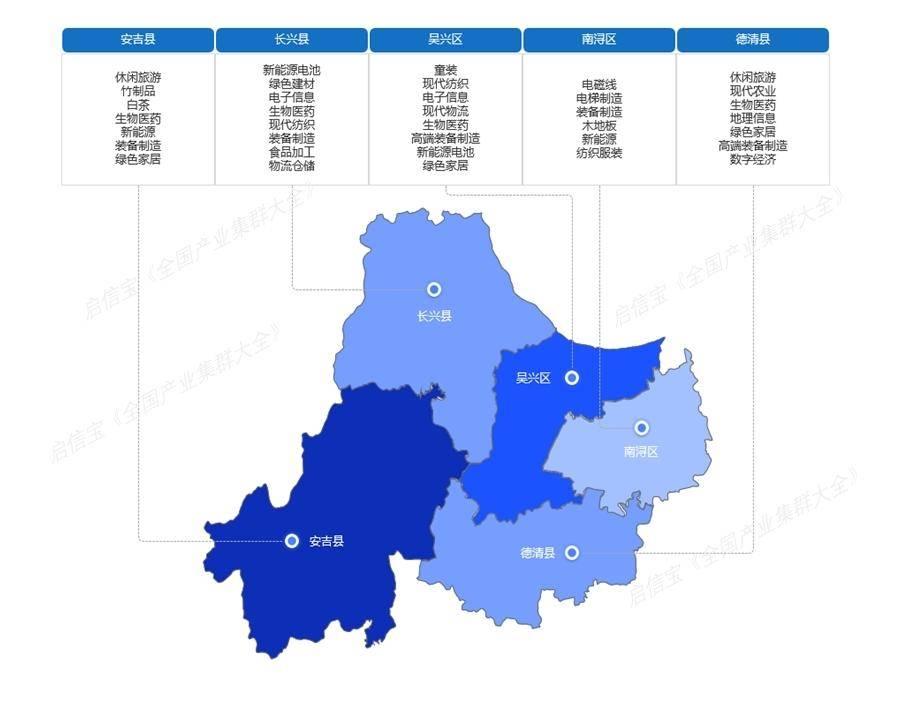
Core Insights - Huzhou is emerging as a top travel destination in the competitive Jiangsu-Zhejiang-Shanghai tourism market, leveraging a unique "ecological cultural tourism" model [1][3] Industry Overview - Huzhou has cultivated over 30 distinctive industrial clusters across its five districts, with key industries including new energy, biomedicine, and green home furnishings [3] - The city has seen significant investment in cultural tourism, exceeding 100 billion yuan over the past three years, with projected tourism revenue expected to surpass 135 billion yuan by 2027 [3] Regional Development - Each district in Huzhou exhibits unique development characteristics: Anji County focuses on bamboo products and leisure tourism; Changxing County specializes in lithium batteries; Wuxing District is known for children's clothing; Nanxun District excels in elevator manufacturing; and Deqing County is advancing in geographic information industries [3][4] - Anji County, Changxing County, and Deqing County rank 1st, 2nd, and 4th respectively in the 2025 National County Tourism Comprehensive Strength Top 100 List, with Anji County maintaining the top position for seven consecutive years [4] Business Landscape - Huzhou's leisure tourism industry comprises 4,540 enterprises, with the majority (3,507) in the accommodation services sector, accounting for 77% of the total [3] - Anji County alone has 2,799 tourism-related enterprises, with 1,280 new businesses established between 2022 and 2024, primarily in accommodation, scenic area management, and dining [4]
森马服饰的困局:利润骤降费用大增,休闲服饰不断萎缩,品控失守投诉多发
Da Zhong Ri Bao· 2025-08-26 07:41
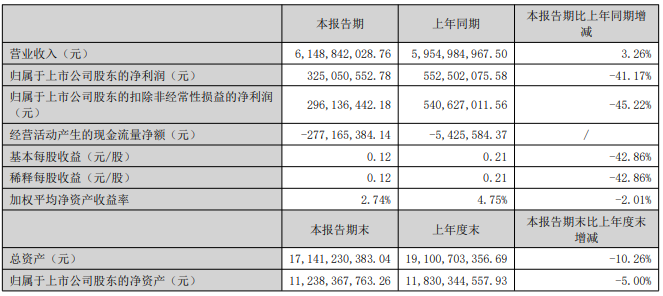
Core Viewpoint - The apparel giant Semir Fashion has experienced a significant decline in performance this year, with net profit dropping sharply, raising market concerns [1][2]. Financial Performance - In the first half of 2025, Semir Fashion reported revenue of 6.15 billion yuan, a year-on-year increase of 3.26%, while net profit attributable to shareholders was 325 million yuan, down 41.17% year-on-year [2][3]. - The company's net cash flow from operating activities was -277 million yuan, primarily due to increased payments for goods [3]. - Sales expenses surged by 17.67% to 1.82 billion yuan, driven by the opening of new offline stores and increased online advertising costs [3][4]. Revenue Composition - The revenue from the casual wear segment was 1.72 billion yuan, a decrease of 4.98%, while the children's wear segment generated 4.31 billion yuan, an increase of 5.97% [4][5]. - The children's wear segment now accounts for 70.15% of total revenue, up from 68.35% the previous year, while the casual wear segment's share has decreased to 28.02% [4][5]. Market Expansion - Domestic revenue slightly increased by 2.88%, accounting for 99.15% of total revenue, while overseas revenue grew by 79.19%, though it still represents less than 1% of total revenue [6]. - The company is actively expanding its overseas business, entering emerging markets like Kyrgyzstan and utilizing various e-commerce platforms [6]. Consumer Complaints and Quality Issues - Semir Fashion has faced numerous consumer complaints regarding product quality and after-sales service, with 129 complaints reported on the Black Cat Complaint platform [16][17]. - The company has been penalized multiple times for quality and advertising issues, affecting consumer trust [17][18]. Corporate Governance and Dividends - The company announced a cash dividend of 1.50 yuan per 10 shares, with a total expected payout of 404 million yuan, despite concerns over high dividend rates [10][18]. - The controlling family, led by Qiu Guanghe, holds 70% of the company's shares, raising questions about the sustainability of such high dividend payouts [10].

又一家上市公司4.22亿卖了控股权!
梧桐树下V· 2025-08-17 16:04
Core Viewpoint - The announcement details the completion of the share transfer agreement between the controlling shareholders of Annil and a new entity, resulting in a change of control of the company [2][3][4]. Group 1: Share Transfer Details - On June 9, 2025, the controlling shareholders, Mr. Cao Zhang and Ms. Wang Jianqing, signed a share transfer agreement with New Chuangyuan, transferring a total of 27,764,410 shares, which accounts for 13.03% of the total share capital, at a price of 15.21 yuan per share, totaling approximately 422.30 million yuan [3][4]. - Following the transfer, Mr. Cao Zhang will relinquish voting rights for 30,562,419 shares (14.35% of total shares) for a specified period [4]. - After the transfer, New Chuangyuan will become the controlling shareholder, and Mr. Huang Tao will be the actual controller of the company [4]. Group 2: Company Performance - Annil, established in 2001 and listed in 2017, has faced declining revenues since 2020, with sales dropping from 1.257 billion yuan to 639 million yuan, and a cumulative loss exceeding 500 million yuan over five years [5]. - The company projected a net loss of 26 million to 34 million yuan for the first half of 2025, attributed to changes in consumer environment and the closure of inefficient stores [7][8]. Group 3: Shareholder Actions - Since 2022, the founders have engaged in multiple share reductions, including a sale of 4,241,627 shares (2% of total shares) by Ms. Wang Jianqing in June 2022 [9]. - In February 2023, Mr. Cao Zhang sold approximately 1.92 million shares, raising about 34.99 million yuan [11]. - In December 2023, Ms. Wang Jianqing transferred 6% of shares to two investment firms for a total of 360 million yuan [13]. Group 4: New Controlling Entity - The acquiring entity, Shenzhen New Chuangyuan Investment Partnership, was established on May 27, 2025, with Mr. Huang Tao as the actual controller [15][16]. - New Chuangyuan's business scope includes investment activities and management consulting, with a registered capital of 39.5 million yuan [16].


安奈儿股价下跌2.94% 实控人变更完成过户
Jin Rong Jie· 2025-08-14 20:16
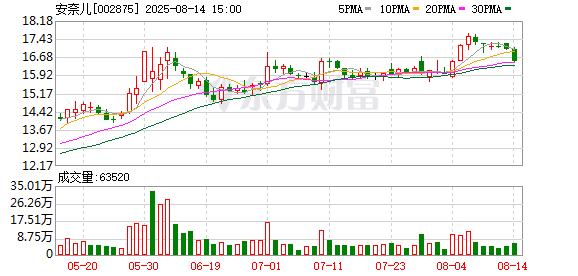
Group 1 - The stock price of Annil closed at 16.49 yuan on August 14, down 2.94% from the previous trading day [1] - The stock reached a high of 17.09 yuan and a low of 16.46 yuan during the trading session, with a total transaction amount of 106 million yuan [1] - The company's main business is in the children's clothing industry, accounting for 97.82% of its operations [1] Group 2 - The latest announcement indicates that the company's controlling shareholder and actual controller have changed, with the former shareholders Cao Zhang and Wang Jianqing transferring a total of 27.76 million shares to New Chuangyuan Investment [1] - This transfer represents 13.03% of the company's total share capital, with a transfer price of 15.21 yuan per share [1]
安奈儿:实际控制人变更为黄涛
Mei Ri Jing Ji Xin Wen· 2025-08-14 10:11
Group 1 - The controlling shareholder of Annier has changed from Mr. Cao Zhang and Ms. Wang Jianqing to New Chuangyuan, with the actual controller now being Mr. Huang Tao [2] - For the year 2024, Annier's revenue composition is as follows: children's clothing accounts for 97.82%, while other businesses account for 2.18% [2]