婴童护理

Search documents
年销 15 亿母婴品牌戴可思再陷违规风波 年内两度因虚假宣传被罚
Xin Lang Cai Jing· 2026-01-28 09:32
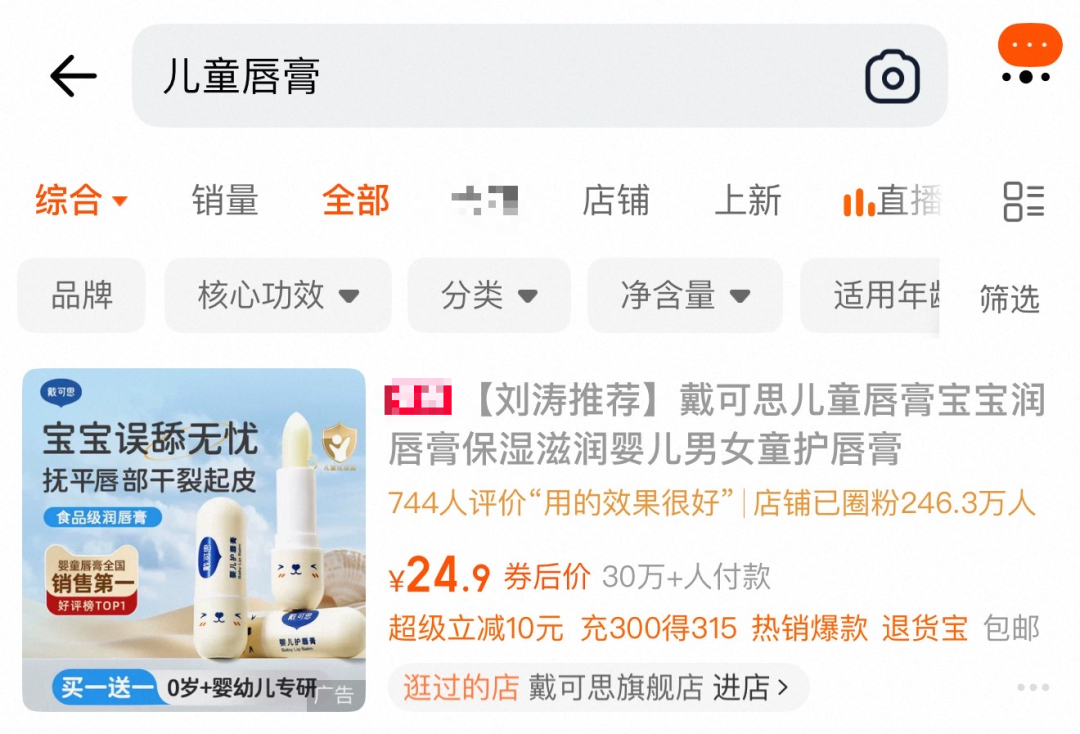
Core Viewpoint - The leading baby care brand, Daikosi, is under investigation for alleged false advertising related to its children's lip balm, which claimed to be "food grade," violating regulations on children's cosmetics [1][5]. Group 1: Regulatory Violations - The investigation centers on Daikosi's children's lip balm, which prominently advertised "food grade" and "safe if licked" on an e-commerce platform, misleading consumers [2][7]. - The National Medical Products Administration has clarified that cosmetics and food are governed by different regulations, and there is no such thing as "food grade" cosmetics [2][7]. - According to the Children's Cosmetics Supervision and Administration Regulations, labels on children's cosmetics must not include terms like "food grade" or "edible" [2][7]. Group 2: Compliance Issues - This is not the first compliance crisis for Daikosi; the company was fined 5,000 yuan for false advertising in December 2025 for claiming certain products were suitable for pregnant women without evidence [3][8]. - Since its establishment in 2017, Daikosi has faced at least five administrative penalties for various violations, including false claims about product efficacy and suitability [3][8]. - Despite being a leading brand with nearly 1.5 billion yuan in annual sales and significant backing from industry players, Daikosi has repeatedly failed in compliance management [3][8]. Group 3: Industry Implications - Daikosi issued an apology on January 22, stating that the misleading claims were due to a misunderstanding by promotional staff and have since been retracted [4][9]. - The product in question, which previously ranked high in sales, has had its "food grade" claims removed from e-commerce platforms, with over 300,000 units sold [4][9]. - This incident highlights ongoing compliance issues within the baby skincare industry, where some brands prioritize marketing over regulatory adherence, prompting a shift towards compliance-focused competition in the future [4][9].
刘涛郭晶晶代言品牌被立案调查
Xin Lang Cai Jing· 2026-01-24 12:23
Core Viewpoint - The children's care brand "Dai Kesi," endorsed by Guo Jingjing and Liu Tao, is under investigation for allegedly violating regulations by labeling a children's lip balm as "food-grade" [1] Group 1: Regulatory Issues - The product in question was found to claim it was a "food-grade lip balm," which violates the "Regulations on the Supervision and Administration of Children's Cosmetics" issued by the National Medical Products Administration in 2021 [1] - The regulations prohibit labeling children's cosmetics with terms like "food-grade" or "edible" [1] - The Wuxi New District Market Supervision Bureau has initiated an investigation into the parent company, Wuxi Dai Kesi Biotechnology Co., Ltd. [1] Group 2: Company Response - Dai Kesi stated that the "food-grade" claim was a misunderstanding by promotional staff and was not approved by the company [1] - The company has removed the misleading promotional content from its online platforms and expressed regret over the incident [1] - Dai Kesi emphasized that the controversy pertains only to advertising language and does not involve product quality or safety issues [1] Group 3: Company Background and Performance - Dai Kesi was founded in 2017 and primarily sells mosquito repellent and children's care products, with price ranges from 6.9 yuan to 229 yuan [1] - The company has received eight rounds of financing from investors including Lafang Jiahua and Xiangfeng Investment [1] - Despite significant sales growth, with GMV reaching 200 million yuan in 2019 and over 1 billion yuan in 2020, the company has a low market share [1] - The founder, Zhang Xiaojun, aims for sales to exceed 1 billion yuan by 2025 [1]
知名女星代言品牌致歉,已被立案调查
Nan Fang Du Shi Bao· 2026-01-22 15:18
Core Viewpoint - The children's lip balm brand "Dai Kesi," endorsed by Guo Jingjing and Liu Tao, is under investigation for allegedly violating regulations by labeling a product as "food-grade lip balm" [1][2][4] Group 1: Incident Overview - On January 22, Dai Kesi issued an apology, stating that the term "food-grade" was a misunderstanding by promotional staff and was not approved by the company [1][6] - The product in question was found to have the "food-grade" label removed from its promotional page on e-commerce platforms following media reports [4][6] - The local market regulatory authority has initiated an investigation into Dai Kesi's parent company, Wuxi Dai Kesi Biotechnology Co., Ltd. [4][6] Group 2: Regulatory Context - The "Children's Cosmetics Supervision and Administration Regulations," which took effect on January 1, 2022, prohibit the use of terms like "food-grade" or "edible" on children's cosmetic labels [2] Group 3: Company Response and Product Quality - Dai Kesi clarified that the controversy pertains only to advertising language and does not involve product quality or safety issues [6][8] - The company conducted oral toxicity tests to ensure safety in case of accidental ingestion by children, adhering to cosmetic safety regulations [6] Group 4: Company Background and Financial Performance - Founded in 2017, Dai Kesi initially focused on baby creams and has since expanded its product range, which includes mosquito repellent and baby care items, with prices ranging from 6.9 yuan to 229 yuan [8][10] - The company has raised funds through eight rounds of financing, with investors including Lafang Holdings and Xiangfeng Investment [8] - Dai Kesi's sales figures have shown significant growth, with GMV reaching 200 million yuan in 2019, 1 billion yuan in 2020, and surpassing 1 billion yuan in 2022, although the market share remains low [10]

兔头妈妈:售出产品均符合安全标准 去年已完成品控升级
Jing Ji Guan Cha Wang· 2025-12-01 03:31
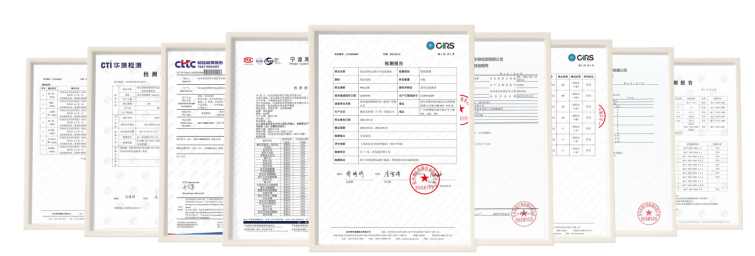
Group 1 - The core issue revolves around the controversy faced by the well-known domestic baby care brand, Rabbit Head Mama, due to a non-compliance result from a market inspection of a children's shampoo last year [1] - The brand's representative, Dai Yuzhou, clarified that the non-compliant batch of 6,864 bottles was destroyed and never reached the market, emphasizing that all products meet national safety standards [1][2] - The company has implemented a "zero tolerance" principle for product quality and has upgraded its quality management system, focusing on microbial control and collaborating with third-party testing agencies [2] Group 2 - The quality management core focuses on proactive prevention and transparent management, with plans to open an information disclosure column for raw material tracing, testing reports, and rectification updates [4] - The brand acknowledges the unique challenges in quality control within the baby care industry, given the physiological vulnerabilities of the target demographic, and aims to establish unified industry quality control standards [4]
润本股份的儿童护肤品好起来了,驱蚊液却疲软了
Xin Lang Cai Jing· 2025-08-21 07:10
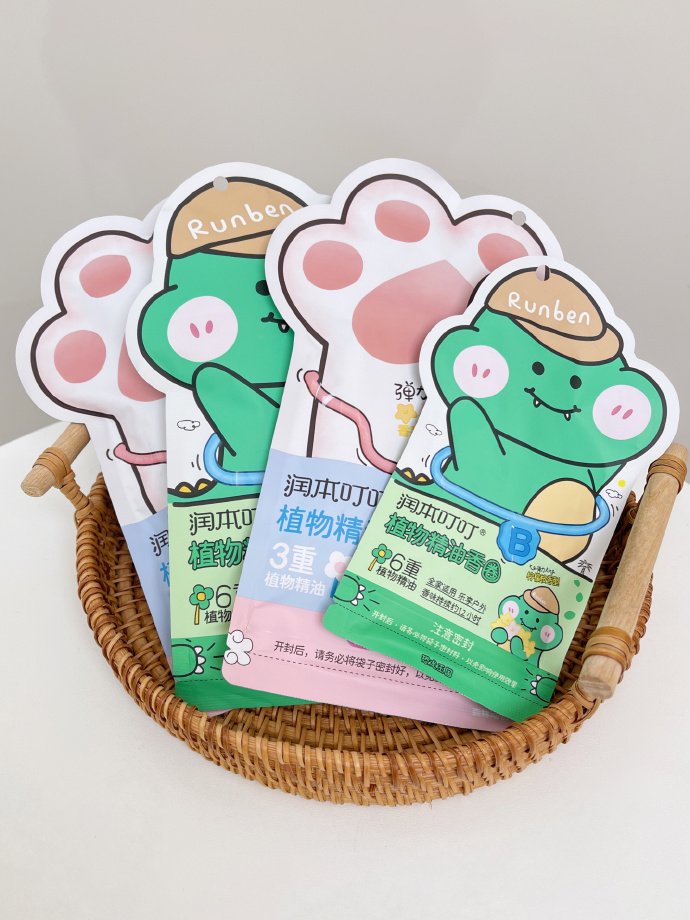
Core Viewpoint - The performance of Runben Co., a company specializing in mosquito repellent products, was below expectations in Q2, despite a seasonal peak for such products and the emergence of the Chikungunya virus in mainland China [1][3]. Group 1: Financial Performance - In Q2, Runben's revenue from mosquito repellent products grew by 14% year-on-year to 332 million yuan, while total revenue and net profit attributable to shareholders increased by 13.46% and decreased by 0.85%, respectively, significantly lower than Q1's growth rates of 44.00% and 24.60% [1][3]. - The overall revenue and net profit growth for the first half of 2025 were notably lower than previous years [1]. Group 2: Business Segments - Runben's baby care segment outperformed its mosquito repellent business, achieving a growth rate of 23% in Q2, surpassing the mosquito repellent segment [3]. - The baby care business has become the largest segment for Runben since 2022, with revenue growth rates of 80%, 34%, 32%, and 39% from 2022 to the first half of 2025, projecting a potential revenue close to 1 billion yuan for the full year of 2025 [5][3]. Group 3: Market Strategy - Runben's strategy focuses on capturing niche demands and light innovation, similar to its initial approach in the mosquito repellent market, allowing it to identify and create smaller market needs [7][8]. - The company has introduced over 40 new products in the first half of 2025, with a total of 223 product links available on its Tmall flagship store, significantly more than competitors [10]. Group 4: Marketing and Sales - Runben's marketing expenses increased by 43% to 183 million yuan in the first half of 2025, leading to a sales expense growth of 38.23%, which exceeded revenue growth [11]. - The company primarily relies on online marketing, with over 70% of its revenue coming from online sales, utilizing social media and short video content for promotion [11].

万联证券:育儿补贴有助缓解家庭养育压力 关注相关消费产业链
Zhi Tong Cai Jing· 2025-07-30 08:21
Group 1 - The implementation of the national "Childcare Subsidy System" is aimed at stimulating consumption related to maternal and infant products in the short term, with a focus on industries such as baby care, dairy products, toys, and children's clothing [1] - The subsidy will be issued starting January 1, 2025, providing an annual amount of 3,600 yuan per child under three years old, which is expected to enhance the willingness to have children and increase the birth rate in the long term [1][2] - The funding for the subsidies will be sourced from the central government's "Childcare Subsidy Fund," which will allocate resources proportionally to eastern, central, and western regions [1] Group 2 - The introduction of childcare subsidies is a response to the declining birth rate and increasing aging population in China, indicating the government's commitment to addressing population structure issues [2] - The subsidies are expected to alleviate the financial burden on families raising children, thereby potentially boosting birth rates and contributing to long-term economic growth [2]
商贸零售行业快评报告:《育儿补贴制度实施方案》出台,关注相关消费产业链
Wanlian Securities· 2025-07-30 05:27
Investment Rating - The industry investment rating is "Outperform the Market," indicating an expected relative increase of over 10% in the industry index compared to the broader market within the next six months [6][9]. Core Insights - The introduction of the national "Childcare Subsidy System Implementation Plan" aims to alleviate family burdens related to child-rearing and promote long-term population balance. The subsidy will provide 3,600 yuan per child per year for children under three years old, starting from January 1, 2025 [3][4]. - The policy reflects the government's commitment to addressing declining birth rates and an aging population, marking a significant step in the establishment of a supportive policy framework for childbirth [4]. - The immediate effect of the subsidy is expected to stimulate consumption in the maternal and infant sectors, with recommendations to focus on industries such as baby care, dairy products, toys, and children's clothing. In the long term, the subsidy is anticipated to boost birth rates and support related industries like assisted reproduction, genetic testing, childcare services, and education [4]. Summary by Sections Event Overview - On July 28, 2025, the Central Committee of the Communist Party of China and the State Council issued the "Childcare Subsidy System Implementation Plan," which mandates the provision of subsidies for eligible families with children under three years old [2][3]. Financial Implications - The subsidy will be funded by the central government, with a structured allocation to eastern, central, and western regions, ensuring equitable distribution of resources [3]. Market Impact - The implementation of the childcare subsidy is expected to directly stimulate consumption in related sectors, enhancing economic growth and addressing demographic challenges [4].
母婴消费行业点评:国家育儿补贴出台,改善母婴消费预期
Shenwan Hongyuan Securities· 2025-07-29 03:43
Investment Rating - The report rates the mother and baby consumption industry as "Overweight" [2][9] Core Insights - The introduction of a national childcare subsidy of 3,600 yuan per child per year, totaling up to 10,800 yuan per child, is expected to improve consumption expectations in the mother and baby sector [3] - The report highlights that despite a decline in birth rates over the past seven years, the overall mother and baby market has experienced a compound annual growth rate (CAGR) of over 15% from 2018 to 2024 due to consumption upgrades and refined parenting [3] - The report emphasizes the rise of domestic brands in the mother and baby sector, with significant market share gains and a return of industry influence to local brands [3] Summary by Sections National Childcare Subsidy - The national childcare subsidy program will start on January 1, 2025, providing cash subsidies to families with children under three years old, with a basic standard of 3,600 yuan per year [3] - Local governments are expected to introduce additional subsidies, creating a wave of local support for childbirth [3] Market Growth and Opportunities - The mother and baby market is projected to rebound due to improved policies and an anticipated increase in birth rates in 2024 [3] - Key sectors and companies recommended for investment include: - Fertility and reproductive health: Focus on companies like Jinxin Reproductive and Livzon Pharmaceutical [3] - Infant nutrition: Recommendations include China Feihe and Yili Group [3] - Baby appliances: Suggested investment in Bear Electric [3] - Apparel and home textiles: Companies like Semir and Anta are highlighted [3] - Baby care products: Brands such as Runben and New Page are recommended [3] Valuation Table - The report includes a valuation table with various companies in the mother and baby sector, indicating their stock prices, market capitalization, and profit forecasts for 2025, 2026, and 2027, along with corresponding investment ratings [4]


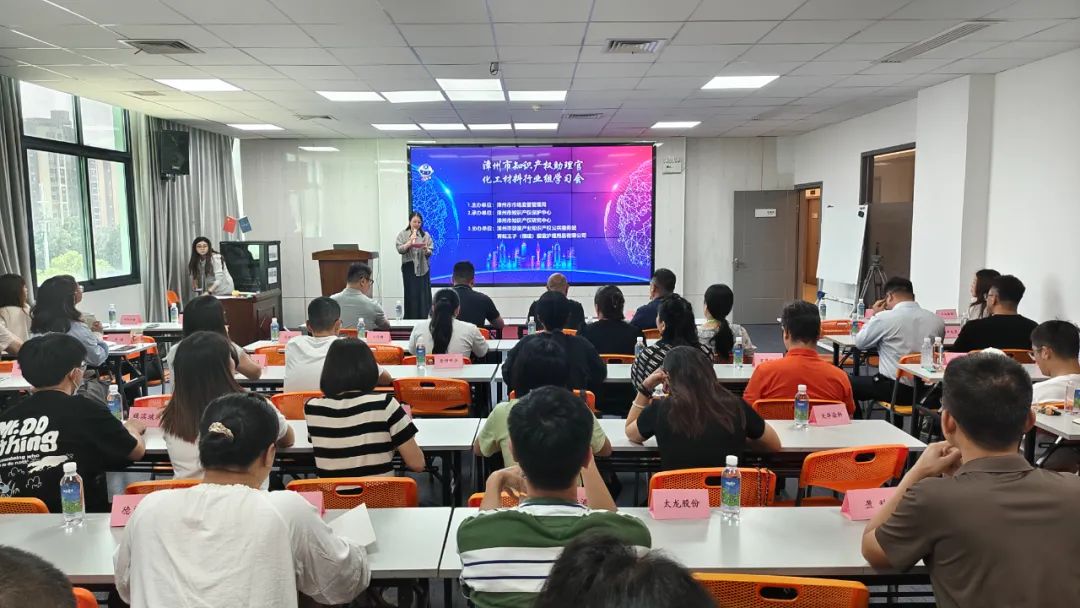
2025年知识产权助理官行业组首场学习会举办
Zhong Guo Zhi Liang Xin Wen Wang· 2025-06-09 08:49
Group 1 - The learning session for intellectual property assistants in the chemical materials industry in Zhangzhou, Fujian, marks the beginning of a series of industry group meetings aimed at enhancing the knowledge and skills of intellectual property personnel [1] - The event was organized by the Zhangzhou Market Supervision Administration, with support from various local intellectual property organizations and companies, including Frog Prince (Fujian) Baby Care Products Co., Ltd [1] - The meeting included participation from 19 companies' intellectual property assistants, indicating a collaborative effort to strengthen the local intellectual property framework [1] Group 2 - The Zhangzhou Market Supervision Administration plans to focus on brand building as a key component of its intellectual property strategy, aiming to enhance the city's brand narrative [3] - The chairman and vice president of Frog Prince shared insights on the brand's development journey and strategic planning, emphasizing the importance of intellectual property in creating, utilizing, protecting, and managing brand assets [3] - The event concluded with a visit to the Frog Prince company’s historical museum and product exhibition hall, fostering collaboration and exchange among participating entrepreneurs [3]
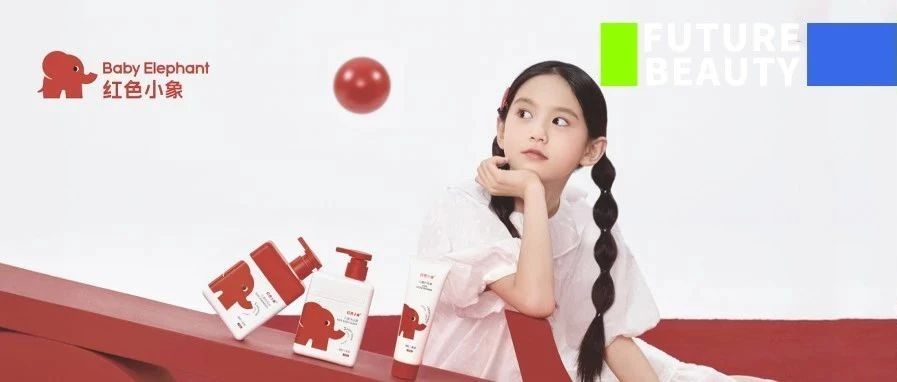
从领跑行业到定义规则:一个婴童护理品牌的十年革命
FBeauty未来迹· 2025-05-20 09:41
Core Viewpoint - The Chinese infant and child care market is experiencing a paradox of "demand upgrade" and "trust anxiety," with a projected growth rate of 20% for infant care products by 2025, while 70% of products remain in a regulatory gray area [2][4]. Group 1: Market Dynamics - The children's makeup market is expected to double from 100 billion yuan in 2019 to 200 billion yuan by 2024, with a compound annual growth rate exceeding 20%, reaching 240 billion yuan by 2025 [6][7]. - The industry faces three major issues: products evading regulation by being labeled as "toys," widespread false advertising of "food-grade" cosmetics, and misleading claims of "children's use" without proper safety certifications [7][8]. Group 2: Company Initiatives - Red Elephant has released two white papers to address market pain points and establish safety standards for children's makeup and adolescent acne treatment, aiming to shift the industry from "toy-like" to "professional" [4][8]. - The company has developed a targeted safety system for children's makeup, replacing traditional talc with corn starch, eliminating traditional preservatives, and ensuring products are easy to wash off [7][8]. Group 3: Regulatory Environment - New regulations from the National Medical Products Administration in 2024 require all children's cosmetics to be labeled with the "Little Golden Shield," with penalties for non-compliance reaching up to 30 times the fine [13]. - Red Elephant has proactively completed compliance upgrades across its product line and promotes ingredient transparency through a "raw material traceability map" [13]. Group 4: Research and Development - Red Elephant's research framework integrates user insights, basic research, and clinical validation, supported by a 7,000 square meter laboratory and over 200 patents [17][19]. - The company has introduced a "age-specific skincare" strategy, addressing the unique needs of different age groups, from infants to adolescents [19][20]. Group 5: Industry Leadership - Red Elephant aims to define market standards through product upgrades and white paper releases, establishing a dual moat of "technical patents + industry standards" [27][31]. - The brand's commitment to "patient, responsibility, and protection" reflects its role in the evolution of the Chinese infant care industry over the past decade [25][30].