
装备制造

Search documents
江西江钨稀贵装备股份有限公司关于股票交易风险提示性公告
Shang Hai Zheng Quan Bao· 2026-02-27 21:27
Core Viewpoint - Jiangxi Jiangtong Rare and Precious Equipment Co., Ltd. has experienced significant stock price fluctuations since February 10, 2026, raising concerns about trading risks and potential deviations from the company's fundamentals [2][3]. Stock Price Fluctuation - The company's stock price has seen a cumulative increase exceeding 20% over three consecutive trading days from February 10 to February 12, 2026, triggering abnormal trading conditions as per Shanghai Stock Exchange rules [4]. - The stock price again reached a limit up on February 27, 2026, following additional significant price movements on February 13, 24, and 25, 2026 [4]. Company Operations - The company has confirmed that its production and operational activities are normal, with no significant changes in market conditions, industry policies, production costs, or sales [5]. - There are no undisclosed significant matters affecting the company as of the announcement date, apart from information already disclosed in designated media [6]. Media Reports and Market Rumors - The company has addressed media reports suggesting potential asset injections related to mining, clarifying that there are no such arrangements or activities, and that its main business remains focused on the research, production, and sales of magnetic separation equipment [7]. Future Financing Plans - The company is planning to issue A-shares to specific investors in 2026, but this plan is subject to uncertainties and requires further approvals and assessments before implementation [6][10].

广东“新春第一会”:“两业协同”如何激活万亿产业新动能?
Xin Lang Cai Jing· 2026-02-27 19:29
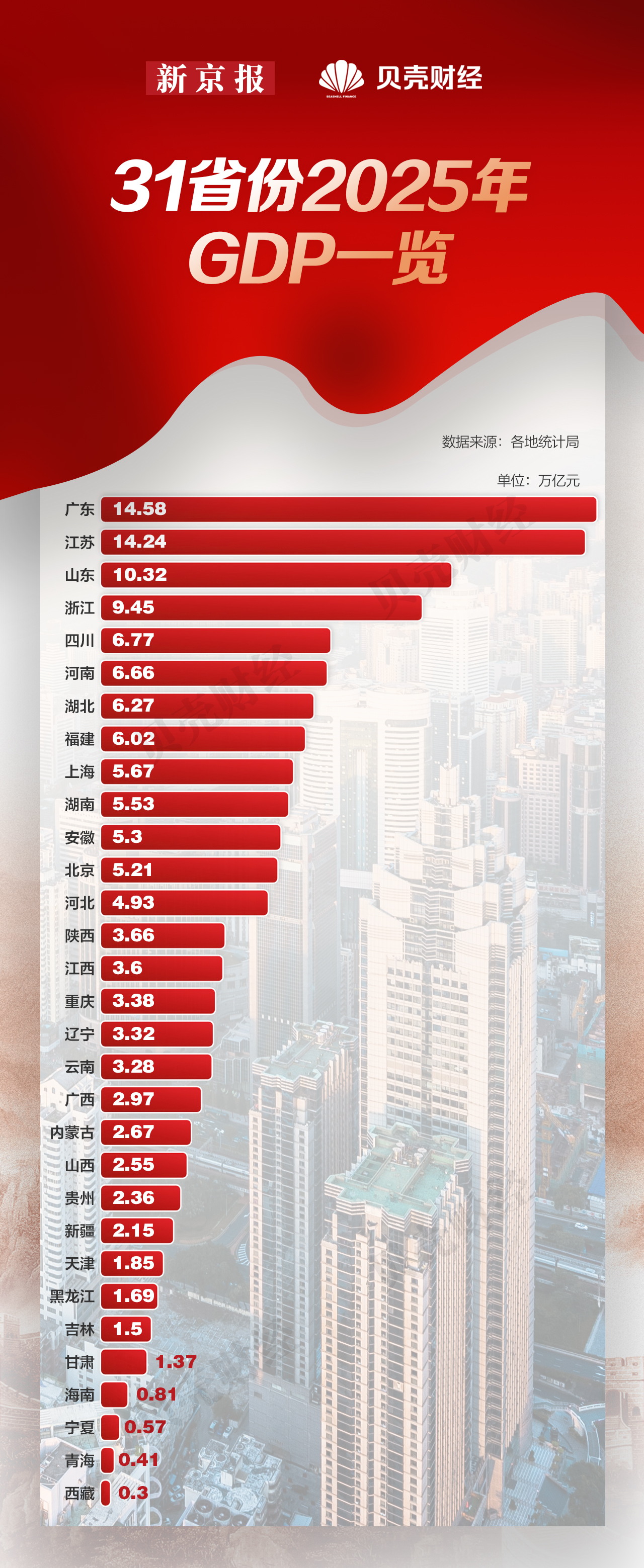
Core Viewpoint - The Guangdong Provincial High-Quality Development Conference emphasizes the collaborative development of manufacturing and service industries, marking a significant shift in Guangdong's industrial development strategy for the upcoming years [2][4]. Group 1: Economic Goals and Projections - Guangdong aims to achieve a GDP of 14.58 trillion yuan by 2025, maintaining its position as China's largest economy for 37 consecutive years [2]. - By 2025, the industrial added value is projected to reach 4.89 trillion yuan, while the service sector's added value is expected to be 8.5 trillion yuan, accounting for 10.5% of the national total [2][5]. Group 2: Industrial Structure and Development Strategy - The conference introduces a "3+N" industrial matrix to accelerate the development of three major trillion-yuan industrial clusters: intelligent equipment, core components, and industrial services [2][3]. - The integration of manufacturing and service industries is seen as crucial for building a modern industrial system and enhancing new productivity in Guangdong [4][6]. Group 3: Policy Initiatives and Support - Guangdong has implemented various policies, including the "Guangdong Provincial Manufacturing High-Quality Development Promotion Regulations" and measures to promote deep integration between manufacturing and productive services [7]. - A significant financial initiative includes a loan interest subsidy program for eligible enterprises, with a total subsidy scale of up to 600 billion yuan over three years [7]. Group 4: Technological Integration and Innovation - The Guangdong government is focusing on the integration of digital technology as a catalyst for the collaborative development of manufacturing and services [11]. - Companies like Guangzhou Industrial Control Group are leveraging AI and digital platforms to enhance operational efficiency and service offerings, demonstrating the shift towards service-oriented manufacturing [11]. Group 5: Market Expansion and Global Competitiveness - Guangdong aims to attract over 1,000 influential domestic and international brands to establish their first stores in the province by 2027, with a target of 783.5 billion yuan in foreign investment in the service sector by 2025 [8]. - The collaborative model of "product + service" is being adopted to create unique competitive advantages, as seen in the initiatives by Guangzhou Industrial Control Group [9][10].


江钨装备:无注入矿山资产的安排或活动
Mei Ri Jing Ji Xin Wen· 2026-02-27 09:09
Core Viewpoint - Jiangxi Tungsten Equipment (600397.SH) issued a risk warning regarding stock trading, clarifying that there are no plans or activities to inject mining assets into the company, despite media reports suggesting otherwise [1] Company Summary - The company currently focuses on the research, production, and sales of magnetic separation equipment [1] - There has been no change in the company's main business operations [1]
全员全域全力推动招商引资!惠城区高质量发展大会启幕
Nan Fang Du Shi Bao· 2026-02-27 04:45
Group 1: Economic Development Goals - The Huicheng District aims for a 10.8% growth in industrial added value by 2025, an increase of 7.2 percentage points from the previous year [2] - The service industry is projected to reach an added value of 33.7 billion yuan, with a growth rate of 7.3%, leading the city in both total and growth [2] - The district's goal for 2026 includes breaking through 100 billion yuan in industrial output and enhancing the business environment to attract investments [2][8] Group 2: High-tech Zone Achievements - The Huicheng High-tech Zone has seen significant growth, with industrial output increasing from 13.2 billion yuan in 2020 to 63.2 billion yuan by 2025, crossing five hundred billion yuan milestones for five consecutive years [3] - The zone plans to introduce 25 new industrial projects in 2026, with investments of no less than 10 billion yuan, and aims to reach 240 high-tech enterprises [3] - An investment of 2.8 billion yuan is planned for infrastructure projects to enhance the zone's capabilities [3] Group 3: Local Enterprises Performance - Huizhou Letin Intelligent Technology Co., Ltd. reported a doubling of its output since its establishment in 2023, with a projected output of over 2 billion yuan by 2025 [5] - Advanced Technology (Huizhou) Co., Ltd. anticipates a 45% increase in output, reaching 1.52 billion yuan by 2025, with expectations to exceed 2 billion yuan in 2026 [6] - Guangdong Honghai Human Resources Co., Ltd. aims for a revenue of 217 million yuan by 2025, focusing on digital upgrades to meet labor demands [6] Group 4: Service Industry Growth - The number of production service enterprises in Huicheng has reached 846, accounting for one-third of the city's total [7] - The added value of the production service sector is expected to reach 33.7 billion yuan by 2025, contributing nearly 50% to the district's economic growth [7] - The district emphasizes the development of financial services, software information, and modern logistics to support industrial growth [8]
书记省长同天调研,为何去了这两个城市?
3 6 Ke· 2026-02-27 02:17
Group 1 - Zhejiang's economic goal is to reach a total GDP of 9.45 trillion yuan by 2025, moving towards the 10 trillion yuan mark, with cities like Hangzhou, Ningbo, and Wenzhou forming a "trillion GDP club" [2] - Shaoxing and Jiaxing are identified as key backup cities for this economic growth, with projected GDPs of 893.2 billion yuan and 785.1 billion yuan respectively by 2025, ranking fourth and fifth in the province [2] - Shaoxing is expected to achieve a GDP growth rate of 6.5%, the second highest in Zhejiang, with significant increases in emerging industries such as equipment manufacturing and digital economy [2] Group 2 - The focus of the recent inspections includes promoting technological innovation and the transformation of research results, signaling a commitment to high-quality development in Zhejiang [2][4] - Key areas of emphasis during the inspections are talent mobility, enterprise-led innovation, and the integration of industry and academia to foster significant outcomes [3] - Urban renewal, cultural tourism integration, and industries benefiting the public are also critical topics discussed, reflecting a broader strategy for economic responsibility and innovation in Zhejiang [4]
内蒙古全力建设现代化产业体系推动经济高质量发展
Nei Meng Gu Ri Bao· 2026-02-27 02:05
Core Insights - Inner Mongolia is focusing on high-quality development, emphasizing the transformation and upgrading of traditional industries, particularly in advanced manufacturing and resource deep processing [1][2][5] Group 1: Traditional Industry Transformation - The region is witnessing a significant shift from traditional industries to high-end manufacturing, with coal being transformed into high-value chemical materials [2][3] - The total investment of 48.4 billion yuan in the Ordos Baofeng 3 million tons coal-to-olefins project demonstrates the scale of transformation, producing over 9,000 tons of olefins daily [2] - Inner Mongolia has established over 500 green factories, with their output accounting for over 26% of the total industrial output value, surpassing the national average [5] Group 2: Technological Advancements - The use of intelligent production equipment in projects like the Inner Mongolia Jinglei Industrial Co. has led to a 10-15% reduction in electricity consumption and a 10% decrease in coke consumption [1] - The development of a closed-loop industrial chain in the coal-to-BDO (1,4-butanediol) sector has resulted in a 20% reduction in energy consumption and a 15% decrease in costs [2] - Breakthroughs in rare earth materials have enabled the region to become a global leader in new materials, enhancing product value by up to 10 times [3] Group 3: Green and Sustainable Practices - Inner Mongolia's coal mining sector is increasingly adopting green mining practices, with 61% of coal mines being green and 74% being intelligent [3] - The green electricity usage in the Hohhot Zaha Naor 350,000 tons green aluminum project is as high as 80%, leading to industry-leading energy consumption and carbon emissions [4] - The chemical industry is transitioning towards high-end, green circular production, with new products like high-end resins and medical materials being developed [4] Group 4: Agricultural and Food Industry Development - The dairy industry in Inner Mongolia is modernizing and brand-building, with major companies like Yili and Mengniu capturing around 60% of the national market share [5] - The region has over 62 million acres of high-standard farmland, maintaining a stable grain output of over 80 billion jin, contributing to national food security [5] - Agricultural products are evolving from basic commodities to high-end brands, with regional brands gaining recognition both domestically and internationally [5]


迎接全国两会特稿|向优:高质量发展凸显确定性
Jing Ji Ri Bao· 2026-02-27 01:42
Core Insights - The article emphasizes the resilience and progress of the Chinese economy amidst complex domestic and international challenges, highlighting the achievements made under the leadership of the Communist Party of China [1] Economic Stability - In 2025, China's GDP reached a new milestone of 140 trillion yuan, with grain production stabilizing at 1.4 trillion jin for two consecutive years and manufacturing value added remaining the highest globally for 16 years [2] - Over the past five years, China's economy has achieved significant milestones, crossing the thresholds of 110 trillion, 120 trillion, 130 trillion, and 140 trillion yuan, with per capita GDP exceeding $13,000 for three consecutive years [2] - China's GDP growth rate of 5% in 2025 is among the highest among major economies, contributing over 36 trillion yuan to economic growth during the 14th Five-Year Plan [3] Quality of Growth - The transition to new and old growth drivers is accelerating, with a focus on improving the quality of economic development, including a projected reduction of over 5% in energy consumption per unit of GDP by 2025 [4] - The establishment of a unified national market is enhancing resource allocation and competition, with over 70,000 new foreign enterprises established in the year [4] - Employment stability is reflected in the annual addition of over 12 million urban jobs, with real disposable income per capita growing at an average of 5.4% annually [4] Innovation and Structural Upgrades - By 2025, China's R&D expenditure intensity is expected to reach 2.8%, surpassing the OECD average, with over 5 million valid domestic invention patents [5] - The manufacturing sector is seeing a shift towards high-tech and green industries, with significant growth in the production of servers and industrial robots [7] - The contribution of domestic demand to economic growth is projected to be nearly 70%, with final consumption expenditure contributing over 50% [6] Regional Development and Coordination - The implementation of regional development strategies is enhancing balance across different areas, with urbanization rates expected to reach 67.89% by the end of 2025 [8] - The income disparity between urban and rural residents is narrowing, with the ratio of per capita disposable income decreasing to 2.31 [8] Future Outlook - The upcoming 15th Five-Year Plan is expected to open new avenues for economic growth, leveraging China's market size, industrial system, and talent resources [10] - The government plans to maintain proactive fiscal policies and a moderately loose monetary policy to support stable economic growth [9] - International organizations have raised their growth forecasts for China, indicating confidence in the country's economic stability [11]
向优:高质量发展凸显确定性
Xin Lang Cai Jing· 2026-02-26 21:45
Core Viewpoint - The Chinese economy has shown resilience and progress despite facing complex domestic and international challenges, achieving significant milestones in the past year [1]. Group 1: Economic Stability - China's GDP has reached a new milestone of 140 trillion yuan, with grain production stabilizing at 1.4 trillion jin for two consecutive years [2]. - The manufacturing sector has maintained its position as the world's largest for 16 years, with total imports and exports exceeding 45 trillion yuan and foreign exchange reserves surpassing 3.3 trillion USD [2]. - Over the past five years, China's economy has achieved four consecutive jumps in total output, crossing the thresholds of 110 trillion, 120 trillion, 130 trillion, and 140 trillion yuan [2]. Group 2: Economic Growth Contribution - During the "14th Five-Year Plan" period, China's economy has averaged a growth rate of 5.4%, contributing approximately 30% to global economic growth [3]. Group 3: Quality of Growth - China is accelerating the transition from old to new growth drivers, with a focus on improving the quality of economic development [4]. - By 2025, it is projected that China's energy consumption per unit of GDP will decrease by over 5%, and the production of new energy vehicles will exceed 16 million units [4]. Group 4: Innovation and Technology - China's R&D expenditure intensity is expected to reach 2.8% by 2025, surpassing the OECD average for the first time, with over 5 million valid domestic invention patents [5]. - The country ranks in the top ten globally for innovation index and has the highest number of top 100 innovation clusters [5]. Group 5: Domestic Demand and Consumption - By 2025, the retail sales of consumer goods are projected to exceed 50 trillion yuan, with significant growth in service consumption sectors [6]. - Domestic demand is expected to contribute nearly 70% to economic growth, with final consumption expenditure accounting for over 50% [6]. Group 6: Regional Development - The urbanization rate is projected to reach 67.89% by the end of 2025, with a reduction in the income disparity between urban and rural residents [8]. Group 7: Future Outlook - The "15th Five-Year Plan" is set to open new opportunities for economic growth, leveraging China's large market, complete industrial system, and rich talent resources [10]. - The government plans to implement more proactive fiscal policies to support stable economic growth and high-quality development [9].
十万亿之后,山东新春第一会解锁北方经济大省未来路径
Bei Ke Cai Jing· 2026-02-26 12:57
Group 1 - Shandong Province officially announced a GDP target of 10.3 trillion yuan for 2025, marking it as the third province in China and the first in the north to enter the "trillion club" [1][9] - The province's GDP reached 10.32 trillion yuan in the past year, becoming the first northern province to surpass the ten trillion mark [5][9] - The transformation of Shandong's economy is highlighted by a shift from traditional heavy industries to high-quality development, emphasizing the importance of new and old kinetic energy conversion [10][11] Group 2 - Shandong's industrial upgrades are evident, with a projected 5.3% increase in industrial technological transformation investment and an 11.4% growth in the equipment manufacturing sector by 2025 [10][18] - The province's focus on green transformation has led to it becoming the top in carbon trading volume and value in China [12] - Shandong's development strategy includes deepening regional collaboration, integrating into national strategies, and enhancing the business environment to stimulate private sector growth [25][27] Group 3 - Challenges such as population outflow, insufficient leading enterprises in emerging industries, and regional development imbalances are identified as key issues for Shandong's growth [28][31] - The province needs to address its innovation system's effectiveness, particularly in higher education, to support the transition to new kinetic energy and emerging industries [30][32] - Shandong's future development will focus on quality rather than scale, emphasizing the need for sustained efforts to overcome innovation gaps and retain young talent [33]
广东省阳江市高质量发展大会举办
Zhong Guo Jing Ji Wang· 2026-02-26 06:13
Group 1 - The core theme of the Guangdong Province High-Quality Development Conference is the "coordinated development of manufacturing and service industries," aiming to create new competitive advantages for the future [1] - The city of Yangjiang emphasizes the need to respond immediately and implement measures to promote industry, enhance services, and foster development, aiming for a strong start in the 14th Five-Year Plan [1][2] - Yangjiang's strategy includes three major actions: strengthening pillar industries, revitalizing existing industries, and cultivating new industries, focusing on green energy, advanced materials, and modern agriculture [2] Group 2 - The year 2023 has been designated as the "Year of Quality Service" in Yangjiang, aiming to improve service mechanisms and create a first-class business environment [3] - The local government plans to implement the "1310" deployment from the provincial level and the "433" work arrangement from the municipal level, focusing on economic development and enhancing the modern industrial system [3] - A ceremony for the commencement and completion of key projects in the first quarter was held, indicating ongoing infrastructure and industrial development efforts [4]