酒水

Search documents
以链动3+1为笔,绘就酒水健康赛道破局增长的崭新画卷
Sou Hu Cai Jing· 2025-10-24 12:58
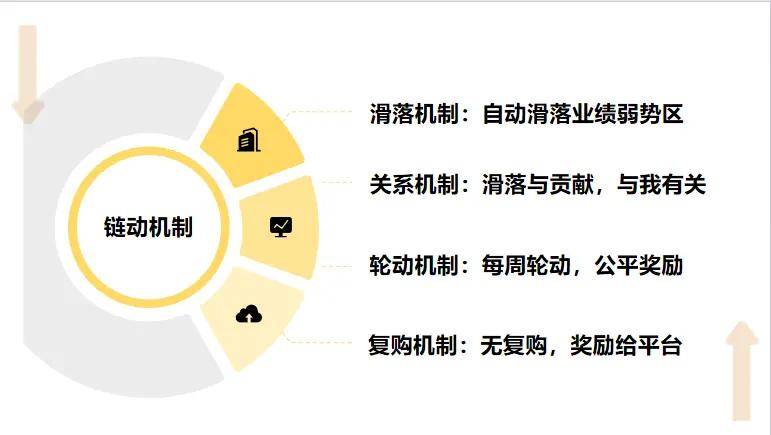
Core Insights - The article discusses the competitive landscape in the beverage health sector, highlighting the challenges of traditional marketing models and the emergence of the "Chain Movement 3+1" model as a solution for growth [1][11]. Group 1: Chain Movement 3+1 Model - The Chain Movement 3+1 model is an innovative upgrade from the traditional Chain Movement 2+1, creating a more efficient social e-commerce system that addresses pain points of traditional models through a dynamic balance of "three direct pushes + one slide down" [1][11]. - This model enhances the direct push threshold to mitigate risks associated with "small account farming," promoting balanced team development and equitable earnings through a dual-track promotion mechanism [3]. Group 2: Revenue Structure - The revenue structure includes multiple income streams such as direct push rewards, point rewards, slide down rewards, and repurchase incentives, which collectively enhance repurchase rates [4]. - For example, if a user directly pushes two people, their total earnings can be calculated through a complex formula that includes various rewards and team earnings [4]. Group 3: Targeted Marketing Strategies - The model targets different demographics, such as a "Health Guardian Plan" for middle-aged and elderly customers and a "Light Health Package" for young professionals, utilizing group buying activities to drive engagement [6]. - The introduction of high-end gift boxes in the holiday gift market, along with a dynamic value pool for user spending, has led to a 20% increase in average order value and a reduction in repurchase cycles to 45 days [8]. Group 4: Data-Driven Operations - The model employs data collection to create precise user profiles, allowing for targeted product recommendations and dynamic optimization of reward mechanisms [6][8]. - Real-time monitoring of sales data enables rapid adjustments in inventory and ensures compliance with regulations, thereby enhancing operational efficiency [8][11]. Group 5: Compliance and Risk Management - The model adheres to compliance frameworks, including a single-layer income transmission mechanism to avoid pyramid scheme risks, and implements a comprehensive quality control system [8][13]. - A robust technical foundation supports risk management and ensures secure payment channels, contributing to a healthy operational ecosystem [8][13].

万酒城开启强强合作模式,开创新媒体数字营销新生态
Sou Hu Cai Jing· 2025-10-14 00:17
Core Insights - The collaboration between Da Feng Jia Bo and Wan Jiu Cheng Group is redefining the essence of liquor distribution and creating a new model for international digital marketing in the Chinese liquor industry [1][16] Company Overview - Da Feng Jia Bo has been a leading player in the live e-commerce sector for seven years, serving as an official primary agent for major platforms like Douyin, Kuaishou, and Xiaohongshu, and has developed a comprehensive business system covering live streaming operations, professional training, and account management [4] - Wan Jiu Cheng Group operates nearly a thousand wineries nationwide, focusing on a supply chain that eliminates over 70% of intermediaries, thus reducing end prices by 70% compared to traditional channels while ensuring product quality and variety [4] Technological Innovations - The project integrates advanced technology to create a digital infrastructure that includes blockchain for product traceability, AI for sales forecasting, and AR for enhanced consumer experiences, achieving a conversion rate three times higher than the industry average [6] - The digital marketing strategy leverages a matrix of social media platforms to attract 30 million users annually, facilitating a seamless consumer experience from online ordering to rapid delivery [6] Cultural Integration - Wan Jiu Cheng emphasizes that "good wine is good culture," aiming to make high-quality liquor accessible to the general public, breaking traditional industry perceptions [8] - The company incorporates classical philosophy into its management training and enhances team cohesion through cultural activities, which also enrich the customer experience [8] Global Expansion Strategy - The partnership aims to create a global digital marketing ecosystem for liquor, with a strategy to cover 100,000 physical stores as smart warehouses and social spaces, allowing ordinary individuals to participate in the liquor distribution process [10] - Wan Jiu Cheng has secured exclusive agency rights for 56 top global wineries, enhancing its international credibility through transparent supply chain management [10] Business Model Innovation - The "shared partner" model allows individuals to promote products with a profit-sharing structure, significantly increasing participation in the liquor market and democratizing the industry [12] - The initiative also includes social responsibility efforts, such as supporting local farmers and integrating renewable energy into logistics, reflecting a commitment to community welfare [12] Conclusion - The collaboration between Wan Jiu Cheng and Da Feng Jia Bo exemplifies how digitalization can transform traditional industries, enhance brand value through cultural empowerment, and promote sustainable development in the liquor sector [16]

链动3+1模式:酒水健康赛道破局增长的“金钥匙”
Sou Hu Cai Jing· 2025-10-13 15:10
Core Insights - The article discusses the challenges faced by brand operators and entrepreneurs in the beverage health industry, highlighting the need for innovative solutions to address rising customer acquisition costs and declining user loyalty [1] - The "Chain Movement 3+1" business model is introduced as an innovative solution that leverages a benefit-driven mechanism and social dissemination network to enhance brand value and create a positive feedback loop [1][2] Group 1: Business Model Overview - The "Chain Movement 3+1" model is an upgraded version of the traditional "Chain Movement 2+1" model, featuring a more systematic and efficient social e-commerce system [2] - It employs a three-tier structure of "sliding mechanism + rotating mechanism + repurchase incentive mechanism" to address issues such as hierarchical rigidity and diminishing motivation in traditional models [2] Group 2: Organizational Dynamics - A dual-track promotion system activates organizational energy, allowing users to gain agency qualifications through product purchases and advance to higher levels by directly recruiting three subordinates [4] - This model aims to prevent unethical practices like "fostering small accounts" by raising direct recruitment thresholds and ensuring balanced team development and fair profit distribution [4] Group 3: Revenue Structure - The model features a multi-dimensional revenue structure, including direct push rewards, point rewards, sliding rewards, and repurchase incentives, creating diverse profit opportunities for participants [6] - It adheres to compliance principles by replacing "hierarchical dividends" with "recommendation rewards" and utilizes blockchain technology for traceable transaction management [6] Group 4: Targeted Marketing Strategies - Specific programs like the "Health Guardian Plan" for older adults and "Light Health Package" for young professionals are designed to enhance marketing effectiveness by accurately reaching different customer segments [8] - The model also includes customized health management services for higher-tier users, leading to increased repurchase rates, with some brands achieving a 45% repurchase rate [10] Group 5: Integrated Online and Offline Experience - Users can redeem gifts and participate in health check-ups at offline stores after completing online tasks, creating a complete consumption loop and enhancing customer experience [11] - The model encourages consumer engagement through a dynamic value pool mechanism, where 30% of order amounts are reinvested, stimulating continuous consumption behavior [15] Group 6: Data-Driven Marketing - The model employs data collection to create precise user profiles, allowing for targeted product recommendations and dynamic optimization of reward mechanisms [12] - A real-time sales monitoring system enables brands to quickly respond to market changes, ensuring healthy brand market order [17] Group 7: Compliance and Risk Management - The model follows the "Prohibition of Pyramid Selling Regulations" and implements a single-layer profit transmission mechanism to ensure compliance [20] - A comprehensive quality control system and a 24/7 customer service team are established to enhance repurchase loyalty and maintain operational integrity [20]

9月酒水客单价提升、名酒销量回暖了吗?
Xin Lang Cai Jing· 2025-10-11 10:30
Core Viewpoint - In September, the liquor demand, particularly for baijiu, experienced a brief recovery due to the National Day and Mid-Autumn Festival, with some mid-to-high-end products seeing slight price increases [1][3]. Group 1: Price Trends and Consumer Behavior - The price distribution of baijiu on the Kuaishou platform showed that the segments priced above 300 yuan saw a decline in market share, while the segments below 300 yuan experienced an increase [1][2]. - The average transaction price for some products increased, but this does not indicate a full recovery in high-end demand, as the main consumer base remains in the lower price segments [3][4]. - The user demographic on Kuaishou is primarily from lower-tier cities, limiting the penetration of high-end liquor brands [4][5]. Group 2: Market Dynamics and Challenges - The liquor industry is facing a "two ends rise, middle collapse" scenario, where high-end liquor prices have increased due to manufacturer control, but channel inventory remains unaddressed [7][8]. - The overall market environment is deteriorating, with both peak seasons showing characteristics of being late and quickly declining, indicating unstable basic demand [8][9]. - The short-term spike in demand during festivals is not sustainable, as seen in previous years where post-festival sales dropped significantly [6][8]. Group 3: Regulatory and Quality Concerns - There are significant concerns regarding the quality of liquor sold on Kuaishou, with reports of misleading marketing and substandard products [11][13]. - The State Administration for Market Regulation has initiated an investigation into Kuaishou's practices, focusing on false marketing and counterfeit products [15]. - Kuaishou's management has acknowledged the regulatory pressure and is committed to improving compliance standards [15][17].

2025年酒水代理加盟新趋势:共享酒庄为何成为热门?
Sou Hu Cai Jing· 2025-10-10 07:48
Core Insights - The traditional liquor distribution model is being disrupted, with a shift towards a digital and shared economy approach exemplified by Guangdong Wanjium City, which introduces the "shared winery" concept [1][3][15] Group 1: Market Transformation - The liquor market is evolving from a multi-tier distribution model to a more streamlined approach, reducing the number of intermediaries and costs significantly [3][6] - Wanjium City has compressed the traditional 6-7 tier distribution chain to just 2 tiers, cutting procurement costs by approximately 70% [3][6] Group 2: Shared Winery Concept - The "shared winery" model allows entrepreneurs to start with minimal investment, as low as a few thousand yuan, compared to traditional models requiring hundreds of thousands [6][12] - Over 2,600 chain wineries have emerged since the launch of the shared winery concept in 2023, indicating rapid growth and adoption [3][12] Group 3: Digital Ecosystem - A digital ecosystem has been established, integrating AI algorithms, blockchain traceability, and AR tasting experiences, enhancing operational efficiency and consumer engagement [5][9] - The platform's smart cloud warehouse monitors global inventory 24/7, while AI predicts sales based on various factors, ensuring a responsive supply chain [5][9] Group 4: New Business Models - The integration of online and offline channels is becoming a mainstream trend in the liquor B2B platform, with Wanjium City effectively linking social media marketing to in-store experiences [9][10] - The rise of social media-driven communities has created a new sales channel, enhancing brand awareness and customer loyalty through events and live streaming [10][12] Group 5: Future Trends - The growth of instant retail channels is driving demand for small-packaged, ready-to-drink products, which aligns with the offerings of shared wineries [14] - Future developments may include deeper integration of AI in product customization and immersive experiences through VR technology, enhancing consumer engagement [14][15]
酒水销售怎么做?破解市场困局用什么方法
Sou Hu Cai Jing· 2025-10-09 23:56
Core Insights - The article emphasizes the enduring significance of alcohol in human civilization, highlighting its role in various cultural and social contexts throughout history [1] - The global alcoholic beverage market is projected to exceed $2.5 trillion by 2024, with China being the largest consumer market, maintaining a stable trillion-dollar scale [3] - Despite the industry's resilience, traditional sales methods are becoming outdated, leading to confusion among practitioners as consumer preferences shift towards modern retail experiences [5][6] Market Dynamics - The traditional alcohol sales model involves multiple layers of intermediaries, resulting in excessive markups that inflate prices for consumers and reduce profits for retailers [6] - Approximately 70% of the markup in traditional distribution channels is consumed by intermediaries, making it difficult for retailers to maintain profitability [6] Technological Transformation - The introduction of AI and big data into the alcohol industry is revolutionizing sales strategies, allowing for more precise inventory management and customer targeting [8] - Platforms like Wanjium City Shared Winery leverage technology to provide insights into consumer preferences and optimize stock based on predictive analytics [8][10] Economic Equity - The shared winery model addresses the need for equitable growth in the industry, allowing more participants to benefit from the market rather than a select few dominating through traditional channels [10][11] - By eliminating intermediaries, the shared winery model enables consumers to purchase products closer to factory prices, fostering a more inclusive economic environment [11] Success Stories - Numerous entrepreneurs have successfully transformed their businesses by adopting the shared winery model, with some reporting significant increases in daily revenue and customer bases [13] - The model encourages consumer participation in the business, allowing individuals to earn income through sharing and promoting products, aligning with the broader societal goal of shared prosperity [13][15] Future Outlook - The article concludes that the alcohol industry is not declining; rather, it is the sales methods that need to evolve to meet contemporary demands [15] - The integration of technology and equitable business practices is seen as a key to unlocking the potential of the alcohol market, paving the way for a new era of sales strategies [15]
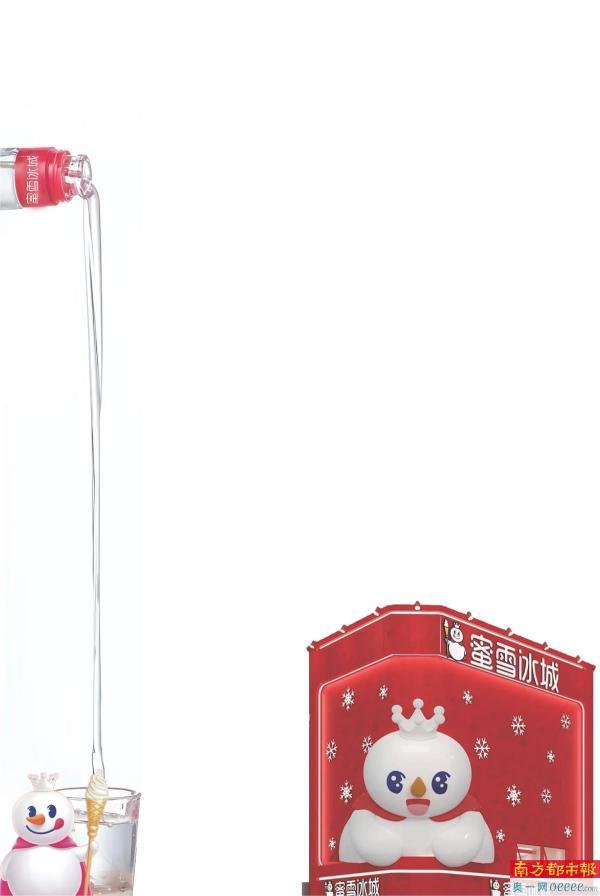
蜜雪冰城进军酒赛道 新茶饮能否拿下消费者的“酒杯”?
Nan Fang Du Shi Bao· 2025-10-09 23:13
Core Viewpoint - The new tea beverage industry is increasingly venturing into the alcohol market, with companies like Mixue Ice City acquiring stakes in beer brands to diversify their offerings and seek new revenue streams [2][4][6]. Group 1: Company Actions - Mixue Ice City announced the acquisition of a 53% stake in the beer brand "Xianpi Fulu Jia" for a total price of 297 million yuan, making it a non-wholly-owned subsidiary [2]. - The beer brand has expanded rapidly, with approximately 1,200 stores across 28 provinces as of August 31, 2023, and has turned a profit of 1.07 million yuan in 2024 after previously reporting a loss [4]. - Other tea brands, such as Cha Baidao, Cha Yan Yue Se, and Nai Xue's Tea, are also exploring the alcohol market, either by launching new products or creating new brands [4][5]. Group 2: Market Dynamics - The alcohol industry offers higher profit margins (50% or more) compared to the tea beverage industry (approximately 35%) [6]. - New tea brands are adopting a pricing strategy similar to their tea products, with beer priced between 5.9 yuan and 14 yuan, aiming to attract consumers with affordable options [6]. - The industry is witnessing a trend of new tea brands collaborating with alcohol companies for limited-time products, although these products often have a short lifespan [5]. Group 3: Challenges and Observations - The operational logic of selling alcohol differs significantly from that of tea beverages, leading to skepticism about the profitability of these ventures [3][9]. - The low pricing strategy may intensify competition and lead to a price war within the alcohol sector [9]. - Analysts suggest that the frequency of alcohol consumption is lower than that of tea beverages, which may affect the return on investment for companies entering this market [9]. Group 4: Future Outlook - Despite the challenges, there is optimism in the industry regarding the potential for new tea brands to successfully integrate alcohol offerings, particularly through creating unique consumer experiences [10]. - The future of Mixue Ice City's foray into the alcohol market remains to be seen, with ongoing monitoring of its performance [11].
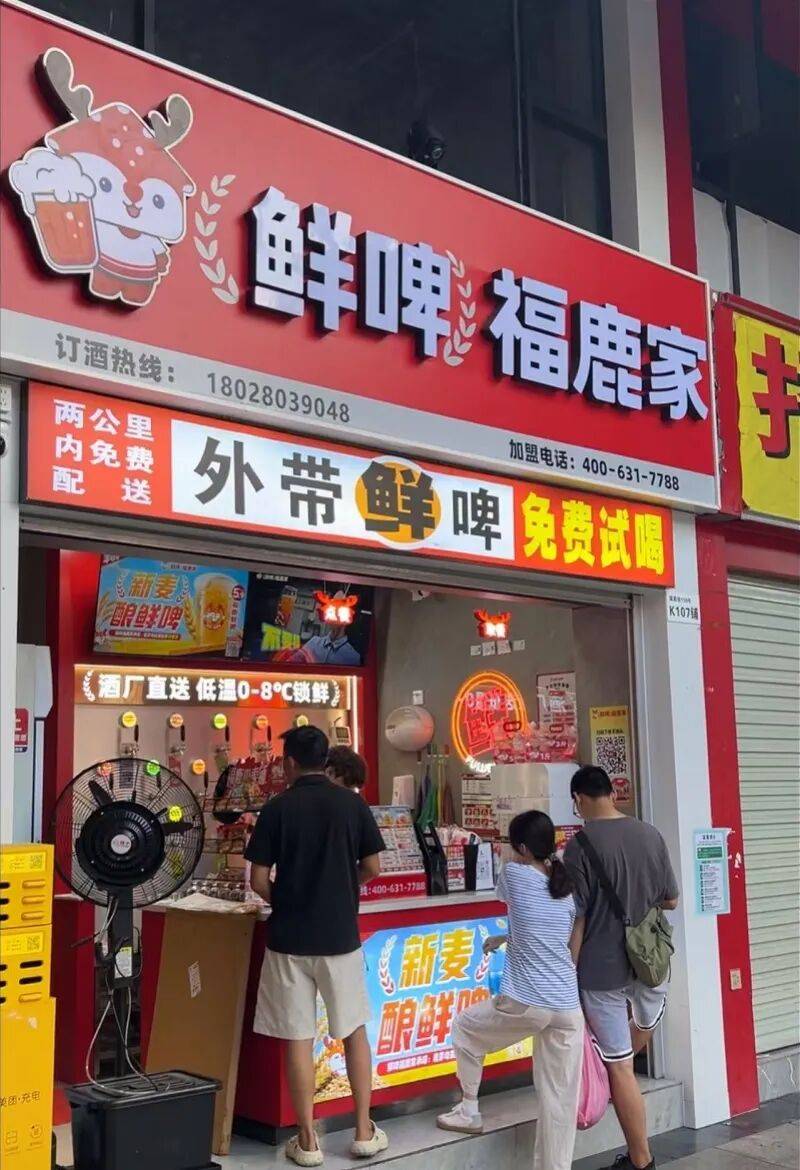
“雪王”进军现打鲜啤!新茶饮能否拿下消费者“酒杯”?
Sou Hu Cai Jing· 2025-10-07 07:55
Core Viewpoint - The new tea beverage industry is increasingly venturing into the alcohol market, with companies like Mixue Ice City acquiring stakes in beer brands to diversify their product offerings and meet consumer demand for affordable, high-quality products [1][14]. Group 1: Investment Details - Mixue Ice City announced the acquisition of a 53% stake in the fresh beer brand "Xianpi Fulujia" for a total price of 297 million RMB [4][7]. - The transaction consists of two parts: an injection of 285.6 million RMB for new registered capital and a share transfer agreement with Zhao Jie for 11.2 million RMB [7]. - Following the acquisition, Fulujia will become a non-wholly-owned subsidiary of Mixue Group, with its financial performance consolidated into Mixue's results [8][12]. Group 2: Market Context - The fresh beer market is still in its early development stages, but it offers a fresh taste and diverse flavors that align with consumer preferences [14]. - Fulujia operates approximately 1,200 stores across 28 provinces in China, primarily using a franchise model to expand its network [10][12]. - The pricing for Fulujia's fresh beer products ranges from 6 to 10 RMB per 500mL, which is competitive with the pricing strategies of new tea beverage brands [12][20]. Group 3: Industry Trends - The trend of new tea brands entering the alcohol market is becoming more common, with several brands exploring various strategies, including product innovation and new brand incubation [18][20]. - The alcohol industry offers higher profit margins (50% or more) compared to the new tea beverage sector (approximately 35%) [20]. - Other new tea brands, such as Cha Baidao and Nai Xue's Tea, are also experimenting with alcohol-related products, indicating a broader industry shift [18][20]. Group 4: Financial Performance and Valuation - Analysts suggest that the valuation of Fulujia in this transaction is within a reasonable range, with the post-transaction valuation at 560 million RMB [16]. - Fulujia's financial performance has shown improvement, moving from a loss of 1.53 million RMB in 2023 to a profit of approximately 107,000 RMB in 2024 [17][12]. - The acquisition is seen as a strategic move to enhance Mixue's product offerings and capitalize on the growing demand for fresh beer [14][20].
即将国庆节,这3个“反常”的消费商业现象,和往年大不相同!
Sou Hu Cai Jing· 2025-09-30 02:01
Group 1: Tourism Trends - This year's National Day holiday shows a significant shift in tourism behavior, with younger travelers opting for less commercialized destinations instead of traditional crowded hotspots [5][7][10] - The preference for a more relaxed travel experience has led to a decrease in demand for popular tourist attractions, resulting in lower costs and less hassle for travelers [9][10] Group 2: Wedding Trends - There is a noticeable decline in the number of weddings held during the National Day holiday, as many couples are choosing to schedule their ceremonies earlier to avoid conflicts with travel plans and other commitments [12][14][17] - Young couples are increasingly avoiding extravagant wedding banquets during the holiday due to high costs and the desire for simpler, more intimate celebrations [21][23] Group 3: Alcohol Sales - Alcohol sales are experiencing a downturn, with many retailers offering significant discounts to boost sales, yet consumer interest remains low [26][27] - The market for high-end liquor is shrinking, while mid-range options are gaining some traction, indicating a shift in consumer preferences [29][30] - Beer sales are stable, but younger consumers are gravitating towards lower-alcohol options for a more enjoyable drinking experience [31]
中秋前夕消费客户询价多成交少,酒水采购出现两个变化
Sou Hu Cai Jing· 2025-09-19 08:12
Group 1 - The atmosphere in the liquor market is gradually warming up as the Mid-Autumn Festival approaches, with an increase in inquiries, but the transaction rate remains low [1][2] - Compared to last year, the purchasing quantity and quality of liquor have decreased, with many clients adopting a more conservative purchasing strategy [5][7] - The overall market sentiment is low, with many distributors choosing to adjust their inventory based on actual customer demand rather than making large bulk purchases [4][5] Group 2 - There is a noticeable decline in the purchasing quantity and quality of high-end liquor, with sales expected to drop by over 20% compared to last year [5][7] - The demand for mid-range liquor is shrinking, with customers increasingly inquiring about lower-priced options, indicating a shift towards lower-end products [5][7] - The gifting demand has shifted towards "less but better," with clients focusing on core customers and making smaller, more selective purchases [8]