高新技术
Search documents
21专访|北大汇丰金融研究院李荻:以高质量并购推动产业升级
2 1 Shi Ji Jing Ji Bao Dao· 2025-11-17 07:51
Core Insights - The core argument emphasizes the need for a profound "professionalization" transformation in China's financial industry to achieve high-quality development, as highlighted by the "14th Five-Year Plan" [2][3] Group 1: Professionalization in Financial Institutions - The "14th Five-Year Plan" suggests that financial institutions should focus on their core businesses, improve governance, and pursue differentiated development, marking a shift from a previously diversified growth model to a more specialized approach [3][4] - Financial institutions are encouraged to recognize their resource endowments and comparative advantages, allocating resources to key development areas to enhance efficiency and competitiveness [3][4] Group 2: Mergers and Acquisitions (M&A) as a Growth Strategy - M&A is seen as a crucial method for optimizing resource allocation, particularly in the context of Shenzhen's goal to reach a total market value of 20 trillion yuan by 2027, requiring nearly 8 trillion yuan growth in three years [8][9] - High-quality M&A can reduce transaction costs, enhance market bargaining power, and improve innovation capabilities, thereby driving industry upgrades [9][10] Group 3: Regulatory and Supportive Measures for M&A - The government is urged to create a conducive environment for M&A in strategic emerging industries by relaxing profitability requirements and simplifying approval processes [5][7] - Establishing a robust M&A service ecosystem with top-tier investment banks and professional service providers is essential for facilitating successful transactions [6][7] Group 4: Shenzhen's Financial Development Strategy - Shenzhen aims to leverage its strong manufacturing base and technological advantages to develop an industrial financial center, focusing on supply chain finance and financing leasing [10][11] - The city is positioned as a hub for cross-border financial services, enhancing its role in international trade and investment [10][11]
知名民营企业助力海南自贸港高质量发展大会月底举办
Hai Nan Ri Bao· 2025-11-15 01:41
Core Insights - The "Famous Private Enterprises Supporting Hainan Free Trade Port High-Quality Development Conference" will be held from November 27 to 29 in Haikou, focusing on the theme "Private Enterprises Supporting the Free Trade Port, Opening a New Journey" [1] - The conference is expected to attract around 800 participants, including representatives from over 100 top 500 private enterprises and listed companies in China [1] - The conference will feature the release of the "Research Report on the Internationalization of Private Enterprises" and the "Initiative for Private Enterprises to Support the Construction of Hainan Free Trade Port" [1] Economic Contributions - As of the first three quarters of 2025, Hainan's private economy achieved a value-added of 338.63 billion yuan, with a year-on-year growth of 4.2% [2] - Private investment reached 75.41 billion yuan, accounting for 31% of the total investment in the province, highlighting its significant role in economic and social development [2] - The province has 3.6241 million operating entities, with 3.5312 million being private entities, representing 97.44% of the total [2] Role of Private Economy - The private economy contributes nearly 60% of the province's GDP, over 90% of employment, and more than 90% of high-tech enterprises and operating entities [2] - The private economy has become a driving force in the construction of the Hainan Free Trade Port, enhancing overall strength, innovation capability, and market competitiveness [3]
封关预期奏响“最强音”!海南板块高歌猛进,康芝药业20CM涨停
Ge Long Hui· 2025-11-14 07:00
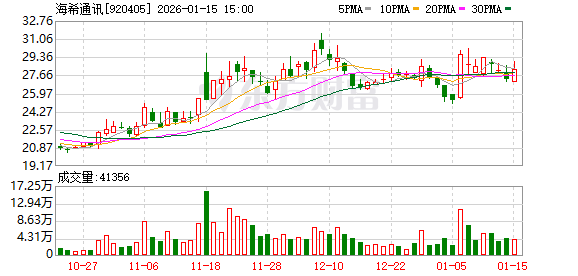
Core Viewpoint - The A-share market in Hainan and the Hainan Free Trade Zone has experienced a significant surge, driven by the upcoming launch of the free trade port operations on December 18, which is expected to inject strong momentum into the region's industrial development [1][4]. Market Performance - Several stocks, including Kangzhi Pharmaceutical, Hainan Haiyao, and Xilong Holdings, have seen substantial gains, with Kangzhi Pharmaceutical hitting a 20% increase to 10.62, while Hainan Haiyao and Xilong Holdings rose by 10.08% and 9.99% respectively [2][1]. - The overall market sentiment is buoyed by the anticipation of policy benefits as the free trade port's operational date approaches [3]. Policy Developments - The free trade port's operations will implement a system characterized by "one line open, two lines controlled, and free movement within the island," which is expected to reshape the industrial ecosystem in Hainan [4]. - Recent adjustments to the duty-free shopping policy have already shown positive effects, with a first-day shopping amount of 78.549 million yuan, a 6.1% increase from the previous day, and a total of 506 million yuan in the first week, marking a 34.86% year-on-year growth [4]. Industry Opportunities - The "zero tariff" policy has expanded to cover various transportation modes, including air, land, and sea, which is expected to create new opportunities for related industries [5]. - Securities firms are optimistic about the long-term value brought by the free trade port, predicting growth in the duty-free market and modern service industries such as finance and tourism [6]. Company Responses - Companies like Haixia Co. and Shengshi Technology are actively responding to the opportunities presented by the free trade port, with Haixia Co. expecting increased traffic and investment due to the new policies [7]. - Hainan's only complete vehicle manufacturer, Haima Automobile, is leveraging the hydrogen energy sector and has already established a hydrogen production and refueling station, aiming to capitalize on the free trade port's policies [7]. Future Investment Trends - The upcoming free trade port operations are seen as a turning point for investment logic in Hainan, shifting focus from B2C consumption to B2B industrial upgrades and high-value services [8]. - Key investment themes include modern logistics and trade services, high-tech and green energy sectors, and high-value "tourism+" services such as medical care and international education [8].
深耕本土打造全业态闭环服务!中原证券践行差异化经营特色化发展
Sou Hu Cai Jing· 2025-11-14 03:20
编者按: 时代之笔擘画新章,金融活水润泽实体。在金融"五篇大文章"铺就的壮阔画卷中,证券业正以创新之墨 挥毫作答。这是服务国家战略的使命担当,更是深化金融供给侧改革的生动实践。证券业以"国之大 者"为经,以"民之关切"做纬,让金融血脉与实体经济同频共振,奏响中国式现代化的资本强音。证券 时报联合中国证券业协会,推出"做好'五篇大文章' 证券业作答进行时"系列专栏, 本篇为系列报道之 五十八,敬请垂注。 作为河南省唯一法人证券公司,中原证券深入贯彻中央金融工作会议精神,积极践行金融工作的政治 性、人民性,聚焦科技金融、普惠金融等重点领域,将服务新质生产力的培育壮大与满足人民群众的金 融需求有机结合。 "做好金融'五篇大文章',不仅是金融服务实体经济高质量发展的重要内容,更是中小券商走差异化经 营特色化发展之路的必然选择。"中原证券相关负责人表示,公司正以服务新质生产力的培育壮大为主 线,将创新金融服务模式作为践行国企担当、实现高质量发展的关键举措。 建龙微纳登陆科创板,是中原证券服务科技企业的典型样本。 建龙微纳是以研发新型无机非金属微纳米吸附技术为主的现代化高新技术企业。在创业初期,建龙微纳 与众多科技企业一 ...
党建引领 汇聚发展澎湃动能
Si Chuan Ri Bao· 2025-11-13 21:00
位于成都市青羊区的航空国创中心产 业园。 青羊区少城街道总工会开展的骑手义诊活动 现场。 □青社轩 (图片由成都市青羊区委社会工作部提供) 时代潮涌,一道必须答好的新课题摆在面前—— 近年来,新经济组织、新社会组织大量涌现,新就业群体规模持续扩大,不断改变着传统的组织 形式、工作方式和治理结构。 因势而谋、顺势而为、乘势而上。聚焦"突出抓好新经济组织、新社会组织、新就业群体党的建 设,不断增强党在新兴领域的号召力凝聚力影响力",成都市青羊区主动破题,立足现实变化,把 握时代特征,以高质量党建引领新兴领域高质量发展。 强基固本 织好组织体系"一张网" 近日,一场特殊的产融对接活动在青羊区光华街道举行。前来参加活动的,除了新认定的高新技 术企业及金融机构代表,还有来自街道的专职党建服务专员。会上,除相关部门进行政策、服务 宣讲外,专职党建服务专员还就如何发挥高新技术企业党组织作用等进行政策宣讲。 在青羊区,类似的活动还有很多。要形成完善的组织体系,不仅要巩固已有的组织基础,还要扩 大组织覆盖面。近年来,青羊区坚持重点企业分类攻坚、重点区域因地制宜、重点组织统筹推 进、重点群体凝聚引领,强基固本,持续织好组织体系" ...
深耕本土打造全业态闭环服务 中原证券践行差异化经营特色化发展
Zheng Quan Shi Bao· 2025-11-13 17:55
Core Viewpoint - Zhongyuan Securities (601375) is committed to implementing the spirit of the Central Financial Work Conference, focusing on technology finance and inclusive finance, and integrating the cultivation of new productive forces with the financial needs of the public [1] Group 1: Support for Technology Enterprises - Zhongyuan Securities has successfully assisted Jianlong Micro-Nano in becoming the first company from Henan Province to list on the Sci-Tech Innovation Board, showcasing its role in supporting technology enterprises [2] - The company has developed a "three-in-one" financial service model that integrates investment banking, investment, and lending to enhance the quality and efficiency of services for technological innovation [2][3] Group 2: Financial Services for Small and Medium Enterprises - Zhongyuan Securities has established a wealth management service ecosystem to enhance the accessibility of inclusive financial services, launching over 400 public fund products this year and facilitating financing of over 28 billion yuan for nearly 4,000 small and medium enterprises [4] - The company has focused on incubating small and medium enterprises, helping them transition to the New Third Board and providing various specialized credit products [4] Group 3: Regional Economic Development - Zhongyuan Securities emphasizes differentiated and specialized development, integrating research, investment banking, and investment resources to provide tailored capital market services across 18 prefecture-level cities in Henan Province [5] - The company has organized over 60 events, including government-finance-enterprise matchmaking meetings and capital market training, to enhance regional economic development [6] Group 4: Future Outlook - Zhongyuan Securities aims to continuously improve its professional capabilities in investment banking, investment, and research, while enhancing the quality of financial services to contribute to the modernization of the Central Plains region [6]
安徽金融晒“十四五”成绩单: 境内上市公司数量跻身全国第7
Zheng Quan Shi Bao· 2025-11-13 17:51
Core Insights - Anhui Province has achieved significant financial development during the "14th Five-Year Plan" period, with a social financing scale maintaining an annual increment of over 1 trillion RMB since 2021, and both deposits and loans exceeding 9 trillion RMB [1][2] Financial Services to the Real Economy - Since the "14th Five-Year Plan," Anhui's social financing increment has surpassed 5 trillion RMB, a 57% increase compared to the "13th Five-Year Plan," with 2024 projected to reach 1.18 trillion RMB, ranking 6th nationally [2] - By the end of September, the province's RMB deposit balance was 9.77 trillion RMB, with an annual growth rate of 8.6%, while the loan balance reached 9.25 trillion RMB, growing at 13.1% annually, achieving the "14th Five-Year Plan" targets ahead of schedule [2] - Manufacturing loans reached 1.1 trillion RMB, 2.5 times that of the end of the "13th Five-Year Plan," with long-term loans at 700.3 billion RMB, 4.7 times higher [2] - Technology loans totaled 1.7 trillion RMB, ranking 7th nationally, with loans to tech enterprises increasing 5.6 times since the end of the "13th Five-Year Plan" [2] - Inclusive loans for small and micro enterprises reached 1.5 trillion RMB, 2.5 times higher than at the end of the "13th Five-Year Plan," while agricultural loans increased by 65.8% to 2.67 trillion RMB [2] A-share "Anhui Sector" Growth - The number of listed companies in Anhui has increased by 62 since the "14th Five-Year Plan," totaling 186 by the end of September, nearly a 50% increase from the end of the "13th Five-Year Plan" [3] - Over 70% of listed companies are high-tech enterprises, with 60% in emerging industries and 50% classified as "specialized, refined, distinctive, and innovative" [3] - Anhui has achieved direct financing of 3.4 trillion RMB during the "14th Five-Year Plan," a 30% increase from the previous period, with significant growth in bond issuance [3] Fund Ecosystem Development - Anhui has established a provincial emerging industry guidance fund with a total scale of 200 billion RMB and a state-owned capital fund of 100 billion RMB, creating a collaborative fund ecosystem [4] - The province has launched the first bank-affiliated insurance capital AIC equity investment fund in the country, with a total of 3 AIC funds established, amounting to 2.1 billion RMB [4] Technology Finance Characteristics - Anhui has developed a unique technology finance model, creating a closed-loop ecosystem of "technology-industry-finance" [5] - The province has set up a technology achievement transformation guidance fund with 18 sub-funds, investing in 151 projects, and has introduced various innovative credit products to support technology transfer [6] - By the end of October, 139 technology enterprises were listed in Anhui, accounting for 75% of all listed companies, with a total market value of 2.16 trillion RMB, representing 80% of the total [6]
金山区“十四五”答卷亮眼:转型成果助力现代化建设加速
Guo Ji Jin Rong Bao· 2025-11-13 11:42
Core Viewpoint - The news highlights the achievements and future plans of Jinshan District in Shanghai during the "14th Five-Year Plan" period, focusing on modernization, industrial transformation, and rural revitalization efforts. Economic Development - Jinshan District aims to break through a GDP of 120 billion yuan in 2024, with a per capita GDP reaching 21,500 USD [3] - The district has maintained stable economic growth while enhancing development quality and resilience [3] Industrial Transformation - Jinshan's industrial structure has improved, with total industrial output surpassing 300 billion yuan, and significant growth in high-tech sectors [4] - The service sector has seen rapid growth, with its share increasing from 31.8% to 40.9% since the end of the "13th Five-Year Plan" [4] Major Projects - The district has attracted over 20 projects with investments exceeding 1 billion yuan, including significant projects like the Shanghai Petrochemical upgrade and the Lexus new energy project [4] Technological Innovation - High-tech enterprises in Jinshan have increased by 39.5%, and specialized enterprises have surged by 375.3% [6] - The number of invention patents per ten thousand people has doubled, and international patent applications have increased nearly elevenfold [6] Rural Revitalization - Jinshan is recognized as a pioneer in rural revitalization, with agricultural productivity rising by 21%, surpassing the city average [7] - The district has established several national-level agricultural technology projects and tourism sites, enhancing its rural landscape [7] Social Welfare and Living Standards - Jinshan has improved its education system, with new vocational colleges and schools established, enhancing educational quality [8] - The district has also focused on health infrastructure, with new hospitals and public health centers being built [8] Urban Development and Governance - Jinshan has made significant strides in urban governance, focusing on safety and environmental improvements, and has been recognized for its ecological initiatives [9][10] - The district is committed to enhancing its transportation network and housing conditions, with substantial investments in public infrastructure [9] Future Outlook - Looking ahead to the "15th Five-Year Plan," Jinshan aims to deepen its transformation strategy, focusing on high-quality and sustainable development [11] - The district plans to enhance its industrial competitiveness and innovation capabilities, positioning itself as a key growth area in Shanghai and the Yangtze River Delta [11]
科技企业减税新政将出
第一财经· 2025-11-12 04:08
Core Viewpoint - The article discusses the upcoming tax reduction policy aimed at encouraging technological innovation in China, particularly through increasing the R&D expense deduction ratio for high-tech enterprises and technology-based SMEs during the "15th Five-Year Plan" period [3][4]. Group 1: R&D Expense Deduction Policy - The R&D expense deduction ratio in China has been progressively increased from 50% in 2017 to 100% in 2023, allowing companies to deduct double their R&D expenses from taxable income [5][6]. - The new policy is expected to raise the deduction ratio for high-tech enterprises and technology-based SMEs from the current 100% to potentially 120% or even higher, incentivizing increased R&D investment [7][8]. - The current international standard for R&D tax incentives shows that countries like the U.S. and Germany offer higher deduction ratios, indicating room for improvement in China's policies [8][9]. Group 2: Importance of Targeting High-Tech Enterprises - High-tech enterprises and technology-based SMEs are crucial for China's innovation system, often facing significant R&D costs and funding shortages [6][10]. - The proposed increase in the deduction ratio is seen as a direct way to reduce tax burdens and enable these companies to allocate more resources to R&D and innovation [6][10]. Group 3: Future Policy Recommendations - Experts suggest that simply increasing the deduction ratio may lead to diminishing returns, and future policies should focus on enhancing the quality of R&D rather than just the quantity [12][13]. - Recommendations include introducing a mechanism for R&D expense increment credits and a patent box system to encourage high-quality patent utilization [12][13]. - There is a call for differentiated deduction ratios based on company size, industry, and R&D intensity, with suggestions for higher ratios for companies with significant R&D investments [13][14]. Group 4: Implementation and Optimization - The article emphasizes the need for simplifying the implementation process of the R&D expense deduction policy to enhance accessibility for companies [14]. - Suggestions include transitioning from prior approval to post-filing management and utilizing big data for monitoring R&D activities, thereby reducing compliance costs [14]. - The importance of establishing clear standards for R&D expense categorization and providing authoritative guidelines is highlighted to ensure consistent application across regions [14][15].
科技企业减税新政将出:研发费用加计扣除比例提高|解读“十五五”
Di Yi Cai Jing· 2025-11-12 03:29
Core Viewpoint - The Chinese government is planning to increase the R&D expense deduction ratio for high-tech enterprises and technology-based SMEs as part of the "14th Five-Year Plan" to encourage innovation and enhance competitiveness in the technology sector [1][2]. Group 1: R&D Expense Deduction Policy - The current R&D expense deduction ratio for high-tech enterprises and technology-based SMEs is 100%, which may be raised to 120% or even higher [1][4]. - The R&D expense deduction policy has evolved since its introduction in 1996, with the ratio increasing from 50% to 75% in 2017, and then to 100% in 2023 [2][3]. - The increase in the deduction ratio is expected to directly reduce the tax burden on these enterprises, allowing them to allocate more resources to R&D and innovation [2][5]. Group 2: International Comparison and Implications - Compared to international standards, China's current 100% deduction is considered moderate, with some countries offering deductions as high as 300% [6][5]. - The proposed increase in the deduction ratio aims to align China's policies with those of developed countries, enhancing the global competitiveness of Chinese technology firms [5][6]. Group 3: Future Policy Recommendations - Experts suggest that future policies should not only focus on increasing the deduction ratio but also on improving the quality of R&D investments [7][8]. - Recommendations include introducing a mechanism for R&D expense incremental credits and considering a tiered deduction system based on R&D intensity and growth rates [8][9]. - There is a call for simplifying the execution process of the R&D expense deduction policy to reduce compliance costs for enterprises [10].