半导体制造

Search documents
一图看懂 | 二氯二氢硅反倾销概念股
市值风云· 2026-01-07 10:25
Core Viewpoint - The Ministry of Commerce announced an anti-dumping investigation into imported dichlorodihydrosilane (DCS) from Japan, which is expected to directly benefit domestic DCS production companies and accelerate the domestic substitution in semiconductor manufacturing [3][4]. Group 1: Policy Impact on Industry Chain - The anti-dumping investigation period is set from July 1, 2024, to June 30, 2025, while the industry damage investigation period spans from January 1, 2022, to June 30, 2025 [3][4]. - This policy is anticipated to promote domestic DCS production and indirectly benefit upstream raw material suppliers [3][4]. Group 2: Beneficiary Classification - Key beneficiaries include midstream core DCS manufacturing companies, upstream raw material suppliers, and downstream application fields such as chip manufacturing and display panels [10]. - Specific companies identified as beneficiaries include: - Midstream: companies like Sanfu Co., and Hoshine Silicon Industry [10]. - Upstream: companies such as Dongyue Group and Jiangsu Huachang Chemical [10]. - Downstream: firms like SMIC and Changjiang Storage [10]. Group 3: Industry Overview - The upstream segment consists of essential raw materials like silicon powder, hydrogen chloride, and hydrogen, which are characterized by high technical barriers [11]. - A critical parameter for production is maintaining metal impurities below 0.1 ppb [11].

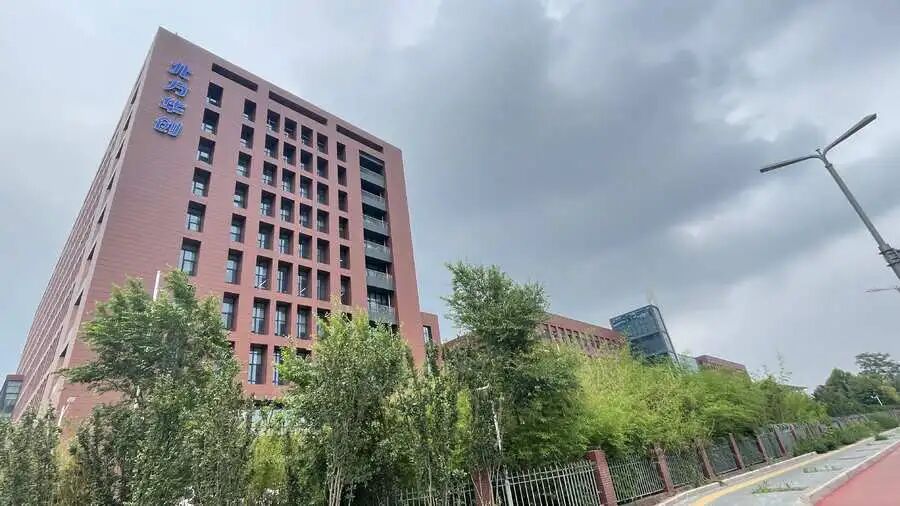
“国家队” 国新投资入局北方华创
Xin Lang Cai Jing· 2026-01-07 10:06
Core Viewpoint - The actual controller of Northern Huachuang, Beijing Electric Control, has received approval from the Beijing State-owned Assets Supervision and Administration Commission (SASAC) for the transfer of 2% of shares to Guoxin Investment, indicating confidence in the company's future development and long-term investment value [2][4]. Group 1 - The share transfer involves 14.4818 million unrestricted circulating shares, with a transfer price of 426.39 yuan per share, totaling over 6.174 billion yuan [2][4]. - Guoxin Investment, as a state-owned capital operation platform regulated by the State Council SASAC, has committed not to transfer the acquired shares within 12 months after the completion of the transfer [2][4]. - Northern Huachuang focuses on key areas such as semiconductor manufacturing and photovoltaic new energy, continuously supporting industrial upgrades [2][4]. Group 2 - The transfer is pending compliance confirmation from the Shenzhen Stock Exchange, after which the share transfer procedures will be carried out [5].

中联发展控股拟与铂威建立战略合作伙伴关系
Zhi Tong Cai Jing· 2026-01-06 12:54
本集团一直积极寻求扩展本集团的业务,以实现其业务多元化并扩展至具有增长潜力的领域。董事会认 为,备忘录及其项下拟进行的合作项目与本公司的发展策略一致,其条款属公平合理,且合作项目符合 本公司及股东的整体利益,为本公司股东创造可持续价值。 龙腾半导体及其附属公司为主要从事研发设计、晶圆制造、模组封装、测试应用为一体的功率半导体 IDM企业,专注提供高效、可靠、高性价比的功率器件及系统解决方案。 订约方拟透过合作项目,共同成立研究团队,在合法、合规的前提下进行商业合作,实现优势资源共享 互利,发挥龙腾半导体在功率半导体产品设计、工艺开发、生产运营等多方面经验优势来共同实现合作 项目。 中联发展控股(00264)发布公告,于2026年1月6日,本公司与铂威有限公司(合作方)订立一份不具法律约 束力的谅解备忘录(备忘录),本公司拟与合作方建立战略合作伙伴关系,共同分享资源及探讨在香港建 立先进功率半导体技术研发中心(合作项目)。 研发中心将立足香港,面向全球,专注于成为三代功率半导体领域的技术创新高地。研发中心将聚焦碳 化硅(SiC)和氮化镓(GaN)等宽禁带半导体技术,构建从材料研究到系统应用的完整研发体系,推动功 ...
越秀资本:粤芯半导体是公司控股子公司的投资企业之一
Xin Lang Cai Jing· 2026-01-06 11:43
越秀资本1月6日在互动平台表示,粤芯半导体是公司控股子公司越秀产业基金管理基金的投资企业之 一,该投资不会对公司经营业绩产生重大影响。 ...

三星利润将飙升160%!
国芯网· 2026-01-06 11:32
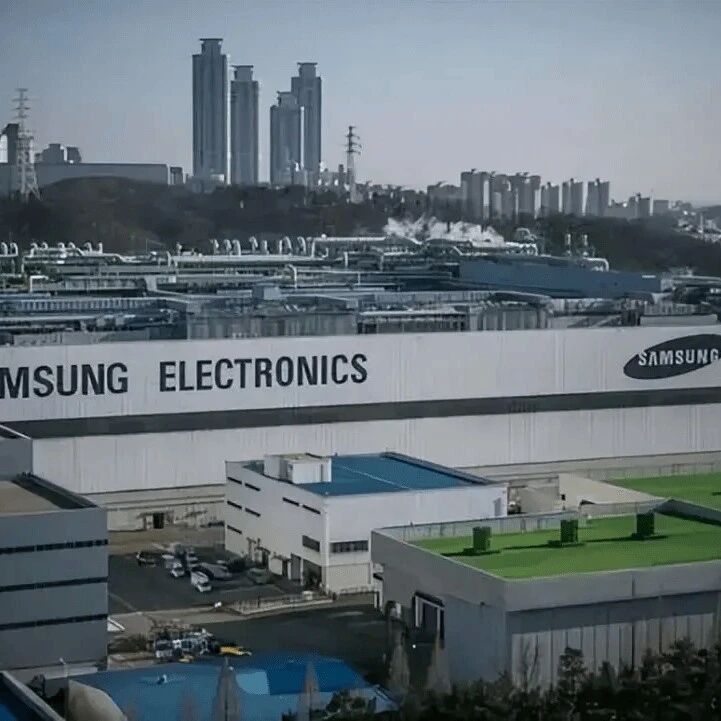
Core Viewpoint - The article highlights the unprecedented surge in memory prices in 2025, leading to a significant shortage in the consumer electronics industry, with memory manufacturers reaping substantial profits [2][4]. Group 1: Memory Price Surge - In 2025, memory prices have skyrocketed, causing an unprecedented shortage and price increase in the consumer electronics sector, affecting both manufacturers and consumers [2]. - Analysts predict that Samsung's operating profit for Q4 2025 will reach 16.9 trillion KRW (approximately 816 billion RMB), a 160% increase from 6.49 trillion KRW in the same period last year [2][4]. - This profit is expected to be the highest quarterly profit since Q3 2018, with some optimistic analysts raising profit expectations to over 20 trillion KRW [4]. Group 2: Causes of the Price Surge - The surge in memory prices is primarily driven by the high demand for AI chips from major companies like NVIDIA, forcing semiconductor manufacturers to allocate significant production capacity to high-bandwidth memory [4]. - This shift has resulted in reduced production of traditional DRAM (such as DDR4 and DDR5) and NAND flash memory, leading to a comprehensive supply shortage [4]. - The benchmark price for DDR4 has increased nearly sevenfold over the past year, reaching the highest level since 2016 [4]. Group 3: Impact on Samsung - Samsung, as the largest smartphone manufacturer globally, is experiencing severe profit erosion in its mobile business due to skyrocketing memory costs [4]. - TM Roh, Samsung's co-CEO, stated that no company can escape the impact of this unprecedented situation, which affects not only smartphones but also other consumer electronics like TVs and home appliances [4]. - There is a possibility of raising product prices due to the unavoidable impact of rising memory chip prices [4].
缺芯!汽车工厂推迟复工!
国芯网· 2026-01-06 11:32
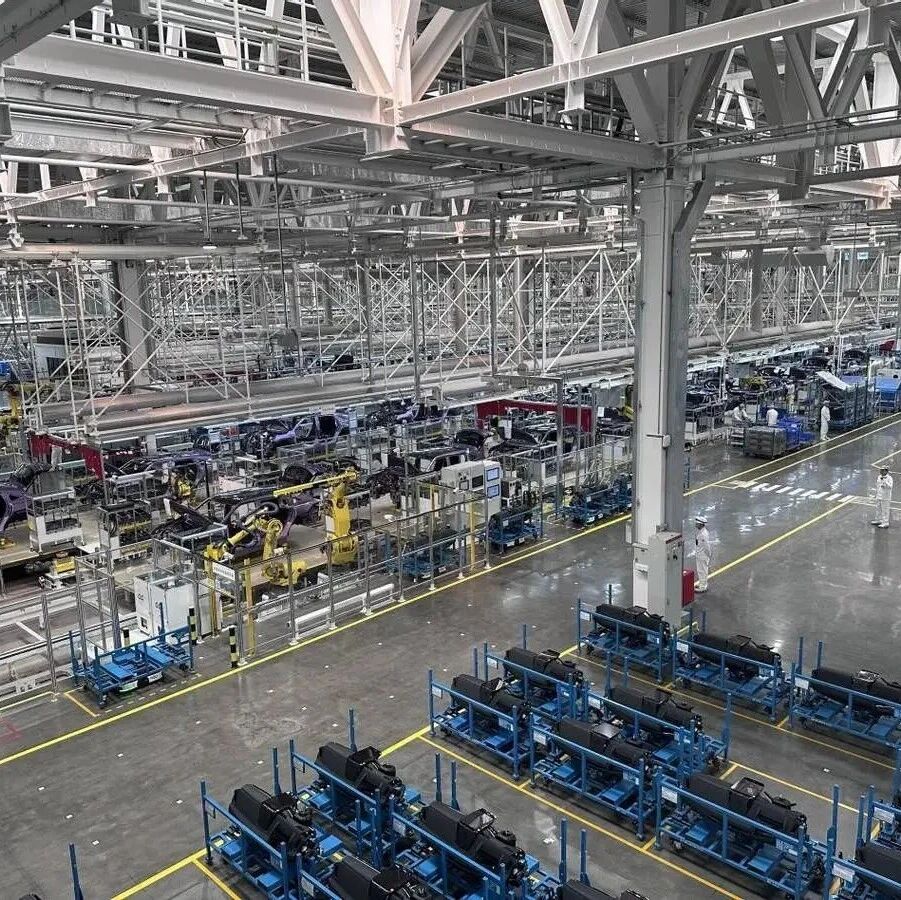
Group 1 - Honda China has announced a two-week delay in resuming operations at its factory due to semiconductor shortages, adjusting production schedules for January 2026 [2][4] - The impact of this short-term production adjustment is considered manageable, with expectations to recover lost output for the year without affecting product delivery to customers [4] - The semiconductor supply issues stem from the Dutch government's operational freeze on Nexperia, which has led to a structural shortage of automotive-grade chips globally, affecting multiple automakers [4] Group 2 - Nexperia holds approximately 40% of the global market share in discrete semiconductors for automotive applications, which are critical components for systems like electric power steering and power control units [4]

士兰微:截至2025年9月30日股东总数为296179户
Zheng Quan Ri Bao Wang· 2026-01-06 11:09
Core Viewpoint - The company Silan Microelectronics (士兰微) reported that as of September 30, 2025, the total number of shareholders is 296,179 [1] Summary by Categories - **Company Information** - Silan Microelectronics has a total of 296,179 shareholders as of the specified date [1]

意法半导体取得压控振荡器及其使用方法专利
Jin Rong Jie· 2026-01-06 10:52
Core Viewpoint - STMicroelectronics has obtained a patent for a "Voltage-Controlled Oscillator and its Method of Use," indicating a strategic move to enhance its technology portfolio [1] Group 1 - The patent was granted under announcement number CN116248047B [1] - The application date for the patent was December 2022 [1]

合肥新汇成微电子股份有限公司关于 2025年第四季度可转债转股结果暨股份变动及控股股东、实际控制人及其一致行动人权益变动的公告
Sou Hu Cai Jing· 2026-01-06 03:56
Summary of Key Points Core Viewpoint - The company has provided an update on the status of its convertible bonds, detailing the conversion amounts and the impact on its share capital. Group 1: Convertible Bond Issuance and Conversion - The company was approved to issue 11,487,000 convertible bonds at a face value of RMB 100 each, raising a total of RMB 1,148,700,000, with a net amount of RMB 1,142,527,891.52 after expenses [2] - The convertible bonds, named "汇成转债," began trading on the Shanghai Stock Exchange on September 2, 2024, with an initial conversion price of RMB 7.70 per share [2] - As of December 31, 2025, the total amount converted from the bonds was RMB 218,660,000, resulting in 28,732,697 shares, which is approximately 3.4288% of the total shares before conversion [5] Group 2: Conversion Status and Remaining Bonds - From October 1, 2025, to December 31, 2025, the conversion amount was RMB 83,565,000, leading to 10,980,820 shares converted, about 1.3104% of the total shares before conversion [5] - As of December 31, 2025, the amount of convertible bonds that had not been converted was RMB 930,040,000, representing 80.9646% of the total issuance [5] Group 3: Share Capital Changes - Following the conversion of bonds, the total share capital increased to 868,942,978 shares, resulting in a dilution of the controlling shareholder's stake from 30.9933% to 29.9687% [7] - The change in equity was a result of the bond conversion and did not affect the company's control structure or governance [7] Group 4: Adjustments to Conversion Price - The conversion price was adjusted from RMB 7.70 to RMB 7.61 per share due to the implementation of the 2024 annual equity distribution [3][4]
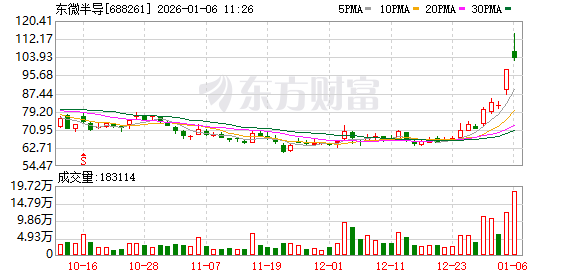
东微半导成交额创上市以来新高
Zheng Quan Shi Bao Wang· 2026-01-06 03:26
(文章来源:证券时报网) 数据宝统计,截至10:18,东微半导成交额15.43亿元,创上市以来新高。最新股价上涨6.59%,换手率 11.56%。上一交易日该股全天成交额为11.51亿元。(数据宝) ...