
酒业

Search documents
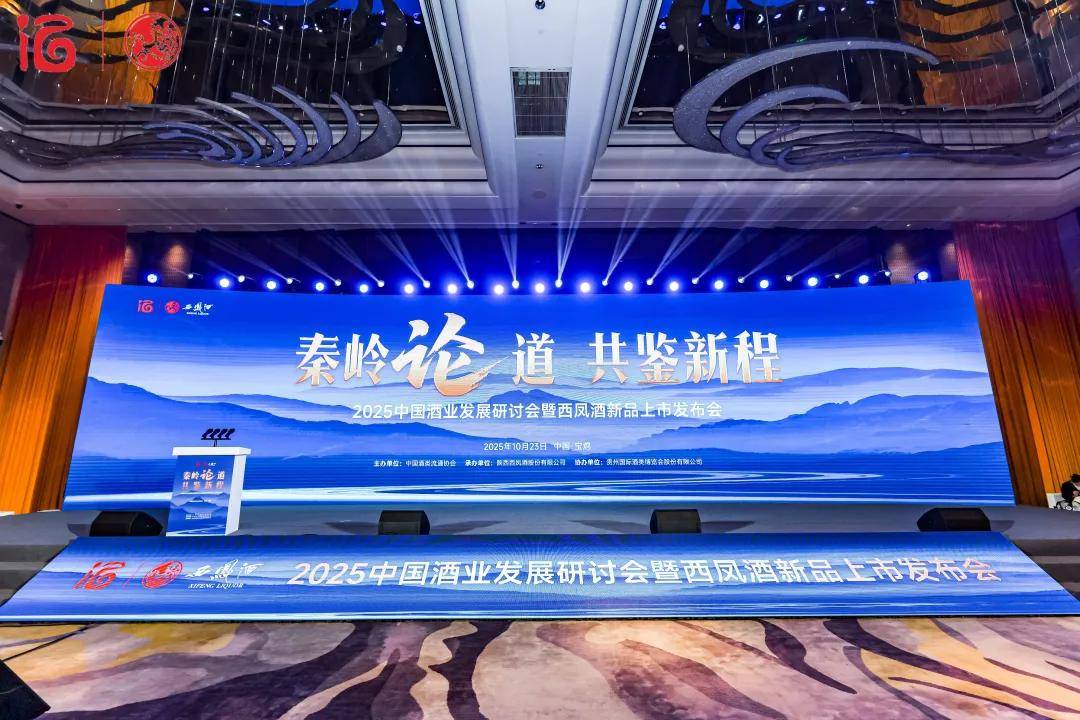
秦岭论道,如何以凤香实践为引,共鉴酒业新程?
Sou Hu Cai Jing· 2025-10-25 13:11
Core Insights - The Chinese liquor industry is facing a complex situation characterized by both resilience and challenges, with a shift from traditional growth models to a focus on quality, culture, and consumer experience [3][5][7] Industry Overview - The current landscape of the Chinese liquor industry shows a duality of solid industrial foundations and increasing pressures from differentiated consumer demand, rising costs, and intensified market competition [3][5] - The industry's growth logic is fundamentally changing, moving away from price increases and channel expansions to a deeper exploration of quality and cultural significance [3][5] Consumer Trends - The emergence of a new generation of consumers is reshaping the competitive landscape, as they prioritize quality, cultural depth, and personalized emotional connections in their purchasing decisions [5][7] - Emotional consumption is becoming a significant criterion for the younger generation, leading to a fragmented market rather than a unified one [5][7] Strategic Shifts - The industry must transition from a "scale-oriented" approach to a "value-oriented" strategy, emphasizing comprehensive competition that includes quality, culture, and user experience [7] - The high-quality development of the liquor industry is essential for both individual enterprises and the sustainable growth of the entire sector [7] Product Innovations - Xifeng Liquor launched two new products at the conference, showcasing value innovation and a commitment to traditional craftsmanship [8][10] - The "Hong Xifeng·Gongyuan Luyiba" product emphasizes historical value and quality, featuring a unique blend of aged spirits and traditional production techniques [10] - The "Xifeng Yangyuan Chun" series targets health-conscious consumers, integrating herbal elements into the liquor to align with modern health trends [12] Quality Management - Xifeng Liquor's approach to quality management includes a comprehensive system that ensures product excellence while maintaining price stability [15] - The company has established a multi-tiered product matrix to cater to various consumer needs while strengthening emotional connections with its customers [15] Regional Development - The local government is promoting the integration of the liquor and tourism industries, leveraging historical and cultural resources to create new growth opportunities [17] - The industry is at a crossroads, transitioning from scale expansion to quality and value enhancement, which is essential for its maturation [17]

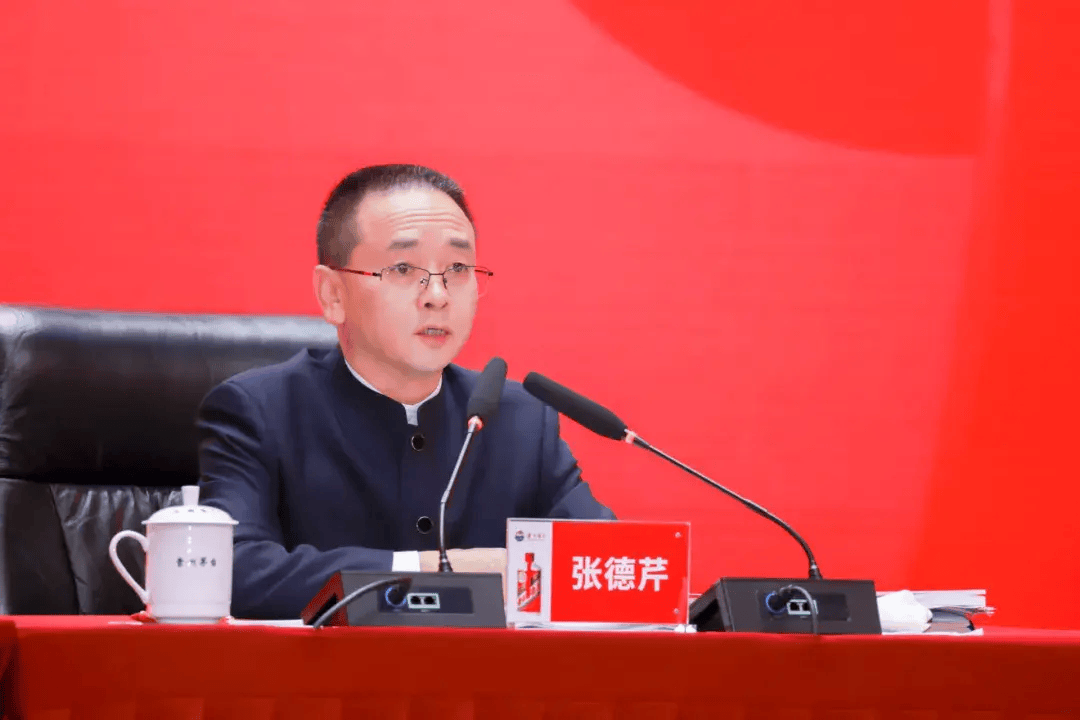
茅台再换董事长,贵州省能源局局长陈华接任
Sou Hu Cai Jing· 2025-10-25 08:38
Core Viewpoint - Moutai Group has announced a significant personnel change, appointing Chen Hua as the new chairman, replacing Zhang Deqin, amid challenges in the liquor industry, particularly in the sauce liquor sector [1][3][5] Group 1: Leadership Change - Chen Hua, previously the director of the Guizhou Provincial Energy Bureau, has taken over as chairman of Moutai Group [1][3] - Zhang Deqin, who served as chairman for only one and a half years, has stepped down [1][3] Group 2: Background of New Chairman - Chen Hua, born in March 1972, holds a master's degree in engineering and has extensive experience in the energy sector [5] - His career includes roles in the Panjiang Coal and Electricity Company and various government positions, indicating a strong background in management and oversight [5] Group 3: Industry Challenges - The liquor industry, particularly the sauce liquor segment, is facing a slowdown in growth, necessitating strategic changes in leadership [5] - Analysts suggest that the new chairman may help address the long-standing issue of a closed talent structure within Moutai, which has hindered innovation and internationalization [5]

酒业产销电商:一场静默却深刻的变革
Sou Hu Cai Jing· 2025-10-25 02:55
Group 1 - The most significant change in contemporary beverage consumption is the rational return of consumption concepts, with a growing consensus on "drinking less, drinking better" [1] - Consumers are increasingly focusing on the origin, craftsmanship, and quality of beverages rather than just brand and packaging, reflecting a maturation of consumption concepts [1] - The traditional dominance of baijiu, beer, and wine is being challenged by emerging alcoholic beverages, expanding market boundaries [1] Group 2 - Craft beer is attracting young consumers with its rich flavors and unique tastes, while foreign liquors like sake and whiskey are moving from niche to mainstream [1] - Low-alcohol beverages such as plum wine and fruit wine are gaining popularity among female consumers due to their drinkability [1] - The integration of the internet and the beverage industry is a trend, with challenges such as low-price competition and counterfeit products needing to be addressed [3] Group 3 - The beverage industry is undergoing a transformation by leveraging the internet for marketing, utilizing offline foundations and online channels for sales [5] - Strategies include building online stores through mini-programs, promoting via public accounts, and conducting precise marketing through communities [5] - The future will favor beverage brands that maintain quality while embracing digital transformation [3]
宽城满族自治县二锅头酒业经营部(个体工商户)成立 注册资本10万人民币
Sou Hu Cai Jing· 2025-10-24 22:43
天眼查App显示,近日,宽城满族自治县二锅头酒业经营部(个体工商户)成立,法定代表人为孟庆 伟,注册资本10万人民币,经营范围为许可项目:酒类经营;烟草制品零售;食品销售。(依法须经批 准的项目,经相关部门批准后方可开展经营活动,具体经营项目以相关部门批准文件或许可证件为准) 一般项目:食品销售(仅销售预包装食品)。(除依法须经批准的项目外,凭营业执照依法自主开展经 营活动)。 ...
公布“灰名单”和“白名单” 酒企缘何对即时零售又爱又恨
Zhong Guo Jing Ying Bao· 2025-10-24 20:53
Core Insights - Wuliangye has issued a notice identifying 46 unauthorized stores selling its products, highlighting the issue of counterfeit goods in the market [2][3] - Other liquor companies like Moutai and Xijiu are also taking measures against unauthorized sales, indicating a broader industry trend towards protecting brand integrity [4][6] - The rise of instant retail is seen as a double-edged sword, offering rapid sales growth but also leading to price wars that can harm brand value and profit margins [5][9] Group 1: Company Actions - Wuliangye's notice marks its fourth response to online counterfeit issues since November, now including a list of unauthorized sellers [3] - Xijiu has also published a list of authorized stores and is taking a zero-tolerance approach to counterfeiting, emphasizing the protection of consumer rights [4] - Huaren Beer has temporarily halted sales on instant retail platforms due to price disruptions, indicating the challenges faced by companies in maintaining market stability [5][6] Group 2: Industry Trends - Instant retail is projected to grow significantly, with estimates suggesting a market size of 7.8 trillion yuan in 2024, up over 20% year-on-year [9] - Experts predict that the instant retail market could exceed 20 trillion yuan by 2030, highlighting its potential as a new growth avenue for liquor companies [2] - The competitive landscape is evolving, with major players like Huaren Beer and Guotai Wine forming strategic partnerships with instant retail platforms to enhance their market presence [9][10] Group 3: Challenges and Opportunities - The instant retail sector is characterized by intense competition and price wars, which can lead to reduced profit margins and potential quality issues [5][6] - Companies are urged to adapt to the instant retail model, balancing logistics costs with product pricing to ensure sustainability [5][10] - The future of instant retail is expected to involve a shift from low-price competition to service differentiation and brand positioning [9][10]


酒业之变:从B端喧嚣到C端共鸣
Xin Lang Cai Jing· 2025-10-24 16:00
Core Insights - The Chinese liquor industry is shifting focus from B2B to B2C, emphasizing direct consumer engagement as a response to inventory pressures and the need for new growth avenues [2][4][7] Group 1: Industry Trends - The traditional model of the liquor industry, which relied heavily on orders and dealer recruitment, is evolving to prioritize consumer experiences and direct interactions [2][7] - Major liquor brands are breaking down barriers between themselves and consumers, exemplified by initiatives like Moutai's iMoutai app that allows on-site tasting experiences [4][7] - Cultural experiences are being deeply explored, with brands like Fenjiu collaborating with heritage artisans to create products that embody cultural values, thus appealing to high-end consumers seeking identity and aesthetic resonance [4][5] Group 2: Market Dynamics - The consumer market is showing new vitality and diverse demands, with an increase in beverage categories and the rise of non-alcoholic options, indicating a broadening of market boundaries [5][7] - The shift in consumer preferences is not a rejection of traditional liquor but rather a response to refined consumption scenarios and heightened health awareness [5][7] Group 3: Competitive Landscape - The industry is transitioning from a "channel-centric" approach to a "consumer-centric" model, where winning consumer loyalty is crucial for future success [7] - Companies are required to enhance their operational capabilities, focusing on quality, cultural expression, digital engagement, and immersive experiences to compete effectively [7] - The future competition will revolve around brand ecosystems and the ability to serve target consumers more accurately and warmly [7]


中经酒业周报∣前9月烟酒类商品零售额同比增长1.6%,酿酒入选“历史经典产业”,茅台集团部署2026年度生产质量工作,舍得“酒糟宠物食品”发布
Xin Hua Cai Jing· 2025-10-24 07:46
Core Insights - The retail sales of tobacco and alcohol products in China increased by 1.6% year-on-year in September, with a cumulative growth of 4% from January to September 2025 [3] - The liquor industry has been recognized as a "historical classic industry," which is expected to inject policy certainty for the long-term development of the sector [3] - Moutai Group has outlined its production quality work for 2026, emphasizing the importance of management, innovation, and talent development [5] Industry Dynamics - The retail sales of tobacco and alcohol products saw a year-on-year increase of 1.6% in September, with a total growth of 4% from January to September 2025 [3] - The Ministry of Industry and Information Technology has included liquor in its guidance for promoting high-quality development of historical classic industries from 2026 to 2030, highlighting the cultural and national significance of the liquor sector [3] - Guizhou Province's government has proposed measures to promote service consumption, including a shift from "selling alcohol" to "selling lifestyle," which may benefit the liquor industry [5] - The county of Gulin is aiming for a production value of 30 billion yuan from its 25 large-scale liquor enterprises, focusing on the sauce-flavored liquor sector [5] Company Updates - Moutai Group held its 2026 production quality conference, where the chairman emphasized the need for crisis awareness, quality consciousness, and a strong sense of responsibility [5] - Wuliangye Group reported a positive trend across its various business segments in the third quarter, indicating stable production and operations [6] - Yanjing Beer reported a 26% year-on-year increase in net profit for the third quarter, with total revenue reaching 13.433 billion yuan [6] - Zhujiang Beer experienced a 1.34% decline in revenue for the third quarter, although it reported a 17.05% increase in net profit for the first three quarters [6] - Shede launched a new line of high-end pet food made from brewery waste, showcasing an innovative approach to integrating the liquor industry with the pet economy [7]


杜甫酒业集团(00986.HK):秦梽尊获委任为执行董事
Ge Long Hui· 2025-10-22 10:33
Core Viewpoint - Du Fu Liquor Group (00986.HK) announced the appointment of Qin Zizun as an executive director effective from October 22, 2025 [1] Company Summary - Du Fu Liquor Group has made a significant leadership change by appointing Qin Zizun as an executive director [1]
长江左岸飘酒香 酒博会开启全球化双螺旋
Qi Lu Wan Bao· 2025-10-22 08:01
Core Insights - The 23rd China International Wine Expo, themed "World Famous Wines, Shared Glory," is being held in Wuhan, marking a significant milestone for cultural dialogue between local and global wine industries [1][3] Group 1: Event Overview - The expo covers an exhibition area of 60,000 square meters and features participation from over 20 international wine regions, including France, Italy, and Spain [1] - The event aims to create a platform for global wine culture exchange, emphasizing the importance of Wuhan's geographical and cultural significance [3][4] Group 2: Industry Collaboration and Innovation - The expo includes an international exhibition area, showcasing wines from Moldova and Argentina alongside local brands, promoting global wine industry collaboration [4] - A series of forums and discussions will focus on sustainable development and the construction of a value system for famous wines, gathering global industry leaders [4][8] Group 3: Brand Development and Consumer Engagement - The event encourages wine companies to create exclusive products that reflect the theme and local culture, enhancing brand influence through targeted online exposure [5] - Innovative activities aimed at younger consumers will be held, integrating music, art, and cultural trends to enhance engagement and satisfaction [5] Group 4: Technological Advancements - The expo has increased its scale significantly, with a 40% rise in exhibition area and a 100% increase in scale compared to the previous year, aiming for a 600% increase in professional audience attendance [6] - Digital technologies will empower the event, featuring online and offline integration, and showcasing innovations in smart brewing and digital supply chains [6] Group 5: Standardization and Global Cooperation - The expo aims to establish and optimize industry standards through high-level discussions involving experts and leading companies, focusing on quality control and safety standards [8] - A diverse range of activities will promote deep dialogue and practical cooperation in technology research, market expansion, and cultural dissemination within the global wine industry [8]

皇台酒业红酒产能利用率仅1% 控股股东增持股价反降
Chang Jiang Shang Bao· 2025-10-22 00:47
Core Viewpoint - The stock price of Huangtai Wine Industry has declined by 7.33% despite significant share purchases by its controlling shareholder, Gansu Shengda Group, indicating a lack of investor confidence in the company's future performance [1][3]. Group 1: Shareholder Actions - Gansu Shengda Group increased its stake in Huangtai Wine Industry by purchasing 4.0849 million shares for a total of 60 million RMB, raising its voting share from 22.71% to 25.02% [3]. - The share purchase was part of a broader plan to invest between 60 million and 120 million RMB over six months, but the stock price has not responded positively to this increase [2][3]. Group 2: Financial Performance - For the first half of 2025, Huangtai Wine Industry reported revenues of 57.7404 million RMB, a year-on-year decrease of 11.85%, and a net loss of 5.2675 million RMB, down 32.59% from the previous year [8]. - The company's white wine business generated 53.8290 million RMB, a decline of 14.60%, while the wine business saw a significant increase of 105.70%, albeit from a low base, contributing only 5.81% to total revenue [8]. Group 3: Production Capacity Utilization - Huangtai Wine Industry has a designed production capacity of 10,000 tons for both white and red wine, but actual utilization is low, with only 25% for white wine (1,233.86 tons) and a mere 1% for red wine (48.25 tons) [8]. - The company’s total assets stood at 465 million RMB as of mid-2025, marking the lowest level since Q3 2021, indicating potential further revenue declines [9].
