
Internet

Search documents
百度AI生成他人虚假犯罪信息案开庭,百度答辩:系AI幻觉,非故意所为
Xin Lang Cai Jing· 2026-02-07 08:55
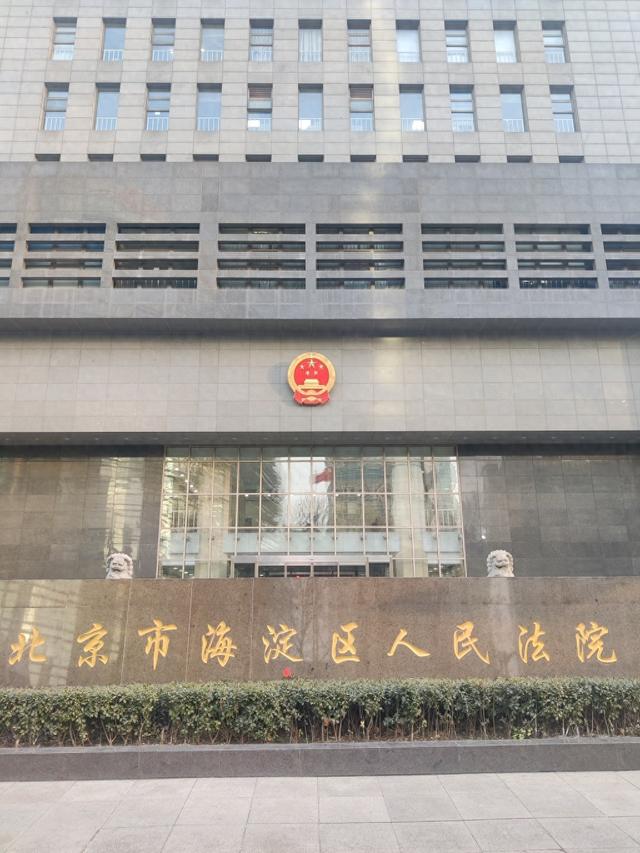
Core Viewpoint - A lawyer, Huang Guigeng, has filed a lawsuit against Baidu for defamation due to the AI-generated false criminal information about him, seeking compensation of 1 million yuan for reputational damage and 50,000 yuan for emotional distress [2][8]. Group 1: Lawsuit Details - The lawsuit was filed in the Haidian District People's Court in Beijing, with the first hearing taking place on February 6, 2025 [2][10]. - Huang claims that Baidu's AI generated severe false negative information, including accusations of threatening judges and bribery, which was disseminated to his clients and their families, causing significant distress and loss [8]. - The court accepted the case on November 2, 2025, as an AI-related infringement dispute [8]. Group 2: Baidu's Defense - Baidu argues that the AI-generated content is a result of "AI hallucination," a common issue in the development of generative AI, and asserts that it does not constitute direct or indirect infringement [2][9]. - The company claims that the AI's output is based on natural language processing and does not have independent intent, thus it cannot be held liable for the generated content [9]. - Baidu emphasizes that the AI hallucination is not a defect and will be addressed through technological iterations, asserting that there was no subjective fault on their part [9].


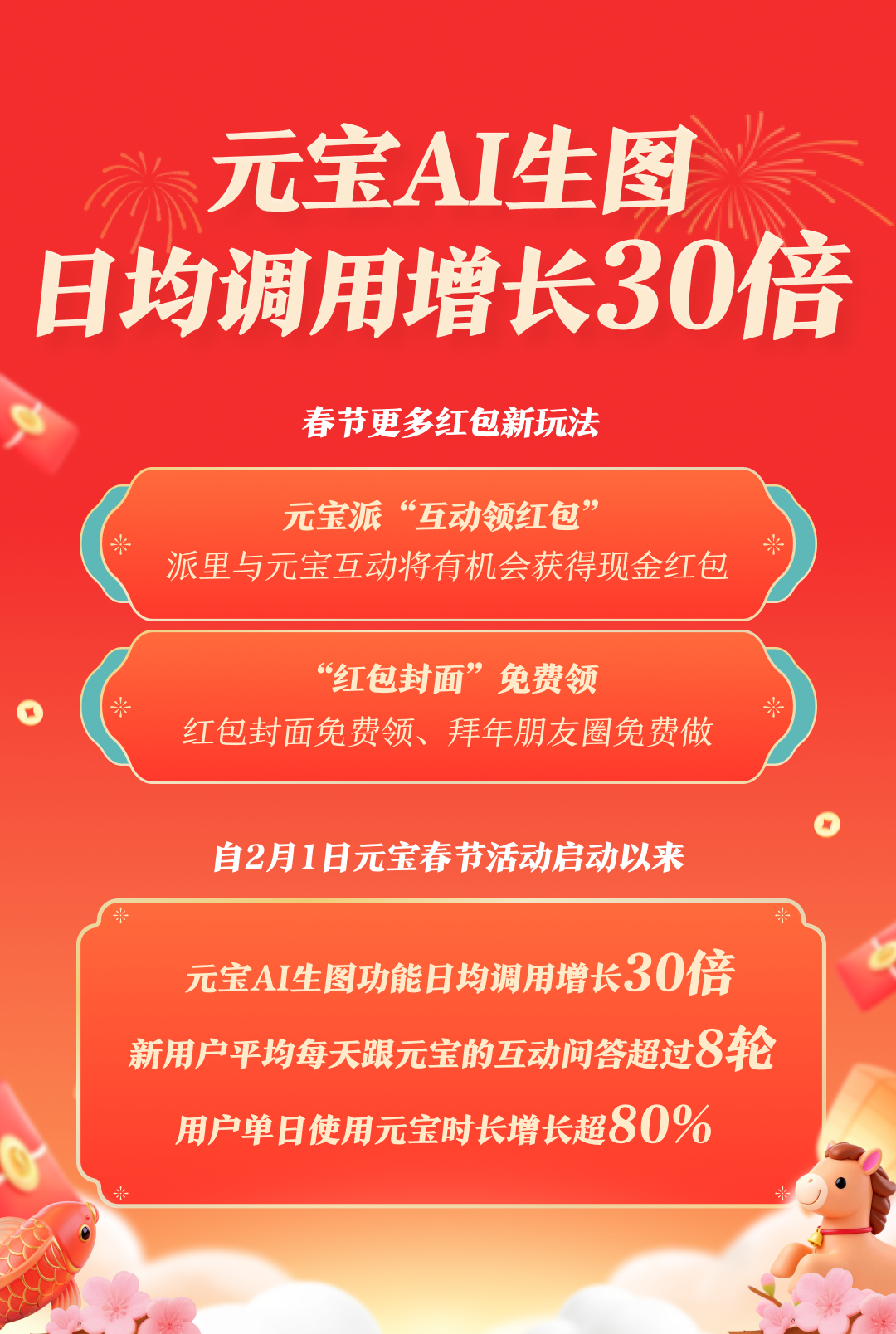
腾讯宣布春节红包新玩法 元宝派将启动红包掉落活动
Huan Qiu Wang· 2026-02-07 08:09
【环球网科技综合报道】2月6日,腾讯宣布"元宝派"将于近期启动春节红包新玩法,用户在派内与元宝互动将有机会获得现金红包。 自2月1日元宝APP春节主会场启动以来,元宝AI生图功能使用率飙升30倍,新用户平均每天跟元宝的互动问答超过8轮,用户单日使用元宝时长增长超 80%。 不久前,元宝宣布正式接入混元图生图3.0模型,用户通过元宝APP"创作"入口,还可体验超400套新春创作模版。(勃潺) ...

千问发文称保证用户的免单卡能用掉!此前红包链接被微信屏蔽
Nan Fang Du Shi Bao· 2026-02-07 06:11
Core Insights - Alibaba's Qianwen App launched a "Spring Festival 3 billion free order" event, which faced server congestion and issues with sharing links being blocked by WeChat, leading to significant user complaints [1][4][5] - The Qianwen App has acknowledged the high demand and is working on expanding capacity to improve user experience during the promotional period [4] Group 1 - The "Spring Festival 3 billion free order" event officially started on February 6, with users reporting multiple instances of the app lagging and difficulties in completing orders and sharing links [4] - Users have been advised to stagger their orders to avoid congestion, as the app is experiencing a surge in traffic due to the popularity of the promotion [4][5] - The validity of the free order cards has been extended to February 28, allowing users to accumulate and use them over the next 21 days [5] Group 2 - On February 6, it was reported that the app's performance issues were causing significant delays, with many users unable to place orders for milk tea [4] - The Qianwen App has communicated that they are actively working to enhance the user experience and manage the high volume of participants in the promotion [4] - Despite ongoing issues, the app continues to encourage users to utilize the free order cards and has assured that they will remain valid throughout the promotional period [5]

Alphabet CEO Sundar Pichai Says AI Capacity Is What 'Keeps Us Up At Night' As Power, Land And Supply Chain Limits Test Growth
Yahoo Finance· 2026-02-07 02:31
On Wednesday, during Alphabet Inc.'s (NASDAQ:GOOG) (NASDAQ:GOOGL) fourth-quarter earnings call, CEO Sundar Pichai said meeting surging AI demand has become the company's biggest near-term challenge. AI Demand Is Rising Faster Than Capacity Responding to an analyst question about what concerns leadership most at this stage of Google's evolution, Pichai said the company's long-standing "AI-first" strategy is now colliding with real-world constraints. "What keeps us up at night… We've been on this AI-first ...

蔡崇信复盘阿里AI:“早”做,不等于领先
3 6 Ke· 2026-02-07 02:22
Core Insights - Alibaba's Chairman, Joe Tsai, acknowledged that the company started working on Transformer models in 2019 but failed to allocate sufficient resources for their development until the launch of Tongyi Qianwen in 2023, marking a significant entry into the AI race [1][5][24] Group 1: Adoption - The first key point emphasized by Tsai is that AI must be used in practical scenarios to generate real value, not just developed as models [6][7] - The Tongyi App is crucial in Alibaba's AI strategy, serving not only as a user interface but also as a test for the AI's capabilities in real-world applications [8][11] - The unique characteristics of the Chinese market, such as the lower acceptance of enterprise software payment models compared to the U.S., necessitate alternative paths for AI adoption, making the Tongyi App a vital attempt to ensure real usage of models [9][10] Group 2: Scale - Tsai pointed out that AI investment is shifting focus from training to inference, with major tech companies increasing their capital expenditures from $60-80 billion to $120-150 billion annually [12][12] - Inference is identified as the main battleground for AI costs, as it is a daily requirement for users and businesses, unlike training which occurs less frequently [13][14] - The ability to handle high concurrency and maintain stability under load is crucial for scaling AI models, with Alibaba opting to deploy models on its own cloud infrastructure to control performance and throughput [15][16] Group 3: Open Source - Tsai advocates for open source as a practical choice rather than an idealistic one, driven by the commercial landscape and market conditions in China [17][18] - The primary value of open source is not cost but sovereignty, allowing companies and developers to have full control over their models [18][20] - Alibaba's strategy involves making Tongyi Qianwen open source while encouraging users to utilize Alibaba Cloud for training and inference, creating a commercial loop where infrastructure usage generates revenue [22][23]
为什么腾讯“发红包”,阿里请你“喝奶茶”?
3 6 Ke· 2026-02-07 01:59
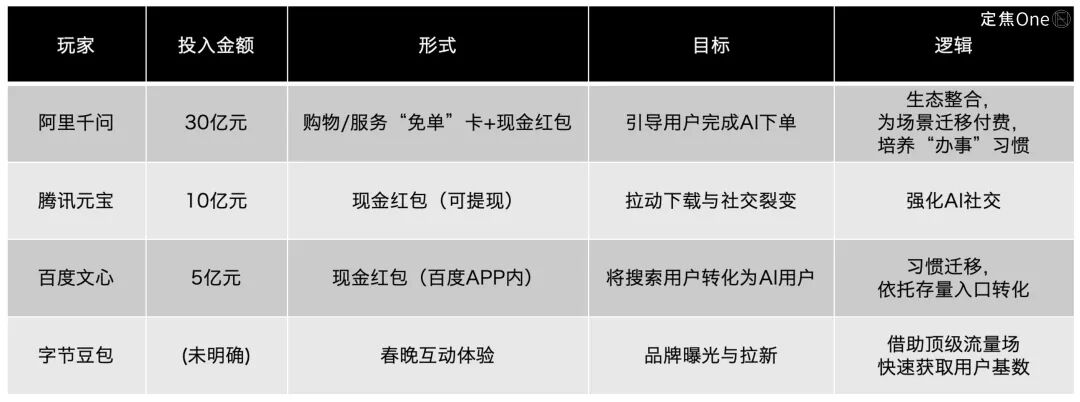
1、AI请客的两种玩法 30亿,1分钱喝一杯奶茶。没有多少人可以抵挡住这种白送的福利。 就在昨天,阿里千问的春节活动正式开打,与此同时进行的是,腾讯元宝的红包弹窗就没停过。 两个动作,两种风格,在同一时间窗口发生。腾讯选择了红包,阿里选择了奶茶。 问题是,同样是AI搞流量补贴,同样是借着春节的热度抢占用户,为什么腾讯一门心思发红包,阿里 却偏偏选择请大家喝奶茶? 阿里以奶茶为切口,则完全走了另一条路,不拼热闹,拼体感,核心是让AI可见、可得。阿里没有跟 风发红包,而是将30亿福利从一杯奶茶来撬动,这本质上是将大模型的生成式能力与本地生活的物理交 付深度绑定。 红包的本质是转移支付,钱从A到B,平台只是通道。而奶茶是一整套动作:触发、生成、下单、履 约、反馈。 可以看到,两者的本质差异的是,腾讯追求用户停留,用红包绑定社交场景,留住用户的人,阿里求用 户依赖,用奶茶承载AI能力,留住用户的习惯。而这场差异的背后,是两大巨头截然不同的商业逻辑 和生态野心。 2、为什么偏偏是奶茶? 阿里选择奶茶,绝非偶然,更不是单纯看中奶茶的普及度,核心是这杯奶茶,能完美承载阿里的生态野 心,成为激活全生态的一个钩子。 很多人纠结 ...
春节AI大战,互联网巨头洗牌
Xin Lang Cai Jing· 2026-02-07 01:55
Core Insights - Alibaba's Qianwen launched a significant promotion called "Spring Festival 3 Billion Free Orders," allowing users to receive a 25 yuan "free order card" for purchasing beverages, marking a record investment in AI competition this year [1][2] - The promotion aims to integrate AI into daily life, encouraging users to adopt AI for practical tasks rather than merely downloading apps [3][6] - The strategy contrasts with competitors like Tencent and Baidu, who focus on cash red envelopes and social engagement, while Alibaba emphasizes user behavior change through practical AI applications [20][22] Investment and Strategy - Alibaba invested 30 billion yuan in the "free order" cards, aiming to guide users towards completing AI orders, thus fostering a habit of using AI for everyday tasks [2][6] - Competitors like Tencent and Baidu have lower investments (10 billion and 5 billion yuan respectively) and focus on traditional user acquisition methods [2][20] - The unique approach of Qianwen is to use "free orders" to actively engage users in a complete AI service experience, rather than just incentivizing downloads [5][6] User Engagement and Behavior Change - The promotion targets young consumers by offering a popular product (milk tea) that is low-cost and high-frequency, reducing the trial cost for users [3][4] - The process of ordering through Qianwen is designed to guide users through a complete AI interaction, enhancing their experience and encouraging habitual use [4][5] - The goal is to shift user behavior from passive engagement (receiving cash) to active participation in AI-driven tasks, thereby fostering a new habit of seeking AI assistance [6][8] AI Capabilities and Ecosystem - Qianwen's AI model is positioned among the top globally, capable of understanding user intent and making recommendations, which is crucial for its success [13][14] - Alibaba's ecosystem integrates various services, allowing seamless execution of tasks from ordering to payment, which is a significant competitive advantage [14][16] - The AI's ability to handle complex tasks in real-world scenarios is a critical factor in its effectiveness, distinguishing it from competitors who may lack a comprehensive service ecosystem [12][19] Market Dynamics and Future Outlook - The competition in the AI space is shifting from merely having advanced models to effectively executing tasks in real-world applications [12][19] - The long-term success of Qianwen will depend on user retention, habitual use of AI for daily tasks, and the ability to create a closed-loop service ecosystem [24][26] - The ultimate winner in the AI landscape will be the one that can effectively connect and streamline essential life services through AI, rather than just having the most advanced technology [27]
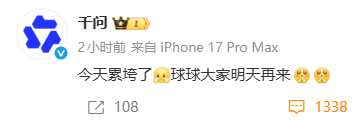
9小时破1000万单,千问、淘宝闪购:累垮了,求求大家明天再来
Mei Ri Jing Ji Xin Wen· 2026-02-06 22:49
Core Viewpoint - The article discusses the launch of Alibaba's Qianwen App and its "30 billion yuan free order" campaign during the Spring Festival, highlighting the intense competition among major tech companies in the AI space and the challenges faced by the app due to platform restrictions and technical issues [1][2][5]. Group 1: Campaign Performance - On February 6, the Qianwen App recorded over 5 million orders within 5 hours and surpassed 10 million orders in 9 hours, achieving the top position on the Apple App Store free chart [1][2]. - The campaign offers users a 25 yuan no-threshold free order card, usable at over 300,000 tea and coffee shops nationwide, including popular brands like Luckin Coffee and Nayuki [5][6]. Group 2: Challenges Faced - The Qianwen App faced significant technical issues, including server overload and link restrictions imposed by WeChat, which limited user access to the campaign [2][10]. - Users reported experiencing lag and loading issues, indicating that the app struggled to handle the influx of traffic during the promotional event [2][3]. Group 3: Strategic Insights - The campaign represents Alibaba's largest investment in a Spring Festival activity, aiming to leverage the holiday period for user acquisition and to promote AI shopping habits [4][12]. - Experts suggest that the use of red envelopes and promotional activities during the Spring Festival is a common strategy among internet giants to attract users, with the goal of embedding AI into everyday consumer behavior [8][12]. Group 4: Competitive Landscape - The article notes that Tencent and ByteDance are also participating in the AI marketing battle, with Tencent's Yuanbao focusing on AI and social integration, while Baidu is taking a defensive approach by linking its red envelope campaign to AI functionalities [15][18][20]. - Analysts believe that the competition is still open, with no clear winner yet, as companies aim to establish user habits around AI applications in various aspects of daily life [20].
Tech AI spending may approach $700 billion this year, but the blow to cash raises red flags
CNBC· 2026-02-06 21:45
Core Viewpoint - The major tech companies, including Alphabet, Microsoft, Meta, and Amazon, are projected to spend nearly $700 billion in 2025 to enhance their AI capabilities, but this aggressive spending may lead to significant declines in free cash flow and increased reliance on debt and equity markets [1][2][4]. Group 1: Capital Expenditures and Free Cash Flow - The four major tech companies are expected to increase capital expenditures by over 60% from historic levels in 2025, driven by investments in high-priced chips and new facilities [2]. - In 2024, these companies generated a combined free cash flow of $200 billion, down from $237 billion in 2023, indicating a downward trend [3]. - Analysts project Alphabet's free cash flow to drop nearly 90% in 2025 to $8.2 billion from $73.3 billion in 2024 due to increased capital expenditures [10]. Group 2: Company-Specific Insights - Amazon plans to spend $200 billion in 2025 and is projected to have negative free cash flow of almost $17 billion in 2026, with estimates from Bank of America suggesting a deficit of $28 billion [5]. - Alphabet is investing heavily in its cloud infrastructure and AI models, with capital expenditures expected to reach up to $185 billion in 2025, and projections of $250 billion by 2027 [9]. - Meta's capital expenditures are projected to reach as high as $135 billion, with analysts forecasting a nearly 90% drop in free cash flow [12]. Group 3: Market Position and Future Outlook - The four leading tech companies have accumulated over $420 billion in cash and equivalents, providing them with a significant advantage over smaller AI startups [16]. - Analysts believe that the infrastructure buildout by these companies is creating a "meaningful moat" in the AI sector, which is viewed as a generational opportunity with potential revenues in the trillions [17]. - Despite the aggressive spending and potential cash flow challenges, analysts maintain bullish ratings on these stocks, indicating confidence in their long-term growth prospects [11].





大厂竞逐“AI群聊”赛道
Zhong Guo Jing Ying Bao· 2026-02-06 19:35
Core Insights - Major tech companies like Tencent, Baidu, and Alibaba are shifting from single-point AI interactions to multi-role collaborative AI features, indicating a new paradigm in AI applications [1][2][3] Tencent's "Yuanbao Pai" - Tencent's "Yuanbao Pai" is a social feature that integrates AI as a "permanent member" in group chats, aiming to redefine AI application experiences by leveraging Tencent's social DNA [3][4] - The initiative is seen as a strategic move to differentiate from competitors and to stimulate social growth, similar to the explosive growth of WeChat's red envelope feature [3][4] Baidu's "Wenxin Group Chat" - Baidu's "Wenxin Group Chat" includes roles like "Health Manager" and "Personal Assistant," focusing on task management and context memory to convert discussions into actionable results [2][6] - The emphasis is on reducing decision-making costs and enhancing collaboration efficiency, addressing the common issue of unproductive group chats [2][6] Industry Trends - The AI social market is viewed positively, with expectations for AI to become an integral part of daily social interactions, moving from a reactive tool to a collaborative environment [7] - The future of AI group chat is seen as a critical area for development, with the potential to transform collaboration costs and user experiences [6][7] Challenges Ahead - Key challenges include balancing AI interactions to avoid intrusive behavior, ensuring data privacy in complex group settings, and building a cohesive ecosystem for multi-agent coordination [7]