
咖啡

Search documents
库迪不能一直爆陆正耀的金币
3 6 Ke· 2025-12-04 04:18
"我不是想证明我有多了不起,只想告诉人家,失去的东西我一定要拿回来。"这句电影台词,恰似当年福建资本"雄狮"陆正耀再战咖啡赛道、创立库迪咖 啡时的心声。 2022年10月,瑞幸咖啡前董事长陆正耀携新品牌库迪重返咖啡赛道,也再次施展了熟悉的资本运营手法。从神州租车到神州优车,再到瑞幸咖啡,陆正耀 的商业打法始终围绕"资本驱动+规模扩张+流量营销"逻辑展开。 截至今年11月,库迪门店总数刚刚突破1.5万家——距离年初目标仅完成不到三分之一,与此同时,品牌已暴露出扩张的后遗症。从"10个月开4万家店"的 激昂誓言,到不得不面对增长失速、加盟商矛盾与营销转化的现实难题,库迪的故事,已成为陆系品牌寻求规模扩张与资本运作平衡性的再度拷问。 一、陆式打法2.0 库迪咖啡在年初定下了一个宏大目标,到2025年底全球门店规模达到5万家。 2025年接近尾声,这一目标与现实间的落差逐渐清晰:截至2025年11月,库迪门店总数仅突破1.5万家。曾立下"10个月开4万家店"誓言的库迪,不得不在现 实面前调整节奏。 2022年10月,瑞幸咖啡前董事长陆正耀携新品牌库迪重返咖啡赛道,再次施展了熟悉的资本运营手法:从神州租车到神州优车,再 ...


为什么都在抢购"洋品牌"的中国资产?
3 6 Ke· 2025-12-04 04:17
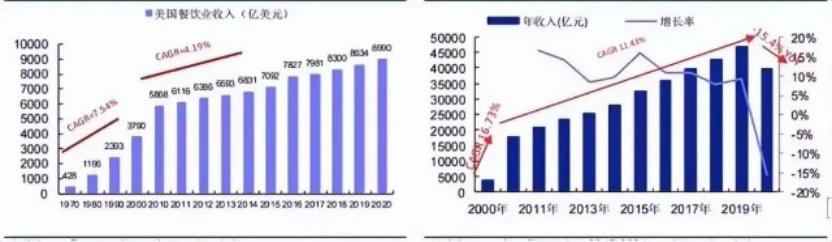
Core Insights - The recent ownership battle for Starbucks' China operations has concluded, highlighting a trend where foreign brands are being acquired by local capital in China [1][2] - This trend is not isolated, as seen with McDonald's China operations, which have thrived under local management after being acquired [3][10] Group 1: Market Dynamics - The competition between foreign brands' "slow operations" and local capital's "fast strategies" is evident in the Chinese market, leading to a clash of business logics [2][4] - The Chinese coffee market is growing at an annual rate of approximately 15%, with the industry scale expected to exceed 300 billion yuan by 2024, making it an attractive target for investment [3][10] Group 2: Case Studies - McDonald's China, after being acquired, increased its store count from 2,400 to over 7,100, becoming one of the fastest-growing markets globally [3][10] - Starbucks is viewed as a valuable asset due to its potential for operational improvement, particularly in its "third space" model, which lags behind competitors like Luckin Coffee [3][10] Group 3: Strategic Approaches - Local capital's "fast strategy" is characterized by rapid market adaptation and efficiency, contrasting with the slower, more methodical approach of foreign brands [4][5] - The difference in market growth rates—4.19% for the U.S. restaurant market from 2001 to 2020 versus 11.43% for China's restaurant market from 2010 to 2019—illustrates the need for different operational strategies [5][8] Group 4: Consumer Behavior and Market Potential - The saturation of high-tier cities in the coffee market contrasts with the growth potential in lower-tier cities, where local brands are increasingly focusing their efforts [10][12] - The rise of digital platforms and changing consumer perceptions in lower-tier cities have made them ripe for expansion, with local brands effectively targeting price-sensitive consumers [10][12] Group 5: Long-term Considerations - The rapid expansion of local brands, while beneficial in the short term, poses risks of brand dilution and profitability challenges in the long run [13][14] - The balance between maintaining brand integrity and adapting to local market dynamics is crucial for sustained success [15][16]


京东折扣超市安徽首店开业;林清轩再次递表港交所
Sou Hu Cai Jing· 2025-12-04 00:18
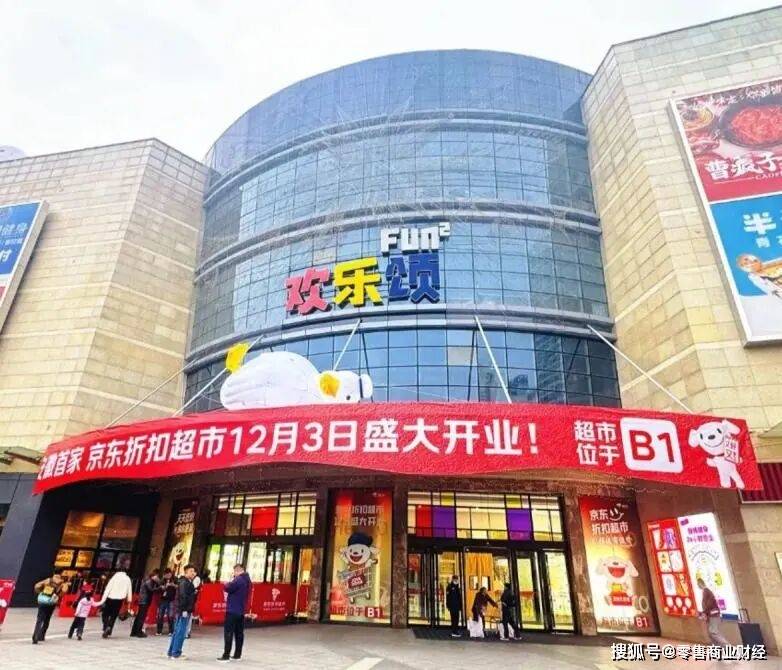
Group 1: JD Discount Supermarket - JD Discount Supermarket opened its first store in Anhui, located in Hefei, with long queues on the opening day [1] - The store follows JD's "large store, multiple SKUs" model, utilizing a self-built warehouse of 14,000 square meters for efficient delivery within a 25-kilometer radius [1] - The product selection focuses on high-cost performance nationwide goods while incorporating local Anhui specialties [1] Group 2: Dingdong Maicai - Dingdong Maicai launched a seafood processing service nationwide, offering various processing options for popular fish types [3] - In Jiangsu, over 70% of users opted for processing services when purchasing black fish, with sliced processing accounting for 60% of those choices [3] Group 3: Meituan and Starbucks - Meituan Longzhu's founder revealed that they exited the first round of bidding for Starbucks China due to failed verification [5] - The founder predicts a slowdown in the tea beverage market growth after reaching a scale of 400 billion yuan, while the coffee market is expected to grow to 600 billion yuan [5] Group 4: Walmart - Walmart announced a $350 million investment to build a second milk processing plant in Valdosta, Georgia, to strengthen its supply chain [12] - The new facility will create over 400 jobs and supply milk to more than 650 Walmart and Sam's Club locations in the southeastern U.S. [12] Group 5: Alibaba Foundation - Alibaba Foundation released a report on its progress in assisting people with disabilities, highlighting the increasing role of AI in creating accessible environments [13] - The foundation's initiatives have helped over 18,000 disabled individuals earn income through various projects [13] Group 6: Cainiao - Cainiao's unmanned vehicle delivery network has expanded to over 30 cities in China, enhancing supply chain efficiency [14] - The solution allows for real-time replenishment and dynamic route planning, upgrading the traditional delivery model [14] Group 7: KFC Expansion - KFC plans to double the number of its restaurants in Europe over the next five years, marking a significant expansion [15] Group 8: Lin Qingxuan - Lin Qingxuan submitted a new application for listing on the Hong Kong Stock Exchange, planning to issue up to 16.06 million shares [17] Group 9: Tianjin Snack Growth - Tianjin's Le Ba potato chips saw a tenfold increase in sales on Pinduoduo, leveraging innovative flavors and nostalgic appeal [18] Group 10: New Store Openings - Sushi Lang will open two new stores in Shanghai, marking its first locations in the city [20] - Beijing added over 960 new stores in the first 11 months of 2025, highlighting the growth of the first-store economy [22]

“投资古茗账面盈利50亿元,最终可能赚到100亿元”
Zhong Guo Ji Jin Bao· 2025-12-03 11:14
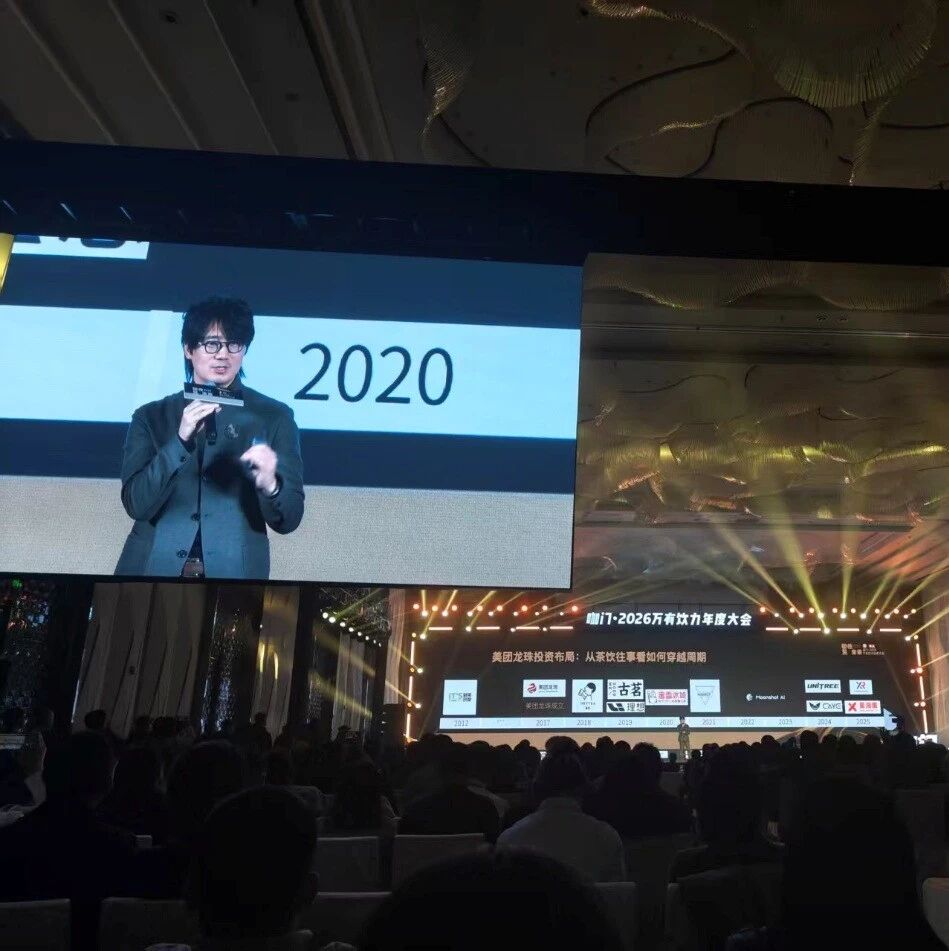
Core Insights - The founder partner of Meituan Longzhu, Zhu Yonghua, predicts that the ready-to-drink beverage industry will see six new listed companies in the next five years, including Heytea and Chayan Yuese [2][4] - The Chinese coffee and tea market is expected to reach a trillion yuan scale in the next 5 to 10 years [4] Industry Overview - The beverage industry is undergoing a transformation into an "M-shaped" ecological structure, where leading brands expand significantly while new brands emerge rapidly [5][7] - The tea market's overall revenue grew by 16.5% year-on-year in Q3, with transaction volume increasing by 39.2%, but the average transaction value decreased by 16.3% [5] - The coffee market's overall revenue increased by 27.3% year-on-year in Q3, with transaction volume rising by 42.6%, while the average transaction value fell by 10.7% [5] Market Dynamics - The number of tea beverage stores decreased by 4% year-on-year to 408,000, while coffee store numbers increased by 12.8% to 193,000 [5] - The coffee market is projected to reach a scale of 600 billion yuan, with expectations for price normalization in the near future [8] Regional Brand Strategies - Local brands are leveraging unique regional flavors and emotional connections to secure their market space amidst fierce competition [9][11] - The example of Mo Mo Nan Lu, a local brand with only 200 stores, illustrates the importance of focusing on local market cultivation and product differentiation through local ingredients [11]

“投资古茗账面盈利50亿元,最终可能赚到100亿元”
中国基金报· 2025-12-03 11:10
Core Viewpoint - The founder partner of Meituan Longzhu, Zhu Yonghua, predicts that the ready-to-drink beverage industry will see six new listed companies in the next five years, with significant growth potential in the tea and coffee markets [2][5]. Industry Overview - The Chinese coffee and tea market is expected to reach a trillion yuan scale in the next 5 to 10 years, with new entrants like Heytea and Chayan Yuese anticipated to go public [5]. - The third quarter of this year saw the tea market's overall revenue grow by 16.5% year-on-year, while the coffee market's revenue increased by 27.3% year-on-year [7]. Market Dynamics - The number of tea beverage stores decreased by 4% to 408,000, while coffee store numbers increased by 12.8% to 193,000 by the end of the third quarter [8]. - An "M-shaped" ecological structure is forming in the beverage industry, where leading brands expand significantly while new brands emerge rapidly, and mid-sized brands face challenges [11]. Competitive Landscape - The tea industry is shifting towards value competition, focusing on differentiation, brand premium, and operational efficiency, while the coffee sector is leaning towards scale competition [12]. - The coffee market has produced three brands with over 10,000 stores: Luckin Coffee, Kudi Coffee, and Lucky Coffee, with the latter experiencing rapid growth under the support of the Mixue Group [12]. Regional Brand Strategy - Despite the rise of large chain brands, many local brands maintain market space by leveraging unique regional flavors and emotional connections with consumers [14]. - Local brands like Momo Nanlu focus on regional characteristics and consumer preferences to create differentiated products, establishing a strong local presence [16].
幸运咖如何冲进平价咖啡的“万店俱乐部”?
3 6 Ke· 2025-12-03 10:56
Core Insights - Luckin Coffee, a brand under Mixue Group, has rapidly expanded its store count, surpassing 10,000 locations in just over 10 months, marking a significant milestone in its growth strategy [1][2] - The brand's aggressive expansion strategy has positioned it as a leading player in the affordable coffee segment, with a competitive pricing strategy that has attracted a large customer base [2][10] - The coffee market in China is experiencing a transformation, with increasing consumer demand and a shift towards affordable options, driven by price wars initiated by competitors [15][18] Expansion and Growth - Luckin Coffee was established in 2017 and began franchising in 2020, accumulating approximately 4,600 stores by 2024 before launching its "10,000 store plan" [1][5] - The brand's store count grew by over 164% year-on-year in the second quarter of 2025, with a significant increase in franchise inquiries, particularly from first-tier cities [7][10] - The company has implemented various support measures for franchisees, including fee waivers and incentives to encourage expansion in less saturated markets [6][7] Competitive Landscape - Luckin Coffee competes with other major brands like Luckin and Kudi, which have also achieved significant store counts, creating a highly competitive environment [2][3] - The brand's pricing strategy positions it as the most competitively priced option among its peers, with an average transaction value of 8.13 yuan [2][10] - The rapid expansion has raised concerns about market saturation and the sustainability of profitability amid intense competition [3][21] Supply Chain and Operational Efficiency - Luckin Coffee benefits from Mixue Group's established supply chain, which includes direct sourcing of coffee beans and a robust logistics network, enhancing its cost control capabilities [10][12] - The company has invested in production capacity, including a new roasting line with an annual capacity of over 20,000 tons, to support its expansion and maintain cost efficiency [12][19] - The operational model leverages standardized processes and experienced management from Mixue Group, which aids in maintaining quality and efficiency across its stores [13][10] Market Trends and Consumer Behavior - The Chinese coffee market is projected to exceed 1 trillion yuan by 2025, with a significant increase in per capita coffee consumption [15][18] - The price wars initiated by competitors have lowered consumer barriers to entry, leading to increased coffee consumption among previously non-coffee drinkers [15][18] - The rise of affordable coffee brands has contributed to a rapid increase in the number of coffee shops, surpassing the growth seen in the tea beverage sector [18][20] Challenges and Strategic Adjustments - Despite rapid growth, franchisees have reported mixed experiences, with increased competition leading to pressure on profitability in densely populated areas [8][21] - The company is tightening its franchisee selection criteria to ensure higher-quality locations and reduce the risk of underperforming stores [21] - Luckin Coffee is also exploring international expansion, having opened its first overseas store in Malaysia, which presents additional operational challenges [13][14]

幸运咖全球门店突破一万家,追赶瑞幸库迪有多少希望?
Zheng Quan Shi Bao· 2025-12-03 09:46
Core Insights - The coffee market in China is experiencing intense competition, with Luckin Coffee being a notable player backed by the tea giant Mixue Ice City, which has recently surpassed 10,000 stores globally [1][3]. Group 1: Store Expansion - Luckin Coffee has announced that its global store count has exceeded 10,000, with significant growth driven by a low-price strategy and franchise opportunities [1]. - In 2022, Luckin Coffee opened over 2,800 new stores, bringing the total to around 3,000 [1]. - The brand has also begun international expansion, opening its first overseas store in Malaysia in August [2]. Group 2: Competitive Landscape - Luckin Coffee is competing against major players like Luckin Coffee and Kudi Coffee, which have approximately 30,000 and 15,000 stores respectively [2]. - The competitive environment is described as a "red sea" with various brands like Kenyue Coffee and Manner Coffee also vying for market share, each with unique strategies [4]. Group 3: Strategic Advantages and Challenges - Luckin Coffee benefits from the supply chain and market penetration capabilities of its parent company, Mixue Ice City, allowing for rapid expansion and cost-effective operations [3]. - Despite its rapid growth, Luckin Coffee faces challenges in brand recognition, customer loyalty, and product innovation, which are critical in a market where consumers consider factors beyond just price [4][5]. - The brand must evolve from a low-cost model to one that emphasizes product quality, customer experience, and brand identity to avoid potential pitfalls associated with rapid expansion [5][6]. Group 4: Future Considerations - The milestone of 10,000 stores presents both an opportunity and a challenge for Luckin Coffee, as it must now focus on operational efficiency and customer retention strategies [5]. - To succeed in the long term, Luckin Coffee needs to innovate its product offerings and enhance customer engagement while leveraging its existing market presence [6].

蓝瓶咖啡,要被卖了
投中网· 2025-12-03 09:30
Core Viewpoint - Blue Bottle Coffee represents a significant shift in the coffee industry, symbolizing the "third wave of specialty coffee" and challenging traditional perceptions of chain coffee brands like Starbucks [4][10]. Group 1: Company Overview - Founded in 2002, Blue Bottle Coffee has expanded to over 100 locations globally, entering the Chinese market in 2022 [4]. - The brand is known for its unique store designs, coffee bean selection, and brewing techniques, emphasizing a high-quality coffee experience [4][10]. - Nestlé acquired a 68% stake in Blue Bottle Coffee for $425 million in 2017, allowing the brand to maintain its independent operations [16][17]. Group 2: Market Context - The U.S. coffee beverage market reached a retail scale of $2.9 billion in 2017, with a growing trend towards specialty and high-end coffee [17]. - Competitors like Starbucks have also shifted focus towards premium offerings, indicating a competitive landscape for specialty coffee brands [17][18]. Group 3: Business Strategy and Challenges - Blue Bottle Coffee's emphasis on quality has led to operational challenges, such as the "48-hour rule" for coffee bean freshness, which can limit scalability [18][19]. - The company has pursued acquisitions to strengthen its supply chain, including the purchase of coffee roasting suppliers [19]. - Nestlé's strategic shift towards divesting non-core businesses, including potential plans to sell Blue Bottle Coffee, reflects broader industry trends [20][21].
库迪咖啡荣获2025美好生活年度企业“卓越品质引领奖”
Jing Ji Guan Cha Wang· 2025-12-03 07:58
Core Insights - The "2025 New Consumption Summit" held in Beijing focused on high-quality development and consumption upgrades, recognizing Kudi Coffee for its excellence in quality control, technological empowerment, and brand rejuvenation [1] - Kudi Coffee has successfully positioned high-quality coffee as an essential part of a better life, appealing to a growing number of young consumers through a cost-effective strategy [1][2] Supply Chain and Production - Kudi Coffee established a global supply chain base in Ma'anshan, Anhui, covering over 400,000 square meters, which includes green bean storage, coffee roasting, and packaging materials, enabling localized and efficient operations [2] - The company’s newly built 340,000 square meter super factory is among the largest and most intelligent in the global coffee industry, with a roasting capacity of 75,000 tons per year, supporting a peak sales volume of 10 million cups per day [2] Brand Strategy and Market Positioning - Kudi Coffee engages in cross-industry collaborations with major events and celebrities to resonate with young consumers, transforming coffee from a functional beverage to an emotional and social experience [3] - The company operates over 18,000 stores, exploring "coffee+" scenarios to enhance accessibility and integrate high-quality coffee into daily life [3][4] Future Outlook - Kudi Coffee aims to continue enhancing quality through supply chain management, improving efficiency with technology, and fostering user engagement through its store network, making high-quality coffee a standard part of everyday life [4]
娃哈哈集团“老臣”潘家杰跳槽古茗;星巴克中国首席增长官杨振谈外卖大战丨消费早参
Mei Ri Jing Ji Xin Wen· 2025-12-02 23:28
Group 1: Starbucks China - Starbucks China emphasizes that the competition in the delivery sector is not a price war but an experience war, aiming to enhance the delivery experience for customers [1] - The strategy aligns with the company's focus on optimizing delivery through membership integration and delivery assurance, moving the coffee sector's competition from price battles to value enhancement [1] Group 2: Wahaha Group and Gu Ming - Former Wahaha Group executive Pan Jiajie has joined Gu Ming as Senior Vice President of Supply Chain, overseeing new business incubation and supply chain management [2] - This transition is expected to inject mature supply chain management experience into Gu Ming, strengthening its cost control and digital capabilities, which will support the company's fundamentals [2] - The movement of high-level executives highlights a shift in the new tea beverage sector from scale expansion to deepening supply chain competition, prompting companies to prioritize core talent retention [2] Group 3: Russia's Visa Policy Impact - Russia's implementation of a temporary visa-free policy for Chinese citizens has led to a significant increase in flight searches and hotel bookings to Russia, with searches surging over 800% within an hour of the announcement [3] - This policy is expected to provide direct business growth for travel platforms, airlines, and cross-border accommodation companies, enhancing their performance outlook and fundamental support [3] - The policy's benefits will drive innovation in cross-border travel products and service upgrades, fostering collaboration across the aviation, cultural tourism, and duty-free industries [3] Group 4: Movie Ticket Resale Market - The high demand for 4D movie tickets for "Zootopia 2" has led to significant price inflation in the resale market, with tickets being sold at nearly double their original price [4] - This phenomenon indicates strong box office appeal and a surge in demand for immersive viewing experiences, which is expected to enhance the performance outlook for distributors, cinemas, and 4D equipment suppliers [4] - The success of such films is pushing the industry to focus on content quality and technological upgrades, accelerating the industrialization of quality intellectual properties [4]