乳制品

Search documents
国泰海通|食饮:茅台动销批价上行,零食迎接备货行情
国泰海通证券研究· 2026-02-01 14:04
Group 1: Core Views - The liquor sector is experiencing increased sales and rising prices, particularly for Moutai, driven by multiple factors including real estate policies and liquidity [2] - The upcoming Spring Festival is expected to boost demand for snacks and dairy products, creating investment opportunities in these sectors [3] Group 2: Liquor Sector Insights - The liquor market is seeing a significant rise in Moutai prices, with the price of its products exceeding 1700 yuan recently, indicating a strong demand for gifting and consumption [2] - Short-term expectations suggest that the peak sales period will begin in February, with potential stabilization of prices if demand for core products continues [2] - Mid-term outlook indicates that the industry will undergo inventory reduction and recovery, with brands like Moutai and Wuliangye expected to maintain resilience through pricing strategies [2] Group 3: Consumer Goods Sector Insights - The demand for snacks and dairy products is anticipated to peak in January 2026 due to favorable logistics and low base effects from the previous year [3] - The allocation of equity funds in the food and beverage sector has decreased slightly, while there is an increase in allocation towards snack and dairy segments [3]


行业周报:茅台春节需求韧性超预期,大众品底部改善趋势明确
KAIYUAN SECURITIES· 2026-02-01 13:30
Investment Rating - The industry investment rating is "Positive" (maintained) [1] Core Viewpoints - The demand for Moutai during the Spring Festival is more resilient than expected, indicating a clear improvement trend for mass-market products [4] - The food and beverage index increased by 1.6% from January 26 to January 30, outperforming the CSI 300 by approximately 1.5 percentage points [4][15] - The white wine market is gaining attention due to expectations of improvement in related industries, with Moutai's wholesale prices showing unexpected resilience [4][43] Market Performance - The food and beverage sector ranked 5th among primary sub-industries, with white wine (+3.9%), meat products (+0.5%), and other foods (0.0%) leading the performance [4][15] - Notable individual stock performances include Huangtai Liquor, Liziyuan, and CITIC Niya showing significant gains, while Haoxiangni, *ST Chuntian, and Anji Food experienced declines [4][15][20] Upstream Data - Some upstream raw material prices have decreased, with the price of fresh milk at 3.04 yuan/kg, down 2.6% year-on-year [21] - The price of pork is 18.6 yuan/kg, down 19.9% year-on-year, while the price of white strip chicken is 17.0 yuan/kg, down 1.2% year-on-year [23][29] Recommendations - Recommended stocks include Guizhou Moutai, Shanxi Fenjiu, Ximai Food, Weilong Delicious, and Ganyuan Food, with each showing potential for growth in 2026 [6]



IPO周报:2026年首家主板撤单!百菲乳业多次转向终“折戟”
Di Yi Cai Jing Zi Xun· 2026-02-01 12:42
Core Viewpoint - Guangxi Baifei Dairy Co., Ltd. has withdrawn its IPO application, marking the first mainboard withdrawal of the year, citing strategic development considerations and normal business operations [2][3]. Group 1: Company Overview - Baifei Dairy was established in 2017 and focuses on the research, production, and sales of dairy products and milk-containing beverages, including sterilized milk, modified milk, fermented milk, pasteurized milk, and milk-containing drinks [3]. - The company's main business revenue for the reporting periods (2022 to 2024) was 776 million, 1.072 billion, and 1.421 billion yuan, with a compound annual growth rate of 35.32% [3]. Group 2: Sales Channels and Performance - Baifei Dairy employs a combined online and offline sales model, with offline sales primarily through distribution channels. Key clients include Mingming Hen Mang, JD.com, Tmall Supermarket, and Wancheng Group [4]. - The proportion of sales revenue from offline distribution channels was 75.35%, 71.12%, and 68.77% for the respective reporting periods, while online sales increased from 24.14% in 2022 to 30.97% in 2024 [4]. Group 3: Profitability - The gross profit margins for Baifei Dairy during the reporting periods were 27.97%, 35.94%, and 40.39%, indicating a relatively high profitability [4].

IPO周报:2026年首家主板撤单!百菲乳业多次转向终“折戟”
第一财经· 2026-02-01 12:30
Core Viewpoint - The core viewpoint of the article is that Guangxi Baifei Dairy Co., Ltd. has withdrawn its IPO application, marking the first mainboard withdrawal of the year, due to a misalignment between its business scale and the current A-share market positioning [3][4]. Company Overview - Guangxi Baifei Dairy was established in 2017 and primarily engages in the research, production, and sales of dairy products and milk-containing beverages, including sterilized milk, modified milk, fermented milk, pasteurized milk, and milk-containing beverages [4]. - The company has experienced significant revenue growth, with main business revenues of 776 million yuan, 1.072 billion yuan, and 1.421 billion yuan from 2022 to 2024, reflecting a compound annual growth rate of 35.32% [4]. Sales Channels - Baifei Dairy employs a combined online and offline sales model, with offline distribution being the primary channel. The revenue from offline distribution accounted for 75.35%, 71.12%, and 68.77% of main business income during the reporting period [5]. - Online sales have increased, with their share of main business income rising from 24.14% in 2022 to 30.97% in 2024 [5]. Profitability - The company's gross profit margins have shown improvement, with margins of 27.97%, 35.94%, and 40.39% over the reporting period, indicating a relatively high profitability [5].

行业周报:茅台春节需求韧性超预期,大众品底部改善趋势明确-20260201
KAIYUAN SECURITIES· 2026-02-01 11:44
Investment Rating - The industry investment rating is "Positive" (maintained) [1] Core Viewpoints - The demand for Moutai during the Spring Festival is more resilient than expected, indicating a clear improvement trend for mass-market products [4] - The food and beverage index increased by 1.6% from January 26 to January 30, outperforming the CSI 300 by approximately 1.5 percentage points [4][15] - The white wine market is gaining attention, with Moutai's wholesale price rebounding to over 1600 yuan, signaling a potential bottom for the white wine sector [4][13] Market Performance - The food and beverage sector ranked 5th among primary sub-industries, with white wine (+3.9%) and meat products (+0.5%) leading the performance [15][16] - Key stocks such as Huangtai Liquor, Liziyuan, and CITIC Niya showed significant gains, while stocks like Haoxiangni and *ST Chuntian faced declines [4][15] Upstream Data - Some upstream raw material prices are declining, with the price of fresh milk at 3.04 yuan/kg, down 2.6% year-on-year [21] - The price of pork is 18.6 yuan/kg, down 19.9% year-on-year, indicating a significant drop in meat prices [23][29] Recommendations - Recommended stocks include Guizhou Moutai, Shanxi Fenjiu, Ximai Food, Weilong Delicious, and Ganyuan Food, with a focus on their growth potential and market strategies [6][50]
IPO周报:2025年首家主板撤单!百菲乳业多次转向终“折戟”
Di Yi Cai Jing· 2026-02-01 11:25
Core Viewpoint - The IPO application of Guangxi Baifei Dairy Co., Ltd. has been withdrawn, marking the first main board withdrawal of the year, attributed to a misalignment between the company's business scale and the current A-share market positioning [1][2]. Group 1: Company Overview - Guangxi Baifei Dairy was established in 2017 and focuses on the research, production, and sales of dairy products and milk-containing beverages, including sterilized milk, modified milk, fermented milk, pasteurized milk, and milk-containing drinks [2]. - The company has experienced significant revenue growth, with main business revenues of 776 million yuan, 1.072 billion yuan, and 1.421 billion yuan from 2022 to 2024, reflecting a compound annual growth rate of 35.32% [2]. Group 2: Sales Channels - Baifei Dairy employs a combined online and offline sales model, with offline distribution being the primary channel, accounting for 75.35%, 71.12%, and 68.77% of main business revenue during the reporting period [3]. - Online sales have increased from 24.14% of main business revenue in 2022 to 30.97% in 2024, indicating a growing emphasis on digital sales channels [3]. Group 3: Profitability - The company's gross profit margins have shown a positive trend, with rates of 27.97%, 35.94%, and 40.39% over the reporting period, indicating relatively high profitability [4].
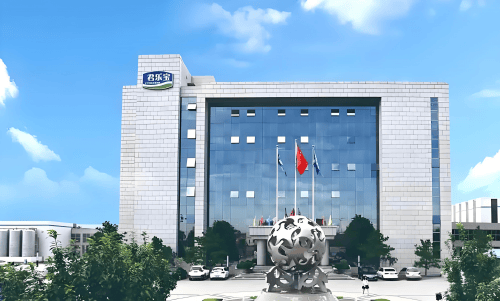
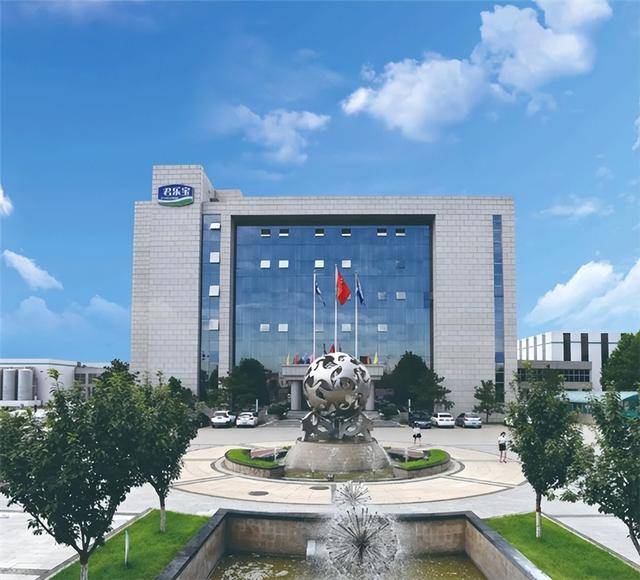
君乐宝递交港股上市申请,科学赋能企业进步引领行业破新局
Sou Hu Cai Jing· 2026-02-01 03:07
Group 1 - The core viewpoint of the news is that Junlebao Dairy Group has officially submitted its IPO application to the Hong Kong Stock Exchange, marking a new phase of capital empowerment for the company and the dairy industry in China [1][4]. - Junlebao has developed a comprehensive industrial network with production bases and dairy farms across various regions in China, establishing itself as a leading player in the dairy sector [3]. - The company offers a diverse product matrix, including low-temperature liquid milk, milk powder, and other dairy products, catering to different consumer needs [3]. Group 2 - Junlebao's strategic significance in launching the IPO process includes the potential to enhance corporate governance and operational management quality [4]. - The IPO is expected to provide new insights for the dairy industry, shifting competition from mere scale expansion to collaborative development across the entire industrial chain [5]. - The capital support from the IPO will facilitate Junlebao's deepening of its industrial layout and acceleration of technological innovation, contributing to the high-quality development of China's dairy industry [5].
新疆驼奶登陆远方好物平台,已火热开售!
Nan Fang Nong Cun Bao· 2026-01-31 11:30
Core Viewpoint - The launch of Xinjiang camel milk on the "Far Away Good Goods" platform aims to enhance consumption assistance and promote rural revitalization through cross-regional cooperation and product sales optimization [10][11][18]. Group 1: Product Launch and Market Strategy - Xinjiang camel milk has officially been launched on the "Far Away Good Goods" e-commerce platform, targeting a broad consumer base [10][11]. - The product is sourced from the 10th Division of the Xinjiang Production and Construction Corps, located in a prime milk-producing area known for its favorable natural conditions [15][18]. - The company, Xinjiang Shangpin Camel Milk Co., focuses on quality control, channel development, and brand enhancement to optimize the entire production and sales chain [18][21]. Group 2: Collaboration and Support Initiatives - The event featured a collaboration agreement between the Guangdong Consumption Assistance Alliance and the Kaifeng Xiangfu District People's Government, aimed at enhancing consumption assistance efforts [7][8]. - The "Far Away Good Goods" platform is set to implement a regional consumption cooperation platform, promoting product upgrades and sales through various initiatives, including live-streaming events [28][30]. - The initiative is part of a broader strategy to connect key cities with major production areas, facilitating better market access for local products [16][18]. Group 3: Production Capacity and Quality Assurance - Xinjiang Shangpin Camel Milk Co. operates a modern facility in the Beitun Economic Development Zone, producing 20 tons of camel milk daily, with an annual output exceeding 6,000 tons [22][23]. - The company emphasizes the importance of high-quality raw materials, using 100% organic fresh milk from double-humped camels, which is rich in 38 nutritional elements [21][22].

君乐宝递交港交所上市申请,多元化渠道布局奠定增长基础
Sou Hu Cai Jing· 2026-01-31 09:15
Core Insights - Junlebao Dairy Group, a leading comprehensive dairy enterprise in China, has officially submitted its main board listing application to the Hong Kong Stock Exchange on January 19, 2026, marking a significant step in its growth strategy [1] Group 1: Market Position and Sales Network - Junlebao holds the third position in the Chinese comprehensive dairy market, supported by a robust integrated operation model and a strong brand matrix [1] - The company's sales network covers all 31 provincial-level administrative regions in mainland China, reaching approximately 2,200 districts and counties, achieving about 77% coverage of the national county-level administrative regions as of September 30, 2025 [3] - In high-consumption regions such as East, Central, and South China, Junlebao's liquid milk products have shown strong growth momentum, with revenue growth rates exceeding 15% in 2024 and the first nine months of 2025 [3] Group 2: Strategic Acquisitions and Partnerships - Junlebao has strategically acquired regional brands like "Yinjiao" and "Laisier" to strengthen its market position in the Northwest and Southwest regions, demonstrating a strategy that combines national brand leadership with regional brand cultivation [3] - The company has established a robust channel system supported by over 5,500 distributors, with more than half having collaborated for over three years, contributing approximately 82% of revenue from the distributor model [3] - Junlebao's products have reached around 400,000 low-temperature liquid milk retail terminals and 70,000 infant formula retail terminals nationwide, creating a dense and replicable channel network [3] Group 3: Growth Potential and International Expansion - Despite extensive coverage, there remains considerable untapped market potential in county-level administrative regions [4] - Junlebao has begun its international exploration, successfully entering the Hong Kong and Macau markets with products like "Yuexianhuo," using these regions as a springboard for future expansion into Southeast Asia and beyond [4] - The upcoming listing in Hong Kong is expected to inject new growth momentum into Junlebao, showcasing its existing strengths and outlining a clear path for future expansion in the global dairy industry [4]

君乐宝递交港股上市申请,盈利能力持续提升赋能高质量发展
Sou Hu Cai Jing· 2026-01-31 08:51
Core Insights - Junlebao Dairy Group has submitted its main board listing application to the Hong Kong Stock Exchange, marking a significant milestone in its 30-year journey as a leading comprehensive dairy enterprise in China [1] - The company has established itself as the third-largest comprehensive dairy company in China, demonstrating solid market positioning and showcasing its high-quality growth [1] Financial Performance - Junlebao's total revenue increased from RMB 17.546 billion in 2023 to RMB 19.833 billion in 2024, representing a year-on-year growth of 13.0% [3] - For the first three quarters of 2025, the revenue reached RMB 15.134 billion, indicating stable growth compared to the same period last year [3] - Adjusted net profit surged from RMB 600 million in 2023 to RMB 1.16 billion in 2024, with the first three quarters of 2025 showing an adjusted net profit of RMB 940 million, reflecting strong growth momentum [3] - The adjusted net profit margin improved significantly from 3.4% in 2023 to 5.9% in 2024, further increasing to 6.2% in the first nine months of 2025 [3] Strategic Focus and Operational Excellence - The systematic improvement in profitability is attributed to Junlebao's strategic focus on high-growth, high-value segments, particularly in low-temperature liquid milk and premium brands [4] - The company has optimized its product structure and overall gross margin by increasing the sales proportion of higher-margin fresh milk and low-temperature yogurt [4] - Junlebao's integrated supply chain model has demonstrated strong cost control and synergy benefits during periods of raw material fluctuations [4] - Continuous digital transformation efforts have enhanced operational efficiency across production, supply chain, and marketing [4] Market Position and Future Outlook - Despite challenges in the macroeconomic and consumer environment, Junlebao has achieved robust revenue expansion and nearly doubled its profitability, providing compelling value for its upcoming capital market journey [4] - The listing in Hong Kong is seen as a new starting point for Junlebao, with expectations to further consolidate its competitive advantage, accelerate innovation, and expand its global footprint [4]