
乡村旅游

Search documents
【逐梦乡村】我是新农人
Jing Ji Ri Bao· 2025-11-01 02:28
Core Insights - The article highlights the transformative impact of "new farmers" in rural areas, emphasizing their role in revitalizing local economies and communities through innovative agricultural practices and sustainable development [1][13]. Group 1: New Farmers and Their Impact - "New farmers" are actively working to inject vitality into rural areas, leading to improved agricultural practices and community development [1]. - The introduction of new agricultural products, such as medicinal roses and bass fish, has created new economic opportunities for local villagers [3][4]. - The collaboration between local farmers and external resources has resulted in significant increases in production and income, fostering a sense of hope and community engagement [3][5]. Group 2: Community Development Initiatives - The work teams have implemented various infrastructure projects, including roads, bridges, and recreational facilities, enhancing the quality of life for residents [4]. - The establishment of e-commerce platforms has facilitated the sale of local products, generating over 80,000 yuan in revenue for the community [4]. - Educational initiatives, such as partnerships with Shenzhen's education system, have brought thousands of students to the area for practical learning experiences, further promoting local tourism [4][5]. Group 3: Sustainable Practices and Future Plans - The focus on cultivating local talent and ensuring transparency in project management is crucial for the sustainability of development efforts [5][6]. - The introduction of new crops, like the golden passion fruit, is expected to significantly boost local income and employment opportunities [7]. - The planning of cultural events, such as a music festival, aims to further enhance community engagement and attract tourism [7]. Group 4: Personal Stories of Return and Innovation - The narrative of individuals like Lu Dingqi and Dai Hongping illustrates the potential for personal and community transformation through entrepreneurship and cultural heritage [8][9]. - The establishment of a youth entrepreneurship association aims to support local startups and enhance community resources [10]. - The recognition of local beauty and culture has led to a renewed appreciation among residents, fostering a sense of pride and identity [11][12].
宜兴以巧劲撬起乡村振兴“大杠杆”
Xin Hua Ri Bao· 2025-10-31 22:07
Core Insights - The "Double Hundred Action" in Yixing City focuses on enhancing rural industry development through a combination of local resources and innovative strategies [1][2][3][4][5] Group 1: Industry Development - Yixing City encourages villages to develop unique brands and new industries such as leisure agriculture, digital rural initiatives, and cultural tourism [2] - The city has seen the emergence of innovative products like water celery beverages, and the establishment of popular rural tourism projects [2][4] - The integration of local resources, such as tea and purple clay, has led to increased income for farmers, with some villages reporting annual income boosts of over 5,000 yuan per household [4] Group 2: Community Engagement - The "Double Hundred Action" emphasizes the importance of party building in driving rural revitalization, with initiatives like the "Six Links and Six Commons" mechanism to enhance collaboration [2][3] - Villages are actively involved in projects that promote community engagement and participation in local industries, with some villages attracting over 100,000 visitors annually [3][4] Group 3: Government Support - Yixing City has established a "double pairing" mechanism where city leaders and departments support economically weaker villages, ensuring effective communication and implementation of development plans [5] - Specific projects, such as the development of cold storage facilities and cultural tourism initiatives, have been initiated to enhance local economies [5]
(活力中国调研行)生态打底、产业赋能、文旅引流:宿迁宿城走出乡村融合发展新路径
Zhong Guo Xin Wen Wang· 2025-10-31 05:25
Core Insights - The article discusses the successful integration of industry, tourism, and rural development in Wangguanjic Town, Suqian City, showcasing a new path for rural revitalization in China [1][2]. Group 1: Rural Development and Transformation - Wangguanjic Town emphasizes preserving the village's basic structure and hydrological conditions during rural transformation, leading to a revitalized environment for 220 households [2]. - The town has attracted significant investment, including the establishment of the largest butterfly orchid planting base in the country, covering 950 acres [2]. Group 2: Economic Impact and Employment - The butterfly orchid base produces over 20 million orchids annually, generating revenue exceeding 60 million yuan, with each orchid priced between 2.5 to 3 yuan [4]. - The new agricultural model has created jobs for over 160 workers, with an average monthly salary of approximately 3,500 yuan, contributing to a collective annual income increase of over 1.5 million yuan for the village [4]. Group 3: Tourism Development - The Zhu Hai Leisure Sports Town, covering 8,900 acres, has undergone ecological restoration, receiving 123.26 million yuan in central funding [4]. - The town hosts over five sports events monthly, attracting more than 1 million visitors in 2024 and generating over 30 million yuan in operating income [6]. - The integration of various tourism activities has led to an annual income increase of 400,000 yuan for the village collective and an average income boost of 50,000 yuan per villager [6]. Group 4: Future Plans - Wangguanjic Town aims to continue leveraging its ecological, industrial, and cultural advantages to establish a national model for rural revitalization [6].

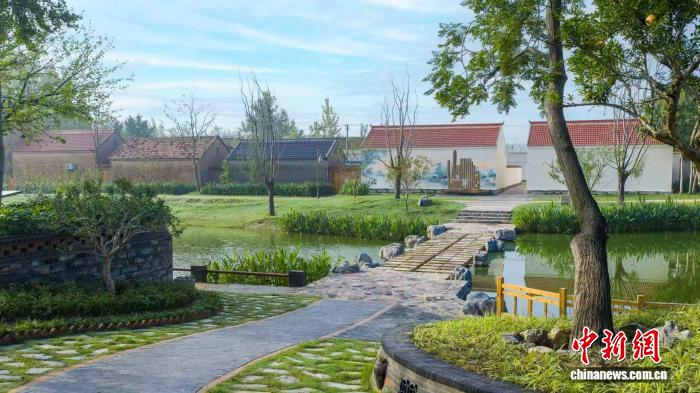
方城小史店镇:彩虹路铺就“幸福增收路”
Zhong Guo Jing Ji Wang· 2025-10-30 10:45
Core Insights - The construction of the "Rainbow Road" has significantly improved access to the Mo Ya Stone Carvings scenic area, enhancing tourist experiences and boosting local economic activity [1][2]. Group 1: Infrastructure Development - The "Rainbow Road" connects cultural heritage sites with rural landscapes, addressing previous navigation difficulties for visitors and increasing tourist traffic [1]. - The road features a vibrant design with red, yellow, and blue colors, serving as both a directional guide and an attractive visual element [1]. Group 2: Economic Impact - Local vendors have reported increased sales due to the influx of tourists, with prices for products like mushrooms rising from 5 yuan to 8 yuan per kilogram [2]. - Honey sales have also surged, with one vendor expecting annual sales to exceed 1,500 kilograms, nearly doubling her income to 90,000 yuan [2]. Group 3: Replication of Success - The transformation of Linchang Village serves as a model for surrounding areas, with plans for similar road upgrades in nearby villages to enhance local economies [3]. - The "Four Good Rural Roads" initiative is being leveraged as a strategy to promote rural revitalization across the town [3].
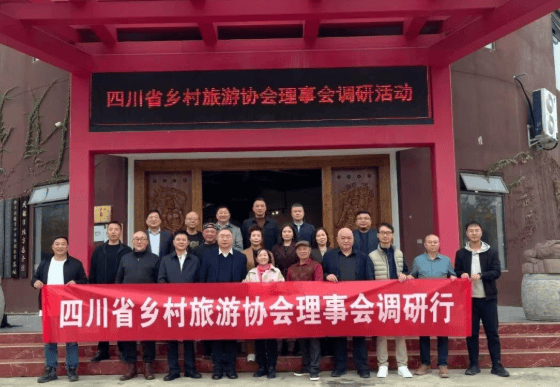
四川省乡村旅游协会理事会调研行走进成都彭州市
Sou Hu Cai Jing· 2025-10-30 04:13
Group 1 - The Sichuan Provincial Rural Tourism Association conducted a field study in Chengdu's Pengzhou City to assess the development of member units in the rural tourism industry, with over 30 participants including the association's president and vice presidents [2] - The council focused on examining rural cultural tourism industry bases such as the Pengzhou Wanmu Liuxiang Furniture Museum and the Pengzhou Bamboo Carving Studio, gaining insights into the integration of agriculture, culture, and tourism [2] - Discussions were held regarding the current status and challenges of rural handicrafts and tourism development in Pengzhou, leading to on-site guidance for enhancing the local cultural tourism industry [2] Group 2 - During the meeting, the president of the association summarized the work conducted in the first half of the year and outlined key tasks for the second half [4] - The association approved the establishment of a committee to promote rural craftsmen and handicraft development, as well as the addition of six new member units [4] - The meeting also agreed on changes to the legal representative of the association [4]
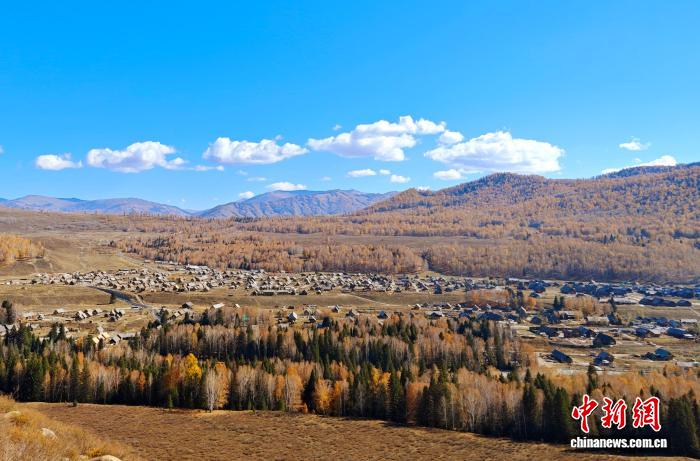
(走进中国乡村)游客变创客 新疆老村“圈粉”年轻人
Zhong Guo Xin Wen Wang· 2025-10-29 08:32
Core Insights - He Mu Village has transformed into a popular tourist destination in Xinjiang, attracting a growing number of young travelers who are becoming "new villagers" and contributing to the local economy [2][3] Tourism Development - The rapid development of tourism in Xinjiang has made He Mu Village a representative of rural tourism, drawing in visitors from various regions [2] - Young travelers are increasingly turning into entrepreneurs, creating new business opportunities in the village [2] Local Economy and Employment - The influx of young people has led to the emergence of new job roles such as homestay managers, baristas, travel photographers, and ski instructors [2] - Local residents, including young graduates, are leveraging tourism to improve their livelihoods, with some promoting the village through social media [3] Community Impact - The village committee highlights that the arrival of young individuals has injected new vitality and creativity into the community, fostering economic growth and modernization [3]
八大田园经济崛起
投中网· 2025-10-29 06:30
Core Insights - The article discusses the rise of the "rural economy" driven by urban consumers seeking nature and unique experiences, highlighting various innovative business models in rural areas [4][34]. Group 1: Rural Tourism and Experiences - In the first three quarters of 2024, over 4.35 trillion yuan was spent on tourism in China, with rural tourism seeing significant growth, receiving nearly 800 million visitors in the first quarter alone [4]. - The success of "rice field coffee" in the Yangtze River Delta illustrates a shift towards immersive consumption experiences, where urban consumers are willing to pay a premium for unique rural settings [7][8]. - The emergence of rural pet theme parks addresses the growing pet ownership market, providing urban pet owners with the space and services they need while revitalizing rural economies [10][11]. Group 2: Educational and Cultural Experiences - The rise of rural astronomy education programs reflects a shift in consumer demand for deeper, more meaningful experiences, moving beyond traditional sightseeing [13][14]. - The concept of "youth retirement homes" in rural areas offers urban youth a space for relaxation and community, transforming idle rural properties into vibrant living spaces [16][18]. Group 3: Innovative Agricultural Models - The "adopt-a-farm" model allows urban consumers to engage directly with agriculture, promoting a connection to food sources and enhancing the agricultural economy [24][25]. - Creative repurposing of idle rural buildings into cultural spaces not only preserves local heritage but also attracts new economic activities and tourism [26][28]. Group 4: Market Evolution and Consumer Engagement - The transformation of traditional rural markets into integrated online and offline platforms enhances consumer engagement and drives rural brand development [30][32]. - The article emphasizes that rural areas are no longer passive recipients of urban influence but are becoming active contributors to economic and cultural exchanges with cities [34][35].

游客变创客 新疆老村“圈粉”年轻人
Zhong Guo Xin Wen Wang· 2025-10-29 06:10
Core Insights - The article highlights the transformation of He Mu Village in Xinjiang into a popular tourist destination, attracting young travelers who are becoming "new villagers" and entrepreneurs [1][3]. Tourism Development - He Mu Village, once obscure, has gained recognition as a key player in Xinjiang's rural tourism, drawing a significant influx of young visitors [3][4]. - The village's picturesque autumn scenery, characterized by vibrant colors and natural beauty, has become a major attraction for tourists [1][3]. New Business Opportunities - Young individuals are increasingly staying in He Mu Village to pursue various new business ventures, such as operating guesthouses, cafes, and offering services like photography and skiing lessons [3][4]. - The rise of new business models has been facilitated by the growing tourism industry, providing local youth with opportunities to innovate and contribute to the local economy [4]. Community Impact - The influx of young entrepreneurs has revitalized the village, injecting new energy and creativity into the local community, which in turn stimulates economic growth [4]. - Local residents, including those from the pastoral community, are participating in the tourism economy by renting out accommodations and offering services, leading to improved income levels [4].
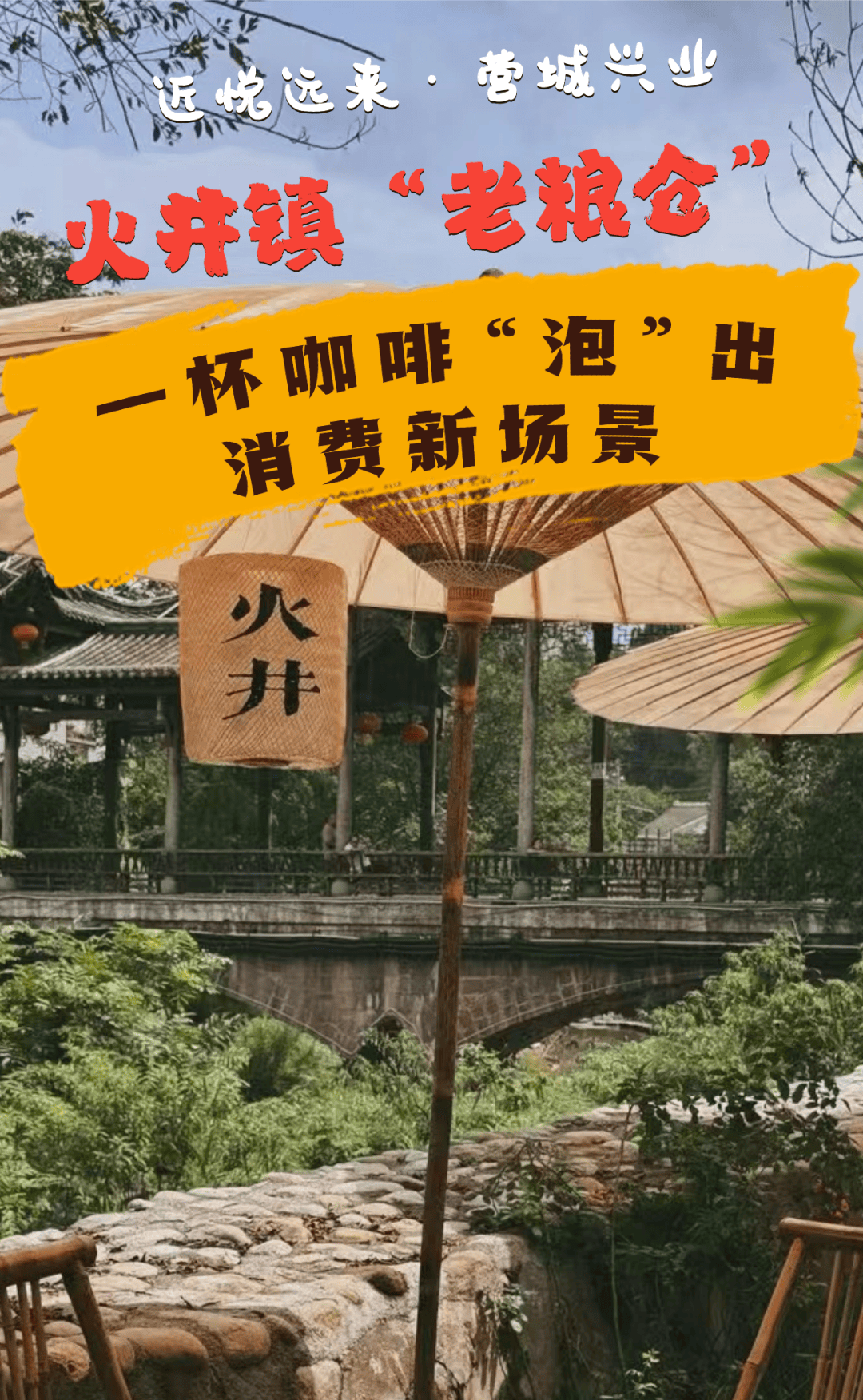
近悦远来·营城兴业丨火井镇“老粮仓”焕新颜,一杯咖啡“泡”出消费新场景
Sou Hu Cai Jing· 2025-10-28 20:45
Core Insights - The article highlights the revitalization of the ancient town of Huojing through the establishment of a cultural space that combines traditional elements with modern design, attracting visitors and enhancing local culture [2][5][19] Group 1: Cultural and Historical Significance - Huojing Town, with a history of nearly 1500 years, has transformed an old granary into a cultural hub, blending historical architecture with contemporary design [2][5] - The town features various cultural attractions, including a cultural exhibition hall and a non-heritage experience center, providing insights into local history and traditions [8][11] Group 2: Visitor Experience and Engagement - The granary café has been well-received since its opening last year, with high visitor turnout during peak seasons, indicating strong demand for its products and services [14] - Visitors enjoy unique experiences such as traditional tea ceremonies and creative cultural products inspired by local history, enhancing their engagement with the town [16][17] Group 3: Economic and Community Impact - The integration of local resources into modern consumer products, such as herbal teas, has attracted younger tourists, showcasing an innovative approach to rural revitalization [17][22] - The café serves as a social hub for both tourists and locals, fostering a sense of community and belonging while promoting local craftsmanship and agricultural products [19][22]
“绕世界一圈后还想留塘口” 广东打通农文旅价值新链路
2 1 Shi Ji Jing Ji Bao Dao· 2025-10-28 10:25
Core Insights - Tangkou Town has transformed from a "hollow village" with only 9 households to a vibrant community with 23 guesthouses, 372 startups, and over 50 operational projects, showcasing a successful model of rural revitalization through the integration of culture, tourism, and entrepreneurship [1][2][9] Investment and Economic Growth - In 2024, Tangkou Town is projected to see a 16.2% year-on-year increase in fixed asset investment and an impressive 124.8% growth in industrial investment, indicating a robust economic recovery and growth trajectory [2] - The establishment of 372 new startups in the past three years has created over 2,000 jobs, contributing significantly to local employment [2] Cultural and Tourism Development - The transformation of the former grain warehouse into a bookstore has generated 5 million yuan in revenue and attracted 1.5 million visitors in 2024, highlighting the potential for cultural spaces to thrive even amid a national decline in physical bookstores [4][5] - The integration of historical architecture and cultural experiences has shifted tourist expectations from mere aesthetics to meaningful engagement, reflecting a broader trend in rural tourism [6] Community and Entrepreneurial Ecosystem - The "IE Commune" initiative aims to attract global entrepreneurs to Tangkou, offering incentives such as rent exemptions and investment subsidies, fostering a supportive environment for innovation and business development [10][12] - The community has seen a significant influx of "new villagers," with over 2,000 individuals drawn to the area, indicating a successful blend of urban and rural lifestyles [9][10] Digital Transformation - Digital platforms are reshaping the rural economy, with initiatives like the "Jiangmen Supply and Marketing Tangkou Village Store" combining traditional agricultural practices with modern e-commerce strategies [15][17] - The introduction of AI-driven marketing tools is enhancing local businesses' outreach and engagement, demonstrating the role of technology in revitalizing rural economies [13][17] Sustainable Development and Future Prospects - Tangkou Town is positioning itself as a model for sustainable rural development by integrating cultural heritage, community engagement, and digital innovation, creating a vibrant ecosystem that attracts both residents and visitors [12][18] - The ongoing efforts to blend local culture with modern entrepreneurial practices are expected to further enhance the town's appeal as a destination for both living and working, contributing to long-term economic sustainability [18]