
外汇管理

Search documents
中国人民银行副行长、国家外汇管理局局长朱鹤新:高水平开放已成为我国经济发展的强劲动力
Zheng Quan Ri Bao· 2025-10-27 17:16
Core Insights - The global trade activity has shown strong resilience despite challenges such as the pandemic, geopolitical tensions, and rising protectionism, with an average annual growth rate of 5.4% from 2019 to 2024, an increase of 4.6 percentage points compared to the previous five years [1] - In 2023, global trade is expected to exceed $33 trillion, marking a historical high, driven by technological advancements and open cooperation [1] - China, as the world's second-largest economy and largest goods trader, plays a significant role in enhancing global trade resilience and maintaining trade rules [1] Group 1: Foreign Exchange Market Developments - In 2024, China's foreign exchange market transaction volume is projected to grow by 37% compared to 2020, while the scale of foreign-related income and expenditure is expected to increase by 64% [2] - In the first three quarters of 2023, China's foreign-related income and expenditure reached $11.6 trillion, a historical high for the same period [2] - The State Administration of Foreign Exchange aims to deepen reforms and maintain a stable foreign exchange management system, focusing on creating a more convenient, open, secure, and intelligent foreign exchange management mechanism [2] Group 2: Policy Initiatives - A new policy framework will be introduced to enhance foreign exchange policies, focusing on trade facilitation and expanding cross-border trade pilot programs [3] - The government plans to implement reforms in key areas such as direct investment, cross-border financing, and securities investment to promote the internationalization of the renminbi and high-quality capital account opening [3] - Enhanced regulatory capabilities will be established to monitor foreign exchange markets, utilizing AI and big data for effective risk prevention and management [3]
重磅发声!事关货币政策、稳定币、金融开放|金融街论坛聚焦
Sou Hu Cai Jing· 2025-10-27 14:39
Group 1: Monetary Policy and Financial Stability - The People's Bank of China (PBOC) has maintained a supportive monetary policy stance, utilizing various tools to ensure ample liquidity in the financial system, which has contributed to economic recovery and market stability [3][5] - The PBOC has implemented bond trading operations in the secondary market to enhance the functionality of government bonds and improve the transmission of monetary policy [6] - The PBOC plans to resume government bond trading operations in the open market, as the bond market is currently operating well [6] Group 2: Financial Regulation and Development - The Financial Regulatory Administration aims to enhance the adaptability of the financial system to better support sustainable economic development and deepen reforms [8][10] - The administration will promote a new financial service model that balances direct and indirect financing, supports key sectors, and enhances financial resource allocation for traditional and emerging industries [10] - The administration will also focus on inclusive finance, ensuring that financial services reach small and micro enterprises, rural areas, and underserved communities [10] Group 3: Capital Market Reforms - The China Securities Regulatory Commission (CSRC) emphasizes Beijing's role as a key hub for capital market reforms and will implement policies to attract quality financial resources to the capital [12][14] - The CSRC plans to deepen reforms in the ChiNext market and enhance the attractiveness and competitiveness of the capital market [14] - The CSRC has launched an optimized scheme for Qualified Foreign Institutional Investors (QFII), aiming to provide a more transparent and efficient environment for foreign investors [14] Group 4: Trade and Foreign Exchange Policies - The State Administration of Foreign Exchange (SAFE) will introduce new policies to promote trade innovation and facilitate cross-border trade [16][17] - China is expected to maintain a strong global trade presence, with the total global trade volume projected to exceed $33 trillion this year [17] - SAFE will continue to deepen reforms in the foreign exchange sector, aiming to create a more convenient, open, and secure foreign exchange management system [18]


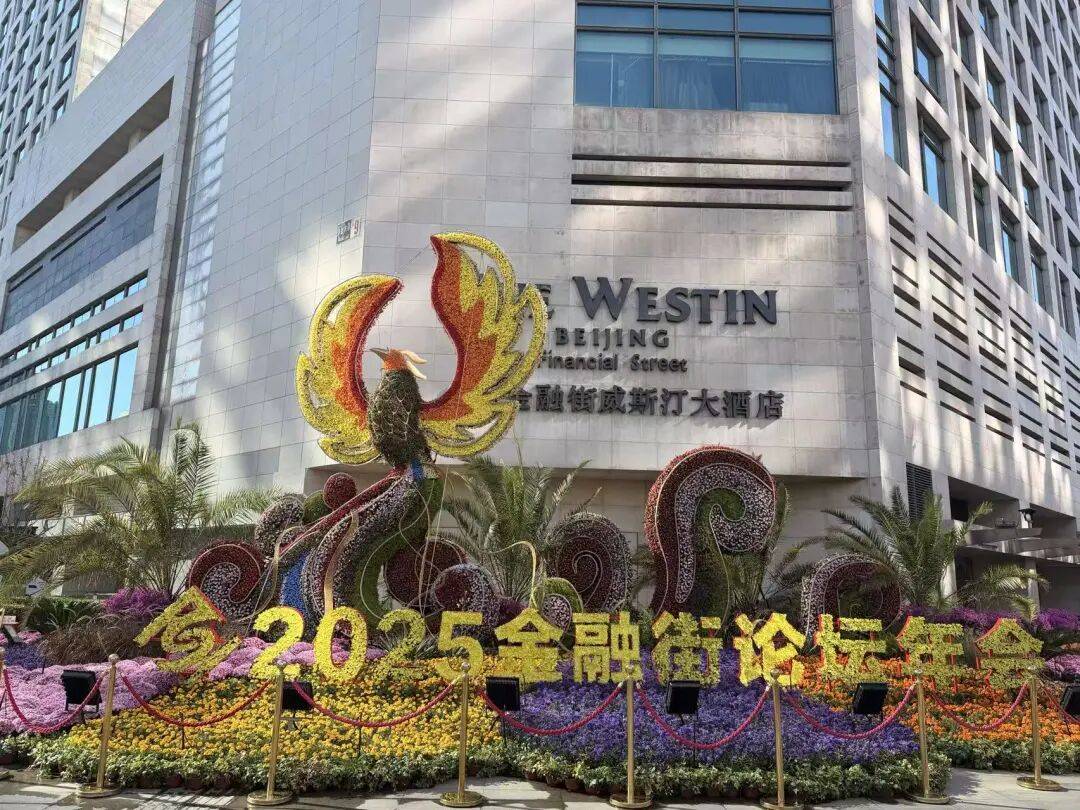
朱鹤新:聚焦贸易便利化,外汇局将新出台9条政策措施
Hua Er Jie Jian Wen· 2025-10-27 13:36
Core Points - The People's Bank of China and the State Administration of Foreign Exchange will introduce nine new policy measures to enhance trade facilitation and promote innovative trade development [1][3] - The focus will be on expanding the pilot scope for high-level cross-border trade openness and optimizing foreign exchange fund settlement for new trade entities [1][3] - The upcoming policies will also include integrated foreign exchange management reforms in free trade pilot zones to support a new phase of autonomous opening up [1][3] Summary by Sections Global Economic Resilience and China's Contribution - Global trade is expected to grow at an average annual rate of 5.4% from 2019 to 2024, with a forecast of exceeding $33 trillion in 2024, marking a historical high [3][4] - Key drivers of this resilience include technological advancements and open cooperation [4] China's Role in Global Trade - China maintains stability in global supply chains by providing high-quality manufacturing and stable supply [5] - The country has become a significant consumer market, with average annual imports of goods and services reaching $3 trillion over the past five years [5] - China is actively developing new areas of cooperation in digital economy, artificial intelligence, and renewable energy, with digital economy services exports exceeding $400 billion [6] Foreign Exchange Management Reforms - The People's Bank of China aims to enhance the foreign exchange policy framework to facilitate trade and investment [7] - New policies will include the implementation of a cross-border financing package and management of funds for domestic companies listed overseas [7] - The foreign exchange market's trading volume increased by 37% from 2020, with foreign-related income and expenditure reaching $11.6 trillion in the first three quarters of this year [6][8] Future Directions - The focus will be on improving foreign exchange supervision and risk prevention capabilities through advanced technologies like AI and big data [8] - Beijing will continue to support innovative foreign exchange policies to enhance cross-border trade and investment [9]
金融街论坛丨国家外汇局:将出台新政策更大力度推动贸易创新发展
Xin Hua Wang· 2025-10-27 12:35
Core Viewpoint - The People's Bank of China and the State Administration of Foreign Exchange will introduce nine policy measures to enhance trade innovation and facilitate cross-border trade and investment, aiming to create a more open and efficient foreign exchange management system [1][2]. Group 1: Policy Measures - Nine new policy measures will be implemented to promote trade innovation and development [1]. - Policies will include the integration of domestic and foreign currency pools for multinational corporations and management of funds for domestic companies listed overseas [1]. - Integrated foreign exchange management reforms will be piloted in free trade zones to support new levels of autonomous opening-up [1]. Group 2: Market Development - The foreign exchange market's trading volume is expected to grow by 37% in 2024 compared to 2020, while the scale of foreign-related income and expenditure is projected to increase by 64% [1]. - In the first three quarters of this year, China's foreign-related income and expenditure reached a record high of 11.6 trillion USD [1]. Group 3: Future Goals - The future foreign exchange management system will focus on being "more convenient, more open, more secure, and smarter" [2]. - There will be an emphasis on enhancing the foreign exchange policy system that rewards integrity with convenience, particularly in trade facilitation [2]. - The management will also aim to deepen reforms in direct investment, cross-border financing, and securities investment [2].
朱鹤新:近期将新出台9条政策措施
Zheng Quan Shi Bao· 2025-10-27 11:59
Group 1 - The 2025 Financial Street Forum Annual Meeting opened on October 27, with the Deputy Governor of the People's Bank of China and Director of the State Administration of Foreign Exchange, Zhu Hexin, delivering a keynote speech [1] - Zhu Hexin announced that the State Administration of Foreign Exchange will introduce nine new policy measures aimed at promoting trade innovation and development, focusing on trade facilitation [2] - The upcoming policies will include expanding the pilot scope for high-level cross-border trade openness and optimizing foreign exchange fund settlement for new trade entities [2] Group 2 - In September, the State Administration of Foreign Exchange implemented a package of cross-border investment and financing facilitation policies, with further policies on integrated currency pools for multinational companies and management of funds for domestic companies listed abroad to be released soon [2] - The reforms will also include integrated foreign exchange management innovations in pilot free trade zones, aiming to broaden the scope for autonomous opening-up [2]
央行、金融监管总局、证监会、外汇局集体发声
Wind万得· 2025-10-27 10:42
Core Viewpoint - The 2025 Financial Street Forum highlighted the commitment of Chinese financial authorities to maintain a supportive monetary policy, enhance financial stability, and promote economic growth through various reforms and measures [2][6][8]. Group 1: People's Bank of China (PBOC) Insights - The PBOC will continue to implement a moderately accommodative monetary policy, utilizing various tools to ensure liquidity across short, medium, and long terms [6]. - A one-time personal credit relief policy is being researched to help individuals restore their credit records, particularly for those who have defaulted on loans below a certain amount since the pandemic [6]. - The PBOC plans to resume open market operations for government bonds, indicating a stable bond market environment [6]. Group 2: Financial Regulatory Administration Insights - The Financial Regulatory Administration emphasizes the importance of risk prevention, aiming to maintain systemic financial stability while managing the restructuring of small financial institutions [6]. - There will be a focus on improving the financing system to align with new real estate development models, addressing local government debt risks [6]. - The administration plans to enhance cross-border risk monitoring and response mechanisms to strengthen the global financial safety net [6]. Group 3: China Securities Regulatory Commission (CSRC) Insights - The CSRC is set to launch a series of reforms aimed at enhancing the inclusivity and coverage of the multi-tiered market system, including the introduction of new listing standards for innovative enterprises [6]. - A new set of measures to protect small and medium investors will be released, focusing on improving the fairness of trading environments and enhancing investor service levels [6]. - The CSRC will also promote the high-quality development of the New Third Board and the Beijing Stock Exchange, facilitating better market access and information trading systems [6][8]. Group 4: State Administration of Foreign Exchange (SAFE) Insights - The SAFE has introduced the "Qualified Foreign Institutional Investor System Optimization Work Plan," which aims to streamline access for foreign investors and enhance operational efficiency [8]. - New policies will be implemented to promote trade facilitation and innovation, reflecting a commitment to enhancing the internationalization of the Renminbi and high-quality capital project openings [8]. - The SAFE will employ advanced technologies like AI and big data for smarter regulatory practices, improving the monitoring of cross-border capital flows [8].

外汇局副局长刘斌:健全“四更”外汇管理体制 助力上海金融中心建设
Quan Jing Wang· 2025-10-27 01:30
Core Insights - The State Administration of Foreign Exchange (SAFE) aims to enhance a more convenient, open, secure, and intelligent foreign exchange management system to support the development of Shanghai as an international financial center [1][2] - SAFE plans to steadily expand high-level institutional opening in the foreign exchange sector while balancing the internationalization of the Renminbi and high-quality opening of capital accounts [1] - There will be a focus on facilitating foreign financial institutions' investment in China and deepening the development of the foreign exchange market, including addressing issues related to long-term, multi-variety, and small currency foreign exchange market development [1] Group 1 - SAFE will promote the optimization of exchange rate risk management services by financial institutions as the demand for hedging becomes more diverse and personalized due to the expansion of international transaction scales [1] - The principle of "the more integrity, the more convenience" will be upheld, encouraging innovative and integrated exploratory policies in Shanghai, including the application of AI and big data for smarter and more efficient foreign exchange services [2] - SAFE emphasizes that both openness and convenience must be predicated on security, implementing a dual management approach of "macro-prudential + micro-regulation" to effectively prevent risk transmission across regions, markets, and borders [2] Group 2 - The ability to prevent risks will determine the degree of openness, with effective risk prevention being fundamental to high-quality development and high-level opening [2]
金融监管总局、外汇局,最新发声!
证券时报· 2025-10-25 03:16
Core Viewpoint - The meetings held by financial regulatory authorities emphasize the importance of implementing the spirit of the 20th Central Committee's Fourth Plenary Session, focusing on risk prevention and enhancing regulatory measures to ensure financial stability and support high-quality economic development [3][4][5]. Group 1: Financial Regulatory Measures - The National Financial Supervision Administration stresses the need to fulfill the primary responsibility of risk prevention and to maintain a bottom line against systemic financial risks [3][4]. - The meeting highlighted the importance of strengthening the "five major regulations" to enhance the foresight, precision, effectiveness, and coordination of financial supervision [4][5]. - There is a commitment to improve the system for preventing and resolving risks in key areas, ensuring that the financial sector contributes more to the modernization goals of socialism [4][5]. Group 2: External Economic Policies - The State Administration of Foreign Exchange (SAFE) aims to support the consolidation of economic recovery by introducing supportive policies and expanding high-level institutional openness in the foreign exchange sector [6][7]. - SAFE emphasizes the importance of maintaining a stable foreign exchange market and ensuring the security of national economic and financial systems through comprehensive regulatory measures [8][9]. - The agency plans to enhance the foreign exchange policy framework to better support the real economy and facilitate cross-border trade and investment [8][9]. Group 3: Future Work Plans - The financial regulatory bodies are tasked with ensuring the completion of annual work objectives and planning for the upcoming "15th Five-Year Plan" period to promote stable financial operations [5][9]. - There is a focus on aligning financial services with the real economy and enhancing the efficiency of resource allocation in the foreign exchange market [8][9]. - The meetings call for a unified approach to learning and implementing the spirit of the 20th Central Committee's Fourth Plenary Session across the financial system [5].

国家外汇管理局:稳步扩大外汇领域高水平制度型开放
Zheng Quan Ri Bao Wang· 2025-10-25 01:24
Core Points - The meeting led by Zhu Hexin emphasized the importance of the 20th Central Committee's Fourth Plenary Session, highlighting its role in guiding the "14th Five-Year Plan" and the upcoming "15th Five-Year Plan" for China's modernization efforts [1][2] - The meeting recognized the significant achievements during the "14th Five-Year" period, attributing them to the leadership of the Communist Party and the guiding principles of Xi Jinping's thought [2] - The "15th Five-Year" period is deemed crucial for solidifying the foundation of socialist modernization, with a focus on financial stability and high-quality development [2][4] Financial Management Strategies - The meeting outlined the need for centralized leadership in foreign exchange management, emphasizing the importance of the "two establishments" and the "four consciousnesses" [3] - It stressed the necessity of supporting high-quality economic development through reforms in foreign exchange policies and enhancing the financial services for the real economy [3] - The meeting called for expanding high-level openness in foreign exchange, promoting the internationalization of the Renminbi, and supporting trade innovation [3] Market Stability and Security - The meeting highlighted the importance of maintaining stability in the foreign exchange market and ensuring the safety of the national economy and financial system [4] - It proposed a dual management approach combining macro-prudential and micro-regulatory measures to monitor cross-border capital flows and maintain the Renminbi's stability [4] - The meeting emphasized the need for strict enforcement against illegal activities in the foreign exchange sector and the importance of safeguarding foreign exchange reserves [4]
国家外汇管理局:加快推出多项外汇支持性政策
Shang Hai Zheng Quan Bao· 2025-10-24 19:15
Core Viewpoint - The meeting led by the Director of the State Administration of Foreign Exchange emphasizes the importance of adhering to the principles of financial work during the 14th Five-Year Plan period, focusing on risk prevention, strong regulation, and promoting high-quality development in foreign exchange management [1][2][3] Group 1: Financial Work Principles - The meeting stresses the need to strengthen the centralized and unified leadership of the Party over foreign exchange management, enhancing awareness and confidence in the Party's leadership [1] - It highlights the importance of maintaining a stable and progressive work approach, ensuring that financial work aligns with political and public interests [1] Group 2: Economic Development Support - The focus is on serving high-quality economic development by reforming bank foreign exchange operations and facilitating cross-border trade and investment [2] - There is an emphasis on enhancing the foreign exchange policy system to support the real economy, particularly in promoting high-level technological self-reliance [2] Group 3: Opening Up and Investment - The meeting calls for expanding high-level institutional openness in the foreign exchange sector and promoting the internationalization of the Renminbi [2] - It aims to support trade innovation and expand bilateral investment cooperation, contributing to the development of the Belt and Road Initiative [2] Group 4: Market Stability and Security - The importance of maintaining stability in the foreign exchange market and ensuring national economic and financial security is highlighted [2] - The meeting discusses the need for a comprehensive regulatory framework to monitor cross-border capital flows and maintain the Renminbi's exchange rate stability [2][3] Group 5: Implementation and Future Work - The meeting emphasizes the need to accurately implement the Party's decisions and ensure the completion of annual work tasks [3] - It calls for the introduction of supportive foreign exchange policies to bolster economic recovery and prepare for the 14th Five-Year Plan [3]