戏曲

Search documents
实至名归!恭喜陈丽君获评一级演员
Xin Lang Cai Jing· 2026-01-17 03:20
Core Viewpoint - Chen Lijun has been awarded the title of first-class actor, marking a significant achievement in her career as a prominent Yue opera performer [1] Group 1: Achievements - Chen Lijun's promotion to first-class actor is based on her "iconic performance" and significant contributions to the art form [1] - She starred in the Yue opera "My Grand View Garden," which is set to tour 58 performances in 2025, achieving a total box office revenue of 775.5 million yuan, setting a historical record for Chinese opera [1] - The performance attracted over 100,000 attendees, with more than 60% of the audience being post-90s generation [1] Group 2: Awards - Chen Lijun won the 18th Wenhua Performance Award for her role as "Jia Baoyu" in "My Grand View Garden," further solidifying her status in the industry [1]
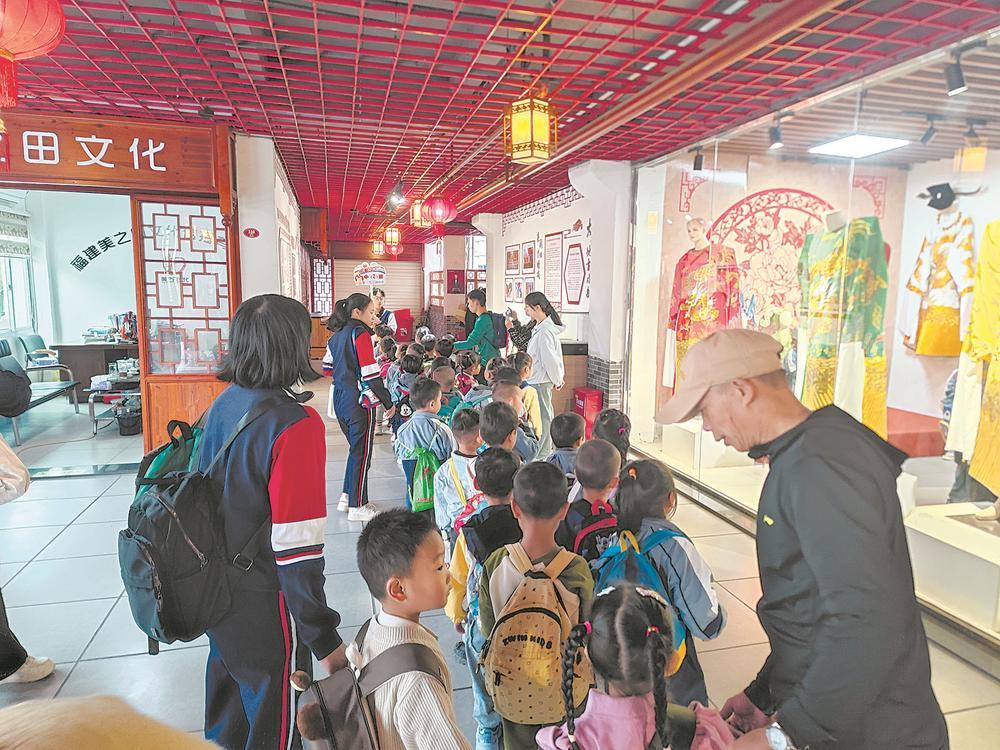
闽中乡音“进城记”
Xin Lang Cai Jing· 2026-01-16 23:10
Core Insights - The article highlights the revival of traditional Chinese opera, specifically the Han opera in Daitian, as a cultural initiative that aligns with the goals set by the 20th National Congress of the Communist Party of China to promote cultural industries and enhance the influence of Chinese civilization [6][17] - Daitian has successfully integrated local drama into daily life, organizing over 100 performances annually and attracting more than 200,000 viewers in the past 15 years, thereby keeping traditional art forms alive in modern society [6][11] Group 1: Cultural Revival - The Daitian Han opera has deep historical roots dating back to the Ming Dynasty, blending elements from various regional operas, which has contributed to its unique appeal [6][10] - The local community has actively engaged in reviving the art form, with numerous amateur playwrights and performers contributing to the creation of new works that reflect local history and culture [10][15] - The establishment of the Minzhong Opera Cultural Park serves as a hub for preserving and promoting local theatrical traditions, providing resources and support for local troupes [15][16] Group 2: Community Engagement - The integration of performances into urban settings, such as residential communities, has fostered stronger neighborhood ties and provided cultural enrichment for residents [11][12] - The initiative to offer weekly performances addresses the cultural needs of migrant workers and older adults living in urban areas, creating a sense of belonging and community [12][13] - Young people are increasingly engaging with traditional opera, indicating a potential for cultural transmission and renewal among future generations [13][17] Group 3: Challenges and Future Plans - Despite the successes, local troupes face challenges such as inconsistent income and a lack of resources, which necessitate a more structured support system [14][16] - Plans are in place to implement mentorship programs to enhance the skills of younger performers and ensure the continuity of traditional art forms [16][17] - The commitment to fostering a supportive environment for local artists and integrating traditional culture into modern life reflects a broader strategy for cultural sustainability [17]

且以新意共远方
Hang Zhou Ri Bao· 2026-01-13 02:57
Core Insights - Hangzhou's cultural industry is experiencing significant growth, particularly in the areas of online literature, web series, and online games, collectively referred to as the "new three items" of culture, which are gaining global popularity and recognition [2][3] - The city has established itself as a leader in cultural exports, with 31 key enterprises and 9 projects recognized during the "14th Five-Year Plan" period, and a total of 688 web series approved for distribution, showcasing its dominance in the national market [2][3] - The introduction of supportive policies and initiatives aims to enhance the quality and international reach of Hangzhou's cultural products, further solidifying its position as a cultural hub [3][4] Cultural Export and Innovation - The game "Black Myth: Wukong" exemplifies the successful internationalization of Chinese IP, generating 9 billion yuan in revenue from a 300 million yuan investment, marking a significant milestone for Hangzhou's cultural industry [3] - The city is transitioning from merely exporting cultural products to developing a comprehensive cultural ecosystem that emphasizes value resonance and deep cultural experiences [3][10] - Hangzhou's commitment to long-term strategies and technological innovation is expected to drive the cultural industry forward, integrating AI and other technologies into the cultural export process [3][11] Reading Culture - The promotion of reading in Hangzhou has gained momentum, with various initiatives and events aimed at enhancing public engagement with literature, culminating in the implementation of the "National Reading Promotion Regulations" [6][8] - The establishment of new reading spaces and community engagement activities reflects a shift towards fostering a culture of quality reading, moving beyond mere book consumption [6][7] - The new regulations are set to provide a legal framework for promoting reading, ensuring that resources are allocated to support grassroots reading initiatives [8] New Cultural Landmarks - The opening of new cultural landmarks, such as the iQIYI (Hangzhou) Park, is expected to attract significant visitor traffic and enhance the city's cultural tourism landscape [9][10] - The integration of technology and immersive experiences in new cultural projects aims to create lasting impressions on visitors, transforming their experiences from mere "check-ins" to meaningful engagements with the city [10][11] - The focus on creating a blend of historical and modern attractions is designed to enhance the overall visitor experience, ensuring that cultural tourism in Hangzhou remains competitive and appealing [10][11] Youth and Traditional Arts - The rise of "youth opera" in Hangzhou reflects a broader trend of revitalizing traditional arts through innovative performances and the involvement of younger artists [12][13] - Events such as the Zhejiang Youth Opera Actor Competition highlight the growing participation of young talent in traditional arts, indicating a shift towards a younger audience demographic [12][13] - The successful integration of modern elements into traditional performances aims to attract new audiences and ensure the sustainability of traditional arts in the contemporary cultural landscape [13][14]
以法治之力让文化的光芒更璀璨
Shan Xi Ri Bao· 2026-01-12 00:28
Core Viewpoint - The article highlights the legislative efforts in Shaanxi province during the "14th Five-Year Plan" period to enhance cultural heritage protection and promote cultural development through local laws and regulations. Group 1: Legislative Achievements - During the "14th Five-Year Plan," Shaanxi's provincial legislature enacted 4 local regulations and revised 1, while approving 22 regulations from district-level cities, emphasizing the importance of legal frameworks in cultural development [1][2]. - The "Regulations on the Protection of Baota Mountain" were established to address practical issues in the management and protection of this revolutionary landmark, marking a new model of characteristic legislation [2]. - The "Regulations on the Protection and Development of Hanzhong Rattan Weaving" created a three-dimensional inheritance system for this intangible cultural heritage, focusing on recording, inheriting, and innovating [3]. Group 2: Cultural Heritage and Arts Protection - The "Regulations on the Protection and Development of Qin Opera" were introduced as the first provincial-level regulations in the country, providing a comprehensive framework for the development and protection of this ancient art form [4][5]. - The "Regulations on the Protection of the Yellow Emperor's Tomb" emphasize the historical, cultural, and social values of the site, marking a new phase in its legal protection [5]. - The "Regulations on the Protection and Utilization of Revolutionary Cultural Relics" provide legal guidelines for the management and utilization of revolutionary heritage [6]. Group 3: Supervision and Implementation - The provincial legislature has prioritized cultural prosperity as a key area for supervision, conducting multiple inspections to ensure the implementation of cultural laws and regulations [7][8]. - Continuous monitoring of the implementation of laws related to intangible cultural heritage has led to increased financial support for local cultural practitioners, enhancing their ability to pass on traditional skills [8][9]. - The legislature plans to deepen its supervisory efforts in the "15th Five-Year Plan" to ensure that cultural laws are effectively enforced and cultural confidence is strengthened [9].
走进京剧的黄金时代|第五十四回 摩托声乍响夜练功,武打戏削头博喝彩
Xin Lang Cai Jing· 2026-01-11 04:50
Core Viewpoint - Ye Shengzhang, the founder of the "Ye School" of martial arts in Peking Opera, emphasizes rigorous training and artistic excellence, significantly influencing the growth of students at the Fuliancheng school [1] Group 1: Artistic Philosophy - Ye Shengzhang's approach to teaching involves strict requirements and a pursuit of perfection in Peking Opera, particularly in martial arts performances [1] - He stresses the importance of seamless coordination among actors, aiming for a level of performance that appears effortless to the audience [1] - The essence of Peking Opera's martial arts is elevated through this meticulous collaboration, which Ye believes transforms stage combat into a soulful narrative [1] Group 2: Impact on Students - Ye Shengzhang's high standards and serious attitude towards art have profoundly influenced the development of Fuliancheng students, helping them evolve into capable practitioners of traditional and innovative Peking Opera [1]
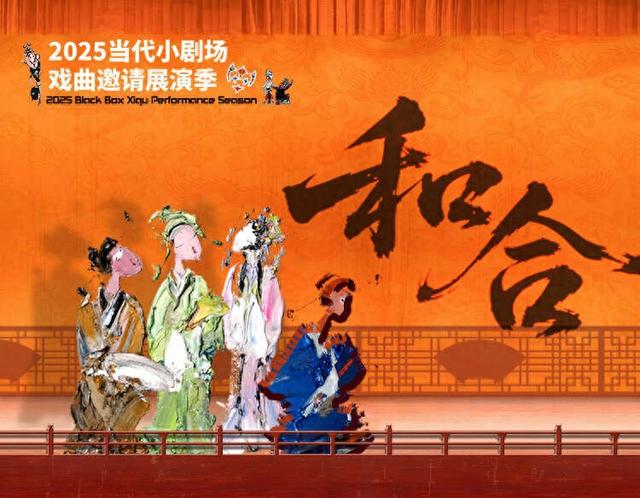
2025当代小剧场戏曲邀请展演季闭幕
Xin Lang Cai Jing· 2026-01-09 13:36
Core Viewpoint - The 2025 Contemporary Small Theater Opera Invitation Performance Season has concluded, showcasing a rich array of traditional Chinese opera performances over a two-month period in the capital [1]. Group 1: Event Overview - The performance season featured 21 diverse productions, with a total of over 60 performances [3]. - The repertoire included various styles such as Hebei Bangzi, Peking Opera, Pingju, Liyuan Opera, Kunqu, and more, highlighting the richness of Chinese theatrical arts [3]. Group 2: Additional Activities - During the performance season, a series of activities were organized, including opera salons, thematic forums, and public experience events, enhancing community engagement with the art form [5]. - Notable activities included flash performances, immersive workshops, and lectures, which aimed to integrate opera into daily life [5]. Group 3: Organizers and Support - The event was co-hosted by the Beijing Drama Association, the Cultural and Tourism Bureau of Xicheng District, and Beijing Tianyi Tongge International Cultural and Art Co., Ltd., with support from national and local cultural funds [5].
问字要音 依字行腔(工匠绝活)
Ren Min Ri Bao· 2026-01-09 01:22
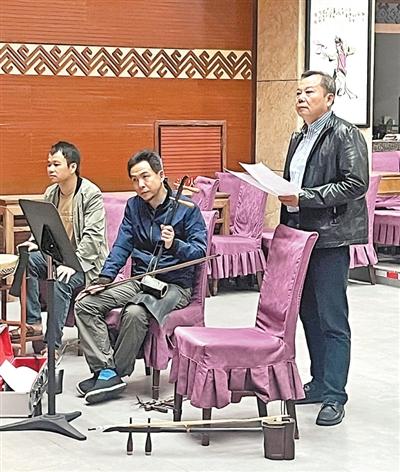
Core Viewpoint - The article highlights the efforts of Xiexie, a representative inheritor of Guangxi Gui Opera, in blending traditional opera with modern musical elements, emphasizing the importance of cultural heritage and innovation in the arts [2][3][4]. Group 1: Cultural Heritage and Innovation - Guangxi Gui Opera is recognized as a national intangible cultural heritage, with Xiexie being a key figure in its preservation and innovation [2]. - Xiexie's philosophy of "asking for the sound of the word and following the melody" reflects his commitment to maintaining the opera's traditional essence while adapting to contemporary audience preferences [2][4]. - The integration of modern music elements such as jazz and symphonic music into traditional opera compositions has made the performances more appealing to younger audiences [4][5]. Group 2: Musical Composition and Performance - Xiexie has a diverse musical background, having learned various instruments and styles, which enriches his compositions and performances [3][4]. - The shift from traditional "word-based melody" to a more modern "melody-based lyrics" approach in Gui Opera has been well-received, indicating a successful adaptation to current aesthetic demands [4]. - The current Gui Opera troupe consists of 58 members with an average age of 40, showcasing a blend of experience and youthful energy in performances [4]. Group 3: Challenges and Responsibilities - There is a noted shortage of talent in the field of opera music composition, which poses a challenge for cultural transmission [5]. - Xiexie emphasizes the importance of understanding traditional culture and literature to create impactful music, highlighting the responsibility of artists in preserving and innovating cultural heritage [5][6]. - The commitment to continuous learning and collaboration with various cultural institutions reflects a proactive approach to fostering the next generation of opera musicians [5].
浙江宣传:戏曲要出圈不要“饭圈”
Bei Jing Ri Bao Ke Hu Duan· 2026-01-09 00:50
Core Viewpoint - Traditional Chinese opera is experiencing a resurgence among young audiences in the digital age, but there are concerns about the "fan culture" that may dilute its artistic essence and heritage [1][7] Group 1: Audience Engagement - Young audiences are showing genuine interest and support for traditional opera, becoming an essential force in its contemporary transmission [1] - The rise of "fan culture" is characterized by irrational behaviors such as focusing on actors' personal lives rather than the art itself, which can undermine the appreciation of opera [2][3] Group 2: Dangers of "Fan Culture" - The "fan culture" leads to divisive behaviors, such as creating "discrimination chains" among different opera genres and engaging in aggressive comparisons, which harms the inclusive nature of the art form [2][3] - Shallow engagement with the art form diminishes its artistic depth, as fans may prioritize personal idolization over the collective appreciation of opera [4][5] Group 3: Impact on Artistic Quality - The focus on popularity and superficial metrics can lead to a decline in the quality of opera, as audiences may equate celebrity status with artistic merit, risking the loss of traditional values [5][6] - The potential for a disconnect in the transmission of aesthetic values poses a risk to the future of opera, as the emphasis shifts from artistic integrity to mere entertainment [5][6] Group 4: Recommendations for Healthy Development - The industry must focus on promoting the art itself, utilizing new media to engage younger audiences while avoiding the pitfalls of excessive idolization [6] - Actors should embrace their role as cultural transmitters, encouraging fans to appreciate the art form rather than just the individuals [6][7] - Audiences are encouraged to shift their focus from idol worship to genuine appreciation of the art, fostering a deeper understanding of the diverse opera genres [6][7]
广西桂剧非遗传承人谢谢精研戏曲技艺 问字要音 依字行腔(工匠绝活)
Ren Min Ri Bao· 2026-01-08 22:55
Core Viewpoint - The article highlights the efforts of Xiexie, a representative inheritor of Guangxi Gui Opera, in blending traditional opera with modern musical elements, emphasizing the importance of cultural heritage and innovation in the arts [1][2]. Group 1: Cultural Heritage and Innovation - Guangxi Gui Opera is recognized as a national intangible cultural heritage, with Xiexie being a key figure in its preservation and innovation [1]. - Xiexie's philosophy of "asking for the sound of the word, following the word to sing" reflects his commitment to maintaining the opera's unique characteristics while adapting to modern audience preferences [1][2]. - The integration of jazz and symphonic elements into traditional opera compositions has made Xiexie's works more appealing to younger audiences, showcasing a successful fusion of old and new [2][3]. Group 2: Musical Composition and Education - Xiexie has a diverse musical background, having learned various instruments and styles, which enriches his compositions and performances [2]. - His experience in the 1980s, when the opera market was struggling, led him to self-learn instruments like the guitar, enhancing his musical skills [2]. - The current Gui Opera troupe consists of 58 members with an average age of 40, indicating a blend of experience and youth in the preservation of this art form [2]. Group 3: Challenges in Talent Development - There is a noted shortage of talent in the field of opera music composition compared to performance, highlighting a gap that needs to be addressed for cultural transmission [3]. - Xiexie emphasizes the importance of understanding traditional culture and poetry to create effective music for opera, indicating a need for deeper educational initiatives in this area [3]. - His active participation in various cultural exchanges and collaborations across different opera genres reflects a commitment to broadening the scope of opera music beyond just Gui Opera [3].
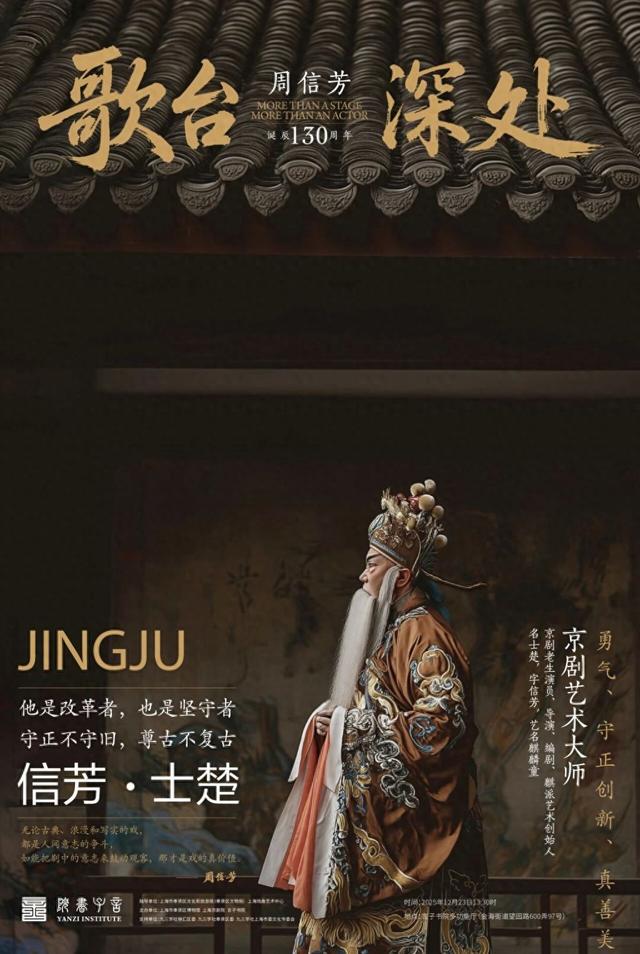
在奉贤言子书院,从这些珍贵展品中感受周信芳的“歌台深处”
Xin Lang Cai Jing· 2026-01-07 09:57
Core Viewpoint - The article discusses the celebration of the 130th anniversary of the birth of Peking opera master Zhou Xinfang, highlighting various exhibitions and events dedicated to his legacy and contributions to the art form [1]. Group 1: Exhibition Overview - The main exhibition titled "In Harmony with Time - Commemorating the 130th Anniversary of Zhou Xinfang" took place at the National Library of China and lasted for over a month, concluding recently [1]. - A second exhibition, "In the Depths of the Song Stage," is being held in Shanghai at the Yanzi Academy and will run until March 6, showcasing Zhou Xinfang's life and work [1][3]. Group 2: Exhibition Details - The exhibition is organized by multiple cultural institutions, including the Shanghai Cultural and Tourism Bureau and the Shanghai Peking Opera Theatre, with support from various cultural committees [4]. - The Yanzi Academy, where the exhibition is held, is a new cultural landmark located in a central ecological area of Fengxian New Town, Shanghai [3]. Group 3: Themes and Features - The exhibition features two main thematic halls: "Xinfang" focusing on Zhou's artistic career and "Shichu" highlighting his personal life and emotional connections [6]. - A total of 36 physical exhibits, 147 historical photographs, and audio-visual materials are presented, allowing visitors to closely observe Zhou's manuscripts, costumes, and historical artifacts [9]. Group 4: Notable Exhibits - Significant items on display include Zhou's modified costume from "Xu Ce Pao Cheng," a purple satin cape, and a historical travel trunk used during his performances [11][19][21]. - The exhibition also features the "Jiawu Tonggeng Commemorative Album" and "Zhengqi Collection," which hold historical and artistic value, showcasing Zhou's connections with contemporary cultural figures [27][29]. Group 5: Modern Engagement - The exhibition aims to engage younger audiences by combining traditional Peking opera elements with modern design, utilizing AI technology to revitalize old photographs [11]. - Interactive areas allow visitors to take virtual photos with Zhou Xinfang, enhancing the experience and connection to the historical figure [11].