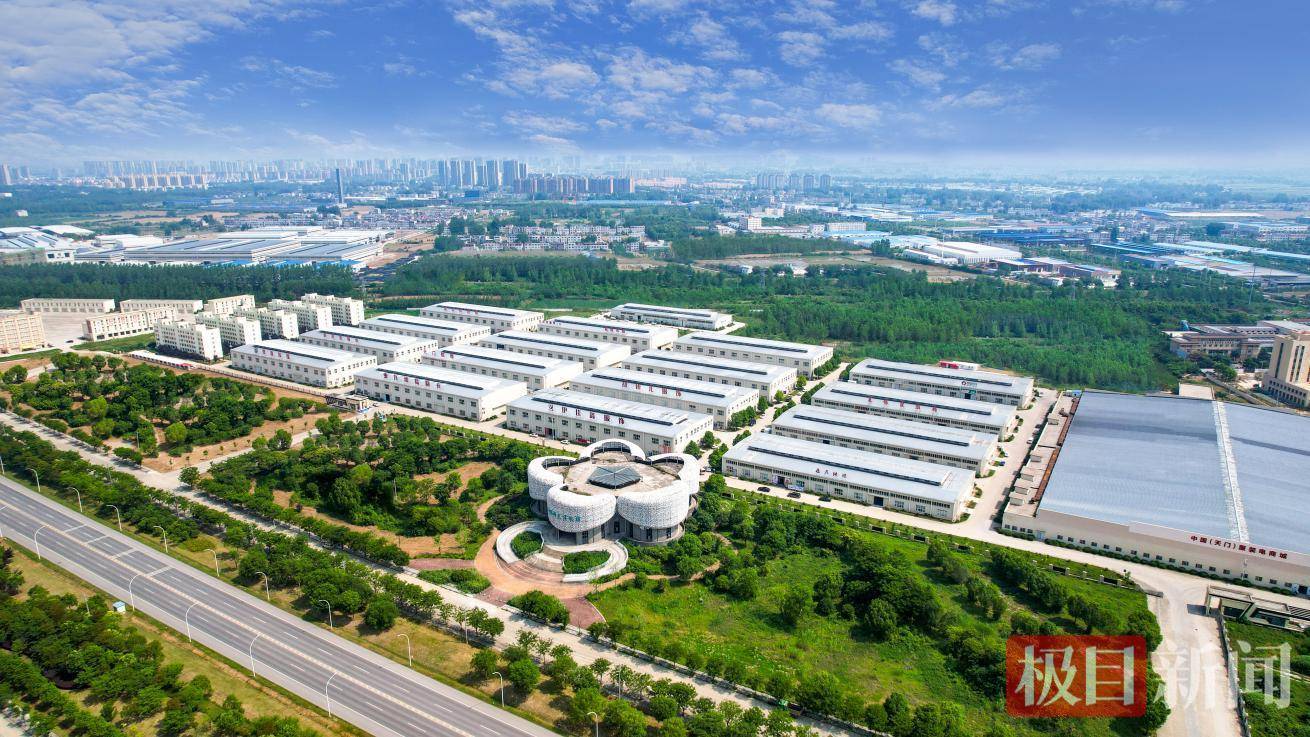
服装电商

Search documents
如何破解中小企业经营难题?
Sou Hu Cai Jing· 2025-09-04 12:53
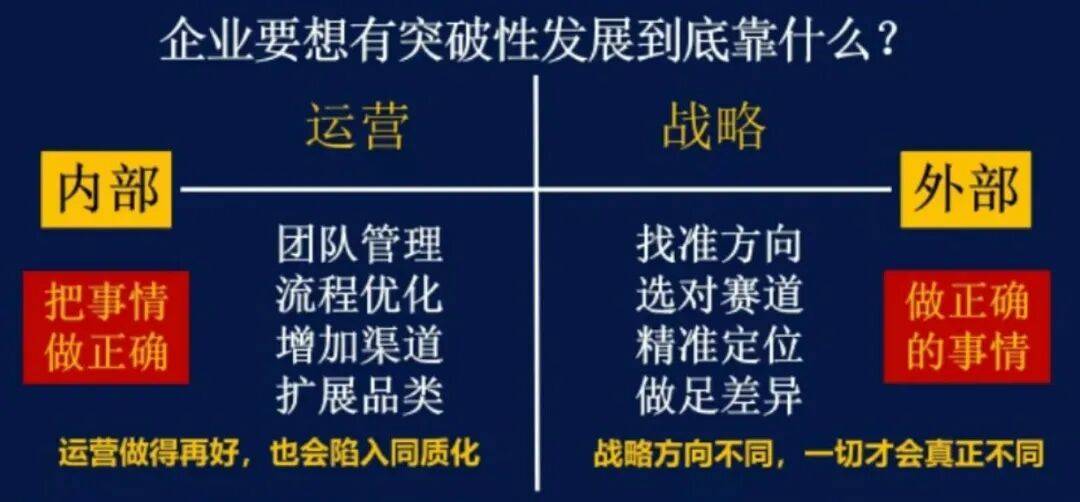
Group 1 - The core issue for many entrepreneurs is the lack of effective management methods, leading to difficulties in profitability despite increased scale [1] - Many entrepreneurs face challenges due to a family-style and loose management approach, which becomes less effective as the business grows [1] - The mindset and vision of entrepreneurs are crucial for success, as seen in the case of Yu Minhong from New Oriental, who adapted innovative management practices to scale his business [3][4] Group 2 - Companies need to cultivate talent that understands business operations to enhance overall organizational capability [8] - Organizational capability is defined as the ability to convert various inputs into products or services with higher efficiency or quality compared to competitors [10] - The successful e-commerce company, Handu Yishe, exemplifies effective organizational capability through its independent operational model [10] Group 3 - Establishing a scientific and effective incentive mechanism is essential for motivating employees and enhancing performance [11][12] - The Amiba management model promotes high profits by encouraging employees to take ownership of their work and results, leading to precise performance assessments [14] - Many companies struggle with data management, resulting in isolated data systems that do not provide actionable insights; the Amiba accounting reports can integrate these data for better decision-making [15]

在湖北,感受“雁归经济”脉动|活力中国调研行
Sou Hu Cai Jing· 2025-09-01 21:48
Group 1 - The "returning economy" is a significant factor driving the economic vitality in Hubei, particularly in cities like Tianmen and Suizhou, where many locals are returning to their hometowns, contributing to population growth and industrial development [1][4][15] - Tianmen has seen a remarkable 17% year-on-year increase in birth rates for 2024, significantly higher than the national average of 5.8%, attributed to the return of 100,000 residents over the past three years [4][12] - The garment e-commerce industry in Tianmen has experienced explosive growth, with transaction volumes rising from 7 billion yuan in 2021 to over 50 billion yuan in 2024, reflecting an annual growth rate of 92% [12][14] Group 2 - The establishment of a complete industrial chain in Tianmen, covering all aspects from weaving to e-commerce, has positioned the city as a hub for garment e-commerce, enhancing its competitive edge [10][12] - In Suizhou, the return of individuals like Wang Fenghua has led to the creation of a guitar industry from scratch, with the establishment of multiple companies and a projected output value of 3.5 billion yuan by 2025 [19][25] - The local government in Suizhou is actively fostering a cultural industry ecosystem, aiming for an output value of 20 billion yuan within three years, driven by the establishment of a guitar industry park [25][21] Group 3 - The success of the "returning economy" in Hubei is attributed to innovative招商 (investment attraction) strategies that focus on creating a favorable business environment and addressing the needs of returning entrepreneurs [3][30] - The establishment of comprehensive support systems for businesses, including tailored services and infrastructure, has been crucial in attracting returning talent and fostering local economic growth [31][32] - The overall strategy emphasizes collaboration between government, enterprises, and local talents to ensure sustainable development and job creation in the region [33]
活力中国调研行|特色产业“多点开花” 湖北释放就业新机遇
Xin Hua She· 2025-09-01 00:16
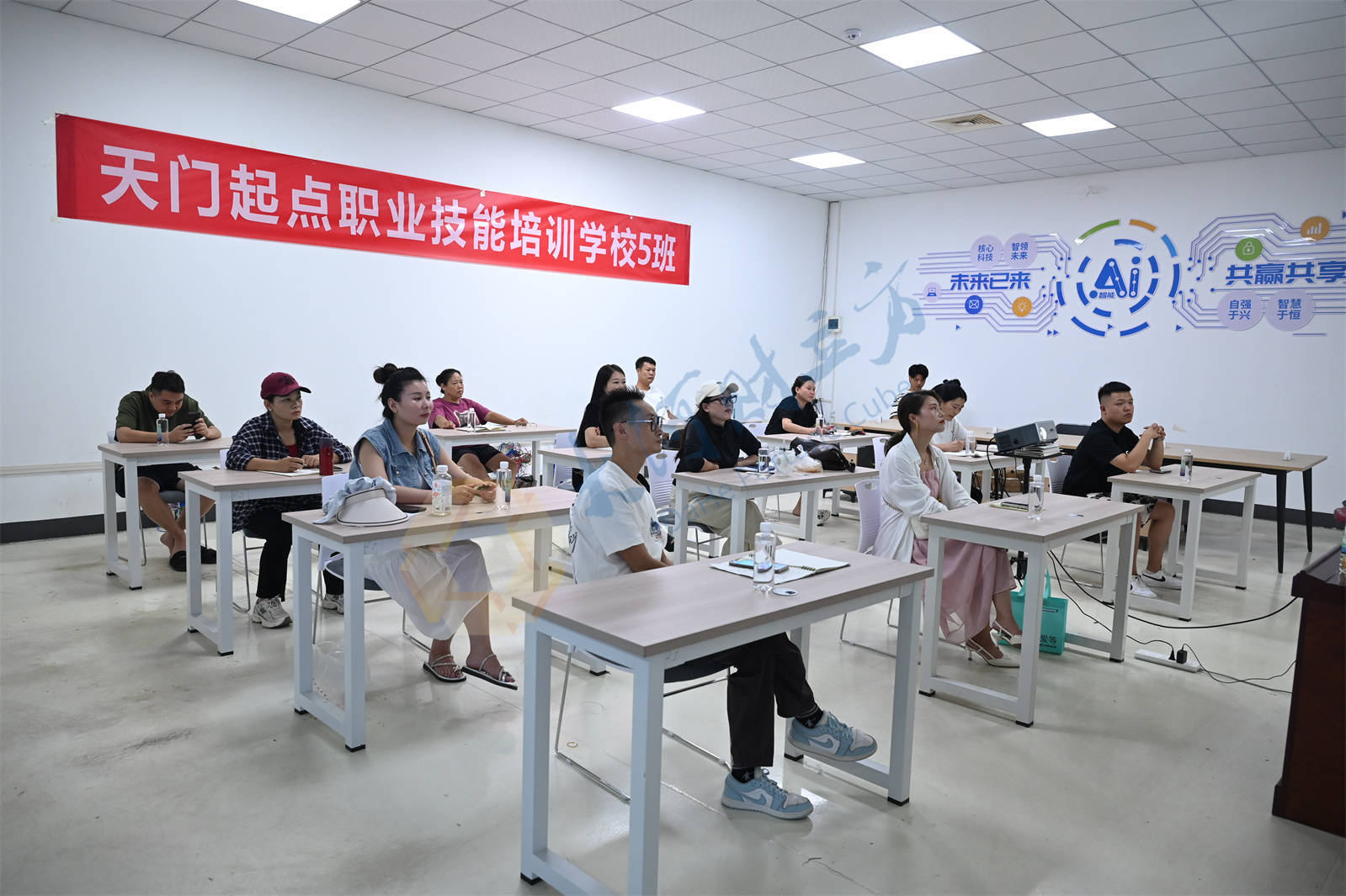
Group 1: Aquaculture Industry - The comprehensive output value of the crayfish industry in Qianjiang exceeds 87 billion yuan, employing over 200,000 people [3] - The introduction of "four seasons crayfish" technology is expected to yield 24,000 tons of winter crayfish by 2024, addressing previous seasonal limitations [3][4] - The success of winter crayfish supply has improved restaurant profitability by 10% [4] Group 2: Mushroom Cultivation - The mushroom cultivation initiative in Sanzi Village has created over 300,000 jobs related to mushroom farming [4] - A local villager earned over 60,000 yuan from mushroom sales after participating in free training, indicating a significant income increase compared to previous employment [4] - The local human resources department is promoting skills training in planting and sales, contributing to the growth of e-commerce live streaming practitioners [4] Group 3: Textile and Apparel Industry - The textile and apparel sector in Tianmen has over 13,000 operating entities, with an annual transaction volume exceeding 50 billion yuan, directly creating 160,000 jobs [6] - The daily shipment volume of clothing has surpassed 100,000 pieces, significantly boosting local employment [5] - Tianmen is actively developing an apparel e-commerce industrial cluster, attracting various related enterprises [4] Group 4: Musical Instrument Manufacturing - The guitar production facility in Songzi is exporting products to nearly 20 countries, with an expected output value of over 1 billion yuan by 2025 [8] - The development of regional labor brands in Hubei has led to the establishment of 224 distinctive labor brands, employing over 4.5 million people [8]

(活力中国调研行)湖北天门服装电商构建起完整产业链
Zhong Guo Xin Wen Wang· 2025-08-28 04:18
Core Insights - The article highlights the development of a complete industrial chain in the clothing e-commerce sector in Tianmen, Hubei, driven by the "clothing e-commerce + returning entrepreneurship" model [1][3]. Industry Overview - Tianmen, known as "the cotton town," has transitioned from a scattered clothing industry to a clustered development model in recent years [3]. - The clothing e-commerce transaction volume in Tianmen surged from 7 billion yuan in 2021 to over 50 billion yuan in 2024, with total sales exceeding 600 million pieces [5]. Company Developments - Tianmen Yuezhi Clothing Co., which started with a small team, has grown to a management team of 150 and 2,000 sewing workers, achieving annual sales of 300 million yuan, with expectations to reach 500 million yuan this year [3][5]. - The company Cheng Meng has established a digital supply chain platform and plans to expand into the Japanese and Korean markets [3][5]. Employment Impact - The e-commerce sector has attracted nearly 100,000 people to return to work in Tianmen, providing job opportunities and allowing individuals to balance work and family [5]. Technological Integration - The integration of AI technology is accelerating the restructuring of the textile and clothing industry in Tianmen, with companies utilizing AI for live streaming sales [5][7]. - Lai Yi Tiao Clothing Company reported a daily shipment of 100,000 orders and sales of 1.3 billion yuan last year, with expectations to reach 2 billion yuan this year due to expansion aided by AI [5][7]. Future Goals - The Tianmen Clothing E-commerce Industry Association aims to establish Tianmen as a "global clothing e-commerce supply chain center" by leveraging digital platforms to enhance international reach [7].
4年增百倍 天门服装电商产业的“财富”现象丨活力中国调研行
2 1 Shi Ji Jing Ji Bao Dao· 2025-08-28 04:04
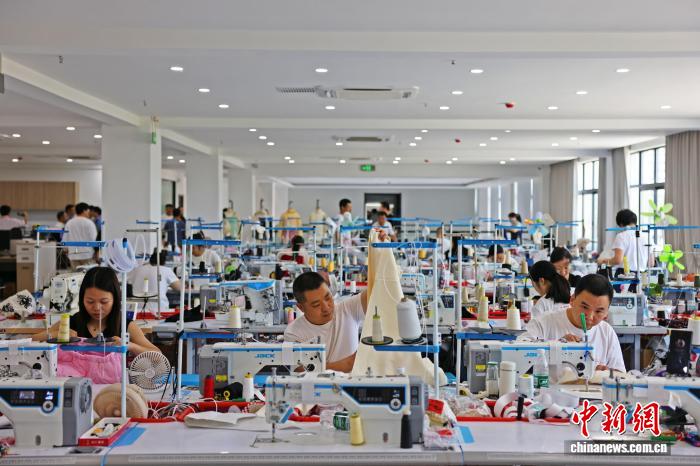
Core Insights - The article highlights the rapid growth of the clothing e-commerce industry in Tianmen, China, showcasing a significant increase in production value and employment opportunities despite challenges in the overall clothing sector [1][2]. Group 1: Industry Growth and Development - Tianmen's clothing e-commerce industry is expected to see a production value increase from 1 billion yuan to 1.5 billion yuan in 2023 [1]. - The city has established a clothing e-commerce industrial cluster, integrating production, warehousing, and sales to reduce operational costs [2][3]. - The number of market entities in Tianmen's clothing e-commerce sector has surpassed 7,000, with an annual transaction volume exceeding 50 billion yuan [4]. Group 2: Employment and Social Impact - The clothing e-commerce industry in Tianmen has created job opportunities for over 10,000 returnees, significantly impacting local employment [4]. - The industry has developed light-skill jobs suitable for elderly individuals, providing them with an average monthly income of over 3,500 yuan, which is more than 20 times the rural pension [5][6]. - The employment model in Tianmen allows for flexible working conditions, enabling elderly workers to balance work with family responsibilities [6]. Group 3: Infrastructure and Support - Tianmen has improved logistics by establishing direct shipping lines to major cities and subsidizing e-commerce delivery costs, making it one of the regions with the lowest logistics costs in Hubei [3]. - Financial support initiatives, such as tailored loan products, have been introduced to facilitate business operations, with an annual increase of 400 million yuan in loans [3]. - The local government has implemented various policies to support entrepreneurship, including subsidies and rent reductions, amounting to nearly 10 million yuan disbursed to date [3].
10万天门服装人“群凤还巢”,托起服装电商产值突破500亿|活力中国调研行
Di Yi Cai Jing· 2025-08-28 01:22
Core Insights - The "Tianmen Phenomenon" has emerged, where one in three households is engaged in the clothing industry, driven by the return of "Tianmen garment people" who brought back orders, technology, and management experience [1] - The clothing e-commerce sector in Tianmen has seen explosive growth, with transaction volume increasing from 7 billion to 51.3 billion yuan from 2021 to 2024, achieving an annual growth rate of 92% [4] - Tianmen aims to solidify its position as a core clothing e-commerce hub in China, targeting a transaction volume of over 100 billion yuan by 2030, with cross-border e-commerce accounting for 40% [4] Industry Development - Tianmen has implemented a series of supportive policies, including a 2 billion yuan annual fund and various subsidies for returning entrepreneurs, to foster the growth of the clothing e-commerce industry [5] - The establishment of the Bai Ma Clothing Original E-commerce Base has attracted 400 merchants within six months, with plans for further expansion to enhance the industrial chain [7] - Companies like Yuezi Clothing have experienced significant growth, increasing production from 500,000 to 10 million garments annually, with a revenue exceeding 500 million yuan [8] Labor Market Dynamics - The return of workers, particularly from the "80s" generation, has created a dual benefit of employment and family life, with some positions offering salaries comparable to coastal cities [10] - The local government has set up 10 labor stations to cater to various worker demographics, including older workers and mothers, to fill labor shortages in the clothing industry [11] Challenges and Opportunities - Tianmen faces challenges such as homogenization with similar cities and a lack of brand recognition, which hinders its competitive edge [13] - The local industry is primarily engaged in low-value-added segments, with a shortage of high-end design and marketing talent, necessitating a focus on brand development and supply chain improvements [13] - Suggestions for enhancing brand influence include leveraging local cultural elements and organizing fashion events to promote Tianmen's clothing brands [13]
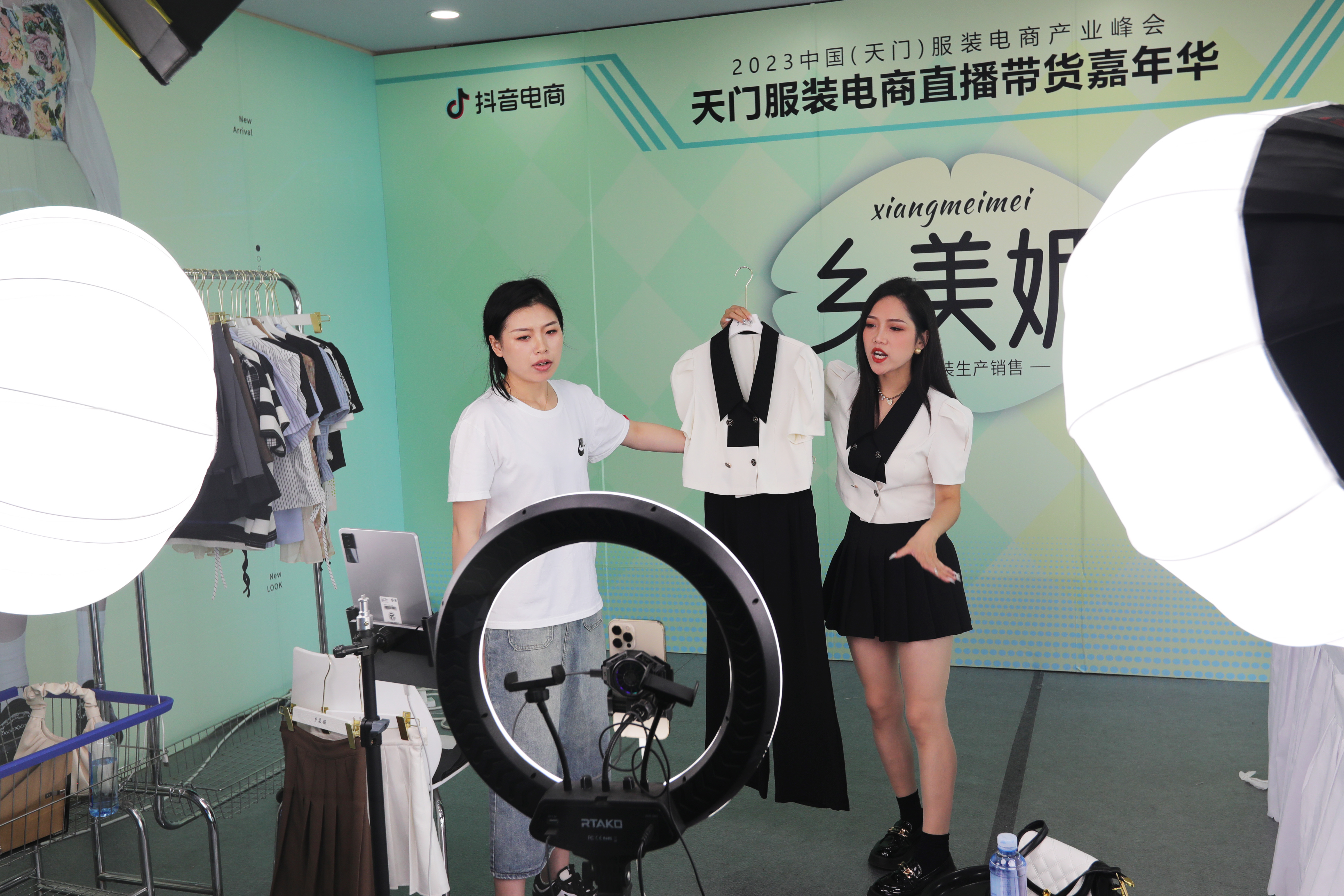
服装电商为何在内陆异军突起
Jing Ji Ri Bao· 2025-08-22 02:04
Core Insights - The garment e-commerce industry in Tianmen, Hubei Province, has rapidly transformed from "OEM" to "global selling," achieving a transaction volume of 51.3 billion yuan and a total sales volume of 620 million pieces in 2024, marking a 25% year-on-year growth [1][10] - Tianmen has established a complete industrial chain for garment e-commerce, covering all aspects from weaving to cross-border logistics, driven by policy incentives and a robust entrepreneurial ecosystem [1][4] Industry Development - Tianmen's garment e-commerce sector has seen significant growth, with 7,000 textile and garment enterprises and over 13,000 registered e-commerce stores [7] - The city has implemented the "Returnee Project," attracting thousands of former workers with skills and orders back to Tianmen, creating a "core factory + satellite factory" collaboration model [4][7] Infrastructure and Support - The Tianmen government has invested in infrastructure such as worker dormitories, smart warehouses, and logistics centers, while also providing tailored support for enterprises [3][6] - Financial products like "Tianfu Loan" have been introduced to alleviate financing difficulties for local businesses [3] Technological Innovation - The introduction of digital technologies has enabled a "just-in-time" production system, reducing production cycles from three days to four hours [3] - The establishment of the "Tianmen Index" and the "Tianmen Yishang" regional public brand aims to enhance the local garment industry's visibility and competitiveness [3][10] Talent Development - Tianmen has launched training programs to cultivate e-commerce talents, including over 3,000 professionals annually in areas such as marketing and design [11][12] - The collaboration between local universities and garment enterprises aims to align educational outcomes with industry needs [12] Brand Building - The "Tianmen Yishang" brand initiative seeks to elevate the local garment industry's brand image and market competitiveness through systematic upgrades and the establishment of a brand matrix [13][14] - The city plans to increase the number of authorized enterprises under the "Tianmen Yishang" brand to 100 and enhance the proportion of original designs to 30% [14]
服装电商为何在内陆异军突起——来自湖北天门市的调查
Jing Ji Ri Bao· 2025-08-19 22:07
Core Insights - The garment e-commerce industry in Tianmen, Hubei Province, has rapidly transformed from "OEM" to "global selling," achieving a transaction volume of 51.3 billion yuan and a total sales volume of 620 million pieces in 2024, marking a 25% year-on-year growth [1][10] - Tianmen has established a complete industrial chain for garment e-commerce, covering all aspects from weaving to cross-border logistics, driven by policy incentives and a robust entrepreneurial ecosystem [1][2] Industry Development - Tianmen's garment e-commerce sector has seen significant growth, with 7,000 operating entities and over 13,000 registered e-commerce stores [7] - The city has implemented the "Returnee Project," attracting thousands of former workers with skills and orders back to their hometown, creating a "core factory + satellite factory" collaboration model [4][7] Infrastructure and Support - The Tianmen government has invested in infrastructure such as worker dormitories, smart warehouses, and logistics centers, while also providing tailored support for enterprises [3][6] - Financial products like "Tianfu Loan" have been introduced to alleviate financing difficulties for local businesses [3] Technological Innovation - The introduction of digital technologies has enabled a "just-in-time" production system, significantly reducing production cycles from three days to four hours [3] - The establishment of the "Tianmen Index" and the "Tianmen Yishang" regional public brand aims to enhance the local garment industry's visibility and competitiveness [3][10] Brand Development - The "Tianmen Yishang" brand has been launched to improve the overall image and market competitiveness of local garment products, with plans to increase the number of authorized enterprises and enhance original design proportions [13][14] - The Tianmen Yishang brand pavilion serves as a model for high-end retail space, combining online and offline sales strategies [13] Employment and Training - The garment industry in Tianmen has created significant local employment opportunities, with 160,000 workers engaged in the sector [11] - Training programs for various roles, including marketing and sewing, have been established to meet the industry's growing demand for skilled labor [12]
2025中国(天门)服装电商产业大会将聚焦AI赋能
Zhong Guo Fa Zhan Wang· 2025-06-18 08:16
Core Insights - The upcoming 2025 China (Tianmen) Apparel E-commerce Industry Conference will focus on the theme "Tianmen Fashion, Smartly Drawing the Globe," highlighting the rapid transformation of the traditional textile industry into an AI-driven sector [1] Group 1: Industry Growth and Achievements - Tianmen has emerged as a significant player in China's apparel e-commerce landscape, with over 6,800 textile and apparel market entities and 12,000 e-commerce stores established in the past decade [2] - In 2024, Tianmen reported an impressive e-commerce transaction volume of 51.3 billion yuan, total sales of 620 million pieces, and a year-on-year growth rate of 25%, leading the cross-border e-commerce business in Hubei province [2] - The return of thousands of "second-generation" garment workers has fostered a thriving entrepreneurial ecosystem, transforming Tianmen from a "garment processing base" to a "highland of e-commerce industry" [2] Group 2: AI Integration and Industry Transformation - The integration of AI technology is accelerating the upgrade of the entire textile and apparel industry, with applications ranging from design to sales [3] - AI is revolutionizing design processes by analyzing millions of consumer data points, reducing design cycles from months to weeks, and enabling data-driven design [3] - In production, smart systems enhance efficiency by 30% and allow for flexible customization to meet consumer demands [3] - AI-powered logistics solutions improve warehouse turnover efficiency by 50% and reduce logistics costs by 20% [3] - Marketing services benefit from AI through intelligent customer service and precise recommendation systems, increasing conversion rates by 40% [3] Group 3: Conference Highlights and Future Directions - The conference will feature seven major activities, including award ceremonies, the launch of the "Tianmen Fashion" regional public brand standard system, and the release of key industry reports [4] - Expert discussions on "AI + Textile and Apparel" will provide valuable insights for industry development, while on-site visits will showcase Tianmen's vibrant e-commerce landscape [4] - Tianmen is positioning itself as a new highland for apparel e-commerce in China, leveraging AI to create a more competitive and innovative industry environment [4]
官宣!2025中国(天门)服装电商产业大会来了,有三大亮点……
Sou Hu Cai Jing· 2025-06-16 08:08
Core Insights - The 2025 China (Tianmen) Clothing E-commerce Industry Conference will be held from June 27 to 29, focusing on "Artificial Intelligence" with three main breakthroughs: cultural decoding, standard foundation, and digital intelligence integration [1][3] Group 1: Conference Highlights - The conference will unveil the new "Tianmen Yishang" logo and a national trend clothing series, showcasing the evolution of Tianmen clothing from the Jade Road to the Digital Silk Road [3] - A key milestone will be the release of the "Tianmen Yishang" regional public brand management standard system and group standards, marking a step towards standardization, branding, and internationalization of Tianmen's clothing industry [3][5] - The theme of the conference is "Tianmen Yishang, Smartly Drawing the World," featuring seven sub-events including a charity evening, opening ceremony, and industry conference [4] Group 2: Economic Impact and Industry Growth - The clothing industry is a traditional and pillar industry for Tianmen, with over 6,800 textile and clothing market entities and 12,000 registered e-commerce stores [6] - In 2024, the clothing e-commerce transaction volume is expected to reach 51.3 billion yuan, with total sales of 620 million pieces, reflecting a 25% year-on-year growth [6] - The establishment of overseas warehouses in ASEAN has positioned Tianmen as a leader in cross-border e-commerce within the province, exporting products to over 150 countries and regions [6]