生态保护

Search documents
创新笔谈 | 精准监督执纪守护母亲河
Zhong Yang Ji Wei Guo Jia Jian Wei Wang Zhan· 2026-01-19 00:30
Group 1 - The city of Sanmenxia in Henan Province is a key node in the national strategy for ecological protection and high-quality development of the Yellow River basin, emphasizing the importance of supervision and responsibility in promoting ecological protection and development [1] - The municipal disciplinary inspection and supervision organs are focusing on seven major areas that threaten the long-term stability of the Yellow River, including ecological protection, environmental pollution, and high-quality development [1] - A "Clean and Honest" online supervision platform has been established to track responsibilities, issues, and rectifications, ensuring dynamic monitoring and real-time warnings for ineffective responsibility implementation [1] Group 2 - The Sanmenxia municipal disciplinary inspection and supervision organs are addressing significant water pollution and resource waste issues, emphasizing the importance of "clean water entering the Yellow River" [2] - The focus is on rectifying pollution discharge outlets and conducting comprehensive inspections of key water bodies, while also addressing corruption and misconduct in the mineral resource sector along the Yellow River [2] - The city is implementing a smart regulatory system for mining to ensure ecological restoration and prevent further environmental degradation [2] Group 3 - The municipal disciplinary inspection and supervision organs are committed to supporting the green and low-carbon transformation of resource-based cities, which is crucial for the high-quality economic and social development of Sanmenxia [3] - There is a strong emphasis on correcting issues related to the implementation of policies and regulations, ensuring efficient government services, and addressing urgent problems faced by enterprises and the public [3] - Continuous and embedded supervision is being conducted on key projects, tourism market development, and rural industry revitalization to eliminate obstacles and stimulate industrial growth [3]
甲秀南明勇争先 筑城客厅展新姿
Xin Lang Cai Jing· 2026-01-18 18:28
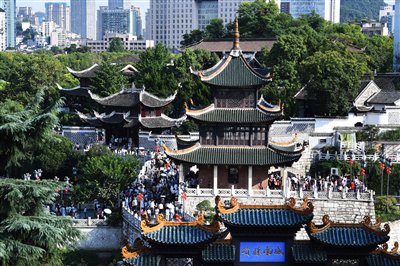
Core Insights - The Nanning District is set to achieve a GDP exceeding 120 billion yuan in 2025, marking a significant step in its high-quality development journey and earning multiple national rankings in comprehensive strength, green development, and investment potential [6][8]. Economic Development - The Guizhou Nanning Economic Development Zone, covering 7.82 square kilometers, has been established to accelerate industrial growth, focusing on high-end manufacturing, specialty food, digital intelligence, and logistics [7][8]. - The district aims to enhance its industrial structure by promoting high-end, green, and intelligent transformations, with a focus on electronic information manufacturing and biotechnological industries [8][9]. Urban Renewal - In 2025, Nanning District undertook urban quality improvement projects across 50 locations, covering approximately 23,500 square meters, to enhance the living environment and urban aesthetics [9][10]. - The district is committed to revitalizing its urban landscape through comprehensive planning and management, focusing on historical and cultural preservation while improving infrastructure [10][11]. Social Welfare - The establishment of a pre-hospital emergency station in Yongle Township marks a significant improvement in rural healthcare services, enhancing the medical emergency network for local residents [12]. - Nanning District is implementing 117 projects aimed at improving public services and infrastructure, with a focus on enhancing community welfare and satisfaction [12][13]. Environmental Protection - The district is committed to ecological development, achieving 100% compliance in water quality standards and maintaining high air quality, with a focus on pollution prevention and environmental education [14][15]. - Continuous efforts are being made to address ecological issues and enhance public awareness of environmental protection, ensuring sustainable development [14][15].

优良天数率超90% 绘就长江黄河上游生态屏障新图景
Huan Qiu Wang· 2026-01-17 12:51
Core Viewpoint - The article highlights the significant progress made in ecological protection and sustainable development in Sichuan, showcasing the province's efforts to harmonize economic growth with environmental conservation as it enters the new phase of the 14th Five-Year Plan in 2026 [2][15]. Environmental Quality Improvement - In 2025, Sichuan achieved a historic breakthrough in air quality, with PM2.5 concentration dropping below 30 micrograms per cubic meter for the first time, and further improving to 25.3 micrograms in the first ten months of 2026, marking the best performance since monitoring began [5]. - The province's good air quality days stabilized around 90%, ranking among the top in the country, with heavy pollution days reduced by 80% compared to a decade ago [5]. Water Quality Management - Sichuan has maintained a 100% compliance rate for drinking water sources at the county level and above for six consecutive years, successfully eliminating 124 urban and 284 rural black and odorous water bodies [6]. - The water quality of major rivers, including the Yangtze and Yellow Rivers, has consistently remained at Class II or above, with rural sewage treatment rates increasing from under 20% in 2019 to 78% [6]. Soil and Waste Management - The province has implemented strict controls on soil pollution sources, maintaining stable soil environmental quality, and has established over 3,400 "waste-free city cells" [9]. - The comprehensive utilization rate of construction waste has increased from 55% at the end of the 13th Five-Year Plan to 70%, leading the western region [9]. Biodiversity and Ecological Restoration - Sichuan has designated 148,700 square kilometers as ecological protection red lines, effectively safeguarding critical ecological spaces and enhancing biodiversity through the establishment of national parks and ecological corridors [10]. - The population of wild giant pandas has increased, with the number of sightings in the wild rising from 135 to 185 between 2024 and the present [10]. Green Economic Development - Sichuan has taken the lead in implementing carbon market initiatives, with cumulative trading volumes exceeding 1.2 billion yuan, and has promoted over 3,018 ecological projects to drive industrial transformation [11]. - The green low-carbon industry is thriving, with significant developments in sectors such as photovoltaic energy, drone technology, and lithium battery production, contributing to a diversified green energy industry [11]. Ecological Civilization Demonstration - By the end of 2025, Sichuan had established 43 ecological civilization demonstration zones and 14 "Green Water and Green Mountains are Golden Mountains and Silver Mountains" practice innovation bases, ranking third nationally and first in the western region [14]. - The province's efforts in ecological civilization have led to improved ecological protection and green development, with significant achievements in areas like grassland and forest conservation [14].
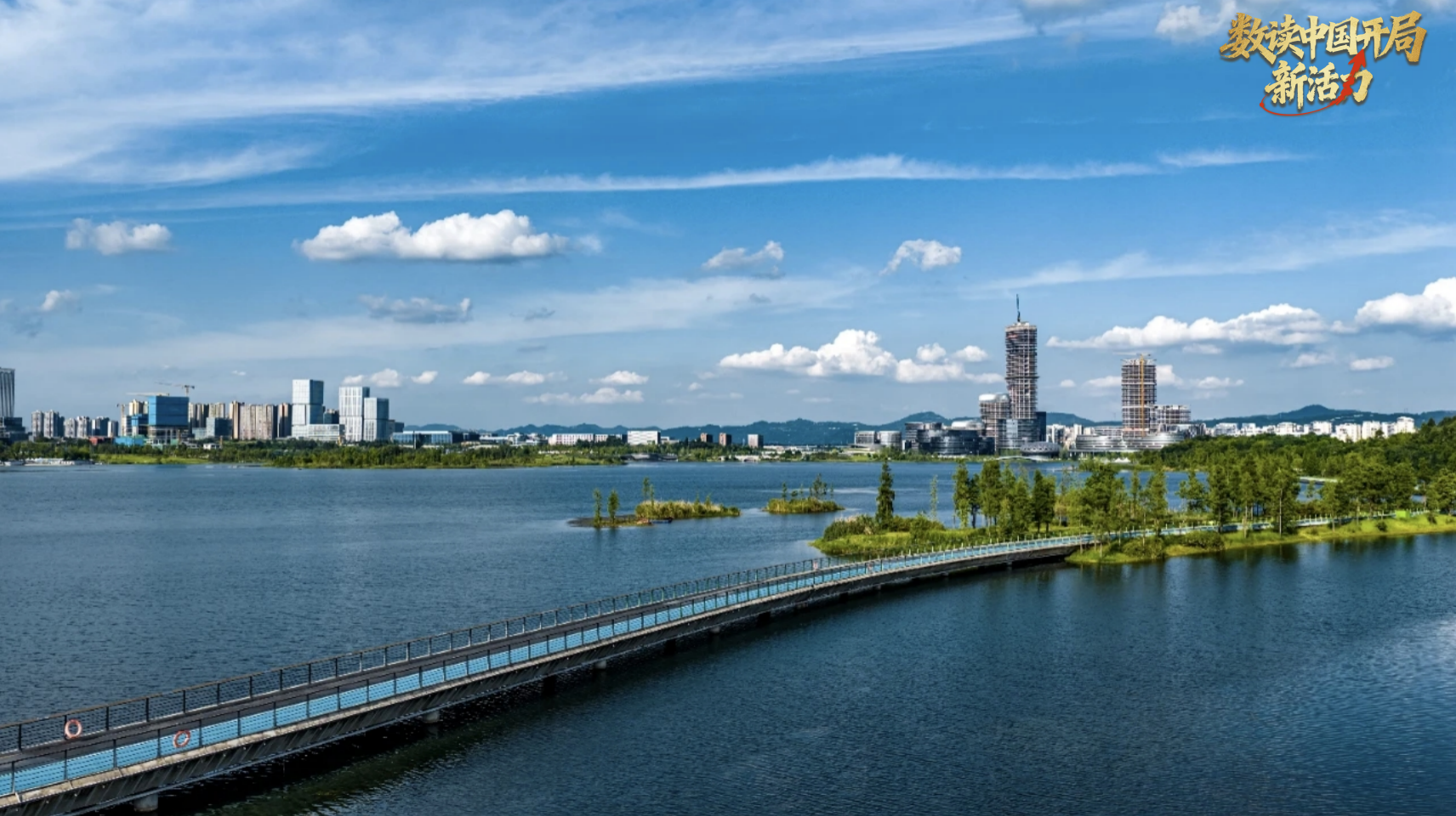
数读中国开局新活力︱优良天数率稳超90% 绘就长江黄河上游生态屏障新图景
Yang Guang Wang· 2026-01-17 12:37
Core Viewpoint - The article highlights the significant progress made in ecological protection and sustainable development in Sichuan, showcasing the transformation of ecological advantages into development momentum as the province enters 2026 [2][15]. Group 1: Air Quality Improvement - In 2025, Sichuan achieved a historic breakthrough in air quality, with PM2.5 concentration dropping below 30 micrograms per cubic meter for the first time, and further improving to 25.3 micrograms in the first ten months of 2026, marking the best performance since monitoring began [6]. - The rate of good air quality days stabilized around 90%, ranking among the top in the country, with heavy pollution days reduced by 80% compared to a decade ago [6]. Group 2: Water Quality Enhancement - Sichuan has maintained a 100% compliance rate for drinking water source quality for six consecutive years, with all urban and rural black and odorous water bodies eliminated [7]. - The quality of water at 203 national monitoring points and 142 provincial monitoring points has consistently achieved a good rate of 100% for two years [7]. Group 3: Soil and Waste Management - The province has effectively managed soil pollution through strict controls on heavy metal industries and has seen a significant increase in the rate of rural sewage treatment from less than 20% in 2019 to 78% [9]. - Sichuan has established over 3,400 "waste-free city cells," with the comprehensive utilization rate of construction waste rising from 55% at the end of the 13th Five-Year Plan to 70% [9]. Group 4: Biodiversity and Ecological Restoration - Since the 14th Five-Year Plan, Sichuan has designated 148,700 square kilometers as ecological protection red lines, significantly enhancing biodiversity and protecting species such as the giant panda [11]. - The number of wild giant pandas has increased from 135 to 185 due to habitat restoration and ecological corridor construction [11]. Group 5: Green Economic Development - Sichuan has implemented a carbon market with a cumulative trading volume exceeding 1.2 billion yuan, promoting green low-carbon industries [12]. - The photovoltaic industry in Leshan achieved a production value of 78.46 billion yuan in 2023, with over 50% of the top global companies in the crystalline silicon sector located there [12]. Group 6: Ecological Civilization Demonstration - By the end of 2025, Sichuan had established 43 ecological civilization demonstration zones, ranking third nationally and first in the western region [14]. - The province's efforts in ecological protection and green development have been recognized, with successful cross-provincial collaborations in ecological governance [14].
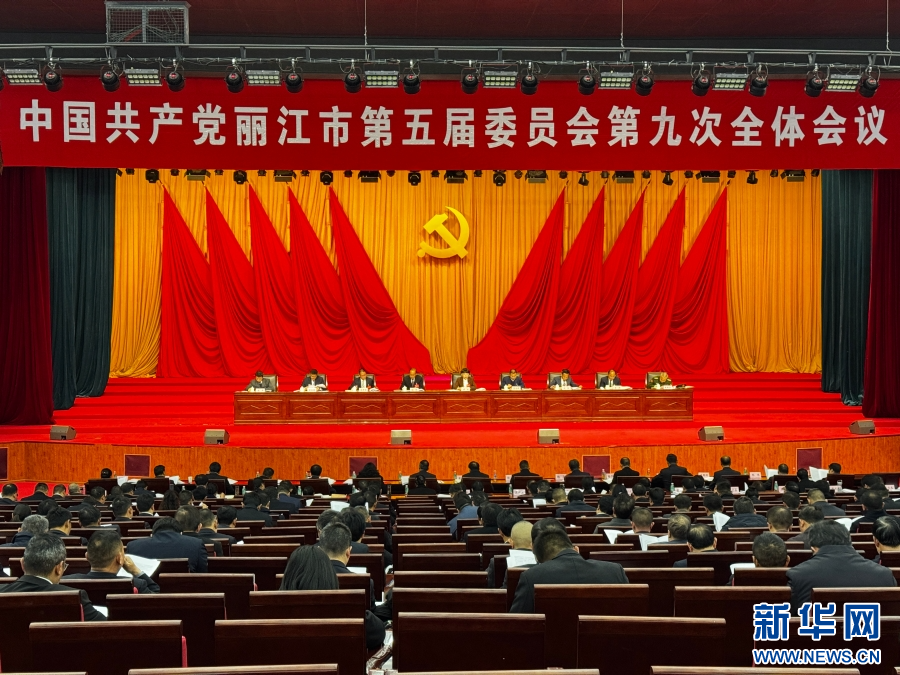
云南丽江:聚焦“四个定位”推动经济社会发展
Xin Hua Wang· 2026-01-15 11:45
Group 1 - The core focus of Lijiang's development plan for 2026 includes advancing its status as a world cultural tourism city, integrating green energy and manufacturing, and enhancing ecological safety in the Yangtze River upstream region [1][2][3] Group 2 - Lijiang aims to cultivate a "sports + tourism" model, creating attractions like the "Dianchao Most Beautiful Stadium" and promoting the concept of "traveling with events" [2] - The city plans to establish a starry sky tourism industry and enhance its "Lijiang Stargazing" brand through initiatives like the establishment of dark sky protection areas [2] - Lijiang will accelerate the construction of new energy projects and improve its power grid to enhance the capacity for electricity export [2] - The city is committed to ecological protection and restoration in key river basins, focusing on pollution prevention and the creation of a "waste-free city" [2][3] - Lijiang will promote cultural exchanges among various ethnic groups and enhance regional tourism cooperation through the development of the Greater Shangri-La tourism circle [3] - The city aims to improve the quality and efficiency of its characteristic agricultural brands and deepen rural governance to enhance the aesthetic and quality of rural areas [3]
贵州:“生态赎买”护佑“世界独生子”
Zhong Guo Xin Wen Wang· 2026-01-15 07:57
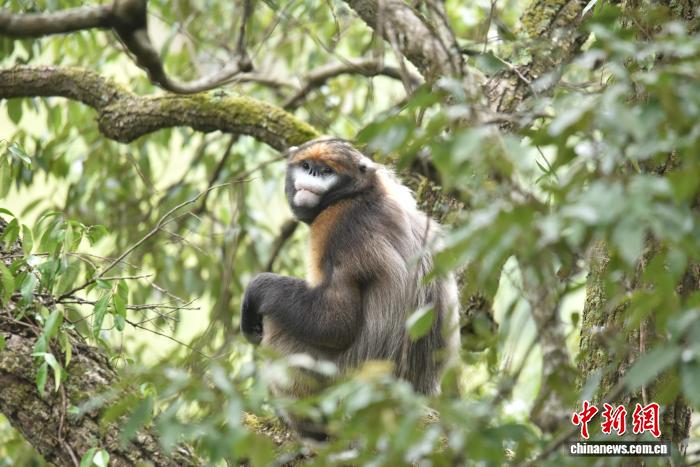
Core Viewpoint - The article highlights the successful implementation of a reform in the Guizhou Fanjing Mountain National Nature Reserve, focusing on the purchase of artificial commodity forests to protect the endangered Guizhou golden monkey while improving the livelihoods of local residents [3][5][6]. Group 1: Background and Context - The Guizhou golden monkey, a critically endangered species, is endemic to the Fanjing Mountain Reserve, with a stable population of around 850 individuals [3][5]. - The reserve faced a dilemma between ecological protection and the economic needs of local communities, as artificial commodity forests served as a primary income source for residents while also threatening the monkeys' habitat [3][5]. Group 2: Reform Implementation - The Fanjing Mountain Management Bureau initiated a market-oriented reform to purchase artificial commodity forests, transitioning them to state-owned forests for unified management, aiming for a balance between species protection, community benefits, and ecological improvement [5][6]. - The reform involved targeted strategies, including community engagement through over 120 meetings to address concerns and unify landowners' intentions [6]. Group 3: Outcomes and Benefits - The reform has shown significant results, with 3,725.4 acres of forest purchased by 2025, distributing 18.627 million yuan to 125 households, benefiting 503 individuals with an average income increase of over 149,000 yuan per household [6]. - The ecological impact includes reduced human interference, restoration of forest ecosystems, and the establishment of continuous ecological corridors for the Guizhou golden monkey, enhancing their habitat and population vitality [6][7]. Group 4: Future Plans - The Fanjing Mountain Management Bureau plans to deepen the reform by purchasing an additional 151,500 acres of collective forest land, further expanding the habitat for the Guizhou golden monkey and utilizing new technologies for improved ecological management [7].
青海筹集4亿元用于重点流域生态保护补偿
Xin Lang Cai Jing· 2026-01-13 19:51
Group 1 - The core viewpoint of the news is the introduction of a new ecological compensation mechanism in Qinghai Province, which aims to enhance the responsibility for water ecological environment protection across key river basins by increasing the compensation scale to 400 million yuan, marking a 33% increase [1] - The new plan represents a significant breakthrough by expanding coverage from "key areas" to "province-wide," establishing a vertical compensation mechanism covering 45 counties and a horizontal compensation mechanism among 39 counties [1][2] Group 2 - The plan transitions from "unidirectional compensation" to "bidirectional engagement" between upstream and downstream regions, incorporating key indicators such as water quality improvement and resource management into the compensation calculation [2] - Specific compensation standards are linked to ecological protection contributions, with new indicators added to assess changes in forest, wetland, and grassland areas [2] - A scientific buffer zone is established for horizontal compensation, where compensation is triggered if water quality changes exceed 5%, with differentiated compensation standards based on the magnitude of change [2]
2025年德州参加145个京津冀过亿元项目开工建设
Qi Lu Wan Bao· 2026-01-12 14:57
Group 1 - The city of Dezhou has made significant progress in its development and reform work by 2025, aligning with national and provincial strategies for regional coordinated development [1] - Dezhou has deepened its integration into the Beijing-Tianjin-Hebei collaborative development, launching 145 projects worth over 100 million yuan, including a strategic cooperation agreement with the China Coal Geological Bureau [1] - The establishment of a special work mechanism for major projects related to the Beijing-Tianjin-Hebei integration has been initiated, with 18 major items planned, including the social security card "one card for all" project [1] Group 2 - The city is advancing the major national strategy of the Yellow River, with 41 ecological corridor protection projects underway and a total of 79,000 trees planted in the year [2] - Water usage regulation has been strengthened, achieving full coverage of planned water usage for all users over 10,000 cubic meters, with a planned water diversion of 1.147 billion cubic meters from the Yellow River for 2024-2025 [2] - Environmental quality has improved, with PM2.5 concentration at 34 micrograms per cubic meter and a comprehensive air quality index of 4.05, reflecting a year-on-year improvement of 10.2% [2] Group 3 - Dezhou is enhancing its integration into the Jinan metropolitan area, with several infrastructure projects completed, including the expansion of key highways [2] - The city is fostering industrial collaboration, aiming for the Jinan-Dezhou integrated circuit and safety emergency equipment clusters to be recognized as provincial advanced manufacturing clusters [2] - Public services are being shared across the metropolitan area, with 12 schools joining the Jinan metropolitan area science education alliance and 94 collaborative agreements reached among hospitals [2]
碧水生新 长江回响——长江禁渔五年影像纪
Si Chuan Ri Bao· 2026-01-12 00:10
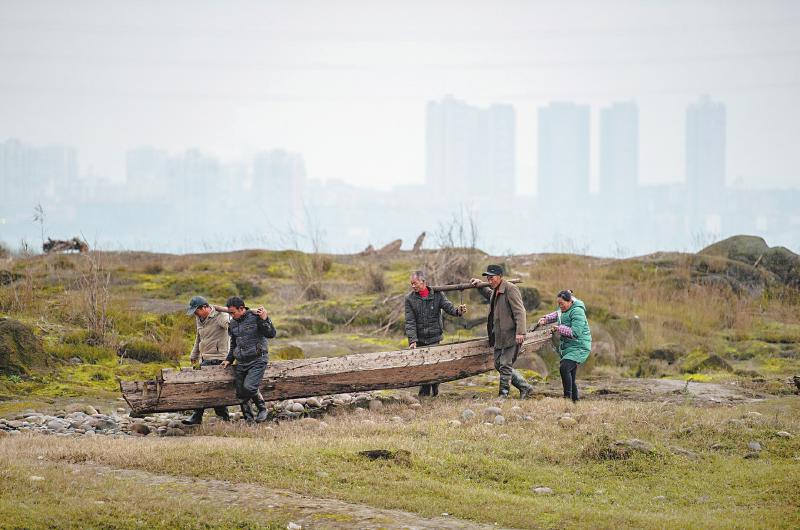
Core Insights - The article discusses the ecological restoration efforts in the Yangtze River, particularly focusing on the implementation of a ten-year fishing ban that began on January 1, 2021, which has shown initial positive results in restoring aquatic biodiversity [19][21]. Group 1: Fishing Ban Implementation - In December 2019, the fishing ban was initiated in Luzhou, with 25 fishing boats decommissioned, and by September 2020, a total of 10,257 fishing boats and 16,480 fishermen had completed the transition to land-based livelihoods [19]. - The ban has led to the complete withdrawal of fishing activities in the Yangtze River basin, marking a significant step towards ecological restoration [19]. Group 2: Aquatic Biodiversity Recovery - On "National Fish Release Day" in 2023, over 5,000 Yangtze sturgeon, including 102 breeding individuals, were released into the Yangtze River, contributing to a record total of over 1.12 million rare fish released [20]. - By 2024, the cumulative release of Yangtze sturgeon exceeded 660,000, with successful natural spawning observed in the Zhi Shui River basin, indicating significant progress in species recovery [21]. Group 3: Water Quality Improvement - The water quality in the Sichuan section of the Yangtze River has steadily improved, with the Yibin section achieving a stable Class II water quality standard [21]. - Efforts to eliminate outdated production capacity and enhance pollution control have been implemented alongside ecological restoration initiatives [21]. Group 4: Socioeconomic Impact - The fishing ban has transformed the livelihoods of local residents, with former fishermen like Wang Tianrong now cultivating nearly 50 acres of land, achieving stable income through agriculture and receiving government pensions [21]. - The shift from relying on fishing to engaging in agriculture and other sustainable practices reflects a broader change in lifestyle and economic activities along the river [21].
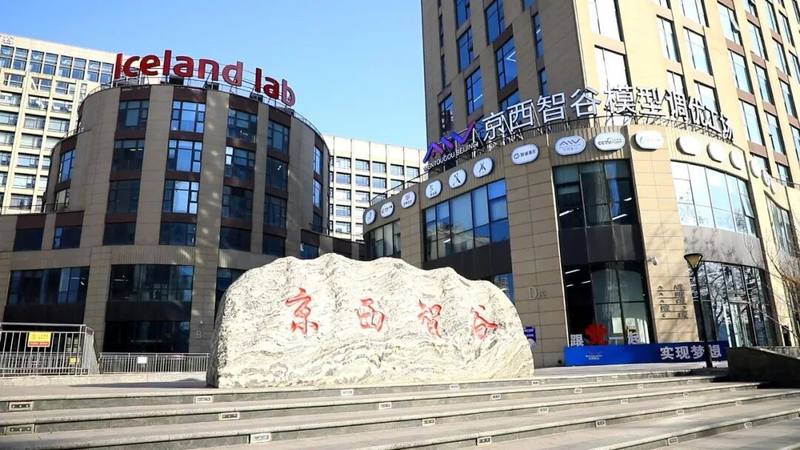
区两会丨门头沟将打造京西博物馆群落,建设4条城市画廊
Xin Jing Bao· 2026-01-08 12:21
Core Viewpoint - The focus of the Mentougou District is on developing the artificial intelligence industry and the cardiovascular innovation pharmaceutical and medical device cluster, aiming to enhance the region's influence and drive economic growth through technology and innovation [1][6][9]. Group 1: Artificial Intelligence Industry Development - By 2026, Mentougou aims to launch 200P of domestic computing power and establish intelligent computing centers for industries such as audiovisual and smart cultural tourism [1][6]. - The district plans to create a technology system supporting algorithm model research and application in key vertical fields, along with a base for promoting open-source technology [6][8]. - The upcoming Beijing Artificial Intelligence Industry Innovation Development Conference will showcase applications in various fields, including education, cultural tourism, finance, and robotics [8]. Group 2: Cardiovascular Innovation and Healthcare - Mentougou will accelerate the development of the "China Heart Valley," focusing on AI in healthcare and innovative medical devices [9]. - The district will leverage its computing power and data advantages to enhance medical big data applications and algorithm model development, aiming to reduce costs and improve efficiency in innovative pharmaceuticals and medical devices [9]. - Support will be provided for key units to develop advanced medical equipment, with a dedicated service team to facilitate project approvals and registrations [9]. Group 3: Ecological and Cultural Development - Mentougou is enhancing its ecological and cultural resources by creating urban galleries and a museum cluster to improve urban development and citizen quality of life [1][12]. - The district has a rich ecological environment, with significant forest coverage and biodiversity, and plans to implement modernized monitoring and conservation projects [10][11]. - Cultural heritage protection and activation will be prioritized, with initiatives to integrate non-material cultural heritage into community and tourism experiences [13].