
消费金融

Search documents
多家持牌消金接窗口指导,20%或将成贷款综合利率“新红线”
Di Yi Cai Jing· 2025-10-30 05:15
Core Insights - The consumer finance industry is experiencing a new round of regulatory tightening, with a requirement to reduce the comprehensive cost of personal loans to 20% [1][2] - The new regulations are expected to accelerate industry differentiation, shifting competition from scale to risk pricing and refined operational capabilities [1][4] - Short-term survival challenges are anticipated for institutions with weak risk tolerance and insufficient professional capabilities [1][5] Regulatory Changes - Regulatory authorities have mandated that the comprehensive cost of new loans must not exceed 20%, with local regulators communicating this to their respective institutions [2] - The specific implementation details and timeline are still pending, but a downward trend in interest rates is expected [2] - Additionally, the cap on guarantee and credit enhancement business is proposed to be reduced from 50% to 25% of the total loan amount [2] Market Impact - The ongoing push to lower loan rates is expected to have profound effects on the consumer finance market, particularly affecting the "dual financing" model that previously allowed for additional fees beyond the 24% interest rate cap [3] - New regulations have led to major platforms cutting off access to smaller platforms with annualized rates exceeding 24% [3] - The regulatory intent is to further reduce the interest rate cap to below 20%, effectively screening out high-debt, low-repayment-capacity borrowers [3] Cost Structure and Risk Levels - The industry is witnessing positive changes in cost structure and risk levels, with funding costs decreasing and overall risk levels remaining stable [4] - A report from Ping An Securities estimates that the average financing cost for consumer finance companies will decrease by 54 basis points year-on-year in 2024 [4] Profitability and Risk Indicators - Among nine consumer finance companies that disclosed 2024 risk indicators, three reported a slight increase in non-performing loan (NPL) ratios, while the others showed varying degrees of decline, with China Post Consumer Finance seeing a significant drop of 51 basis points [5] - The regulatory measures aim to alleviate pressure on borrowers, but challenges remain in fully reducing the comprehensive financing cost to below 20% in the short term [5] - The potential for risk to spread from weaker institutions to mid-sized and even upstream banking institutions is a concern, highlighting the need for improved risk-sharing mechanisms [5]
银行抢抓“双11”购物节营销
Jing Ji Wang· 2025-10-30 02:12
Core Insights - The upcoming "Double 11" shopping festival has prompted multiple banks to launch credit and debit card binding promotions, including interest-free installments and cashback offers [2][3] - Financial institutions are collaborating with e-commerce platforms to enhance customer acquisition and empower the consumer market, laying the groundwork for future service upgrades [2][4] Group 1: Bank Promotions - Major banks such as Bank of China, China Merchants Bank, and Ping An Bank are offering various binding promotions for credit and debit cards, including interest-free installments and cashback [3] - Bank of China has introduced a "惠聚中行日" promotion, providing random discounts for transactions over 1,000 yuan on platforms like Taobao and Tmall, along with up to 24 months of interest-free installments [3] - China Merchants Bank is focusing on cashback offers, allowing users to receive up to 1,111 yuan in cashback for qualifying transactions during the promotional period [3] Group 2: Consumer Loan Products - Consumer loan products are gaining popularity, with some banks offering annual interest rates as low as 3% for new users [5][6] - Jiangsu Bank is promoting a consumer loan with a maximum limit of 1 million yuan and an annual interest rate ranging from 3% to 18% [6] - Consumer finance companies are also targeting the shopping festival, with promotional offers such as interest-free loans for specific purchases [6] Group 3: Market Trends and Future Outlook - Analysts suggest that binding cards allows banks to directly reach consumers in high-frequency spending scenarios, enhancing data accumulation for targeted marketing [4][7] - The competition in retail banking is expected to shift from merely offering lower rates to understanding consumer scenarios and integrating financial services seamlessly into daily life [9] - Future strategies may include deepening scenario integration and creating differentiated financial products tailored to specific consumer groups [9]


河北幸福消费金融公司增注册资本至10亿元
Zheng Quan Ri Bao Wang· 2025-10-29 07:42
本报讯(记者袁传玺)天眼查App显示,近日,河北幸福消费金融股份有限公司发生工商变更,注册资本 由6.37亿元增至10亿元。 该公司成立于2017年6月份,法定代表人为苏娜,经营范围包括发放个人消费贷款、接受股东境内子公 司及境内股东的存款、向境内金融机构借款等,由张家口银行股份有限公司、神州优车股份有限公司、 蓝鲸控股集团有限公司共同持股。 ...
新增贷款综合融资成本不得超20%?多家消金公司证实
Xin Lang Cai Jing· 2025-10-29 05:19
Group 1 - Recent regulatory guidance has instructed multiple consumer finance companies that the comprehensive financing cost for new loans must not exceed 20% [1] - Some companies have received this notification, while others have not, indicating a likely uniform approach without special treatment [1] - There is currently a lack of clarity regarding the specifics of the guidance, such as whether it applies to individual loans or average costs, and the calculation methods (IRR or APR) remain undefined [1] Group 2 - The impending regulations are expected to increase risks and decrease profits for institutions, potentially leading to layoffs [1] - Companies with weaker risk tolerance and insufficient professional capabilities may face severe survival challenges during this transition [1] - Although there may be short-term pain, the long-term effect is anticipated to enhance the overall professionalism of the industry, promoting a more regulated and healthy market [1] Group 3 - The risk is beginning to spread from the weakest institutions to medium-sized ones and even upstream to banks, creating challenges such as asset quality pressure and tightening credit environments [2] - If the news is accurate, the industry's profit margins will be further compressed, leading to increased differentiation and continued market clearing, benefiting strong risk management and low-cost funding institutions [2] - The regulatory aim is to reduce the financial burden on consumers, ultimately benefiting borrowers [2] Group 4 - The reduction in comprehensive financing costs could lower interest burdens for financial consumers, but it poses significant challenges for mid-tier licensed consumer finance institutions that lack access to low-cost funding [3] - Many institutions, aside from the largest players, struggle to offer assets below the 20% threshold [3]
AI智能体新标杆:百融云创湖北消金——硅基贷后质检员上线
Jing Ji Guan Cha Wang· 2025-10-29 03:49
Core Insights - The collaboration between Bairong Cloud and Hubei Consumer Finance has led to the launch of "Silicon-based Employees," marking a significant advancement in the application of AI technology in financial risk control [1][2] - This initiative represents a new paradigm in the industry, combining AI innovation with financial institutions to enhance compliance and operational efficiency [1][2] Group 1: Innovation and Technology - The partnership is a milestone in integrating cutting-edge technology with core financial operations, moving away from traditional models of financial institutions and IT service providers [2] - Bairong Cloud provides advanced AI capabilities, including its proprietary "Bairong Baigong" platform and large model technologies, which serve as the foundation for the "Silicon-based Employees" [2][3] Group 2: Operational Efficiency - The "Silicon-based Employee" operates 24/7, significantly improving efficiency and consistency in post-loan management by covering 100% of M3+ calls for compliance checks [4] - The system utilizes advanced ASR technology for real-time transcription, RAG technology for rapid rule retrieval, and large models for semantic understanding, enabling precise identification of compliance violations [4][5] Group 3: Compliance and Security - The deployment of the "Silicon-based Employee" adheres to the highest security and compliance standards in the financial industry, ensuring data protection through private deployment and encryption [6] - Robust access controls and continuous monitoring are implemented to maintain system integrity and respond to any anomalies [6] Group 4: Cost Reduction and Efficiency Gains - The introduction of the "Silicon-based Employee" is expected to reduce manual compliance inspection costs by 60% within the first year [7] - Overall operational efficiency in post-loan management is projected to increase by over 40%, enhancing recovery rates and reducing regulatory complaints and potential fines [8] - This successful model provides a replicable case for broader application across various stages of financial operations, contributing to a more intelligent and compliant financial ecosystem [8]
政策“搭台”科技“唱戏” 金融暖消费有新招
Bei Jing Shang Bao· 2025-10-28 16:40
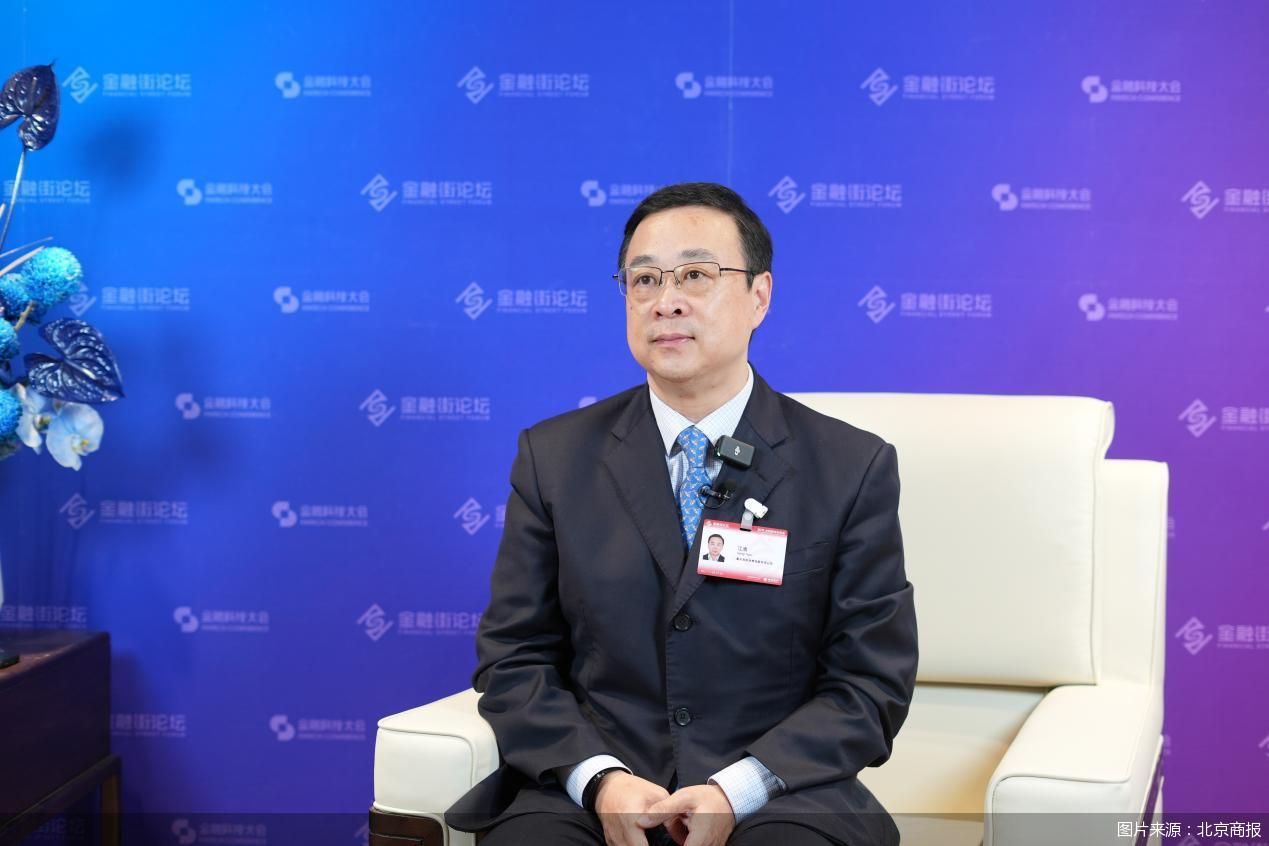
Core Viewpoint - The consumption finance market in China is experiencing deep empowerment from financial forces, with multiple initiatives injecting momentum into the industry, shifting focus from "scale expansion" to "quality improvement" and emphasizing financial health as a core keyword [1][2]. Group 1: Policy and Market Dynamics - The implementation of the personal consumption loan fiscal subsidy policy is seen as a significant boost for the consumption finance industry, recognizing the role of consumption finance companies in the inclusive financial system [2]. - The policy allows consumption loan recipients to enjoy an annualized fiscal subsidy of 1%, indicating regulatory support for the sector [2]. - Consumption finance companies, like Ant Group, leverage risk control technology to assess creditworthiness beyond traditional credit records, focusing on users' daily consumption behaviors and potential income [2][3]. Group 2: Consumer Protection and Financial Literacy - Addressing the needs of "credit white households" and new citizens, Ant Group offers interest-free services for up to 41 days to help manage temporary financial needs [3]. - There is a need for institutions to enhance consumer rights protection services and provide tools for managing bills, fostering rational consumption habits among users [4][5]. - The industry is urged to shift from merely providing credit to offering financial health services, emphasizing the importance of sustainable consumption [5]. Group 3: Technological Innovations in Consumer Protection - The People's Bank of China is researching policies to support personal credit repair, which is expected to enhance consumer rights protection and promote a healthy credit system [6]. - Ant Group has developed an AI customer service assistant that improves service efficiency and customer satisfaction, addressing traditional customer service pain points [7]. - AI technology is also being utilized to combat financial fraud, achieving a recognition accuracy rate of over 98% for various types of fraudulent activities [7]. Group 4: ESG Development and Future Directions - The integration of technology and finance is opening new avenues for ESG development, with financial institutions playing a crucial role in driving industrial growth and structural adjustments [8]. - Ant Group's initiatives, such as the "Huabei Little Red Flower" and "bill management" features, promote healthy and rational consumption behaviors while supporting the company's sustainable development [8]. - The future direction for financial institutions includes leveraging technology and policy to reshape consumer experiences and gradually transitioning from rigid to flexible credit systems, fostering a culture of credit appreciation and honest repayment [8].

政策“搭台”科技“唱戏”,金融暖消费有新招
Bei Jing Shang Bao· 2025-10-28 14:54
Core Insights - The current consumer market in China is experiencing deep empowerment from financial forces, driven by multiple initiatives such as fiscal interest subsidy policies, technological transformation of financial institutions, and innovation in consumer financial products [1][2] - The focus of the consumer finance industry is shifting from "scale expansion" to "quality improvement," with financial health becoming a core keyword [1][3] Policy Impact - The implementation of the personal consumption loan fiscal subsidy policy is seen as a significant boost for the consumer finance industry, recognizing its role in the inclusive financial system [2] - The policy allows consumer loan companies to be designated as key processing institutions, with consumers benefiting from an annualized 1% fiscal subsidy on consumption loans [2] Consumer Segmentation - Consumer finance companies, like Ant Group, are leveraging risk control technology to serve underbanked groups such as "credit white households" and new citizens, who often lack financial information [3] - Ant Group plans to address the issue of "ability to consume" for these groups by offering services like a maximum 41-day interest-free period for urgent expenses [3][4] Consumer Education and Protection - There is a need for financial institutions to help consumers overcome fears related to financial products, emphasizing the importance of consumer rights protection and tools for managing expenses [4][5] - The industry is encouraged to transition from merely providing credit to offering financial health services [5] Technological Advancements - AI technology is being utilized to enhance consumer protection capabilities, with Ant Group developing an AI customer service assistant that improves service efficiency and customer satisfaction [6][8] - AI is also being employed to combat financial fraud, achieving a recognition accuracy rate of over 98% for various types of fraudulent activities [8] ESG Development - The integration of technology and finance is opening new avenues for ESG development, with financial institutions playing a crucial role in promoting sustainable practices [9] - Ant Group's initiatives, such as the "Huabei Little Red Flower" and "bill management" features, are aimed at fostering responsible consumption behaviors and enhancing the sustainability of its operations [9]
2025金融街论坛|政策“搭台”科技“唱戏”,金融暖消费有新招
Bei Jing Shang Bao· 2025-10-28 14:44
Core Viewpoint - The current consumer market in China is experiencing deep empowerment from financial forces, driven by multiple initiatives such as fiscal interest subsidy policies, technological transformation of financial institutions, and innovation in consumer financial products, which promote a healthy cycle of consumption [1][3]. Group 1: Policy Impact - The implementation of the personal consumption loan fiscal subsidy policy is seen as a significant boost for the consumer finance industry, recognizing its role in the inclusive financial system [3]. - The policy allows consumer loan companies to be designated as key processing institutions, with loans benefiting from an annualized 1% fiscal subsidy [3]. Group 2: Consumer Segmentation - The focus is shifting from merely providing financial products to enhancing financial health, addressing the specific needs of different consumer groups such as "credit white households" and new citizens [4]. - Ant Financial aims to help consumers overcome barriers to consumption by offering services like a maximum 41-day interest-free period for urgent expenses [4]. Group 3: Technology and Consumer Protection - AI technology is being utilized to enhance consumer protection capabilities, with the introduction of a multi-dimensional AI customer service assistant that improves service efficiency and customer satisfaction [7]. - The AI technology also aids in fraud prevention, achieving over 98% accuracy in identifying financial fraud [7]. Group 4: ESG Development - The integration of technology and finance is opening new avenues for ESG development, with financial institutions playing a crucial role in promoting sustainable practices [8]. - Ant Financial's initiatives, such as the "Little Red Flower" feature in Huabei, encourage responsible consumption and contribute to the company's sustainable development [8].

从暴力催收到AI转型:平安普惠正在走出信任危机
Sou Hu Cai Jing· 2025-10-28 01:11
Group 1: Core Insights - The financial supply-side structural reform has alleviated financing difficulties and costs, with inclusive financial services expanding significantly [2] - By June 2025, the balance of inclusive microloans reached 35.6 trillion yuan, a year-on-year increase of 12.3%, outpacing the growth of other loans by 5.2 percentage points [2] - The average interest rate for newly issued inclusive microloans was 3.48% in June 2025, down by 12 basis points from March [2] Group 2: Industry Challenges - The inclusive finance sector is entering a "strong regulatory era" focused on compliance and risk control, with seven licensed institutions fined a total of 8.327 million yuan in 2025 for violations [3] - Despite regulatory pressures, companies like Ping An Puhui still face significant challenges, including high complaint volumes related to predatory lending and aggressive collection practices [4][5] Group 3: User Experience and Complaints - Complaints against Ping An Puhui primarily revolve around disguised high-interest loans, bundled sales, and aggressive collection tactics [5] - As of October 24, 2025, Ping An Puhui had received 46,434 complaints, with 303 new complaints in the past 30 days, highlighting ongoing user dissatisfaction [4] Group 4: AI Transformation - The future of inclusive finance is shifting towards AI-driven precision, ecology, and cost-effectiveness, with significant growth in AI investment expected [6][8] - Ping An Puhui is focusing on AI technology to enhance loan processing efficiency and risk control, with its AI loan system reducing application time by 44% [7] Group 5: Competitive Landscape - Traditional banks and licensed consumer finance companies pose significant competition to Ping An Puhui, leveraging lower funding costs and advanced AI models [8] - Major state-owned banks have significantly increased their investments in financial technology, further intensifying competition in the sector [8] Group 6: Strategic Recommendations - To navigate the challenges, Ping An Puhui must enhance its AI capabilities, collaborate with external platforms, and focus on underserved small businesses to build a competitive edge [10][11] - The company needs to transform its technological advantages into sustainable and differentiated business models to survive in a rapidly evolving market [12]

阿里小贷正式注销!互联网大厂纷纷退出,小贷行业迎来寒冬与新生
Sou Hu Cai Jing· 2025-10-27 18:10
Core Insights - The formal dissolution of Alibaba's microloan subsidiary, Alibaba Small Loan Co., marks the end of an era in the fintech industry, indicating a return to the core principles of financial services [1][2] - The cancellation of Alibaba Small Loan is part of a broader trend, with over 300 microloan institutions across China being announced for cancellation or withdrawal this year [1][5] Company Overview - Alibaba Small Loan was established on March 25, 2010, as a joint venture between Alibaba Group and external shareholders, becoming the first company approved to conduct microloan business nationwide [3][4] - Initially, it played a significant role in providing financial services to small and medium-sized e-commerce businesses through products like "Taobao Loan" and "Tmall Order Loan" [3][4] Industry Trends - The microloan industry is undergoing a significant shakeout, with a reduction in the number of microloan companies from 5,081 to 4,974 by the end of June 2025, alongside a decrease in loan balances by 18.7 billion yuan [6] - Major internet companies are exiting the microloan space, with Alibaba Small Loan and Sohu's Fox Internet Microloan being notable examples [6] Regulatory Environment - The tightening of financial regulations has led to a reduction in the number of local financial organizations, with a focus on eliminating "lost contact," "shell," and severely non-compliant institutions [8][9] - New regulations on microloan companies have been implemented, emphasizing business operations, corporate governance, risk management, and consumer rights protection [8] Market Dynamics - The consumer finance market in China is experiencing structural changes, with technology-driven institutions gaining a competitive edge over traditional models [10][11] - The performance of traditional consumer finance companies, such as Zhaolian Consumer Finance, has declined, while Ant Consumer Finance has seen significant growth, with a 76.3% increase in revenue [11][12] Future Outlook - The microloan industry is expected to differentiate, with stronger and more compliant companies focusing on serving underserved sectors like small businesses and low-income individuals [16][17] - The future landscape of licensed consumer finance companies may consist of three tiers: a few comprehensive giants, around ten specialized institutions, and several regional players [14][17]
