石化

Search documents
谱写新时代中国高水平对外开放崭新篇章
Sou Hu Cai Jing· 2025-12-18 19:54
Core Viewpoint - The official launch of the Hainan Free Trade Port's full island closure marks a significant milestone in China's commitment to opening up its economy, enhancing its role in global economic integration and cooperation [2][23][25]. Group 1: Policy and Economic Impact - The full closure of the Hainan Free Trade Port introduces a new regulatory framework, transforming the entire island into a customs supervision special area, which allows for "first-line" liberalization and "second-line" regulation [3][10]. - The "zero tariff" policy has significantly increased the proportion of zero-tariff goods to 74%, covering most production equipment and raw materials, which is expected to provide substantial financial benefits to enterprises [6][22]. - The new policies are designed to lower production costs for companies, facilitating the transformation and upgrading of the processing and manufacturing industries in Hainan [8][9]. Group 2: Development Opportunities - The Hainan Free Trade Port is positioned as a key player in promoting high-quality development and contributing to the national development framework, with a focus on innovative industries such as deep-sea, aerospace, and seed industries [18][19]. - The port's policies are expected to attract high-end manufacturing, biomedicine, and digital economy sectors, enhancing the region's economic vitality and production capabilities [19][27]. - Hainan has already seen significant foreign investment, with actual foreign capital utilization reaching 102.5 billion yuan over the past five years, indicating a growing interest from global investors [27]. Group 3: Regional and Global Integration - The Hainan Free Trade Port serves as a crucial hub for regional cooperation, facilitating cross-province industrial parks and enhancing collaboration with major economic regions such as the Guangdong-Hong Kong-Macao Greater Bay Area [20][26]. - The port's strategic location and improved logistics are expected to strengthen trade links with ASEAN, South Asia, and the Pacific regions, positioning Hainan as a vital platform for regional cooperation [26][27]. - The launch of the "Coconut Express" from Indonesia to Hainan is set to significantly reduce shipping times, further integrating Hainan into global supply chains [26].

海南全岛封关首日多项“第一”落地
Shang Hai Zheng Quan Bao· 2025-12-18 18:24
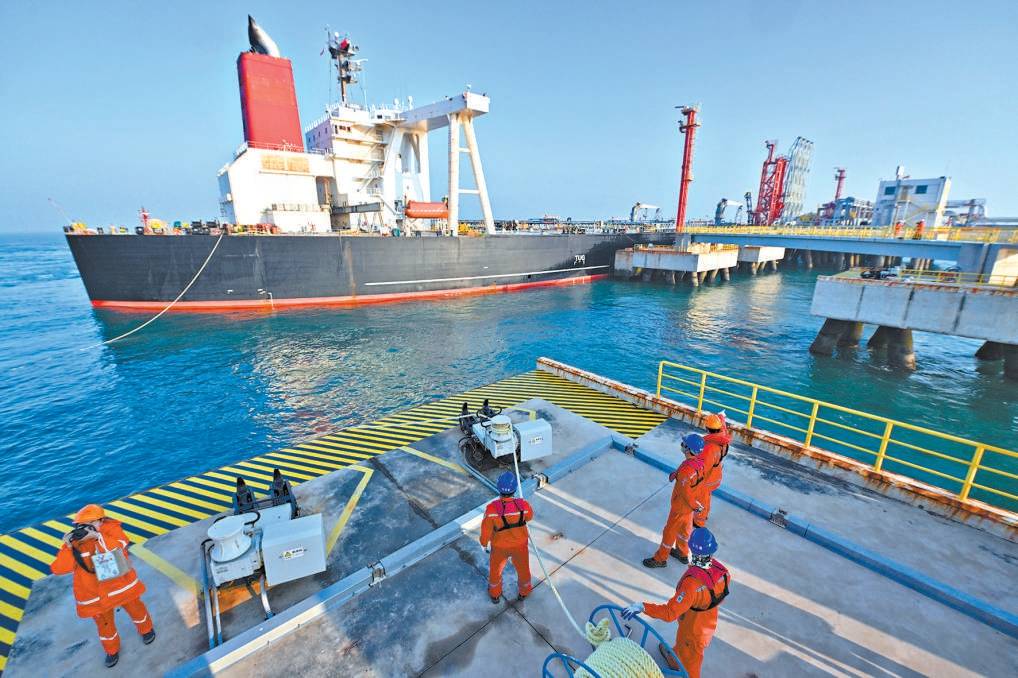
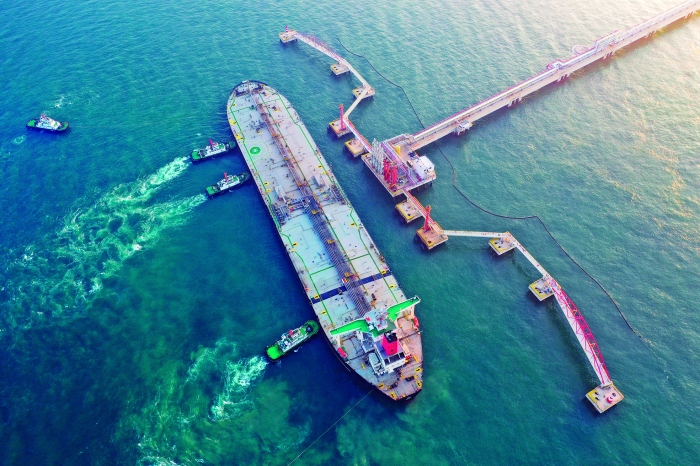
Core Viewpoint - The successful clearance of the first batch of "zero tariff" petrochemical raw materials at Yangpu Port marks a significant milestone for the Hainan Free Trade Port, providing substantial cost savings for enterprises and supporting the development of the petrochemical industry chain towards higher-end and downstream sectors [2] Group 1: Import and Cost Savings - A ship carrying 179,000 tons of petrochemical raw materials has docked at the 300,000-ton crude oil berth of the Guotou Yangpu Oil Storage Terminal [2] - The imported goods are valued at nearly 400 million yuan, resulting in cost savings of nearly 10 million yuan for enterprises compared to pre-closure import costs [2] Group 2: Industry Benefits - The first batch of "zero tariff" petrochemical raw materials signifies that the Yangpu petrochemical industry can enjoy dual benefits of zero tariff imports and tax-exempt domestic sales for processed products [2] - This development provides a solid guarantee for promoting the petrochemical industry chain towards higher-end and downstream growth [2]
新起点 新机遇——海南自贸港启动全岛封关首日见闻
Xin Hua She· 2025-12-18 14:58
Core Insights - The official launch of the Hainan Free Trade Port's full island closure marks a new starting point for the region's open development [1] - The closure is expected to enhance the competitiveness of local products through tax exemptions and improved customs processes [1][3] Group 1: Customs and Trade Efficiency - The first batch of goods benefiting from the processing and value-added domestic sales tax exemption policy successfully cleared customs on the first day of closure [1] - The customs clearance process has been significantly expedited, with logistics personnel reporting a full cargo release process taking less than 10 minutes [2] - The use of electronic documents has replaced paper ones, further shortening the time required for customs procedures [1] Group 2: Economic Impact and Business Opportunities - The tax exemption policy has allowed a medical equipment company to gain a price advantage, boosting confidence in future sales [1] - A shipment of petrochemical raw materials weighing 179,000 tons and valued at nearly 400 million yuan benefited from tax exemptions, saving the company nearly 10 million yuan [3] - Siemens Energy's subsidiary has officially established operations in Hainan, highlighting the region's attractiveness for global enterprises [3]
海南自贸港正式封关 哪些产业将迎来发展新机遇?
Yang Guang Wang· 2025-12-18 12:34
Core Viewpoint - The Hainan Free Trade Port officially commenced its full island closure operation on December 18, 2023, facilitating smoother customs processes and providing new benefits for enterprises [1][2]. Group 1: Customs Operations - The first batch of goods benefiting from the new customs policies successfully passed through the customs supervision channels at Haikou New Port and South Port, including products from the pharmaceutical and food industries [1]. - The customs process for vehicles at the inspection site took less than 2 minutes, indicating a smooth operation on the first day of closure [2]. - A batch of endoscopes completed customs clearance, marking the implementation of the first medical device bonded repair business in Hainan [3]. Group 2: Policy Benefits - A pharmaceutical company reported that it exported 42,750 boxes of arginine ibuprofen granules, valued at 791,000 yuan, benefiting from a tax exemption policy for products with over 30% added value [1]. - The first batch of "zero tariff" petrochemical raw materials, weighing 179,000 tons and valued at nearly 400 million yuan, arrived at Yangpu Port, saving the company nearly 10 million yuan in costs [5]. - The introduction of 38 new categories for bonded repair products is expected to enhance the high-end industry cluster in Hainan [3]. Group 3: Logistics and Coordination - The logistics department at Meilan Airport has developed detailed plans to ensure seamless coordination between customs supervision, logistics operations, and policy consultation [4]. - The customs authority has implemented a credit supervision system, categorizing enterprises based on credit ratings to facilitate more precise management [3]. Group 4: Long-term Development - Experts emphasize that the construction of the Hainan Free Trade Port is a gradual process that will promote the gathering of resources and the development of new productive forces over time [5].
海南封关背后,真正的意图!
Sou Hu Cai Jing· 2025-12-18 09:31
Core Insights - The core message of the news is that the recent announcement of Hainan's customs closure is not merely about tourism or shopping but represents a strategic move by China to establish Hainan as a "super Singapore" and a significant player in global trade and manufacturing [2][3][35]. Group 1: Strategic Intent - The initiative aims to reconstruct China's economic landscape, focusing on attracting high-end foreign industries and enhancing China's global pricing and processing power [6][11]. - Hainan is positioned to leverage its geographical advantages to become a major processing and logistics hub, similar to Singapore, but on a larger scale [11][20]. Group 2: Competitive Advantages - A key policy feature is the "30% value-added processing tax exemption," which incentivizes foreign companies to establish manufacturing in Hainan, thus reducing costs and increasing competitiveness [12][16]. - Hainan's lower corporate and personal income tax rates compared to mainland China further enhance its attractiveness as a business destination [16][20]. Group 3: Future Developments - The transformation of Hainan into a processing trade island is expected to attract global capital, technology, and talent, establishing it as a new logistics hub for international trade [21][22]. - The anticipated growth in high-tech manufacturing sectors, such as biomedicine and renewable energy, will create demand for skilled labor, shifting the workforce landscape in Hainan [21][30]. Group 4: Opportunities for Individuals - Consumers can expect a significant reduction in shopping costs due to lowered tariffs on imported goods, enhancing access to global products [25][26]. - Entrepreneurs and service providers will find new opportunities in Hainan's emerging economy, particularly in cross-border trade and high-end services [27][30]. Group 5: Real Estate Implications - The real estate market in Hainan is expected to shift from a focus on retirement and tourism to a demand for residential properties that support a growing workforce, particularly in urban centers like Haikou and Sanya [34][39].

封关后第一批通关“零关税”原辅料抵达海南
Zhong Guo Xin Wen Wang· 2025-12-18 08:19
12月18日,海南自贸港正式启动全岛封关,第一批通关"零关税"石化原辅料如期抵达洋浦。这批"零关 税"石化原辅料进口量17.9万吨,货值近4亿元,企业可实现零关税进口,可节省约千万元。 (责任编辑:谭梦桐) ...
海南自贸港启动全岛封关 洋浦港口岸第一批“零关税”货物顺利通关
Xin Hua Wang· 2025-12-18 02:45
预计,12月18日当天,通过洋浦港、三亚凤凰国际机场等对外开放口岸进口的货物涵盖石化原辅料、医 疗设备、航材、食品原料等,总货值超过5亿元。 【纠错】 【责任编辑:王萌萌】 新华社海口12月18日电(记者刘邓、陈子薇)18日上午,伴随着悠长响亮的鸣笛声,一艘装载着石化原 辅料的船舶抵达洋浦港。这是海南自由贸易港正式启动全岛封关后洋浦港口岸第一批通关的"零关税"石 化原辅料,进口量为17.9万吨,货值近4亿元,较封关前在进口环节为企业节省成本近千万元。 第一批"零关税"石化原辅料顺利通关,标志着洋浦石化产业可享受原料"零关税"进口及加工增值免关税 内销双重红利,为推动石化产业链往高端走、往下游走提供了坚实保障。 ...
海南自贸港全岛封关 第一批通关“零关税”石化原辅料抵达洋浦
Zhong Guo Xin Wen Wang· 2025-12-18 01:51
编辑:郭晋嘉 广告等商务合作,请点击这里 海南自贸港全岛封关 第一批通关"零关税"石化原辅料抵达洋浦 本文为转载内容,授权事宜请联系原著作权人 中新网12月18日电(记者 骆云飞)12月18日,海南自贸港正式启动全岛封关,第一批通关"零关税"石化原 辅料如期抵达洋浦。这批"零关税"石化原辅料进口量17.9万吨,货值近4亿元,企业可实现零关税进 口,可节省约千万元。 来源:中国新闻网 中新经纬版权所有,未经书面授权,任何单位及个人不得转载、摘编或以其它方式使用。 关注中新经纬微信公众号(微信搜索"中新经纬"或"jwview"),看更多精彩财经资讯。 ...
海南封关!对普通人和企业有哪些影响
DT新材料· 2025-12-17 14:06
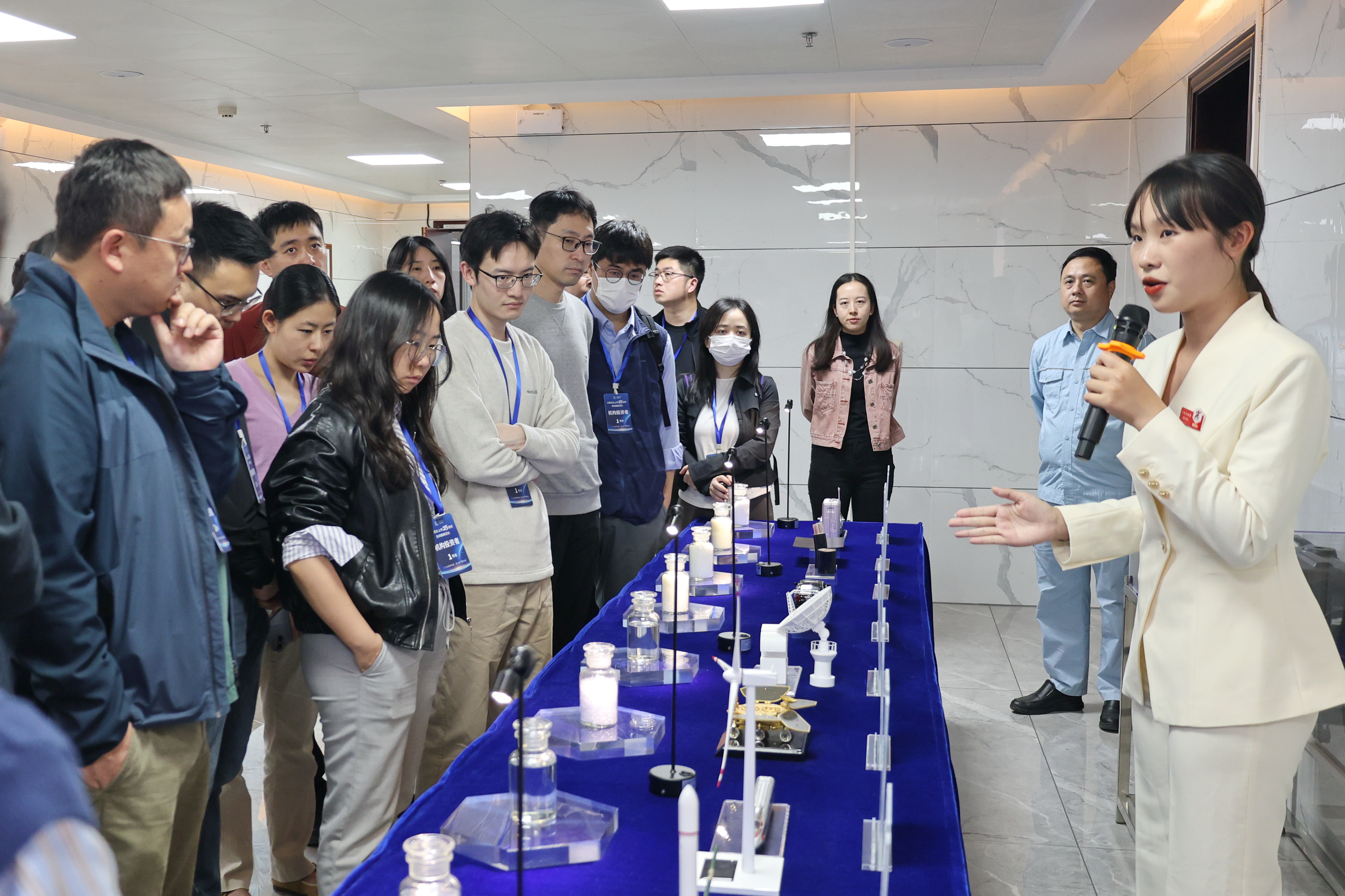
Core Viewpoint - The establishment of the Hainan Free Trade Port and its full closure starting December 18 will create significant opportunities for various industries, particularly in manufacturing and new materials, by implementing favorable tax policies such as "zero tariffs" for certain imported goods [2][3]. Group 1: Hainan Free Trade Port Overview - The full closure of Hainan Island will create a special customs supervision area, allowing for a series of liberalized policies that facilitate trade with foreign countries while managing imports from the mainland [2]. - The "zero tariff" policy will apply to certain goods imported into Hainan, significantly reducing costs for manufacturing enterprises that require large amounts of equipment and raw materials [2][3]. Group 2: Tax Policies and Economic Impact - The processing value-added exemption from import duties applies to goods produced by encouraged industries that either do not contain imported materials or have over 30% value added from processing in Hainan [3]. - The total value of goods sold domestically under the processing value-added exemption has exceeded 10 billion yuan, with over 800 million yuan in import duties exempted, enhancing the competitiveness of Hainan's manufacturing sector [3]. Group 3: Expansion of Zero Tariff Goods - The range of goods eligible for the "zero tariff" policy has expanded significantly from over 1,900 items to more than 6,600 items, increasing the proportion of zero-tariff goods from 21% to 74% of all tariff items [3]. Group 4: Benefiting Industries - The petrochemical new materials industry in Hainan is highlighted as a key beneficiary, with a historical high output value projected for 2024 and consistent double-digit growth over the past four years [4]. - The Hainan government is promoting a complete industrial chain from upstream exploration and development to downstream new materials production, focusing on olefins, aromatics, and natural gas [4]. Group 5: Key Enterprises in Hainan - The top enterprises in Hainan's manufacturing sector for 2024 include China Petroleum & Chemical Corporation (Sinopec) Hainan Refining & Chemical Co., with a projected revenue of 7.89 billion yuan, followed by Hainan Natural Rubber Industry Group Co. and Hainan Yisheng Petrochemical Co. [6][7].





利润承压、转型紧迫压力笼罩石化产业,行业龙头锚定高端化智能化破卷
Di Yi Cai Jing· 2025-12-17 13:51
Core Insights - The petrochemical industry is facing a triple challenge of overcapacity, profit pressure, and urgent transformation, with an average price drop of nearly 14% for 16 major chemical products since the beginning of the year [1] - The industry is experiencing "involution" competition, leading to increased production without profit growth, necessitating structural optimization and upgrades [1] - China Petroleum & Chemical Corporation (Sinopec) is exploring high-end product development and intelligent cost reduction as a solution, using its subsidiaries Maoming Petrochemical and Zhongke Refining as case studies [1] Industry Overview - The chemical industry has entered a downward trend, with significant price declines and a slowdown in demand from sectors like construction and apparel [1] - Over the past five years, the production capacity of various petrochemical products has increased by over 50%, outpacing domestic market consumption [1] - The presence of outdated refining facilities is exacerbating the overcapacity issue, highlighting the need for industry transformation [1] Company Strategies - Maoming Petrochemical has shifted from a traditional refining model to an integrated refining and chemical enterprise, focusing on high-end materials and reducing oil processing [2] - The company has an annual ethylene production capacity of 1 million tons and has developed 129 new chemical products, increasing the proportion of specialized materials from 47% to over 84% [2] - The introduction of new products has led to annual efficiency gains exceeding 300 million yuan, with 12 products reaching international advanced levels [2] Product Innovations - Maoming Petrochemical has developed high-end lubricants and liquid rubber products, significantly reducing market prices and addressing supply chain challenges in sectors like 5G [3] - The company reported over 76.8 billion yuan in revenue for the first three quarters of the year, with profits exceeding 10 billion yuan over the past three years [3] Market Trends - China is the largest and fastest-growing market for new chemical materials globally, with a projected annual growth rate of 3.5% for specialty chemicals, double that of the global average [6] - The domestic self-sufficiency rate for high-performance materials is only 54%, indicating a significant opportunity for growth and innovation [6] Technological Advancements - Zhongke Refining is leveraging digital transformation and intelligent upgrades to enhance operational efficiency, with a smart control center that reduces labor costs significantly [6][7] - The implementation of a digital twin system for ethylene production allows for real-time optimization and decision-making, improving product value and operational efficiency [7] - This intelligent model is being adopted across multiple traditional factories within Sinopec, aiding in the upgrade and efficiency enhancement of older facilities [8]