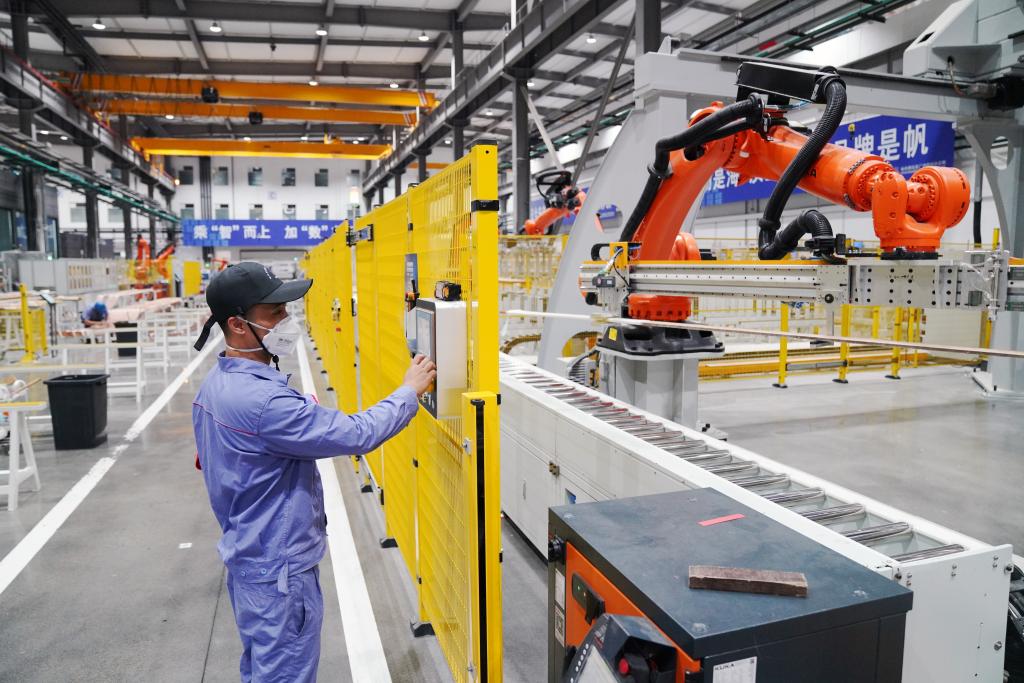
高技术制造业

Search documents
向“好”、向“新”、向“优”,动能澎湃!解码2025中国经济新亮点
Yang Shi Wang· 2025-12-10 07:09
央视网消息:"十四五"临近收官,"十五五"即将开篇。2025年的中国经济运行有哪些亮点,对此专家进行了解读。 从贯通全球的贸易网络到飞速运转的智能化产线,再到处处涌动的消费热潮。进入岁末,我国主要宏观经济指标运行在合理区间,实现质的有 效提升和量的合理增长,经济持续稳中向好,展现出强大韧性和活力。 中国社会科学院人口与劳动经济研究所所长都阳表示,促消费上有几个政策着力点,第一是要提升消费的意愿,第二提升消费的能力,第三要 改善消费的环境,提高基本公共服务当中医疗保障的水平和能力,这些都是让大家敢消费的一些举措。发行3000亿元的国债,加大以旧换新的 力度,这个对于提升消费能力有很大的作用。很多地方政府改善当地的消费环境,这对于提升消费有很大的作用。 清华大学国家金融研究院院长、清华大学五道口金融学院副院长田轩表示,从最近公布的这些数据来看,我国当前经济运行长期向好的趋势是 不变的,而且结构在不断优化。从工业生产数据来看,规上企业增长速度比较快,尤其是高技术制造业,还有装备制造业,它们的增速快于平 均值。从消费数据来看,除了实物消费以外,服务消费和线上消费的增长也非常亮眼。从出口数据来看,虽然年初美国增加了关税 ...

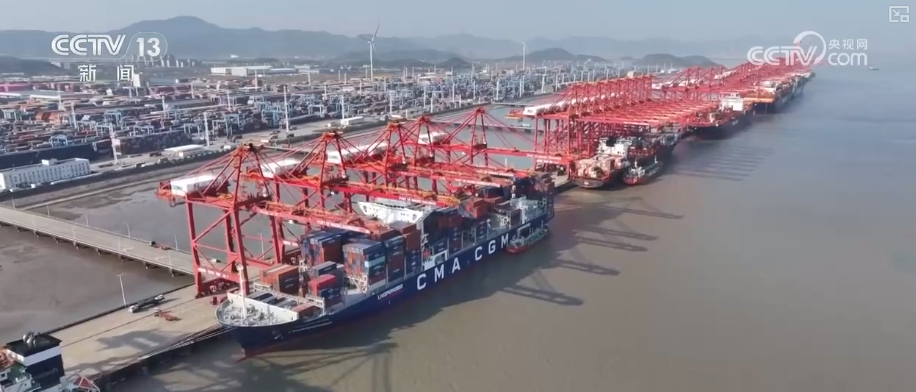
焦点访谈丨决胜“十四五” 谋划“十五五” 中国经济阔步迈向新征程
Yang Shi Xin Wen Ke Hu Duan· 2025-12-10 07:00
Group 1 - The Central Political Bureau of the Communist Party of China held a meeting on December 8 to analyze the economic work for 2026, emphasizing the importance of this year in the process of Chinese-style modernization and the implementation of proactive macro policies to achieve economic and social development goals [2] - The Ningbo-Zhoushan Port has set a new record for annual container throughput, becoming the third port globally to exceed 40 million standard containers [4] - Major macroeconomic indicators in China are operating within a reasonable range, showing effective qualitative improvements and reasonable quantitative growth, indicating strong resilience and vitality in the economy [5] Group 2 - Recent data indicates a long-term positive trend in China's economic operation, with structural optimization evident, particularly in high-tech manufacturing and equipment manufacturing sectors, which are growing faster than the average [7] - China's GDP is expected to reach 140 trillion yuan for the year, with a year-on-year growth of 5.2% in the first three quarters, reinforcing its position as the world's second-largest economy [9] - The macroeconomic policies implemented this year, including a 50 basis point reduction in reserve requirements and a 10 basis point cut in interest rates, have significantly lowered financing costs for enterprises and residents [12] Group 3 - The integration of over a hundred large models into various industries is driving rapid technological advancements, with significant breakthroughs in fields such as high-speed rail and nuclear fusion energy [14] - China's global innovation index ranking has risen to tenth place, with high-tech manufacturing value added growing by 9.6% year-on-year [18] - The government is focusing on enhancing consumer willingness, ability, and environment to stimulate consumption, with measures such as issuing 300 billion yuan in bonds to support consumption upgrades [30] Group 4 - The government has increased spending on social welfare, education, and healthcare, with notable growth rates in these areas, reflecting a policy direction that prioritizes investment in human capital [33][35] - The emphasis on "investing in people" aims to promote high-quality population development and improve consumption levels, with significant funds allocated for employment support and birth subsidies [37] - The upcoming "Fifteen Five" plan aims to solidify the economic foundation through coordinated policies, with a focus on high-quality development and maintaining social stability [39]
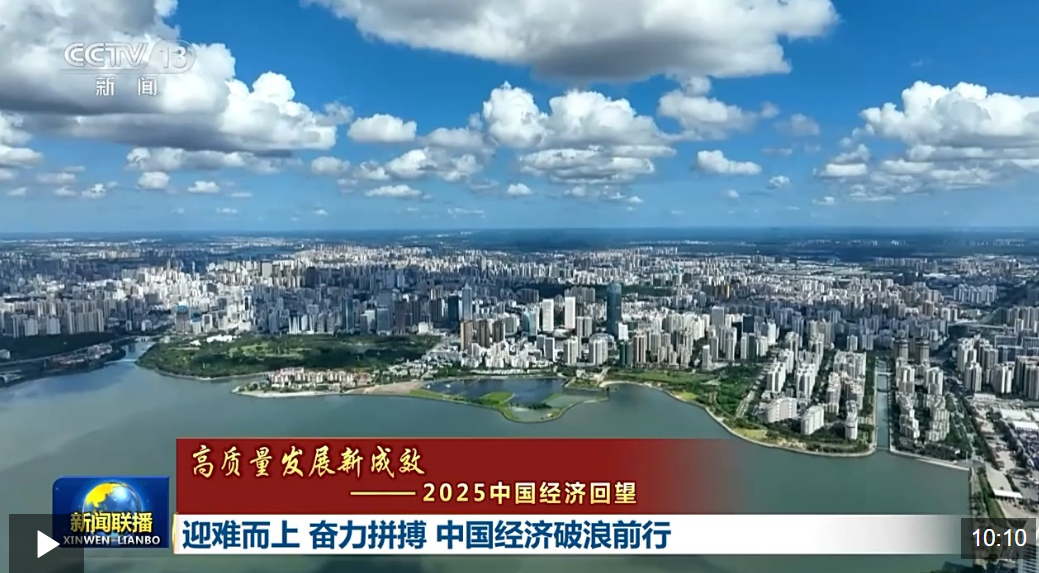
高质量发展新成效丨迎难而上 奋力拼搏 中国经济破浪前行
Yang Shi Xin Wen Ke Hu Duan· 2025-12-10 00:40
Group 1 - The year 2025 marks the conclusion of the "14th Five-Year Plan" and the beginning of the "15th Five-Year Plan," with a focus on high-quality development and economic stability amid complex international and domestic challenges [2][10] - China's economy is expected to achieve a GDP of approximately 140 trillion yuan, with a year-on-year growth of 5.2% in the first three quarters, contributing about 30% to global economic growth [13][19] - The OECD has raised its forecast for China's economic growth in 2025 for the third time within the year, indicating a positive outlook for the Chinese economy [15] Group 2 - The automotive industry is undergoing significant transformation, with over 80% of manufacturing sectors adopting advanced technologies like AI and digital twins, leading to increased production efficiency [4] - The Hainan Free Trade Port is set to officially launch, enhancing China's high-level openness and serving as a crucial gateway for international trade [6] - The Guangdong-Hong Kong-Macao Greater Bay Area has emerged as the world's largest innovation cluster, attracting global innovation resources [7] Group 3 - Fiscal policy has shifted to a more proactive stance, with the issuance of 1.3 trillion yuan in long-term special bonds to support infrastructure projects and stimulate domestic demand [19] - The introduction of the "Private Economy Promotion Law" and the reduction of market access restrictions are part of ongoing reforms aimed at enhancing economic vitality [23] - The energy supply capacity has improved, with China maintaining its position as the world's largest goods trading nation, with a 3.6% year-on-year increase in trade volume [19][21] Group 4 - The transition towards greener energy is evident, with a decrease in energy consumption per unit of GDP and an increase in the share of non-fossil energy consumption [25] - The innovation index of China has entered the global top ten, with significant growth in high-tech manufacturing and digital industries, indicating a shift towards new productive forces [27] - Consumer spending continues to drive economic growth, with retail sales expected to exceed 50 trillion yuan, reflecting a robust recovery in consumption [28]
产业释放新动能 税收数字背后的经济亮点
Bei Jing Shang Bao· 2025-12-08 15:46
Core Insights - The tax revenue collected by the tax authorities in China exceeded 29 trillion yuan in the first 11 months of the year, driven by a stable economy and an active capital market [1] - The manufacturing sector is experiencing accelerated high-end development, with significant growth in sales revenue and investment in automation and digital technologies [3] - High-tech industries continue to show robust growth, with sales revenue increasing by 14.7% year-on-year, particularly in high-tech services and manufacturing [4] - The consumer market is witnessing positive changes due to government policies and new consumption models, with notable increases in retail sales across various sectors [5][6] Tax Revenue and Economic Performance - Tax revenue from the manufacturing sector remains stable at around 30%, indicating its crucial role in the economy [3] - The implementation of tax reduction policies has contributed to the high-quality development of the manufacturing industry, with equipment manufacturing sales revenue growing by 8.3% [3] - Traditional industries are also enhancing their quality, with R&D investment increasing by 12.3% year-on-year [3] High-Tech Industry Growth - High-tech industries have shown a year-on-year sales revenue growth of 14.7%, with high-tech services growing by 17.2% and high-tech manufacturing by 11.1% [4] - The digital economy's core industries have seen a sales revenue increase of 10%, with significant growth in digital product services and applications [4] Consumer Market Dynamics - The "trade-in" policy has stimulated consumer demand, with retail sales of mobile communication devices and home appliances increasing by 20.3% and 26.5%, respectively [6] - The tourism sector is also thriving, with a 285% increase in the number of overseas travelers benefiting from tax refund policies [6] - New cultural and tourism experiences are emerging, contributing to a 19.1% increase in sales revenue from film screenings and a 10.8% increase in travel services [6] Future Tax Policies - The tax authorities plan to continue implementing supportive tax policies to enhance consumption and optimize tax payment services [7]

定调!重磅会议召开!
Jin Rong Shi Bao· 2025-12-08 13:35
Core Viewpoint - The Central Political Bureau of the Communist Party of China has set the tone for economic work in 2026, emphasizing "seeking progress while maintaining stability" and "improving quality and efficiency" as key principles for the upcoming economic strategy [1] Economic Performance - The macroeconomic resilience has exceeded market expectations, with high-tech manufacturing leading growth [2] - The total economic output is projected to reach approximately 140 trillion yuan this year [2] - The focus for 2026 will be on achieving qualitative improvements and reasonable quantitative growth while ensuring social stability and a good start to the 14th Five-Year Plan [2] Macroeconomic Policy - The meeting highlighted the continuation of a more proactive fiscal policy and moderately loose monetary policy, aiming to enhance macroeconomic governance effectiveness [3] - The fiscal deficit rate is expected to remain around 4%, with local government special bond issuance potentially increasing from 4.4 trillion yuan in 2025 to about 5 trillion yuan [3] - Monetary policy will seek a dynamic balance among multiple objectives, including stable growth and risk prevention [3] Domestic Market Development - The strategy emphasizes the need to build a strong domestic market to counter external uncertainties and enhance economic resilience [6] - Experts suggest that a consumption-oriented policy framework should be established, alongside reforms in income distribution and effective investment expansion [6] Innovation and Infrastructure - The focus on innovation and industrial development remains critical, with support for leading enterprises to form innovation alliances for national technological challenges [6] - There will be increased policy support for "new infrastructure" development, including communication networks and modern energy systems [6][7] Market Environment - A unified national market is essential for supporting technological innovation, with recommendations for optimizing institutional rules and protecting property rights [7] - Addressing "involution" competition is necessary to establish a healthy market order that promotes quality and fair pricing [7]
税收数据显示,我国新质生产力稳步发展 传统产业提质升级
Zhong Guo Xin Wen Wang· 2025-12-08 10:47
Group 1 - The core viewpoint of the articles highlights the steady development of new productive forces in China, with significant advancements in emerging industries and the upgrading of traditional industries [1][2] - From January to November, sales revenue in high-tech industries increased by 14.7% year-on-year, with high-tech service and manufacturing sectors growing by 17.2% and 11.1% respectively [1] - The sales revenue of core digital economy industries rose by 10% year-on-year, indicating ongoing progress in digital industrialization and the digitalization of industries [1] Group 2 - Traditional industries are accelerating the application of intelligent manufacturing equipment, with a 7.6% year-on-year increase in the procurement of digitalization equipment and a 9.3% increase in automation equipment [2] - There is a significant focus on energy-saving and environmental protection technologies, with a 33.2% year-on-year increase in the procurement of related services [2] - The manufacturing sector has seen a total of 16,650 billion yuan in tax reductions and refunds in the first ten months, supporting high-quality development in manufacturing [2]
制造业高质量发展驶上“快车道” 新兴产业为经济发展注入“新活力+新动能”
Yang Shi Wang· 2025-12-08 06:47
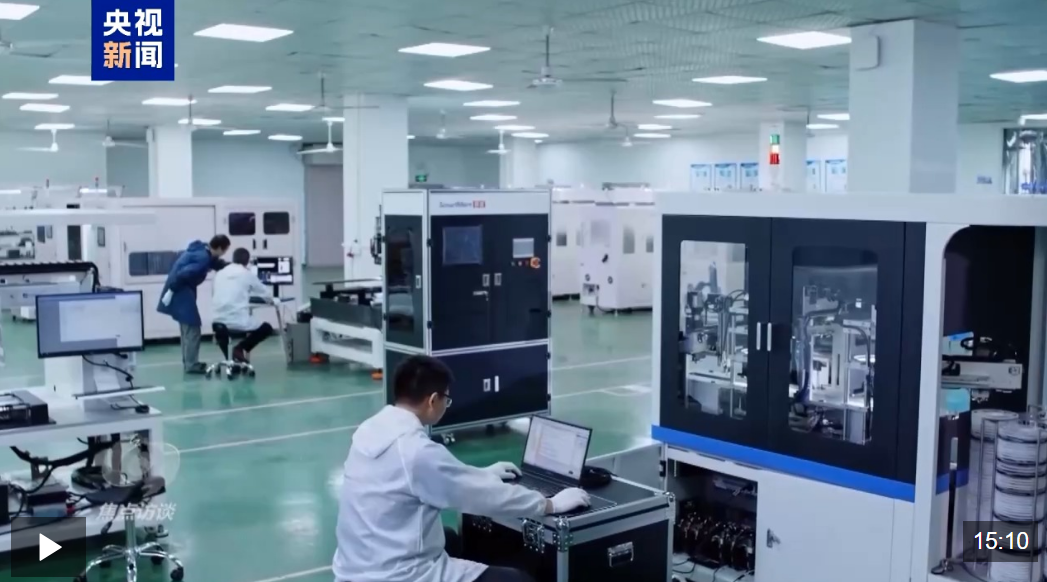
Core Insights - The manufacturing sector in China is accelerating its high-quality development, particularly in high-end, intelligent, and green transformations [1][4] Group 1: Manufacturing Sector Performance - In the first 11 months of this year, sales revenue in the equipment manufacturing industry increased by 8.3% year-on-year, with notable growth in computer communication equipment (12.3%) and instrument manufacturing (10.3%) [1] - The procurement of automation equipment by manufacturing enterprises rose by 14.2%, indicating a significant shift towards intelligent upgrades [3] - Traditional industries are also enhancing their quality and efficiency, with a 7.6% increase in the purchase of digital equipment and a 9.3% increase in automation equipment [7] Group 2: Emerging Industries Growth - High-tech industries and core digital economy sectors experienced robust growth, with high-tech industry sales revenue increasing by 14.7% and high-tech service revenue by 17.2% [4] - The digital economy core industries saw a 10% increase in sales revenue, with digital product services and applications growing by 9.8% and 14.3%, respectively [6] Group 3: Traditional Industry Upgrades - Traditional industries are increasingly adopting energy-saving and environmental protection technologies, with a 33.2% rise in the procurement of such services [8] - This shift is aimed at promoting cleaner, low-carbon production and more efficient resource utilization [8]

国家税务总局:前11个月新兴产业销售收入保持较快增长
Yang Shi Xin Wen· 2025-12-08 03:20
Core Insights - The core viewpoint of the article highlights the significant growth in sales revenue within the high-tech industry in China, indicating a robust performance in both high-tech services and manufacturing sectors [1] Group 1: High-Tech Industry Performance - In the first 11 months of this year, sales revenue in the high-tech industry increased by 14.7% year-on-year [1] - High-tech services saw a sales revenue growth of 17.2% year-on-year [1] - High-tech manufacturing experienced a sales revenue growth of 11.1%, with integrated circuits and industrial mother machines showing year-on-year increases of 19.3% and 11% respectively [1] Group 2: Traditional Industry Upgrades - Traditional industries are advancing quality upgrades and accelerating the application of smart manufacturing equipment [1] - From January to November, the amount spent on digital equipment procurement in traditional industries increased by 7.6% year-on-year [1] - The procurement of automation equipment in traditional industries rose by 9.3% year-on-year [1] - Traditional industry production is becoming more environmentally friendly [1]
为攻坚牛蓄力,与如何理解新一轮盈利周期?
2025-12-08 00:41
Summary of Conference Call Records Industry Overview - The records focus on the industrial sector, specifically analyzing the performance of industrial enterprises in October 2023 and the implications for future profitability and investment opportunities [1][2][3]. Key Points and Arguments 1. **Industrial Production and Profitability**: - In October, industrial added value grew by 6.9% year-on-year, maintaining high growth levels. However, the profit margin for enterprises decreased to 5.11%, indicating challenges in profitability despite high production levels [1][2]. - The Producer Price Index (PPI) saw a narrowing decline to -2.1%, the highest since September 2024, suggesting ongoing recovery in industrial production [1][2]. 2. **Profitability Metrics**: - The gross profit margin for industrial enterprises was reported at 14.4%, down from 15.6% in the previous month and 14.5% year-on-year. The net profit margin also decreased to 5.11% from 5.46% in the previous month and 5.44% year-on-year [3][4]. - Despite high production volumes and improving PPI, the transmission of price increases to profits has been ineffective, leading to a decline in profit margins [3][9]. 3. **Changes in Cost Structure**: - The cost rate for January to October was 85.6%, with a year-on-year increase of 0.17 percentage points. The expense rate slightly increased to 8.37% from 8.36% in the previous month, but remains lower than the previous year [4]. - A notable shift in expense structure was observed, with sales and management expenses decreasing, while R&D expenses surged by 36.78%, indicating a strategic focus on innovation [5]. 4. **Accounts Receivable and Cash Flow**: - The year-on-year growth rate of accounts receivable slowed to 5.1%, marking a continuous decline over seven months. The collection period for accounts receivable improved to 69 days from 79 days earlier in the year, suggesting a potential improvement in cash flow [6][9]. 5. **Sector-Specific Performance**: - The equipment manufacturing and high-tech manufacturing sectors exhibited rapid profit growth, with profits increasing by 7% and 8% respectively from January to October. Notable sectors included circuit manufacturing, shipbuilding, aerospace, and smart electronics [7][8]. 6. **Challenges and Opportunities**: - Overall, industrial enterprises face challenges due to ineffective price transmission leading to declining profit margins. However, improving accounts receivable may signal better cash flow, which could be a leading indicator for the current economic cycle [9]. Additional Important Insights - The significant increase in R&D spending, rising from 2.68% in 2018 to approximately 27% of revenue, may be influenced by tax policies and reflects a commitment to innovation [5]. - The performance of high-tech sectors, particularly in smart electronics and semiconductor manufacturing, shows potential for substantial growth, indicating investment opportunities in these areas [8].
数览中国脉动丨创新勃发引领高质量发展
Xin Hua Wang· 2025-12-07 07:49
Group 1 - The core viewpoint of the articles emphasizes China's increased investment in innovation, leading to significant breakthroughs in various technology sectors, which in turn strengthens the economy's dynamism and resilience [1] Group 2 - According to a recent report by the World Intellectual Property Organization, China is projected to enter the top ten of the global innovation index by 2025, with 24 innovation clusters ranked among the world's top 100, maintaining the leading position for three consecutive years. The "Shenzhen-Hong Kong-Guangzhou" cluster has achieved the top global ranking for the first time [2] Group 3 - The integration of technology and industry innovation is deepening, with more innovative outcomes transitioning from laboratories to production lines. In the first three quarters, the value added of high-tech manufacturing industries above designated size grew by 9.6% year-on-year, with significant production increases in industrial robots (29.8%), 3D printing equipment (40.5%), and industrial control computers and systems (98.0%) [4] Group 4 - Cutting-edge technologies such as artificial intelligence and brain-computer interfaces are being strategically developed, driving rapid growth in the digital economy. The value added of digital product manufacturing industries above designated size increased by 9.7% year-on-year in the first three quarters [5]