互联网医疗

Search documents
港股互联网医疗概念拉升,平安好医生涨超6%
Zheng Quan Shi Bao· 2025-11-12 02:41
Core Viewpoint - The Hong Kong stock market saw a rise in internet healthcare stocks, with Ping An Good Doctor increasing by over 6%, followed by gains in JD Health, Dingdang Health, and Alibaba Health [1] Group 1 - The internet healthcare sector in Hong Kong is experiencing positive momentum, indicated by the significant rise in stock prices [1] - Ping An Good Doctor's stock price increased by more than 6%, showcasing strong market performance [1] - Other companies in the sector, including JD Health, Dingdang Health, and Alibaba Health, also saw their stock prices rise, reflecting a broader trend in the industry [1]

里昂:料京东健康(06618)第三季收入同比增25% 上调目标价至66港元
Zhi Tong Cai Jing· 2025-11-11 03:30
Group 1 - The core viewpoint of the report is that Citi has raised its revenue growth forecast for JD Health (06618) for the full year 2025 to 22%, with an expected EBIT margin of 5.7%, up from the previous forecast of 5.0% [1] - The company has also increased its adjusted net profit forecasts for the next two years by 5% and 4% respectively, and raised the target price from HKD 64 to HKD 66, maintaining an "Outperform" rating [1] - JD Health's drug sales in Q3 showed a robust year-on-year growth of over 30%, driven by prescription drugs and chronic disease medications, while health products maintained a year-on-year growth of over 20% [1] Group 2 - The total revenue for JD Health in Q3 is expected to increase by 25% year-on-year to RMB 16.6 billion [1] - The company plans to open 200 stores in the second half of the year, but only opened 50 stores in Q3, leading to an adjusted EBIT expected to rise by over 40% year-on-year to RMB 1.2 billion [1] - For the outlook of the second half of the year, the firm anticipates a year-on-year revenue growth of 20%, indicating a 16% year-on-year increase in Q4 [1]
大行评级丨里昂:上调京东健康目标价至66港元 重申“跑赢大市”评级
Ge Long Hui· 2025-11-11 02:37
Core Viewpoint - The report from Credit Lyonnais indicates that JD Health is expected to maintain robust growth in drug sales, driven by original drugs and chronic disease medications, with a projected year-on-year increase of over 30% in Q3 [1] Group 1: Revenue and Growth Projections - JD Health's total revenue for Q3 is anticipated to grow by 25% year-on-year, reaching 16.6 billion yuan [1] - The adjusted EBIT is expected to rise by over 40% year-on-year to 1.2 billion yuan [1] - For the second half of the year, revenue is projected to increase by 20% year-on-year, with Q4 expected to show a year-on-year growth of 16% [1] Group 2: Long-term Forecasts - The revenue growth forecast for the full year of 2025 has been raised to 22%, with an EBIT margin expected to be 5.7%, up from the previous forecast of 5.0% [1] - The adjusted net profit forecasts for the current and next year have been increased by 5% and 4%, respectively [1] - The target price for JD Health has been raised from 64 HKD to 66 HKD, maintaining an "outperform" rating [1]
践行“三强基、四支持” 平安打造基层医疗赋能新模式
Zhi Tong Cai Jing· 2025-11-10 08:42
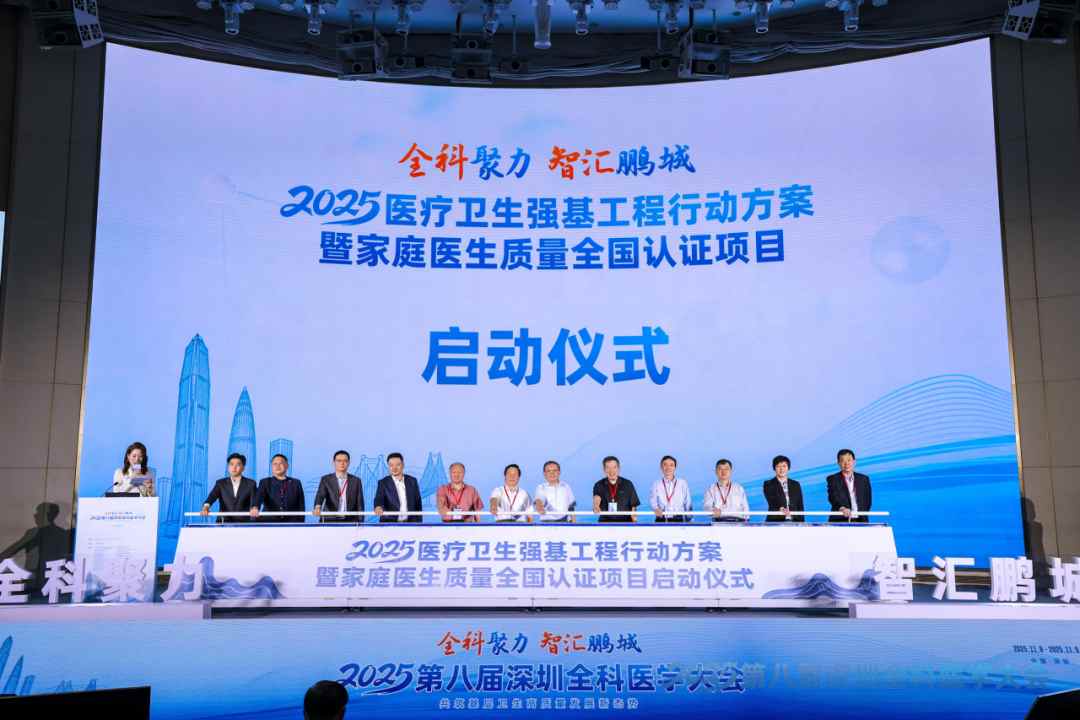
Core Viewpoint - The eighth Shenzhen General Medicine Conference highlighted the launch of the "Healthcare Strong Foundation Project" and the national certification project for family doctor quality, aiming to enhance basic medical services in China [1][3]. Group 1: Project Launch and Objectives - The project aims to implement the "Strong Foundation Project" with 12 key tasks to improve basic medical services and public health capabilities, responding to the challenges of the AI and aging era [3][5]. - The project emphasizes the integration of resources to enhance the quality of basic healthcare services [3]. Group 2: Company Involvement and Innovations - Ping An Good Doctor is actively participating in the project, promoting a new model called "Three Strengths and Four Supports," which combines AI and commercial insurance payments to invigorate grassroots healthcare [5][7]. - The "Family Doctor Remote and Internet Health Service Standards" have been implemented in 1,000 community health service centers across 100 cities [5]. Group 3: Technological Advancements - By September 2025, Ping An Good Doctor aims for an AI health check analysis accuracy of 98% and a diagnostic assistance accuracy of over 95% [7]. - The AI chronic disease management platform has been piloted in 22 community health service centers across seven provinces, improving service efficiency and quality [7]. Group 4: Practical Applications and Community Engagement - The "Three Strengths and Four Supports" model has been initiated in seven cities, including Shanghai and Guangzhou, demonstrating effective resource integration [12]. - Community health initiatives, such as health training camps and remote diabetes management, have been successfully implemented, showcasing the collaboration between AI family doctors and grassroots healthcare [12][13]. Group 5: Future Outlook - The implementation of the "Healthcare Strong Foundation Project" signifies progress in China's healthcare reform, positioning grassroots medical institutions as vital components of health management [13]. - Ping An Good Doctor and Ping An Life will continue to promote the family doctor standards and the new model nationwide, contributing to the "Healthy China" strategy [13].


“AI + 慢病管理”创新突围 方舟健客获颁“社会责任金牛奖”
Zhong Zheng Wang· 2025-11-10 06:12
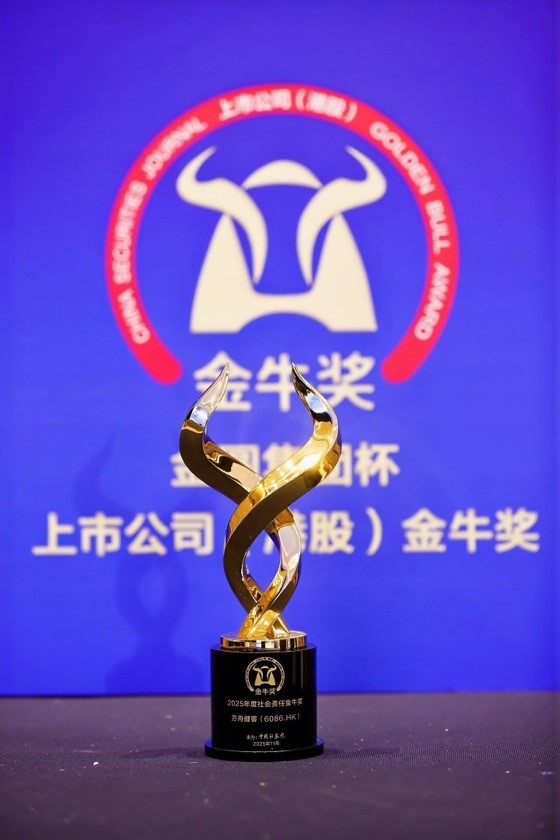
Core Viewpoint - The article highlights the recognition of Fangzhou Jianke for its innovative contributions in the "AI + chronic disease management" sector, emphasizing its role as a benchmark in the healthcare industry and its commitment to social responsibility [1][4]. Group 1: Awards and Recognition - Fangzhou Jianke received the "Social Responsibility Golden Bull Award" at the 2025 Xiamen Industrial Development Conference, acknowledging its forward-looking exploration and breakthrough technological achievements in the healthcare sector [1]. - The Golden Bull Award is a prestigious evaluation activity by China Securities Journal, emphasizing transparency and professionalism in recognizing high-quality development among Hong Kong-listed companies [3]. Group 2: Technological Innovation and Strategy - The company has integrated AI technology into its operations, creating a new ecosystem called AI + H2H (Hospital To Home), which enhances the efficiency and accuracy of chronic disease management [4]. - Fangzhou Jianke's AI technology has been recognized as a key driver for high-quality development in the healthcare sector, aligning with national policies promoting AI in medical applications [4]. Group 3: Social Impact and Community Engagement - The company has established partnerships, such as the AI + Viral Hepatitis Prevention and Control Training Base with the Guangdong Provincial Liver Disease Research Institute, to empower healthcare for liver disease patients [5]. - Fangzhou Jianke actively participates in rural revitalization initiatives, leveraging AI to improve healthcare accessibility in remote areas, thereby reducing time and medical costs for underserved populations [5]. Group 4: Future Directions - The company aims to continue leading in the digital transformation of chronic disease management while promoting high-quality development in the healthcare industry through technological empowerment [6].
创新药利好不断,港股医药ETF(159718.SZ)午后强势拉升
Sou Hu Cai Jing· 2025-11-10 06:05
Group 1 - The Hong Kong innovative drug sector experienced a strong rally, with the Hong Kong medical ETF (159718.SZ) rising by 1.04% and net subscriptions of 3 million units during the day [1] - Notable stocks such as Jinxin Fertility (01951) increased by 5.51%, Weimaitong (02192) by 5.13%, and Shenwei Pharmaceutical (02877) by 4.45% [1] - The negotiation for the 2025 National Basic Medical Insurance Drug List and the price negotiation for commercial insurance innovative drug list was completed, with 120 domestic and foreign companies participating [1] Group 2 - The innovative drug sector sentiment has recently declined, but with ongoing business development (BD) activities, the sector's sustainability is expected to continue [2] - The current investment and financing data, orders, and performance metrics show a positive trend in the innovative drug industry chain [2] - The Hong Kong medical ETF includes a balanced composition of innovative drugs, CXO, internet healthcare, and innovative devices, making it a convenient tool for investors [2]
“AI减重顾问”亮相进博会!锚定 “AI + 控糖减重”领域 方舟健客、诺和诺德(NVO.US)共筑慢病管理新生态
Zhi Tong Cai Jing· 2025-11-10 03:38
Core Insights - Novo Nordisk announced an expansion of its "Health Ecosystem Alliance" during the China International Import Expo, highlighting its strategic partnership with Ark Health [1][2] - The launch of the "AI Weight Management Consultant" by Ark Health at the expo represents a significant innovation in the field of AI-driven weight management [1][3] - The collaboration aims to enhance chronic disease management through digital solutions, aligning with national health initiatives [2][4] Group 1: Health Ecosystem Alliance - The "Health Ecosystem Alliance" serves as a platform for mutual promotion and win-win cooperation among partners, with Ark Health being a core strategic member [2] - The partnership focuses on building a digital chronic disease management ecosystem, enhancing service delivery and patient empowerment [2][4] Group 2: AI and Chronic Disease Management - The increasing awareness of chronic disease management has shifted focus from merely managing diseases to early screening and intervention [3] - Ark Health is pioneering the integration of AI technology in weight management, contributing to national public health goals [3][5] - The company is actively involved in national initiatives to promote AI in health management, aiming to set industry standards and promote scientific weight management concepts [3][5] Group 3: Future Directions - The collaboration between Ark Health and Novo Nordisk is seen as a pathway to innovate healthcare services, focusing on a patient-centered approach [4][6] - The industry is encouraged to explore value increments across the entire chronic disease management service chain, leveraging AI applications [6] - Ark Health aims to enhance its "AI + Chronic Disease Management" ecosystem, transitioning from experience-based services to systematic and intelligent solutions [6]

大厂AI新战场:AQ狂飙,蚂蚁押注大健康赛道
量子位· 2025-11-09 07:01
Core Viewpoint - Ant Group has strategically upgraded its "Digital Healthcare Division" to "Healthcare Business Group," aiming to accelerate the development of healthcare services as a strategic pillar of the company [2][3]. Group 1: Strategic Adjustments - The restructuring has led to a more comprehensive business matrix for Ant Group, which now includes five core business segments: Ant International, Ant Digital Technology, OceanBase, Alipay Business Group, and the newly formed Healthcare Business Group [3]. - The timing of this strategic shift is notable as it reflects a broader trend in the AI industry, moving from model competition to focusing on practical applications and commercialization [5][7]. Group 2: AI Application in Healthcare - Ant Group's AI strategy is taking shape with a focus on three key areas: lifestyle services, financial services, and healthcare services [5]. - The launch of the AI health management app AQ has been a significant success, achieving over 10 million monthly active users within four months and a compound growth rate of 83.4% in Q3 2023, far exceeding the industry average of 13.5% [8][10]. Group 3: Market Dynamics and Trends - The competition among major tech companies is shifting from parameter optimization to application-level differentiation, with a focus on creating value through AI models [13][14]. - The healthcare sector is becoming increasingly competitive, driven by the need for specialized AI applications that can address complex healthcare challenges [6][19]. Group 4: Long-term Vision and Market Potential - The healthcare market in China is projected to exceed 20 trillion RMB by 2025, driven by an aging population and increasing demand for chronic disease management and personalized health services [44][46]. - Ant Group's historical investments in digital healthcare infrastructure have positioned it well to capitalize on these emerging opportunities, transitioning from a connector in the healthcare system to an active participant with service capabilities [22][39]. Group 5: Challenges and Future Outlook - The transition to AI-driven healthcare services presents challenges, including the need for deep integration into existing healthcare systems and the establishment of unique competitive advantages in vertical markets [17][19]. - The success of Ant Group's healthcare initiatives will depend on its ability to navigate these challenges and leverage its existing capabilities to meet the evolving demands of the healthcare market [59][61].

只拼价格不够!GLP-1减肥针“双十一”爆发式增长,京东健康在下一盘生态大棋
Mei Ri Jing Ji Xin Wen· 2025-11-09 04:43
Core Insights - The GLP-1 weight management drugs have become a significant consumer trend during this year's Double Eleven shopping festival, indicating a shift in health consumption patterns [1][2] - The online healthcare channel has surpassed traditional medical institutions in the weight loss drug market, capturing over 70% of the market share [1] - The competition among e-commerce platforms has evolved from price wars to a focus on cold chain logistics and comprehensive health management services [1][9] Market Demand and Growth - The demand for GLP-1 drugs is driven by high obesity rates in China, with projections indicating that by 2030, the adult overweight and obesity rate could reach 70.5% [3] - The sales of GLP-1 drugs on JD Health increased over threefold during the "618" shopping festival, and the sales during Double Eleven have seen a more than fivefold increase [6] Product Launch and Innovation - JD Health has become the preferred platform for pharmaceutical companies to launch their GLP-1 products, with strategic partnerships established with major players like Eli Lilly and Novo Nordisk [3][5] - The innovative drug "Masitide" from Innovent Biologics, which targets both GLP-1 and GCG receptors, was launched on JD Health just seven days after receiving regulatory approval [5] Logistics and Cold Chain Management - The cold chain logistics for GLP-1 drugs is critical due to their complex chemical structures, requiring strict temperature control during storage and transportation [7] - JD Logistics has developed a robust cold chain system, ensuring that drugs are stored and transported at 2-8°C, which is essential for maintaining drug efficacy [8] Health Management Services - The transition from merely selling drugs to providing comprehensive health management services is crucial, as GLP-1 drugs require professional guidance for safe usage [9][10] - JD Health has established a full-cycle service model that includes risk assessment, medication guidance, and dietary planning, enhancing user trust and engagement [10][11] Future Outlook - The health consumption landscape is expected to continue evolving, with increasing demand for personalized health services as part of the "Healthy China" initiative [11] - Companies like JD Health are positioned to lead this transformation by leveraging technology to enhance the healthcare ecosystem, making health consumption more convenient and professional [11]

强供应链能力与专业医疗服务资源抢眼,京东健康成进博会“香饽饽”
2 1 Shi Ji Jing Ji Bao Dao· 2025-11-08 11:23
Core Insights - The eighth China International Import Expo (CIIE) showcased significant developments in the pharmaceutical and health sectors, with JD Health forming strategic partnerships with various international brands to enhance health management services [1][3][4] Group 1: Strategic Collaborations - JD Health has established or deepened collaborations with major pharmaceutical and healthcare brands such as Eli Lilly, Novo Nordisk, Bayer, and AstraZeneca, focusing on chronic disease management and women's health [1] - The company has successfully launched new products on its platform, including innovative drugs and nutritional supplements, leveraging its extensive user base and data analytics capabilities to enhance market reach [3][4] Group 2: Supply Chain and Digital Capabilities - JD Health's "super pharmaceutical supply chain" supports efficient distribution and quality assurance of imported products, while also providing professional medical consultations through online and offline channels [1] - The rapid launch of new drugs, such as the targeted therapy for lung cancer, demonstrates JD Health's robust supply chain and digital capabilities, allowing for quick market entry and patient access [3] Group 3: Chronic Disease Management - Chronic diseases pose a significant health threat in China, with over 80% of deaths attributed to major chronic conditions, prompting a national strategy for chronic disease management [6] - JD Health's collaboration with AstraZeneca focuses on managing chronic diseases, providing patients with accessible home health management solutions [6][7] Group 4: AI and Technology Integration - The integration of AI technology in chronic disease management is a key focus, with JD Health collaborating with companies like Omron and Abbott to enhance health data connectivity and create a comprehensive smart health management ecosystem [8] - JD Health has developed various AI-driven services, including virtual doctors and nutritionists, to support patient care and health monitoring [7][8] Group 5: Ecosystem Development - The CIIE has evolved into a hub for global health ecosystem collaboration, with JD Health facilitating a shift from product-focused interactions to comprehensive value chain partnerships [10][11] - By offering a unified platform for pharmaceutical companies, JD Health reduces the complexity and costs associated with market entry, enabling efficient access to both online and offline markets [11]