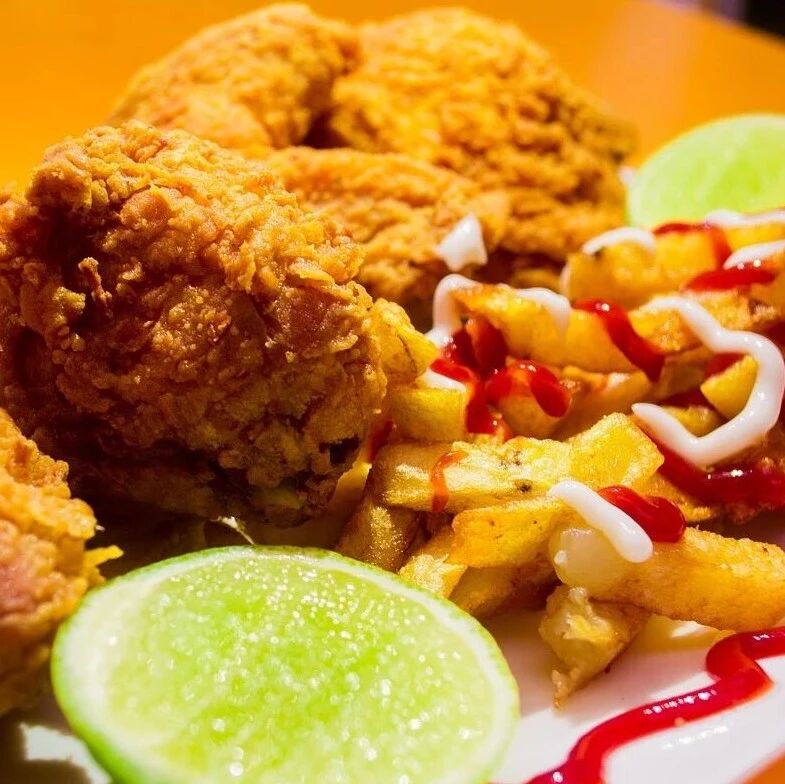
快餐

Search documents
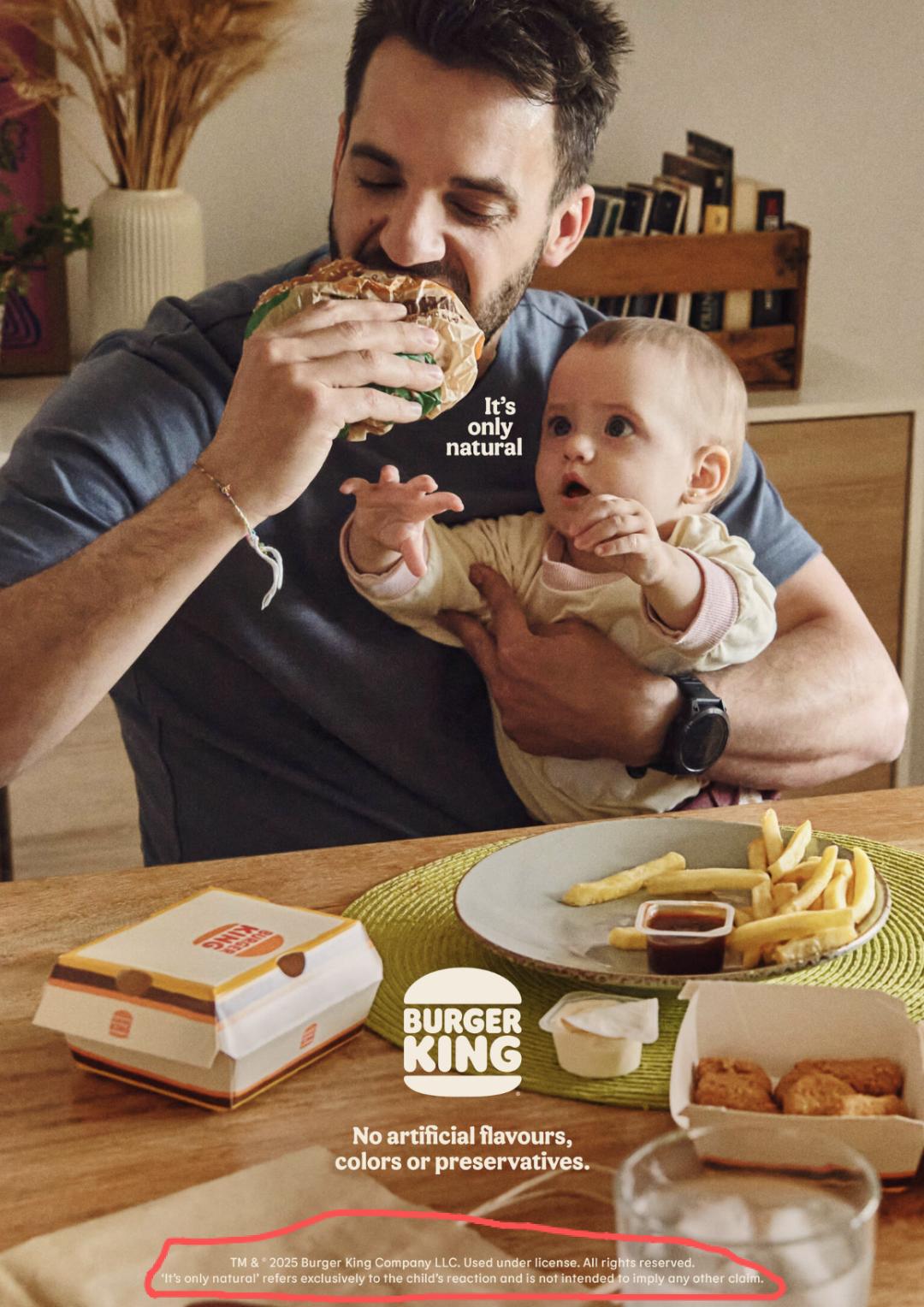
别再用小字游戏,消耗用户的信任
3 6 Ke· 2025-10-16 11:06
Core Viewpoint - The article discusses the controversial use of "small print" in advertising, highlighting how it misleads consumers and erodes trust in brands and the industry as a whole [4][9][12] Group 1: Advertising Practices - The use of "small print" in advertisements has become a long-standing issue in the industry, where exaggerated claims are often followed by disclaimers that are difficult to read [4][5] - Advertisers exploit cognitive biases by using large, eye-catching text to attract attention while burying important details in small print, which consumers often overlook [4][9] - This strategy is seen as low-risk and high-reward for advertisers, as regulatory bodies typically focus on whether disclaimers are present rather than their visibility [4][5] Group 2: Consumer Trust and Misleading Practices - Misleading advertising practices directly undermine consumer trust, as customers are often unaware of the hidden conditions that accompany attractive offers [9][10] - Once consumers feel deceived, their trust in the brand diminishes rapidly, leading to a long-term loss of credibility [9][11] - The negative impact of misleading advertising extends beyond individual brands, diluting the overall trust in the industry and prompting consumers to become increasingly skeptical of all marketing messages [12][13] Group 3: Long-term Consequences - The short-term gains from "small print" tactics can lead to significant long-term repercussions, including public backlash and reputational damage [10][12] - Brands may face substantial public relations costs to mitigate the fallout from consumer outrage, which can far exceed the initial benefits of misleading advertising [10][11] - The prevalence of such practices can create a "race to the bottom" in the industry, where ethical companies suffer while those employing deceptive tactics gain market share [12][13] Group 4: Recommendations for Brands - Brands are encouraged to prioritize transparency and honesty in their advertising, moving away from deceptive practices that rely on "small print" [15][16] - It is essential for brands to consider what information consumers genuinely need to know, placing important details prominently rather than hiding them [15][16] - Building long-term trust with consumers is more valuable than short-term sales boosts, as trust is a critical component of brand loyalty [15][16]


文化差异如何影响品牌设计? | 红杉爱生活
红杉汇· 2025-10-16 00:03
Core Insights - The article emphasizes the importance of cultural understanding in building global brands, highlighting that true global brands must be localized and meaningful in each market rather than merely uniform across all regions [4][6][30] - It discusses the paradox of globalization, where brands must adapt to local cultures while maintaining their unique identity to resonate with consumers [6][30] Cultural Importance for Global Brands - Culture serves as a competitive advantage; brands that understand and leverage cultural nuances are more likely to succeed in international markets [7][30] - Ignoring cultural differences can lead to failure, even for brands with substantial resources [7][8] Cultural Behavior Patterns in International Expansion - The article identifies nine cultural behavior patterns observed in over 40 Chinese brands' international ventures, suggesting that recognizing and balancing these patterns can enhance performance in foreign markets [10][30] - Examples of these patterns include: - **Inclusivity**: Attempting to appeal to everyone often results in a lack of clarity and uniqueness [11] - **Cultural Pride**: High cultural confidence can make brands less relatable in foreign markets [12] - **Cautious Exploration**: A tendency towards caution may hinder competitiveness in more dynamic markets [13] - **Incremental Innovation**: Many brands prefer gradual improvements, which can be effective but may lack the disruptive impact needed in some markets [15] - **Collective Memory**: Brands from collectivist cultures may struggle in individualistic markets due to differing narrative styles [17] - **East-West Fusion**: Combining Eastern essence with Western expression can lead to confusion if not executed well [18] - **Over-Adaptation**: Excessive localization can erode brand identity [19] - **Cultural Absence**: Strong products may lack a compelling brand narrative, leading to emotional disconnect [20] Strategic Framework for Cultural Adaptation - The article proposes a structured approach to cultural adaptation, emphasizing the need for brands to integrate cultural sensitivity from the outset [23][30] - Key steps include: - **Defining Issues**: Understanding why a brand resonates in one culture but not in another [23] - **Co-Creation**: Collaborating with local cultural interpreters to enhance understanding [24] - **Building Cultural Narratives**: Ensuring that global narratives resonate locally [25] - **Real Market Testing**: Engaging in real-world testing to gauge emotional resonance with local consumers [26][28] Conclusion - Building a global brand is a process of developing cultural capabilities within the organization, starting from individuals and extending to the entire company [30][31] - Successful international brands are those that listen across cultures and translate values rather than merely slogans, focusing on resonance rather than domination [30][31]

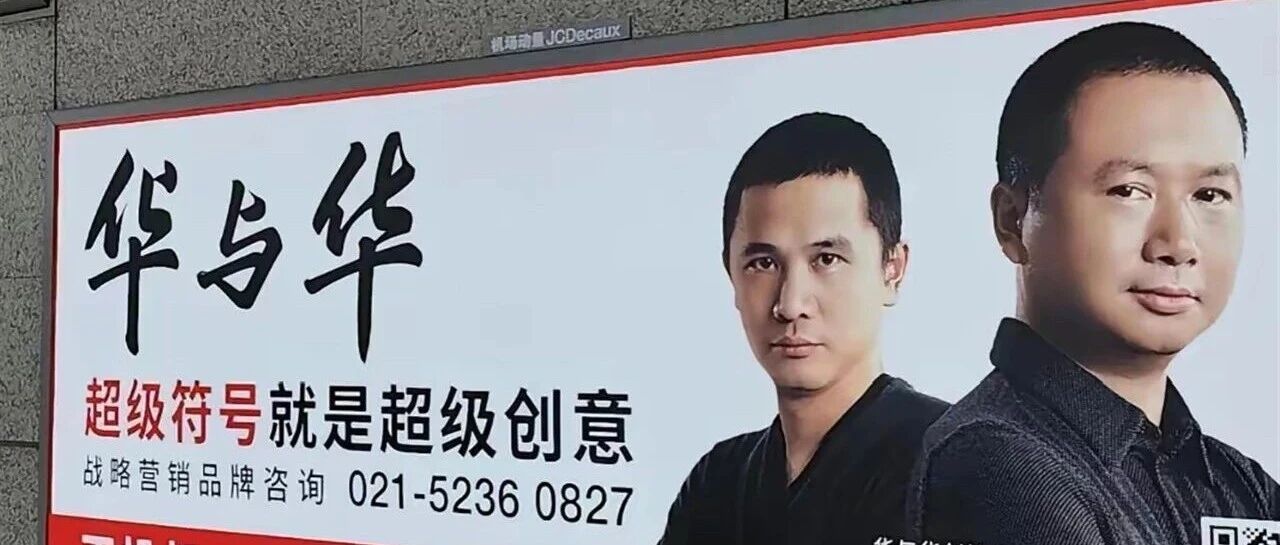
华与华的依附哲学
YOUNG财经 漾财经· 2025-10-15 09:27
Core Viewpoint - The article discusses the relationship between the consulting company Hua Yu Hua and its major client, Xibei, highlighting the successes and failures of their collaboration, as well as the broader implications for the consulting industry in China [4][6][28]. Group 1: Relationship with Xibei - Xibei is the most important client for Hua Yu Hua, generating significant revenue and helping the company expand into the restaurant industry [8]. - Hua Yu Hua's marketing strategies for Xibei included creating the "I love 莜" symbol, which was derived from the famous "I love New York" phrase, but its effectiveness is questioned as Xibei rebranded and dropped the "莜面村" name [6][9]. - The consulting firm has been credited with various marketing initiatives, but many of these were actually inspired by Xibei's founder, who had a strong influence on the brand's direction [10][11]. Group 2: Marketing Strategies and Their Effectiveness - Hua Yu Hua's approach to branding often involves leveraging cultural references, but the actual impact of their strategies on client success is debated [10][16]. - The article notes that while Hua Yu Hua has had some successful campaigns, such as the children's menu at Xibei, these were often based on insights from the client rather than the consulting firm's strategies [10][11]. - The firm has been involved in numerous marketing campaigns, but the results have varied significantly, with some clients experiencing growth while others have failed despite the same consulting strategies [17][20]. Group 3: Broader Industry Implications - The article highlights that Hua Yu Hua's success is often tied to the existing strength of its clients, suggesting that the firm's strategies may not be universally applicable [28]. - Several case studies of failed collaborations, such as with brands like "老娘舅" and "傣妹火锅," illustrate that relying solely on marketing symbols without addressing core business issues can lead to failure [17][19]. - The consulting firm's standardized approach to service delivery may overlook the unique challenges faced by different industries, leading to diminishing returns on their marketing strategies [28].
巴菲特投资麦当劳的过程
雪球· 2025-10-15 08:24
Core Insights - The article discusses Warren Buffett's decision to sell McDonald's shares in 1997, which later proved to be a significant mistake as McDonald's stock outperformed his other investments, including Coca-Cola [4][9][10]. Group 1: Reasons for Selling McDonald's - The first concern was the low customer loyalty in the food industry, with Buffett noting that consumers might choose competitors like Burger King when hungry, unlike the strong brand loyalty seen with products like Gillette [6]. - The second concern was the heavy capital expenditure associated with McDonald's business model, which required significant investment in real estate for franchising, contrasting with Buffett's preference for lighter asset companies like Coca-Cola [7]. - The third concern was the reliance on promotions, which Buffett believed weakened product strength. He preferred businesses that generated revenue based on product quality rather than discounts [8]. Group 2: Reflection on the Decision - Less than a year after selling, Buffett acknowledged the mistake, stating that selling McDonald's was a poor decision that cost Berkshire Hathaway significantly, estimating a loss of over ten billion dollars in potential earnings [9][10]. - The article highlights that McDonald's global presence, initially seen as a burden, actually created a competitive barrier and capitalized on the growing demand for fast food, especially in emerging markets [10]. - It emphasizes the importance of recognizing a company's adaptability and growth potential, as McDonald's successfully innovated its menu and reduced reliance on promotions over time [10][11]. Group 3: Investment Insights - The case illustrates that certainty in investment does not equate to growth potential, as the fast-food industry was still expanding in 1996, and McDonald's had significant room for growth that Buffett underestimated [11][12]. - Heavy asset investments can create long-term competitive advantages if they establish barriers that competitors cannot easily overcome, as seen with McDonald's extensive global network [12]. - The article concludes that investors should allow for industry growth and company adjustments over time, rather than focusing solely on short-term challenges [12].


面汤中出现大量黑虫?味千拉面:涉事门店已停业整改
Xin Lang Cai Jing· 2025-10-15 04:05
Core Points - A consumer reported finding dozens of black insects in the soup at a Wuchuan Ramen restaurant in Shenzhen, leading to significant public attention [1] - The restaurant has issued a tenfold refund to the affected customer and has temporarily closed for cleaning and disinfection [3] - The company has stated that the issue arose from non-sealed containers of vinegar attracting small flying insects, which then entered the vinegar [3] Company Overview - Wuchuan Ramen, founded in Japan, was introduced to China in 1996 and has developed over a hundred dishes tailored to Chinese tastes [3] - The company was listed on the Hong Kong Stock Exchange in 2007, becoming the first fast-casual restaurant chain based in mainland China to do so [3] Financial Performance - Wuchuan Ramen has experienced fluctuating performance in China due to declining reputation, reduced foot traffic, and intense competition from Chinese fast food [4] - The company's net profit attributable to shareholders has shown significant variation from a loss of 77.87 million in 2020 to a profit of 24.23 million in the first half of this year [4] - The company continues to expand its store presence, increasing from 575 stores in June 2024 to 608 stores by June 2025, with a focus on prime locations [4] Brand Impact - The "black insect" incident has posed a reputational challenge for Wuchuan Ramen, necessitating enhanced food safety measures and improved customer experience [5]

味千拉面碗里漂着很多黑色小虫子?深圳宝安区市监局介入处理
Nan Fang Du Shi Bao· 2025-10-14 11:33
Group 1 - A video posted by a netizen showed multiple black insects in a bowl at a Ajisen Ramen restaurant in Shenzhen, prompting an investigation by the local market supervision authority [2] - The Shenzhen Baoan District Market Supervision Administration confirmed that the restaurant was ordered to cease operations for rectification after the incident [2] - The affected restaurant has been reported to be closed and is undergoing administrative measures as a result of the findings [2]

百胜中国10月13日斥资626.21万港元回购1.86万股
Zhi Tong Cai Jing· 2025-10-14 10:37
Group 1 - Yum China (09987) announced a share buyback on October 13, 2025, spending HKD 6.2621 million to repurchase 18,600 shares at a price range of HKD 332.4 to 339.6 per share [1] - On the same day, the company also repurchased 74,300 shares for USD 320,000, with a price range of USD 42.76 to 43.37 per share [1]
这个周末,打开秋天的最佳方式→
Xin Jing Bao· 2025-10-14 03:31
Core Insights - The event is hosted at a new venue, the National Tennis Center, indicating a shift in location for the market [5] - The market features a variety of activities both outdoors and within the court area, enhancing the overall experience for attendees [9] - Special attention is given to female health topics, particularly menopause, through a dedicated booth that offers professional health guides [12][13] - The event includes a unique initiative where urban youth are encouraged to engage in dialogue with rural students through a wish list of books, promoting literacy and education [15] Event Details - Attendees can receive a market newspaper at the entrance, which includes a map of activities to help navigate the event [9] - The New Beijing Public Welfare booth focuses on women's health, providing resources and a free health package for participants [13] - The Hengchang Public Welfare booth aims to connect urban youth with rural students by sharing their book wish lists, fostering a sense of community and support [15] Food and Beverage Offerings - Pizza Hut is introducing a new menu in response to changing consumer preferences, emphasizing quality ingredients and craftsmanship [16] - Special food items are available at the event, including unique offerings from Pizza Hut, enhancing the culinary experience for attendees [15]


上海一快餐店被指“肉缝钻出活蛆”,已停业!监管部门正调查
Nan Fang Du Shi Bao· 2025-10-14 02:34
近日,有网友在社交平台发文称,其在上海浦东新区的"闻闻香餐饮店"食用鸭腿套餐时,发现菜品里 有"活蛆",事件引发关注。10月14日,南都N视频记者从上海市浦东新区市场监督管理局获悉,执法人 员已赶赴涉事经营户开展现场调查,涉事经营户已自行停业整改。 此前,有网友在社交平台发文称,"在浦东新区一家快餐店食用鸭腿套餐时,发现多只白色活蛆从肉缝 钻出",并称"吃第二口才发现"。 据通报,该局执法人员已赶赴涉事经营户开展现场调查,检查证照、原辅料进货、食材加工制作、食品 贮存环境等情况。目前,涉事经营户已自行停业整改,该局正在进一步调查核实。 上海市浦东新区市场监督管理局发布情况通报称,该局关注到有消费者在网上反映,10月11日中午在辖 区内"闻闻香餐饮店"食用鸭腿套餐时,发现有"活蛆"。 ...
公开54年炸鸡秘方?KFC这波耍了全世界
36氪· 2025-10-14 00:09
Core Viewpoint - KFC's decision to reveal its long-guarded fried chicken recipe has sparked widespread discussion, with speculation about whether this is a genuine disclosure or a marketing strategy [6][9][10]. Group 1: KFC's Recipe Revelation - KFC Africa's Chief Marketing and Digital Officer announced the public disclosure of the secret recipe, which has been kept for 54 years, on October 8 [6][8]. - The announcement led to skepticism among consumers, with some questioning if it was a marketing stunt rather than a genuine revelation [16][18]. - On the reveal date, KFC disclosed a recipe named "HOPE" instead of the actual spice blend, leading to disappointment among fans [18]. Group 2: Historical Context of the Recipe - The original recipe was said to consist of 11 herbs and spices, a claim that has been part of KFC's branding for decades [13][21]. - A handwritten version of the recipe was reportedly shared by the nephew of KFC's founder, Harland Sanders, in 2016, which matched the official count of 11 ingredients [21][23]. - The recipe has been subject to leaks and claims over the years, with various family members asserting different versions of the secret blend [30][36]. Group 3: Marketing and Brand Strategy - KFC has utilized the mystique of its secret recipe as a marketing tool, enhancing consumer curiosity and brand loyalty [16][56]. - The company has adapted its branding strategy over the years, including leveraging the image of Colonel Sanders in various marketing campaigns [70][76]. - The ongoing public interest in the recipe reflects a broader trend in consumer behavior, where the allure of "secret" ingredients drives engagement and sales [50][56]. Group 4: The Importance of Brand Over Recipe - The article emphasizes that the true value of KFC lies not just in its recipe but in its brand identity and the systems that support its food production [57][84]. - The industrial processes and supply chain behind KFC's operations are crucial to replicating the taste of its products, suggesting that the recipe alone is insufficient for success [59][63]. - The narrative around the secret recipe serves to reinforce the brand's allure, similar to how Coca-Cola maintains its brand value through the mystique of its formula [86].