手机

Search documents
壹快评丨地方国补资金赶不上消费热情,发债要加快进度增加额度
第一财经· 2025-06-09 13:31
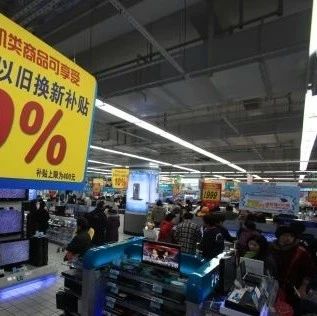
本文字数:981,阅读时长大约2分钟 2025.06. 09 作者 | 第一 财经 陈益刊 近期,一些消费者反映当地国家补贴无法领取引起了外界的广泛关注。恰逢"618"大促期间,消费 者担心,今年国补已经结束,后续不能再享受相关优惠。 笔者了解到,今年中央财政明确国补资金额度为3000亿元(不含地方部分),其中1620亿元已下达 至各省市,剩余1380亿元尚未下达,由此看来今年国补并未结束,大多数省份国补优惠活动也在正 常运行。 一些地方官员告诉笔者,有些地方无法领取国家补贴,一部分原因是少数省份对一些品类消费品暂停 了国补,属于正常的政策调整;还有一些省份由于消费者购物热情高涨,申报国补额度超过了当地政 府获得的现有额度,因此暂停国补,等待上级下达新一批国补额度。 为了提振消费,国务院去年下半年拿出1500亿元超长期特别国债资金,直接补贴消费者来推动家 电、汽车等以旧换新,消费者称之为国补。由于政策效果不错,今年国补资金额度提升至3000亿 元,补贴范围也扩大至手机等产品。 部分省份也可以统筹国补资金额度,适当回收一些国补资金闲置地区的额度,将其分配至国补资金使 用较快、管理较好的地区。在不同品类国补资金额 ...

壹快评丨地方国补资金赶不上消费热情,发债要加快进度增加额度
Di Yi Cai Jing· 2025-06-09 11:15
今年1月和4月,两批共1620亿元用于国补的特别国债资金已经下达到地方。为了用好这笔资金,地方早 早启动今年国补活动,叠加商家促销活动,消费者热情高涨,致使一些省份国补资金额度申报进度很 快,甚至超过了当地获得的国补资金额度,客观上导致国补额度暂停或限流。 4月底的中共中央政治局会议提出,要加紧实施更加积极有为的宏观政策,用好用足更加积极的财政政 策和适度宽松的货币政策。加快地方政府专项债券、超长期特别国债等发行使用。基于国补资金基本来 自于中央财政发行的超长期特别国债,笔者建议,可加快发行超长期特别国债进度,并及时下达地方, 尤其是向国补资金短缺、使用管理效果明显的地区倾斜,以弥补地方国补资金缺口,稳定市场预期。 部分省份也可以统筹国补资金额度,适当回收一些国补资金闲置地区的额度,将其分配至国补资金使用 较快、管理较好的地区。在不同品类国补资金额度中,也可以优化额度分配,将更多额度分配至消费者 需求最大的品类。 今年消费品以旧换新额度方面,中央财政拿出3000亿元,地方整体配套拿出300亿元。相关部门可以视 后续国补资金使用情况、市场需求、经济形势、资金安全管理现状等,提前储备增发超长期特别国债, 增加国补 ...
年中展望 | 星火燎原(申万宏观·赵伟团队)
申万宏源宏观· 2025-06-09 05:29
沉星月启:产业" 蜕变"vs政策 "革新"。 转型进入"新阶段",面临的"新问题"。 2022年以来,转型进入"新阶段",以地产为代表的传统链条对经济的贡献 出现趋势性下行,经济指标表现分化的同时,产业"冰火两重天"的情况常见。转型"新阶段",压力更集中在终端 需求,导致PPI承压的同时CPI表现更弱,产能过剩领域转至中下游;更多供给转向海外的过程中,外贸板块内卷 更甚。 文 | 赵伟、屠强、贾东旭、侯倩楠 联系人 | 屠强 摘要 转型新阶段,传统政策框架有效性下降,政策"革新"全面启动。 居、企业和地方政府在经历报表冲击的同时,不 同主体间互相影响、修复过程慢于过往周期。传统宏观调控手段的传导机制异化,政策"革新"必要性上升。2024 年9月底以来,政策框架全面优化启动;总量政策空间打开、结构性政策的针对性增强,新阶段的"供给侧改革"呼 之欲出。 产业"蜕变"已成"星火燎原"之势,居民信心筑底现象已现。 历经十余年,新动能占比已"初具规模",高技术产业 在工业中占比达16.3%,渐成星火燎原之势;近两年悦己消费、体验消费等新消费形式不断涌出。2025年以来,节 假日居民出行意愿等指标,则显示居民短周期信心的 ...

中国手机行业发展趋势分析与投资前景预测报告(2025-2032年)
Sou Hu Cai Jing· 2025-06-09 03:40
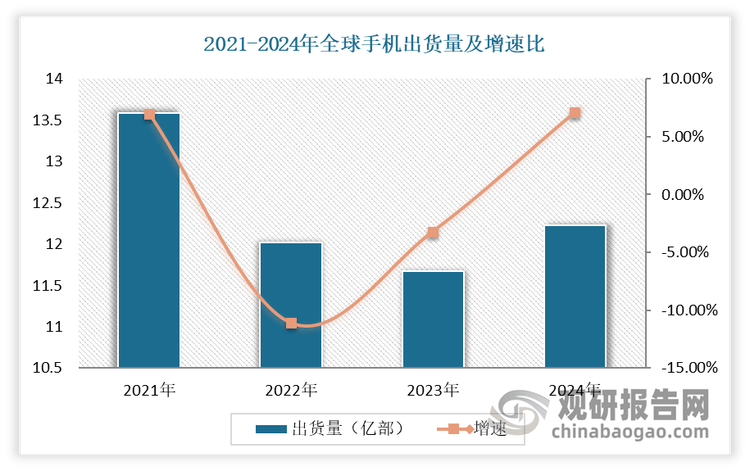
一、市场回暖明显,手机出货量增长态势显著 在经历连续下滑后,2024年手机市场回暖,出货量迎来了反弹。全球方面:2024年全球手机市场迎来了反 弹,销量同比增长7.1%,结束了2023年创下的十年来最低点。 数据来源:公开数据,观研天下整理 随着全球市场回暖下,国内手机市场得益于技术创新驱动消费者换机需求的释放、市场复苏趋势、折叠屏 市场的爆发等因素也表现的活力满满,出货量增长态势显著。尤其是2025年以来,在国补政策及消费回暖 的双重推动下,手机行业迎来新一轮增长热潮。据中国信通院发布的数据显示,2024年我国手机出货量 3.14 亿部,同比增长8.7%;其中12 月出货量 3452.8 万部,同比增长22.1%。其中12 月出货量 3452.8 万 部,同比增 22.1%。智能手机出货量2.94亿部,同比增长6.5%,占同期手机出货量的93.6%。 2025 年 1-2 月,国内市场手机出货量 4690.5 万部,同比增长 1.9%。其中2 月出货量 1966.2 万部,同比增 长 37.9%。智能手机出货量4311.2部,同比下降1%,在同期手机出货量中占比91.9%。 数据来源:caict中国通信院, ...


2025年中期宏观经济展望:星火燎原
Shenwan Hongyuan Securities· 2025-06-08 15:21
Group 1: Economic Transformation and Challenges - Since 2022, the economic transformation has entered a "new stage," with traditional sectors like real estate showing a downward trend in contribution, with growth rates dropping from 4% to below 2%[18] - The pressure is increasingly focused on terminal demand, leading to a decline in PPI and weaker CPI performance, with midstream and downstream capacity utilization rates at 73.6% and 73.5%, respectively, lower than upstream at 79%[23] - The real estate sector's contribution to the economy has significantly decreased, with the housing price index in first, second, and third-tier cities dropping by 10.0%, 16.5%, and 18.7% from their peaks, respectively[31] Group 2: Policy Innovations and Structural Reforms - A comprehensive policy innovation has been initiated since late September 2024, focusing on supply-side structural reforms and enhancing the effectiveness of macroeconomic policies[40] - The fiscal deficit rate is projected to exceed 3% for the first time, reaching 4% in 2025, indicating a significant shift in fiscal policy[40] - The issuance of special refinancing bonds has exceeded 1.6 trillion yuan, emphasizing the government's commitment to addressing corporate debt issues[40] Group 3: Industry Evolution and Consumer Behavior - High-tech industries have seen their value-added share rise to 16.3%, with the digital economy's core industry value-added accounting for approximately 10% of GDP, nearing the real estate sector's 14%[44] - Consumer confidence is showing signs of recovery, with indicators of short-term travel intentions improving, reflecting a shift towards service-oriented consumption[49] - The service sector is expected to absorb structural employment pressures, with significant support needed to address supply shortages in this area[7]
中国宏观经济专题报告(第105期):财政政策的着力点:投资驱动还是消费驱
Sou Hu Cai Jing· 2025-06-08 03:48
Group 1 - Chinese customers have a significantly higher demand for quality experiences compared to the global average, with 92% choosing brands based on expected experiences, far exceeding the global level of 70% [1] - 87% of Chinese customers are willing to pay a premium for better experiences, nearly double the global average of 46%, indicating that enhancing experience quality is crucial for attracting customers and translating into commercial value [1] - Emotional dependence is a core factor for successful customer experiences, with 73% of customers whose experiences meet or exceed expectations developing emotional ties to brands, compared to only 5% for those with unmet expectations [1][2] Group 2 - The primary driving force for customer experience in China is "pleasure," which is more significant than "certainty" and "fairness," reflecting the emotional value that Chinese customers place on their experiences [2] - Key factors enhancing "pleasure" include clear communication (57%), experiences aligning with brand promises (56%), and delivery quality (58%), while "fairness" relies on clear communication (61%) and promise fulfillment (58%) [2] - There is room for improvement in areas such as "control," "certainty," and personalization, as well as ESG aspects in the Chinese market [2] Group 3 - In terms of industry performance, the mobile phone (62%) and banking (61%) sectors in China excel in establishing emotional ties compared to global averages, while insurance (54%) and mobile operators (56%) lag behind [3] - The recommendation willingness (NPS) across various industries in China is higher than the global average, with mobile phones (53%) and banking (58%) showing particularly strong performance [3] - Chinese customers are more reliant on word-of-mouth recommendations for first-time purchase decisions (37% impact) compared to the global average of 23%, and customers acquired through recommendations are more likely to make subsequent recommendations [3] Group 4 - Brands should prioritize optimizing basic experiences such as communication and delivery quality while focusing on differentiated forces like respect and a sense of belonging [4] - Strengthening the emotional value related to "pleasure" and enhancing consistency across all channels are key to building competitive advantages in the Chinese market [4] - Despite the current low trust in AI applications, reasonable optimization could still become a potential breakthrough for experience upgrades [4] Group 5 - Overall, the Chinese customer experience market is characterized by "high expectations, emotional emphasis, and differentiation-driven" features, with brands needing to base their strategies on experience quality and emotional connections to continuously meet dynamic demands [5]

2025年第21周:跨境出海周度市场观察
艾瑞咨询· 2025-06-04 09:13
Industry Environment - The globalization of e-commerce has entered a new phase, with digital marketing becoming a key weapon for companies going abroad. From 2012 to 2021, China's cross-border e-commerce market grew 5.7 times to 14.2 trillion yuan, becoming a crucial support for stable foreign trade. The core capability for companies going abroad has shifted to digital marketing, with a projected growth rate of 19% in digital marketing [2] - Mobile phone manufacturers are experiencing a new wave of overseas expansion, focusing on the mid-to-high-end market. Brands like Honor, OPPO, and Xiaomi are achieving success in Europe and Southeast Asia through localized operations and ecosystem building. However, they face challenges such as policies, patent issues, and supply chain complexities [3] - Chinese tea brands are accelerating their expansion into the U.S. market, with companies like Luckin Coffee and Nayuki opening new stores and focusing on health-oriented product innovation [6] New Opportunities in Europe - The synchronous lifting of restrictions between China and Europe presents new opportunities for expansion. The European market is witnessing trends of consumption upgrading and green transformation, with 80% of consumers willing to pay a premium for sustainable products. Chinese companies are advised to enhance product quality and adapt to cultural differences [7] Trade Relations and Globalization - A pause in the tariff war has led to a new consensus on globalization. The U.S. has canceled 91% of additional tariffs on China, with a reciprocal response from China. This reduction is expected to alleviate foreign trade pressures in the short term, but the long-term strategy will shift towards regional and global layouts [8] Brand Building and Global Competition - Chinese brands are transitioning from "brand recognition" to "brand building," with a focus on global competition. Companies like Anker and Xiaomi are leveraging platforms like Amazon for efficient market penetration, while AI technology is enhancing advertising returns [9] Autonomous Driving and Technology Export - In the global tech race, China and the U.S. are leading in autonomous driving. Companies like Waymo and RoboTaxi are expanding globally, with RoboTaxi leveraging its experience in complex Chinese road conditions to enhance competitiveness [11] Home Appliance Industry Trends - The Chinese home appliance market is shifting towards high-end products, with major players like Haier and TCL focusing on brand strategies to enhance overseas performance. The industry faces challenges from homogenization, but smart, high-end, and branded products are seen as key drivers for future globalization [12] Smart Cleaning Robots Market - The global market for smart cleaning robots is expected to reach $21.01 billion by 2030, growing at an annual rate of 23.7%. Chinese manufacturers are strong in cost control but need to improve in multi-modal sensing and cloud AI technologies [13] Tea Beverage Market Expansion - Chinese tea brands are rapidly expanding overseas, with the global ready-to-drink beverage market projected to exceed $1.1 trillion by 2028. Companies like Mixue Ice Cream and Nayuki are adopting different strategies to capture market share [14] Automotive Industry Developments - Changan Automobile aims to accelerate its overseas expansion, with a target of 3 million vehicle sales by 2025, including 1 million in new energy vehicles [16] Internationalization of Chinese Baijiu - Moutai is transitioning from product export to brand and cultural internationalization, with overseas revenue expected to reach 5.189 billion yuan in 2024, reflecting a growth of 19.27% [21] E-commerce Trends in Europe - TikTok Shop is rapidly expanding into the European market, with a projected e-commerce market size of $3.96 trillion by 2024. However, sellers must navigate challenges related to product quality and tax compliance [22] AI Industry Growth - Kunlun Wanwei has emerged as a leader in AI exports, achieving a revenue of 1.76 billion yuan in Q1 2025, with 94% of its income coming from overseas. The company is focusing on building an ecosystem around AI applications [25]

嘲讽小米?余承东:不要断章取义!雷军删除引用“莫言”名言
Sou Hu Cai Jing· 2025-06-02 00:26
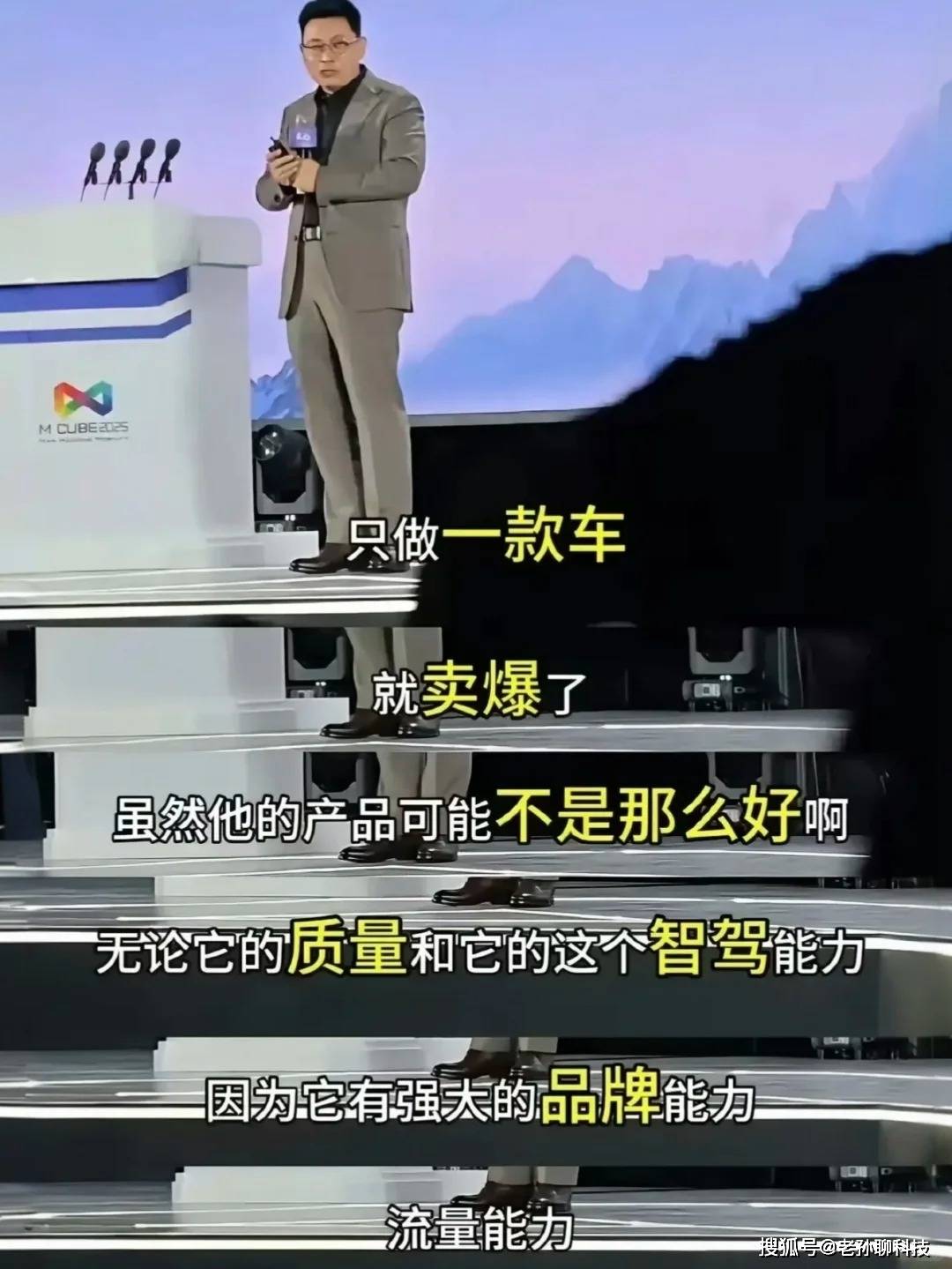
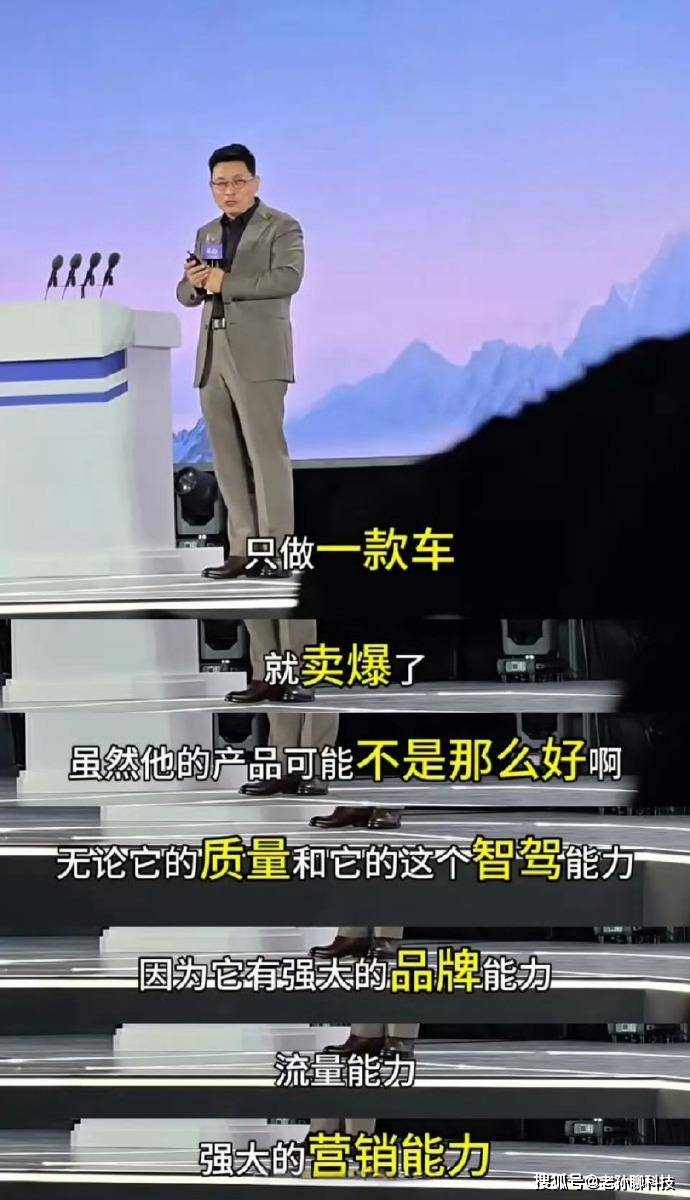
华为和小米在手机行业已经成为"欢喜冤家",在汽车行业也陷入唇枪舌剑。余承东在公开场合嘲讽友商质量不行,只靠营销打败华为,外界普遍怀疑其内含 小米。随着雷军等小米高管回应,闹出错误引用"莫言名言"笑话后,余承东也作出回应,承认自己"胡说八道"希望大家不要断章取义。 再来回顾事情经过,在2025未来汽车先行者大会上,华为常务董事、终端BG董事长余承东公开嘲讽友商。余承东表示,有厂商质量按照华为标准根本不能 出厂,更不能交给消费者,质量差到让自己一头汗。还有的厂商质量、智驾能力、体验不如自己的产品。但凭借强大的品牌力、营销等手段一款车就卖爆, 只做了一款车,销量就比自己还要好。自己做出方方面面都比友商更好汽车,但就是卖不过对方,甚至不如对方零头。 余承东没有点名说的是哪一个厂家,外界分析语境分析可能是小米,毕竟余承东强调"这家企业只做了一款车就卖爆了"。在当前国内市场,只发布一款汽车 且成为爆款的只有小米,没有第二家厂商。面对疑似来自余承东的嘲讽,雷军、卢伟冰、王化等高管接连回应,闹出错误引用名言的笑话。 首先是卢伟冰的回应,认为小米SU7卖爆和小米YU7获得关注,本身体验出了其强大的影响力。质量好不好,网友说了算 ...
余承东疑似讽刺小米汽车,雷军回应:诋毁,本身就是一种信仰
Sou Hu Cai Jing· 2025-06-01 03:45
华为和小米作为手机行业引流,在汽车领域似乎也明争暗斗。余承东最新一份公开讲话疑似讽刺小米汽车,吐槽其质量和智驾能力都不行,却靠营销能力销 量远超华为合作品牌。小米董事长雷军作出回应,引用莫言一句名言"诋毁,本身就是一种仰望"作为反击,华为和小米吵架你支持谁? 虽然余承东没有说哪个品牌,但至少前面一段话明显指向小米。"这个公司只做了一款车就卖爆"只能是小米,毕竟纵观整个汽车行业没有哪家品牌像小米一 样,只推出小米SU7一款车就已经成行业顶流,部分节点一辆车销量比华为"鸿蒙智行"四界加起来都多,,大多数时间小米SU7销量也远胜过鸿蒙智行,这 是让余承东最难接受的地方。 2025未来汽车先行者大会上,华为常务董事和终端业务负责人余承东吐槽,有公司只做了一款车就卖爆了,但它产品质量和智驾能力都不行。成功的原因只 是其拥有强大的品牌能力、强大的营销能力,在互联网时代一款产品就能打爆。华为无论质量还是智驾能力都更好,体验和性能也更好,方方面面都比它 好,但就是卖不过它,甚至卖不过它的零头,在今天这个时代,确实没办法。 同时,余承东还讲了另外一段话,知道说出来可能会引发很大争议,媒体助理一直希望不要在公开场合讲出,但还是忍 ...
清华大学互联网产业研究院院长朱岩: AI+数据驱动下,探寻消费领域的边界与新范式
Bei Jing Shang Bao· 2025-05-28 08:18
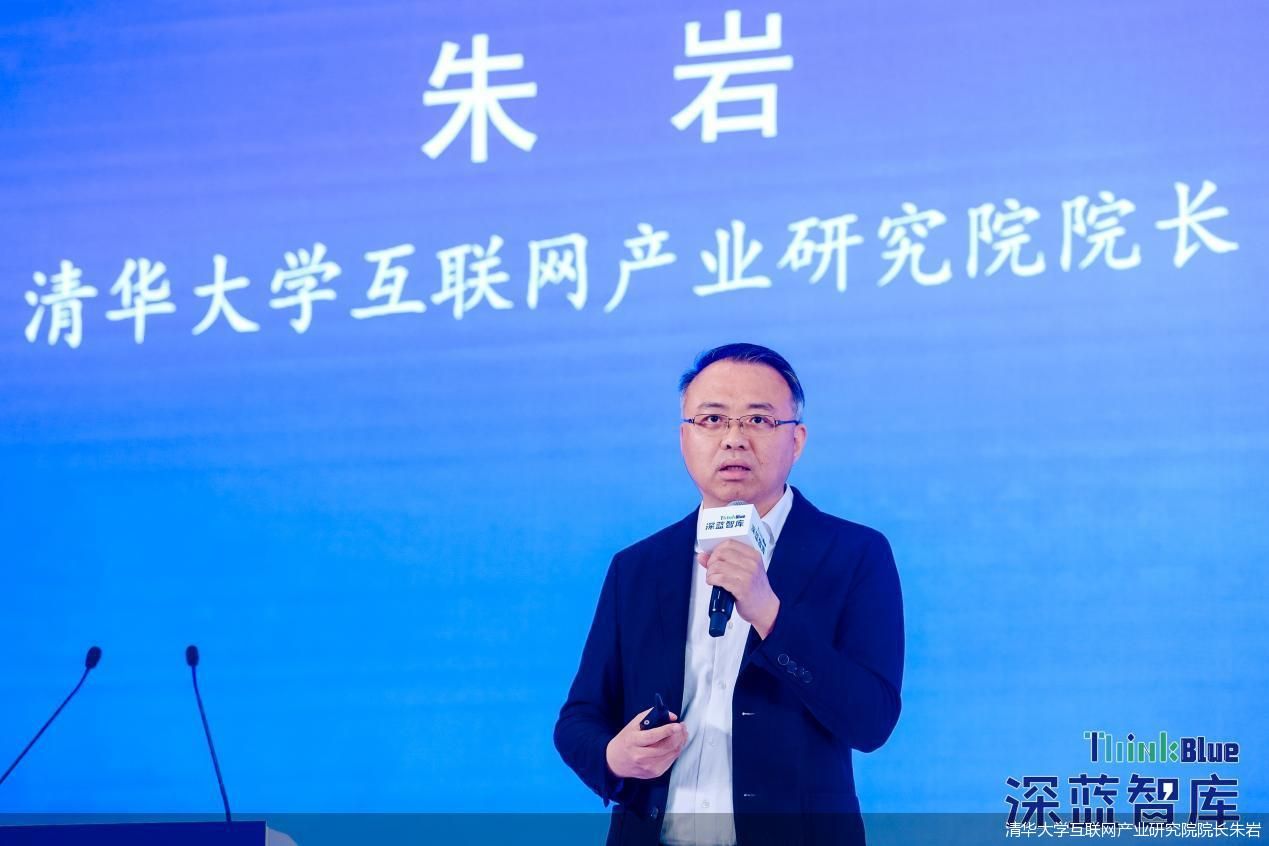
5月28日,由北京商报社、《中外企业文化》杂志社主办的"2025深蓝媒体智库年度论坛"在北京国际饭店开幕。主论坛上,清华大学互联网产业研究院院长 朱岩以"数据与AI驱动的消费范式变革"为题,分享了一系列极具前瞻性的观点,深刻剖析了AI与数据浪潮下消费领域的变革与未来。 朱岩指出,当下经济正经历巨大转变,数据成为转变的"原料",AI则是"发动机"与"工具",二者驱动各领域消费方式发生范式级变革。以媒体消费为例,其 创新已超越传统融媒体形式。随着DeepSeek等大模型的出现,更引发人们对消费基本范式改变的深入思考。 朱岩表示,释放数字空间需求的关键在于国家对数据要素的激活与统一大市场建设。可信数据空间建设尤为重要,它能确保数据真实可信,充分开发公共数 据、企业数据等价值,推动数据消费新模式的形成,重新定义产品、劳动、企业和产业链。未来企业形态也将改变,"单人企业"借助智能代理成为发展方 向。 朱岩以清华大学为例,进一步解释在科学研究领域AI带来的革命性变化。不过,在肯定AI带来的突破性变革的同时,他也指出,当下人工智能工具仍存在 不足,需要进一步发展完善。 展望未来消费方向,朱岩结合政府工作报告内容分析称,传统 ...