核电

Search documents
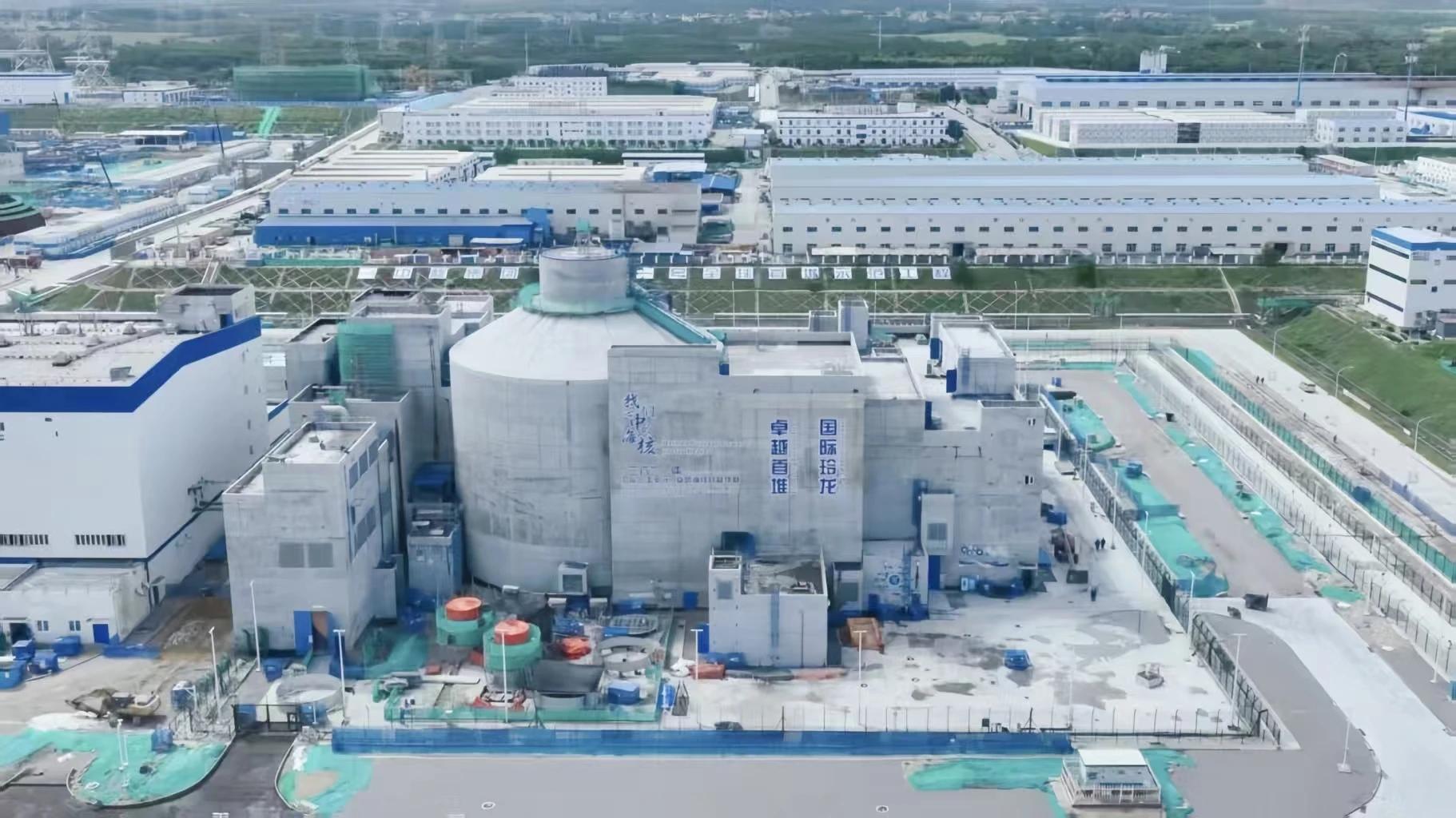
“玲龙一号”汽轮发电机组非核冲转成功
Huan Qiu Wang Zi Xun· 2025-12-25 01:33
来源:科技日报 科技日报记者 朱虹 12月23日,全球首个陆上商用模块式小型堆"玲龙一号"汽轮发电机组非核冲转一次成功。该工程是海南昌江多用途模块式小型堆科技示范项目,由哈电集团 自主研制,冲转全程机组运行平稳,各项关键参数均符合设计标准,标志着项目建设突破关键节点,为后续核蒸汽冲转及并网发电筑牢基础。 "玲龙一号"是我国具有完全自主知识产权的陆上商用模块式小型堆,也是全球首个通过国际原子能机构安全审查的同类堆型,规划容量为125兆瓦,其核心 动力装备汽轮机、汽轮发电机、核主泵均由哈电集团自主研制。 非核冲转试验是核电机组建设过程中的重要环节,被喻为核电机组装料前对常规岛系统进行的一次全面"实战演练"。 此次冲转成功的汽轮发电机组,汽轮机采用哈电集团汽轮机公司自主研制的125兆瓦等级凝汽式、单轴、单背压、过热蒸汽汽轮机组,创新应用先进的高压 N+1轴承支撑等先进技术,显著提升运行效率与安全可靠性;高压模块实现整体发运、现场快速安装,凝汽器采用模块化设计,充分体现小型堆"小型化、 模块化、一体化"的技术特征。汽轮发电机采用哈电集团电机公司自主研制的空冷汽轮发电机,创新应用全空冷技术,定子采用内、外机座,铁芯与机 ...


突发!结束涉华芯片调查;日线5连涨!北京市,松绑!广期所,再次出手
Jin Rong Jie· 2025-12-25 00:08
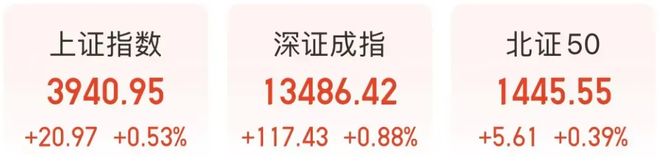
来源:光大证券微资讯 热点聚焦 1、隔夜,美股三大指数集体收涨,均录得日线5连涨。道指涨0.6%,标普500涨0.32%,纳指涨0.22%。 其中,标普500、道指均创历史收盘新高。当天盘前,英特尔股价直线跳水,盘中跌幅一度超过5%,收 盘跌0.52%。有报道称,英伟达已暂停对英特尔18A制程工艺的测试。同时,英伟达称并未收购AI芯片 初创公司Groq,仅为技术许可安排。此前报道称,英伟达拟以约200亿美元收购Groq。 2、隔夜,国际贵金属期货收盘涨跌不一。COMEX黄金期货持平,报4505.4美元/盎司;COMEX白银期 货涨1.04%,报71.88美元/盎司。12月25日1:16,现货白银短线拉升,向上触及72美元/盎司,日内上涨 0.8%。此前,黄金、白银在创下历史新高之后,一度跳水。北京时间25日5:59纽约尾盘,离岸人民币兑 美元报7.0074元,较周二纽约尾盘涨119点。 3、据环球时报,美国政府23日宣布,将在2027年对华芯片加征关税,结束了拜登政府发起的对华芯片 贸易调查。美媒分析称,尽管美国政府称中方在芯片产业中的做法"损害美国利益",但最终决定至少在 18个月内不对华芯片加征额外关税。 ...


经济日报财经早餐【12月25日星期四】
Jing Ji Ri Bao· 2025-12-24 23:08
Group 1 - The National Development and Reform Commission and the Ministry of Commerce released the "Encouragement Directory for Foreign Investment Industries (2025 Edition)," effective from February 1, 2026 [1] - The State Administration for Market Regulation and other departments launched a special governance action plan for the quality and safety of industrial products sold online, aiming to enhance the quality and safety standards of these products [1] - The People's Bank of China and eight other departments proposed 21 financial support measures to promote the high-quality development of the Western Land-Sea New Corridor [1] Group 2 - The National Energy Administration reported that the total electricity consumption in November reached 8,356 billion kilowatt-hours, a year-on-year increase of 6.2% [3] - Central enterprises achieved a value-added of 9.5 trillion yuan in the first 11 months, reflecting a year-on-year growth of 1.4% [3] - Beijing's housing authorities announced adjustments to real estate policies, easing purchasing conditions for non-local families and supporting multi-child households [3] Group 3 - Sanya's duty-free shops reported cumulative sales of 535 million yuan from November 18 to 22, marking a year-on-year increase of 50.3% [4] - The completion of the Beitian Mountain Tunnel, a key project on the G577 highway, will significantly reduce travel time across the Tianshan North Range to approximately 15 minutes [4]
2025年终经济观察|激活有效投资 打开经济发展新空间
Xin Hua Wang· 2025-12-24 23:04
Group 1: Investment in Physical Assets - The construction of the Huatanzi Reservoir in Tongren City, Guizhou Province, is progressing efficiently, with over half of the total investment already completed since its commencement in 2024 [3] - Major projects such as the world's largest integrated green hydrogen and ammonia project and the ±800 kV UHVDC transmission project in Hubei have recently made significant progress, supporting the stability of investment [3] - Fixed asset investment in China decreased by 2.6% year-on-year in the first 11 months of this year, influenced by local government debt pressures and the transition of economic development stages, but project investment excluding real estate increased by 0.8% [4] Group 2: New Infrastructure Investment - New infrastructure is a strategic foundation for supporting new industries and services, with projects like the Jinbricks Digital Industrial Park in Xiamen expected to generate over 10 billion yuan in revenue once fully operational [5] - Key areas of new infrastructure, including low-altitude economy, artificial intelligence, and 5G base stations, are progressing steadily, contributing to high-quality development [5] - The manufacturing value added of smart consumer devices increased by 7.6% year-on-year in the first 11 months, with industrial robots and control systems seeing production increases of 29.2% and 87.6%, respectively [5] Group 3: Investment in Human Capital - Investment in education and healthcare is being prioritized, with projects like the new school in Huaihua City expected to alleviate high school enrollment pressures [7] - Investments in public welfare infrastructure, such as power supply and internet services, have seen year-on-year increases of 12.5% and 20.7%, respectively, in the first 11 months [7] - The aging population and the need for childcare services present significant investment opportunities, with the silver economy projected to exceed 30 trillion yuan by 2035 [9] Group 4: Policy Support for Investment - The Central Economic Work Conference emphasized the importance of increasing central budget investment and optimizing the implementation of key projects to stimulate effective investment [11] - Local governments are actively developing strategies to enhance investment in both physical and human capital, with initiatives in Jiangsu, Guangdong, and Zhejiang focusing on high-quality project implementation [11] - The promotion of private investment is crucial for economic growth, with local governments establishing project reserves and support systems to facilitate private sector participation [12]
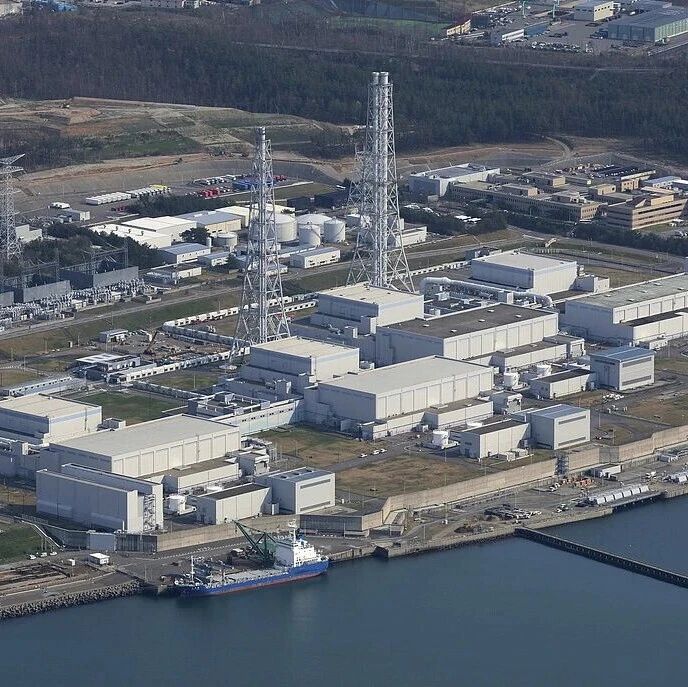
日本最大核电站拟重启面临信任危机
Xin Lang Cai Jing· 2025-12-24 19:51
Core Viewpoint - The Niigata Prefectural Assembly has approved a supplementary budget to restart the Kashiwazaki-Kariwa Nuclear Power Plant, Japan's largest nuclear facility, which has been shut down since 2012 following the Fukushima disaster. This decision has sparked significant controversy and public opposition [1][2]. Group 1: Nuclear Power Plant Restart - The Kashiwazaki-Kariwa Nuclear Power Plant has a total installed capacity of approximately 8.212 million kilowatts and began operations in 1985 [1]. - The plant was initially shut down in March 2012 after the Fukushima disaster, and its restart has faced multiple delays due to safety concerns and equipment failures [1]. - The Niigata Prefectural Assembly's approval allows for the restart of units 6 and 7, with a potential restart date set for January 2026 if all goes smoothly [1]. Group 2: Government and Economic Context - The Japanese government aims to increase nuclear power's share of total electricity generation to 20-22% by 2030, as outlined in its 2021 energy plan [2]. - Tokyo Electric Power Company (TEPCO) has lost operational capacity in its other nuclear plants, making the restart of Kashiwazaki-Kariwa critical for its business restructuring and profitability [2]. - The current depreciation of the yen has increased energy import pressures, further motivating the government to restart nuclear power [2]. Group 3: Public Sentiment and Trust Issues - Public opposition is significant, with approximately 70% of Niigata residents expressing distrust towards TEPCO, reflecting a broader skepticism towards the government's assurances of nuclear safety [2][3]. - Historical incidents, including the 2007 earthquake and the 2011 Fukushima disaster, have eroded public trust in TEPCO and the government's nuclear safety claims [3]. - Despite new safety regulations implemented by the Nuclear Regulation Authority, public confidence remains low, and there is widespread concern about the risks associated with nuclear power [3].
“华龙一号”漳州核电1号机组年度发电量突破100亿度
Ren Min Ri Bao· 2025-12-24 13:58
Core Viewpoint - The "Hualong One" nuclear power project in Zhangzhou is set to achieve an annual electricity generation of over 10 billion kilowatt-hours by December 24, 2025, marking a significant milestone in China's nuclear energy development [2][4]. Group 1: Project Overview - The Zhangzhou nuclear power plant is the starting point for the mass construction of "Hualong One" reactors and is currently the largest "Hualong One" nuclear power base globally, with a total of six reactors planned [2]. - The first reactor (Unit 1) commenced commercial operation on January 1 of this year, while the second reactor (Unit 2) is expected to begin commercial operation by the end of this year after connecting to the grid on November 22 [2]. - Units 3 and 4 are in the construction phase, and Units 5 and 6 are progressing with preliminary work [2]. Group 2: Technical Features and Environmental Impact - "Hualong One" is a third-generation pressurized water reactor with complete independent intellectual property rights, featuring a core with 177 fuel assemblies and a design lifespan of 60 years [4]. - The reactor incorporates both active and passive safety systems and a double-layer safety shell, meeting the highest safety standards and latest technological requirements [4]. - Each "Hualong One" reactor can generate over 10 billion kilowatt-hours annually, which can meet the annual electricity needs of a medium-developed country with a population of 1 million, significantly reducing coal consumption by 3.12 million tons and CO2 emissions by 8.16 million tons, equivalent to planting over 70 million trees [4]. Group 3: Future Projections and Regional Impact - Once fully operational, the Zhangzhou nuclear power base is expected to provide over 60 billion kilowatt-hours of clean electricity annually, which can satisfy 75% of the total electricity demand for Xiamen and Zhangzhou in southern Fujian [5]. - This development is anticipated to effectively improve the electricity distribution pattern in Fujian province, particularly addressing the "north-to-south power transmission" issue [5].
日本寻求突破“无核三原则”将重启最大核电站 地方政府:担忧出现各种状况!
Xin Lang Cai Jing· 2025-12-24 13:41
Core Viewpoint - The Japanese government is pushing to restart the Kashiwazaki-Kariwa Nuclear Power Plant Unit 6, which is the largest nuclear power plant in Japan, as part of its efforts to overcome the "three non-nuclear principles" established after the Fukushima disaster in 2011 [1] Group 1 - Tokyo Electric Power Company (TEPCO) submitted an application to the Nuclear Regulation Authority for final confirmation of the equipment needed to restart the plant [1] - The planned restart date for Unit 6 is January 20 of the following year, marking the first nuclear reactor to be restarted under TEPCO since the Fukushima incident [1] - Local government concerns have been raised regarding potential issues that may arise from the restart of the nuclear facility [1]
中广核两台“华龙一号”核电机组开始装料
Yang Shi Xin Wen· 2025-12-24 11:30
Core Viewpoint - The loading of the first nuclear fuel for the "Hualong One" nuclear power projects at the Taipingling Nuclear Power Station and the Zhejiang San'ao Nuclear Power Station marks a significant milestone, indicating the transition to the main system nuclear debugging phase for these units [1] Group 1: Project Details - The Taipingling Nuclear Power Station is located in Huizhou, Guangdong Province, while the San'ao Nuclear Power Station is in Cangnan County, Zhejiang Province [1] - Both projects are designed to construct 6 million kilowatt-level pressurized water reactor units [1] Group 2: Operational Timeline and Impact - The first units of both projects are expected to commence power generation in the first half of 2026 [1] - Once operational, each unit is projected to provide nearly 10 billion kilowatt-hours of clean electricity annually, sufficient to meet the annual electricity needs of 1 million people [1] - The projects are anticipated to reduce standard coal consumption by over 3 million tons and decrease carbon dioxide emissions by 9.24 million tons, equivalent to afforesting 22,500 hectares [1]
明年1月20日重启
中国能源报· 2025-12-24 11:03
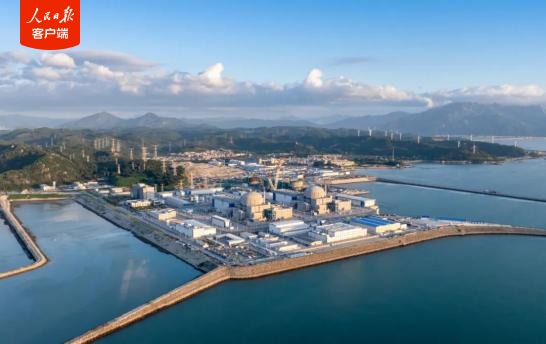
Core Viewpoint - Japan's largest nuclear power plant, the Kashiwazaki-Kariwa Nuclear Power Plant, is set to restart its Unit 6 reactor on January 20, 2024, marking the first nuclear unit to resume operations under Tokyo Electric Power Company since the Fukushima disaster in 2011 [3]. Group 1 - The restart of Unit 6 at the Kashiwazaki-Kariwa Nuclear Power Plant is a significant milestone for Tokyo Electric Power Company, as it is the first nuclear reactor to be restarted after the Fukushima Daiichi nuclear disaster [3]. - The plant, located in Niigata Prefecture, has a total installed capacity of approximately 8.212 million kilowatts, making it the largest nuclear power station in Japan [3]. - Following the 2011 earthquake and tsunami, all nuclear reactors in Japan were shut down, and the Kashiwazaki-Kariwa plant was closed in 2012 [3].
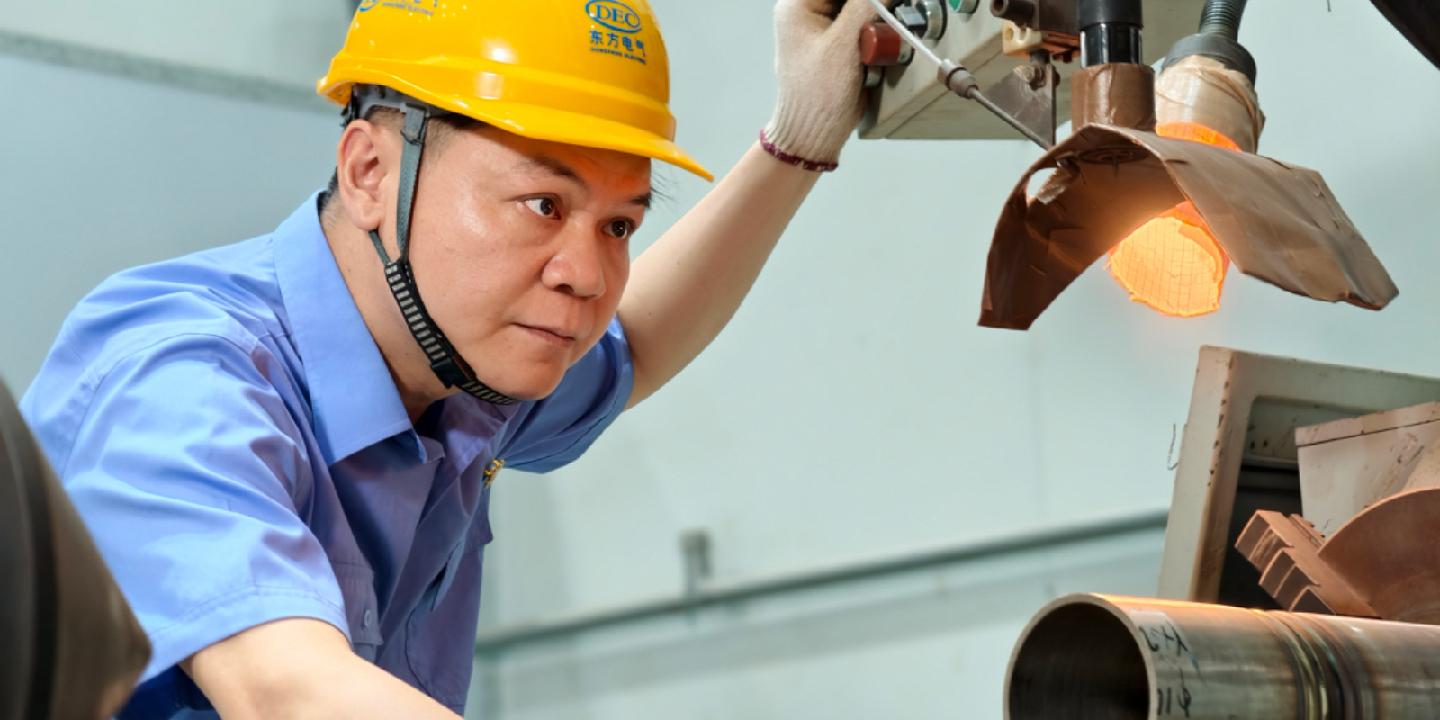
“核电焊工”王育忠:在“人造太阳”项目中学习与世界接轨的技术|我们的四分之一世纪
Jing Ji Guan Cha Wang· 2025-12-24 10:17
Core Viewpoint - The article highlights the journey and achievements of Wang Yuzhong, a welding expert in China's nuclear power industry, emphasizing the importance of skilled labor and innovation in welding technology, particularly in the context of international nuclear projects like the ITER program [2][5][10]. Group 1: Career Development - Wang Yuzhong began his career in welding 28 years ago and has progressed from a regular welder to a leading figure in automatic TIG welding within the nuclear power sector [2][3]. - He joined Dongfang Heavy Machinery Company in 2010 and quickly adapted to automatic welding, mastering the necessary skills and obtaining nuclear qualifications within two years [4][6]. Group 2: Involvement in International Projects - Wang played a significant role in the ITER project, which is a major international nuclear fusion collaboration involving multiple countries, including China [5][6]. - The project aims to explore the feasibility of fusion energy, which is seen as a clean and sustainable energy source [5][6]. Group 3: Technical Challenges and Innovations - The welding processes for the ITER project involved high precision and quality control due to the extreme conditions of nuclear equipment, requiring rigorous monitoring at every stage [6][7]. - Wang's team faced significant challenges in welding complex components, such as the blanket shielding module and magnetic support structures, which required innovative solutions to ensure structural integrity [7][8]. Group 4: Craftsmanship and Knowledge Transfer - The article emphasizes the importance of craftsmanship in welding, highlighting the physical demands and risks associated with the profession [9][10]. - Wang is committed to passing on his knowledge to younger technicians through structured training programs, focusing on both traditional skills and modern innovations in welding technology [11][10].