
畜牧业

Search documents
2026年2月豆类月报:供应宽松基调确立结构转换下的市场博弈-20260130
Bao Cheng Qi Huo· 2026-01-30 01:38
1. Report Industry Investment Rating There is no information provided regarding the report industry investment rating in the given content. 2. Core Views of the Report International - The US soybean market's supply - demand pattern has shifted to a loose state under the influence of the unexpectedly bearish USDA January supply - demand report. Although the strong domestic crushing demand provides some support for prices, it cannot offset the weak external demand. The expected high - yield in South America continues to suppress market sentiment, with the increased production forecast in Brazil setting the tone for global supply abundance. The continuous drought in the Argentine production area adds weather premium and is the main uncertain factor. Overall, the US soybean market faces double pressure from inventory accumulation in the US and intensified competition from South America, limiting the price rebound space [4][96]. Domestic - The domestic soybean market shows characteristics of loose external and stable internal conditions. The spot price of imported soybeans is stable, while the price of domestic soybeans rises supported by supply and demand. The overall market supply is abundant. The previous commitment to concentrated procurement of US soybeans has been mostly fulfilled, and future procurement will focus on South American new crops with more price advantages. The operating rate of domestic oil mills peaks driven by pre - Spring Festival stocking, but the crushing profit is severely squeezed. High upstream costs and high downstream inventories jointly restrict the industry's profit space. As the Spring Festival stocking demand nears the end, the boosting effect on soybean meal consumption weakens, and inventory reduction is slow. The domestic soybean market is supported by festival stocking in the short term, but will face multiple challenges in the medium term, such as the concentrated arrival of low - priced South American soybeans, high domestic inventories, and weak downstream breeding demand. After the stocking market, the logic of loose supply will dominate the market again [4][96]. 3. Summary According to the Table of Contents 1. Market Review 1.1 Soybean Spot Prices Fluctuate Differently - At the end of January 2026, the spot price of imported second - grade soybeans in Zhangjiagang was 3,920 yuan/ton, a slight decrease of 30 yuan compared to the end of December 2025. The spot price of domestic third - grade soybeans in the Nenjiang area of the Heilongjiang soybean production area was 4,060 yuan/ton, a month - on - month increase of 170 yuan [10]. 1.2 Bean Futures Prices: Raw Materials Stronger than Finished Products - Since January 2026, the price center of bean No. 1 futures has generally risen, from 4,240 yuan/ton to around 4,370 yuan/ton, with spot and futures prices rising in tandem. The price of bean No. 2 futures fluctuated strongly. After three consecutive weeks of consolidation, it broke upwards. Since the spot price remained strong during the same period, the basis of bean No. 2 remained at a relatively high level. The price of soybean meal futures was mainly in consolidation, following the pace of US soybean futures but overall weaker than US soybeans, mainly due to the relatively loose domestic supply [12]. 2. The USDA Report is Unexpectedly Bearish, and South American Weather Topics Continue to Simmer 2.1 US Soybean Data is Unexpectedly Bearish; Strong Domestic Demand Cannot Offset Weak Exports - The USDA's January supply - demand report on January 12, 2026, significantly revised the US soybean data, with core adjustments including increased production, decreased exports, and increased inventory. The US soybean production in the 2025/26 season was unexpectedly raised to 4.262 billion bushels, an increase of 9 million bushels from the December report. The increase was mainly due to the increase in the harvested area from 80.3 million acres to 80.4 million acres. The domestic crushing demand was strong, with the estimated domestic crushing volume raised from 2.555 billion bushels to 2.570 billion bushels. However, the export demand shrank significantly, with the export volume estimate cut by 60 million bushels from 1.635 billion bushels to 1.575 billion bushels. The ending inventory of US soybeans in the 2025/26 season soared from 290 million bushels to 350 million bushels, reaching a six - year high. The farm - level annual average price estimate for US soybeans in the 2025/26 season was lowered from $10.50 per bushel to $10.20 per bushel [16][17]. 2.2 South American Production Area Weather Topics Simmer; High - Yield Expectations Face Adjustment - In January 2026, the weather in South American soybean production areas showed significant regional differentiation. In Brazil, although a record - high yield is expected, weather disturbances bring uncertainties to harvesting and later growth. In Argentina, continuous drought has caused substantial damage to crop growth, and the production forecast faces downward pressure. In Brazil, the southeast has heavy rain and the south has extreme heat. Heavy rain in the southeast and central - west core production areas has delayed the mechanical harvesting of early soybeans and squeezed the sowing window for second - crop corn. The high - temperature and dry weather in the south has threatened the growth of soybeans and corn. In Argentina, since December 2025, the core agricultural areas have suffered from continuous drought, leading to a sharp deterioration in soil moisture, affecting soybean growth, and causing a decline in the proportion of good - quality crops and suitable soil moisture [22][23][25]. 2.3 US Soybean Crushing Volume Remains High; Strong Domestic Demand is Still an Important Support - The NOPA's January monthly crushing data showed that the US soybean crushing volume in December reached the second - highest level in history, slightly higher than market expectations. The crushing volume in December was 224.994 million bushels, a 4.1% increase from November and an 8.9% increase from December 2024. The USDA's January supply - demand report predicted that the US soybean crushing volume in the 2025/26 season would be 2.570 billion bushels, higher than the December forecast and a 5.11% increase from the previous year. The high crushing volume is driven by multiple factors, including rigid domestic demand for soybean meal, biodiesel policies supporting soybean oil consumption, and indirect export market pull [26][28]. 2.4 The Peak US Soybean Export Period Ends; the Competition between North and South American Soybeans Begins - The US soybean export pattern is undergoing a profound structural adjustment. The total US soybean export volume is under pressure, with a significant reduction in the export volume estimate from 1.635 billion bushels to 1.575 billion bushels. This is due to the continuous and rapid expansion of South American production capacity and the strong domestic crushing demand in the US, which reduces the supply for export and weakens its international price competitiveness. China's purchase of 12 million tons of US soybeans has provided short - term support for US soybean exports, but after fulfilling the commitment, China will turn to South American new crops. The price competitiveness of US soybeans compared to South American soybeans will be a decisive factor in future exports [32][33]. 3. Domestic Soybean Supply is Abundant; Spring Festival Stocking Demand is Nearing the End 3.1 China Fulfills the US Soybean Purchase Commitment; Future Procurement Turns to South America - In January 2026, domestic imported soybean procurement has evolved into refined cost management and supply - chain balance under multiple constraints. Brazil has a dominant position in China's soybean imports. China has basically completed the concentrated procurement of US soybeans for the 2025/26 season, with the actual procurement approaching or exceeding 10 million tons, over 80% of the 12 - million - ton target. The focus is now shifting to South American new crops. The procurement decision is driven by profit accounting and inventory adjustment. The state reserve has been conducting soybean auctions since January, which has supplemented the immediate supply and strengthened the expectation of loose future supply, suppressing the purchasing enthusiasm of oil mills [46][47]. 3.2 Oil Mill Operating Rate Peaks before the Festival; Crushing Profit Space is Severely Squeezed - The domestic soybean crushing industry is in a game between strong reality and weak expectations. The crushing profit is severely squeezed. High import costs and limited downstream soybean meal price increases due to high inventory have led to poor profit conditions for oil mills. The operating rate of oil mills increased significantly in mid - to late January to meet the pre - Spring Festival stocking demand, but it is expected to decline after the stocking demand is released. The soybean meal market has a high inventory level with slow reduction and limited demand boost. In the future, the domestic soybean crushing industry may face a decline in the operating rate, and the crushing profit will continue to be squeezed [60][61]. 4. Excess Supply and Weak Demand Coexist; Pig Prices Continue to Bottom Out 4.1 Pig Prices Rebound and then Come under Pressure Again; the Industry Remains at the Bottom of the Cycle - In January 2026, the domestic pig market was in a complex game between the traditional consumption peak season and high supply, showing the characteristics of a weak peak season and industry pressure. Pig prices did not show a unilateral upward trend but rebounded slightly and then came under pressure again. The industry was still at the bottom of the cycle, with self - breeding and self - raising of pigs still incurring an average loss of about 33 yuan per head as of early January. Major listed pig enterprises increased their slaughter volume but saw a decline in sales revenue due to lower average prices [75]. 4.2 Pig Production Capacity is Reduced Slowly; Market Supply Pressure Remains Heavy - The official inventory data shows that the number of sows capable of reproduction is slowly decreasing, but the absolute quantity is still high. As of the end of 2025, the national inventory of sows capable of reproduction was 39.61 million, a 2.9% year - on - year decrease, still slightly higher than the balanced level. In 2025, the national pig slaughter volume reached 720 million, and the pork output was 59.38 million tons. In late January 2026, the short - term market supply pressure increased significantly due to the increased slaughter volume and the concentrated release of fattened pigs by secondary fatteners [76][77]. 4.3 Traditional Pre - Festival Demand is Delayed Overall; Demand Explosiveness is Weakened - Slaughter enterprises are eager to lower the purchase price of pigs to reduce losses, which suppresses market demand. Traders and slaughter enterprises have low willingness to build frozen - product inventories, and the frozen - product inventory level remains low. The Spring Festival in 2026 was about 20 days later than usual, delaying the traditional pre - festival demand peak. Family curing and enema in the south, killing pigs for the New Year in the north, and inventory - building demand from supermarkets and wholesale markets were all weak or delayed, weakening the demand explosiveness [84][86]. 5. Conclusion - The international and domestic soybean market situations are consistent with the core views of the report, with the US soybean market facing pressure and the domestic soybean market showing short - term support and medium - term challenges [96].
综合晨报:美国再次面临政府停摆危机,白酒股大涨带动沪指走强-20260130
Dong Zheng Qi Huo· 2026-01-30 01:11
日度报告——综合晨报 美国再次面临政府停摆危机,白酒股大涨带 动沪指走强 [T报ab告le_日R期an:k] 2026-01-30 宏观策略(股指期货) 白酒股大涨带动沪指走强 受地产消息面影响,传统蓝筹股大涨,带动沪指走高,近期市 场投机情绪对冲了国家队的抛压,但近期地缘动荡,后续行情 仍然有较大的不确定性。仍建议均衡配置。 宏观策略(外汇期货(美元指数)) 特朗普:在与国会一起努力避免政府停摆 综 合 特朗普表态努力避免政府停摆,市场风险偏好走弱,美元指数 走低。特朗普最新的表态努力避免政府停摆,美国政府停摆问 题暂时解决。 晨 黑色金属(焦煤/焦炭) 报 吕梁市场炼焦煤线上竞拍价格上涨 短期来看,供应高位同时下游补库结束,整体市场情绪回落, 短期震荡运行。 有色金属(铜) 嘉能可 2025 年铜产量下滑 11% 宏观因素多变,美股科技股下挫叠加美国政府停摆担忧,引发 市场风险偏好反复变化,预计铜价震荡将阶段加剧。 能源化工(液化石油气) 沙特阿美公司 2026 年 2 月 CP 出台 二月 cp 丙烷官方价格小幅高开 5 美金,没有太超市场预期,环 比 1 月官方价格涨 20 美金,跟随 FE 价格 I ...

今年四川“三农”工作划重点→→
Sou Hu Cai Jing· 2026-01-30 01:03
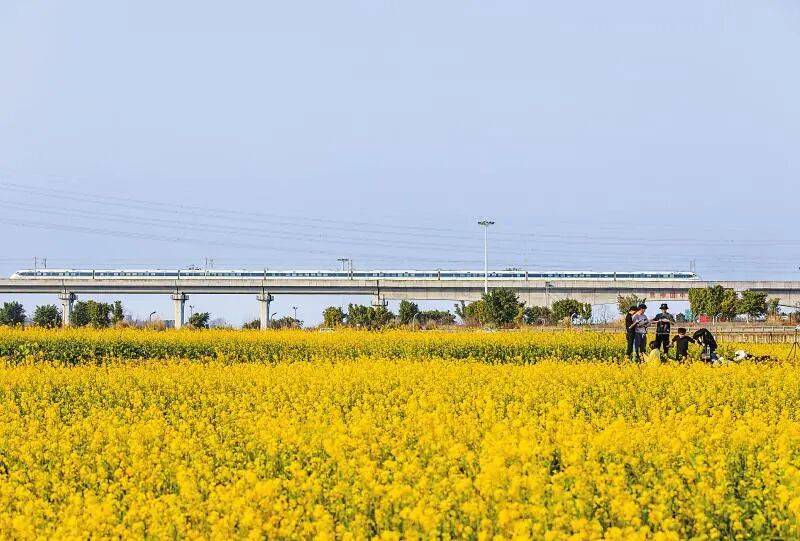
四川是农业大省 使农村基本具备现代生活条件 让农民生活更加富裕美好 "三农"是四川应对外部不确定性的"压舱石" 2026年是"十五五"开局之年 站在新的历史起点 四川将如何扎实抓好"三农"重点任务 确保实现"十五五"良好开局? 1月28日举行的省委农村工作会议给出答案: 进一步锻长板、补短板、育新板 努力把农业建成现代化大产业 除了"米袋子","菜篮子""肉盘子"也牵动人心。成都市农业农村局局长古建桥说,将聚力提升都市农业质量效 益,实施千亿级现代都市农业产业集群培育提升行动,推进科技和农业深度融合,培育蒲江 柑、金堂羊肚菌等单 品;同时实施生猪禽蛋稳产提质工程,推进现代化规模养殖场新(改扩)建。 当前,自然灾害仍是影响全省特别是丘陵山区粮食生产的最大不确定性因素。省农业农村厅相关负责人表示,将 通过推广水肥一体化设备、建设机电提灌站、选用耐逆性品种等方式,增强灾害防范应对能力,实现科学防灾减 灾促增产。 成都双流区环城绿道旁的油菜花海翻涌着金浪(资料图片)。 赵阳 摄(C视觉) 01 粮食安全 深入实施新一轮粮食产能提升行动 会议强调粮食等重要农产品保供,这与四川在全国农业版图中的重要战略位置有关。作为全国 ...

绘就和美乡村新画卷
Jing Ji Ri Bao· 2026-01-29 22:29
Core Insights - The article emphasizes the importance of agricultural modernization and rural revitalization as key components of China's overall modernization strategy, focusing on food security, farmer income growth, and rural development quality [1][2][3][4][5][6][7]. Agricultural Foundation Strengthening - The primary goal is to enhance the comprehensive production capacity and quality efficiency of agriculture, ensuring stable food supply for over 1.4 billion people [2][3]. - Transitioning from an agricultural power to an agricultural strong nation requires understanding global agricultural trends while considering domestic conditions [2]. Food Security - Food security is deemed a national priority, with continuous efforts needed to ensure stable grain production despite rising demand and changing consumption patterns [3][4]. - Emphasis on maintaining arable land and improving agricultural disaster resilience is crucial for securing food supply [3]. Nutritional and Food Supply Diversity - The article outlines the evolving dietary needs of residents, advocating for a diversified food supply system to meet modern nutritional requirements [4]. - Local resources should be utilized to develop various agricultural sectors, including modern livestock, fisheries, and facility agriculture [4][5]. Agricultural Strengthening - Despite achieving high production levels for major agricultural products, there are still gaps in labor productivity, technological advancement, and sustainable development compared to global agricultural leaders [5][6]. - The need for innovation in agricultural technology and practices is highlighted to improve efficiency and competitiveness [6]. Farmer Income Growth - Increasing farmer income is identified as a central task, with measures to promote stable income growth and reduce the urban-rural income gap [8][9]. - The implementation of a three-year action plan to develop the agricultural processing industry aims to enhance product value and farmer earnings [9]. Rural Prosperity - The article discusses the ongoing transformation in rural areas, emphasizing the need for improved infrastructure and public services to enhance living conditions [12][13][14]. - Rural revitalization efforts should focus on integrating urban and rural development, ensuring that rural areas benefit from economic growth [12][14]. Continuous Support for Farmers - The importance of maintaining support for low-income populations and ensuring no large-scale return to poverty is stressed [10][11]. - Development of a robust support policy framework is essential for sustaining rural growth and enhancing farmers' livelihoods [11]. Conclusion - The prospects for the agricultural sector in the new year are optimistic, with a focus on modernization and comprehensive rural revitalization [16].
建设生态安全屏障的陈巴尔虎“基层实践”
Xin Lang Cai Jing· 2026-01-29 19:50
(来源:内蒙古日报) 转自:内蒙古日报 立足国家生态文明建设总体布局,紧扣内蒙古自治区战略定位,围绕呼伦贝尔市筑牢我国北方重要生态 安全屏障的部署要求,陈巴尔虎旗正以坚定的实践者和积极的贡献者姿态,肩负起守护绿水青山的政治 责任与历史使命。 近年来,陈巴尔虎旗将"系统解决草原过牧问题,推动传统畜牧业转型升级"确立为全旗深化改革的第一 课题,构建起"1个总方案+15个子方案+8个试点嘎查"的立体工作体系,制定了清晰的时间表、路线图 和任务书。探索一条生态惠民、绿富同兴的新路,已成为全旗上下的共同追求。一场旨在破解千年牧业 发展瓶颈、协调人草畜深度矛盾的绿色变革,正在这片草原深处扎实推进,贡献着来自基层的"陈巴尔 虎旗实践"与"陈巴尔虎旗力量"。 护绿 从"九龙治水"到"一图"协同 "过去,各部门数据标准不一、信息共享不畅,实际工作中容易出现'各管一段'的情况。"呼伦贝尔市生 态环境局陈巴尔虎旗分局局长福山坦言。改变始于呼伦贝尔市统筹推进的生态安全屏障"一张图""一张 网"综合指挥平台建设。 以"一张图"为空间统领,靠"一张网"实现业务联动。该旗建立了由林草部门牵头,公安、自然资源、农 牧、市场监管等多部门协同的 ...

牧原股份拟赴港上市 H股预计2月6日在港交所挂牌交易
Zhong Zheng Wang· 2026-01-29 13:16
牧原股份相关工作人员表示:"公司已成功引入正大集团、丰益、中化香港、香港豫农国际、富达基 金、RBC、高毅、平安人寿保险、大家人寿、UBS AM等多家知名机构作为基石投资者,合计认购金额 约53.42亿港元。" 据了解,牧原股份已明确本次募资净额核心投向,围绕全球化战略推进与核心竞争力提升展开。60%募 集资金用于海外布局:约62.76亿港元将用于拓展海外商业版图,包括加强越南等东南亚国家在内的海 外市场开拓,完善全球供应链体系,推动海外收购、战略联盟等资本运作。这一布局与公司现有海外动 作形成呼应,此前牧原股份已在越南设立全资子公司,并与当地企业合作落地年出栏160万头的高科技 养殖项目,为海外市场拓展奠定基础。30%募集资金攻坚技术创新:约31.38亿港元将投入全产业链研 发创新工作,重点巩固公司在育种、智能养殖、营养管理及生物安全等核心领域的技术优势。10%募集 资金补充运营资金:约10.46亿港元将用作营运资金及一般企业用途,为日常经营运转、各项战略举措 落地提供充足的流动性支持。 早在2025年5月27日,牧原股份首次向香港联交所递交发行上市申请并刊发相关资料;同年11月27日, 公司收到中国证券监 ...

牧原股份启动H股全球发售,预计2月6日上市交易
Bei Jing Shang Bao· 2026-01-29 12:47
公告显示,牧原股份H股香港公开发售于1月29日开始,预计于2月3日结束,2月4日前(含当日)公布 发行价格;发行价格最高不超过每股39港元。本次全球发售由摩根士丹利、中信证券及高盛担任联席保 荐人,H股预计于2月6日在港交所挂牌并上市交易。 北京商报讯(记者 郭秀娟 王悦彤) 1月29日,牧原股份披露港股发行事宜。公司拟全球发售约2.74亿股 H股,其中,中国香港发售股份2739.52万股,国际发售股份约2.47亿股;在超额配售权悉数行使的情况 下,公司本次全球发售H股的最大发行股数为3.15亿股。 ...
@江苏人,量大价优,肉蛋奶管够!
Xin Lang Cai Jing· 2026-01-29 12:00
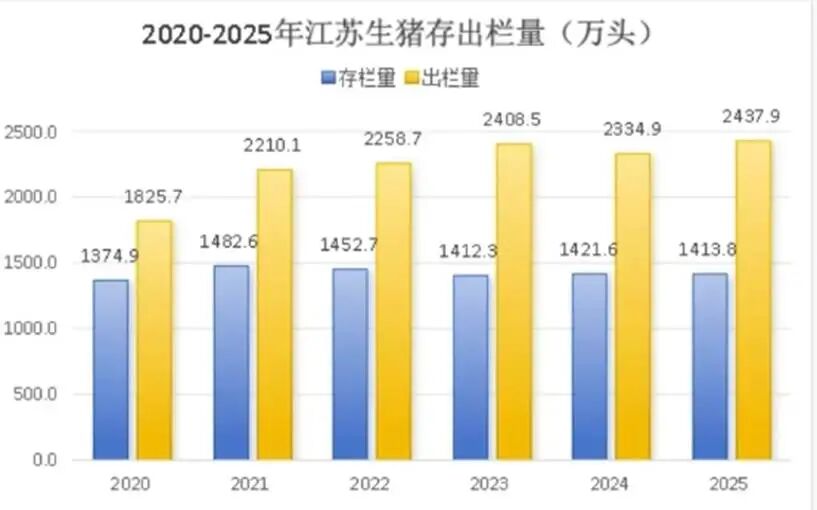
(来源:江苏新闻) 牛肉牛奶产量也有明显增幅。2025年末,全省肉牛存栏20.9万头,较2020年增长46.7%,牛出栏18.8万头,较2020年 增长34.8%。牛奶产量达到76.1万吨,创历史新高,较2020年增长20.9%。 江苏广电荔枝新闻中心记者丨郭艺 从CPI数据来看,也有体现。2025年,江苏CPI比上年下降0.2%。受鲜菜、猪肉等价格下降拉动影响,食品价格下降 1.7%。 消费端的价格下降,得益于生产端的产能持续释放。国家统计局江苏调查总队发布的信息也印证了这点:"十四 五"时期,江苏加快构建畜禽产品高质量供给体系,肉蛋奶供给能力稳步提升。2025年,全省肉类、禽蛋、牛奶产量 分别达到351.9万吨、205.0万吨、76.1万吨,多项指标创近年新高。 具体来看,生猪产能较为稳定,存栏量连续五年保持在1400万头以上,出栏量也呈现逐步增长趋势。2025年,全省 生猪出栏2437.9万头,创近7年新高,较2020年增长33.5%。 作为肉鸡及蛋鸡的养殖优势区之一,江苏家禽养殖规模大、基础好,"十四五"期间产能不断扩大。2025年,全省家 禽出栏9.1亿只,创近13年新高,同比增长7.1%,较202 ...
德康农牧(02419)1月29日斥资42.69万港元回购6200股
智通财经网· 2026-01-29 10:53
智通财经APP讯,德康农牧(02419)发布公告,该公司于2026年1月29日斥资42.69万港元回购6200股股 份,每股回购价格为68.55-69.5港元。 ...
德康农牧(02419.HK)1月29日耗资42.7万港元回购6200股
Ge Long Hui· 2026-01-29 10:49
Group 1 - The company, Dekang Agriculture (02419.HK), announced a share buyback on January 29, spending HKD 427,000 to repurchase 6,200 shares [1]