生猪供需

Search documents
生猪期货早报-20260330
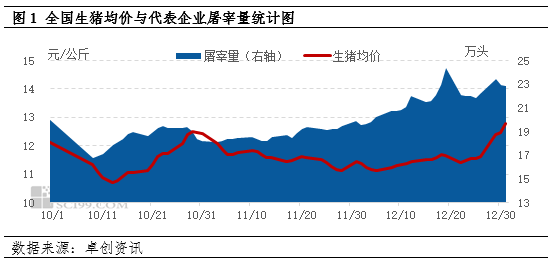
Da Yue Qi Huo· 2026-03-30 05:31
1. Report Industry Investment Rating - Not provided in the document 2. Core Viewpoints of the Report - The domestic southern pig secondary fattening period has ended, leading to a short - term reduction in pig slaughter, which supports pig prices. Meanwhile, the demand for cured meat and sausages is also over, so it is expected that both pig supply and meat supply will decrease. The domestic macro - environment expectation has improved, but the pork consumption has entered the off - season after the Spring Festival, so the short - term overall consumption is still not optimistic. The pig market this week is expected to have reduced supply and weak demand, and pig prices may enter a short - term weakening and fluctuating pattern [10]. - The spot price is at a discount to the futures. As of December 31, the pig inventory decreased by 0.8% month - on - month and increased by 0.5% year - on - year; the inventory of breeding sows decreased by 0.5% month - on - month and 2.9% year - on - year. The price is below the 20 - day moving average and the direction is downward. The net position of the main force is short, and the short position is decreasing. In the near future, both the supply and demand of pigs have decreased. It is expected that pig prices will bottom out and then return to a range - bound pattern this week, with the LH2605 contract fluctuating in the range of 9,800 - 10,200 [10]. 3. Summary According to the Table of Contents 3.1 Daily Hints - The supply of pigs is expected to decrease in the short - term, and the pig price is expected to be weak in the short - term and maintain a range - bound pattern in the medium - term. The consumption is in the off - season after the Spring Festival, and the short - term overall consumption is not optimistic. The pig price is expected to enter a short - term weakening and fluctuating pattern [10]. 3.2 Recent News - Affected by the end of the peak demand season and the completion of secondary fattening in the south, the supply of live pigs is expected to decrease, and the spot price will be weak in the short - term and maintain a range - bound pattern in the medium - term. - After the peak demand season, the live pig market has entered a stage of reduced supply and demand, and the room for further price decline in the short - term may be limited. It may bottom out and then return to a fluctuating pattern. - The profit of pig farming has been slightly loss - making in the near future, and the enthusiasm for slaughtering large pigs has increased in the short - term. The situation of increased supply and weak demand suppresses the short - term price expectations of live pig futures and spot [12]. 3.3 Bullish and Bearish Factors - Bullish factors: The domestic pig supply is in the off - season after the Spring Festival, and the domestic pig - to - grain ratio has fallen to a historical low range. - Bearish factors: The domestic pig demand is in the off - season after the Spring Festival, and the year - on - year decrease in domestic pig inventory is lower than expected. The current main logic is that the market focuses on pig slaughter and fresh meat demand [13]. 3.4 Fundamental Data - As of March 31, the pig inventory was 408.5 million heads, a month - on - month decrease of 5.9% and a year - on - year decrease of 5.2%. As of the end of May 2024, the inventory of breeding sows was 39.96 million heads, a month - on - month increase of 0.2% and a year - on - year decrease of 6.2% [28]. - The report also provides data on pig futures, warehouse receipts, and spot prices, as well as various charts related to the pig market, including price trends, inventory trends, and profit trends [14][15][17]. 3.5 Position Data - The net position of the main force in pig futures is short, and the short position is decreasing [10].
大越期货生猪期货早报-20260309
Da Yue Qi Huo· 2026-03-09 01:47
1. Report Industry Investment Rating - Not provided in the given report 2. Core Viewpoints of the Report - The supply of domestic southern pigs' secondary fattening period has ended, leading to a short - term decrease in slaughter, which supports pig prices. Meanwhile, the demand for cured meat and sausages has also ended, resulting in a decrease in both pig and meat supply. The domestic macro - environment is expected to improve, but pork consumption has entered the off - season after the Spring Festival, and short - term overall consumption remains pessimistic. The market supply is expected to decrease this week, and the demand is also weak. Pig prices may enter a short - term oscillating and weakening pattern. It is necessary to pay attention to the changes in the slaughter rhythm of group farms at the beginning of the month and the dynamic changes at the bottom of the futures market when the spot price runs weakly in the short term after the release of the secondary fattening market [8]. - The recent supply and demand of pigs have both decreased. It is expected that pig prices will return to the range - bound pattern after adjustment this week. The LH2605 contract of live pigs is expected to oscillate in the range of 11,000 - 11,400 [8]. 3. Summary According to the Directory 3.1 Daily Tips - Not provided in the given report 3.2 Recent News - The domestic pig consumption market is affected by the end of the peak demand season. With the end of secondary fattening in the south, pig slaughter has decreased, and the supply of pigs is expected to decline. The spot price is weak in the short term and will maintain a range - bound pattern in the medium term [10]. - After the peak demand season for pigs, the pig spot market has entered a stage of reduced supply and weak demand. The room for further price decline in the short term may be limited, and prices may bottom out and return to the oscillating pattern [10]. - The losses in domestic pig farming have fluctuated slightly recently, remaining slightly in the red in the short term. The enthusiasm for slaughtering large pigs has increased in the short term, and the weak supply - demand situation suppresses the short - term expectations of pig futures and spot prices [10]. - The pig spot price is weak in the short term, and the futures price oscillates and declines in the short term, bottoming out and rising or maintaining a range - bound pattern in the medium term. Further observation of supply and demand growth is needed in the future [10]. 3.3 Bullish and Bearish Concerns - **Bullish Factors**: Domestic pig supply is in the off - season after the Spring Festival, and the domestic pig - grain ratio has fallen to the historical low range [11]. - **Bearish Factors**: Domestic pig demand is in the off - season after the Spring Festival, and the year - on - year decrease in domestic pig inventory is lower than expected [11]. - **Main Logic**: The market focuses on pig slaughter and fresh meat demand [11]. 3.4 Fundamental Data - **Supply - side Data**: As of December 31, the pig inventory was 429.67 million heads, a monthly decrease of 0.8% and a year - on - year increase of 0.5%. As of the end of December, the inventory of breeding sows was 39.61 million heads, a monthly decrease of 0.5% and a year - on - year decrease of 2.9% [8]. As of March 31, the pig inventory was 408.5 million heads, a month - on - month decrease of 5.9% and a year - on - year decrease of 5.2%. As of the end of May 2024, the inventory of breeding sows was 39.96 million heads, a month - on - month increase of 0.2% and a year - on - year decrease of 6.2% [26]. - **Price Data**: The national average spot price of pigs is 10,290 yuan/ton, and the basis of the 2605 contract is - 870 yuan/ton, indicating that the spot price is at a discount to the futures price [8]. The report also provides the prices of live pig futures, live pig futures warrants, and the spot prices of ternary outer - bred pigs in different regions from February 27 to March 6 [12]. 3.5 Position Data - The net position of the main contract is short, and short positions are increasing, which is bearish [8].
生猪月报:供需偏宽松&二育支撑,低位震荡-20260302
Jian Xin Qi Huo· 2026-03-02 10:30
1. Report Industry Investment Rating No relevant information provided. 2. Core Viewpoints of the Report - Supply side: By comprehensively considering the planned slaughter volume, large pigs, piglets, and sow inventory, the pig slaughter is expected to increase slightly until April, decline slightly from May to August, and increase slightly from September to November. By November, the year-on-year growth will continue, but the growth rate will narrow. Also, pre - holiday pressure - barring and second - fattening pigs were actively slaughtered, reducing the post - holiday supply pressure, but there are still some fat pigs to be slaughtered. With high fat pig prices and a favorable fat - to - standard price difference, the slaughter weight may increase slightly [8][59]. - Demand side: In March, as the market gradually resumes work and school, the terminal market is in the post - holiday traditional off - season, mainly digesting holiday inventories. Traders make rigid - demand purchases, and the operating rate may increase slowly in March. Currently, the fat - to - standard price difference is significant. To meet the demand for the May Day and Dragon Boat Festival holidays, second - fattening may enter the market when prices drop to a low level in March, supporting prices [8][59]. - Viewpoint: In terms of spot, in March, the production capacity will continue to be realized, and the slaughter of the breeding side may continue to increase. After the holiday, the breeding side resumes slaughter, and a small amount of February pig sources are postponed to March, so the supply pressure remains high. On the demand side, it is the post - holiday traditional off - season, mainly digesting holiday inventories, but second - fattening may have replenishment demand, which may support prices. Overall, the supply and demand of live pig spot in March remain relatively loose, but low prices may stimulate the increase in second - fattening demand, and prices may bottom out and rebound. In terms of futures, with sufficient production capacity, the live pig supply is expected to increase slightly. Meanwhile, it is the post - holiday consumption off - season, so the 05/07 contracts will mainly fluctuate weakly, but attention should be paid to the rhythm and volume of subsequent second - fattening [8][59]. - Strategy: 1. Futures investors: Hold short positions and reduce positions on dips; 2. Breeding enterprises: Hold hedging short positions and reduce positions as they slaughter [8][60]. - Important variables: Swine fever epidemic, consistent expectations such as pressure - barring and second - fattening, environmental protection policies, etc. [8][61] 3. Summary by Relevant Catalogs 3.1 Market Review - Spot: In February, the national live pig price first rose and then fell, and the monthly average price center moved down significantly. During the Spring Festival, the breeding side arranged most of the slaughter plan in the first ten - day period, and large - scale enterprises increased the slaughter of large - weight pigs. In the southern region, due to factors such as the slower - than - expected return of the population before the festival and the pre - consumption of terminal consumption, the pig price dropped significantly after reaching a high. In terms of demand, although it was the traditional consumption peak season in February, the overall consumption support was limited. The slaughter volume of the slaughter side decreased slightly due to the Spring Festival holiday. According to Yongyi data, the average national live pig slaughter price in February was 11.66 yuan/kg, a decrease of 1 yuan/kg from the previous month, a month - on - month decline of 7.89% [10]. - Breeding cost and profit: By the end of February, the expected cost of self - breeding and self - fattening was 12.10 yuan/kg, a month - on - month decrease of 0.08 yuan/kg and a year - on - year decrease of 0.9 yuan/kg compared with 13 yuan/kg. The cost of fattening pigs with purchased piglets was affected by both feed prices and piglet prices. The expected cost of fattening purchased piglets to 125 kg and then slaughtering was 12.60 yuan/kg, a month - on - month decrease of 0.19 yuan/kg and a year - on - year decrease of 1.75 yuan/kg compared with 14.35 yuan/kg. By February 26, the average profit per self - bred and self - fattened pig was - 160 yuan/head, a month - on - month decrease of 206 yuan/head; the profit of fattening with purchased piglets was - 146 yuan/head, a month - on - month decrease of 111 yuan/head [11]. - Futures: In February, the main contract 2605 of live pig futures fluctuated and declined. The closing price on the 27th was 11485 yuan/ton, a month - on - month decrease of 165 yuan/ton and a decline of 1.42% [11]. 3.2 Fundamental Analysis 3.2.1 Long - term Supply: Sow Inventory - In February, during the Spring Festival holiday and with the lack of significant positive factors in the industry, the replenishment willingness of reserve farmers was low, and the overall trading was dull. According to Yongyi Consulting data, the average market price of 50KG binary sows in February was 1559 yuan/head, a slight increase of 2 yuan/head from the previous month [14]. - Sow inventory: According to national statistics, by the end of 2025, the inventory of reproductive sows was 39.61 million heads, a quarterly - on - quarter decrease of 740,000 heads (a decline of 1.83%) and a year - on - year decrease of 1.16 million heads (a decline of 2.9%), accounting for 101.6% of the normal reserve. From the data of the Ministry of Agriculture and Rural Affairs, in October last year, the sow inventory decreased by 1.1% month - on - month and 2.1% year - on - year. From January to October last year, the inventory decreased by 0.4%, increased by 0.1%, decreased by 0.7%, remained flat, increased by 0.1%, remained flat from June to July, and decreased by 0.1%, 0.1%, and 1.1% from August to October. Year - on - year, from February to June last year, it increased by 0.6%, 1.2%, 1.3%, 1.2%, and 0.1%, remained flat from July to August, and decreased by 0.7% and 2.1% from September to October. Theoretically, from March to May this year, the pig slaughter will be basically flat, and from June to August, it will decrease by 0.1%, 0.1%, and 1.1%. Year - on - year, from March to April this year, it will increase by 1.3%, 1.2%, and 0.1%, be basically flat from May to June, and decrease by 0.7% and 2.1% from July to August. According to Yongyi Information data, as of January this year, the sow inventory of sample farms was 1.1505 million heads, a month - on - month increase of 0.65% and a year - on - year increase of 2.24%. The sow inventory of sample farms increased by 0.1%, 0.96%, 0.92%, 0.12%, 0.52%, and 0.07% from March to August last year, decreased by 0.84% and 0.8% from September to October, increased by 0.03% and 0.54% from November to December, and increased by 0.65% in January this year. Year - on - year, from March to December last year, it increased by 3%, 4.47%, 6.5%, 8.77%, 10.3%, 9.94%, 8.35%, 8.36%, 8.57%, 8.05%, 6.71%, 6.23%, 4.71%, 3.29%, 2.97%, and 2.22%, and increased by 2.24% in January this year. Theoretically, from March to June this year, the pig slaughter will increase by 0.9%, 0.1%, 0.5%, and 0.1% month - on - month, decrease by 0.8% and 0.8% from July to August, be basically flat in September, and increase by 0.5% and 0.7% from October to November; year - on - year, from March to November this year, it will increase by 8.6%, 8%, 6.7%, 6.2%, 4.7%, 3.3%, 3%, 2.2%, and 2.2% [15]. 3.2.2 Medium - term Supply: Piglet Inventory - Piglet price: In February, before the festival, the breeding side considered the high cost of replenishing piglets after the year, so they replenished in advance to reduce costs, and the demand for piglets was strong. After the festival, the replenishment of piglets became more cautious. Most of the northern market was on the sidelines, and a small part still replenished, but the volume was not large. The quotes in the southern region were generally stable, and the trading enthusiasm was not high. According to Yongyi Consulting monitoring, the average market sales price of weaned piglets in February was 364 yuan/head, a month - on - month increase of 42 yuan/head and a growth rate of 13%. As it is still the peak season for piglet replenishment, there is still room for piglet prices to rise [26]. - Piglet inventory: According to Yongyi Information data, as of January, the inventory of small pigs in sample enterprises was 2.368 million heads, a month - on - month decrease of 0.73% and a year - on - year increase of 4.67%. From August to October last year, the small pig inventory increased by 1.04%, 1.42%, and 0.94%, decreased by 0.89% and 1.3% from November to December, and continued to decline by 0.73% in January. Year - on - year, from August to December last year, it increased by 11.86%, 11.36%, 11.43%, 9.02%, and 6.35%, and increased by 4.67% in January. Theoretically, in the medium - term, assuming a 6 - month slaughter cycle, the pig slaughter will increase by 1.42% and 0.9% from March to April, and decrease by 0.9%, 1.3%, and 0.7% from May to July. Year - on - year, from March to July, it will increase by 11.9%, 11.4%, 11.4%, 9%, 6.4%, and 4.7% [26]. 3.2.3 Short - term Supply: Large Pig Inventory, Pressure - barring and Second - fattening - Large pig inventory: According to Yongyi Information data, as of January, the inventory of large pigs in sample enterprises was 1.282 million heads, with a month - on - month growth rate of - 2.17%, and the month - on - month growth rate of large pig inventory in December last year was - 3.93%. Theoretically, in the short - term, the pig slaughter in February this year will decrease by 3.9% month - on - month, and by 2.2% in March. According to national statistics, by the end of 2025, the national live pig inventory was 429.67 million heads, a year - on - year increase of 0.5% and a quarterly - on - quarter decrease of 7.13 million heads (a decline of 1.63%). The quarterly - on - quarter growth rates in 2025 were - 2.4%, 1.7%, 2.9%, and - 1.63% [30]. - Pressure - barring and second - fattening: According to Ganglian data, in January, the proportion of large pigs over 140 kg in inventory was 1.53%, with a month - on - month growth rate of 1.43%. From November to January this year, the growth rates of the proportion of large pig inventory were 14.03%, 4.46%, and 1.43%. The significant increase in the inventory of 140 - kg pigs was mainly due to the Spring Festival stocking and the cold weather driving the terminal demand for pork, the good consumption of large pigs, and the delayed slaughter of second - fattening households after phased replenishment, which pushed up the proportion of fat pig inventory. In terms of second - fattening, according to Yongyi's tracking and research data, the average proportion of second - fattening sales from December to January this year was 1.4% and 2%. Before the Spring Festival, the enthusiasm for second - fattening slaughter increased significantly, the slaughter rhythm accelerated, and the utilization rate of fattening pens dropped rapidly to a low level. As of mid - February, the utilization rate of fattening pens was 19.5%, a decrease of 11 percentage points from the previous ten - day period and 14.5 percentage points from the previous month, and an increase of 1 percentage point year - on - year. After the rapid slaughter of most pressure - barring and second - fattening pigs before the festival, the post - holiday pressure was reduced, but there were still some fat pigs to be slaughtered [30][31]. 3.2.4 Current Supply: Commercial Pig Slaughter Volume and Slaughter Weight - Slaughter volume: According to Yongyi sample data, the planned slaughter volume of sample enterprises in February was 22.92 million heads, a decrease of 17.73% from the actual completion in January. If calculated based on 21 days, the daily - average month - on - month growth rate was 21.44%. According to national statistics, in 2025, the live pig slaughter was 719.73 million heads, a year - on - year increase of 17.16 million heads and a growth rate of 2.4%. Among them, the national live pig slaughter in the first to fourth quarters was 194.76 million heads, 171.43 million heads, 163.73 million heads, and 189.81 million heads respectively, with year - on - year growth rates of 0.1%, 1.2%, 4.7%, and 4.1% respectively. The pork output was 59.38 million tons, a year - on - year increase of 2.32 million tons and a growth rate of 4.1%, reaching a record high. Among them, the pork output in the first to fourth quarters was 16.02 million tons, 14.18 million tons, 13.48 million tons, and 15.7 million tons respectively, with year - on - year growth rates of 1.2%, 1.4%, 7.1%, and 5.2% respectively [34][37]. - Slaughter weight: In February, the average slaughter weight of national live pigs was 127.1 kg, a month - on - month decrease of 1.5 kg and a decline of 1.17%, and an increase of 1.4 kg compared with the same period last year, a year - on - year increase of 1.11%. The average slaughter weight of live pigs in February first decreased and then rebounded slightly, and the center of the month - on - month weight still moved down slightly. Firstly, during the Spring Festival in February, the weight decreased after farmers concentratedly slaughtered large pigs before the festival; secondly, the industry expected a weak market after the festival, and large - scale farms also had the intention to reduce the weight and slaughter in advance. In the second half of the month, the breeding side resumed sales after the holiday, and the pressure - barring live pigs during the Spring Festival were gradually put on the market, driving a small increase in the average slaughter weight of live pigs, but the overall increase was limited. In February, the proportion of small - weight pigs under 90 kg in the total slaughter was 4.3%, a month - on - month decrease of 0.6 percentage points. The epidemic was stable this month. Although there was a decrease in slaughter during the Spring Festival, which led to a partial increase in the average weight, and some second - fattening entered the market in some provinces, most of them were standard pigs, which had little impact on the proportion of small - weight pig slaughter. In February, the proportion of large - weight pigs over 150 kg in the total slaughter was 5%, a month - on - month decrease of 1.5 percentage points. Before the Spring Festival, the demand for large pigs was good, the standard - to - fat price difference widened, and the slaughter increased. After the year, the inventory of large pigs decreased, and the overall proportion of slaughter decreased. In March, after the holiday, the price of fat pigs is temporarily high and the fat - to - standard price difference remains favorable. Farmers still have the sentiment of holding back sales at low prices, and combined with the restorative weight gain of live pigs in large - scale farms after the holiday, it is expected that the average slaughter weight of live pigs in March may increase slightly [38]. 3.2.5 Import Supply: Pork Import According to the announcement of the General Administration of Customs, the total pork import volume in December was 60,000 tons, the same as the previous month and a year - on - year decrease of 30,000 tons; in
东吴期货生猪周报-20260302
Dong Ya Qi Huo· 2026-03-02 06:48
Report Core View - The supply and demand pressure has slightly eased but has not been fundamentally improved. The near - term futures are under pressure, the far - term futures fluctuate, and the overall situation maintains a low - level oscillation pattern [2] Fundamental Information - Pig prices in many places have stopped falling and rebounded. The slaughter rhythm of large - scale farms has slowed down, and the short - term supply pressure has been relieved [2] - The low absolute price of live pigs and the widening price difference between fat pigs have led to the motivation for secondary fattening to replenish stocks while waiting and seeing [2] - The high average trading weight across the country, combined with the high inventory level, means that the medium - and long - term supply pressure remains [2] - The average weekly loss of self - breeding and self - raising has expanded to - 98 yuan per head, which inhibits the enthusiasm for replenishing stocks, and the demand side has weak capacity to absorb [2]
大越期货生猪期货早报-20260225
Da Yue Qi Huo· 2026-02-25 01:40
1. Report Industry Investment Rating - Not provided in the report 2. Core Viewpoints of the Report - The supply of domestic southern pigs for secondary fattening has ended, leading to a short - term decrease in slaughter and supporting pig prices. Meanwhile, the demand for cured meat and sausages has also ended, resulting in a decrease in both pig and meat supply. The domestic macro - environment is expected to improve, but pork consumption will enter the off - season after the Spring Festival, and overall future consumption is not optimistic. The market this week may see a decrease in supply and a weakening demand expectation, and pig prices may enter a short - term volatile and weak pattern. The report also suggests paying attention to the changes in the slaughter rhythm of large - scale farms at the end of the month and the dynamic changes at the bottom of the futures market when the spot price runs weakly in the short term after the release of the secondary fattening market. The expected price range for the LH2605 contract of live pigs is between 11,100 and 11,500 [10]. 3. Summary by Directory 3.1 Daily Tips - The supply and demand of live pigs have both decreased recently. It is expected that pig prices will bottom out and rebound this week, maintaining an overall range - bound pattern. The LH2605 contract of live pigs is expected to fluctuate in the range of 11,100 - 11,500 [10]. 3.2 Recent News - The domestic live - pig consumption market is affected by the end of the peak demand season. With the end of secondary fattening in the south, the supply of live pigs is expected to decrease. The spot price is in a short - term weak state and will maintain a medium - term range - bound pattern. After the peak demand season, the live - pig spot market enters a stage of reduced supply and weak demand. The room for further price decline in the short term may be limited, and prices may bottom out and return to a range - bound pattern. The loss of domestic live - pig breeding profit has fluctuated slightly recently, remaining in a short - term slight loss. The enthusiasm for slaughtering large pigs has increased in the short term, and the weak supply - demand situation suppresses the short - term expectations of live - pig futures and spot prices. The live - pig spot price is weak in the short term, and the futures price may fluctuate and decline in the short term, bottom out and rebound in the medium term, or maintain a range - bound pattern. Further observation of supply and demand growth is needed [12]. 3.3 Bullish and Bearish Factors - **Bullish factors**: The domestic live - pig supply is in the off - season after the Spring Festival, and the domestic pig - grain ratio has fallen to a historical low range [13]. - **Bearish factors**: The domestic live - pig demand is in the off - season after the Spring Festival, and the year - on - year decrease in domestic live - pig inventory is lower than expected [13]. - **Main logic**: The market focuses on the slaughter situation of live pigs and the demand for fresh meat [13]. 3.4 Fundamental Data - **Supply - side data**: As of December 31, the live - pig inventory was 429.67 million heads, a month - on - month decrease of 0.8% and a year - on - year increase of 0.5%. As of the end of December, the inventory of breeding sows was 39.61 million heads, a month - on - month decrease of 0.5% and a year - on - year decrease of 2.9%. As of March 31, the live - pig inventory was 408.5 million heads, a month - on - month decrease of 5.9% and a year - on - year decrease of 5.2%. As of the end of May 2024, the inventory of breeding sows was 39.96 million heads, a month - on - month increase of 0.2% and a year - on - year decrease of 6.2% [10][28]. - **Price data**: The national average spot price is 10,920 yuan/ton, and the basis of the 2605 contract is - 345 yuan/ton, indicating that the spot price is at a discount to the futures price [10]. 3.5 Position Data - The net position of the main contract is short, and the short position is increasing [10].
大越期货生猪期货早报-20260210
Da Yue Qi Huo· 2026-02-10 02:08
1. Report Industry Investment Rating - Not provided in the document 2. Core Viewpoints of the Report - The supply of pigs and pork is expected to increase as the secondary fattening period in southern China ends and the demand for cured meat and sausages also finishes. Although the domestic macro - environment expectation has improved, pork consumption will enter the off - season after the Spring Festival, and the overall future consumption is not optimistic. The market this week may see an increase in supply and a weakening demand expectation, and pig prices may enter a short - term volatile and weak pattern. The LH2605 contract of live pigs is expected to oscillate in the range of 11,400 - 11,800 [10]. 3. Summary According to Relevant Catalogs 3.1 Daily Tips - The fundamental situation of live pigs: The end of the secondary fattening period in southern China leads to a short - term increase in the number of pigs for sale, suppressing pig prices. The demand for cured meat and sausages has ended, and overall, the supply of pigs and pork is expected to increase. The domestic macro - environment expectation has improved, but pork consumption will enter the off - season after the Spring Festival, and future consumption is not optimistic. The market this week may have more supply and weaker demand expectations, and pig prices may enter a short - term volatile and weak pattern. Attention should be paid to the change in the slaughter rhythm of large - scale farms in the middle of the month and the dynamic changes in the spot price of the secondary fattening market, which may support the bottom of the futures market. The view is neutral. - The basis: The national average spot price is 11,710 yuan/ton, and the basis of the 2605 contract is 145 yuan/ton, with the spot price at a premium to the futures price. This is a bullish factor. - Inventory: As of December 31, the live pig inventory was 429.67 million heads, a monthly decrease of 0.8% and a year - on - year increase of 0.5%. As of the end of December, the inventory of breeding sows was 39.61 million heads, a monthly decrease of 0.5% and a year - on - year decrease of 2.9%. This is a bearish factor. - The disk: The price is below the 20 - day moving average and moving downward. This is a bearish factor. - Main positions: The main positions are net short, and the short positions are decreasing. This is a bearish factor. - Expectation: In the near term, both the supply and demand of live pigs are increasing. It is expected that pig prices will bottom out and rebound this week and generally maintain a range - bound pattern. The LH2605 contract of live pigs is expected to oscillate in the range of 11,400 - 11,800 [10]. 3.2 Recent News - The domestic live pig consumption market is affected by the peak demand season. With the end of secondary fattening in southern China, the number of live pigs for sale has increased, and the supply expectation has increased. The spot price is weak in the short term and will maintain a range - bound pattern in the medium term. - As the demand for cured meat at the end of the year gradually fades, the live pig spot market enters a stage of increasing supply and weakening demand. The room for further price decline in the short term may be limited, and the price may bottom out and return to a range - bound pattern. - The loss of domestic live pig breeding profit has fluctuated slightly recently and remains slightly in the red in the short term. The enthusiasm for selling large pigs has increased in the short term, and the situation of increasing supply and weakening demand suppresses the short - term price expectations of live pig futures and spot markets. - The live pig spot price is weak in the short term, and the futures price will oscillate and decline in the short term, bottom out and rebound in the medium term, or maintain a range - bound pattern. Further observation of the growth of supply and demand is needed [12]. 3.3 Long and Short Concerns - Bullish factors: The domestic demand for live pigs is still in the peak season at the end of the year; the domestic pig - grain ratio has fallen to the historical low range. - Bearish factors: The secondary fattening of live pigs at the end of the year in China has increased, and there is concentrated slaughter; the year - on - year decrease in the live pig inventory is lower than expected. - Current main logic: The market focuses on the slaughter situation of live pigs and the demand for fresh meat [13]. 3.4 Fundamental Data - The report provides data on live pig futures, warehouse receipts, and spot prices from February 2 to February 9, including the prices of near - month 2603 and main 2605 contracts, the number of warehouse receipts, and the spot prices of outer - ternary live pigs in different regions [14]. - It also shows the historical trends of live pig basis, contract spreads, the average prices of different specifications of live pigs, and the prices of related indicators on the supply side (such as the average price of binary sows, 7kg piglets, and culled sows; piglet feed - to - meat ratio and survival rate; monthly live pig inventory and its month - on - month trend; monthly inventory of breeding sows; live pig inventory of large - scale farms; monthly pork import trend; fattening cost; feed profit expectation; live pig slaughter volume and average weight; slaughter profit; self - breeding and self - raising and purchased piglet profit; price difference between pigs and other meats), on the slaughter side (such as the average price of白条, the price difference between live pigs and白条, the slaughter settlement price, the average price in 36 cities), on the demand side (such as the annual pork consumption volume), the pig - grain ratio, and the historical trends of live pig price increases and decreases, and the situation of live pig storage and release [15][17][23][50][60][63][67]. 3.5 Position Data - Not provided in the document
大越期货生猪期货早报-20260209
Da Yue Qi Huo· 2026-02-09 07:19
1. Report Industry Investment Rating - There is no information about the industry investment rating in the report. 2. Core Viewpoints of the Report - The supply of pigs and pork is expected to increase as the secondary fattening period for southern pigs in China has ended, leading to a short - term increase in slaughter, and the demand for cured meat and sausages has also ended. Although the domestic macro - environment expectation has improved, overall future consumption remains pessimistic. The market this week may see an increase in supply and a weakening in demand, with pig prices likely to enter a short - term volatile and weak pattern. The price of live hog LH2605 is expected to fluctuate in the range of 11,500 - 11,900 [8]. 3. Summary by Directory 3.1 Daily Tips - There is no specific content for daily tips in the provided report. 3.2 Recent News - The domestic live hog consumption market is affected by the arrival of the peak demand season. With the secondary fattening of southern pigs nearing the end and an increase in pig slaughter, the supply of live hogs is expected to increase. The spot price may rebound in the short - term and maintain a range - bound pattern in the medium - term. - As the demand for cured meat at the end of the year gradually fades, the live hog spot market enters a stage of strong supply and demand. The room for further price decline in the short - term may be limited, and the price may bottom out and return to a volatile pattern. - The loss of domestic live hog breeding profit has recently shifted to small fluctuations. The short - term profit still remains in the red, and the enthusiasm for large - pig slaughter has increased in the short - term. The increase in both supply and demand supports the short - term expectations of live hog futures and spot prices. - The live hog spot price remains at a high level. The futures may rise in the short - term and then fall back, and may generally maintain a range - bound pattern in the medium - term. Further observation of the growth of supply and demand is needed [10]. 3.3 Bullish and Bearish Factors - **Bullish Factors**: The domestic live hog demand enters the peak season at the end of the year, and the domestic live hog spot price is at a relatively high level at the end of the year [11]. - **Bearish Factors**: The secondary fattening of domestic live hogs at the end of the year increases, along with concentrated slaughter, and the year - on - year decrease in domestic live hog inventory is lower than expected [11]. - **Main Logic**: The market focuses on the slaughter situation of live hogs and the demand for fresh meat [11]. 3.4 Fundamental Data - **Supply**: As of December 31, the live hog inventory was 429.67 million heads, a month - on - month decrease of 0.8% and a year - on - year increase of 0.5%. As of the end of December, the inventory of fertile sows was 39.61 million heads, a month - on - month decrease of 0.5% and a year - on - year decrease of 2.9%. As of March 31, the live hog inventory was 408.5 million heads, a month - on - month decrease of 5.9% and a year - on - year decrease of 5.2%. As of the end of May 2024, the inventory of fertile sows was 39.96 million heads, a month - on - month increase of 0.2% and a year - on - year decrease of 6.2% [8][26]. - **Demand**: The domestic macro - environment expectation has improved, but overall future consumption remains pessimistic [8]. - **Price**: The national average spot price is 12,050 yuan/ton, and the basis of the 2605 contract is 425 yuan/ton, with the spot price at a premium to the futures price [8]. 3.5 Position Data - The net position of the main contract is short, and the short position is decreasing [8].
建信期货生猪日报-20260123
Jian Xin Qi Huo· 2026-01-23 01:43
1. Report Industry Investment Rating - No relevant content found 2. Core Viewpoints - In the spot market, both supply and demand are decreasing month - on - month, and the spot price will fluctuate. In the futures market, the supply of live pigs is expected to increase slightly, the proportion of second - fattening pigs is still high compared to the same period last year, the current epidemic situation is sporadically occurring seasonally without continuous spread, and after the Spring Festival, it will enter the off - season of consumption. Therefore, the 03/05 contracts will mainly fluctuate weakly [7] 3. Summary by Directory 3.1 Market Review and Operation Suggestions - **Futures Market**: On the 22nd, the main 2603 contract of live pigs opened slightly higher and then fluctuated upwards, closing with a positive line at the end of the session. The highest price was 11,600 yuan/ton, the lowest was 11,480 yuan/ton, and the closing price was 11,600 yuan/ton, up 1.09% from the previous day. The total open interest of the index decreased by 1,201 lots to 339,236 lots [6] - **Spot Market**: On the 22nd, the average price of ternary pigs nationwide was 12.87 yuan/kg, down 0.1 yuan/kg from the previous day [6] - **Supply Side**: Currently, the utilization rate of second - fattening pens is relatively high compared to the same period last year, and there are still pigs to be slaughtered. In January, the planned slaughter volume of sample breeding enterprises decreased by 3.1% month - on - month. In the second half of the month, the enthusiasm of breeders to slaughter increased, and the overall slaughter weight has not changed much [7] - **Demand Side**: Second - fattening is mainly in a wait - and - see state. After the demand for curing and sausage - making ended, the demand has decreased significantly. Terminal consumer demand is average, the orders of slaughtering enterprises have decreased, and the operating rate and slaughter volume of slaughtering enterprises have slightly decreased. On January 22nd, the slaughter volume of sample slaughtering enterprises was 178,800 heads, an increase of 500 heads from the previous day, a decrease of 7,000 heads week - on - week, and a decrease of 19,000 heads month - on - month [7] 3.2 Industry News - From January 8th - 14th, the average sales price of 15kg piglets in the market was 425 yuan/head, an increase of 62 yuan/head from the previous week [10] - As of January 15th, the expected cost of self - breeding and self - raising was 12.15 yuan/kg, an increase of 0.02 yuan/kg week - on - week. The cost of fattening with purchased piglets was affected by both feed prices and piglet prices. The expected cost of fattening purchased piglets to 125kg and then slaughtering was 12.24 yuan/kg, an increase of 0.49 yuan/kg week - on - week [10][11] 3.3 Data Overview - As of January 15th, the average profit per head of self - breeding and self - raising was +25.8 yuan/head, an increase of 25.8 yuan/head week - on - week; the average profit per head of fattening with purchased piglets was - 100.5 yuan/head, an increase of 29.3 yuan/head week - on - week [20] - In the week ending January 15th, the average slaughter weight of live pigs was 128.85kg, an increase of 0.31kg from the previous week, a week - on - week increase of 0.24%, a decrease of 1.33kg from the previous month, a month - on - month decrease of 1.02%, and an increase of 5.89kg from the same period last year, a year - on - year increase of 4.79% [20]
国信期货生猪周报:消费旺季临近,关注出栏节奏-20260116
Guo Xin Qi Huo· 2026-01-16 08:48
Report Title - "Consumption Peak Season Approaching, Pay Attention to Slaughter Rhythm —— Guoxin Futures Weekly Report on Live Pigs" [2] Report Date - January 16, 2026 [2] Report Industry Investment Rating - Not provided Core Viewpoints - In the past week, the live pig spot market fluctuated strongly, the price difference between fat and standard pigs widened, the slaughter volume was generally stable, the large - scale enterprises' slaughter volume recovered to normal from a low level, and the small and medium - sized farmers' slaughter volume decreased slightly, indicating strong demand and tight supply. The futures market rose due to the strong spot market and the discount of the futures price to the spot price, and the spread between near - and far - month contracts also strengthened [7]. - Based on the number of piglet births, the theoretical supply of standard pigs in the first quarter remains high. However, due to the strong price difference between fat and standard pigs, the industry's behavior of delaying slaughter and secondary fattening has led to a temporary shortage of slaughter volume. Currently, the average slaughter weight has been rising continuously, indicating that the inventory of live pigs is still increasing [7]. - From the demand side, starting from the second half of next week, the slaughter demand in the industry will enter the climbing period of the peak season before the Spring Festival. At that time, the supply of pigs from large - scale enterprises and large pigs from small farmers will also increase simultaneously. This will be an important node to verify the matching degree of real supply and demand, and the inventory reduction situation will also be an important guide for the spot price in the off - season after the Spring Festival [7]. - In the long term, the recent rapid increase in piglet prices reflects that the industry's expectations are tilting towards optimism. Attention should be paid to the impact of the rising piglet prices on the pace of capacity reduction [7]. - In the futures market, the current futures price is strong. Although the main LH03 contract corresponds to the off - season after the Spring Festival, the market still focuses on the strong spot market and the possibility of reduced supply pressure after the Spring Festival due to the accelerated digestion of large pigs before the Spring Festival. However, considering the valuation level and the subsequent supply - demand forecast, the current price may be close to the upper limit of the oscillation range. The far - end contracts are supported by capacity reduction, but the swing of expectations should be vigilant. In terms of operation, the near - end contracts are expected to oscillate weakly, and for the far - end contracts, pay attention to the opportunity of low - level band - trading long under the idea of wide - range oscillation [7]. Summary by Directory 1. Weekly Analysis and Outlook - The live pig spot market was strong last week, and the futures market was also boosted. In the first quarter, the theoretical supply of standard pigs is high, but the actual slaughter volume is temporarily tight. The demand will enter the peak - season climbing period soon, and the matching of supply and demand will be verified. The rising piglet prices affect the capacity - reduction pace. The near - end futures contracts are expected to be weak, and the far - end contracts can be considered for low - level long - trading [7]. 2 - 14. Other Sections - The report also includes various aspects such as pig futures prices, futures contract spreads, spot prices, price differences between fat and standard pigs, changes in breeding sows, piglets, inventory, slaughter, consumption, frozen meat market, cost and profit, central reserve operations, and multi - caliber comparisons, but specific content summaries are not provided in the given text [8][12][16]
供需双增2025年12月生猪屠宰量增幅明显 预计1月屠宰量或先减后增
Xin Hua Cai Jing· 2026-01-06 07:15
Core Viewpoint - The supply of live pigs is expected to increase in December 2025, driven by a faster slaughter pace and seasonal demand, with a notable rise in slaughter volume anticipated in January 2026 [1][3][6] Supply Analysis - In December 2025, the outflow plan of live pigs from 211 monitored large-scale breeding enterprises increased by 3.77% month-on-month, indicating a stable supply [3] - The slaughter volume for December showed a significant increase, with an average daily slaughter of 215,700 pigs, reflecting a month-on-month growth of 15.22% [1][3] - The market is experiencing a phenomenon of accelerated outflow as breeding groups aim to meet their outflow plans and capitalize on rising pig prices [3][5] Demand Analysis - The demand for heavier pigs has surged due to the seasonal peak for cured meats in southern regions, alongside increased orders from slaughter enterprises driven by the winter solstice and New Year preparations [3][5] - The average price of white strip pork in December 2025 decreased by 26.21% year-on-year, stimulating terminal pork consumption and supporting increased slaughter demand [5] Future Outlook - The supply of heavier pigs may be limited in early January 2026 due to previous weight reduction practices in breeding, although demand is expected to rise as the lunar month approaches [5][6] - After the New Year holiday, terminal demand is anticipated to decrease, but stocking activities may resume as the lunar month progresses [6]