无人机

Search documents
投资人为何蹲守大疆楼下挖人
Zheng Quan Shi Bao Wang· 2025-12-31 12:53
Core Insights - The increasing number of successful startups founded by former DJI employees, such as Tuozhu Technology, Zhenghao Innovation, Yushu Technology, and Fengjiang Intelligent, indicates a strong entrepreneurial ecosystem around DJI [1] - DJI has created a unique talent pool through its RoboMaster competitions, which have attracted nearly 1,000 talented individuals to join the company by providing a specialized recruitment channel [2] - Investors are actively seeking opportunities among former DJI employees, as the company has effectively trained and filtered talent, making them attractive candidates for new ventures [3] Group 1 - The radius of five kilometers around DJI's headquarters has become a hub for startups founded by former employees, with nearly 20 companies successfully raising funds since 2025 [1] - DJI's commitment to continuous improvement in product development, focusing on user-friendly applications and cost reduction, has led to enhanced product performance and lower prices for similar functionalities [1] - The company has a strong emphasis on protecting its core research and development team, limiting public exposure of its developers to maintain stability within the workforce [1] Group 2 - DJI's early engagement in the robotics field and the establishment of the RoboMasters competition have been pivotal in attracting and nurturing talent, leading to a robust pipeline of skilled individuals [2] - Employees at DJI undergo systematic commercial training, which has contributed to the company's ability to innovate and commercialize products effectively [2] - Some employees leave DJI due to differences in personal interests and the company's clear product direction, which can lead to the discontinuation of certain innovative projects [2]
以数据见证专业:QYResearch行业数据引用案例精选(2025.12)
QYResearch· 2025-12-31 09:24
Group 1 - QYResearch is recognized for its authoritative industry analysis and customized reports, frequently cited by well-known domestic and international companies, securities firms, and media [1] - The global magnesium and magnesium alloy market is projected to reach $2.48 billion by 2030, with die-casting magnesium alloys accounting for over 77% of the market share [3] - The global rigging and webbing slings market is expected to reach $2.711 billion in sales by 2024, with a projected CAGR of 5.8% from 2025 to 2031, reaching $4.023 billion by 2031 [7] Group 2 - The global wireless lavalier microphone market is anticipated to reach $2.299 billion by 2030, with a CAGR of 6.94% from 2024 to 2030 [10] - The global laser cleaning machine market is expected to grow to $720 million by 2030, maintaining a CAGR of 12.2% [11] - The global desktop robot market is currently valued in the millions, with significant growth expected [12] Group 3 - The drone industry in China is projected to exceed 210 billion yuan by mid-2025, with a year-on-year growth of 39.5% [14] - The global insulin pen needle market is expected to see sales of 662 million, 753 million, and 1.175 billion units from 2022 to 2024, with market shares of 7.52%, 7.98%, and 11.78% respectively [15] - The global capacitive pen market is expected to have a market share of approximately 8.5% in 2024, ranking just behind Apple [17] Group 4 - The global maltitol market is projected to grow from $255 million in 2024 to $396 million by 2031, with a CAGR of 6.6% [22] - The global metal cutting tools market is expected to reach $43.3 billion by 2029, with China's market size reaching 53.8 billion yuan in 2023, a year-on-year growth of 5.12% [25] - The global zirconium oxychloride market is projected to reach $750 million by 2030 [26] Group 5 - The global 5G L-PAMiF module market is expected to grow from $1.633 billion in 2024 to $2.753 billion by 2031, with a CAGR of 7.3% [27] - The global hotel cleaning services market is expected to grow significantly, with small and medium enterprises facing pressure from rising costs [29] - The global laminated insulating film market is projected to grow from $471 million in 2023 to $685 million by 2029, with a CAGR of 6.5% [31] Group 6 - The global plant extract market is expected to grow from $42.245 billion in 2024 to $79.449 billion by 2031, with a CAGR of 9.24% [33] - The global household water purifier market is projected to reach $40.49 billion by 2031, with a CAGR of 6.4% [55] - The global blood products market is expected to reach $50.8 billion by 2030, with a CAGR of 7.6% from 2024 to 2030 [56]

罗永浩的“科技春晚”回归夜:迟到47分钟 控场5小时
Zhong Guo Jing Ying Bao· 2025-12-31 07:02
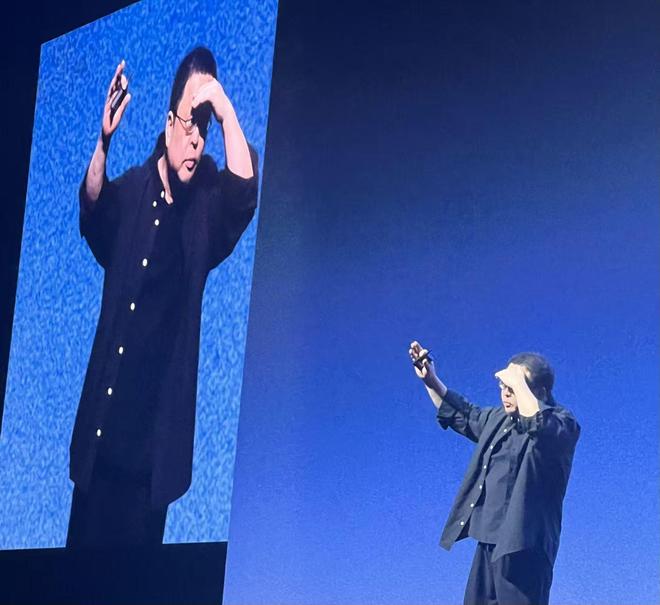
Core Viewpoint - The event "Ro Yonghao's Crossroads" marked a significant return for Ro Yonghao, showcasing various innovative technology products and emphasizing the importance of creativity over mere commercial success [2][5]. Group 1: Event Overview - The event took place on December 30, 2025, at the Shanghai West Bank International Exhibition Center, lasting over five hours and attracting nearly 4,000 attendees [2]. - Despite a delayed start, the majority of the audience remained until the end, demonstrating strong support for Ro Yonghao [2]. - The ticket sales were highly successful, with all tickets sold out within two hours, ranging from 300 to 1,000 yuan, generating approximately 1.668 million yuan for charity [3][4]. Group 2: Product Launches - Multiple innovative products were introduced, including the DJI NEO2 drone, HyperShell exoskeleton, and a 3D printer, among others [3]. - Ro Yonghao showcased the exoskeleton by climbing stairs on stage, highlighting the product's capabilities [3]. - The event featured live demonstrations, including a washing machine that claimed to clean dishes in five seconds [3]. Group 3: Company Vision and Future Plans - Ro Yonghao emphasized that the event was not merely a sales pitch but aimed to provide high-quality content and innovation [5]. - He introduced a new product from his company, Thin Red Line Technology, which focuses on AI and AR, featuring an AI-powered audiobook application [5][6]. - Ro Yonghao expressed his commitment to the technology sector, stating he plans to continue his work for another 10 to 20 years [6].
罗永浩硬控4小时,发了一场“广告”春晚
创业邦· 2025-12-31 03:54
Core Viewpoint - The article discusses the return of Luo Yonghao and his recent technology spring gala, where he launched ten new products, emphasizing innovation and the importance of quality content over mere sales [5][11][20]. Group 1: Event Overview - Luo Yonghao's technology spring gala was marked by a 47-minute delay and technical issues, including presentation errors and video playback problems, which led to audience frustration [5][14]. - The event featured ten new products, including the DJI Neo2 drone, an exoskeleton from Jishen, and the Tuo Zhu printer, with Luo highlighting the Tuo Zhu printer as a groundbreaking consumer-grade printer [9][13][20]. - The total ticket sales for the event reached 1.668 million yuan, and Luo announced that all attendees would receive refunds, along with a donation of the same amount to charity [15][26]. Group 2: Product Highlights - The DJI Neo2 drone was the first product showcased, followed by the exoskeleton, which Luo demonstrated by climbing stairs without fatigue [11][13]. - The Tuo Zhu printer was praised by Luo for its innovative approach to consumer printing, while the Libernovo ergonomic chair was also highlighted as a significant product [13][14]. - Luo expressed skepticism about the Li Ke dishwasher, suggesting that a next-generation model would be more innovative and encouraged investors to pay attention to the project [13][14]. Group 3: Future Aspirations - Luo Yonghao aims to transition from being a direct participant in product launches to becoming an incubator for new technology, focusing on the next big innovation in the tech industry [7][20]. - The article notes that Luo's company, Xihongxian, has shifted its focus towards software and AI, with plans to release a new AI application that provides deep analysis of books [22][23]. - Luo emphasized his commitment to technology and entrepreneurship, stating he would continue to innovate and contribute to the industry for many more years [25][26].

十年磨一剑 沈劭劼:从大疆车载到卓驭,造厉害的“机器人”
Zhong Guo Jing Ji Wang· 2025-12-31 03:27
Core Insights - The article highlights the evolution of Zhuoyu Technology from its inception in 2016 to its current status as a leading player in the autonomous driving industry, emphasizing its commitment to creating advanced robotic solutions [1][2][3] Company Development - Zhuoyu Technology transitioned from being a part of DJI to an independent entity in September 2024, facing financial pressures and the challenge of becoming a self-sustaining market player [2] - The company has grown to serve nine major clients in the passenger vehicle sector, covering over 50 models and expanding its reach into commercial vehicles and logistics [2][3] Technological Advancements - Zhuoyu has shifted from a rule-based approach to an end-to-end model in autonomous driving, overcoming engineering challenges and achieving breakthroughs in L2+ assistance technology [4][6] - The company has developed a unique capability to optimize computing power and sensor efficiency, allowing it to offer competitive products at lower costs compared to industry standards [4][5] Market Position - Zhuoyu's business model integrates hardware and software, resulting in significantly higher revenue per vehicle compared to competitors, establishing a strong foothold in the intelligent driving market [5][6] - The company aims to democratize access to intelligent driving features, making them available in lower-cost vehicles, thus challenging the perception of being a "price butcher" in the industry [4][6] Future Vision - Zhuoyu is focused on building a "space intelligent mobility foundation" to lead the autonomous mobile robot era, expanding its capabilities beyond passenger vehicles to include heavy trucks and unmanned logistics vehicles [7][8] - The company has initiated projects for heavy truck highway navigation and is collaborating with leading firms to design unmanned logistics vehicles for various applications [7][8]

无人机秀、“次元魔镜”、机甲麒麟……
Nan Jing Ri Bao· 2025-12-31 03:01
Group 1 - The core theme of the news is the integration of technology and culture in Nanjing's New Year celebrations, showcasing innovative performances such as drone shows and AI-driven experiences to enhance public engagement and cultural appreciation [1][2][6] - Nanjing's New Year events will feature drone shows at multiple locations, including Jiangsu Garden Expo Park and Niushou Mountain, with 2026 drones creating visual displays that reflect local culture and New Year wishes [2][3] - The use of advanced technologies like 6G communication and AI in events aims to enhance safety and provide immersive experiences, with companies like Damo Air Technology and Ring Technology leading these innovations [4][5][6] Group 2 - The "6G New Year Party" at Purple Mountain Technology City will utilize 6G technology for real-time monitoring and safety management during the celebrations, highlighting the application of cutting-edge communication technology in public events [4][5] - Various shopping districts in Nanjing will host themed events combining traditional cultural elements with modern technology, such as robot performances and cyberpunk aesthetics, to create a unique festive atmosphere [6][7] - Public interest in these tech-driven celebrations is high, with families planning to attend multiple events, indicating a positive reception towards the blend of tradition and innovation in cultural festivities [7]
纵横股份拟定增 亏4年3季实控人离婚前妻分5亿元股票
Zhong Guo Jing Ji Wang· 2025-12-31 02:43
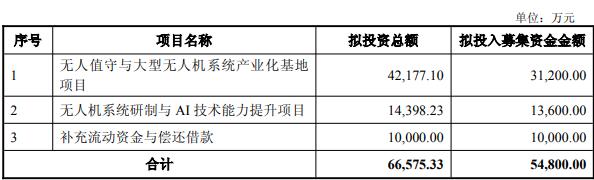
截至预案公告日,本次发行尚未确定具体的发行对象,因而无法确定发行对象与公司的关系。 截至预案公告日,公司控股股东为任斌,直接持有公司11.42%的股份,通过海南永信大鹏企业管 理中心(有限合伙)间接控制公司10.18%的股份。任斌的一致行动人王陈、陈鹏分别直接持有公司 11.72%、5.74%的股份。任斌直接及间接控制公司39.08%的股份,为公司的实际控制人。本次发行完成 后,任斌及其一致行动人持有的公司股份比例将有所下降,但任斌仍为上市公司的控股股东、实际控制 人。本次发行不会导致公司控制权发生变化。 纵横股份2021年2月10日在上交所科创板上市,发行数量为21,900,000股,发行价格为23.16元/股, 保荐机构(主承销商)为国泰君安证券股份有限公司(现为国泰海通证券股份有限公司),保荐代表人 为蒋杰、徐开来。 公司募集资金总额为50,720.40万元,扣除发行费用后募集资金净额为44,600.52万元,据公司招股 书,公司拟募集资金45,086.31万元,计划用于大鹏无人机制造基地项目、研发中心建设项目、补充流动 资金。 中国经济网北京12月31日讯 纵横股份(688070.SH)昨晚披露202 ...

罗永浩之夜:道歉、退票、与豆包辩论
新华网财经· 2025-12-31 02:19
Core Viewpoint - The event "The Crossroads of Luo Yonghao" was held in Shanghai, marking Luo's return to the tech conference scene after seven years, but faced delays and operational issues, leading to full refunds for attendees [1][4][5]. Group 1: Event Overview - The event, dubbed "Tech Spring Festival," sold out all ticket tiers within two hours of release, indicating high public interest [4]. - Luo Yonghao apologized multiple times during the event for the delays and mistakes, ultimately refunding over 1.66 million yuan in ticket sales [5]. - The venue was filled with nearly 5,000 attendees, who had arrived an hour early, showcasing the event's popularity [4]. Group 2: Personal Challenges - Luo revealed he has been suffering from ADHD for many years, which he suggested contributed to the event's disorganization [8][10]. - He mentioned that his current medication is not effective, and if his condition does not improve, he may not host large events in the future [10]. Group 3: Product Launches and Innovations - The event focused on showcasing innovative products, with over ten domestic tech products presented, emphasizing the need for a platform to highlight truly innovative offerings [13]. - Featured products included DJI's Neo2, ergonomic chairs, exoskeleton robots, and AI assistants, demonstrating a range of technological advancements [15]. - Luo announced the launch of the AI book analysis app "Qie Ting," which utilizes natural language processing to provide in-depth content analysis [18]. Group 4: Future Aspirations - Luo expressed his commitment to continue supporting innovative products and aims to elevate the visibility of Chinese technology on a global scale [15]. - He reflected on his past experiences, including his debt repayment journey, and emphasized the importance of perseverance in the tech industry [20].

钱塘企业掘金无人机表演C端市场
Mei Ri Shang Bao· 2025-12-30 22:21
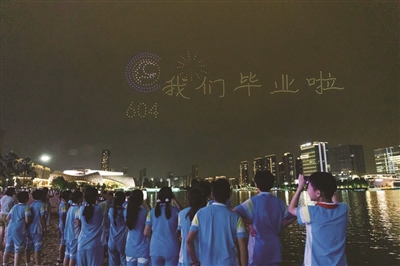
Core Insights - The company has opened up customized drone performance services to ordinary consumers, allowing for personalized aerial displays at events like graduations and proposals for around 8,000 yuan [2][3] - The reduction in technical barriers and the maturation of the supply chain have made it feasible for individual consumers to access drone performances, expanding the customer base beyond corporate clients [2][3] - The demand for drone performances is increasing, with a notable example being a school that commissioned a performance featuring designs created by students, showcasing various memorable moments from their school life [3] Industry Trends - The operational complexity of drone performances has decreased, requiring only one core operator and one assistant to manage the show, thanks to advancements in design software and systems for calculating drone numbers and positioning [3] - The company is developing a "drone+" ecosystem to integrate low-altitude economic activities into daily life, including the establishment of drone docking stations and a low-altitude technology museum for public engagement [3] - Drone performances are emerging as a viable alternative to traditional advertising methods, such as building and LED ads, due to their effective visual impact and the potential for social media sharing [4]
科技浪潮之下,企业如何保持清醒
3 6 Ke· 2025-12-30 13:36
Core Insights - The rapid advancement of technology, particularly AI, has outpaced the ability of businesses to effectively integrate and capitalize on these innovations, leading to strategic confusion and misallocation of resources [3][5][12] - Companies are increasingly recognizing the value of external perspectives to recalibrate their strategies and clarify their market positions amidst uncertainty [5][10][20] Group 1: Industry Challenges - Many companies are struggling to translate technological innovations into sustainable business value, resulting in a lack of clear growth trajectories [3][12] - The overwhelming pace of innovation has led to a situation where businesses find it difficult to determine where to allocate resources and when to pivot, often resulting in costly trial-and-error processes [3][12] - The issue is not a lack of innovation but rather an excess of it, with many firms focusing on technological capabilities without adequately addressing specific market needs [3][12] Group 2: Strategic Insights - The introduction of strategic consulting firms, such as Ries, has become crucial for companies seeking to navigate complex environments and make informed decisions about long-term investments [5][10] - Successful companies often rely on external consultants to help them compress complexity and clarify strategic choices, which is essential in a rapidly changing market landscape [5][10] - The importance of positioning theory is highlighted, emphasizing that businesses must solve real, identifiable problems for users to achieve sustainable growth [12][21] Group 3: Case Studies - The collaboration between Great Wall Motors and Ries Consulting exemplifies how strategic positioning can lead to significant growth, as seen in the development of the Haval and Tank brands [8][22] - The case of Xpeng Motors illustrates the importance of redefining a company's identity to align with market needs, transitioning from a traditional car manufacturer to a global AI driving technology company [15][21] - The success of brands like Junlebao and Weilong in the competitive dairy and snack markets demonstrates how precise positioning and addressing consumer needs can create new growth opportunities [22][23] Group 4: Market Dynamics - As the Chinese economy shifts from high-speed growth to a more stable phase, companies must adapt their strategies to focus on clarity in decision-making rather than merely expanding [18][20] - The competitive landscape is evolving, with technology becoming less scarce and the challenge now being the ability to translate it into understandable and marketable business forms [21][24] - Companies face the dual challenge of leveraging technological advancements while establishing a clear mental position in the market to ensure sustainable growth [20][25]