科创债

Search documents
资讯早班车-2026-03-18-20260318
Bao Cheng Qi Huo· 2026-03-18 01:51
1. Report Industry Investment Rating No information provided. 2. Core Viewpoints of the Report - The short - term economy is in an upward repair phase in terms of both quantity and price, but the bond market has a low winning rate and reduced odds compared to January - February, with limited adjustment space. It is recommended to focus on 1 - 3 - year short - to - medium - term credit bonds and moderately increase leverage [33]. - Against the backdrop of low domestic bond yields, the demand for "fixed - income plus" strategies and multi - asset allocation is rising, and overseas bond assets may fill the "yield gap". The channels for domestic investors to invest in overseas bonds are diversifying [33]. - Chinese government policies related to the banking industry are tilting towards the market, reducing government intervention in bank risk pricing, which is expected to ease bank profit pressure and support credit growth [34]. 3. Summary by Directory 3.1 Macro Data Quick View - GDP growth rate in Q4 2025 was 4.5%, down from 4.8% in the previous quarter and 5.4% in the same period last year [1]. - In February 2026, the manufacturing PMI was 49.0%, down from 49.2% in the previous month and 50.2% in the same period last year; the non - manufacturing PMI for business activities was 49.5%, unchanged from the previous month but down from 50.4% in the same period last year [1]. - In February 2026, the monthly value of social financing scale was 2385.5 billion yuan, down from 2492.6 billion yuan in the previous month but up from 2233.1 billion yuan in the same period last year [1]. - In February 2026, M0, M1, and M2 year - on - year growth rates were 14.1%, 5.9%, and 9.0% respectively, all higher than the previous month and the same period last year [1]. - In February 2026, the monthly value of new RMB loans from financial institutions was 900 billion yuan, up from 390 billion yuan in the previous month but down from 1010 billion yuan in the same period last year [1]. - In February 2026, CPI and PPI year - on - year growth rates were 1.3% and - 0.9% respectively, showing an improvement compared to the previous month and the same period last year [1]. - In February 2026, the cumulative year - on - year growth rates of fixed - asset investment and total retail sales of consumer goods were 1.8% and 2.8% respectively, with the former turning positive from negative and the latter showing a slowdown [1]. - In February 2026, the year - on - year growth rates of export and import amounts were 39.6% and 13.8% respectively, showing significant growth compared to the previous month and the same period last year [1]. 3.2 Commodity Investment Reference 3.2.1 Comprehensive - The Ministry of Finance will continue to implement a more proactive fiscal policy in 2026 to promote economic growth and social stability [2]. - The National Development and Reform Commission has launched a new batch of 13 landmark major foreign - funded projects with a planned investment of $13.4 billion, mainly in manufacturing and also including logistics and R & D center projects in the service industry [2]. - The Fed's March 17 - 18 meeting is expected to keep the interest rate unchanged at 3.50% - 3.75%, with a nearly 100% probability of a pause, and there are internal differences and increased policy uncertainty [3][4]. 3.2.2 Metals - On March 16, zinc and copper inventories reached new highs, while aluminum, lead, and nickel inventories reached new lows. Gold production of Polyus in 2025 decreased by 16% and is expected to be 2.5 - 2.6 million ounces in 2026 [5]. - As of March 17, the gold holding of SPDR Gold Trust decreased by 1.15 tons (0.11%) compared to the previous trading day [6]. 3.2.3 Coal, Coke, Steel, and Minerals - Japan and the US will reach an agreement on the joint development of rare earth elements, lithium, and copper [7]. 3.2.4 Energy and Chemicals - From January to February, the total social electricity consumption was 1654.6 billion kWh, a year - on - year increase of 6.1%. The electricity consumption of the three industries all increased [8]. - The natural gas consumption during the heating season reached 180 billion cubic meters, a year - on - year increase of over 2% [8]. - The US government plans to further relax sanctions on Venezuela's oil industry to increase crude oil production [9]. - The main port in the UAE, Fujairah, has suspended oil loading [9]. - The IEA member countries agreed to release 400 million barrels of strategic oil reserves [9]. - The US diesel retail price has exceeded $5 per gallon for the second time in history [9]. - The EU should prepare for dialogue with Russia in the future, focusing on European security and the Ukraine peace issue [10]. - The US API crude oil inventory last week was 6.556 million barrels, higher than the expected 730,000 barrels [11]. 3.2.5 Agricultural Products - The tariff - rate quota for cotton imports in 2026 is 300,000 tons, with a contract - based application method [12]. - Zhejiang Province aims to improve the fertilizer utilization rate of grain and oil crops and increase yields [12][13]. - Since the Spring Festival, domestic hog prices have been falling, and the current price is close to the historical low. Hog farming is in a loss - making state [13]. - The European Grain Association predicts that the corn and rapeseed yields in the EU and the UK in 2026 will be 60.7 million tons and 21.1 million tons respectively [13]. - The blockade of the Strait of Hormuz has affected the global fertilizer supply chain, leading to a 30% increase in urea prices and potential food crises in some regions [14]. 3.3 Financial News Compilation 3.3.1 Open Market - On March 17, the central bank conducted 51 billion yuan of 7 - day reverse repurchase operations, with a net investment of 11.5 billion yuan [15]. 3.3.2 Important News and Information - The Ministry of Finance will support the construction of a strong domestic market in 2026 and implement a more proactive fiscal policy in five aspects [16][17]. - The National Development and Reform Commission is organizing the application for national - level landmark major application scenario projects and has launched a new batch of 13 landmark major foreign - funded projects [18]. - The State - owned Assets Supervision and Administration Commission of the State Council will promote the implementation of major projects and the transformation of central enterprises [18]. - From January to February, the total social electricity consumption increased by 6.1% year - on - year, with high - growth rates in some industries [18]. - The property market in core cities is showing a "small spring" in March [19]. - Some city - commercial banks' wealth management products may continue to operate, and the application path for wealth management subsidiaries has changed [19]. - The financial regulatory authority has issued a new regulation on the supervision and rating of wealth management companies, excluding the scale indicator [20]. - The convertible bond market has shown an indexation trend this year, with a significant increase in the scale of convertible bond ETFs [20]. - Tianneng Power's green technology innovation bond was successfully issued, with a scale of 500 million yuan and a low interest rate [21][22]. - The Ministry of Finance plans to issue 175 billion yuan of 7 - year book - entry interest - bearing treasury bonds on March 24 [22]. - The Fed will discuss the impact of the energy shock on inflation and economic growth, and the market's expectation of a rate cut this year has decreased [24]. - The Bank of Japan will flexibly operate the bond market under certain conditions, and potential inflation is rising [25]. 3.3.3 Bond Market Summary - The inter - bank bond market in China is warming up, with the yields of major interest - rate bonds generally falling, and the bond futures closing higher. The money market is stable [26]. - The exchange - traded bond market has mixed performance, with some bonds rising and some falling [26]. - The convertible bond index has fallen, with some bonds having significant price changes [27]. - The money market interest rates are mostly down, and the yields of some financial bonds and government bonds have changed [27][28][29][30]. 3.3.4 Foreign Exchange Market Express - The on - shore RMB against the US dollar rose on March 17, and the US dollar index fell, with non - US currencies generally rising [31][32]. 3.3.5 Research Report Highlights - Huatai Fixed - Income comments that the short - term economy is in an upward repair phase, and the bond market has limited adjustment space. It is recommended to focus on short - to - medium - term credit bonds [33]. - CITIC Securities believes that overseas bond assets can fill the "yield gap", and the channels for domestic investors to invest overseas are diversifying [33]. - S&P Global Ratings says that Chinese government policies related to the banking industry are more market - oriented, which is beneficial to banks [34]. 3.3.6 Today's Reminders - On March 18, 216 bonds will be listed, 158 bonds will be issued, 161 bonds will be paid, and 278 bonds will pay principal and interest [35][36]. 3.4 Stock Market Important News - The A - share market fell, with the Shanghai Composite Index down 0.85%, and sectors such as computing power hardware and super - hard materials leading the decline [37]. - The Hang Seng Index rose 0.13%, with semiconductor and other sectors falling and real estate and financial stocks rising. Southbound funds had a net selling of over HK$11 billion [37].
信用利差周报2025年第45期:交易商协会优化并购票据工作机制,民营创投科创债扩容-20260204
Zhong Cheng Xin Guo Ji· 2026-02-04 03:02
1. Report Industry Investment Rating - Not provided in the document 2. Core Viewpoints of the Report - The second batch of private venture - capital and tech - innovation bonds supported by risk - sharing tools was launched, with policy support for the expansion of such bonds. The optimization of the M&A note mechanism is conducive to strengthening the linkage between stocks and bonds, but the actual effects remain to be seen. The manufacturing PMI improved slightly in November, and the bond market showed different trends in the primary and secondary markets [4][11][16] 3. Summary by Relevant Catalogs Market Hotspots - **Private Venture - capital and Tech - innovation Bonds Expansion** - From November 26th to 28th, the second batch of private venture - capital and tech - innovation bonds supported by risk - sharing tools were launched, with 4 institutions planning to raise a total of 930 million yuan. The issuance scale and the number of enterprises decreased compared with the first batch. These bonds have features such as low cost, long - term, innovative credit - enhancement mechanisms, and "credit - enhancement + investment" dual - wheel drive, and the funds are invested in key technological fields [11][12] - Policy support is significant. The central bank proposed to use risk - sharing tools for tech - innovation bonds, and the first meeting of the Science and Technology Finance Coordination and Promotion Mechanism put forward to build a "tech board" in the bond market and smooth the "raising, investment, management, and exit" chain of private equity and venture capital [13][14] - Current problems include small scale, unbalanced issuer structure, and difficulty in matching funds. Suggestions are to introduce diversified investors and improve the risk - mitigation mechanism [15] - **Optimization of M&A Note Working Mechanism by the NAFMII** - On December 1st, the NAFMII optimized the M&A note mechanism, which is conducive to promoting the innovation and development of "bond + stock" products and strengthening the linkage between stocks and bonds. The definition of M&A activities was clarified, and regulations were made in terms of fundraising, innovative terms, and risk - sharing [16][17] - This optimization can help meet the needs of industrial restructuring and upgrading, expand corporate financing channels, and improve the efficiency of financial services to the real economy. However, the actual effects depend on the cooperation of market participants and require continuous regulatory monitoring [18] Macroeconomic Data - In November, the official manufacturing PMI rose slightly from 49% to 49.2%, with the production of the manufacturing industry generally stable. New order, employee, and supplier delivery indexes increased, but the RatingDog manufacturing PMI declined slightly [19] Money Market - Last week, the central bank conducted 5 periods of 7 - day reverse repurchase operations totaling 151.18 billion yuan, 800 million yuan of 21 - day and 1.2 billion yuan of 1 - month treasury cash fixed - deposits. A total of 167.6 billion yuan of reverse repurchase, 90 billion yuan of MLF, and 30 billion yuan of 6 - month repurchase expired, resulting in a net withdrawal of 16.42 billion yuan. Despite the withdrawal, the money market remained balanced, with most pledged - repo rates falling, except for DR007 and DR021, which rose by 1bp and 2bp respectively [6][23][24] Primary Market of Credit Bonds - The issuance scale of credit bonds increased by 7.007 billion yuan to 42.6731 billion yuan last week, with the average daily issuance scale increasing by 1.4014 billion yuan. Different bond types showed different trends, and the infrastructure investment and financing industry and industrial bonds both saw an increase in issuance scale. The infrastructure investment and financing industry had a net inflow of funds, and the net inflow of industrial bonds exceeded the net outflow. The average issuance cost of credit bonds mostly decreased, with a decline ranging from 1bp to 15bp [7][27][30] Secondary Market of Credit Bonds - The trading volume of bond secondary - market cash bonds was 809.199 billion yuan, a decrease of 13.2468 billion yuan compared with the previous period. The average daily trading volume decreased by 2.6494 billion yuan to 161.8398 billion yuan, indicating a decline in trading activity. Due to concerns such as the possible implementation of new regulations on public - fund redemptions and some real - estate enterprises' announcements of medium - term note extensions, most bond yields rose. Interest - rate bond yields (treasury bonds and policy - bank bonds) mostly increased by 2bp to 4bp, with long - term yields rising more than short - term ones. Credit - bond yields mostly increased, with a maximum increase of 7bp. Most credit spreads expanded, and rating spreads showed mixed trends [8][38][39]
渤海银行高质量转型发展:引金融活水 育科创沃土
Jin Rong Jie Zi Xun· 2026-01-27 06:54
Core Insights - Bohai Bank, as the only national joint-stock bank headquartered in Tianjin, is committed to enhancing financial adaptability and contributing to the construction of a financial powerhouse in China, aligning with the spirit of the 20th National Congress of the Communist Party of China [1] - The bank achieved a record high of over 200 billion yuan in underwriting interbank debt financing tools by December 5, 2025, marking a 32% year-on-year increase, leading among national joint-stock commercial banks [1] Group 1: Financial Performance - As of the end of 2025, Bohai Bank has underwritten over 70 types of sci-tech bonds and notes, with a total scale nearing 20 billion yuan, establishing a leading advantage in the strategic track of sci-tech bonds [3] - The bank's total loan volume for sci-tech enterprises reached 103 billion yuan in 2025, reflecting a 35.8% increase from the beginning of the year [8] Group 2: Innovation in Financing - Bohai Bank launched the "Bohai Sci-Tech Fast Loan," offering credit up to 30 million yuan with a maximum term of three years, focusing on a "technology flow" evaluation system to convert technological strength into credit capital [4] - The bank has actively participated in the interbank bond market's "sci-tech board," assisting five companies in issuing the first batch of national sci-tech innovation bonds and completing its own 5 billion yuan issuance [2] Group 3: Collaborative Ecosystem - Bohai Bank collaborates with government, investment, and research institutions to create a growth ecosystem for sci-tech enterprises, exemplified by the "Bohai Binhai New Area Points Loan" initiative [7] - The bank has engaged with the Haihe Industrial Fund to support nearly 30 sci-tech enterprises, enhancing service models to attract significant investments in key industrial chains [7] Group 4: Recognition and Awards - Since 2025, Bohai Bank has been recognized as the "Annual Outstanding Sci-Tech Financial Bank" at the 16th Golden Ding Award and awarded "Annual Sci-Tech Innovation Bank" in the 2025 China Banking Industry "Tianji Award" evaluation [7]
深圳市存贷款规模稳居全国主要城市第三
Zhong Guo Xin Wen Wang· 2026-01-23 08:53
Group 1 - As of the end of 2025, Shenzhen's deposit and loan scale ranks third among major cities in China, with total deposits of 14.63 trillion yuan, a year-on-year increase of 7.8%, and loans totaling 9.97 trillion yuan, up 5.1% year-on-year [1] - The social financing scale in Shenzhen is expected to maintain reasonable growth, with an increase of over 630 billion yuan in 2025, which is more than 150 billion yuan higher than the previous year, and direct financing accounting for about 40% [2] - The weighted average interest rate for newly issued corporate loans in Shenzhen was 2.55% in December 2025, a decrease of 0.47 percentage points year-on-year, indicating a downward trend in overall financing costs [2] Group 2 - By the end of 2025, loans for technology, green, and digital economy industries in Shenzhen increased significantly, with respective shares rising by 1.9, 3.3, and 1.4 percentage points compared to the end of 2024 [3] - The balance of loans to the private economy in Shenzhen reached 4.35 trillion yuan, accounting for 43.7% of total loans, while inclusive micro-loans amounted to 2.01 trillion yuan, supporting the development of the private sector [3] - Shenzhen's technology loan balance reached 2.28 trillion yuan, with initiatives like "Tengfei Loan" and "Technology Startup Pass" helping over 5,200 tech companies secure nearly 20 billion yuan in funding [5] Group 3 - Various support measures have been implemented to boost consumption and expand domestic demand, with new loans exceeding 80 billion yuan issued by banks in the region [5] - Personal medium- and long-term non-housing consumption loans grew by 13.12% year-on-year, outpacing the overall loan growth rate by 8 percentage points [5] - Inbound consumption in Shenzhen reached 1.88 billion transactions worth 26.462 billion yuan in 2025, representing year-on-year growth of 27.7% and 31.3%, respectively [5]

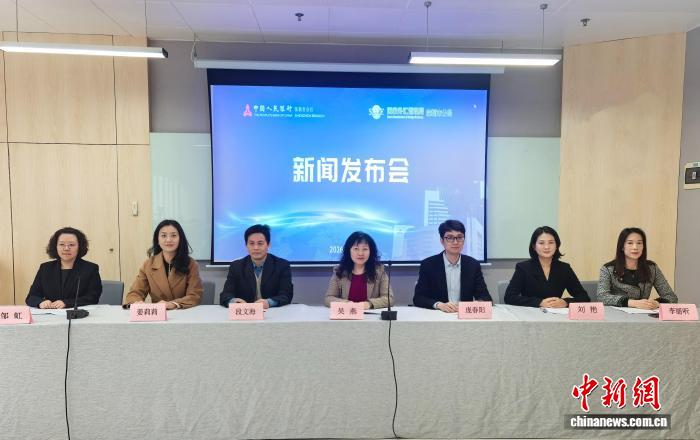
当债券规模站上196万亿元新高,一线大咖热议如何在不确定中寻找机会
券商中国· 2026-01-19 12:36
Core Viewpoint - The forum highlighted the evolving landscape of China's bond market, emphasizing the need for resilience and innovation amidst internal and external challenges, including an "asset shortage" and global economic uncertainties [1][2]. Group 1: Market Environment and Trends - China's bond market has surpassed 196 trillion yuan in scale, facing new norms such as "asset shortage" and wide fluctuations [1]. - The bond market is expected to continue expanding, focusing on serving the real economy and major national strategies, with a notable increase in foreign investment [4]. - The central economic work conference has proposed a more proactive fiscal policy and moderately loose monetary policy, prioritizing domestic demand as a key strategy for 2026 [4]. Group 2: Economic Growth and Financial Development - In 2025, China's economy is projected to grow by approximately 5%, with significant developments in the financial market, including a record daily trading volume in the stock market [5]. - The financial system is undergoing structural changes, with a shift from indirect financing to a more balanced mix of financial tools and institutions [6]. Group 3: Debt Risks and Policy Recommendations - Experts discussed the rising external vulnerabilities and the need to address internal debt issues, emphasizing the importance of understanding the macroeconomic context [7]. - Recommendations for managing debt risks include creating a favorable macro environment, aligning credit with efficiency, and exploring national macro asset-liability management [8]. Group 4: Institutional Strategy Adjustments - Financial institutions are adapting their strategies in response to market changes, focusing on asset allocation and investment logic [10]. - The shift towards "solid income+" products is evident, with a significant year-on-year growth of 39.5% in such funds by the end of Q3 [12]. - Institutions are encouraged to adopt a dynamic approach to asset management, balancing short-term liquidity with long-term investments [13].

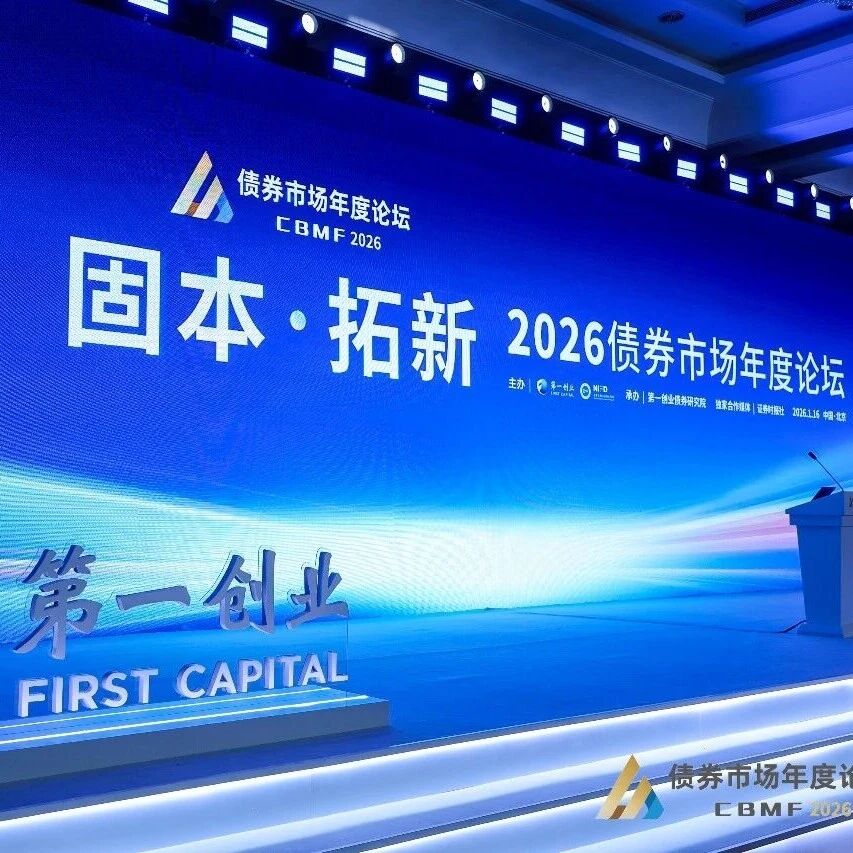
拥抱科创债高质量发展,科创债ETF广发为投资者提供便捷参与工具
Mei Ri Jing Ji Xin Wen· 2026-01-08 06:37
Group 1 - The core viewpoint of the news is the emphasis on the development of the bond market's "Technology Board," which signals a shift from initial establishment to deeper development in supporting technology enterprises [1] - The People's Bank of China and the China Securities Regulatory Commission launched the "Technology Board" for bonds in May 2025, aimed at supporting financial institutions, technology enterprises, and equity investment institutions in issuing technology innovation bonds [1] - As of January 7, 2026, a total of 1,690 entities have issued technology innovation bonds exceeding 1.9 trillion yuan, and there are 24 technology bond ETFs with a total of 317.77 billion yuan [1] Group 2 - The Technology Bond ETF serves as a convenient tool for investors to participate in the bond market's "Technology Board," with the Guangfa Technology Bond ETF (511120.SH) tracking the Shanghai Stock Exchange AAA Technology Bond Index [2] - The Guangfa Technology Bond ETF has a current scale of 10.354 billion yuan and a premium rate of 0.31%, indicating a favorable cost-effectiveness for investors [2] - The fixed income team at Caitong Securities believes that the supply of technology bonds will remain strong due to policy support, and that the demand-driven opportunities for spread compression will continue to exist [3]
ETF龙虎榜 | 万亿资金 涌入!
Zhong Guo Zheng Quan Bao· 2026-01-05 15:17
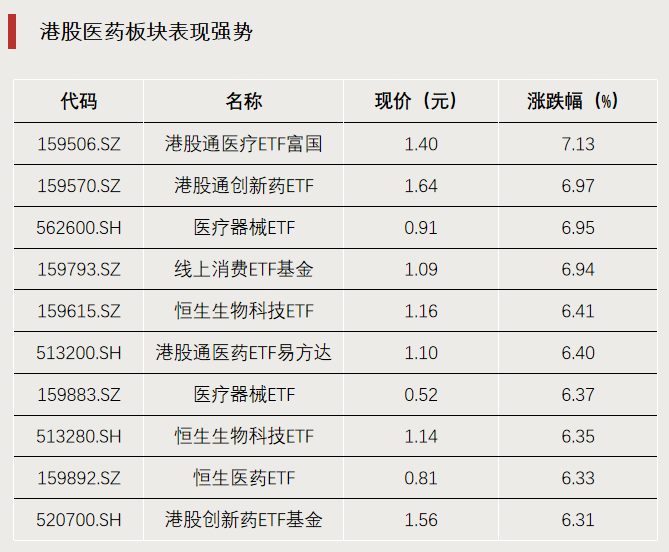
Group 1 - The A-share market shows a strong growth style, with notable performances in the pharmaceutical and semiconductor sectors, where multiple related ETFs rose over 5% in a single day [1] - The Hong Kong pharmaceutical sector is performing strongly, with several ETFs in this category, including the Hong Kong Medical ETF, rising over 6% [4][5] - The semiconductor sector is also experiencing significant gains, with multiple ETFs in this field increasing by over 5% [6][7] Group 2 - In December 2025, the A500 and Sci-Tech bonds became major directions for capital inflow, with several related ETFs seeing net inflows exceeding 100 billion yuan [2][8] - The total net inflow for all ETFs in the market reached 11,785.99 billion yuan in 2025 [2] - Four ETFs had net inflows exceeding 400 billion yuan in 2025, indicating strong investor interest [10][11] Group 3 - The Hong Kong market is expected to see a recovery in corporate earnings, with sectors benefiting from overseas demand and competitive industry leaders likely to experience greater profit elasticity [12] - The liquidity in the Hong Kong market is anticipated to improve, potentially leading to valuation increases, especially if the Federal Reserve lowers interest rates [12]
科创债ETF鹏华(551030)连续8天净流入,关注宽松政策是否会前置发力
Sou Hu Cai Jing· 2026-01-05 10:09
Group 1 - The bond market is experiencing slight fluctuations, with a notable "see-saw" effect between stocks and bonds. The Penghua Sci-Tech Bond ETF has seen continuous net inflows over the past eight days, with a maximum single-day net inflow of 999 million yuan, totaling 3.795 billion yuan and an average daily net inflow of 474 million yuan [1] - Guolian Minsheng Securities highlights three key areas of focus for bond market investments in 2026: the performance of the equity market, the easing of central bank monetary policy, and the potential rebound of inflation. Current bullish sentiment in the market may lead to rising interest rates, contingent on economic data supporting the stock market [1] - The Guosheng Fixed Income team anticipates a recovery in the bond market post-holiday, driven by improved redemption pressure due to new public fund fee regulations and enhanced overall allocation strength as bank indicator pressures ease [1] Group 2 - The Penghua Sci-Tech Bond ETF (551030) tracks the Shanghai Stock Exchange AAA Technology Innovation Company Bond Index, which selects bonds with AAA ratings and implied ratings of AA+ and above. This ETF offers advantages such as low fees, low trading costs, high transparency, and high efficiency in subscription and redemption, which help diversify investment risks and improve capital efficiency [2] - Huaxi Securities believes that the policy dividends will create a broad market space for Sci-Tech bonds, with the Sci-Tech Bond ETF being the only indexed tool for technology sector bonds, expected to highlight its long-term allocation value and market influence [2] - Penghua Fund has established a long-term strategy for "fixed income tool-type products" since the second half of 2018, actively positioning itself in various fixed income index products and aims to become a domestic expert in fixed income indices [2]
券商行业2025年十大事件:行业首例“三合一” 券商纷纷“换帅”
Nan Fang Du Shi Bao· 2026-01-01 23:10
Core Viewpoint - In 2025, the Chinese securities industry underwent profound changes under the strategy of "cultivating first-class investment banks," marked by resource integration, technological empowerment, and ecological restructuring, signaling a new chapter for the industry. Group 1: Major Events - The merger of Guotai Junan and Haitong Securities in 2025 established a new "dual leader" pattern in the industry, with the combined entity "Guotai Haitong" reporting a net profit of 22.074 billion yuan, closely following CITIC Securities' 23.159 billion yuan, both surpassing the 20 billion yuan mark [4] - The first "three-in-one" integration in the industry is being planned by CICC, Dongxing Securities, and Xinda Securities, which, if completed, will create a new model for industry integration with total assets exceeding 1 trillion yuan [5] - The margin trading balance reached a historical high of 2.551734 trillion yuan by December 29, 2025, accounting for 2.59% of the A-share market's circulating market value, with a 288% year-on-year increase in new accounts opened in September 2025 [6] Group 2: Regulatory and Structural Changes - The China Securities Regulatory Commission revised and renamed the "Securities Company Classification Evaluation Regulations" in 2025, focusing on guiding the industry to serve national strategies and enhancing professional capabilities [7] - AI applications in securities firms accelerated, with leading institutions showcasing advancements at the 2025 World Artificial Intelligence Conference, enhancing capabilities in investment research and risk control [8] Group 3: Leadership and Talent Dynamics - Over 10 chief economists in the securities industry changed positions in 2025, primarily due to the merger wave, indicating a significant reshuffling of talent [9] - More than 50 securities firms experienced changes in leadership roles, with approximately one-third of firms undergoing a "leadership change," driven by factors such as retirement and shareholder changes due to mergers [10] Group 4: Market Competition and Trends - Despite the rising trend of "anti-involution," a price war among securities firms intensified, with commission rates dropping to as low as 0.01% and financing rates falling below 4%, highlighting the need for the industry to return to its core financial services [11] - Securities firms were first included as issuers of Sci-Tech Innovation Bonds in May 2025, with total issuance exceeding 80 billion yuan since then, enhancing their competitive edge [12] - The wave of public fund business that began in 2022 receded in 2025, with several institutions withdrawing their applications for public fund qualifications, indicating a shift in business models [14]




年度盘点丨2025年中国创投:重拾向上动能,奔赴投资新程
Zheng Quan Shi Bao Wang· 2025-12-31 11:43
Group 1 - In 2025, China's venture capital industry emerged from a two-year downturn, showing signs of recovery across the entire "fundraising, investment, management, and exit" chain [1] - The government issued a significant policy document aimed at promoting the high-quality development of government investment funds, focusing on controlling new fund setups and optimizing investment policies [2] - Bank-affiliated financial asset investment companies (AICs) accelerated their entry into the primary market, with a notable increase in capital contributions since the policy announcement [3] Group 2 - Local governments have begun issuing special bonds to support government-guided funds, with a total of 52 billion yuan issued across nine provinces and cities this year [4] - New government-guided funds are being established with extended durations, some lasting up to 20 years, providing long-term support for projects [5] - Venture capital institutions and startups are increasingly acquiring listed companies, indicating a trend towards using public companies as exit strategies [6] Group 3 - Top domestic private equity firms are actively acquiring overseas consumer brands' operations in China, driven by their financial resources and local operational expertise [7] - Venture capital institutions are eagerly issuing technology innovation bonds, with significant interest from private firms leading to successful issuances [8] - Mainland venture capital and private equity firms are establishing offices in Hong Kong, attracted by the region's supportive environment for technology innovation [9][10] Group 4 - Dollar limited partners (LPs) are returning to the Chinese venture capital market, with several firms successfully raising dollar-denominated funds amid a booming AI sector [11] - The National Entrepreneurship Investment Guidance Fund has officially begun investing in three regional funds, marking a strategic deployment in key economic areas [12]