
自动驾驶

Search documents
佑驾创新(2431.HK)出海再提速,将于中东部署1000台无人车
Ge Long Hui· 2026-01-21 02:35
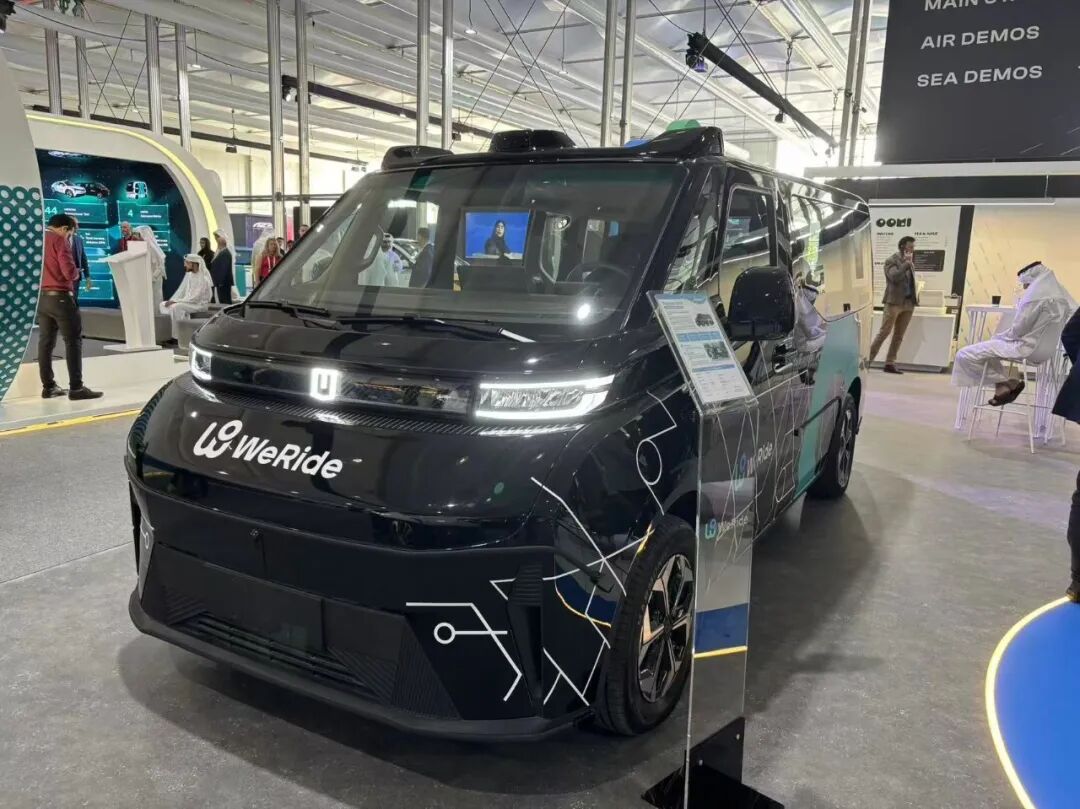
Group 1 - The core focus of the collaboration between Youjia Innovation and Eda Capital is to implement autonomous logistics vehicles (Robovan) in Saudi Arabia, addressing the region's demand for smart logistics and transportation upgrades driven by the Vision 2030 initiative [1][2] - The partnership aims to explore the large-scale deployment of L4 autonomous vehicles in the Middle East, with a target of deploying up to 1,000 vehicles by 2030 [1][2] - Youjia Innovation will leverage its self-developed L4 autonomous driving technology to provide the Xiaozhu unmanned vehicle and a complete set of technical solutions tailored for the Saudi market [2] Group 2 - The Xiaozhu unmanned vehicle will be optimized for Saudi Arabia's extreme high temperatures and sandstorm conditions, ensuring stable operation in diverse environmental scenarios [2] - Eda Capital's expertise in cross-border investment and local market insights will facilitate the expansion and compliance of unmanned vehicle operations in Saudi Arabia [2][3] - Youjia Innovation's previous experience in exporting smart driving and cockpit products to various international markets has laid a solid foundation for its global compliance operations, marking a transition from product export to localized, scalable commercial operations [3]
A股指数集体低开:沪指跌0.25%,商业航天、AI应用等板块跌幅居前
Feng Huang Wang Cai Jing· 2026-01-21 01:32
Market Overview - Major indices opened lower with Shanghai Composite Index down 0.25%, Shenzhen Component down 0.38%, and ChiNext down 0.24% [1] - The trading volume for Shanghai Composite was 577 million with a turnover of 8.73 billion, while Shenzhen Component had 846 million with a turnover of 12.89 billion [2] External Market Impact - Concerns over global trade tensions reignited by U.S. President Trump's insistence on controlling Greenland led to significant declines in U.S. indices, with the Dow Jones down 1.76%, S&P 500 down 2.06%, and Nasdaq down 2.39% [3] - Notable declines in popular Chinese stocks, with Alibaba down 1.82%, JD.com down 1.80%, and NIO down 3.18% [3] Industry Insights - Huatai Securities highlighted 2026 as a critical year for global L4 autonomous driving commercialization, driven by legislative changes in the U.S. and advancements in China [4] - CITIC Securities noted the acceleration of AI glasses development, predicting a product explosion by 2025, with significant consumer demand expected due to policy support [5] - Guojin Securities reported that the domestic PVC industry is nearing the end of its expansion cycle, with potential improvements in supply-demand dynamics as high-cost capacities exit the market [6] - CICC observed positive changes in real estate policies and supply-side dynamics, suggesting increased attention to the real estate sector in the short term [7][8]


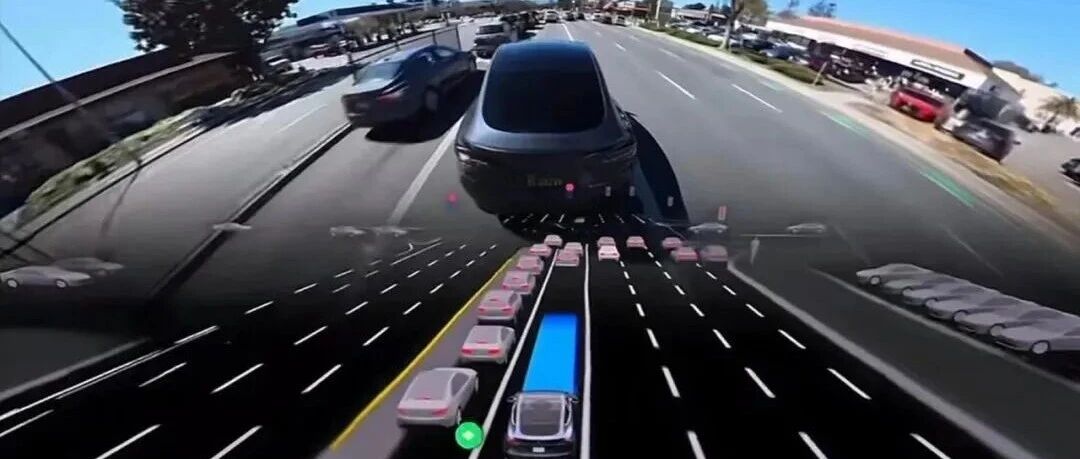
有消息称FSD不是端到端One Model,而是近200个小场景模型的组合......
自动驾驶之心· 2026-01-21 00:51
Core Viewpoint - Tesla is not a One Model but a combination of nearly 200 small scene models, as analyzed by overseas sources [4][12]. Group 1: Model Architecture - Tesla's HW4 features two model combinations: Node A with 189 neural networks and Node B with 110, sharing 61 networks between them [4]. - Different models are allocated for various scenarios such as factories, highways, city streets, and destination approaches, with independent end-to-end modules deployed for each [5]. - The system architecture is designed in a modular way, allowing parts to operate independently or in a pipeline collaboration [6]. - HW3 and HW4 share a total of 135 neural networks, with HW4 having significantly larger model sizes compared to HW3 [7][8]. Group 2: Model Operation and Performance - The current large model field is adopting similar approaches, introducing an Agent model where input is routed to relevant models for responses [9][10]. - However, Tesla's Full Self-Driving (FSD) is not yet as intelligent as the Agent models, lacking reasoning capabilities typical in large language models (LLMs) [11][12]. - Tesla's operational frequency of 36 Hz indicates the use of smaller models, which is supported by the bandwidth capabilities of HW4 at 448 GB/s compared to HW3's 68 GB/s [14][15]. Group 3: Engineering and Technology - Tesla is characterized as a company that excels in detailed engineering, often perceived as a high-tech firm [19]. - Elon Musk is recognized for leveraging existing technologies to create superior products, emphasizing the engineering aspect of FSD [21][22]. - The smooth operation of Tesla's systems is attributed not only to computational power and models but also to the rewritten vehicle control operating system, which reduces latency significantly [23].

突破千辆,单车盈利,自动驾驶开始“自己赚钱”了?
3 6 Ke· 2026-01-20 12:50
Core Insights - The Chinese autonomous driving industry is experiencing significant breakthroughs in large-scale operations, with companies like Pony.ai and WeRide achieving fleet sizes exceeding 1000 vehicles, marking a transition from "technical validation" to "scaled service operations" [1][7] Company Developments - Pony.ai announced a fleet size of 1159 vehicles as of December 2025, while WeRide reached 1023 vehicles by January 2026, both entering the "thousand-vehicle era" [1][3] - Pony.ai's CEO emphasized the importance of vehicle density in urban areas for profitability, stating that reaching a fleet size of 1000 vehicles allows for a shift from loss-making to at least break-even operations per vehicle [3] - WeRide reported that its fleet in Abu Dhabi is approaching single-vehicle break-even, while Pony.ai achieved single-vehicle profitability in Guangzhou by optimizing its asset-light model [3][4] Market Positioning - Pony.ai is the only company authorized to operate autonomous ride-hailing services in all four first-tier cities in China, while WeRide has expanded its operations to 11 countries and over 30 cities [4] - The Abu Dhabi market is seen as an ideal environment for Robotaxi commercialization, with WeRide's daily ride volume nearing half that of traditional taxis [6] Industry Trends - The global Robotaxi market is projected to reach $66.6 billion by 2030, with China expected to account for over half of this market [7] - Major players like Waymo and Tesla are also in the Robotaxi space, with Waymo operating over 1500 vehicles and achieving significant ride volumes [7][8] Financial Performance - In Q3 2025, Pony.ai reported total revenue of 181 million yuan, a 72% year-over-year increase, while WeRide achieved 171 million yuan with a 144% growth rate [9] - Both companies are still in the investment phase, with Pony.ai's net loss increasing to 616 million yuan and WeRide's loss narrowing by 70.5% to 307 million yuan [9] - The companies have demonstrated the potential for positive marginal contributions from their Robotaxi businesses, but achieving overall profitability remains a challenge [9] Capital Market Activity - Both Pony.ai and WeRide went public in November 2025, establishing a dual listing in Hong Kong and the U.S. [10] - Pony.ai anticipates needing to deploy tens of thousands of Robotaxi vehicles to reach overall break-even, projecting a fleet size of 100,000 by 2030 [10]
美联邦自驾法案破冰,Robotaxi提速
HTSC· 2026-01-20 09:35
Investment Rating - The report maintains a "Buy" rating for key companies in the autonomous driving sector, including Horizon Robotics, Hesai Technology, Pony.ai, WeRide, Xiaopeng Motors, and Suda Technology [6][8]. Core Insights - The U.S. House of Representatives is reviewing the "SELF DRIVE Act of 2026," which proposes to increase the exemption limit for manufacturers from 2,500 vehicles to 90,000 vehicles, significantly enhancing the potential for Robotaxi mass production [1][2]. - The legislation aims to resolve core obstacles to the scaling of Robotaxi deployment, including the introduction of a "deemed approval" mechanism for exemption applications and establishing federal regulations as a priority over state laws [2][3]. - 2026 is projected to be a pivotal year for the global L4 autonomous driving industry, with the U.S. federal legislative framework becoming clearer and China accelerating its L3 pilot projects and L4 commercialization [1][4]. Summary by Sections Legislative Developments - The "SELF DRIVE Act of 2026" is expected to break a decade-long legislative deadlock, with bipartisan support leading to a clearer timeline for implementation [3]. - Key milestones include committee markup meetings in Q1 2026 and potential integration with the 2026 Surface Transportation Reauthorization Act [3]. Market Expansion - The U.S. Robotaxi market is transitioning from technology validation to large-scale expansion, with companies like Waymo and Tesla ramping up operations [4]. - Waymo's weekly paid orders reached 450,000 by December 2025, with plans to expand operations from 10 to 30 cities [4]. - Tesla's Cybercab is expected to begin mass production in April 2026, further contributing to market growth [4]. Investment Recommendations - The report emphasizes the synchronized development of L4 autonomous driving in both the U.S. and China, suggesting that this convergence will drive significant industry growth [5]. - Companies such as WeRide and Pony.ai are highlighted for their international expansion efforts, while other L4 applications like Robovan and Robotruck are also gaining traction [5].


花旗:对文远知行开启90天上行催化剂观察
Zhi Tong Cai Jing· 2026-01-20 06:56
Core Viewpoint - Citigroup has set a target price of HKD 39.6 for WeRide (00800) and rated it as "Buy" based on several factors [1] Group 1: Investment Outlook - Citigroup has initiated a 90-day upward catalyst observation for WeRide, considering potential developments in the autonomous driving sector [1] - The potential financing round for Waymo in the first quarter of this year implies a valuation of 280 times the sales for 2025, which could lead to a reassessment of WeRide's valuation [1] - Investor confidence is increasing regarding WeRide's possible entry into the Hong Kong Stock Connect (southbound) in June this year [1] Group 2: Industry Dynamics - The competitive landscape in the technology sector between China and the U.S. may prompt China to adopt more proactive policies regarding ADAS (Advanced Driver Assistance Systems) and autonomous taxi services [1] - The light asset business of WeRide is showing positive development [1]
花旗:对文远知行(00800)开启90天上行催化剂观察
智通财经网· 2026-01-20 06:53
Core Viewpoint - Citigroup has set a target price of HKD 39.6 for WeRide (00800) and rated it as "Buy" based on several factors including potential financing rounds and market confidence [1] Group 1: Valuation and Market Sentiment - Citigroup initiated a 90-day upward catalyst observation for WeRide, considering the potential financing round by Waymo in Q1 of this year, which implies a valuation of 280 times the 2025 sales ratio [1] - There is an increased investor confidence regarding WeRide's potential entry into the Hong Kong Stock Connect (southbound) in June this year [1] Group 2: Industry Dynamics - The competition in the technology sector between China and the U.S. may lead to more proactive policies in China regarding ADAS (Advanced Driver Assistance Systems) and autonomous taxi services [1] - The light asset business of WeRide is developing well, indicating positive growth prospects [1]
大行评级|花旗:对文远知行开启90天上行催化剂观察,目标价39.6港元
Ge Long Hui· 2026-01-20 02:16
Group 1 - Citi has initiated a 90-day upward catalyst observation for WeRide, considering factors such as Waymo's potential financing round in Q1 this year, which implies a valuation of 280 times the 2025 sales ratio, possibly leading to a reassessment of WeRide's valuation [1] - Investor confidence in WeRide potentially entering the Hong Kong Stock Connect (southbound) in June this year has increased [1] - The competition in the technology sector between China and the US may prompt China to implement more proactive ADAS/autonomous driving rental policies [1] Group 2 - The light asset business of WeRide is developing well [1] - Citi has set a target price of HKD 39.6 for WeRide, with a rating of "Buy/High Risk" [1]
未知机构:美国自动驾驶法案允许无方向盘车辆上路美国众议院1月13日关于SE-20260120
未知机构· 2026-01-20 02:15
Summary of Key Points from the Document Industry Involved - The document discusses the **autonomous driving industry** in the United States, specifically focusing on the implications of new legislation for self-driving vehicles. Core Insights and Arguments - The **SELF DRIVE Act** hearing held by the U.S. House of Representatives on January 13 has received bipartisan support for significantly increasing the exemption cap for autonomous vehicles to **90,000 units per year** [1] - This legislative progress is viewed as a critical step in removing regulatory barriers for the large-scale commercial deployment of **Robotaxi services** [1] - The new regulations are expected to directly accelerate the production process of vehicles without steering wheels, such as **Tesla's Cybercab**, and significantly shorten the timeline for commercialization across the industry [1] Other Important but Potentially Overlooked Content - The establishment of **federal priority** in the legislation indicates a shift towards a more unified regulatory framework for autonomous vehicles, which could enhance investor confidence and attract more capital into the sector [1]
英伟达-特斯拉FSD深度体验交流
2026-01-20 01:50
Summary of Conference Call on Robotaxi Developments Industry Overview - The conference discusses the developments in the Robotaxi industry, focusing on key players such as Waymo, Tesla, and Nvidia, along with their respective technologies and market strategies [1][2][3][4][5][6][7][8][9][10][11][12][13][14][15][16][17][18][19][20][21][22][23][24][25][26]. Key Players and Their Developments Waymo - Waymo is currently the largest Robotaxi operator globally with a fleet of 2,500 vehicles, although this number is significantly lower than expected [2]. - The company excels in software application, response speed, and supply matching, providing a comprehensive user experience [2]. - Waymo's system is based on rules and high-definition maps, which limits its scalability outside designated areas [1][5]. - The transition to an end-to-end model poses challenges, including regulatory pressures and the complexity of changing its existing technology stack [10]. Tesla - Tesla's Robotaxi does not rely on high-definition maps but uses open-source map data, allowing it to cover more routes and provide a more complete end-user experience [4][5]. - Currently, Tesla operates a limited number of vehicles (150) in Texas and has begun testing fully autonomous operations [4][11][12]. - The cost of Tesla's Robotaxi service is significantly lower than competitors like Uber, with fares from San Francisco to Nvidia headquarters costing under $30 compared to Uber's $50-$60 [4]. - Tesla faces challenges with software stability and low failure rates, which are critical for the success of its Robotaxi operations [13][14]. Nvidia - Nvidia showcased an end-to-end autonomous driving model using the Mercedes CLA, which exceeded expectations during testing [9]. - The company plans to cover all of California by Q1 2026 and gradually expand across North America, although it has decided not to enter the Chinese market for autonomous driving [3][9][23]. - Nvidia continues to offer lidar technology options to clients but has not released a formal Robotaxi solution [3][20]. Competitive Landscape - Other notable competitors in the North American market include Amazon's Zoox, which, despite being a significant player, is lagging in progress compared to Waymo and Tesla [6]. - The performance of competitors like Lucid and Pony.ai is also mentioned, with Waymo being favored due to its strong AI integration and operational experience [8]. Regulatory and Market Challenges - The regulatory environment in the U.S. and China is described as aggressive, with both countries making significant strides in autonomous driving regulations [3][26]. - Local government support varies, with some regions in China showing superficial support for Robotaxi initiatives, while the U.S. faces challenges due to the autonomy of individual states [24]. User Experience and Technology Differences - Waymo offers a more polished user experience, including features like music integration and user onboarding, while Tesla leverages its existing ecosystem for a familiar experience [15]. - Differences in remote takeover capabilities between Waymo and Tesla are noted, with Waymo allowing remote monitoring and control of vehicles [16]. Conclusion - The Robotaxi industry is rapidly evolving, with key players like Waymo and Tesla leading the charge. However, challenges related to scalability, regulatory compliance, and technology integration remain significant hurdles for all companies involved in this space [1][2][3][4][5][6][7][8][9][10][11][12][13][14][15][16][17][18][19][20][21][22][23][24][25][26].
