卫星通信

Search documents
投资早参 | 工信部向中国移动颁发卫星移动通信业务经营许可;国产大模型DeepSeek-V3.2模型发布 寒武纪、昇腾适配
Mei Ri Jing Ji Xin Wen· 2025-09-29 22:58
Market News - US stock indices collectively rose, with the Dow Jones up 0.15%, Nasdaq up 0.48%, and S&P 500 up 0.26%. Major tech stocks showed mixed results, with Nvidia rising over 2% and Amazon over 1%, while Broadcom fell nearly 2% [1] - Spot gold surpassed $3830, closing at $3832.94 per ounce, reaching a new high. COMEX gold futures rose 1.42% to $3862.90 per ounce, and COMEX silver futures increased 0.97% to $47.11 per ounce. International oil prices saw significant declines, with WTI crude down 3.86% to $63.18 per barrel and Brent crude down 3.51% to $66.79 per barrel [1] - European stock indices closed slightly higher, with Germany's DAX up 0.02% to 23745.06 points, France's CAC40 up 0.13% to 7880.87 points, and the UK's FTSE 100 up 0.16% to 9299.84 points [1] Industry Insights - The Ministry of Industry and Information Technology of China has issued a satellite mobile communication business operating license to China Mobile, following similar licenses granted to China Telecom. This allows major telecom companies to engage in satellite communication services, enhancing emergency communication and services in remote areas. The satellite communication market in China is projected to grow from 9.2 billion yuan in 2020 to 310 billion yuan by 2024, with a compound annual growth rate exceeding 100% [2] - The release of the DeepSeek-V3.2-Exp model introduces a sparse attention mechanism, significantly improving long text training and inference efficiency while reducing service costs. This model has been adapted by Cambrian and Ascend, showcasing advancements in domestic AI hardware and software capabilities [3][4] - A new world record was set with a 35.1 Tesla steady-state magnetic field achieved by a superconducting magnet developed by the Hefei Institute of Physical Science. This breakthrough supports various applications, including nuclear magnetic resonance imaging and superconducting magnetic levitation [5][6] - The superconducting materials market is expected to exceed $25 billion globally by 2030, with China significantly increasing its market share. The country is positioned to lead in the superconducting industry, driven by policy, technology, and market forces [6]

全球卫星通信产业交流暨嘉则NTN卫通产品发布会在沪举办
Zhong Zheng Wang· 2025-09-29 08:19
Core Insights - The event "Global Satellite Communication Industry Exchange and Jiaze NTN Satellite Product Launch Conference" was held in Shanghai, organized by Jiangsu Jiaze Information Technology Co., Ltd. and Shanghai 6G Communication Intelligence Valley, attracting 76 companies and over 130 representatives [1] - Jiaze Information launched a new NTN satellite communication solution named "Jishi Xingtong," which includes the Hummingbird series NTN satellite modules, supporting rapid development and deployment of NTN satellite communication capabilities globally [1][2] Group 1 - The newly launched NTN satellite modules, JMD47 and JMD53, comply with 3GPP R17 IOT-NTN standards and feature ultra-compact size, lightweight, low power consumption, and high integration, which can significantly reduce R&D and production costs [2] - The conference showcased various functionalities enabled by the Jishi Xingtong solution, including SMS, text, and voice messaging, highlighting its technical advantages in reliability, coverage, and low latency [2] - The NTN technology is positioned as a key choice for supporting global satellite IoT development, demonstrating extensive application potential across diverse terminal scenarios [2] Group 2 - Jiaze Information plans to increase R&D investment in satellite communication, focusing on multi-mode fusion chips, low-power terminals, and cloud-edge collaborative platforms, aiming to transition technology from pilot verification to large-scale commercialization [3] - Established in 2017, Jiangsu Jiaze Information Technology Co., Ltd. specializes in the R&D of mobile communication systems and terminal devices, offering services in satellite mobile communication systems, domestically produced controllable terminal devices, and industrial internet systems [3]

卫星互联网,还未走出“大哥大困境”
Hu Xiu· 2025-09-28 13:32
Core Viewpoint - The rapid development of China's satellite industry, particularly low Earth orbit (LEO) satellite constellations, faces significant challenges, including commercial difficulties and the need for improved space traffic management and frequency resource allocation [1][2][3]. Group 1: Industry Development - The satellite communication industry has seen a surge in interest, especially in low Earth orbit satellite communications, driven by advancements in rocket launches, integrated circuits, satellite manufacturing, and communication technologies [3][4]. - Despite the growth, satellite communication has not yet achieved economies of scale, remaining primarily focused on emergency communication needs, with only about 10 million satellite communication users compared to 5.7 billion mobile communication users globally [4][5][7]. - The current state of satellite communication is characterized by high costs for terminals and services, leading to a limited user base, which is described as being stuck in a "1G era" commercial dilemma [5][7]. Group 2: Technical Challenges - The satellite communication system is fragmented, with various incompatible technical standards, making it difficult to achieve economies of scale [9][10]. - The lack of unified standards and the presence of multiple satellite systems increase costs for terminal manufacturers, as each new system requires additional infrastructure [10]. Group 3: Space Traffic Management - The increasing number of satellites in orbit has led to significant challenges in space traffic management, with over 600 high-orbit satellites and plans for more than 130,000 low Earth orbit satellites, raising collision risks [12][14][16]. - There is currently no effective management or coordination rules for space traffic, which complicates the operation of satellite constellations and increases the risk of collisions [17][21]. - The absence of a reliable data-sharing platform for satellite positioning further exacerbates the challenges of avoiding collisions in space [21][22]. Group 4: Mobile Satellite Communication - The concept of direct satellite communication for mobile phones is gaining traction, with companies like SpaceX exploring various models to enable this service [23][24]. - SpaceX's acquisition of EchoStar's wireless spectrum license is a significant step towards independent mobile satellite services, which could disrupt the existing satellite and ground communication markets [24][25]. - However, challenges remain, including high satellite costs and limitations in communication speeds for existing satellite systems [26][27].

当太空邂逅AI 谁在打开中国版“星际之门”?
2 1 Shi Ji Jing Ji Bao Dao· 2025-09-28 02:16
Group 1 - The integration of space and AI is accelerating, showcasing significant commercial potential and impacting daily life [1][2] - The "Star Computing Plan" aims to establish a global "space-based computing network" using 2,800 satellites, breaking the limitations of ground-based computing [2][3] - The first batch of satellites launched in May has a total computing power of 5 petaflops (POPS), equivalent to a large data center in space, enabling real-time data processing and analysis [3][5] Group 2 - The application of space computing is expanding into various sectors, including urban planning, emergency response, and transportation, enhancing decision-making and operational efficiency [7][8] - The demand for AI computing power is surging, with projections indicating that China's AI computing market will reach $19 billion in 2024, growing by 86.9% [8][9] - The competition in AI infrastructure is intensifying, with China's "Star Computing Plan" and the U.S.'s "Star Gate" initiative representing two different approaches to building foundational capabilities for AI [9]
我国天地一体化通信建设加速
Zhong Guo Chan Ye Jing Ji Xin Xi Wang· 2025-09-28 00:17
Core Insights - The Ministry of Industry and Information Technology (MIIT) has issued guidelines to optimize business access and promote the development of the satellite communication industry, aiming for significant advancements by 2030, including over 10 million satellite communication users and the integration of satellite communication into the new development framework [1][2] Group 1: Policy and Market Access - The guidelines aim to simplify approval processes and lower entry barriers, effectively stimulating market vitality and supporting innovation in satellite communication technologies and applications [3] - MIIT has issued a satellite mobile communication business license to China Unicom, marking a proactive step in optimizing market access for satellite communication [1][2] Group 2: Industry Development and Trends - The satellite communication industry is experiencing a resurgence due to advancements in satellite payloads and commercial space technology, with a focus on low Earth orbit satellite internet [2] - The guidelines support the rapid development of low Earth orbit satellite internet and encourage telecom operators to develop direct satellite connection services, enhancing coverage in underserved areas [2][3] Group 3: New Business Models and Applications - The integration of satellite communication with mobile devices, such as smartphones, is identified as a key growth area, with several models already supporting direct satellite connectivity [3] - The guidelines also emphasize the exploration of new satellite communication services, including satellite IoT, which is expected to complement terrestrial networks in various sectors [5] Group 4: Future Outlook and Challenges - The global satellite landscape is evolving, with over 10,000 satellites in orbit, predominantly low Earth orbit satellites, which are crucial for the future of satellite internet and integrated 6G networks [5][6] - Industry experts highlight the need for further policy refinement, including spectrum allocation and safety reviews, to enhance operational capacity and technological independence [6]


中国卫通集团股份有限公司 关于召开2025年第三次临时股东大会的通知
Zhong Guo Zheng Quan Bao - Zhong Zheng Wang· 2025-09-27 00:46
Meeting Overview - The third extraordinary general meeting of shareholders will be held on October 14, 2025, at 15:30 in Beijing [1][2] - The meeting will utilize a combination of on-site and online voting methods [1][2] Voting Details - Online voting will be conducted through the Shanghai Stock Exchange's shareholder meeting voting system, available from 9:15 to 15:00 on the day of the meeting [1][2] - Specific voting times include trading hours: 9:15-9:25, 9:30-11:30, and 13:00-15:00 [1][2] Agenda Items - The meeting will review several proposals, including the cancellation of the supervisory board and amendments to the company's articles of association [3] - Proposals for the reappointment of the financial report and internal control audit institution for 2025 will also be discussed [3] Attendance and Registration - Shareholders registered by the close of trading on the registration date are entitled to attend the meeting [7] - Registration will take place from October 10 to October 13, 2025, at the designated location in Beijing [10] Proxy Voting - Shareholders can appoint proxies to attend and vote on their behalf, with specific documentation required for registration [11] - Proxies must present a signed authorization letter and identification [11] Additional Information - Contact details for inquiries include a phone number and fax [12] - Attendees are responsible for their own travel and accommodation expenses [12]

中国卫通集团股份有限公司关于召开2025年第三次临时股东大会的通知
Shang Hai Zheng Quan Bao· 2025-09-26 18:16
证券代码:601698 证券简称:中国卫通 公告编号:2025-054 中国卫通集团股份有限公司关于召开2025年第三次临时股东大会的通知 本公司董事会及全体董事保证本公告内容不存在任何虚假记载、误导性陈述或者重大遗漏,并对其内容 的真实性、准确性和完整性承担法律责任。 重要内容提示: ● 股东大会召开日期:2025年10月14日 ● 本次股东大会采用的网络投票系统:上海证券交易所股东大会网络投票系统 一、召开会议的基本情况 (一)股东大会类型和届次 2025年第三次临时股东大会 (五)网络投票的系统、起止日期和投票时间。 网络投票系统:上海证券交易所股东大会网络投票系统 网络投票起止时间:自2025年10月14日 至2025年10月14日 (二)股东大会召集人:董事会 (三)投票方式:本次股东大会所采用的表决方式是现场投票和网络投票相结合的方式 (四)现场会议召开的日期、时间和地点 召开的日期时间:2025年10月14日 15点30分 召开地点:北京市海淀区知春路65号中国卫星通信大厦A座会议室 采用上海证券交易所网络投票系统,通过交易系统投票平台的投票时间为股东大会召开当日的交易时间 段,即9:15-9: ...
释放融资需求超7亿元,“投成都”未来产业投资联盟首场活动举行
Sou Hu Cai Jing· 2025-09-26 12:50
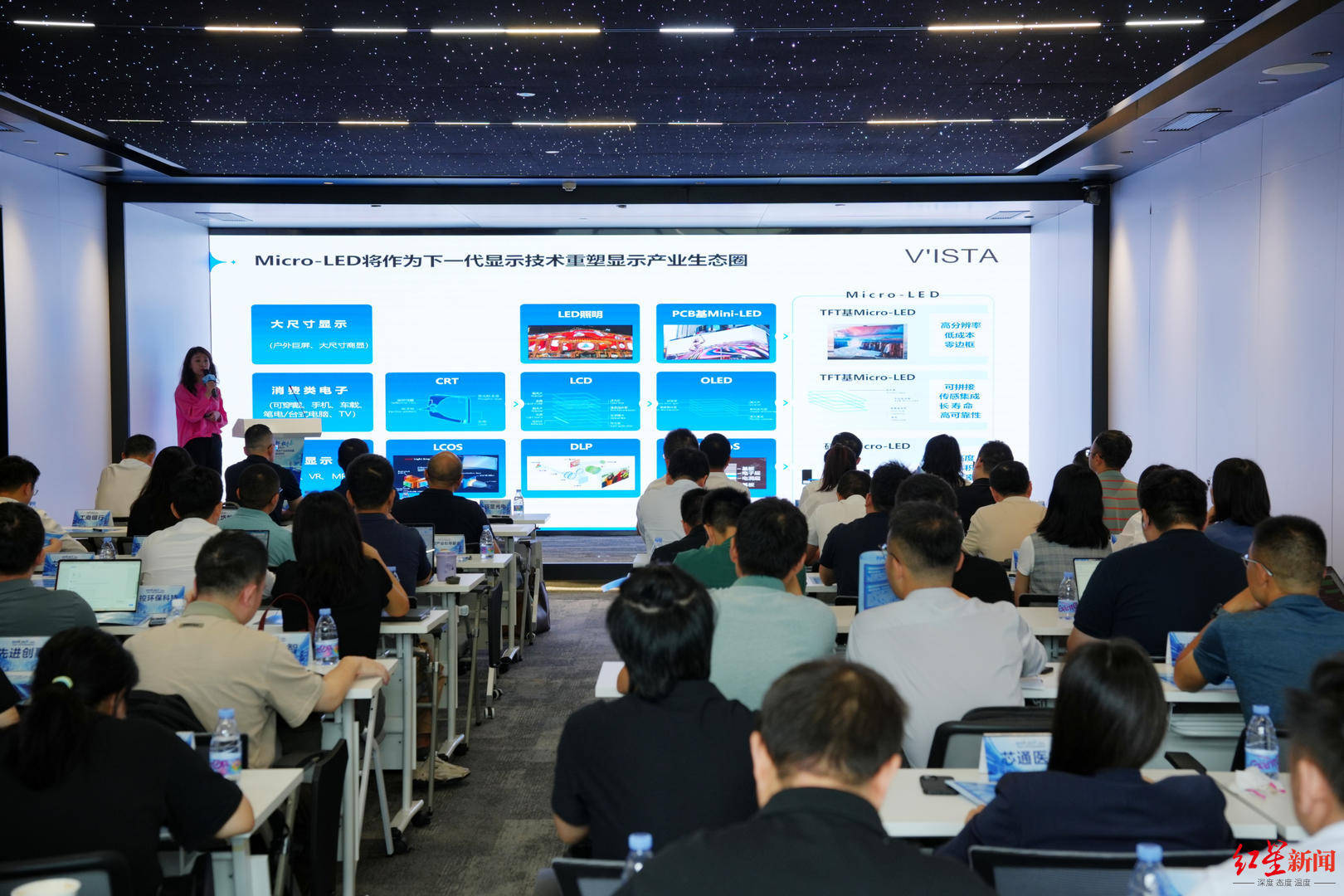
Core Insights - The "Invest Chengdu" Future Industry Investment Alliance held its first financing roadshow event, showcasing five high-quality companies from future industries with a total financing demand exceeding 700 million yuan [2][5] Group 1: Event Overview - The event took place on September 26 at the Chengdu Private Economy Development Promotion Center, focusing on future industries such as future energy, satellite communication, new displays, high-end equipment, and biotechnology [2][3] - The Chengdu government aims to strengthen the "Invest Chengdu" brand and establish a "tropical rainforest" fund ecosystem to support these industries [2] Group 2: Company Highlights - Chengdu Chenxian Optoelectronics Co., Ltd. presented its Micro-LED production line with a technology transfer yield of 99.995%, seeking 500 to 1,000 million yuan for production line construction and R&D [4] - Sichuan Rongxin New Energy Power System Co., Ltd. showcased its leading technology in high-power fuel cell hybrid systems, with applications in rail and road transportation [4] Group 3: Investment Engagement - Notable investment institutions such as Hillhouse Capital and Dongfang Fuhai participated, engaging in discussions on technology maturity, application scenarios, and market potential [5] - The event facilitated precise matching between investors and projects, with a total financing demand of over 700 million yuan reported [5] Group 4: Government Support and Future Plans - Chengdu's government has launched the "Tomorrow Star" initiative to support innovative companies with significant market potential and disruptive technologies [6] - The future industry fund aims to provide comprehensive capital services throughout the lifecycle of enterprises, focusing on seed, startup, and growth stages [10][11]
卫星通信产业拐点在即,谁先冲上千亿风口?
2 1 Shi Ji Jing Ji Bao Dao· 2025-09-26 12:27
Core Viewpoint - The recent successful launch of the sixth orbital plane of the Geely Constellation marks a significant milestone in China's satellite industry, reflecting a broader trend of rapid advancements and increased demand in the satellite communication sector [1]. Industry Developments - The satellite communication industry in China is transitioning from a phase characterized by "low volume, high cost" to one of "high demand, reduced costs," driven by multiple favorable factors [1]. - The market size for China's satellite communication is projected to exceed 80 billion yuan in 2023, with an expected annual compound growth rate of approximately 15% from 2024 to 2029, potentially reaching around 200 billion yuan by 2029 [1]. - The satellite internet market in China is anticipated to approach 100 billion yuan over the next five years, while global satellite internet market size is predicted to reach trillions by 2040 [1]. Policy and Regulatory Support - The Ministry of Industry and Information Technology (MIIT) has issued guidelines to optimize business access and promote the development of the satellite communication industry, setting a target of over 10 million satellite communication users by 2030 [3]. - The issuance of satellite mobile communication licenses to major telecom operators like China Unicom signifies a shift towards practical applications of satellite communication services [3][2]. Market Dynamics - The rapid deployment of satellite communication consumer terminals is exceeding expectations, with over 16 million units of domestic smartphones supporting direct satellite connections projected for 2024 [2][3]. - Major manufacturers such as Huawei and Xiaomi are actively developing satellite communication capabilities in their devices, indicating a growing consumer market [4]. Infrastructure Development - Significant infrastructure projects are underway, including the largest low-orbit satellite constellation plan in China, which aims to launch approximately 13,000 satellites by 2030 [5]. - The pace of satellite internet infrastructure development has accelerated, with six groups of low-orbit satellites successfully launched within a month, indicating a shift from anticipated demand to tangible growth [6]. Financial Performance and Opportunities - Companies in the upstream manufacturing sector are expected to be the first to report positive financial results as demand for satellite components increases [7]. - China Satellite (600118.SH) has shown signs of recovery, with a reduction in losses and increased delivery of satellite products, positioning it well for future growth [7][8]. - Shanghai Hanhua (300762.SZ) is projected to achieve significant revenue from low-orbit satellite-related businesses, with a high degree of revenue certainty from existing contracts [8][9]. Component Manufacturing - Tianyin Electromechanical, a leading manufacturer of satellite core components, is experiencing strong demand for its star sensors, which are critical for upcoming satellite launches [9][10]. - The profitability of Tianyin's star sensor business is notably high, with a gross margin of 31.23%, contributing to overall revenue growth for the company [9][10].



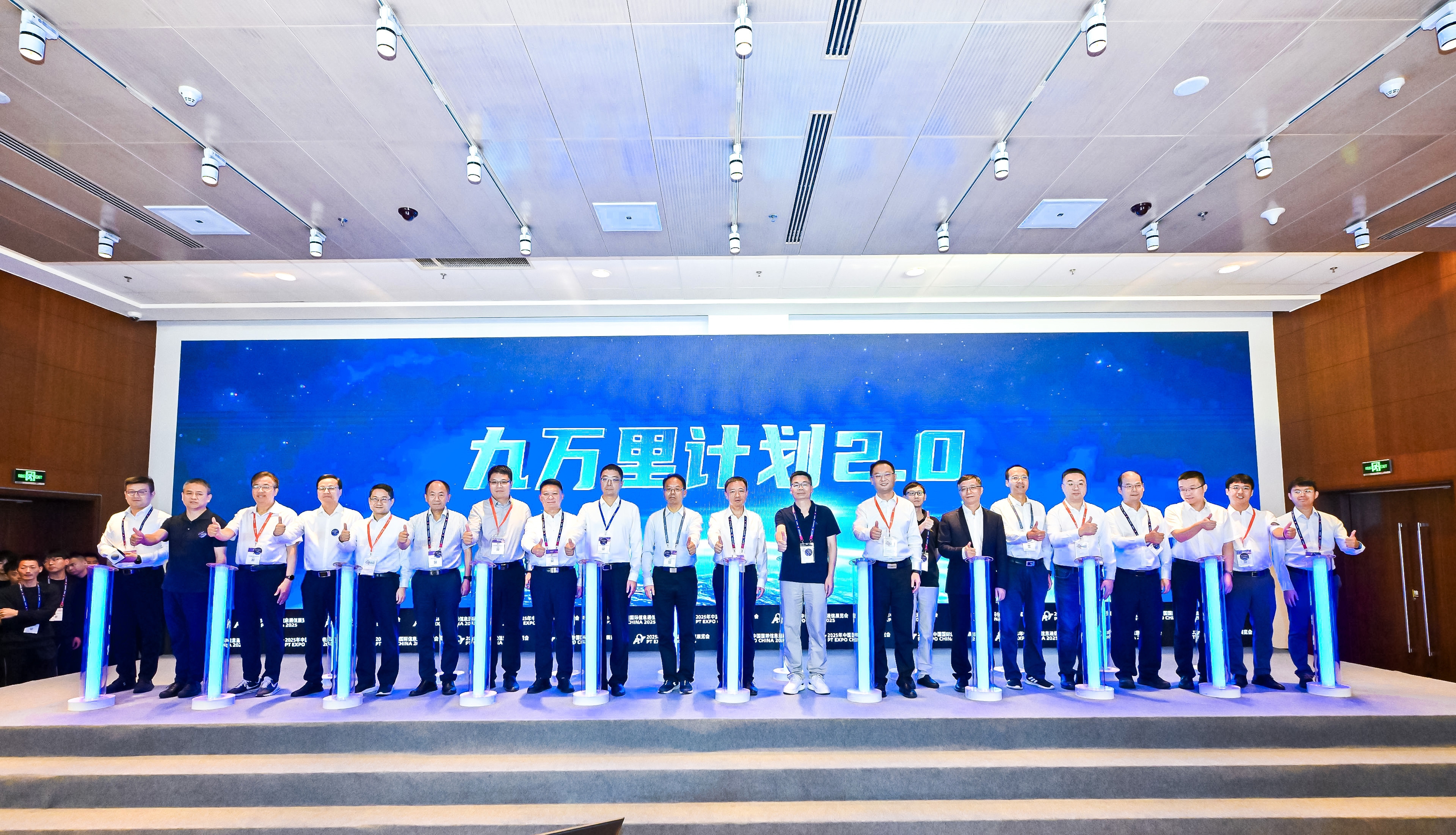
加速星地融合网络建设,信科移动发布“九万里计划2.0”
Zheng Quan Shi Bao Wang· 2025-09-25 14:20
Core Viewpoint - The launch of "Nine Thousand Miles Plan 2.0" by Xinke Mobile marks a significant upgrade in China's efforts to reshape the global satellite internet landscape, emphasizing collaboration across various sectors to achieve seamless global coverage [1][4]. Group 1: Plan Overview - "Nine Thousand Miles Plan" aims to build a satellite-ground integrated network with the guidance of the government, collaborating with operators, commercial aerospace, the communication industry chain, universities, and research institutions [4]. - The 2.0 version focuses on deepening industrial collaboration and application expansion based on prior technological accumulation and ecosystem development [4]. Group 2: Technical and Product Development - Xinke Mobile has established a complete satellite internet industry chain, offering end-to-end technical and engineering services, including satellite base stations, phased array antennas, ground gateways, dedicated terminals, core networks, and management systems [5]. - The company integrates satellite internet with terrestrial 5G/6G networks, exploring a multi-network collaborative communication model that addresses both urban high-capacity needs and connectivity gaps in remote and emergency scenarios [5]. Group 3: Standards and Future Outlook - Xinke Mobile is actively promoting the construction of a satellite-ground integration standard system, achieving breakthroughs in the 3GPP NTN standard framework and leading multiple standardization initiatives [4]. - The release of the "Low-altitude Intelligent Network Scenario and Key Technology White Paper" outlines the relationship between low-altitude intelligent networks and the low-altitude economy, proposing a system architecture and key technology routes for future development [5].