
互联网零售

Search documents
我国数实融合发展态势良好
Xin Lang Cai Jing· 2025-12-25 19:22
Group 1 - The digital economy's core industries saw a sales revenue increase of 10% year-on-year in the first 11 months of this year, significantly outpacing the overall growth rate of national enterprises [1] - Sales revenue in intelligent manufacturing sectors, such as smart device manufacturing and electronic components manufacturing, grew by 28.2% and 10.9% respectively [1] - Revenue from digital technology applications, including AI models, big data, and IoT, increased by 14.3%, with internet-related services and IT services growing by 16.1% and 15.2% respectively [1] Group 2 - The procurement of digital technologies by manufacturing enterprises increased by 11.2% year-on-year in the first 11 months, indicating a significant investment in digital transformation [1] - Specific sectors such as automotive manufacturing, general equipment manufacturing, and computer communication saw procurement growth of 25.5%, 19.7%, and 13.3% respectively [1] - The sales revenue driven by digital factors grew by 6.3% year-on-year, with internet platforms for new business models like online freight and food delivery increasing by 16.2% [2] - Internet retail and supply chain management services, including live e-commerce and instant retail, saw sales revenue growth of 11.9% and 24.7% respectively [2] - The tax authority plans to continue implementing tax incentives to support technological innovation, facilitating the digital transformation of enterprises [2]
税收数据显示:我国数实融合发展态势良好
Xin Hua Wang· 2025-12-25 08:17
Core Insights - The digital economy in China has shown rapid growth this year, with significant improvements in digital industrialization and substantial investments in digital transformation [1] Group 1: Digital Industrialization - The sales revenue of core digital economy industries increased by 10% year-on-year in the first 11 months, outpacing the overall growth rate of enterprises in the country [1] - Sales revenue in intelligent manufacturing sectors, such as smart device manufacturing and electronic components manufacturing, grew by 28.2% and 10.9% respectively [1] Group 2: Investment in Digital Transformation - Manufacturing enterprises increased their investment in digital technologies, with procurement amounts rising by 11.2% year-on-year in the first 11 months [1] - Specific sectors like automotive manufacturing, general equipment manufacturing, and computer communication and other electronic equipment manufacturing saw procurement growth of 25.5%, 19.7%, and 13.3% respectively [1] Group 3: New Business Models Driven by Data - Sales revenue driven by data elements grew by 6.3% year-on-year in the first 11 months [1] - Internet platforms, including those for online freight, food delivery, and ride-hailing, experienced a sales revenue increase of 16.2% [1] - Internet retail and supply chain management services, including live e-commerce and instant retail, saw sales revenue growth of 11.9% and 24.7% respectively [1]
税收数据显示:我国数实融合快速发展 数字产业化水平明显提升
Xin Hua Cai Jing· 2025-12-25 06:14
Core Insights - The integration of digital economy and real economy is a key aspect of building a modern industrial system, with tax authorities utilizing big data from value-added tax invoices to track the development of this integration in China [1][2] Group 1: Digital Economy Growth - The digital economy's core industries saw a sales revenue increase of 10% year-on-year in the first 11 months of this year, significantly outpacing the overall growth rate of enterprises in the country [1] - Sales revenue in the smart manufacturing sector, including intelligent equipment manufacturing and electronic components, grew by 28.2% and 10.9% year-on-year, respectively [1] - The digital technology application sector, driven by AI models, big data, and IoT, experienced a sales revenue increase of 14.3%, with internet-related services and IT services growing by 16.1% and 15.2% year-on-year [1] Group 2: Investment in Digital Transformation - Investment in digital transformation within the manufacturing sector increased, with the amount spent on digital technology by manufacturing enterprises rising by 11.2% year-on-year in the first 11 months [1] - Specific sectors such as automotive manufacturing, general equipment manufacturing, and computer communication saw significant increases in digital technology procurement, with growth rates of 25.5%, 19.7%, and 13.3% respectively [1] Group 3: New Business Models - The sales revenue driven by digital factors grew by 6.3% year-on-year, with internet platforms covering new business models like online freight, food delivery, and ride-hailing increasing by 16.2% [2] - Internet retail and supply chain management services, including live e-commerce and instant retail, reported sales revenue growth of 11.9% and 24.7% respectively [2] - The collaboration of digital industrialization, accelerated industrial digitalization, and the emergence of new business models is injecting digital momentum into the real economy, reinforcing the resilience of China's economic transformation [2]
税收数据显示,中国数实融合发展态势良好
Zhong Guo Xin Wen Wang· 2025-12-25 05:29
Core Insights - The integration of digital economy and real economy in China is showing strong development, with significant improvements in digital industrialization and substantial investments in digitalization, driving high-quality economic growth [1][2] Group 1: Digital Economy Growth - In the first 11 months of this year, the sales revenue of core digital economy industries increased by 10% year-on-year, outpacing the overall growth rate of enterprises in the country [1] - Sales revenue in intelligent manufacturing sectors, such as smart device manufacturing and electronic components manufacturing, grew by 28.2% and 10.9% respectively [1] - Revenue from digital technology applications, primarily driven by AI models, big data, and IoT, rose by 14.3%, with internet-related services and IT services increasing by 16.1% and 15.2% respectively [1] Group 2: Investment in Digitalization - The amount spent by manufacturing enterprises on digital technology increased by 11.2% year-on-year in the first 11 months [2] - Specific sectors such as automotive manufacturing, general equipment manufacturing, and computer communication saw increases in digital technology procurement of 25.5%, 19.7%, and 13.3% respectively [1][2] Group 3: New Business Models - Sales revenue from internet platforms, which include new business models like online freight, food delivery, and ride-hailing, grew by 16.2% [2] - Internet retail and supply chain management services, including live e-commerce and instant retail, saw sales revenue growth of 11.9% and 24.7% respectively [2] Group 4: Policy Support - The State Taxation Administration plans to continue implementing tax and fee incentives to support technological innovation and promote the deep integration of the digital economy with the real economy [2]
今年以来我国数实融合发展态势良好 一组数据带你看
Di Yi Cai Jing· 2025-12-25 03:50
Group 1 - The core industries of the digital economy saw a sales revenue growth of 10% year-on-year in the first 11 months of this year, significantly outpacing the overall growth rate of national enterprises [1] - Sales revenue in intelligent manufacturing sectors, such as smart device manufacturing and electronic components manufacturing, increased by 28.2% and 10.9% respectively [1] - The digital technology application sector, driven by AI models, big data, and IoT, experienced a sales revenue growth of 14.3%, with internet-related services and IT services growing by 16.1% and 15.2% respectively [1] Group 2 - The digital factor-driven industries recorded a sales revenue growth of 6.3% year-on-year in the first 11 months, with internet platforms for new business models like online freight, food delivery, and ride-hailing growing by 16.2% [2] - Internet retail and supply chain management services, including live e-commerce and instant retail, saw sales revenue growth of 11.9% and 24.7% respectively [2] - The collaboration of accelerated digital industrialization, faster industrial digital transformation, and the flourishing of new business models injects digital momentum into the real economy, reinforcing the resilience of China's economic transition [2]
刚刚!圣诞周美股狂拉!特朗普“超级鸽派”要来了,2026年大牛市提前
Sou Hu Cai Jing· 2025-12-23 10:44
Market Overview - The Christmas trading week has begun, with major U.S. stock indices opening higher and closing up across the board, driven by a rebound in large tech stocks and a temporary easing of concerns over rapid AI spending [1][4] - The VIX fear index has dropped below 15, indicating a low volatility environment where market participants are not fearing a pullback, reflecting a strong risk appetite [2][4] Seasonal Trends - The current market is characterized by a "seasonal effect," where stock prices can rise based on internal market dynamics without needing external positive news, while a significant negative event would be required to trigger a downturn [4][6] - The Russell 2000 index, which includes small-cap stocks, has outperformed larger indices, as retail investors are more engaged with smaller-cap stocks that are easier to manipulate [6] Federal Reserve Expectations - There is speculation that former President Trump may appoint a new Federal Reserve chair who is expected to be "super dovish," which could lead to aggressive rate cuts if economic data permits [8] - This potential change in leadership is seen as providing a "floor" for the market until mid-2024, although caution is advised regarding possible volatility if the new chair's stance diverges significantly from current policies [8] Company-Specific Insights - Tesla's stock is approaching the $500 mark, buoyed by a court ruling that reinstated a previous compensation plan for CEO Elon Musk, and positive developments regarding its robotaxi technology [9][11] - Nvidia's stock rose by 1.44% following news that it plans to deliver H200 chips to third parties starting in February, which is viewed as a positive indicator for its market performance [11] - Amazon has underperformed compared to its peers, with a year-to-date increase of only 4.12%. Concerns include increased competition and declining market share in its AWS segment, leading to a significant drop in free cash flow [12][14] Cryptocurrency Market - Bitcoin has been stagnant, with MicroStrategy's stock struggling due to a pause in Bitcoin purchases. The company's cash reserves have increased to $2.19 billion, but a critical valuation metric indicates potential risks if it falls below 1.0 [16] - There is a notable shift in investor sentiment, with funds moving towards precious metals instead of cryptocurrencies, suggesting a return to traditional asset values [16][17]

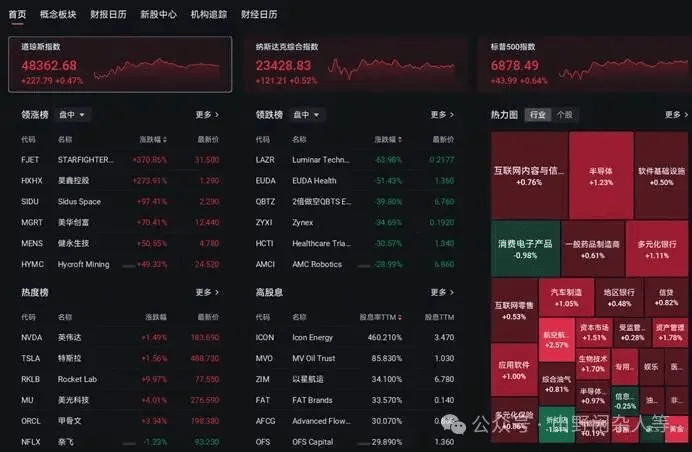
港股通数据统计周报 2025.12.15-2025.12.21-20251223
Zhe Shang Guo Ji Jin Rong Kong Gu· 2025-12-23 09:39
Group 1: Top Net Buy/Sell Companies - The top net buy company is Xiaomi Group-W (1810.HK) with a net buy amount of 6.196 billion CNY, representing a holding change of 152,825,727 shares[8] - Meituan-W (3690.HK) ranks second with a net buy amount of 5.164 billion CNY and a holding change of 50,284,391 shares[8] - Alibaba-W (9988.HK) is the top net sell company with a net sell amount of -3.418 billion CNY, reflecting a holding change of -23,521,579 shares[9] Group 2: Industry Distribution of Net Buy/Sell - The net buy distribution shows significant inflows in the Consumer Discretionary sector, with a total of 5.164 billion CNY[13] - The Information Technology sector also saw substantial net buying, totaling 6.196 billion CNY[13] - The Energy sector experienced the highest net sell amount, totaling -1.664 billion CNY[13] Group 3: Active Stocks - Alibaba-W (9988.HK) had a total trading volume of 25.32 billion CNY with a net buy of 0.87 billion CNY on December 18, 2025[19] - Tencent Holdings (0700.HK) recorded a trading volume of 23.41 billion CNY with a net buy of 6.30 billion CNY on December 16, 2025[21] - Xiaomi Group-W (1810.HK) had a trading volume of 19.99 billion CNY with a net buy of 1.75 billion CNY on December 16, 2025[21]
“政策+平台”协同发力提振消费 京东白条“国家贴息”释放内需潜力
Zhong Guo Jin Rong Xin Xi Wang· 2025-12-22 12:16
Core Viewpoint - The central economic work conference emphasizes the importance of domestic demand and the construction of a strong domestic market, highlighting the implementation of consumption-boosting policies and the expansion of quality goods and services supply [1] Group 1: Policy and Platform Collaboration - The launch of the national consumption loan interest subsidy policy on JD.com has effectively reduced consumer costs and boosted confidence, demonstrating a successful collaboration between financial services and consumption [1][2] - JD.com integrates the "national subsidy" and "interest-free installment" offers, creating a combined effect of policy benefits and platform discounts, aiming to provide consumers with a sustainable and convenient experience [2] - The model of "policy guidance, platform support, and ecological collaboration" allows macro policies to efficiently reach a vast consumer base through the advantages of large internet platforms [2][3] Group 2: Impact on Consumption Data - Since the implementation of the interest subsidy policy, JD.com has seen a 45% year-on-year increase in installment order volume and a 56% increase in transaction value, indicating a significant boost in consumer confidence [4] - The policy has particularly benefited lower-tier cities, with 44% of interest-subsidized orders coming from these areas, demonstrating the potential for consumption growth in previously underserved markets [4] Group 3: Consumer Behavior and Market Trends - The introduction of interest-free installment tools has shifted consumer spending towards higher-quality and personalized products, reflecting a structural change in the consumption market [5] - New consumer groups, such as young graduates and rural entrepreneurs, are increasingly utilizing financial tools for purchasing technology and agricultural equipment, indicating a strong willingness to invest in quality and innovation [5] Group 4: Enhanced Consumer Experience - Consumers report a tangible sense of benefit from the policies, with many feeling more confident in their purchasing decisions due to visible discounts and financial support [6] - The combination of various subsidies and interest-free options has led to a release of pent-up demand for improved living standards among consumers [6]

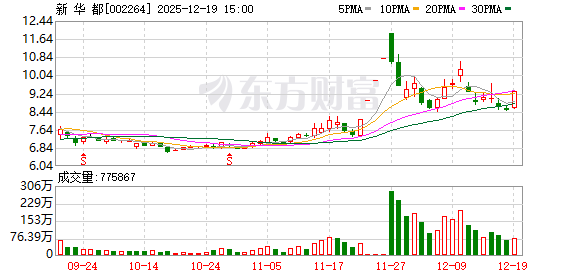
新 华 都:公司当前与阿里旗下天猫平台保持合作,该平台为公司互联网营销业务的重要渠道之一
Mei Ri Jing Ji Xin Wen· 2025-12-19 13:36
Group 1 - The company is currently collaborating with Alibaba's Tmall platform, which serves as a significant channel for its internet marketing business [2] - The company is continuously optimizing its full-link marketing strategy through Alibaba's advertising platform, including core functionalities such as full-site promotion, AI Xiaowan, Gravity Cube, and Direct Train [2] - The optimization efforts aim to enhance user profiling, data collection and analysis, and advertising placement, ultimately achieving an increase in return on investment (ROI) and reducing costs while improving efficiency [2]


嵩县警盾电子商务有限公司成立 注册资本1万人民币
Sou Hu Cai Jing· 2025-12-17 04:21
天眼查App显示,近日,嵩县警盾电子商务有限公司成立,法定代表人为姬新鸽,注册资本1万人民 币,经营范围为一般项目:互联网销售(除销售需要许可的商品);金属制日用品制造;日用杂品制 造;金属制品销售;日用杂品销售;五金产品零售;个人互联网直播服务;包装服务(除许可业务外, 可自主依法经营法律法规非禁止或限制的项目)。 ...