养猪业

Search documents
跌破6元/斤后,猪价该刹刹车了!但也埋了一个雷
Sou Hu Cai Jing· 2025-11-07 07:45
Core Viewpoint - The recent decline in pig prices has raised concerns in the pig farming industry, with prices falling below 6 yuan per kilogram, but there are indications that this downward trend may be slowing down [2][3]. Supply and Demand Analysis - Although supply still exceeds demand, the situation is not dire enough to cause a panic sell-off, as market sentiment remains relatively stable [3]. - The willingness of farmers to hold prices is increasing, especially with the upcoming consumption peak season, making it unlikely for them to exit the market at this time [3][6]. Seasonal Factors - The onset of winter is expected to boost pork consumption, as seasonal products like cured meats and sausages will soon be in demand [6]. - However, there is a risk that the market may misinterpret the seasonal demand as a strong recovery, while the reality is that maintaining prices above 6 yuan is already a challenge [7]. Factors Influencing Price Recovery - Two main factors could drive pig prices up: the willingness for secondary fattening and consumer demand [8][12]. - Secondary fattening can temporarily reduce supply, which may lead to price increases, but the current market sentiment is cautious, and the motivation for farmers to engage in this practice is not strong [9][11]. Consumer Behavior - Recent holiday seasons have shown weak consumer demand, indicating that the expected seasonal consumption boost may not materialize as strongly as in previous years [12]. - Economic constraints are leading consumers to be more cautious with spending, impacting overall pork consumption [12][15]. Production Capacity and Efficiency - The reduction in pig production capacity is slow, and while there are efforts to improve efficiency by replacing low-yield sows with high-yield ones, the actual supply pressure remains significant [15]. - The focus on cost reduction and efficiency improvement means that even with a decrease in the number of breeding sows, the effective supply may not decrease proportionately due to increased productivity [15].

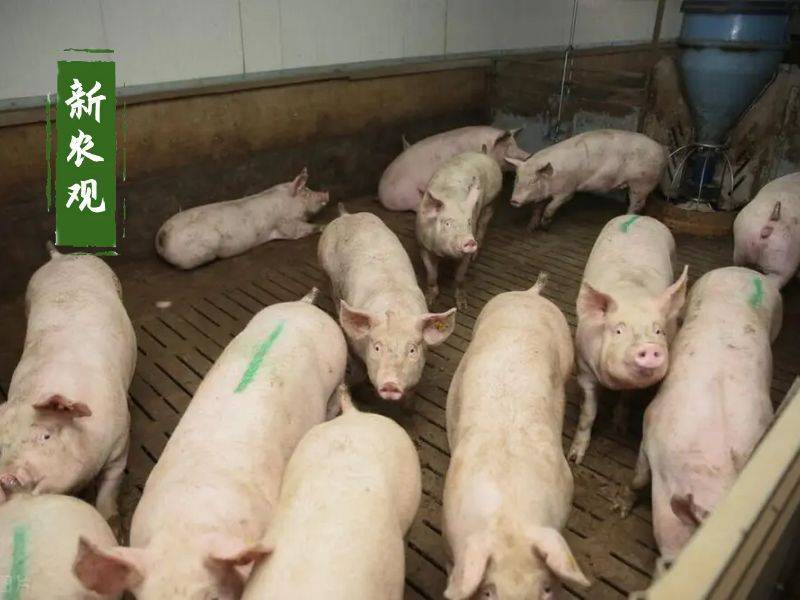
突然下跌!猪价可能涨到头了!
Sou Hu Cai Jing· 2025-10-30 13:05
Core Viewpoint - The recent surge in pig prices is seen as a rebound rather than a reversal, with significant factors influencing this trend, including the entry of secondary fattening and market dynamics affecting supply and demand [2][4]. Group 1: Price Trends - Pig prices have recently risen to over 6 yuan per kilogram, marking a significant increase after a period of decline [2]. - On the last day of October, pig prices experienced a drop, which is noteworthy compared to previous short-lived declines [2]. - The average entry rate for secondary fattening has reached between 25% to 40%, with some regions exceeding 50% [2]. Group 2: Supply and Demand Dynamics - The entry of secondary fattening has reduced the supply of market pigs, while the onset of colder weather has increased downstream pork consumption, leading to a supply decrease and demand increase [4]. - Despite the seasonal increase in pork consumption during the fourth quarter, the supply is expected to rise significantly due to high production levels and the release of stock by pig farming enterprises [10][12]. Group 3: Cost and Profitability Concerns - The cost of secondary fattening has increased due to rising pig prices, which may lead to a more cautious approach among farmers [5]. - The price gap between market pigs and larger pigs has narrowed, making it less profitable for farmers to engage in buying market pigs to sell larger ones [8]. Group 4: Market Outlook - The overall market is not expected to lack pigs, as high levels of breeding sows and piglets indicate a stable supply [12]. - While there may be slight price increases in November, the market is anticipated to enter a phase of fluctuation, suggesting caution in pursuing further price hikes [12].
巴西大豆涨价近80%!饲料成本要飙升?中美贸易博弈成关键变量!
Sou Hu Cai Jing· 2025-10-28 10:49
Core Insights - Brazilian soybean export prices to China have surged by 79.9% since the beginning of the year, reaching the highest premium level in seven years, leading Chinese buyers to collectively suspend purchases for December and January shipments [1] - The current low feed prices have allowed many pig farming enterprises to operate at a slight profit, but a significant increase in feed prices could exacerbate losses in the pig farming industry [1] - The future price of imported soybeans remains uncertain, influenced by China's preparedness to handle price fluctuations and the ongoing US-China trade tensions, with 42 million tons of unsold soybeans currently in US warehouses [1] Price Dynamics - The increase in Brazilian soybean prices is attributed to four main factors: 1. Tightening supply due to adverse weather conditions affecting 1.2 million hectares of planting area, raising concerns about a 5%-8% reduction in the new season's soybean yield [4] 2. Logistical constraints with a 60% year-on-year increase in expected soybean exports from southeastern Brazilian ports, leading to a 45-day wait time for shipments [4] 3. Speculative trading by Brazilian exporters taking advantage of concentrated Chinese import channels to raise prices [4] 4. China's import structure, with 80% of its soybean imports coming from Brazil in the first nine months of 2025, enhancing Brazil's pricing power [4] Domestic Impact - Domestic soybean crushing enterprises are facing significant cost pressures, and if soybean prices continue to rise, feed prices are likely to increase correspondingly [6] - The average price of pig feed in China has remained low this year, between 2.59-2.79 yuan per kilogram, significantly lower than the average over the past five years, allowing some pig enterprises to maintain profitability [6] Strategic Responses - China has implemented a multi-faceted strategy to address rising soybean prices, including: 1. Sufficient reserves, with 4.5 million tons of soybean reserves available to meet over three months of consumption needs [8] 2. Diversified import channels, including significant purchases from Argentina and potential supplies from Russia and Ukraine [8] 3. Ongoing technical advancements to reduce soybean meal usage in feed, aiming to lower the proportion from 15.3% to 12% by 2027 [8] Future Considerations - Two key variables will influence future soybean prices: 1. The timing of the new season's soybean harvest in Brazil, which could lead to increased supply and potential price declines [11] 2. Progress in US-China trade negotiations, which could allow for the resumption of US soybean imports, potentially impacting Brazilian soybean prices [11] - China, as the world's largest soybean importer, has shifted its import strategy to mitigate risks and enhance its bargaining power in international soybean trade [11] Industry Events - The pig farming industry is facing challenges due to fluctuating feed prices and competition, necessitating ongoing cost-reduction strategies [13] - An upcoming conference in November 2025 aims to address industry challenges and promote efficiency and cost management in pig farming [13]
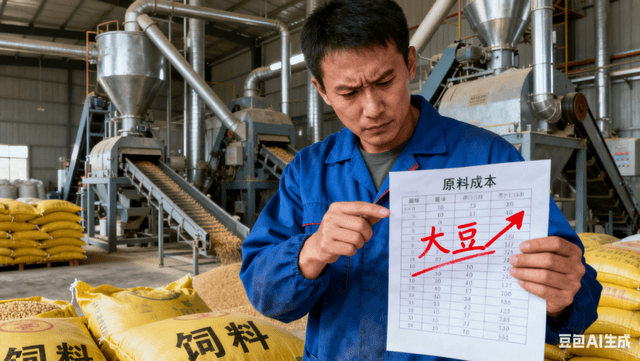
全球最大规模养猪行业会议在长沙启幕 “会展+”模式激活长沙发展活力
Chang Sha Wan Bao· 2025-10-19 14:46
Core Insights - The 14th Li Man China Pig Industry Conference opened in Changsha, focusing on providing science-based solutions for the global pig industry [1][3] - The conference features over 800 industry chain enterprises and an exhibition area of 100,000 square meters, facilitating connections between domestic and international leading technologies [1][3] Group 1: Conference Highlights - The conference has a high level of international participation, with professional attendees from nearly 20 countries and regions, including a delegation from Southeast Asia [3] - Discussions at the conference cover topics such as breeding, disease prevention, farm construction, and talent cultivation, showcasing Hunan's advantages in agriculture and livestock [3] Group 2: Technological Innovations - The conference emphasizes technology and intelligence, featuring smart livestock equipment like intelligent feeding systems and inspection robots, creating a "smart super pig farm" [5] - The intelligent inspection robot can cover 600 pens and provide real-time alerts on various health indicators, improving efficiency and accuracy in farm management [5] Group 3: Economic Impact of Exhibition Industry - In the first nine months of 2025, Changsha's exhibition industry reported hosting 187 exhibitions and 17,784 meetings, generating total revenue of 38.176 billion yuan and an added value of 17.179 billion yuan [5] - The city is enhancing its exhibition economy through market-oriented transformations, focusing on internationalization, professionalism, and digitalization [6] Group 4: Future Prospects - Changsha's exhibition economy is positioned as a bridge for global resources, a catalyst for industrial upgrades, and a window for showcasing the city's image [7] - The city aims to attract global attention and continuously inject new momentum into high-quality urban development through the ongoing upgrade of its exhibition industry [7]

第十四届世界猪业博览会开幕 养猪“黑科技”集中亮相
Zhong Guo Xin Wen Wang· 2025-10-18 16:07
Core Insights - The 14th World Swine Industry Expo and the Leman China Pig Conference opened in Changsha, attracting over 800 enterprises from the global pig industry chain, aiming to establish a high-quality platform for showcasing, negotiation, and cooperation in the global pig farming sector [1][2] - The internationalization of the Leman China Pig Conference has increased, with professional attendees from nearly 20 countries and regions, including organized groups from Southeast Asian countries [1] - The expo features numerous multinational companies and leading Chinese pig farming enterprises, showcasing advanced technologies and comprehensive solutions across the entire pig farming chain, including genetic breeding, precision nutrition, and disease purification [1] Industry Developments - A modern pig farming enterprise based in Henan presented a series of intelligent pig farming products and technologies, including smart environmental control systems and AI-driven disease monitoring systems that can analyze cough sounds from pigs to predict health issues [1] - The electric needle-free injector showcased by a Shanghai-based smart technology company can save 20% to 80% of vaccine usage while maintaining the same immunization effect, potentially saving 1.4 million RMB in vaccine costs for producing 10,000 piglets [2] - The conference also hosted several forums and summits, including the Leman Conference Leadership Summit and the China-ASEAN Swine Industry Summit, indicating a focus on collaboration and innovation in the pig farming sector [2]
8类饲料质量比拼!2025第二十一届(大北农杯)健康养猪技术比赛报名开启
Nan Fang Nong Cun Bao· 2025-10-16 08:30
Core Points - The 21st (Dabeinong Cup) Healthy Pig Farming Technology Competition is now open for registration, inviting pig farms nationwide to participate in a contest focused on feed quality and health levels [4][5][9] - This year's competition will take place from December 11-13, 2025, during the 52nd Pig Industry Conference in Guangzhou, where awards will be presented [7][8] Group 1: Competition Overview - The competition has a history of 20 successful editions and aims to promote scientific pig farming concepts and advocate for healthy pig farming practices [33][36][41] - The event is sponsored by Dabeinong Group and supported by various agricultural organizations, highlighting its significance in the industry [5][48] Group 2: Competition Structure - The competition will assess eight categories of feed: teaching feed, nursery feed, piglet feed, growing pig feed, finishing pig feed, boar feed, pregnant sow feed, and lactating sow feed, with awards for the top three in each category [6][25][100] - This year's competition introduces a new focus on feed quality assessment rather than just the results from blood and saliva tests, aiming to address the underlying causes of pig health [22][29][45] Group 3: Participation Details - Participation is free for pig farms, and the competition serves as a platform for technical exchange and promotion of feed formulation technology [51][56] - Registration is open until November 30, 2025, with specific guidelines for sample submission and evaluation [60][70]


我国科学家揭示猪蓝耳病细菌继发感染的关键机制
Xin Hua She· 2025-10-03 07:09
Core Viewpoint - The research conducted by the Animal Immunity and Metabolism Innovation Team at the Lanzhou Veterinary Research Institute of the Chinese Academy of Agricultural Sciences reveals the key mechanism by which pigs infected with the Porcine Reproductive and Respiratory Syndrome Virus (PRRSV) are prone to secondary bacterial infections, providing new strategies and drug targets for controlling this global issue in the pig farming industry [1] Summary by Relevant Sections - **Research Findings** - The study identifies that after pigs are infected with PRRSV, they often suffer from secondary bacterial infections, leading to a significant increase in mortality rates and substantial economic losses in the pig farming sector [1] - The research team discovered that PRRSV activates a specific protein in pig lung cells, which rearranges the cell's internal "skeleton" to form a unique "scaffold" structure, increasing the number of adhesion "receptors" on the cell surface, facilitating bacterial invasion [1] - **Implications for the Industry** - This research provides insights into the molecular mechanisms by which viruses assist bacterial invasion, offering new targets and strategies for the development of drugs, vaccines, or gene editing techniques for disease prevention in pigs [1]
中丹养猪合作:优势互补 推动农牧业高质量发展
人民网-国际频道 原创稿· 2025-09-26 06:30
Group 1 - The collaboration between China and Denmark in pig farming is deepening, leveraging their complementary advantages to build a sustainable partnership [1] - Denmark is a significant source of breeding pigs for China, accounting for over 40% of China's total imported breeding pigs in 2022 [1] - In 2023, Denmark exported 210,000 tons of pork to China, highlighting the strong agricultural trade ties between the two countries [1] Group 2 - Danish genetic selection technology and precision farming solutions are providing crucial support to Chinese enterprises, with companies like DanBred collaborating with major domestic farms [2] - The application of automation and environmental control technologies has allowed demonstration farms in China to reduce the fattening cycle to between 160 and 170 days [2] - The signing of a memorandum in April 2024 to enhance cooperation in breeding, feed processing, and cold chain logistics marks a new phase in Sino-Danish agricultural collaboration [2] Group 3 - Both countries share a vision for green agriculture, with Denmark's resource utilization model for livestock waste aligning with China's rural revitalization strategy [3] - Denmark maintains a low salmonella seroprevalence rate in its pig population, setting a benchmark for biosecurity in the industry [3] - The collaboration is expected to foster a multi-dimensional, sustainable industry community, addressing challenges such as breeding adaptability and feed price fluctuations [3]
在中国,养猪是怎样的一门生意?
3 6 Ke· 2025-09-22 12:02
Core Insights - The pig farming industry in China is undergoing a significant transformation, moving away from traditional small-scale operations to large, technologically advanced farms driven by capital investment and efficiency [3][5][42] - The industry is characterized by a "de-scaling" trend, where small farmers are being pushed out due to market pressures, high costs, and technological advancements [5][43] Group 1: Industry Overview - China is the world's largest consumer of pork, slaughtering approximately 700 million pigs annually, which accounts for over half of global pig farming [1] - Despite being a major producer, China remains a net importer of pork, requiring millions of tons from abroad each year [1] - The pig price index is a crucial economic indicator, reflecting the supply chain's impact on the broader economy and public welfare [3] Group 2: Market Dynamics - The "pig cycle" is a fundamental aspect of the industry, where price fluctuations lead to cycles of overproduction and underproduction, typically lasting 3-4 years [6][11] - The cycle is influenced by the time lag in pig production, which takes 10-18 months from breeding to market [6][8] - Market participants often react to price signals too late, leading to a boom-and-bust cycle that disproportionately affects small farmers [9][14] Group 3: Challenges and Risks - The African Swine Fever (ASF) outbreak has severely impacted China's pig population, reducing it by nearly 30% within a year of its introduction in August 2018 [20] - The disease's high mortality rate and complex transmission methods pose significant challenges for small farmers, who lack the resources to implement stringent biosecurity measures [22][28] - Rising operational costs, particularly feed, which constitutes about 60% of total costs, further strain small-scale operations [28][30] Group 4: Technological Advancements - Large-scale farms leverage advanced technologies in breeding, feeding, and environmental control, giving them a competitive edge over traditional methods [32][36] - Innovations such as genetic selection and smart feeding systems enhance productivity and reduce waste, making large farms more efficient [32][39] - The integration of technology from companies like Huawei into pig farming operations exemplifies the shift towards industrialized meat production [36][39] Group 5: Future Outlook - The future of China's pig farming industry is expected to be dominated by a few large players, leading to a high concentration of market share among companies like Muyuan, Wens, and New Hope [43] - Smaller farmers may need to adapt by partnering with larger firms to mitigate risks associated with market volatility and disease outbreaks [44]


身在欧洲的中方外长,公开摊牌中国立场,一句话让特朗普颜面尽失
Sou Hu Cai Jing· 2025-09-21 06:13
Group 1 - The U.S. government is adopting a more aggressive stance towards China, including proposals for punitive tariffs as high as 500% on Chinese goods, aiming to create a comprehensive economic blockade against China [1] - Wang Yi's recent visit to Austria, Slovenia, and Poland is significant as it emphasizes China's intention to strengthen cooperation with Europe rather than engage in confrontation, contrasting with the U.S. unilateralism [3] - The economic interdependence between China and Europe is deep, with significant reliance of European industries on the Chinese market, such as 30% of German automotive sales and 40% of French luxury brand sales coming from China [3] Group 2 - The recent actions of the UK, which imposed sanctions on Chinese companies shortly after trade talks, highlight the tension between economic cooperation and political maneuvering, prompting a strong response from China [5] - China's countermeasures, such as imposing a 62.4% anti-dumping tax on EU pork, have tangible effects on European industries, showcasing China's influence as the largest pork importer [5] - The ongoing U.S. strategy of pressuring Europe to join in sanctions against China while benefiting from the situation contrasts sharply with China's approach of mutual benefit and cooperation [5] Group 3 - Wang Yi's visit conveys a clear message that China is open to dialogue but will not yield under threats, positioning the China-Europe relationship at a critical juncture [6] - The potential for cooperation between China and Europe in emerging fields like climate change, digital economy, and green energy is substantial, with trade between the two reaching €856.3 billion in 2022 [6] - China's strategic principle of "friends not foes" and "cooperation not confrontation" is central to its approach towards Europe, aiming to establish a new type of international relationship [6]