
加油站

Search documents
灵宝市税务局:注销路难寻出口 协作力巧解堵点
Sou Hu Cai Jing· 2025-10-22 02:59
Core Viewpoint - The successful deregistration of the Lingbao No. 9 gas station highlights the challenges faced by special industry entities in the deregistration process and showcases effective collaboration between tax authorities and businesses to overcome these obstacles [1][2][3][4]. Group 1: Challenges in Deregistration - The Lingbao No. 9 gas station faced significant hurdles in its deregistration process due to its status as a general taxpayer and a non-independent accounting unit, which complicated the usual electronic deregistration procedures [2]. - The gas station staff struggled for two weeks to navigate the complex deregistration process, visiting multiple departments without finding a clear path forward [2]. Group 2: Tax Authority Support - After unsuccessful attempts to deregister independently, the gas station staff sought assistance from the tax authority, which promptly engaged to identify key bottlenecks in the process [3]. - The tax authority collaborated with other departments and tax units to gather insights and best practices for deregistering similar gas stations, demonstrating a proactive approach to problem-solving [3]. Group 3: Efficient Resolution - With the coordinated efforts of multiple departments, the tax authority developed a tailored deregistration guide for the gas station, detailing necessary materials, processing locations, and potential issues [4]. - The previously stalled deregistration process was completed in just five days, thanks to the effective guidance and collaboration, which exceeded the expectations of the gas station staff [4].
加油站|北京央企旗下加油站公司转让项目 100%股权转让50QT-0960
Sou Hu Cai Jing· 2025-10-15 02:38
Core Viewpoint - The state-owned enterprise's gas station company is planning to transfer its project, which has a complete range of retail qualifications, due to urban planning needs and in response to national policies aimed at focusing on core businesses [1][5]. Company Information - Company Type: Limited liability company (wholly owned by a legal entity) [3]. - Business Scope: Retail of refined oil (gasoline, diesel), car wash services, etc. [4]. Current Status - The original site was demolished in 2020 due to urban planning, and it is currently in the rebuilding approval stage, benefiting from government support and priority approval channels [5]. Development Prospects - After the completion of rebuilding, the company aims to establish a comprehensive service system integrating energy retail, automotive services, and convenience commerce, leveraging its advantageous location and market resources [6]. - Location Advantage: The proposed rebuilding site is in Fengtai District, Beijing, adjacent to the Jinggang'ao Expressway (with a daily traffic volume of 52,000 vehicles), ensuring convenient transportation and high traffic density [6]. - Market Coverage: Within a 5-kilometer radius, there are four large logistics parks (with a daily traffic volume exceeding 3,000 vehicles) and twelve mid-to-high-end residential areas (with a permanent population exceeding 80,000), providing a solid consumer base [6]. Policy Support - The project enjoys special planning under Beijing's gas station layout, making it a rare resource in the central urban area, with clear development space [7]. Investment Advantages - Scarcity of Licenses: According to Beijing's gas station layout planning, no new traditional gas stations will be added within the Fifth Ring Road, making existing licenses rare and valuable [8]. - Diverse Operating Licenses: The company holds 11 operating qualifications, including refined oil, tobacco, food, and automotive services, supporting diversified and composite business development [8]. - Rebuilding Policy Assurance: Agreements have been signed with relevant partners for rebuilding, with steady progress and priority policy channels, ensuring a solid market foundation upon resuming operations [8]. - Clear State-Owned Background: The ownership is clear, with a standardized historical evolution, and the transfer process is open and transparent, ensuring transaction safety and compliance [9].

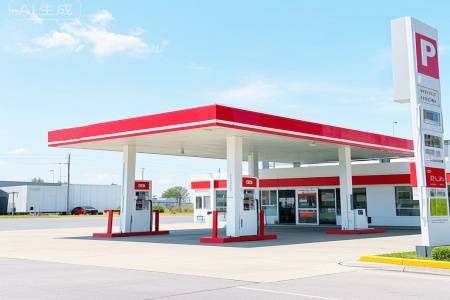
监管利剑斩断加油站偷税黑手
中国能源报· 2025-10-13 06:15
Core Viewpoint - The article highlights the escalating tax evasion tactics employed by gas stations and the increasingly stringent tax regulatory measures being implemented to combat these practices [1][3]. Group 1: Tax Evasion Tactics - Gas stations are utilizing advanced methods to conceal sales revenue, including deleting data from fuel dispensers, using third-party payment platforms to split income, and receiving payments through personal bank accounts [3][5]. - Specific cases from various regions, such as Jilin, Jiangsu, and Henan, reveal a range of sophisticated tax evasion techniques, indicating that these practices are widespread and not isolated incidents [3][5]. - The evolution of technology has led to more covert and professional tax evasion methods, such as modifying fuel dispenser components to facilitate cheating without detection [5][6]. Group 2: Tax Authority Response - Tax authorities are enhancing their regulatory approaches by employing big data analytics to identify anomalies in sales revenue declarations and collaborating across departments to monitor new payment methods [8][9]. - In specific cases, tax authorities have successfully identified suspicious patterns, such as consistent sales revenue despite market fluctuations, which led to further investigations [8][9]. - The collaboration between tax authorities and financial institutions is strengthening, allowing for better tracking of suspicious transactions and enhancing the overall effectiveness of tax compliance efforts [9]. Group 3: Importance of Compliance - The frequency of tax evasion cases among gas stations underscores the urgent need for industry transformation and the importance of legal compliance [11]. - The establishment of a robust tax credit system emphasizes the necessity for businesses to adhere to tax regulations, as non-compliance can lead to severe penalties and impact future business operations [11]. - Industry experts recommend that gas station operators implement internal controls for tax risk management and integrate compliance awareness into all operational processes [11].
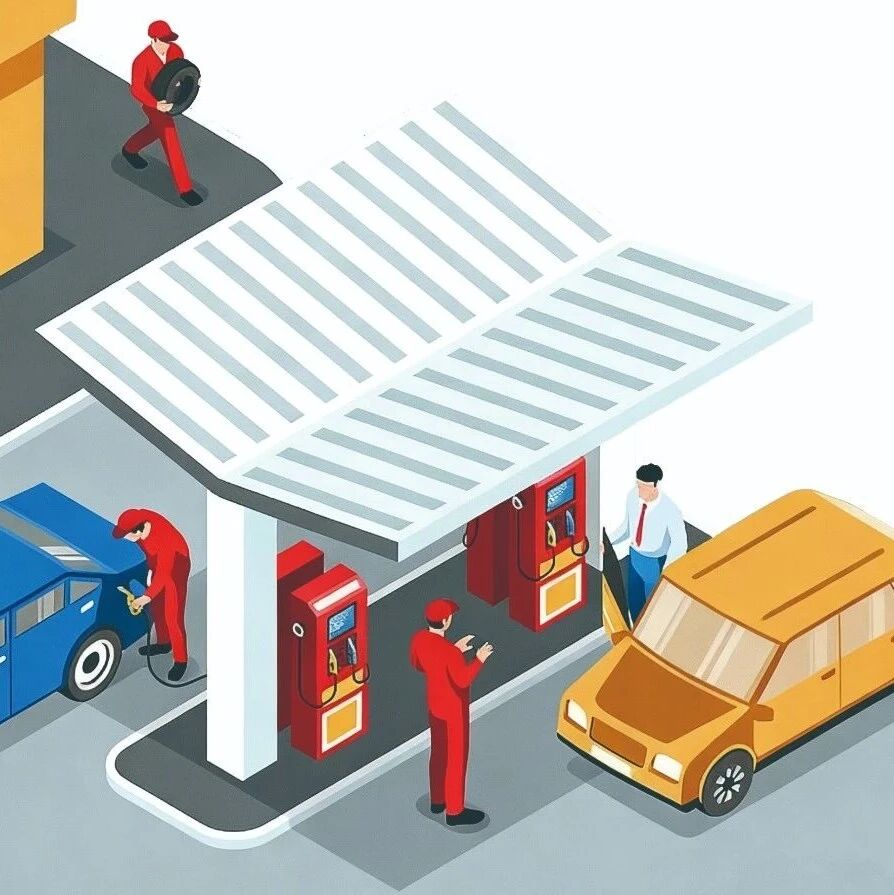
波黑联邦周日歇业政策实施近一年“有人欢喜有人忧”
Shang Wu Bu Wang Zhan· 2025-10-01 15:07
Core Points - The "Sunday Closure" policy in the Federation of Bosnia and Herzegovina has been in effect for nearly a year, leading to mixed reactions within society [1] - The government is monitoring the policy's implementation and is open to potential modifications based on feedback from stakeholders [1] Positive Aspects - Employees benefiting from the policy have more time for rest [1] - There has been a slight increase in the turnover of the trade sector since the policy was enacted [1] Negative Aspects - Employment in the trade sector has decreased, with the number of employees dropping from 62,400 in November last year to 60,500 in March this year, resulting in 2,000 job losses attributed to the policy [1] - Workers in sectors not covered by the Sunday closure, such as gas stations, gambling establishments, and bakeries, have experienced increased workloads [1] - The policy has led to overcrowding in supermarkets on Saturdays, making shopping more difficult for consumers [1] - There are currently no indications that the government will alter the Sunday closure policy, which is expected to continue [1]
6起!税务部门再曝光
中国能源报· 2025-09-29 01:27
Core Viewpoint - The article highlights the ongoing efforts of tax authorities in China to combat tax evasion in gas stations, detailing specific cases of tax fraud and the amounts involved, emphasizing the importance of compliance with tax laws and regulations [1][2][3][4][5]. Summary by Sections Tax Evasion Cases - In 2021-2023, a gas station in Changchun was found to have concealed sales revenue, resulting in a tax shortfall of 7.64 million yuan, leading to a total penalty of 14.31 million yuan [1]. - A gas station in Hebi was discovered to have evaded taxes amounting to 3.49 million yuan, with penalties totaling 6.79 million yuan [2]. - A gas station in Changzhi was found to have concealed 3.08 million yuan in sales, resulting in penalties of 6.62 million yuan [2]. - A gas station in Taizhou evaded 1.58 million yuan in taxes, incurring penalties of 3.45 million yuan [3]. - A gas station in Jiujiang was found to have concealed 1.93 million yuan in sales, leading to penalties of 3.11 million yuan [4]. - A gas station in Zhuzhou evaded taxes of 1.27 million yuan, with penalties totaling 2.17 million yuan [5]. Tax Compliance Importance - The article stresses that gas stations, as significant business entities, must adhere strictly to tax laws and fulfill their tax obligations, while consumers are encouraged to request invoices to protect their rights [5].

中国国家税务总局曝光6起加油站偷税案件
Zhong Guo Xin Wen Wang· 2025-09-28 14:59
Core Points - The Chinese National Taxation Administration reported that from January to August 2025, a total of 3,042 high-risk gas stations were investigated, resulting in the recovery of tax fees and penalties amounting to 2.943 billion RMB [1] - Six tax evasion cases involving gas stations were exposed, highlighting various methods used to evade taxes, including underreporting income and manipulating data [1] - The crackdown on tax evasion in the gas station sector is aimed at promoting compliance and maintaining a fair competitive environment [1] Industry Summary - The improvement of China's tax credit system and management has made lawful and honest tax payment increasingly important for businesses [2] - Short-term tax evasion may lead to severe long-term consequences, including penalties and damage to business reputation [2] - Compliance is viewed as a pathway to sustainable development rather than a burden for businesses, emphasizing the need for gas stations and other entities to operate within legal frameworks [2]
税务部门曝光6起加油站偷税案件 其中一起拒不执行税务机关处理决定被追究刑事责任
经济观察报· 2025-09-28 11:08
Core Viewpoint - The article discusses the recent crackdown on tax evasion cases involving gas stations across various regions in China, highlighting the methods used to evade taxes and the legal consequences faced by the offenders [2][3]. Summary by Sections Tax Evasion Cases - Six tax evasion cases involving gas stations were reported by tax authorities in regions such as Jilin, Henan, Shanxi, Jiangsu, Jiangxi, and Hunan [2]. - From January to August 2025, a total of 3,042 high-risk gas stations were investigated, resulting in the recovery of tax fees and penalties amounting to 2.943 billion yuan [2]. Methods of Evasion - The gas stations employed various tactics to evade taxes, including using third-party payment software, transferring funds to personal bank accounts, and manipulating sales logs to hide income [3][4]. - For instance, one gas station concealed sales income and underreported taxes, resulting in a tax shortfall of 3.0812 million yuan from 2021 to 2023 [3]. Legal Consequences - Tax authorities have taken strict actions against the offenders, including the recovery of taxes, late fees, and fines. One gas station was fined a total of 14.3053 million yuan for its tax evasion activities [4]. - Refusal to comply with tax authority decisions can lead to criminal charges, as indicated by the involvement of law enforcement in cases of non-compliance [4].

税务部门曝光6起加油站偷税案件 其中一起拒不执行税务机关处理决定被追究刑事责任
Jing Ji Guan Cha Bao· 2025-09-28 09:20
Core Insights - The article highlights the exposure of six tax evasion cases involving gas stations across various regions in China, emphasizing the legal actions taken by tax authorities against these entities [1][2][3] Summary by Categories Tax Evasion Cases - Six gas stations were identified for tax evasion, including locations in Jilin, Henan, Shanxi, Jiangsu, Jiangxi, and Hunan [1] - The cases involved various methods of tax evasion, such as using third-party payment software, transferring funds to personal accounts, and destroying sales logs to hide revenue [1] Financial Impact - From January to August 2025, tax authorities investigated 3,042 high-risk gas stations, recovering a total of 2.943 billion yuan in taxes, late fees, and fines [1] - Specific cases included a gas station in Longzheng that evaded 3.0812 million yuan in taxes and was fined a total of 6.6245 million yuan [2] - Another case involved a gas station in Changchun that evaded 7.6381 million yuan in taxes, resulting in a total penalty of 14.3053 million yuan [3] Legal Consequences - One gas station faced criminal charges for refusing to comply with tax authority decisions, highlighting the serious legal repercussions of tax evasion [2] - Legal experts noted that failure to pay taxes after a tax authority's notification could lead to criminal charges under Chinese law [3]
2025年1—8月 全国税务部门累计查处高风险加油站3042户
Yang Shi Wang· 2025-09-28 09:00
Core Viewpoint - The tax authorities have actively enforced tax regulations by investigating and penalizing gas stations for tax evasion, resulting in significant recoveries and promoting industry compliance [1][2][3][4][5]. Summary by Sections Tax Evasion Cases - A total of 3,042 high-risk gas stations were investigated from January to August 2025, leading to the recovery of 2.943 billion yuan in taxes, penalties, and late fees [1]. - Specific cases include: - Dehui City Tian Ci Gas Station was found to have evaded 7.6381 million yuan in taxes from 2021 to 2023, resulting in a total penalty of 14.3053 million yuan [1]. - Hebi City Guoyong Trading Company evaded 3.4909 million yuan, with a total penalty of 6.7872 million yuan [2]. - Lucheng City Yutian Industrial Co., Ltd. evaded 3.0812 million yuan, leading to a total penalty of 6.6245 million yuan [3]. - Jiangyan District Shengli Gas Station evaded 1.5838 million yuan, with a total penalty of 3.4488 million yuan [4]. - Xunxi Energy Co., Ltd. evaded 1.9294 million yuan, resulting in a total penalty of 3.1083 million yuan [5]. - Hunan Chenpanhao Energy Co., Ltd. evaded 1.2693 million yuan, with a total penalty of 2.1691 million yuan [6]. Compliance and Consumer Rights - Gas stations are urged to comply with tax laws and fulfill their tax obligations, emphasizing the importance of lawful operation [6]. - Consumers are encouraged to request invoices during transactions to protect their legal rights [6].
美国8月零售销售额环比增长0.6% 好于市场预期
Zhong Guo Xin Wen Wang· 2025-09-17 00:04
Group 1 - The core point of the article is that U.S. retail sales in August increased by 0.6% month-on-month, surpassing market expectations, indicating strong consumer demand [1] - Year-on-year, retail sales rose by 5%, while the month-on-month growth remained consistent with July's figure of 0.6% [1] - Excluding automotive and parts sales, retail sales increased by 0.7% month-on-month in August [1] Group 2 - Specific categories showed varied performance: automotive and parts sales grew by 0.5%, clothing sales increased by 1%, and online sales rose by 2% [1] - However, furniture and home goods sales experienced a decline of 0.3% month-on-month [1] - Analysts suggest that the growth in retail sales may be influenced by rising prices, as indicated by the Consumer Price Index (CPI) which rose by 2.9% year-on-year and 0.4% month-on-month in August [1]