
水产业

Search documents
又是一年好“丰”景 希望的田野绘就乡村振兴幸福画卷
Yang Shi Wang· 2025-10-09 04:22
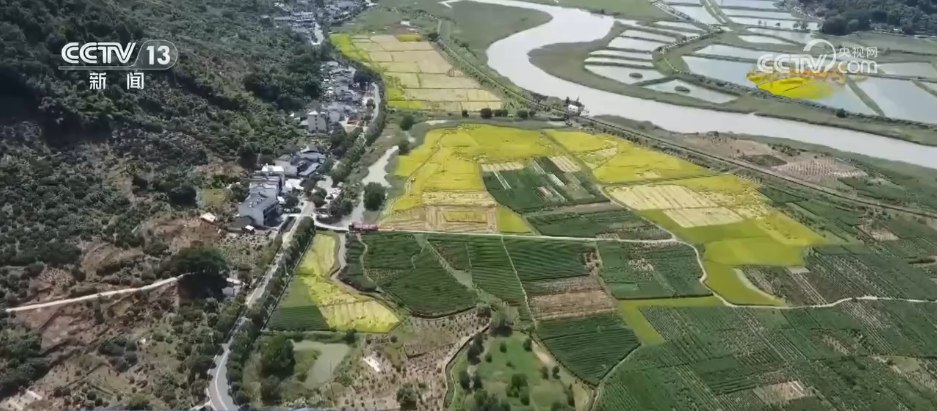
Group 1 - The core point of the article highlights the successful harvest of rice in Fujian Province, with an expected yield of approximately 2.2 million kilograms from 45,000 acres, achieving the anticipated results [1][7] - The implementation of full-chain mechanization in agriculture has been promoted in Xiapu County, enhancing efficiency through the use of automated rice harvesters and other technologies [3] - The local agricultural department is conducting experiments on high-quality rice varieties to improve disease resistance, yield, and market competitiveness, while also adopting a crop rotation model with potatoes to increase land utilization and farmer income [5] Group 2 - In Heilongjiang Province, the simultaneous harvesting of corn and rice is taking place, along with autumn tillage to prepare the land for the next planting season [7][11] - The use of large harvesting machines in the fields is facilitating efficient crop collection, ensuring that the grains are stored properly [9] - The integration of harvesting and tillage operations is being coordinated to enhance the efficiency of the harvest and lay a solid foundation for spring planting [13] Group 3 - In Liaoning Province, the peanut harvest is underway across 330,000 acres, with multiple harvesting machines operating in the fields [16] - The annual peanut production in the region is approximately 100,000 tons, with processing facilities converting peanuts into snacks and oil for nationwide distribution [20] - In Jilin Province, the cultivation of crayfish in previously unproductive saline-alkali land has become successful, with market prices ranging from 35 to 45 yuan per pound due to supply shortages in the south [21][23]

一大批农产品正走向你的餐桌!全国秋粮收获近四成
Yang Shi Xin Wen Ke Hu Duan· 2025-10-08 23:29
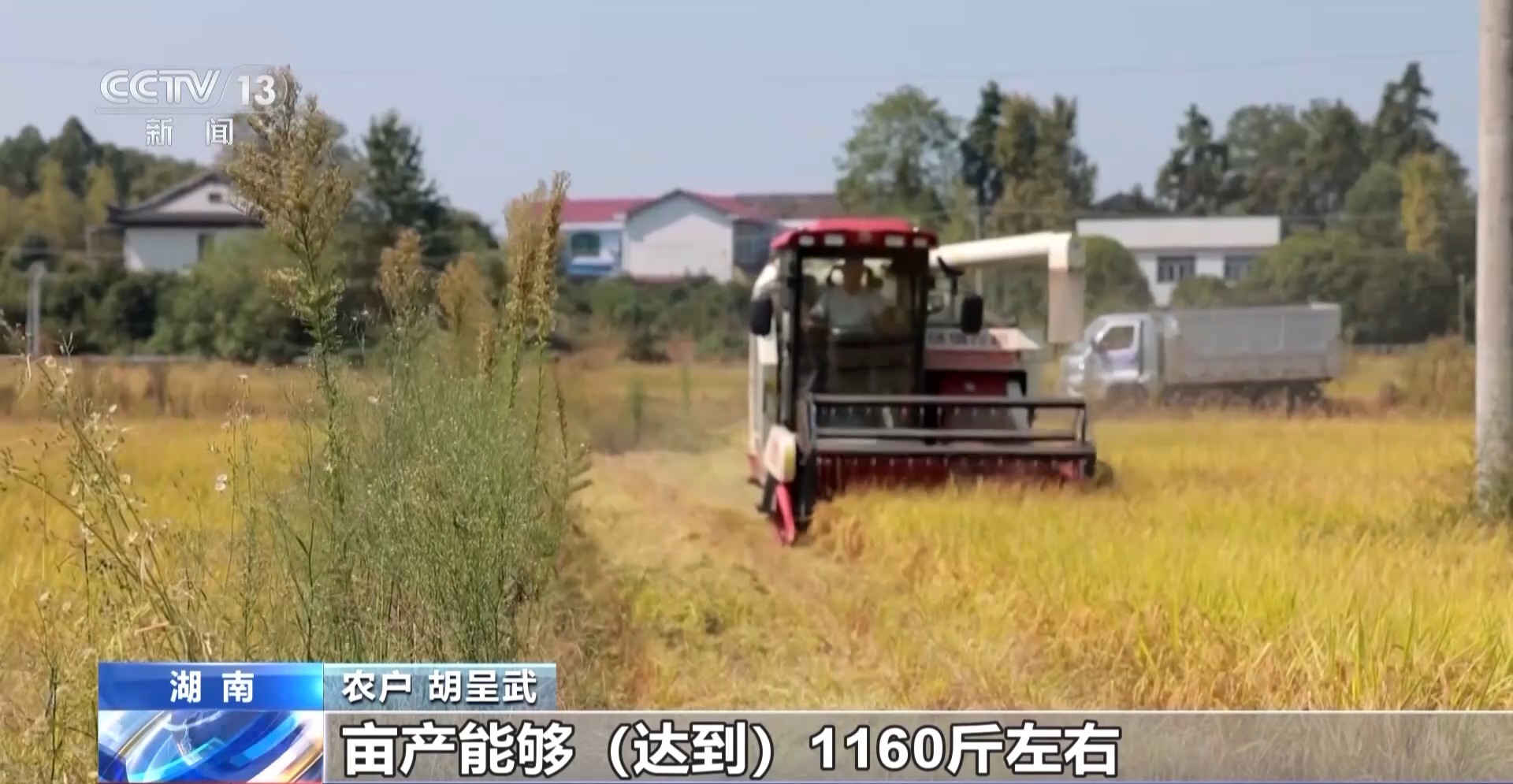
Core Insights - The national autumn grain harvest is nearing 40% completion, with major grain-producing regions entering peak harvest season [1] Group 1: Rice Production - In Hunan, the middle rice planting area is 22.19 million mu, with harvest nearly complete, and mechanization has significantly increased efficiency [1] - The new full-feeding combine harvesters have improved efficiency by approximately 20 times compared to manual harvesting, with a yield of about 1,160 jin per mu [1][3] - The comprehensive mechanization rate for rice farming in Liuyang has reached over 90% [3] - In Heilongjiang, upgraded combine harvesters have increased the harvest rate to 95%, translating to an additional 600 mu of grain for a cooperative managing 12,000 mu [5][7] Group 2: Hybrid Rice Varieties - The hybrid rice variety "Qingxiangyou 19" in Sichuan has improved yield by 5% to 15% compared to traditional fragrant rice [9] Group 3: Peanut Production - In Liaoning, peanut harvest has begun over an area of 330,000 mu, with yields estimated at 800 to 1,000 jin per mu, an increase of over 100 jin compared to last year [13][15] Group 4: Jujube Production - In Hebei, jujube farmers are harvesting with yields around 3,000 jin per mu, generating approximately 10,000 yuan per mu [19][21] Group 5: Aquaculture - In Jilin, a previously barren saline-alkali land is now home to 30 million crayfish, benefiting from seasonal market demand and innovative farming practices [23][25] - The crayfish farming model in rice paddies allows for dual production, enhancing both crop and crayfish yields [27][29]

从田间到餐桌全链条保障 双节“菜篮子”量足质优
Yang Shi Xin Wen Ke Hu Duan· 2025-09-30 08:21
Group 1 - The Ministry of Agriculture and Rural Affairs reports that the national vegetable planting area reached 10,834 million mu in mid-September, an increase of over 1.6 million mu year-on-year, with daily supply of major vegetables exceeding 100,000 tons to meet holiday demand [1] - As temperatures drop, vegetable supply areas are shifting southward, with significant harvests from the Huang-Huai-Hai region, Yangtze River basin, and southwestern production areas [1] - In Shandong Province, the vegetable planting area in Xincheng County has entered a peak production period, with over 460,000 mu of vegetables being cultivated [1] Group 2 - Facility agriculture is providing more support for the "vegetable basket" and "fruit plate" markets, with a national planting area of 40 million mu, ensuring year-round supply, especially for edible fungi [2] - In Anhui Province, a smart mushroom cultivation facility utilizes a digital control system to maintain optimal microclimates for year-round production, achieving a monthly output of 5 tons per unit [2] - In Jiangsu Province, kiwi fruit farms are expected to yield over 2,000 pounds per mu this year due to advanced irrigation techniques and accumulated experience [2] Group 3 - Cold chain logistics are crucial for maintaining the freshness of agricultural products, especially as the holidays approach, with a major logistics hub in the Beijing-Tianjin-Hebei region managing thousands of vehicles daily [3] - The logistics hub employs temperature-controlled vehicles tailored to different types of produce, ensuring optimal conditions during transport [3] - The logistics operation has a resource pool of over 100,000 vehicles dedicated to agricultural products, enhancing efficiency during peak supply periods [4] Group 4 - The logistics network connects major fruit and vegetable production and consumption cities across 13 provinces, ensuring timely delivery within 12 hours for distances up to 1,000 kilometers [4] - The logistics operation leverages a large number of cold chain vehicles and specialized routes to optimize the supply chain for agricultural products [4]
“果盘子”“菜篮子”抢“鲜”供应节日市场 节前市场消费旺
Yang Shi Wang· 2025-09-30 02:43
Core Insights - The agricultural sector is experiencing an increase in vegetable planting area, with a total of 10,834 million acres reported in mid-September, reflecting a year-on-year increase of over 1.6 million acres [1] - Major vegetables such as chili peppers, tomatoes, and cucumbers are seeing daily supply levels exceeding 100,000 tons, which is sufficient to meet the demand for the upcoming National Day and Mid-Autumn Festival [1] Group 1: Supply Dynamics - As temperatures drop, vegetable supply regions are shifting southward, with production capacity in high-latitude areas like Northeast, Northwest, and North China gradually decreasing [3] - The Huang-Huai-Hai region, Yangtze River basin, and Southwest areas are experiencing a significant increase in the supply of summer and autumn vegetables [3] - In Shandong's Xin County, 460,000 acres of vegetables are entering the peak production period, while in Hunan, daily vegetable supply in Changsha County has increased by 10% to over 900 tons [3] Group 2: Agricultural Practices - Local agricultural departments have developed a good seed variety list based on market preferences during the vegetable rotation period, promoting new planting models to extend the harvesting period of certain vegetables until the end of October [5] - The use of controlled environment agriculture is providing more support for the supply of vegetables and fruits, with smart facilities increasingly contributing to the supply of aquatic products [8] Group 3: Infrastructure and Technology - The total area of facility agriculture has reached 40 million acres, achieving a balanced supply throughout the year, particularly for edible fungi, which are mostly sourced from facility agriculture [10] - In Anhui's Mengcheng, a green smart edible fungus industrial park features intelligent "mushroom houses" connected to a digital control system, allowing for year-round growth [12] - In Shandong's Weihai International Fresh Produce Base, 234 temporary storage pools can accommodate 600 tons of seafood, with fresh catches from deep sea being quickly transported to this hub for distribution across the country within hours [15]
五谷丰登、“蟹”逅金秋、瓜果飘香……带出致富“好钱景” 又是一个丰收年!
Yang Shi Wang· 2025-09-28 05:08
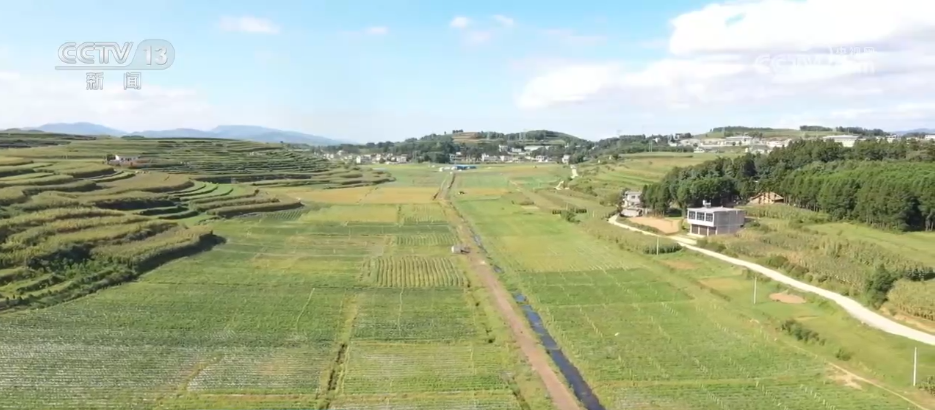
Group 1: Agricultural Production - The southwest region has harvested nearly 60% of its autumn grain, while the Yangtze River middle and lower reaches have over 20% harvested, and sporadic harvesting has begun in the northeast and Huang-Huai-Hai main production areas [1] - In Jilin, rice planting area is stable at over 12 million mu, with 20 high-quality rice varieties promoted [2] - In Henan, over 10 million agricultural machines are participating in the autumn harvest, with expectations for a large-scale harvest of autumn grain soon [3] Group 2: Rice Harvesting - In Henan's Taibai County, rice is being harvested, ensuring a good yield [4] - In Nanyang's Taibai County, the use of combine harvesters is prevalent, with farmers actively harvesting rice [6] - A rice purchasing point in Henan is processing over 200 tons of wet rice daily, facilitating immediate sales for farmers [7] Group 3: Other Crop Harvests - In Hubei's Luotian County, the chestnut harvest season has begun, with live streaming used to promote sales [9][13] - The chestnut production is expected to reach 62,000 tons in 2025, with a total output value of 3.53 billion yuan [15] - In Henan, the new season of high oleic peanuts is being marketed, with a 4.01% increase in planting area expected in 2025 [16][22] Group 4: Specialty Products - The "Qinhu Crab" from Jiangsu's Taizhou has begun harvesting, with an annual output value exceeding 800 million yuan [26] - The crab farming area is nearly 50,000 mu, with over 10,000 people engaged in the industry [26] - In Sichuan's Nanchong, the Buddha's hand fruit is being harvested, with an annual production value exceeding 50 million yuan [31]
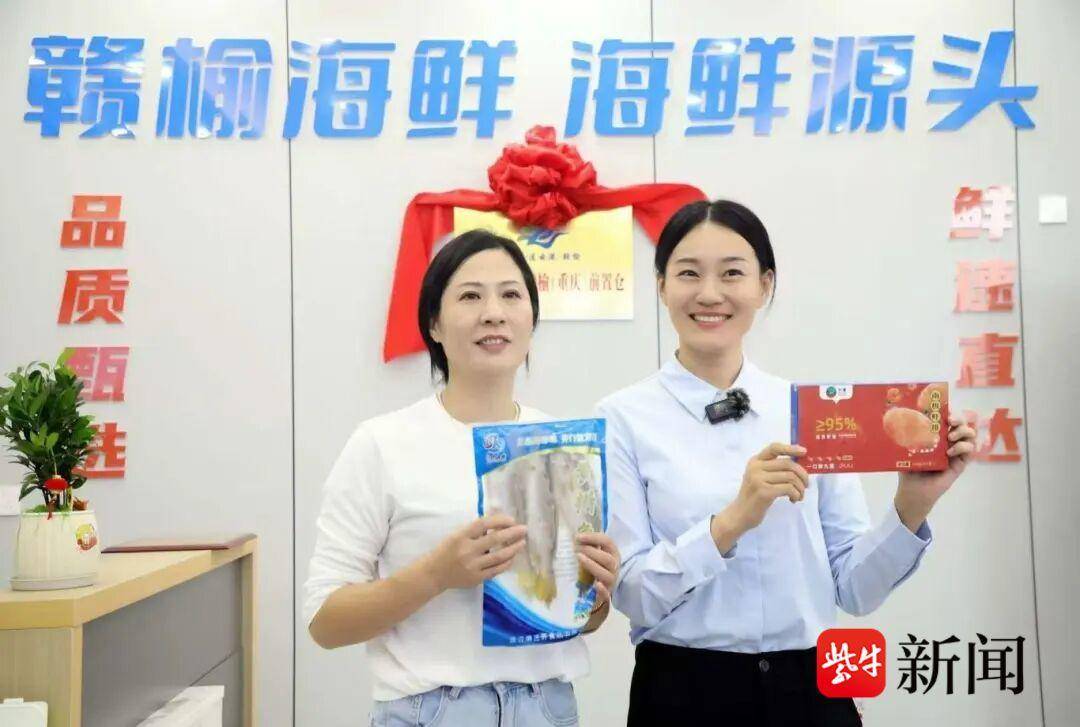
赣榆海鲜“抢滩”西南市场!重庆前置仓首批55万斤海货直达山城!
Yang Zi Wan Bao Wang· 2025-09-26 11:51
Core Insights - The successful launch of "Ganyu Seafood" in Chongqing marks a significant step in establishing a seafood supply chain in the southwestern region of China, enhancing its national recognition and reputation [1][4] Group 1: Logistics and Operations - Over 400 cold chain vehicles transported 550,000 pounds of seafood from Ganyu District to Chongqing within 20 hours, including 200,000 pounds of crab, 200,000 pounds of oysters, and 150,000 pounds of shrimp [1][3] - The establishment of a front warehouse in Chongqing is expected to facilitate an annual sales volume of 6,000 to 8,000 tons, with nearly 30 seafood production enterprises already participating [3][4] Group 2: Market Positioning - Chongqing, with a population exceeding 32 million, serves as a major logistics hub for the southwestern region, catering to the growing demand for fresh and diverse seafood due to its culinary culture [4][6] - The "Ganyu Seafood" service station in Chongqing will support collaboration between local businesses and cold chain logistics companies, ensuring a steady supply of seafood to the southwestern market [6][7] Group 3: Supply Chain Innovation - The innovative supply chain model of "direct sourcing + cold chain delivery" allows for rapid delivery of seafood products, enhancing consumer convenience and market reach [6][9] - The integration of a storage and distribution center at the Chongqing logistics park further improves supply chain efficiency [6] Group 4: Market Expansion Strategies - Future plans include exploring direct procurement and supply chain finance, as well as collaborating with local hot pot associations to develop seafood meal kits and customized products [8][9] - The strategy also involves enhancing online presence through mainstream e-commerce platforms and live streaming sales, aiming to strengthen brand recognition and quality assurance [9]
沃野金黄、瓜果飘香、渔获满仓铺展喜人“丰”景 “科技+”让农业向“智”而行
Yang Shi Wang· 2025-09-26 04:14
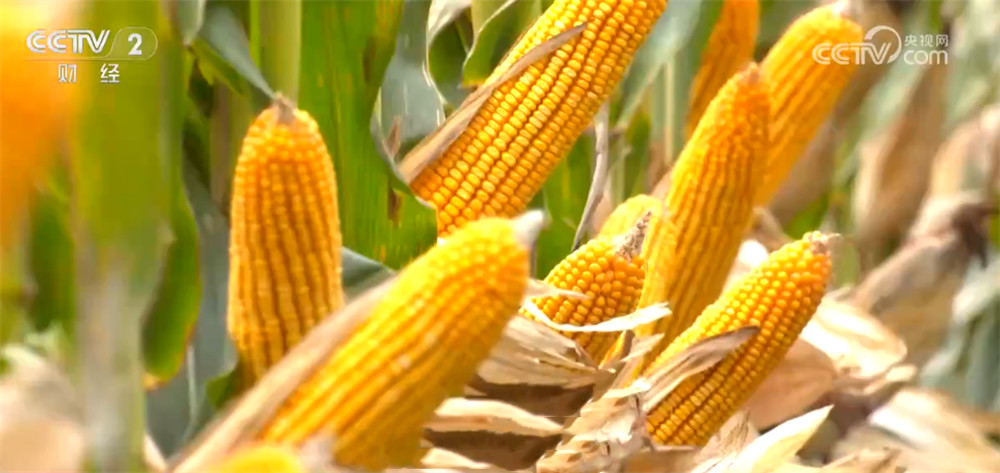
Group 1: Agricultural Production Overview - The latest agricultural report indicates that approximately 20% of the national autumn grain has been harvested, with over 30% of the middle rice and more than 10% of corn and soybeans harvested [1] - In regions like Southwest China, nearly 60% of the corn has been harvested, while the Yangtze River middle and lower reaches have over 20% harvested [1] Group 2: Corn Production Innovations - The introduction of high-yield and quality corn varieties, such as "Zhongyu 303," is significantly contributing to increased corn production in Inner Mongolia [2][4] - The planting area for "Zhongyu 303" in Tongliao has reached over 500,000 acres, expected to substantially boost grain output [8] Group 3: Agricultural Competitions and Community Engagement - A unique competition during the harvest festival in Tongliao allows farmers to showcase their freshly harvested products, promoting community engagement and sharing of agricultural success [7][10] - The competition includes various categories, measuring both weight and taste of different agricultural products [7] Group 4: Technological Advancements in Agriculture - The use of smart agricultural systems is enhancing farm management efficiency, allowing farmers to enjoy improved living conditions and more leisure time [15][18] - In Heilongjiang, advanced technologies like satellite remote sensing and IoT are being utilized for efficient rice harvesting, transforming traditional farming practices [19][21][23] Group 5: Regional Agricultural Highlights - In Zhejiang, full mechanization of rice planting and harvesting is significantly improving efficiency, with various crops like loofah and kiwi also seeing high yields [24][26][28][30] - In Gansu, the raspberry industry is expanding through value-added processing and cooperative farming, increasing local farmers' incomes [31][33] - In Fujian, the seasonal catch of tilapia in the artificial freshwater lake is expected to yield approximately 13,000 tons of freshwater products, valued at around 230 million yuan [34][35]
学习新语|跟着总书记脚步,走过四季庆丰收
Xin Hua She· 2025-09-24 08:28
Group 1 - The article highlights President Xi Jinping's continuous engagement with agricultural production across various regions in China, emphasizing his commitment to improving the agricultural sector and rural livelihoods [3][4][6][20]. - Xi's visits include inspecting rice harvests in Heilongjiang, corn growth in Jilin, grape industries in Xinjiang, and vegetable cultivation in Hubei, showcasing a hands-on approach to understanding local agricultural practices [4][6][20][23]. - The President stresses the importance of integrating poverty alleviation with agricultural development, public services, and ecological protection to enhance overall agricultural productivity and quality [7][17][23]. Group 2 - Xi Jinping's emphasis on modern efficient agriculture as a pathway for farmers to achieve prosperity is evident during his visits to various agricultural sites, where he discusses crop yields and market prices with local farmers [10][12][23]. - The article notes Xi's focus on sustainable agricultural practices, such as promoting green development and the use of new technologies in the tea industry, which is crucial for rural revitalization [30][32]. - The President's remarks on the significance of utilizing saline-alkali land for agricultural expansion highlight the strategic importance of land management in ensuring food security for China's large population [41][42].

巨变70年|天山南北“丰”景如画
Xin Hua She· 2025-09-24 07:26
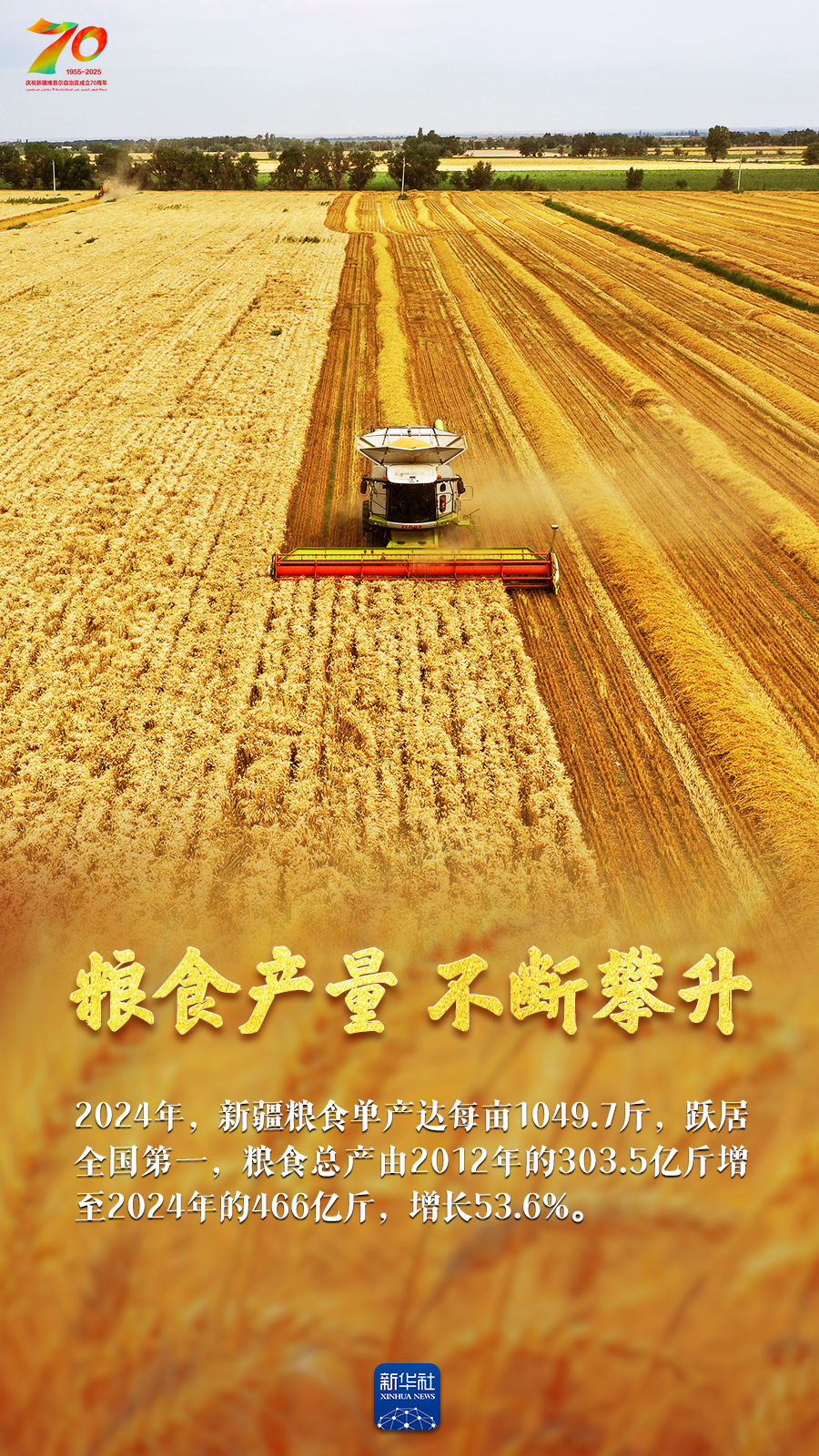
Group 1 - Xinjiang's grain yield per mu reached 1049.7 kg in 2024, ranking first in the country, with total root crop production increasing from 30.35 billion kg in 2012 to 46.6 billion kg in 2024, a growth of 53.6% [3] - In 2024, Xinjiang's cotton production totaled 5.686 million tons, accounting for 92.3% of the national total, maintaining the top position for 32 consecutive years, with a comprehensive mechanization rate of 97% [5] - Xinjiang has transformed from relying on natural conditions for livestock farming to utilizing modern technology, becoming a major producer of high-quality livestock products in China [7] Group 2 - Xinjiang's fruits, such as Hami melons, Turpan grapes, Korla pears, and Aksu apples, are favored in the national fruit market, benefiting from unique climatic conditions that enhance their sweetness and aroma [9] - The region has over 4.6 million acres of suitable fishing waters, with a total aquatic product output of 192,500 tons in 2024, contributing to its reputation as a significant seafood exporter [14]
种田更智慧 产业更融合 增收更多元
Nan Jing Ri Bao· 2025-09-23 02:03
Core Viewpoint - The transformation of agriculture in Nanjing is marked by the shift from traditional farming methods to modern, technology-driven practices, enhancing efficiency and productivity in urban agriculture [1][2][3]. Group 1: Technological Transformation - The introduction of smart greenhouses has revolutionized vegetable production, with a single greenhouse producing over 150 tons of vegetables annually and generating sales exceeding 4 million yuan, demonstrating a per-acre output value of over 200,000 yuan [2]. - Smart irrigation systems in rice cultivation allow for real-time monitoring and automated control of water usage, significantly improving water management and crop yield [3]. - Nanjing has established five smart agriculture parks and eleven digital farms, with agricultural technology contributing over 74% to productivity, surpassing the national average by more than 10 percentage points [3]. Group 2: Market Demand and Agricultural Diversification - The shift in consumer preferences towards a diversified diet necessitates a change in traditional agricultural practices, as the demand for various food products increases [4]. - Agricultural cooperatives are expanding their operations beyond primary production to include processing and distribution, with one cooperative achieving a total output value of over 40 million yuan by diversifying into multiple sectors [5]. - The integration of agriculture with secondary and tertiary industries has led to a significant increase in the total output value of agricultural specialty industries, exceeding 47 billion yuan with a year-on-year growth of over 17% [5]. Group 3: Economic Benefits and Rural Development - The development of courtyard economies has enabled farmers to utilize idle spaces for additional income, with some households reporting annual income increases of around 5,000 yuan through participation in local economic initiatives [9]. - The establishment of rural tourism platforms has generated significant sales, with nearly 3 million yuan in direct revenue and an additional 14 million yuan in sales for various stakeholders [9]. - The focus on increasing farmers' income through diverse economic activities is central to Nanjing's agricultural strategy, with ongoing efforts to create sustainable income mechanisms for rural communities [9].