
电影

Search documents
中信建投:看好26年电影春节档 看好全年进口片表现
智通财经网· 2026-01-19 06:39
Industry Trends - The movie industry has identified three major trends over the past 25 years: 1) Animated films have performed exceptionally well, with 4 out of the top 10 box office films being animated, including two record-breaking titles [1] - 2) The trend of derivative layouts is emerging, maximizing the commercial value of IP through a combination of short-term box office and long-term derivatives [1] - 3) The supply of imported films is abundant, becoming a significant contributor during summer and New Year periods [1] Upcoming Releases - For the 2026 Spring Festival, two high-grossing IP sequels, "Fast Life 3" and "Boonie Bears 12," have been scheduled, with major players like Damai, Maoyan, Wanda Film, and China Film expected to announce more significant releases [1] - The strong cast and past box office success of similar films contribute to a positive outlook for the 2026 Spring Festival [1] Box Office Outlook - The company remains optimistic about the performance of imported films in 2026, with anticipated releases of major IP sequels such as "Avengers," "Spider-Man," "Toy Story," and "Minions" expected to be introduced to the domestic market [1] - The smooth introduction of imported films in 2025 and a rich reserve of Hollywood films for 2026 support a positive forecast for domestic box office performance [1] Company Recommendations - The company recommends investing in Damai Entertainment (01060), which is expected to benefit from strong IP business performance and favorable policy changes in the domestic performance sector, as well as from overseas projects [1] - China Film (600977.SH) is also highlighted as a potential beneficiary of the recovery in box office from imported films [1] - Other companies to watch include ticketing leader Maoyan Entertainment (01896), cinema chain leader Wanda Film (002739.SZ), and Shanghai Film (601595.SH), which is expected to benefit from the combination of IP and AI [1]


新质生产力助力电影产业升级
Yang Shi Wang· 2026-01-18 12:09
Group 1 - The "14th Five-Year Plan" emphasizes the integration of culture and technology, promoting digital empowerment and information transformation in cultural construction [1] - The film industry is experiencing rapid upgrades due to the deep integration of new technologies like artificial intelligence, with a significant increase in virtual production processes [1] - The penetration rate of virtual production processes in the film industry is projected to rise from 15% in 2023 to approximately 45% by 2025, indicating a strong trend towards new productive forces [1] Group 2 - The film industry is witnessing advancements in screening technology, achieving 100% digitalization of screens in China [2] - The domestically developed CINITY projection system incorporates multiple high-tech features such as 4K, 3D, high frame rates, and high dynamic range, enhancing the audience's viewing experience [2]
视频丨过去一年电影如何改变生活?大数据带你看→
Yang Shi Xin Wen Ke Hu Duan· 2026-01-18 08:34
Core Insights - The film industry is evolving, with consumers increasingly engaging with movies through merchandise and experiences before the films are released, indicating a shift in consumer behavior and market dynamics [1][5][11] Group 1: Pre-release Consumer Engagement - Merchandise related to films is being sold well in advance of their release, with some products available for purchase a month prior to the film's debut [3] - The trend shows that consumers are purchasing film-related products, such as toys and collectibles, before even watching the movie, enhancing their overall experience [5][9] - Data indicates that hotel bookings and tourism related to film locations have surged significantly before the films are released, with a 147% increase in hotel bookings for a film's shooting location [9][11] Group 2: Cultural and Educational Impact - The film industry is not only driving box office sales but also influencing cultural engagement, as seen in the rise of exhibitions and educational programs related to films [20][24] - Museums and cultural institutions are adapting their strategies to incorporate film as a means to explore and understand traditional Chinese culture, leading to increased visitor engagement [20][24] - Educational institutions are expanding their curricula to include diverse subjects related to film, indicating a shift towards a more holistic approach to film education [46][48] Group 3: Technological Integration - The integration of AI and advanced video editing tools is democratizing film-making capabilities, allowing ordinary users to create high-quality video content [29][31] - The use of AI in video editing has seen a significant increase, with user engagement nearly doubling, showcasing the growing accessibility of film production techniques [31] - The film industry is leveraging technology to enhance creative expression, moving beyond traditional methods to embrace innovative storytelling techniques [33][46]


过去一年电影如何改变生活?大数据带你看→
Yang Shi Xin Wen Ke Hu Duan· 2026-01-18 08:11
Group 1 - The film industry is increasingly influencing consumer behavior, with audiences engaging with movies through merchandise and experiences even before the films are released [1][5][7] - The trend of purchasing movie-related merchandise is shifting to occur before the film's release, with significant sales of items like plush toys and collectibles happening weeks or months in advance [5][7][11] - Data indicates a notable increase in hotel bookings and tourism interest related to film locations prior to the films' release, reflecting a shift from post-release engagement to pre-release anticipation [11][13] Group 2 - The audience's engagement with films extends beyond the cinema, as many continue to discuss and share their experiences on social media after viewing, leading to a deeper cultural connection [17][19] - Cultural exhibitions related to films are gaining popularity, with increased attendance and interest in understanding the cultural context of films, as seen in museums and galleries [21][25] - The rise of AI and video editing tools is democratizing film-making techniques, allowing ordinary users to create content with a cinematic quality, reflecting the influence of professional filmmaking on everyday creativity [26][30][33] Group 3 - The animation sector is evolving, with educational institutions focusing on diverse storytelling and original content creation rather than merely replicating past successes like "Nezha" [36][42][48] - The introduction of new courses in film-related programs indicates a shift towards a more comprehensive understanding of film and digital arts, emphasizing artistic expression alongside technical skills [46][48] - The film industry is moving towards a more diversified and robust creative landscape, suggesting a future where multiple unique narratives can thrive rather than relying on a few blockbuster formulas [48]

大数据“说”变化·上映前“种草”“靠前”消费 电影催生多样文化空间激活多元消费
Yang Shi Wang· 2026-01-18 07:14
Core Insights - The film industry is increasingly influencing consumer behavior, with audiences engaging with movies through merchandise and experiences even before the films are released [1][5][15] Group 1: Pre-release Consumer Behavior - Consumers are purchasing movie-related merchandise, such as character toys, before the films are released, indicating a shift in how audiences interact with films [3][8] - The trend of selling merchandise before a film's release is becoming common, with significant sales occurring even months in advance [5][11] - Data shows that hotel bookings in locations featured in upcoming films have surged, with a 147% increase in bookings for a film's shooting location compared to the previous year [12] Group 2: Cultural Impact and Engagement - The film industry is fostering a cultural ecosystem, with confidence from audiences and producers in the future of Chinese cinema [14] - Post-release, audiences continue to engage with films through discussions and sharing content on social media, indicating a sustained interest beyond the initial viewing [17][18] - Cultural exhibitions related to films are gaining popularity, with significant increases in attendance and engagement, showcasing the connection between cinema and traditional culture [22][23]

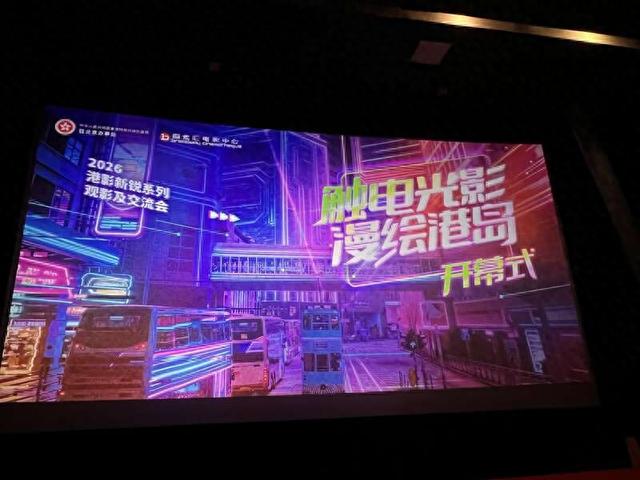
“触电光影 漫绘港岛” 2026港影新锐系列观影及交流活动在京举行
Xin Lang Cai Jing· 2026-01-18 06:06
Core Viewpoint - The event "Touching Electric Light and Shadow: Drawing Hong Kong Island" focuses on the presentation and innovative expression of esports themes in films, gathering film industry professionals from mainland China and Hong Kong to discuss these topics [1][3]. Group 1: Event Overview - The event took place in Beijing on January 17-18, 2026, and was co-hosted by the Hong Kong Special Administrative Region Government's Beijing Office and the Beijing Broadway Cinematheque [1]. - It featured two segments: long films and short films, with long films like "Touching Electric" and "Esports Girl" focusing on esports themes and the struggles of contemporary youth between virtual and real worlds [3]. Group 2: Film Content and Themes - The long films presented explore themes of growth, friendship, and self-worth, while the short films showcased diverse artistic perspectives from Hong Kong's new generation of creators [3]. - The films aim to depict not only the competitive aspect of esports but also the social landscape of Hong Kong, integrating themes of growth, struggle, and teamwork into their narratives [5]. Group 3: Forum Discussions - A forum titled "Virtual Entry: The New Track of Film Industrialization under the Gaming Wave" was held, where directors and writers discussed the creative ecology and the empowerment of film production through virtual games [7][8]. - Participants emphasized the need for collaboration between young creators from Beijing and Hong Kong to find common expressions between virtual and real worlds [8]. Group 4: Government Support and Future Collaboration - The acting director of the Hong Kong Beijing Office highlighted the government's efforts to cultivate film talent through various programs under the Film Development Fund [12]. - There is an expectation for increased collaboration and communication between creators from Hong Kong and mainland China to promote the development of Chinese-language films [12].
过去一年电影如何改变生活?大数据带你看
Xin Lang Cai Jing· 2026-01-18 05:03
Group 1 - The film industry is increasingly influencing consumer behavior, with audiences purchasing merchandise and visiting filming locations even before movie releases [1][2][5] - The trend of pre-release merchandise sales is growing, with some products available months in advance of the film's debut [5][9] - Data shows a significant increase in hotel bookings and tourism related to film locations prior to movie releases, indicating a shift in consumer engagement [9][11] Group 2 - The audience's anticipation for films is leading to early planning of travel and experiences related to the movies, reflecting a strong confidence in the future of Chinese cinema [11][13] - Post-viewing engagement is evolving, with audiences continuing to interact with films through social media and cultural exhibitions, rather than losing interest after the credits roll [13][15] - Cultural institutions are adapting to this trend by integrating film with traditional culture, enhancing the audience's understanding and appreciation of both [15][16] Group 3 - The rise of AI and video editing tools is democratizing filmmaking skills, allowing ordinary people to create high-quality content easily [20][22] - The film industry is influencing the development of AI models that learn from cinematic techniques, which are then applied in everyday video creation [22][25] - Educational institutions are evolving their curricula to focus on diverse artistic expressions and interdisciplinary collaboration, moving beyond mere technical skills [30][31][33]
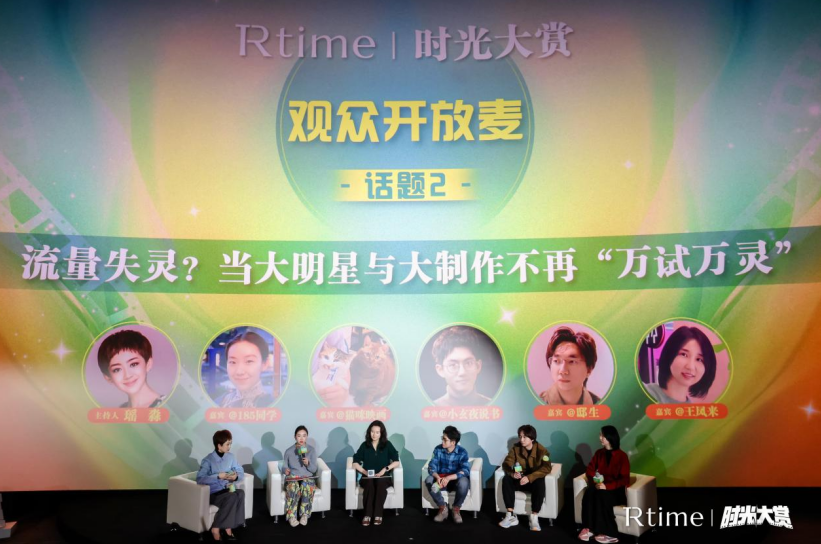
观众坐C位为电影把脉,Rtime时光大赏开创性搭建行业沟通桥梁
Bei Jing Wan Bao· 2026-01-18 04:47
Core Insights - The "Rtime Time Awards" event held on January 17, 2026, aimed to bridge the gap between movie audiences and industry professionals, focusing on the evolving landscape of entertainment consumption among Generation Z [1][16] - The event featured over 200 Rtime members who expressed their views on various topics, including content quality, star power, marketing, and cinema experience, highlighting the need for the industry to adapt to audience expectations [1][2] Audience Engagement - Attendees raised pointed questions about the authenticity of movie promotions and the relevance of celebrity trends, emphasizing that the value of a movie ticket is tied to the fulfillment of audience expectations [2][3] - The "Audience Open Mic" segment allowed audience members to voice their opinions directly, creating a unique dialogue between viewers and industry professionals [3][4] Industry Reflection - Industry professionals acknowledged the growing dissatisfaction with domestic films, indicating a need for creators to catch up with audience expectations and preferences [5][7] - The event highlighted the importance of marketing and the impact of social media on audience perceptions, with concerns about the effectiveness of current promotional strategies [3][9] Awards and Recognition - The "Rtime Time Awards 2025" featured a list of 53 films, with categories that included "Market Attention," "Artistic Exploration," and "New Time New Power," reflecting a shift towards recognizing diverse cinematic contributions [12][13] - The awards aimed to break traditional frameworks by separating artistic and commercial films, indicating a changing landscape in audience preferences, particularly the declining interest in romance films [12][13] Addressing Generation Z - The event included a segment focused on Generation Z's entertainment consumption, where industry representatives responded to audience feedback and concerns, particularly regarding the accessibility of merchandise and events [15][16] - The data indicated that the film industry's revenue reached 51.832 billion yuan in 2025, signaling a transition from a "box office economy" to a more diversified entertainment consumption model [16]
从大数据的角度出发,看过去一年电影如何改变生活?
Yang Shi Wang· 2026-01-18 03:23
Core Insights - The film industry is evolving, with consumers engaging with movies beyond just watching them, including purchasing merchandise and visiting filming locations before the movie's release [1][5][15] - The trend of pre-release consumption is growing, with merchandise being available weeks or even months before the film's debut, indicating a shift in consumer behavior [7][11] - The anticipation for films is driving early tourism, as seen in the significant increase in hotel bookings and searches for related travel experiences before the films are released [11][13] Group 1: Consumer Behavior - Consumers are increasingly purchasing movie-related merchandise, such as blind boxes, before the films are released, enhancing their overall experience [3][5] - The timeline for consumer engagement is shifting, with audiences now buying merchandise and planning trips related to films well in advance of their release dates [7][11] - The confidence in the future of Chinese cinema is strong among audiences and industry players, leading to proactive consumer behavior [13][15] Group 2: Cultural Impact - The film industry is not only driving box office sales but also influencing cultural spaces, as seen in the rise of related exhibitions and cultural events [19][25] - Museums and cultural institutions are adapting their programming to include film-related content, enhancing public engagement with traditional culture through cinema [21][25] - The integration of film into everyday life is evident, as people are increasingly using cinematic techniques in their personal video projects, facilitated by advancements in technology [26][31] Group 3: Technological Advancements - The rise of AI and video editing tools is democratizing filmmaking, allowing ordinary people to create high-quality content with ease [27][31] - The film industry is leveraging technology to enhance creative processes, leading to a more diverse range of storytelling and artistic expression [33][41] - Educational institutions are adapting their curricula to focus on a broader range of skills, emphasizing creativity and artistic expression alongside technical training [46][48]
中国电影出海!塑造中国风格,展现中国气派
Xin Lang Cai Jing· 2026-01-17 23:55
Core Insights - The article highlights the significant achievements of Chinese cinema in expanding its presence internationally, with notable box office successes and a systematic approach to "going global" [1][2]. Group 1: Box Office Performance - The film "Ne Zha" achieved an overseas box office of $69 million, setting a new record for Chinese films [1]. - The total overseas box office for Chinese films exceeded 1 billion RMB in the past year, showing an increase compared to the previous year [1]. - Among the top 20 domestic films, 15 were released overseas, indicating a growing trend in international distribution [1]. Group 2: Trends in International Collaboration - Co-productions and international collaborations are becoming key trends, exemplified by the "Meg" series, which utilizes a "Chinese control + international resources" model [2]. - New-generation Chinese directors are expanding their narratives beyond traditional contexts, allowing Chinese characters to resonate with global audiences [2]. - The distribution of Chinese films is evolving from festival screenings to a more commercial and systematic approach, including simultaneous global releases and a dual distribution model of theaters and streaming [2]. Group 3: Technological Advancements - China leads in the global LED cinema screen market, with 13 out of 22 certified manufacturers and over 200 installations worldwide [3]. - Chinese companies are establishing virtual filming studios in North America and Europe, showcasing advancements in virtual production technology [3]. - Chinese sound technology has reached international standards, with immersive sound systems being applied in award-winning films [3]. Group 4: Systematic Development - The "mode going out" phase reflects a comprehensive management system, a robust market framework, and a focus on innovation in the Chinese film industry [4]. - The transition from a "learner" to a "leader" in the global film industry is marked by China's unique film management and cultural governance experiences [4]. Group 5: Challenges Ahead - Language and cultural barriers remain significant challenges for Chinese filmmakers, necessitating a balance between cultural identity and universal appeal [6]. - The marketing and promotion systems for overseas markets are still underdeveloped, which can hinder the success of high-quality films [6]. - The need for professionals familiar with international laws and market dynamics highlights gaps in the talent pool necessary for successful international collaborations [6]. Group 6: Future Outlook - By 2035, China aims to become a major player in the global film industry, influencing the international film ecosystem and expanding its market share [8]. - China is expected to establish a complete international standard system in areas like LED optics and sound, contributing to global film technology [9]. - The transition from being a "learner" to a "contributor" and "leader" in the global film landscape is anticipated, with Chinese films gaining more attention in mainstream international markets [10].